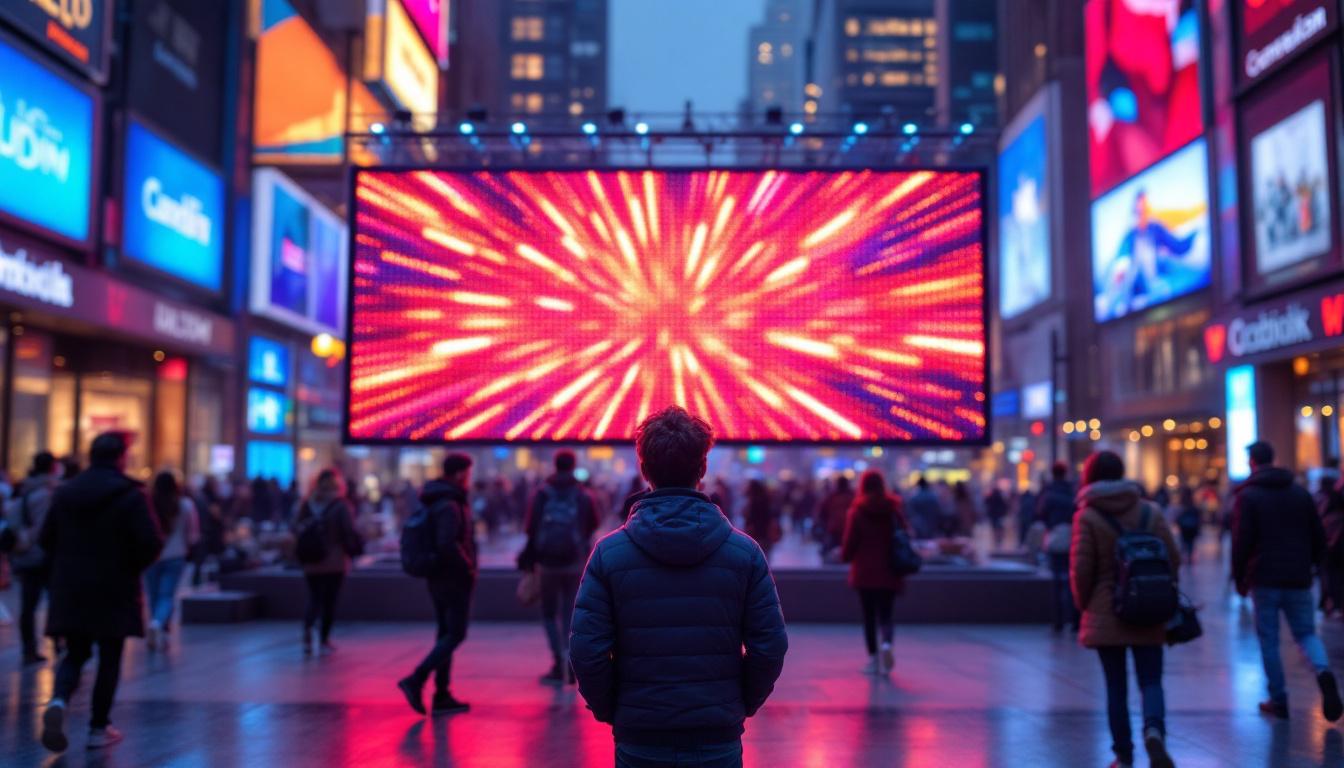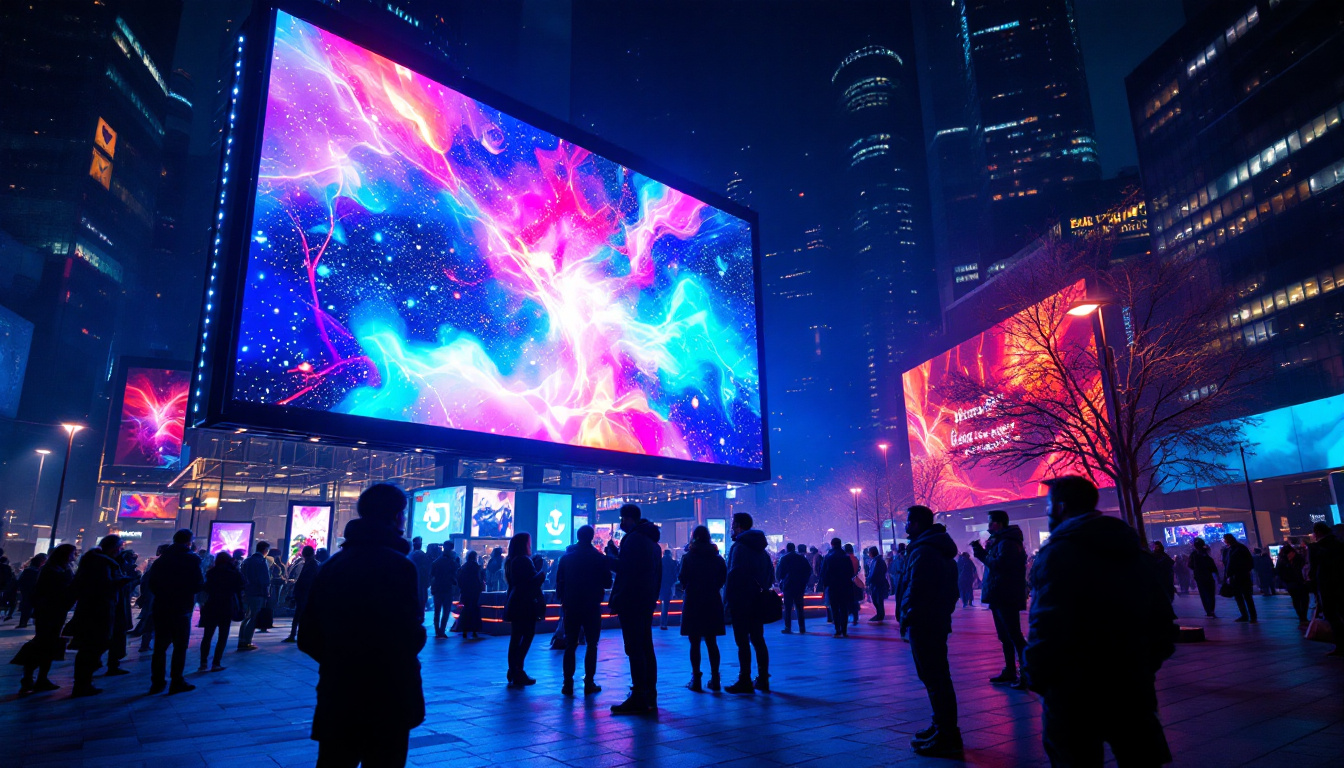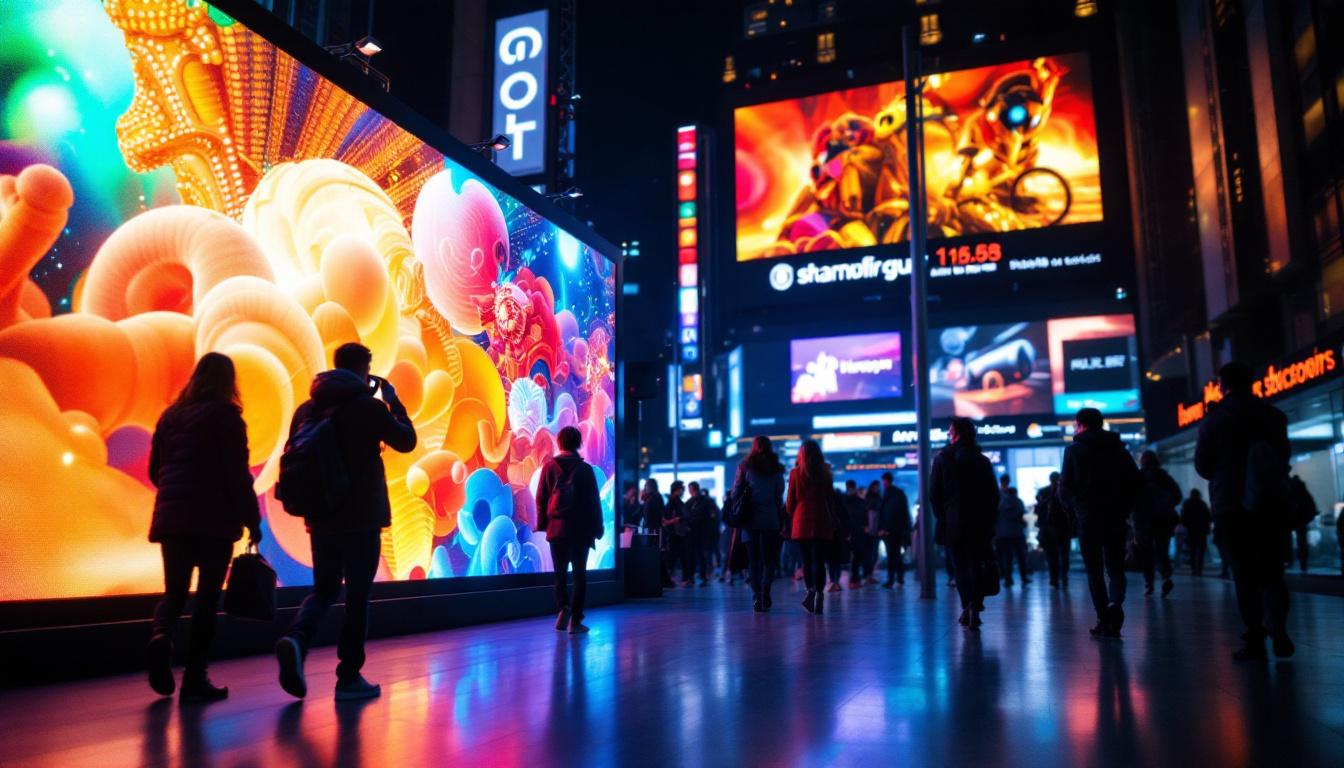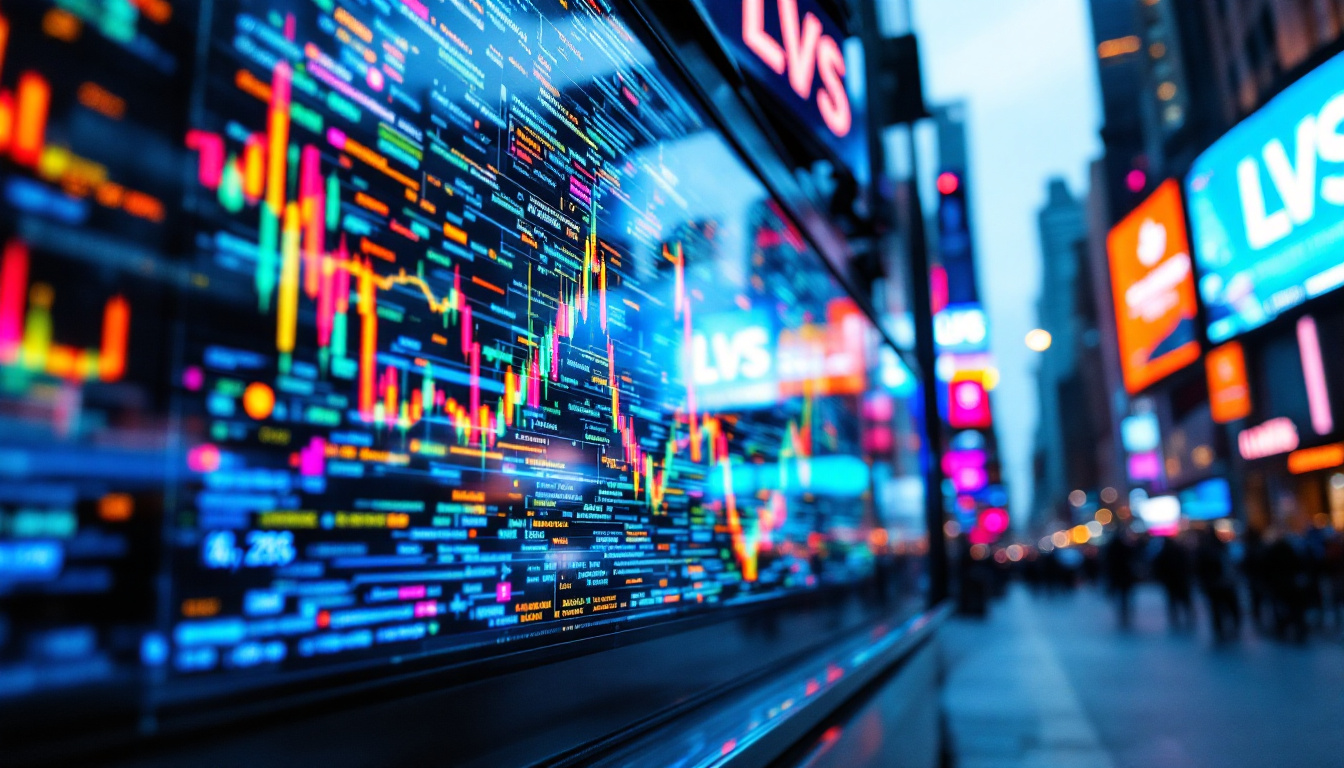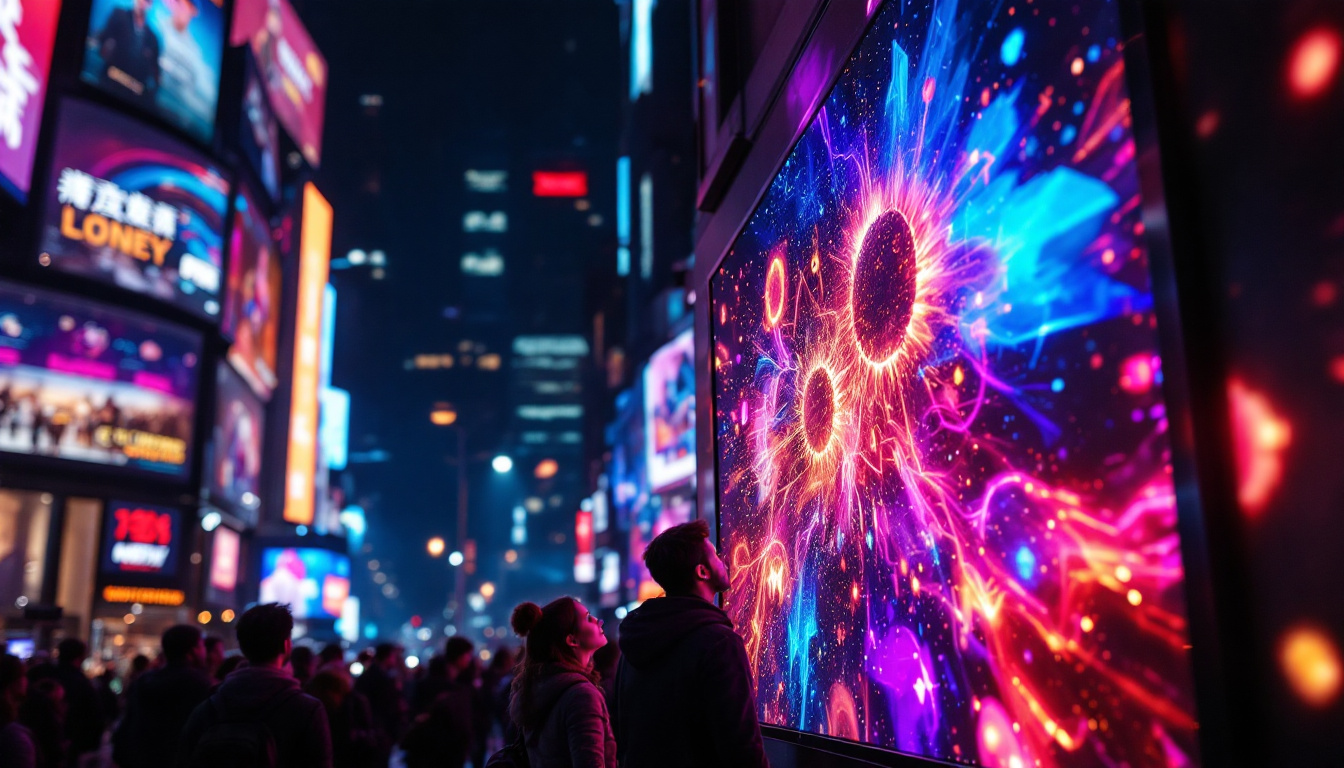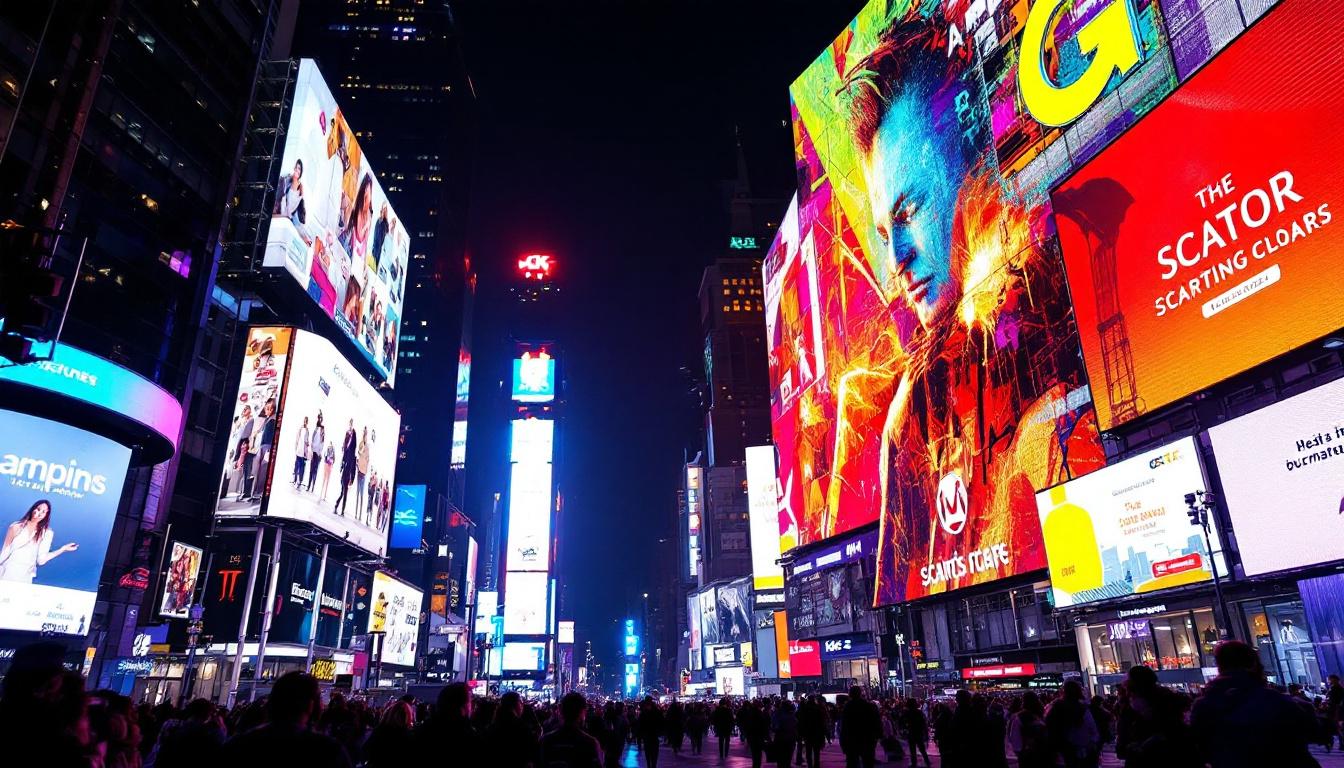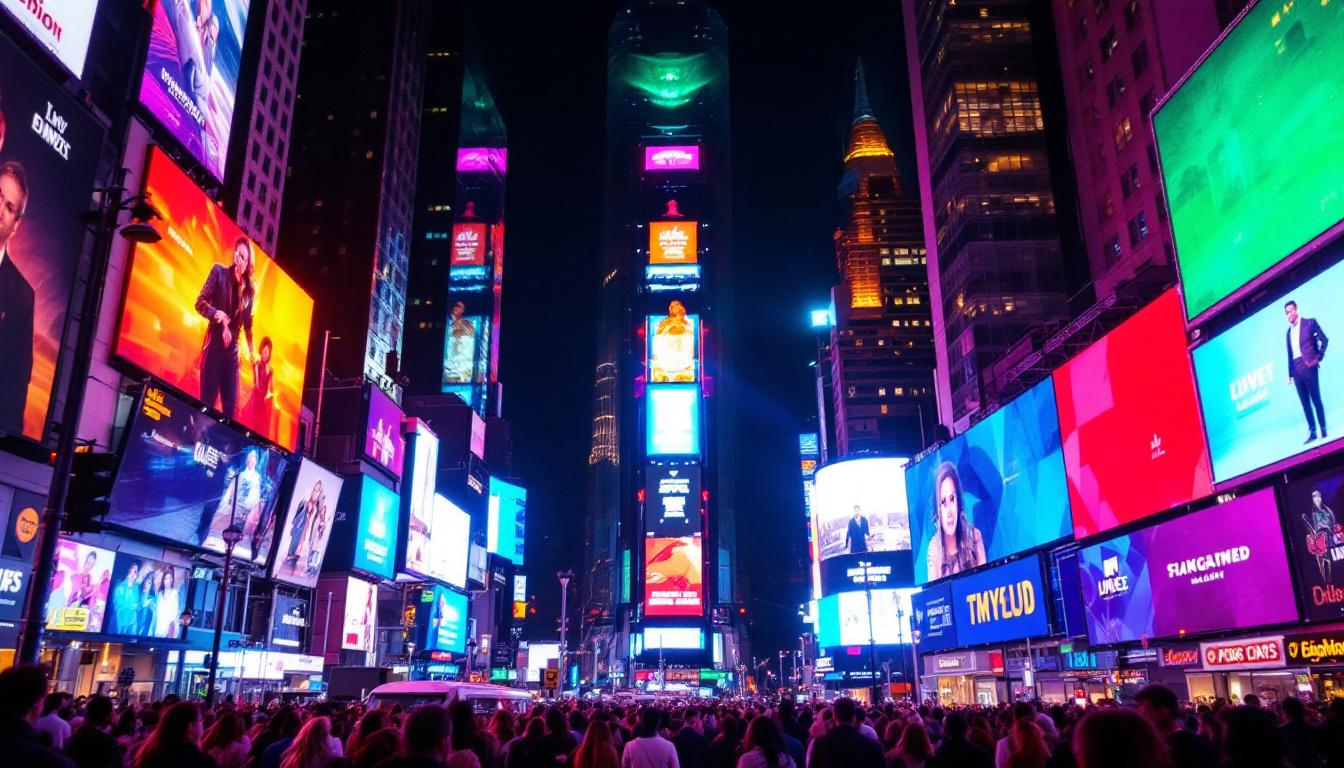
Times Square in New York City is one of the most iconic and bustling commercial hubs in the world. Known for its dazzling lights and vibrant energy, it attracts millions of visitors annually and serves as a prime location for advertisers aiming to capture global attention. Central to this spectacle are the LED displays that dominate the skyline, transforming the area into a dynamic canvas of light, color, and motion.
This article explores the technology behind Times Square’s LED advertising, its impact on marketing strategies, and why it remains a coveted platform for brands worldwide.
The Evolution of Times Square Advertising
Times Square’s advertising history dates back to the early 20th century, with traditional painted signs and neon lights illuminating the area. However, the transition to LED (Light Emitting Diode) technology marked a revolutionary shift in how brands communicate with audiences.
LED displays began to replace neon signs in the late 1990s and early 2000s, offering brighter, more energy-efficient, and versatile options. This evolution allowed advertisers to incorporate video, animations, and interactive content, creating immersive experiences that static billboards could not match.
From Neon to LEDs: A Technological Leap
Neon signs, while iconic, have limitations in brightness, color range, and energy consumption. LEDs provide a broader color spectrum, higher luminosity, and longer lifespan. For example, LEDs can produce over 16 million colors, enabling advertisers to design vibrant and eye-catching campaigns that stand out even in daylight.
Moreover, LEDs consume significantly less power compared to neon, making them more sustainable and cost-effective in the long run. This shift aligns with growing environmental concerns and corporate responsibility initiatives. As brands become more conscious of their ecological footprint, the transition to LED technology not only enhances visual appeal but also contributes to a greener future.
Impact on Advertising Dynamics
The adoption of LED technology transformed Times Square from a static advertising zone into a dynamic storytelling platform. Brands can now update content in real-time, tailor messages for different times of day or events, and even integrate social media feeds or interactive elements.
This flexibility has led to innovative campaigns such as Coca-Cola’s “Share a Coke” interactive billboard, which displayed personalized messages, and Samsung’s 3D holographic ads that created illusions of products floating in mid-air. Additionally, the integration of augmented reality (AR) features has further captivated audiences, allowing passersby to engage with advertisements in ways that were previously unimaginable. For instance, users can scan a QR code to unlock exclusive content or participate in interactive games, turning a simple advertisement into a memorable experience.
Furthermore, the sheer scale of these LED displays has redefined the concept of public engagement. With some screens towering over 100 feet, they not only dominate the skyline but also draw in millions of visitors each year. This visibility creates a unique opportunity for brands to reach diverse audiences, from tourists to locals, making Times Square a coveted location for advertisers looking to make a significant impact. The constant evolution of technology in this iconic space continues to inspire creativity and innovation, ensuring that Times Square remains at the forefront of advertising trends.
Understanding LED Display Technology
To appreciate the power of Times Square advertising, it’s essential to understand how LED displays work and what makes them uniquely suited for this environment.
What Are LEDs?
LEDs are semiconductor devices that emit light when an electric current passes through them. Unlike traditional bulbs, LEDs do not rely on filaments or gases, which makes them more durable and efficient.
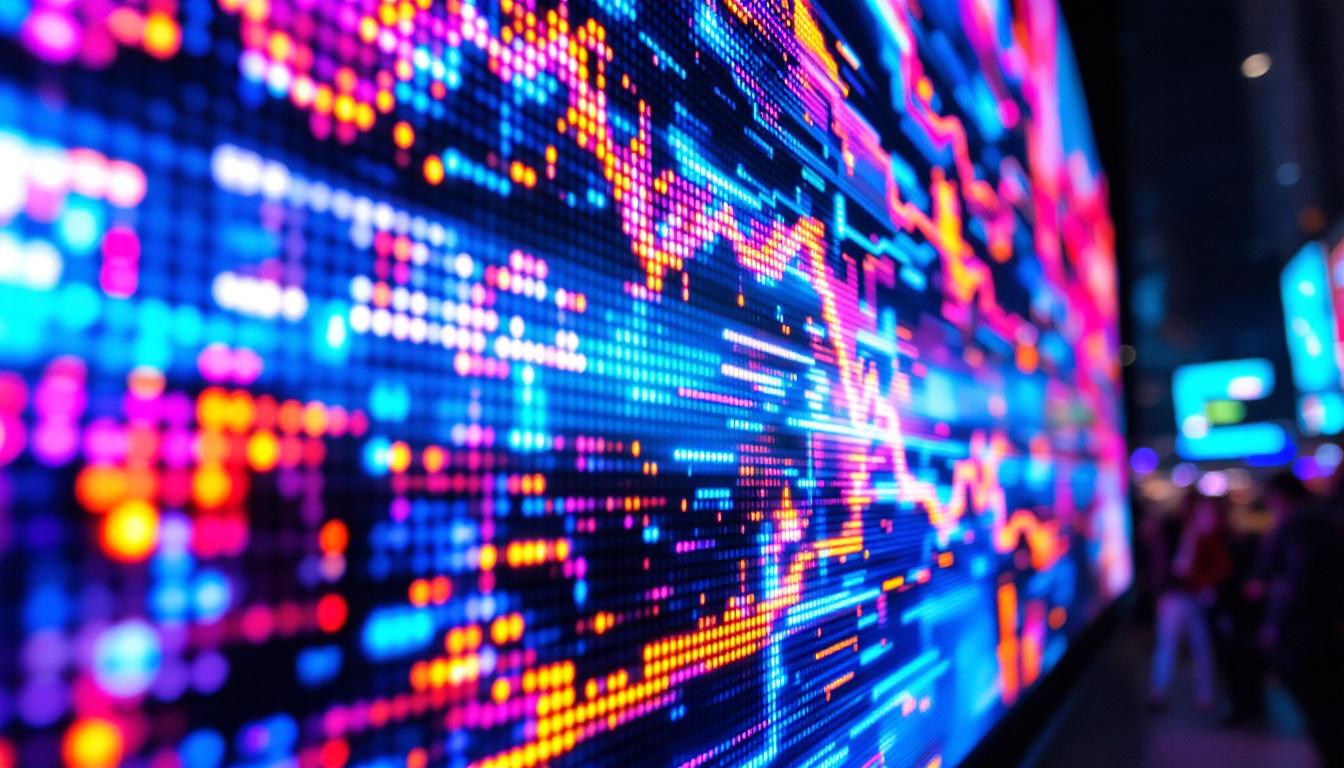
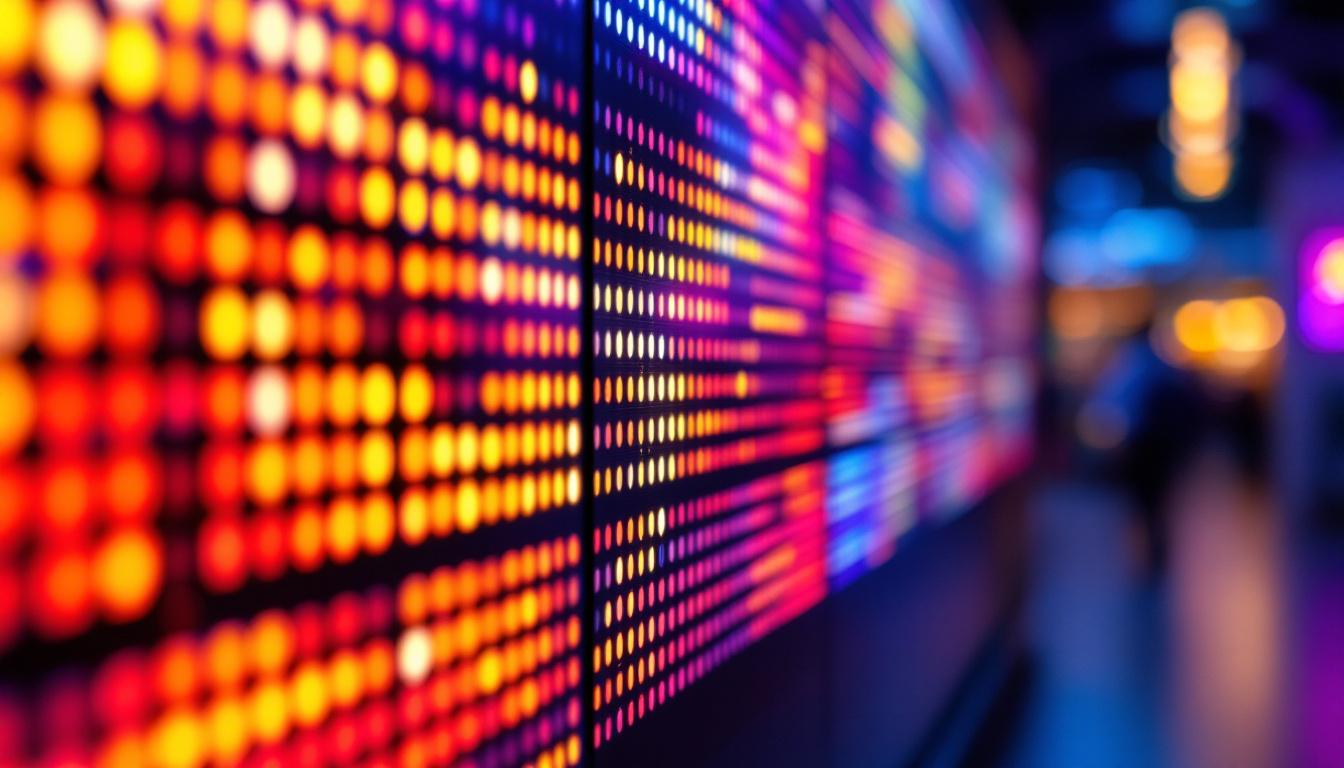
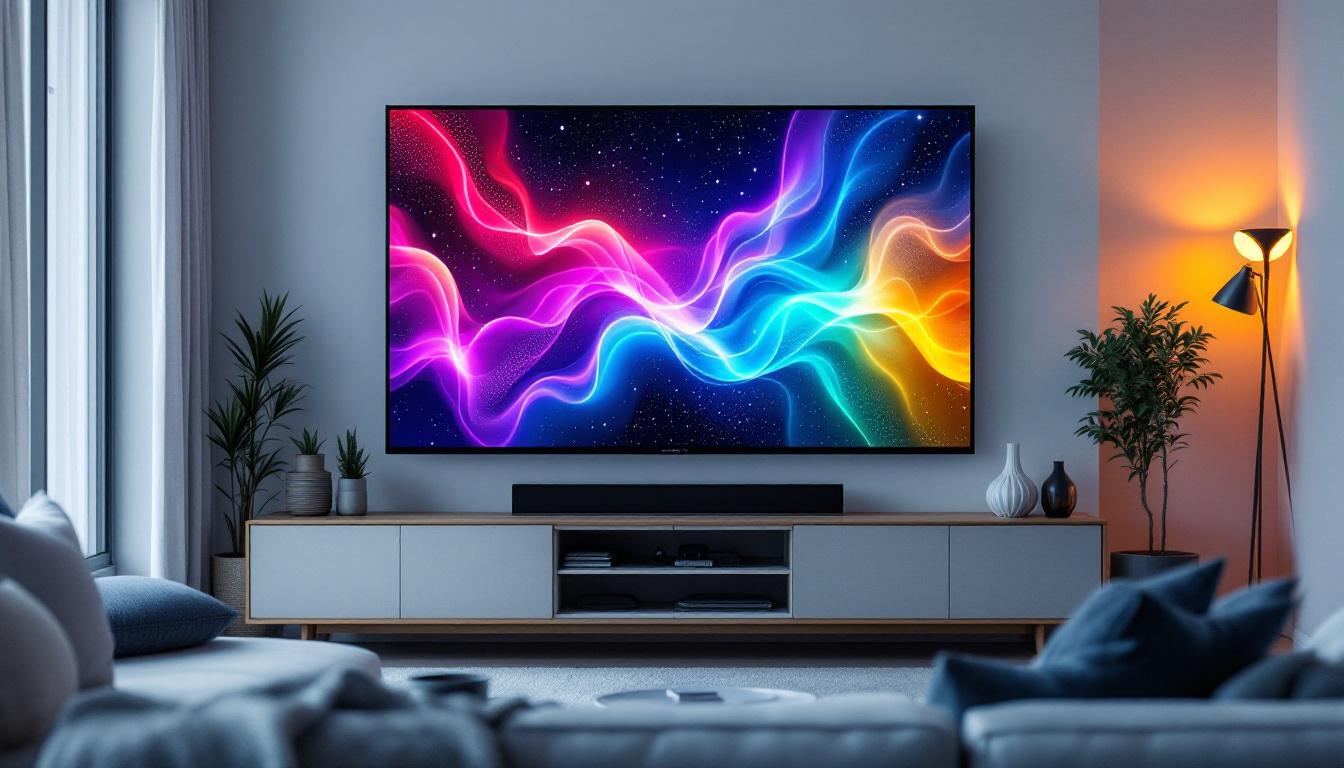
In large-scale displays, thousands to millions of tiny LEDs are arranged in a grid, forming pixels that collectively create images, videos, and animations. The brightness and color of each pixel can be precisely controlled to deliver high-resolution content. This precision allows advertisers to create dynamic visuals that can change in real-time, capturing the attention of passersby and enhancing the overall experience of Times Square.
Types of LED Displays in Times Square
Times Square features various LED display types, including:
- Full-Color LED Screens: These are the most common and capable of displaying complex, multi-colored images and videos.
- Transparent LED Displays: Installed on glass surfaces, these allow visibility through the screen while displaying content, ideal for storefronts.
- Curved and 3D LED Screens: These offer immersive viewing angles and depth, enhancing the visual impact.
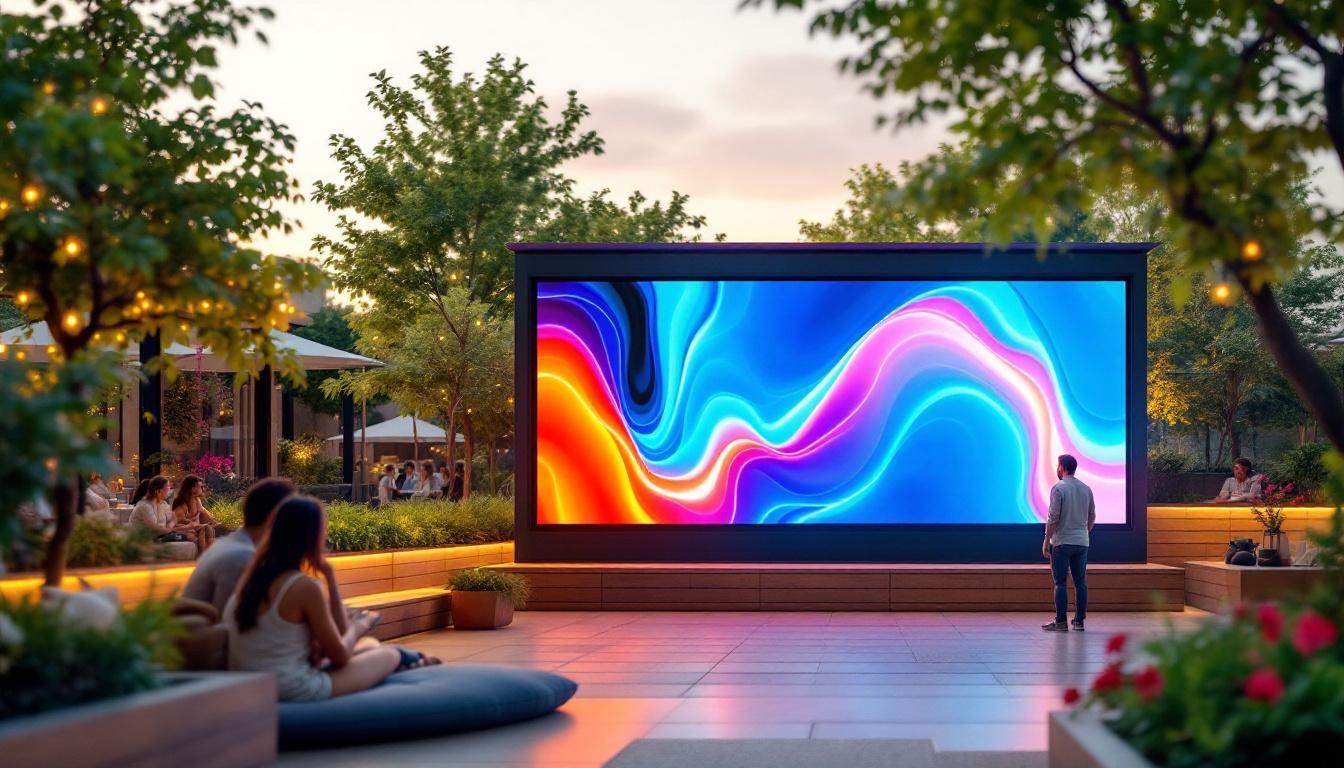
Each type is selected based on location, viewing distance, and the advertiser’s creative goals. For instance, the vibrant full-color screens are strategically placed where foot traffic is highest, ensuring maximum exposure for brands. In contrast, transparent displays are often used in retail environments to attract customers without obstructing the view of the products inside the store. This thoughtful placement not only enhances the aesthetic appeal of Times Square but also serves to engage the audience in innovative ways.
Resolution and Pixel Pitch
Resolution in LED displays refers to the number of pixels arranged horizontally and vertically. Pixel pitch is the distance between the centers of two adjacent pixels, typically measured in millimeters. Smaller pixel pitch means higher resolution and sharper images, especially important for close-up viewing.
For example, a billboard with a 10mm pixel pitch is suitable for viewers standing hundreds of feet away, while a 3mm pitch display offers crisp visuals for pedestrians just a few feet away. This distinction is crucial, as it allows advertisers to tailor their messages to different audience segments, ensuring that the content is not only visually appealing but also easily readable from various distances. Furthermore, advancements in LED technology have led to the development of ultra-high-definition displays, which provide even greater clarity and vibrancy, making them ideal for showcasing intricate details and captivating animations that draw the eye in a bustling environment like Times Square.
Why LED Advertising Thrives in Times Square
Times Square’s unique environment makes LED advertising particularly effective. Several factors contribute to its success:
High Foot Traffic and Visibility
With an estimated 330,000 pedestrians passing through Times Square daily, advertisers have a captive audience that spans locals, tourists, and business professionals. The LED displays’ brightness and size ensure messages are visible from multiple vantage points, day or night.
This high visibility translates into substantial brand exposure. According to a 2023 report by Geopath, Times Square billboards generate over 1.5 billion annual impressions, making it one of the most valuable advertising locations globally.
24/7 Operation and Dynamic Content
LED displays operate around the clock, allowing brands to reach audiences at all hours. The ability to change content instantly enables advertisers to respond to real-time events, promotions, or social trends.
For instance, during major events like New Year’s Eve or the Super Bowl, brands often launch special campaigns tailored to the occasion, maximizing engagement and relevance.
Emotional and Experiential Impact
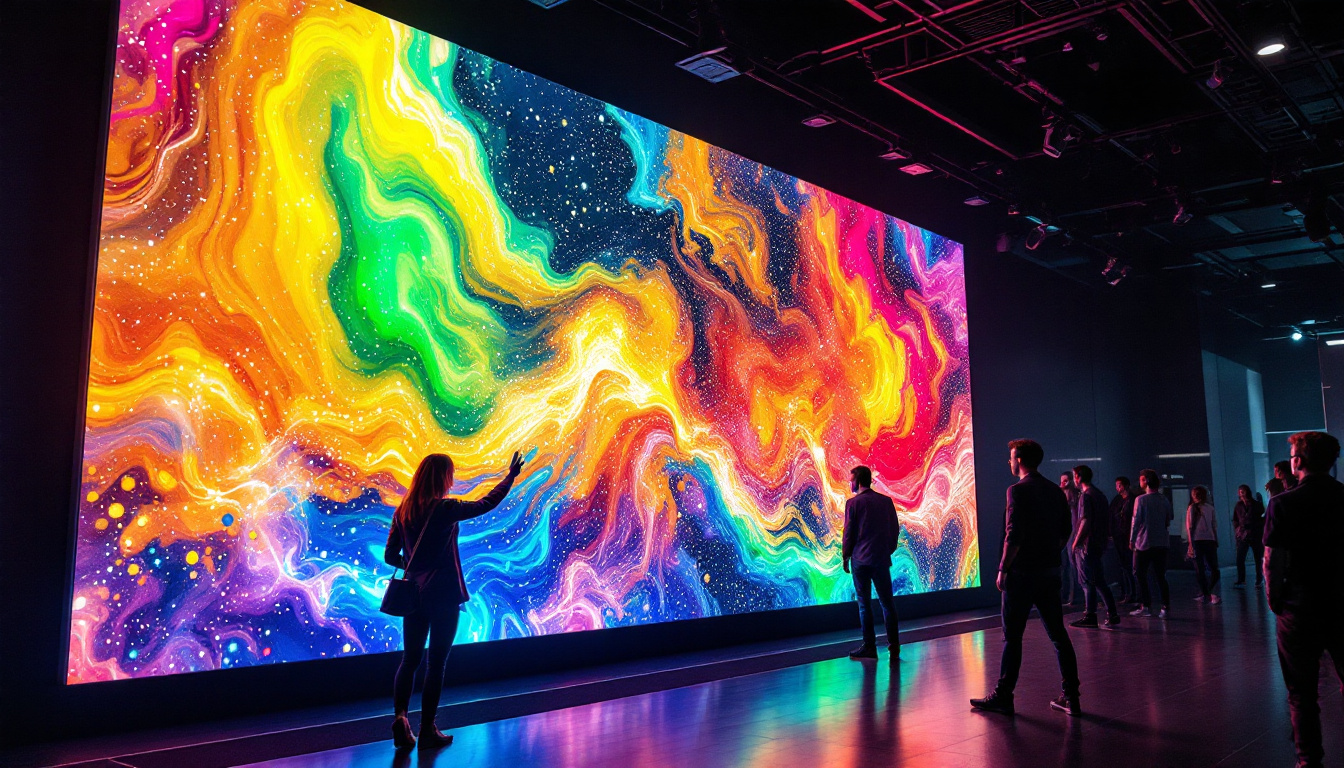
LED advertising in Times Square goes beyond mere visibility; it creates memorable experiences. The combination of scale, motion, and interactivity captures attention and evokes emotional responses, which are critical for brand recall and loyalty.
Campaigns that incorporate storytelling, humor, or social messages tend to resonate deeply with viewers, fostering positive associations with the brand.
Challenges and Considerations for Advertisers
Despite its advantages, advertising on Times Square LED displays involves challenges that brands must navigate to achieve success.
High Costs and Competition
Securing advertising space in Times Square is expensive. Rates can range from $1.1 million to over $4 million per month, depending on the size, location, and duration of the campaign. This significant investment requires careful planning and measurable return on investment (ROI).
Additionally, the competition for attention is fierce. With dozens of LED screens vying for viewers’ eyes, advertisers must create compelling, high-quality content that stands out.
Technical and Regulatory Constraints
LED displays must comply with city regulations regarding brightness, safety, and content standards. For example, the New York City Department of Transportation regulates the luminance levels to prevent glare that could distract drivers or pedestrians.
Technical challenges include ensuring displays perform reliably in all weather conditions and maintaining image quality over time through regular calibration and maintenance.
Measuring Effectiveness
While impressions and foot traffic data provide some insights, measuring the direct impact of LED advertising on sales or brand perception can be complex. Brands often use integrated marketing approaches, combining Times Square campaigns with digital analytics, social media monitoring, and consumer surveys to assess effectiveness.
Future Trends in Times Square LED Advertising
The landscape of LED advertising continues to evolve, driven by technological innovation and changing consumer behaviors.
Integration of AI and Data Analytics
Artificial intelligence is increasingly used to optimize content delivery based on real-time data such as weather, audience demographics, and engagement metrics. This personalization enhances relevance and effectiveness.
For example, an LED billboard might display different ads during rush hour targeting commuters versus evening ads aimed at tourists.
Augmented Reality and Interactivity
Emerging technologies like augmented reality (AR) are being integrated with LED displays to create interactive experiences. Visitors can engage with ads via smartphones or motion sensors, blurring the lines between physical and digital advertising.
This interactivity not only captivates audiences but also provides valuable data on consumer behavior.
Sustainability and Energy Efficiency
As environmental concerns grow, LED technology is advancing toward even greater energy efficiency and sustainable materials. Advertisers and property owners in Times Square are increasingly prioritizing green initiatives, including solar-powered displays and recyclable components.
Conclusion
Times Square’s LED advertising is a blend of cutting-edge technology, strategic marketing, and cultural significance. It continues to captivate audiences worldwide through its brightness, dynamism, and innovation.
For brands, leveraging LED displays in Times Square offers unparalleled visibility and engagement opportunities, albeit with challenges related to cost and competition. Understanding the technology and trends behind these displays is essential for crafting impactful campaigns that resonate in this vibrant urban landscape.
As LED technology advances and integrates with digital innovations, Times Square will remain a beacon of advertising excellence, illuminating the future of brand storytelling on a global stage.
Illuminate Your Brand with LumenMatrix
Ready to take your advertising to the next level in the heart of Times Square? LumenMatrix is at the forefront of LED display innovation, offering a wide array of solutions from Indoor and Outdoor LED Wall Displays to specialized options like Vehicle, Sports, and Floor LED Displays. Our mission is to transform your brand’s presence with displays that not only capture but mesmerize your audience. Don’t just be part of the landscape; redefine it with our Custom, All-in-One, and Transparent LED Displays. Check out LumenMatrix LED Display Solutions and make your brand’s story shine in the city that never sleeps.