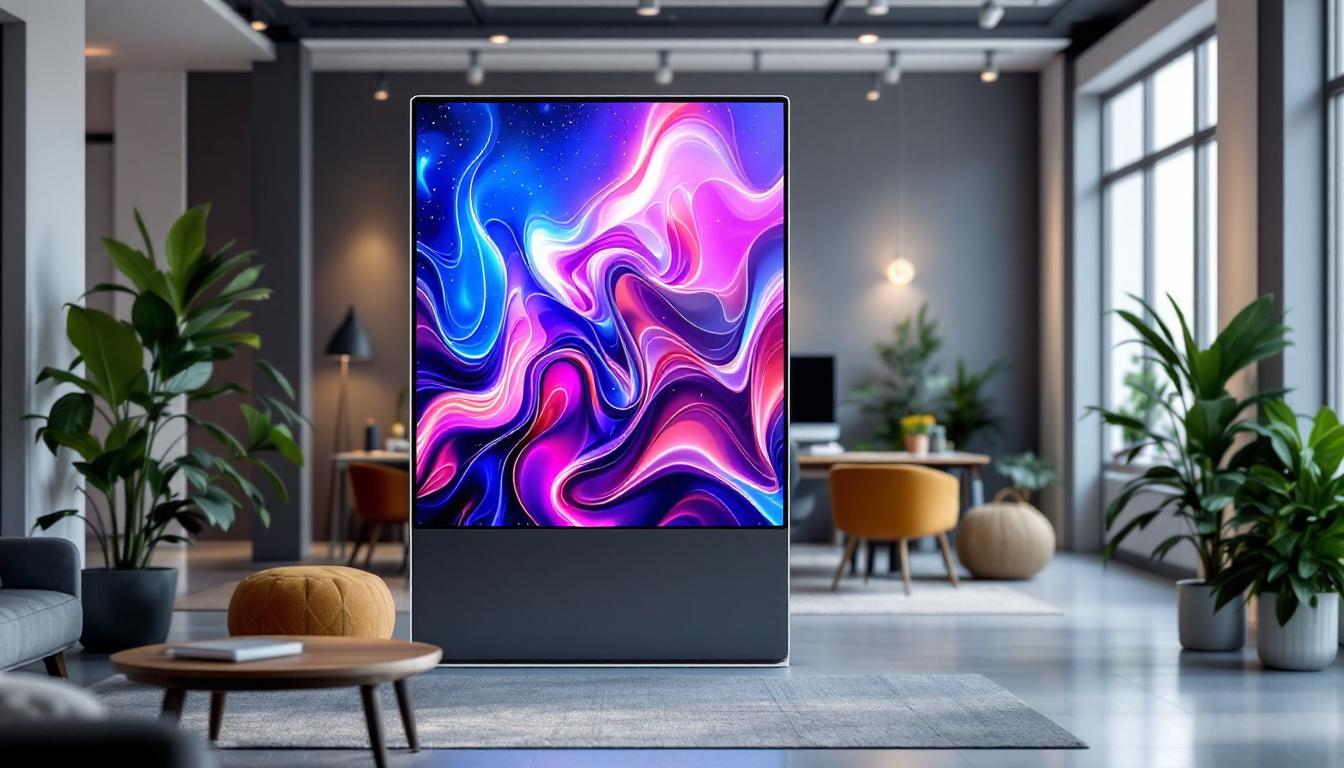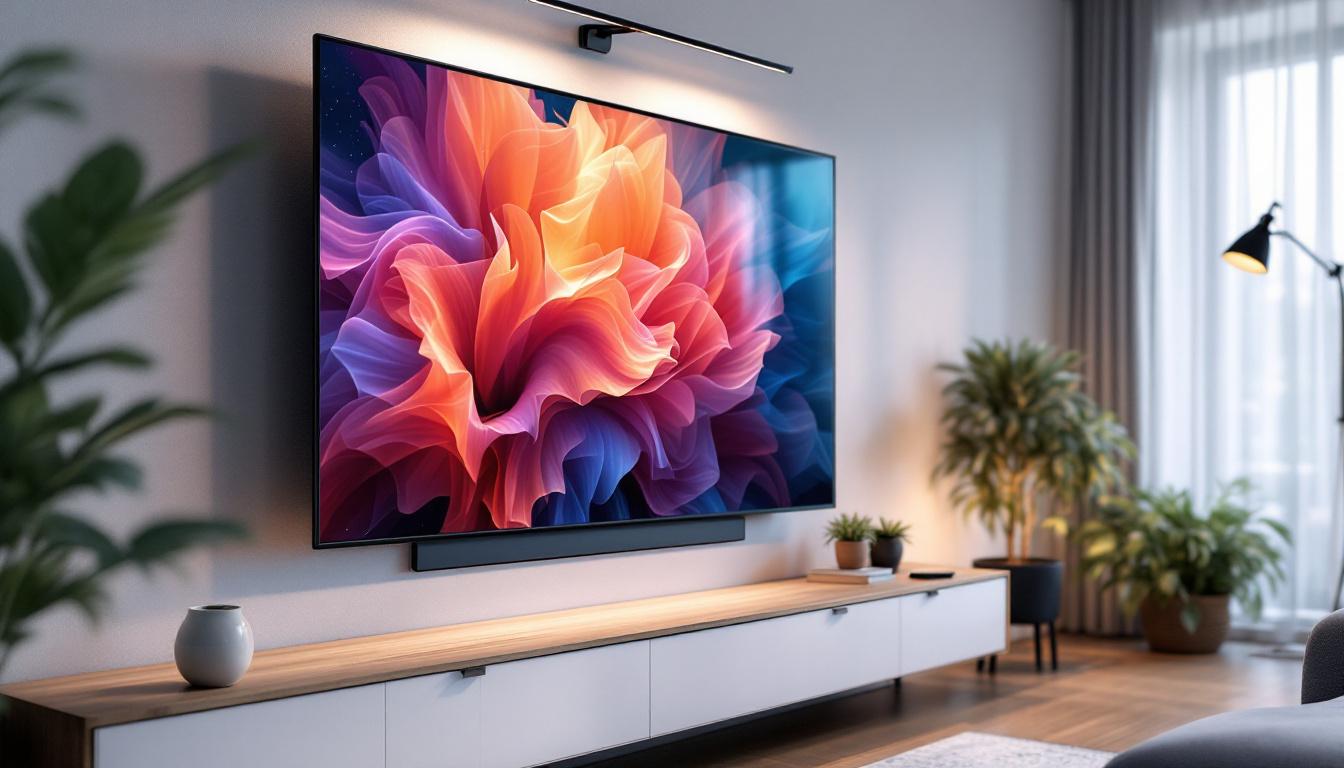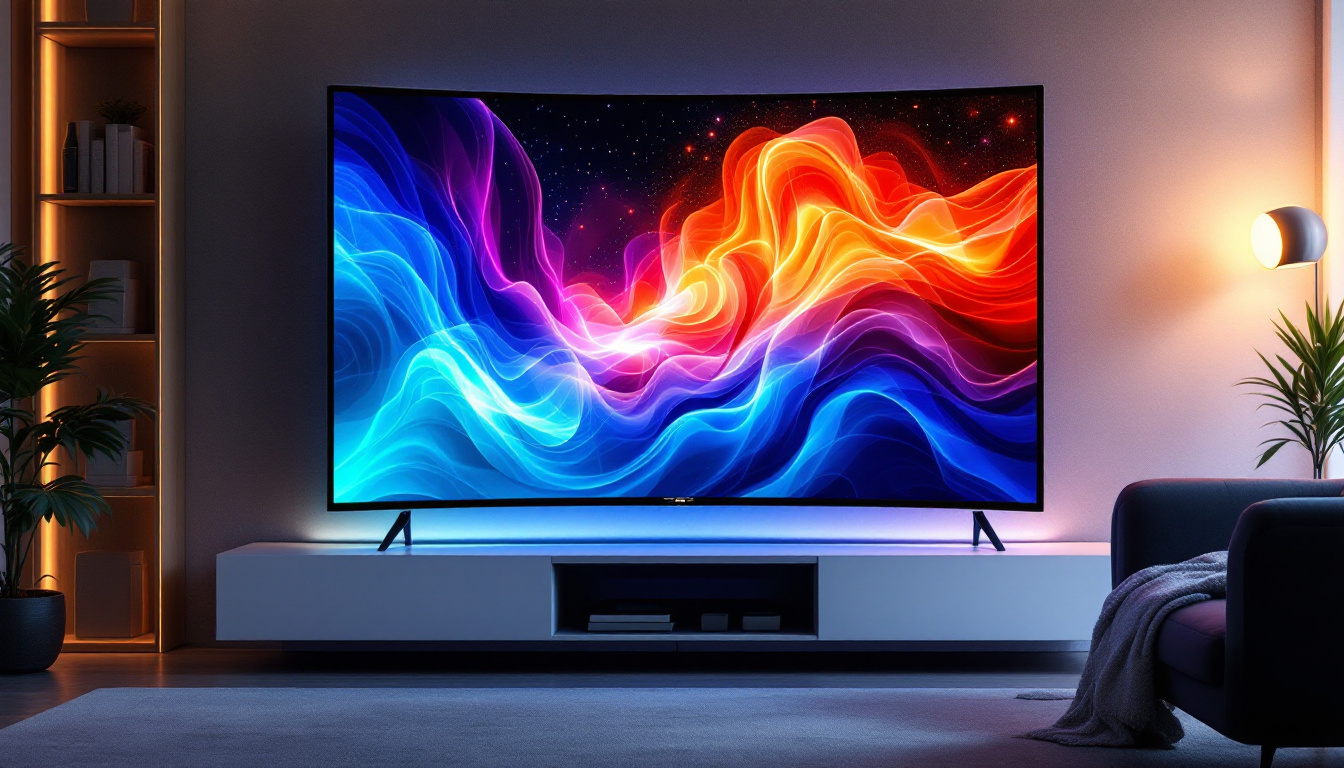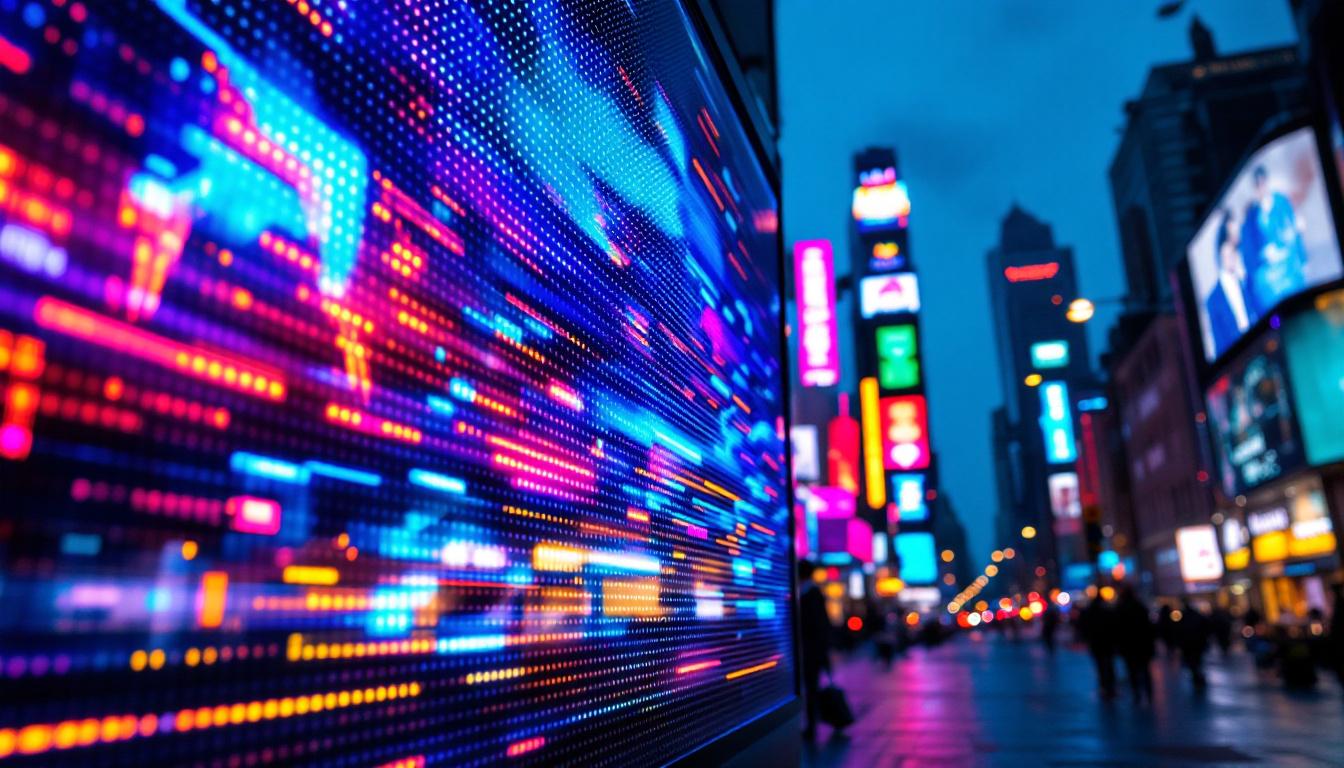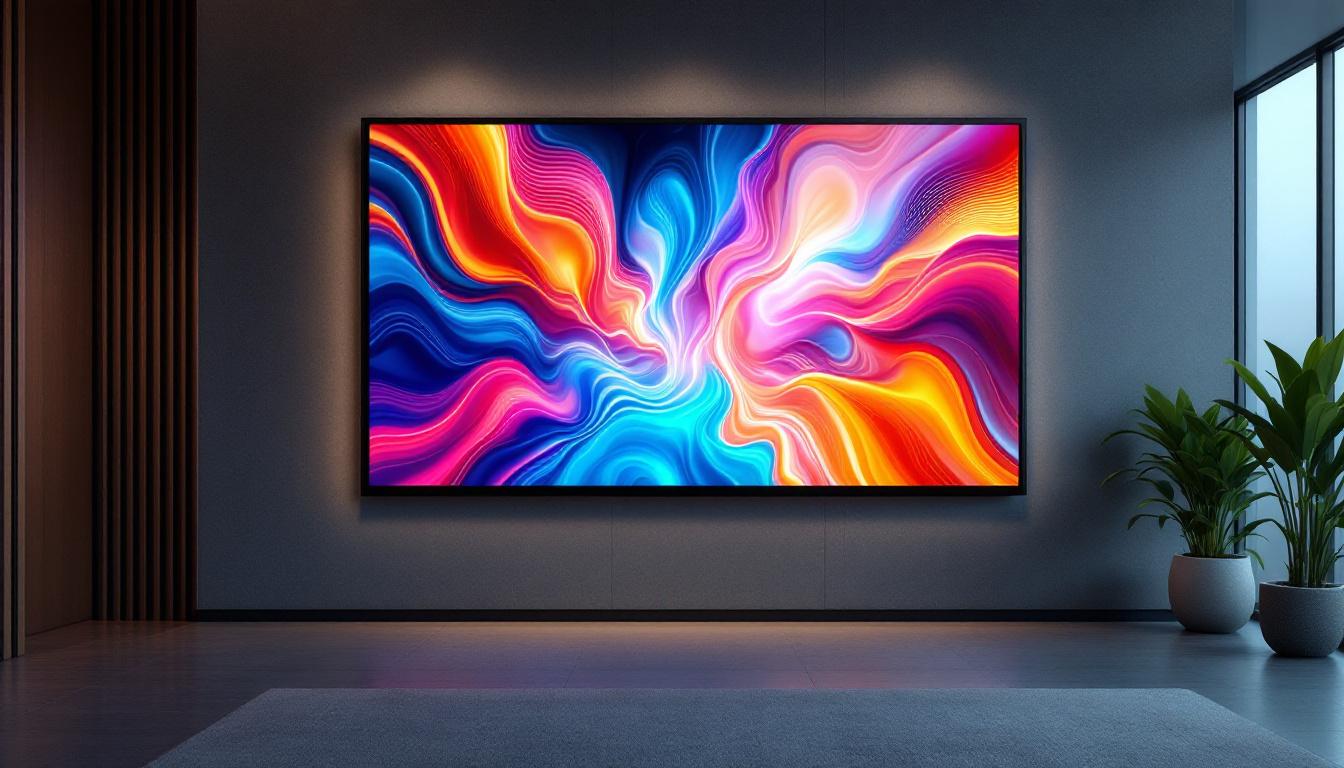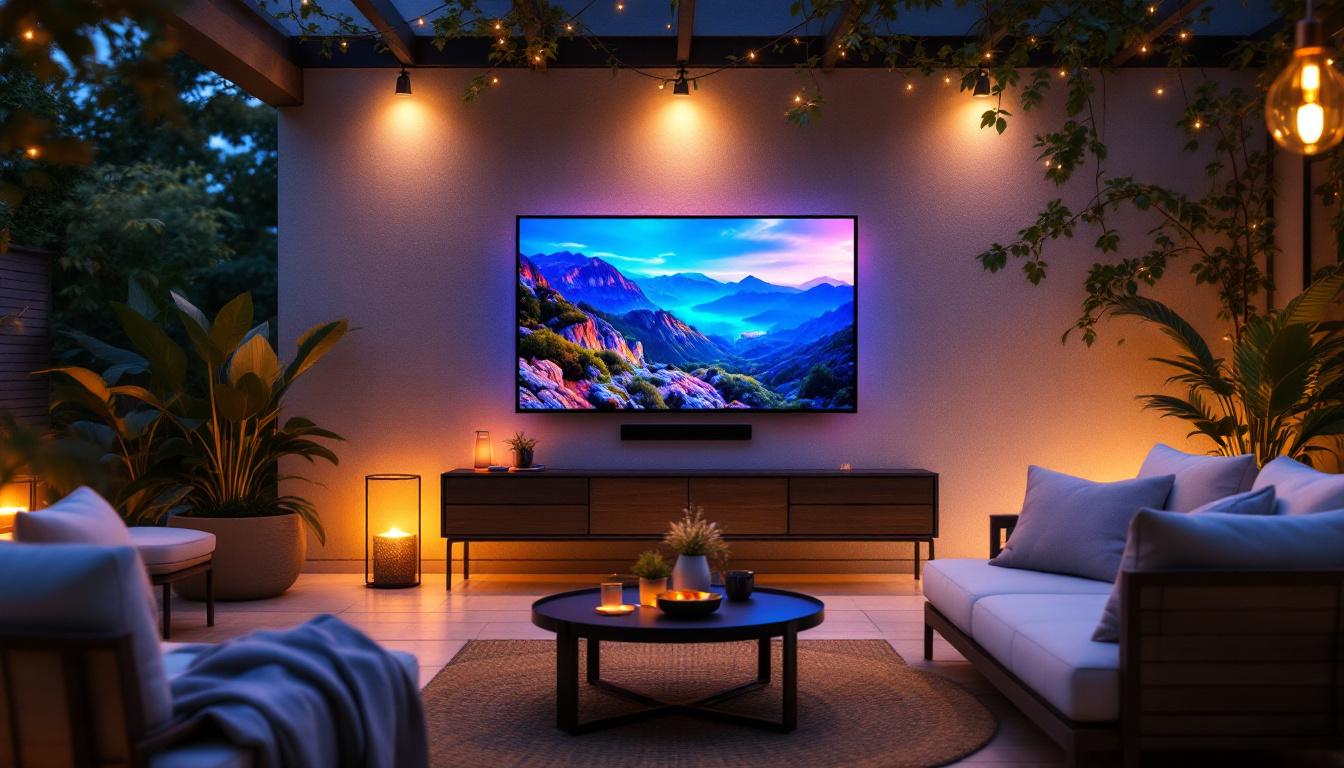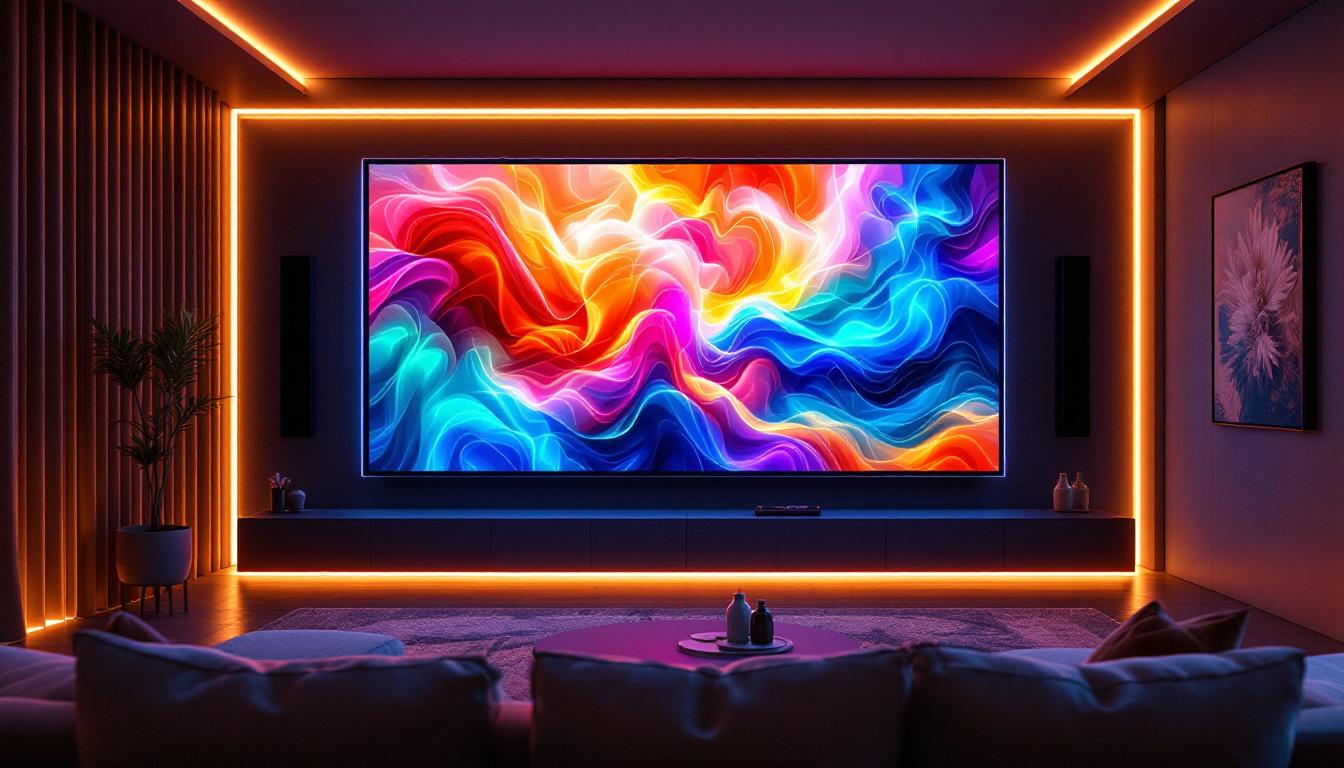
In recent years, home theaters have evolved from simple projector setups to immersive entertainment hubs that rival commercial cinemas. One of the most exciting advancements in this space is the integration of video walls, particularly those using LED display technology. Video walls offer unparalleled brightness, color accuracy, and customization options that can transform any home theater into a breathtaking visual experience.
This article explores the essentials of video walls for home theaters, focusing on LED displays. It covers how LED technology works, the benefits it brings, and practical considerations for homeowners looking to upgrade their viewing experience.
Understanding LED Video Walls: The Technology Behind the Brilliance
What Is an LED Video Wall?
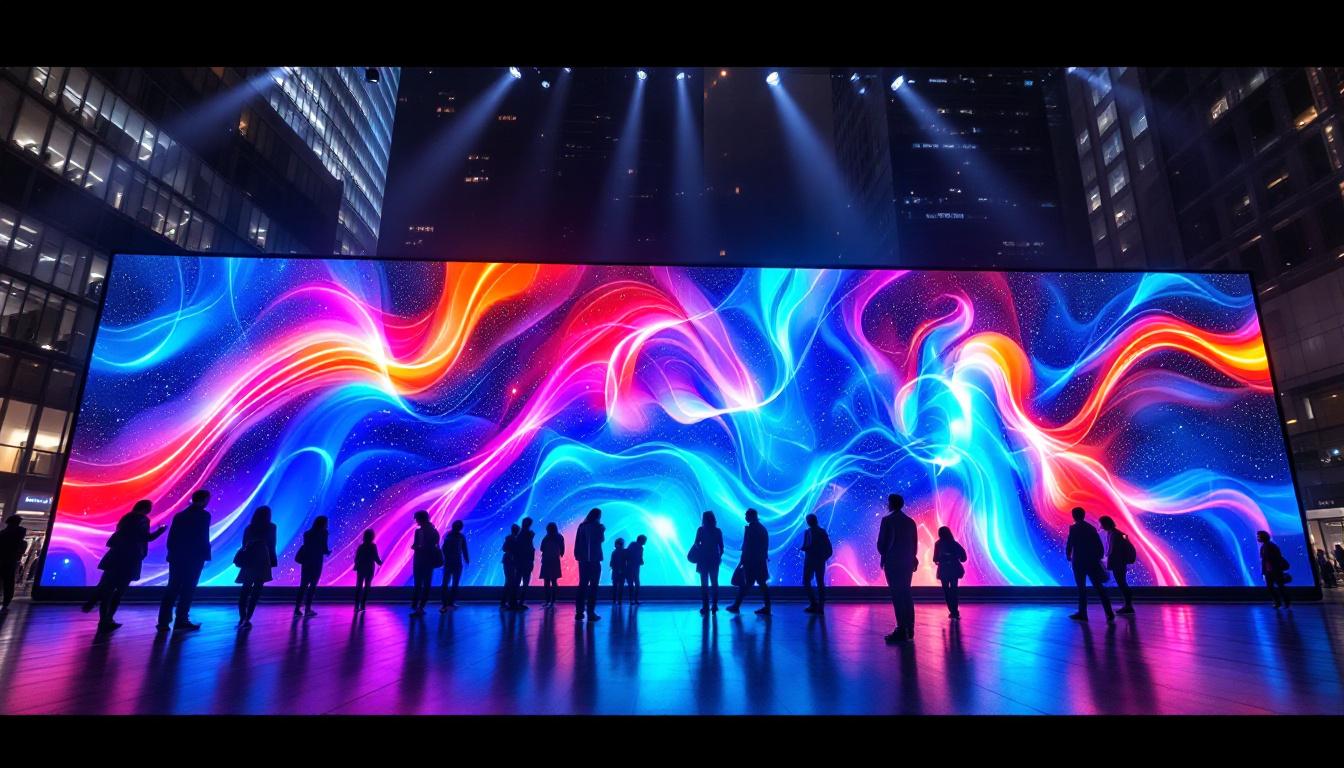
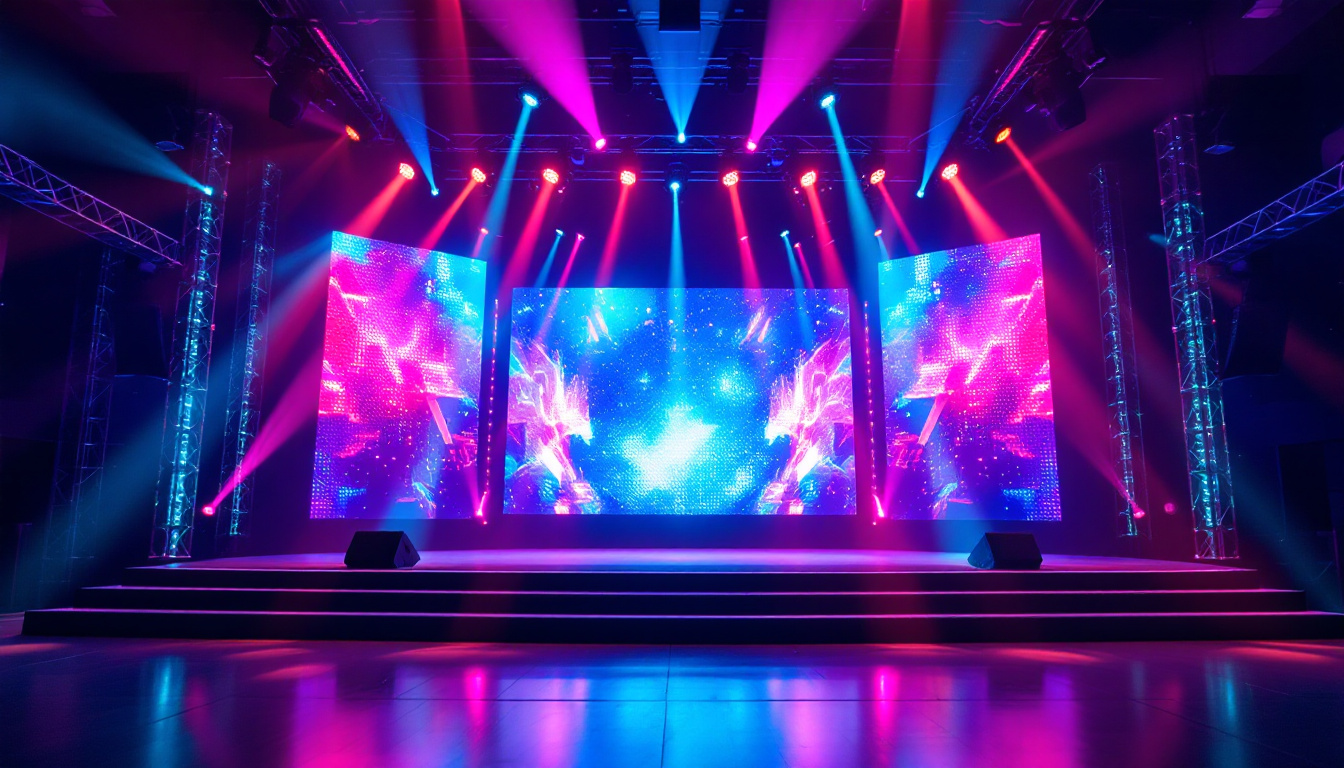
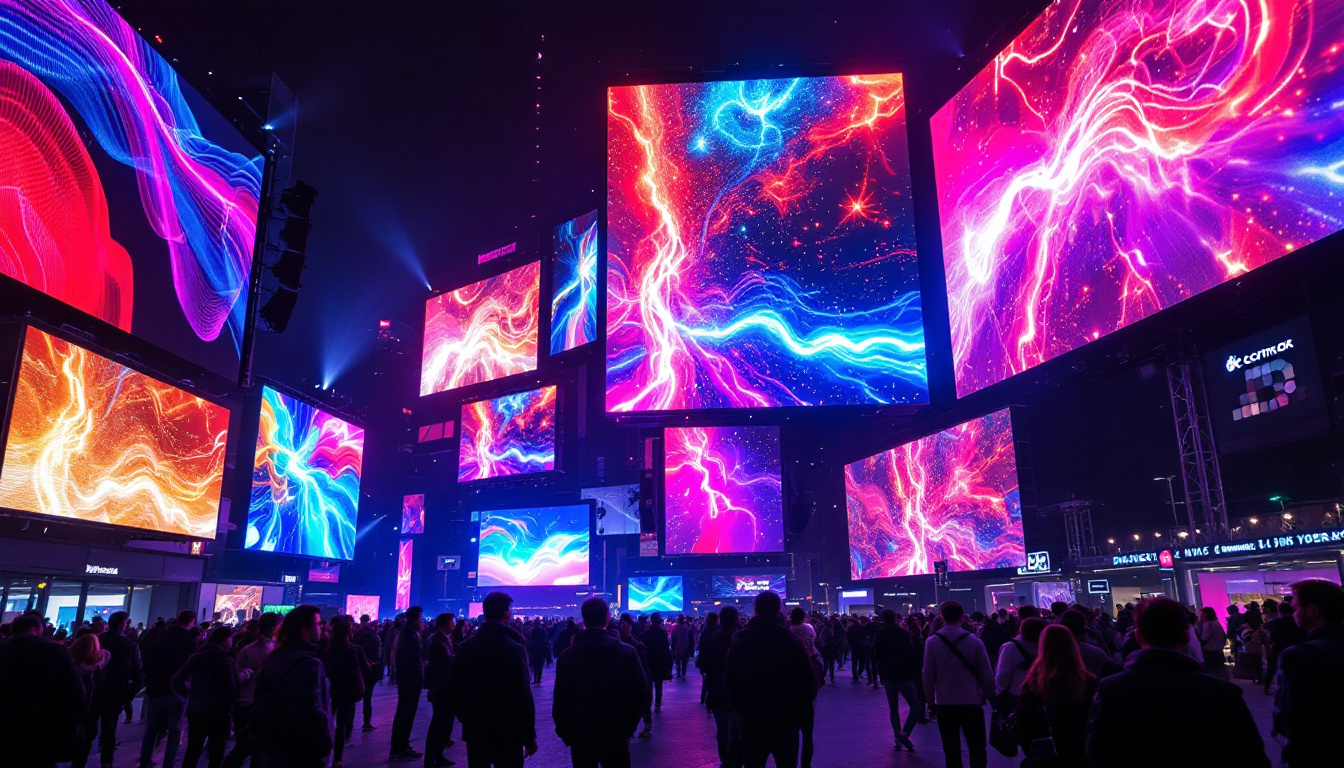
An LED video wall is a large display surface composed of multiple LED panels seamlessly tiled together to form one expansive screen. Unlike traditional single-panel TVs or projectors, video walls use numerous tiny light-emitting diodes (LEDs) to produce images. Each LED acts as a pixel or part of a pixel, emitting its own light and color, which collectively creates a vivid and detailed picture.
In home theaters, LED video walls can range from modestly sized installations to massive, wall-spanning displays. The modular nature of LED panels allows for flexible sizing and aspect ratios, making it easier to tailor the screen to specific room dimensions and viewing preferences. This adaptability is particularly beneficial for commercial applications, such as in retail environments or corporate settings, where the display can be customized to fit unique architectural features or branding requirements. Additionally, the seamless integration of multiple panels ensures that the viewer experiences a cohesive image without distracting bezels interrupting the visual flow.
How LED Displays Work
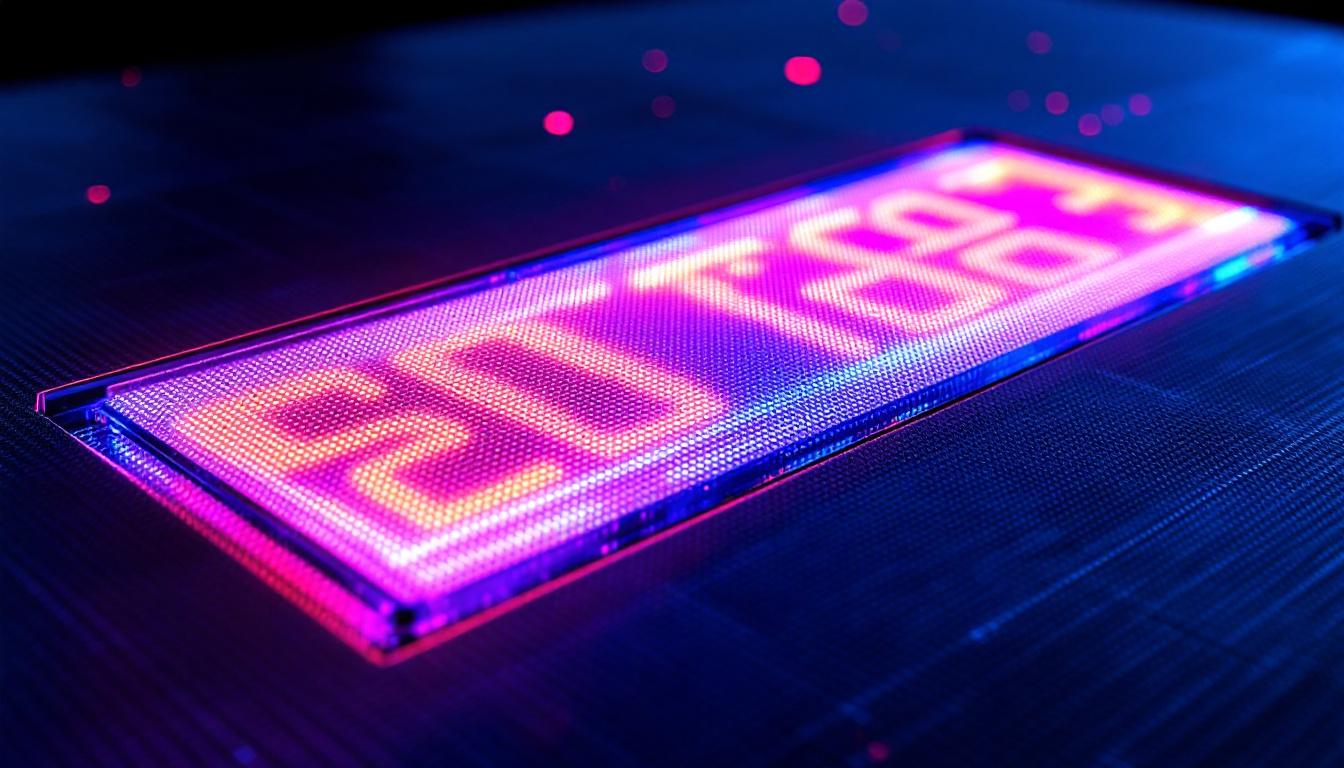
LED displays consist of three primary types: direct-view LED, OLED, and microLED. For video walls, direct-view LED is the most common. These panels contain thousands of tiny LEDs arranged in a grid, each capable of emitting red, green, and blue light. By adjusting the intensity of these LEDs, the display can produce a full spectrum of colors with remarkable precision.
Unlike LCD or projector-based systems that rely on backlighting or reflected light, LED video walls emit light directly. This direct emission results in higher brightness levels, better contrast ratios, and more vibrant colors, especially in well-lit environments. Furthermore, the longevity of LED technology means that these displays can operate for tens of thousands of hours without significant degradation in performance, making them a cost-effective solution over time. The energy efficiency of LED panels also contributes to lower operational costs, as they consume less power compared to traditional display technologies. As a result, businesses and consumers alike are increasingly turning to LED video walls not only for their stunning visual capabilities but also for their sustainability and economic advantages.
Advantages of LED Video Walls for Home Theaters
Superior Image Quality
One of the most compelling reasons to choose an LED video wall is the exceptional image quality it delivers. LED displays offer superior brightness, often exceeding 1,000 nits, which is significantly brighter than most OLED or LCD TVs. This brightness ensures that images remain clear and vibrant even in rooms with ambient light, a common challenge for traditional projectors.
Additionally, LED walls provide excellent contrast ratios and deep blacks, enhancing the cinematic experience by making dark scenes more immersive and detailed. The color accuracy of LED video walls is also outstanding, supporting wide color gamuts such as DCI-P3 or Rec. 2020, which are standards used in professional cinema production.
Customizable Size and Shape
Unlike conventional TVs with fixed dimensions, LED video walls are highly customizable. Homeowners can design their video walls to fit unique spaces, whether that means a massive rectangular screen or a more creative curved or irregular shape. This flexibility allows for a truly personalized home theater setup that maximizes viewing comfort and aesthetic appeal.
Moreover, because LED panels are modular, it’s possible to start with a smaller setup and expand over time, adding more panels as budget or space allows. This scalability is particularly attractive for enthusiasts who want to gradually build their dream theater.
Durability and Longevity
LED video walls are designed for long-term use and typically have lifespans exceeding 100,000 hours. This durability means that once installed, the display will continue to perform at a high level for many years without significant degradation.
In addition, LED panels are less susceptible to burn-in compared to OLED displays, making them a reliable choice for home theaters where static images such as logos or menus might be displayed for extended periods.
Key Considerations When Installing an LED Video Wall at Home
Resolution and Pixel Pitch
Resolution is a critical factor in video wall performance. It determines the sharpness and clarity of the image. For home theaters, a high resolution is essential to ensure that viewers sitting relatively close to the screen don’t notice individual pixels.
Pixel pitch, the distance between the centers of two adjacent LEDs, directly influences resolution. Smaller pixel pitches (e.g., 1.2mm to 1.5mm) provide higher resolution and are ideal for close viewing distances typical of home theaters. However, smaller pixel pitch panels tend to be more expensive.
Brightness and Ambient Light Control
While LED video walls are bright enough to overcome ambient light, controlling room lighting remains important for the best experience. Installing dimmable lighting, blackout curtains, or smart lighting systems can help optimize viewing conditions.
It’s also advisable to select LED panels with adjustable brightness settings. This feature allows users to fine-tune the display intensity based on the time of day or content type, preserving eye comfort and enhancing picture quality.
Installation and Calibration
Proper installation is vital to achieving a seamless video wall. Panels must be aligned precisely to avoid visible gaps or misalignments that can detract from the viewing experience. Professional installation services are recommended to ensure accuracy and safety.
Calibration is another crucial step. It involves adjusting the color, brightness, and contrast across all panels to ensure uniformity. Calibration tools and software can help achieve a consistent image, making the video wall appear as a single cohesive screen rather than a collection of individual panels.
Connectivity and Content Sources
Modern LED video walls support a variety of input sources, including HDMI, DisplayPort, and even wireless streaming options. For home theaters, compatibility with popular media players, gaming consoles, and streaming devices is essential.
Additionally, some LED video walls come with built-in video processors that handle scaling, image enhancement, and multi-source management. These features simplify content delivery and improve overall performance.
Popular Use Cases and Examples of LED Video Walls in Home Theaters
Immersive Movie Viewing
Many home theater enthusiasts use LED video walls to replicate the cinematic experience at home. The large, bright, and color-accurate screens are perfect for watching blockbuster movies, delivering visuals that rival commercial cinemas.
For example, a 4K LED video wall with a 1.2mm pixel pitch can provide stunning detail and lifelike colors, making every scene come alive. This setup is especially beneficial for fans of high dynamic range (HDR) content, where the LED’s brightness and contrast capabilities shine.
Gaming and Interactive Entertainment
LED video walls are also gaining popularity among gamers who seek ultra-large, immersive displays. The fast refresh rates and low latency of LED panels make them well-suited for fast-paced gaming, providing smooth motion and responsive gameplay.
Some gamers incorporate curved or angled LED video walls to enhance peripheral vision and create a more enveloping environment. This approach can improve reaction times and overall enjoyment.
Multi-Purpose Media Rooms
Beyond movies and gaming, LED video walls can transform media rooms into versatile entertainment spaces. They can display sports events, music videos, or even serve as dynamic backdrops for social gatherings and parties.
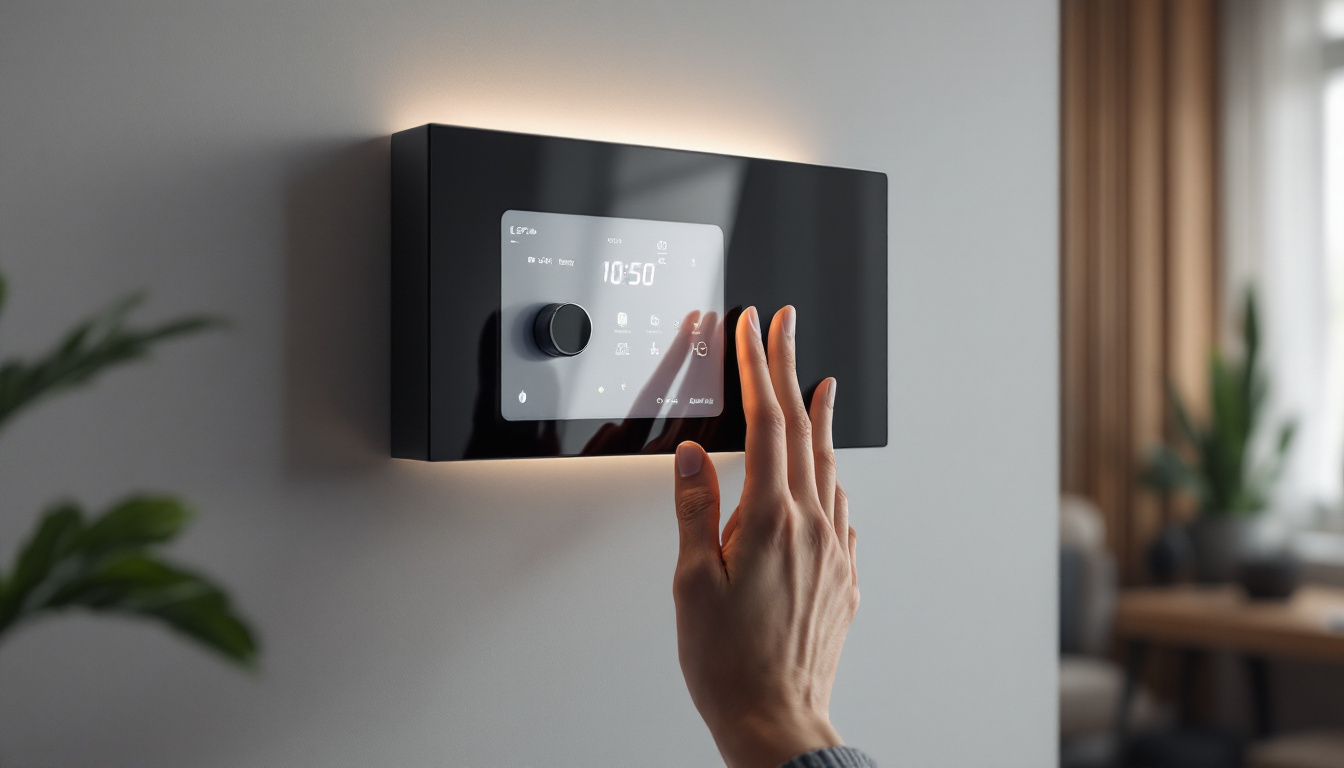
With smart home integration, users can control the video wall alongside lighting, sound, and other devices, creating a fully immersive atmosphere tailored to any occasion.
Cost and Future Trends in LED Video Walls for Home Theaters
Investment and Value
While LED video walls offer many benefits, they come with a higher upfront cost compared to traditional TVs or projectors. Prices vary widely depending on size, resolution, and panel quality. For example, a modest 100-inch LED video wall with a 1.5mm pixel pitch can cost anywhere from $20,000 to $50,000 or more.
However, the long lifespan, low maintenance, and superior viewing experience often justify the investment for serious home theater enthusiasts. Additionally, prices have been steadily decreasing as LED technology advances and becomes more accessible.
Emerging Technologies and Innovations
The future of LED video walls looks promising with ongoing innovations. MicroLED technology, which offers even higher resolution and efficiency, is expected to become more mainstream in home theater applications within the next few years.
Furthermore, advances in flexible and transparent LED panels could enable more creative and space-saving installations, such as curved walls or integrated architectural elements.
Artificial intelligence is also being integrated into video wall systems to optimize image quality dynamically based on content and ambient conditions, enhancing the viewing experience without manual adjustments.
Conclusion
LED video walls represent a significant leap forward in home theater technology, offering unmatched brightness, color accuracy, and customization. For homeowners seeking a truly immersive cinematic experience, investing in an LED video wall can transform their media room into a state-of-the-art entertainment venue.
By understanding the technology, benefits, and practical considerations outlined above, enthusiasts can make informed decisions and enjoy the spectacular visuals that LED video walls bring to home theaters.
Transform Your Home Theater with LumenMatrix
Ready to elevate your home cinema experience with the brilliance of LED video walls? LumenMatrix, a pioneer in LED display technology, offers a diverse range of solutions tailored to bring your entertainment space to life. From immersive Indoor LED Wall Displays to dynamic Custom LED Displays, our products are designed to deliver exceptional brightness, color accuracy, and versatility. Embrace the future of visual storytelling and check out LumenMatrix LED Display Solutions today to create a captivating visual experience in your own home.