China’s rapid urbanization and soaring population density have led to innovative living solutions, among which tiny apartments have become increasingly popular. These compact living spaces maximize functionality within minimal square footage, offering an affordable and efficient housing option for many urban residents. However, the integration of technology, particularly LED displays, has transformed these tiny apartments from mere shelters into smart, interactive environments.
This article explores the phenomenon of tiny apartments in China, focusing on the role of LED displays in enhancing living experiences. From space-saving designs to smart home integration, LED technology is revolutionizing how residents interact with their compact homes.
The Rise of Tiny Apartments in China
Urbanization and Housing Demand
China’s urban population has grown dramatically over the past few decades. According to the National Bureau of Statistics of China, by 2023, over 65% of the country’s population lived in urban areas, a significant increase from just 26% in 1990. This rapid urbanization has intensified the demand for affordable housing, especially in megacities like Shanghai, Beijing, and Shenzhen.
With limited land and skyrocketing real estate prices, developers and city planners have turned to tiny apartments as a practical solution. These units, often ranging from 10 to 30 square meters, offer a lower-cost entry point for young professionals, students, and migrant workers who need proximity to urban centers without the financial burden of traditional apartments. The appeal of tiny apartments is not just in their affordability; they also cater to a lifestyle that values mobility and minimalism, reflecting a shift in priorities among younger generations who prefer experiences over material possessions.
Design Innovations for Small Spaces
Living in a tiny apartment requires creative design to maximize every inch of space. Multifunctional furniture, foldable beds, and vertical storage are common features. However, beyond physical design, technology plays a crucial role in optimizing these compact environments. Smart home devices are increasingly being integrated into these small living spaces, allowing residents to control lighting, temperature, and security systems from their smartphones, further enhancing the convenience of living in a tiny apartment.
LED displays have emerged as a versatile tool for both aesthetic and functional purposes, helping residents personalize and control their living spaces efficiently. Additionally, innovative storage solutions, such as under-bed drawers and built-in shelving units, not only save space but also contribute to a clutter-free environment. The trend of tiny apartments has sparked a wave of creativity among interior designers, who are now tasked with transforming these compact areas into stylish and functional homes that reflect the individuality of their occupants. As the tiny living movement continues to gain traction, it presents an opportunity for sustainable living, encouraging residents to adopt a more conscious approach to consumption and lifestyle choices.
Understanding LED Displays in Tiny Apartments
What Are LED Displays?
LED (Light Emitting Diode) displays are screens composed of tiny light-emitting diodes that produce bright, energy-efficient visuals. Unlike traditional LCD screens, LED displays offer superior brightness, contrast, and durability, making them suitable for various applications, including home environments.
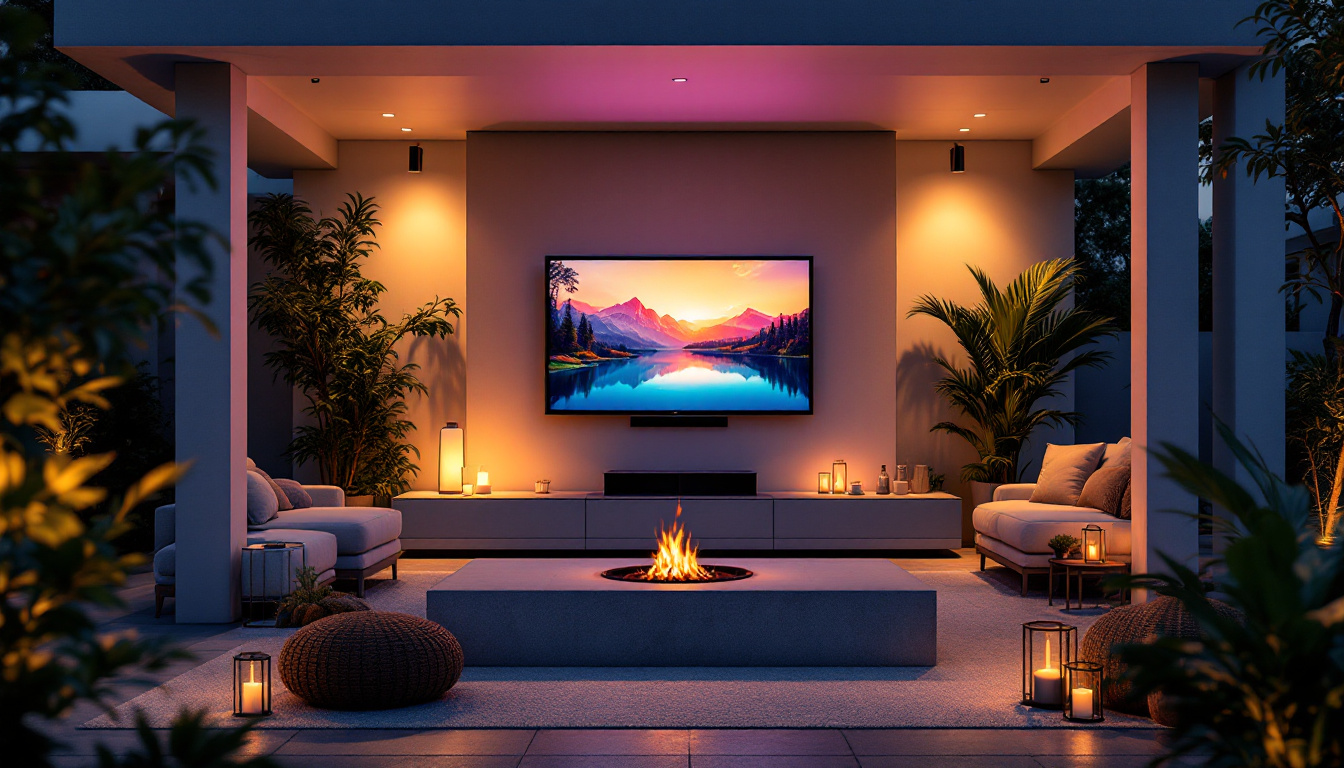
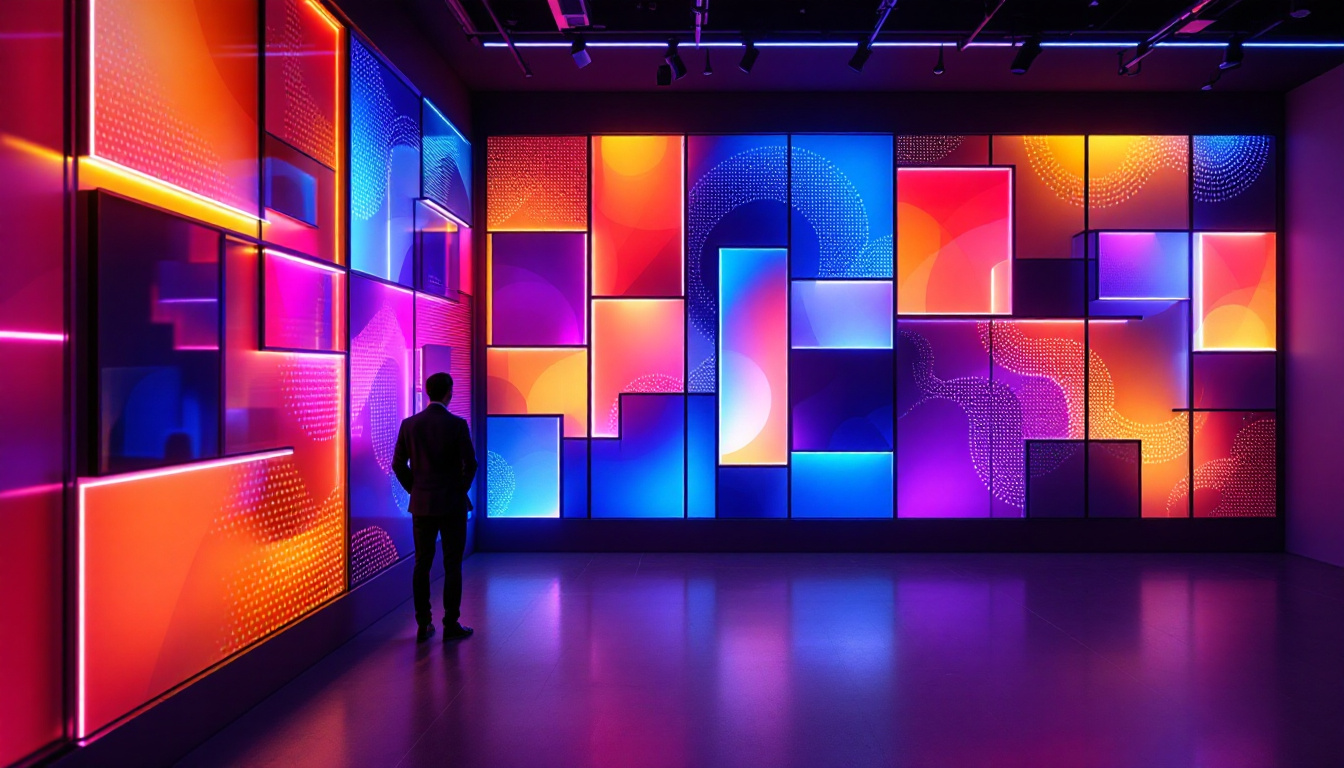
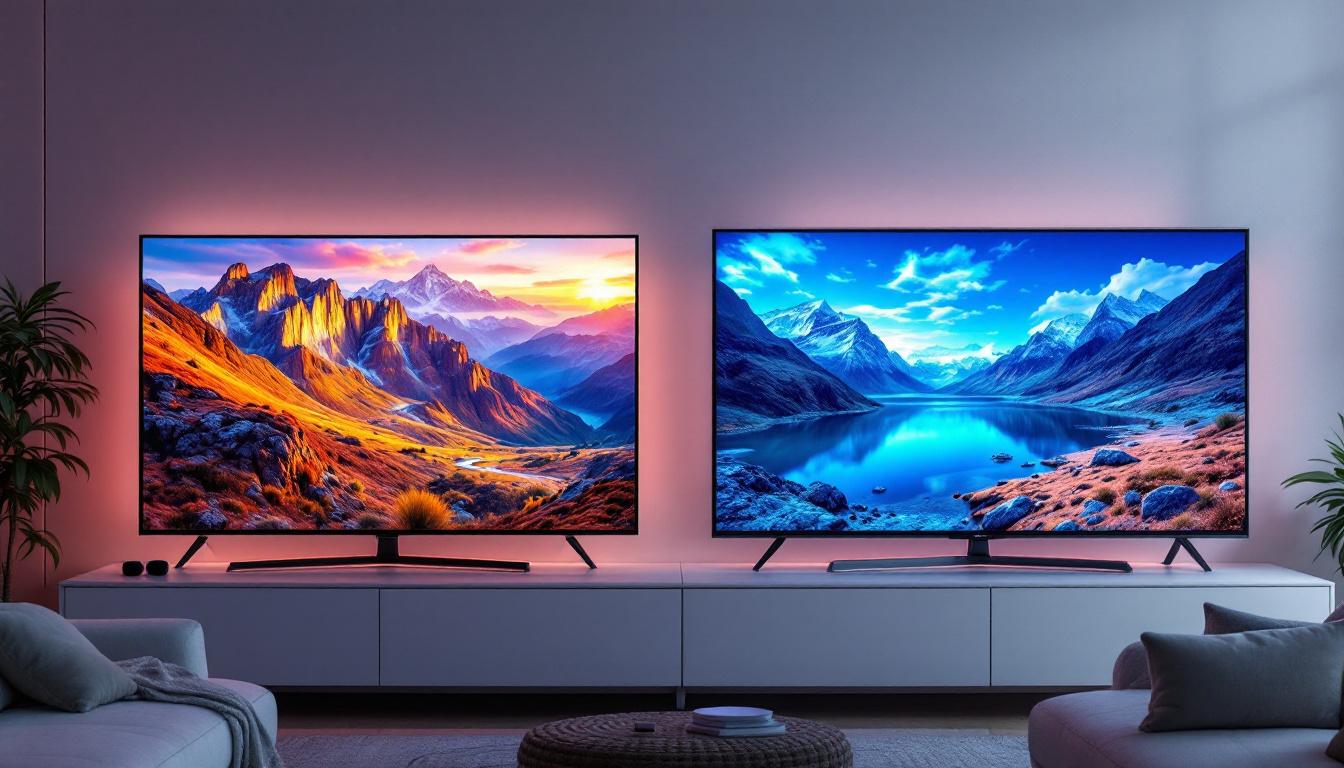
In the context of tiny apartments, LED displays are not limited to entertainment purposes; they serve as interactive interfaces for smart home systems, space dividers, and even dynamic art installations. Their versatility allows residents to maximize their limited space while enhancing the aesthetic appeal of their living areas. For instance, an LED display can be programmed to showcase a calming landscape or a vibrant cityscape, instantly transforming the mood of a room without the need for physical decor.
Types of LED Displays Used in Tiny Apartments
There are several types of LED displays commonly integrated into tiny apartments:
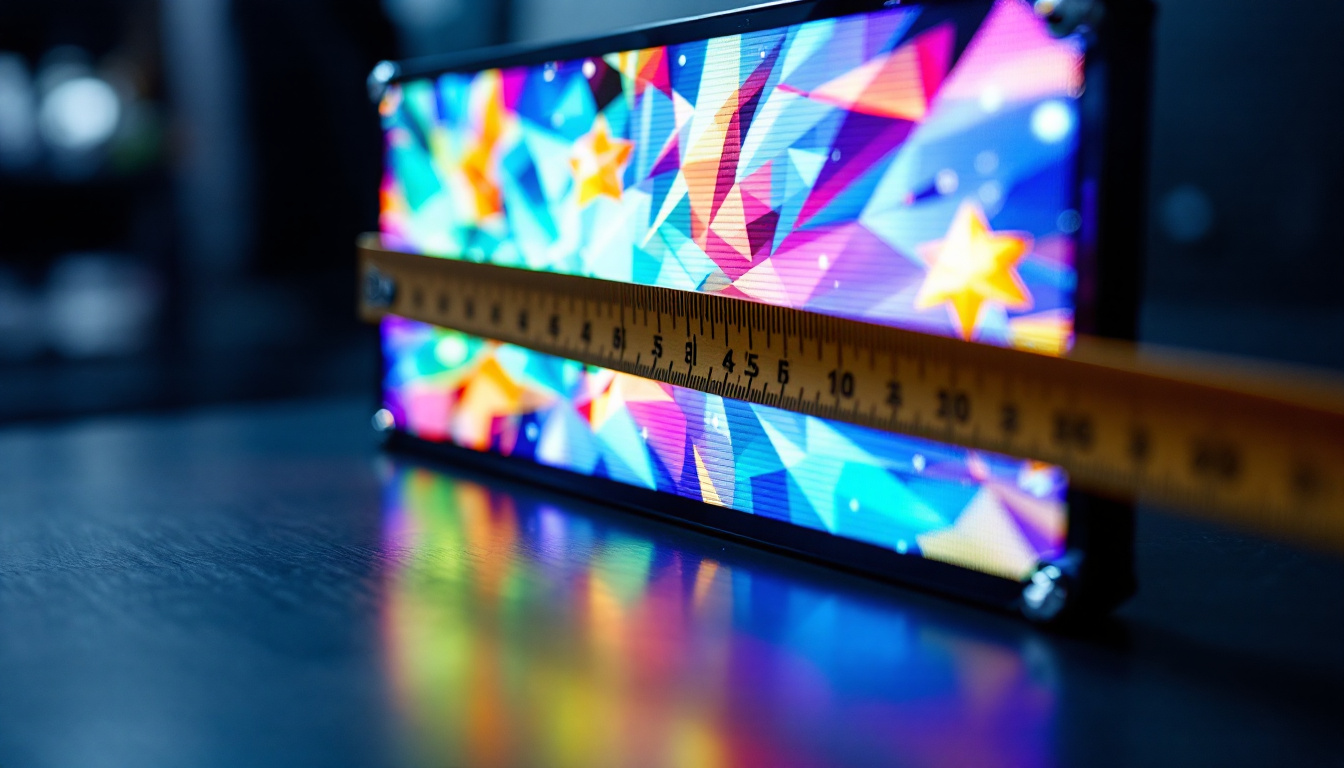
- Flexible LED Panels: These thin, bendable panels can be mounted on walls or ceilings, allowing for creative space utilization without bulk. They can be easily repositioned to adapt to changing needs, such as creating a cozy movie night atmosphere or setting the mood for a dinner party.
- Transparent LED Screens: These displays can double as windows or room dividers, providing privacy while maintaining openness and light flow. This innovative use of technology allows for the illusion of larger spaces, as they can display visuals that blend seamlessly with the surrounding environment.
- Miniature LED Modules: Used in small devices or embedded into furniture, these modules provide localized information or ambient lighting. They can be integrated into items like coffee tables or headboards, offering functionality without sacrificing style.
Each type offers unique advantages, enabling residents to tailor their environment according to their lifestyle and needs. For example, the use of flexible LED panels can facilitate a multi-functional space, allowing a single area to serve as a living room, workspace, and entertainment zone, all while maintaining a cohesive design. Additionally, the integration of transparent LED screens can enhance the feeling of spaciousness, making even the smallest apartments feel more open and inviting. As technology continues to evolve, the possibilities for LED displays in tiny living spaces are expanding, paving the way for innovative solutions that combine functionality with aesthetic appeal.
Functional Benefits of LED Displays in Tiny Apartments
Space Optimization and Multipurpose Use
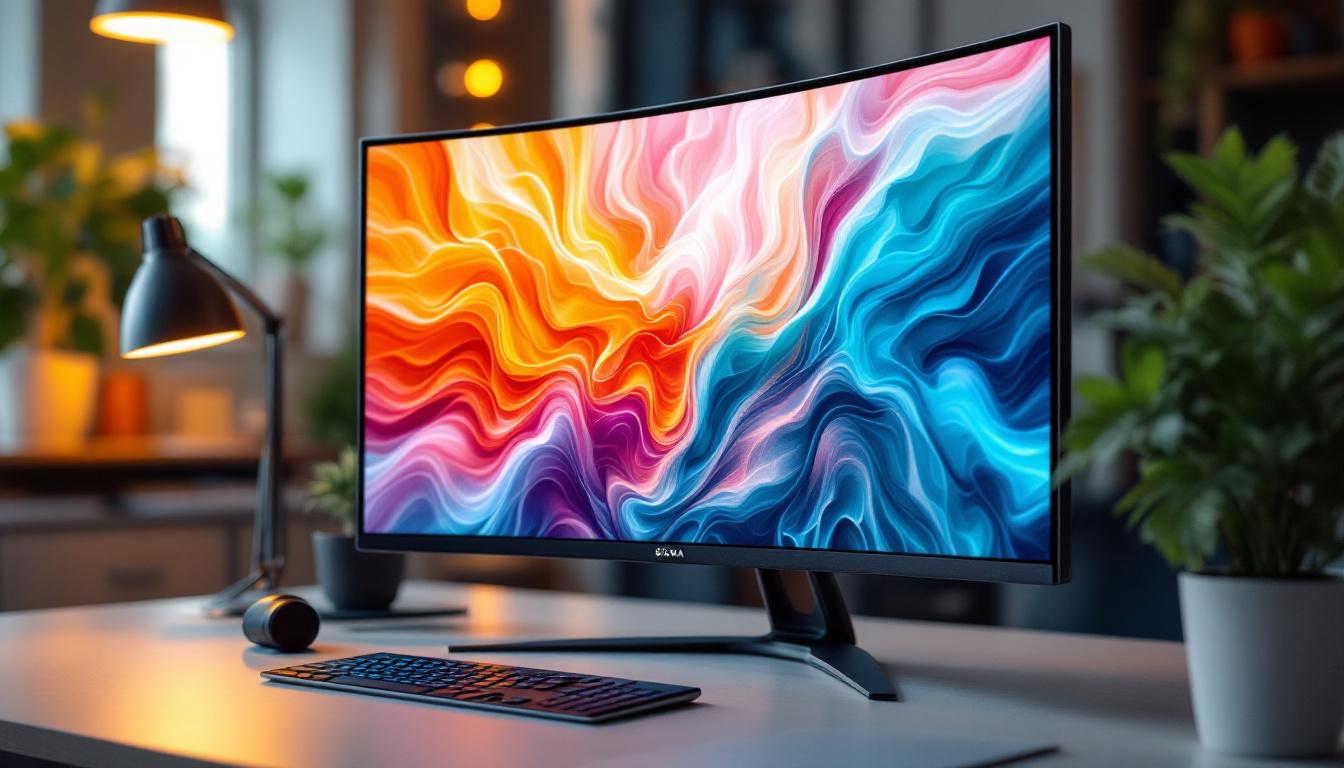
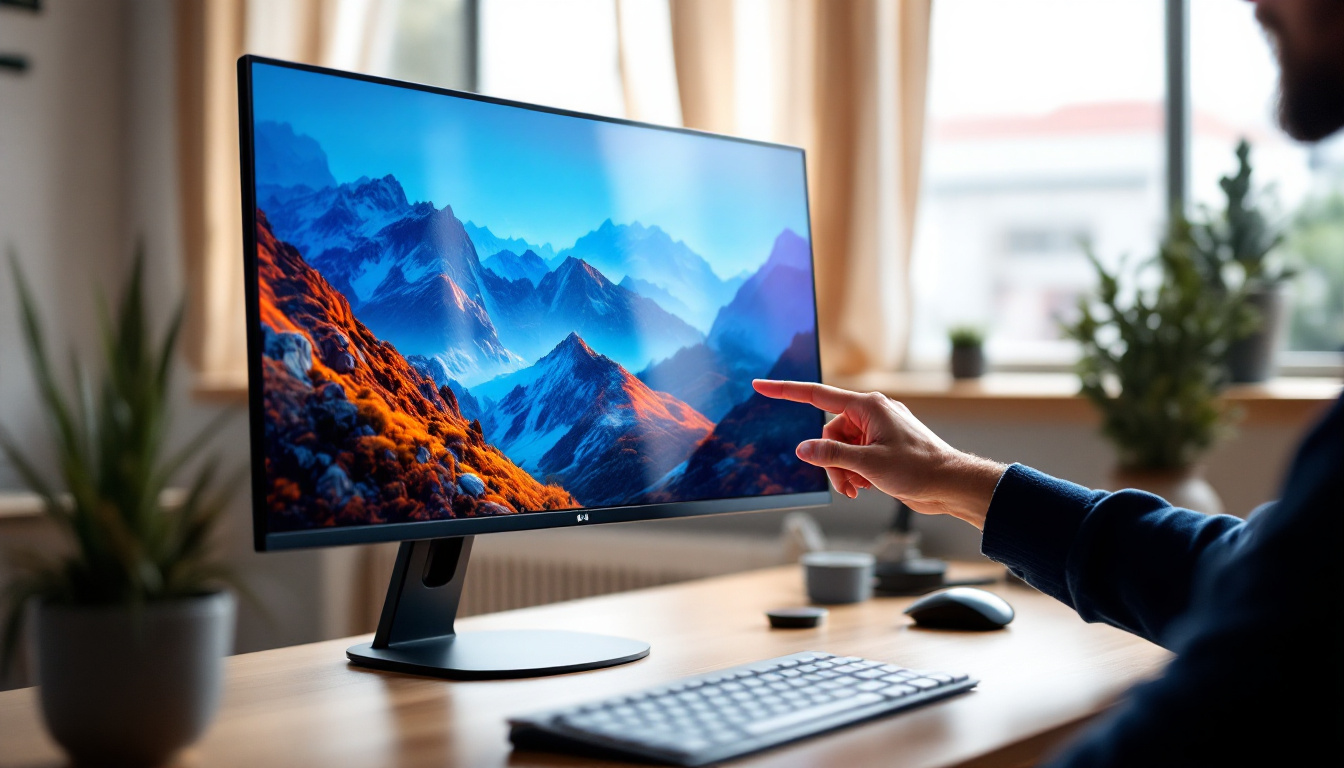
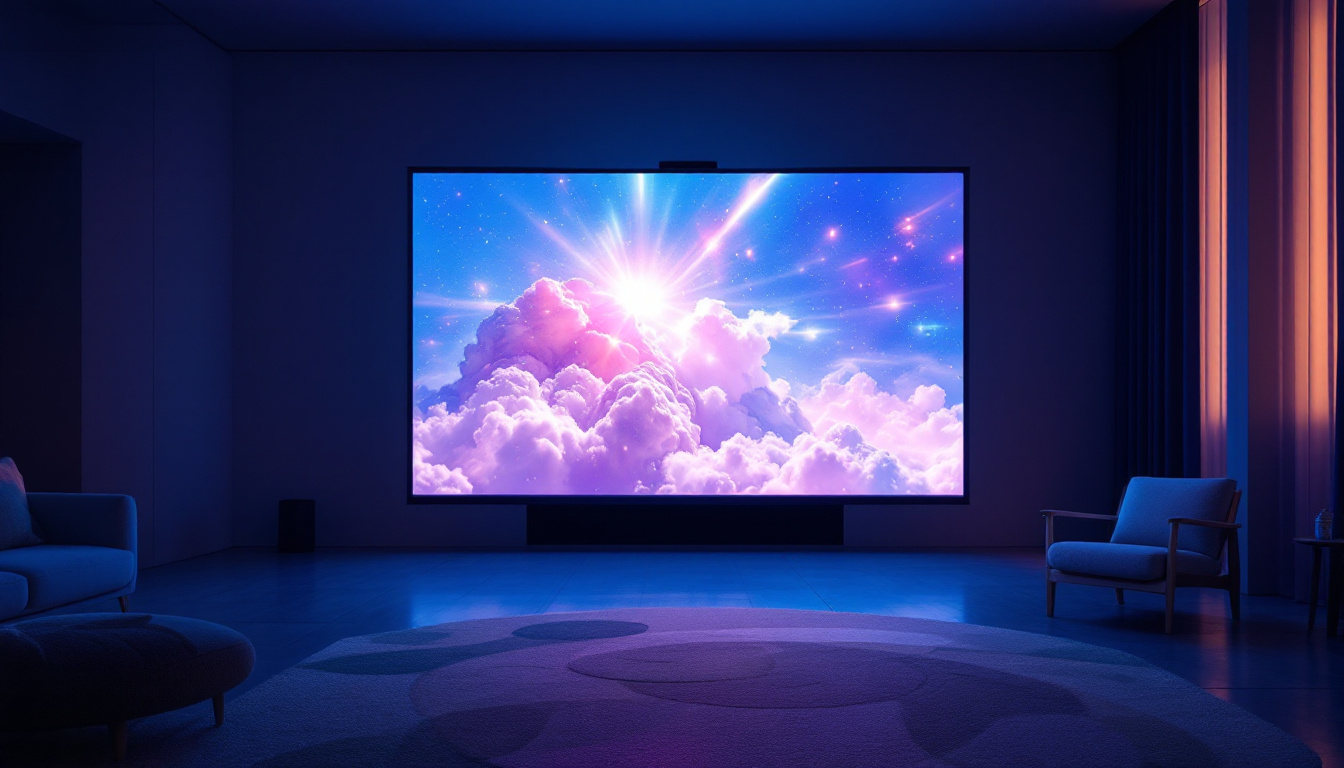
In tiny apartments, every square meter counts. LED displays contribute to space optimization by serving multiple functions simultaneously. For example, a wall-mounted LED screen can act as a television, a digital photo frame, and a control panel for smart home devices.
Furthermore, transparent LED screens used as room dividers allow for the creation of distinct living zones without sacrificing natural light, helping to maintain an open and airy atmosphere despite limited space.
Smart Home Integration
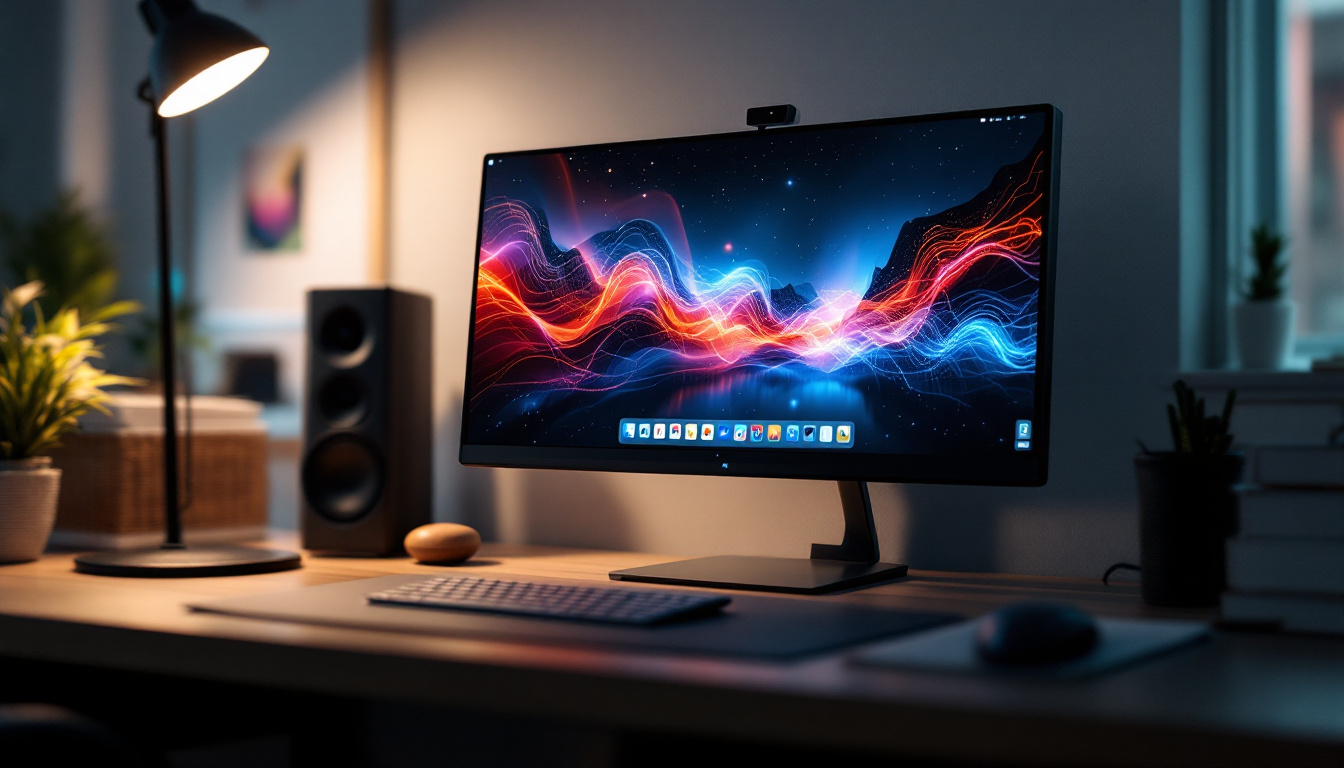
Many tiny apartments in China are equipped with smart home systems that control lighting, temperature, security, and appliances. LED displays provide an intuitive and visually appealing interface for these systems, allowing residents to manage their homes effortlessly.
Voice-activated controls paired with LED touchscreens enable seamless interaction, reducing the need for multiple physical switches and remotes, which can clutter small spaces.
Energy Efficiency and Sustainability
Energy consumption is a critical consideration in compact living environments. LED technology is highly energy-efficient, consuming significantly less power than traditional lighting and display options. This efficiency aligns with China’s broader environmental goals, including the commitment to peak carbon emissions before 2030.
Incorporating LED displays helps tiny apartment residents reduce their energy footprint while enjoying modern conveniences.
Case Studies: LED Displays in Chinese Tiny Apartments
Shanghai’s Micro-Apartment Projects
Shanghai, one of China’s most densely populated cities, has embraced tiny apartments as part of its urban housing strategy. Several micro-apartment developments have incorporated LED displays as central features.
For instance, the “Smart Living” project in downtown Shanghai integrates flexible LED panels into walls and ceilings, allowing residents to customize their living environment dynamically. These panels display ambient lighting, digital art, or even virtual windows that simulate outdoor views, enhancing the sense of space and comfort.
Beijing’s Student Housing Innovations
University dormitories in Beijing have also adopted LED technology to improve student living conditions. Transparent LED screens serve as partitions between beds and study areas, providing privacy without isolating residents.
Additionally, centralized LED control panels enable students to adjust room lighting, access campus information, and communicate with dormitory management, streamlining daily life in compact quarters.
Challenges and Considerations
Cost and Accessibility
While LED displays offer numerous benefits, the initial cost can be a barrier for some residents. High-quality flexible or transparent LED panels remain relatively expensive compared to conventional furnishings.
However, as technology advances and production scales up, prices are expected to decrease, making LED integration more accessible to a broader population.
Technical Complexity and Maintenance
Integrating LED displays into tiny apartments requires technical expertise to ensure proper installation and functionality. Maintenance can also pose challenges, especially in older buildings not originally designed for such technology.
Developers and residents must consider these factors when planning LED display integration to avoid potential disruptions and additional costs.
Balancing Technology with Comfort
While LED displays enhance functionality, over-reliance on technology can sometimes detract from the warmth and coziness of a home. Designers and residents should strive for a balance between technological sophistication and human-centric design to create spaces that feel inviting and comfortable.
The Future of LED Displays in Tiny Apartments
Advancements in LED Technology
Ongoing innovations in LED technology promise even greater versatility and integration possibilities. Developments such as ultra-thin micro-LEDs, improved transparency, and flexible form factors will enable more seamless incorporation into furniture, walls, and even clothing.
These advancements will further blur the lines between technology and living space, making tiny apartments more adaptable and personalized.
Smart Cities and Connected Living
China’s push towards smart cities complements the trend of technologically enhanced tiny apartments. LED displays will play a vital role in connecting residents to urban infrastructure, services, and community networks.
For example, LED-enabled smart windows could display real-time environmental data, public announcements, or personalized notifications, integrating the micro-living experience with the broader urban ecosystem.
Environmental and Social Impact
As tiny apartments with LED displays become more widespread, their environmental benefits will contribute to sustainable urban living. Reduced energy consumption, efficient use of space, and enhanced quality of life align with China’s goals for greener cities and improved social welfare.
Moreover, these innovations can inspire similar approaches worldwide, addressing global challenges related to urban density and housing affordability.
Conclusion
Tiny apartments in China represent a practical response to the challenges of urbanization, affordability, and space constraints. The integration of LED displays within these compact living spaces elevates their functionality, aesthetics, and connectivity, transforming them into smart, adaptable homes.
From flexible panels and transparent screens to smart home interfaces, LED technology enhances how residents experience and manage their environments. While challenges such as cost and technical complexity remain, ongoing advancements promise broader accessibility and integration.
Ultimately, LED displays in tiny apartments exemplify how technology can harmonize with innovative design to create sustainable, efficient, and comfortable urban living solutions for the future.
Discover the Future of Living with LumenMatrix
Embrace the smart, sustainable future of urban living with LumenMatrix’s advanced LED display technology. Whether you’re looking to optimize your tiny apartment or enhance your business space, our wide range of solutions, including Indoor and Outdoor LED Wall Displays, Vehicle LED Displays, and more, are designed to create immersive environments that resonate with modern lifestyles. Experience the pinnacle of visual communication and transform your space into a dynamic, interactive haven. Check out LumenMatrix LED Display Solutions today and step into the future of innovative living.