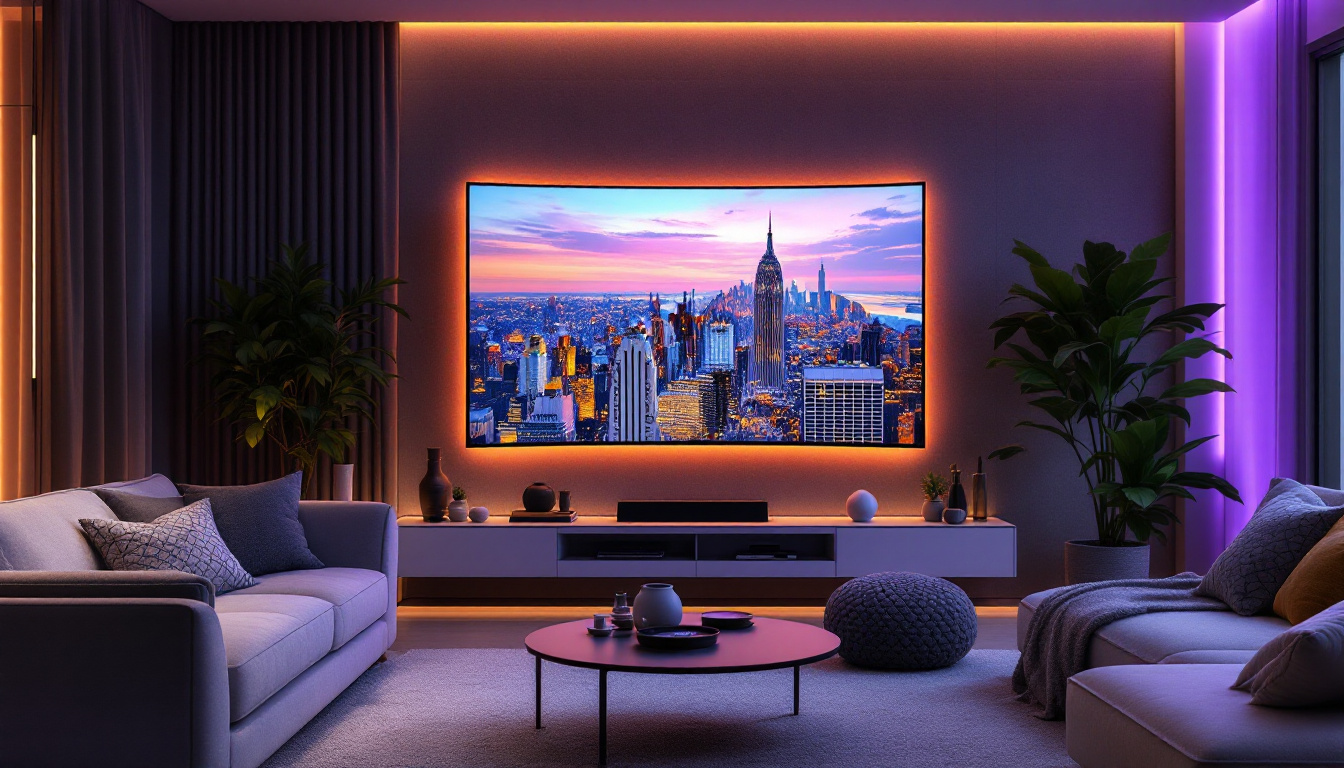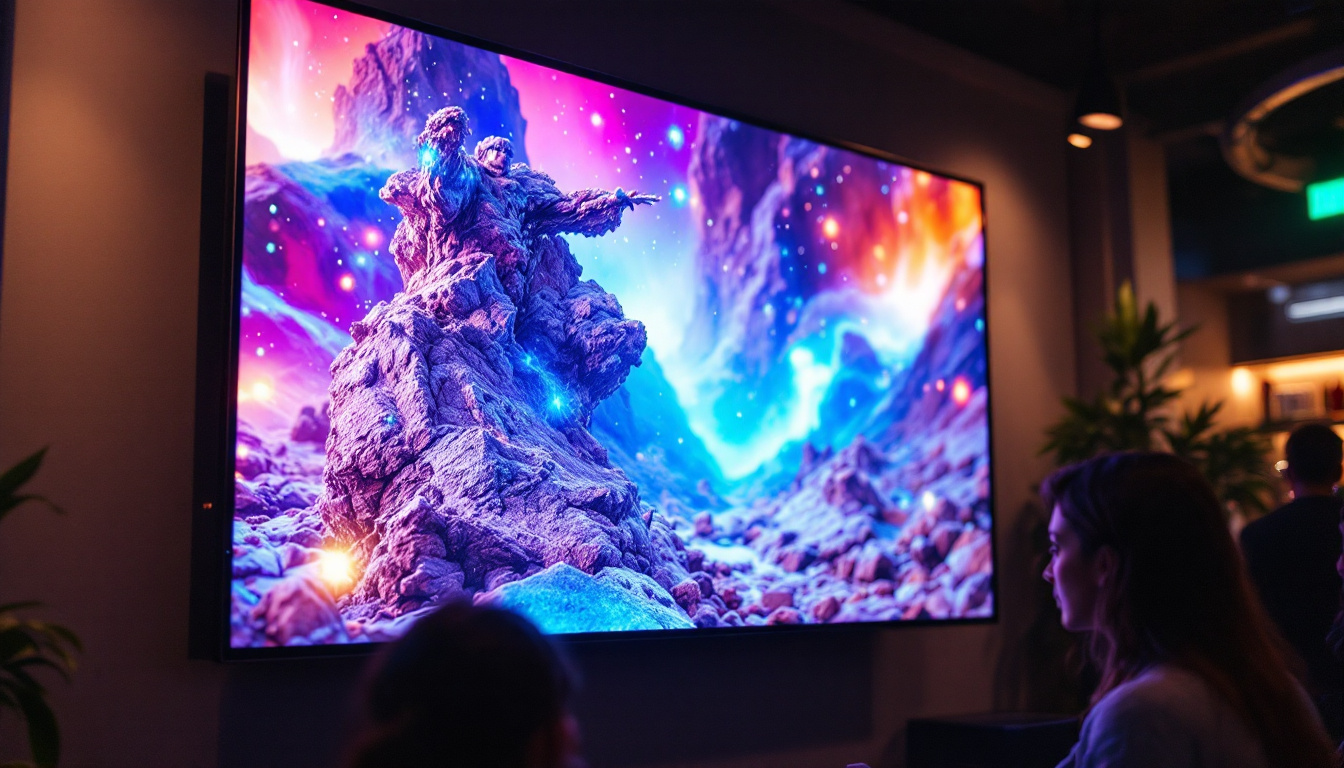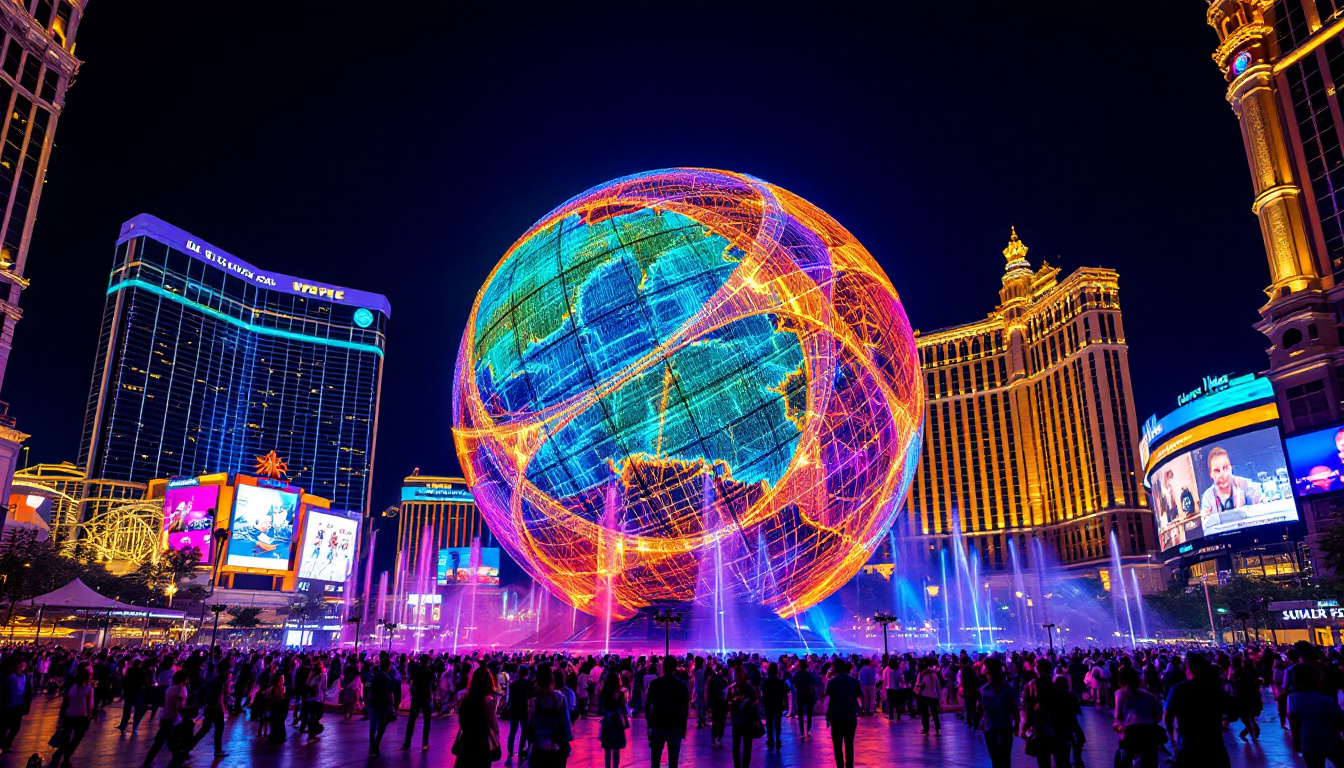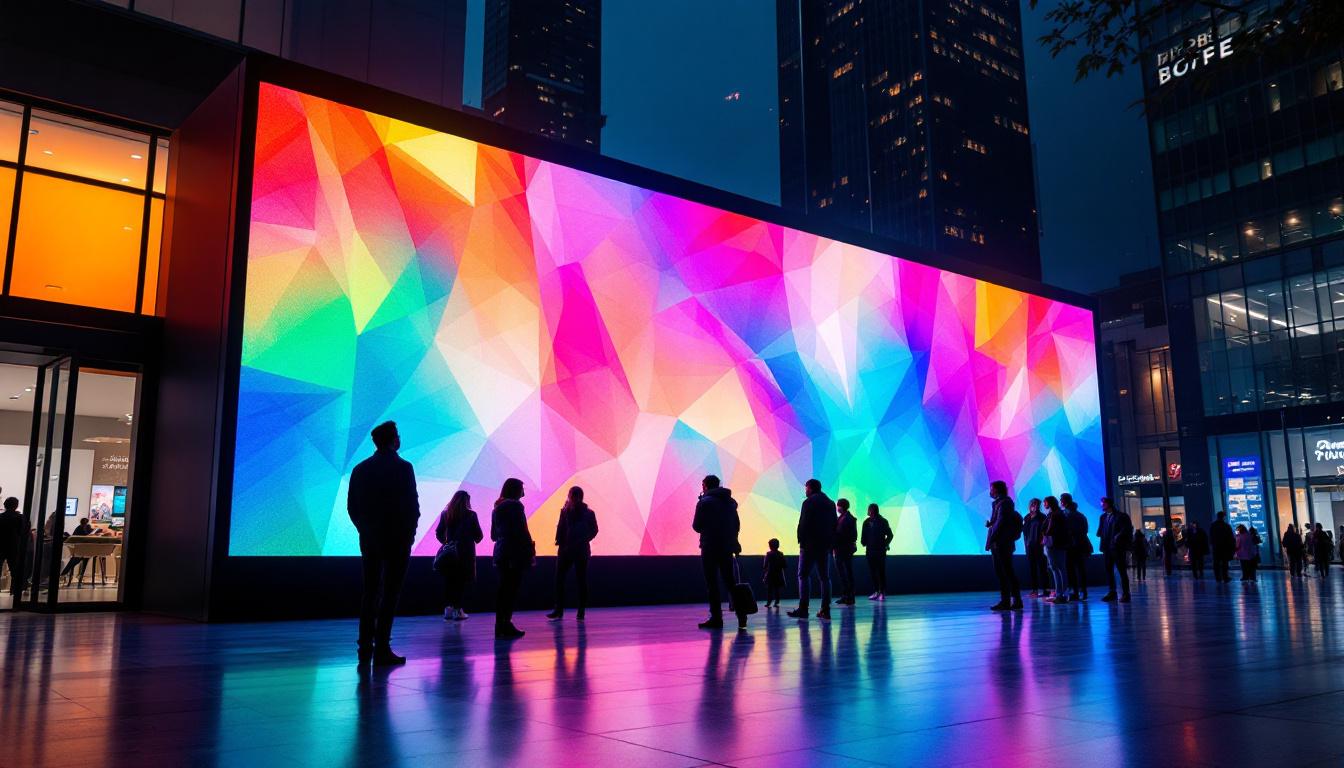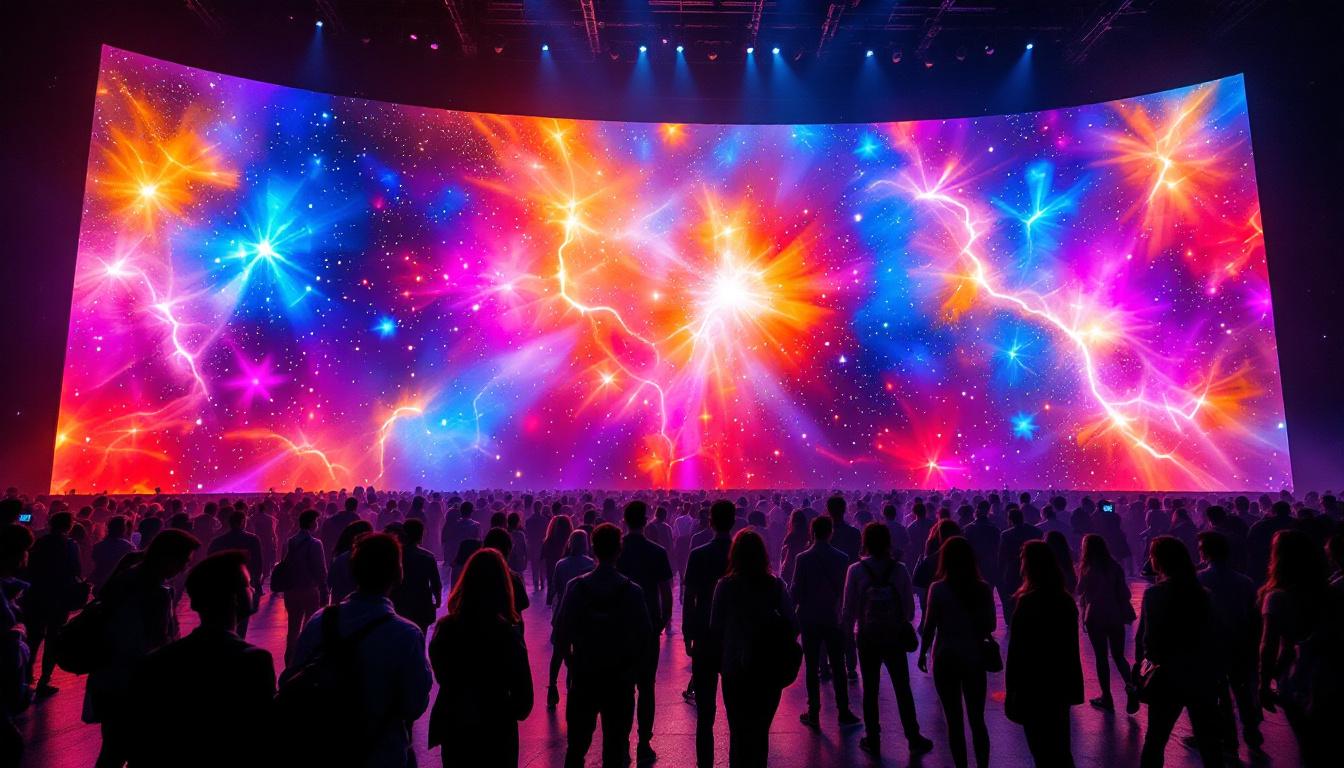
As the cinematic world embraces new technologies, the integration of LED displays in film production has become a game-changer. The 2024 movie Touch stands out not only for its compelling storyline but also for its innovative use of LED display technology. This article delves into how LED displays were utilized in Touch 2024, exploring the technology behind them, their impact on filmmaking, and why this approach is shaping the future of cinema.
The Rise of LED Displays in Modern Filmmaking
LED display technology has revolutionized the way filmmakers create immersive environments. Traditionally, green screens and post-production CGI dominated the visual effects landscape. However, LED displays offer a more dynamic and realistic alternative by projecting high-resolution backgrounds in real time on set.
In recent years, productions like The Mandalorian have popularized the use of LED volumes—large curved LED screens that surround actors and sets, projecting photorealistic environments. This approach enables filmmakers to capture complex visual effects in-camera, reducing reliance on post-production and enhancing actor performance through tangible surroundings.
According to a 2023 report by the Visual Effects Society, the adoption of LED display technology in film production has increased by over 40% since 2020, underscoring its growing importance in the industry. The technology not only streamlines the production process but also allows for greater creative freedom. Directors can adjust the lighting and backgrounds in real time, tailoring the visual atmosphere to fit the narrative’s emotional tone. This adaptability is particularly beneficial for scenes that require quick changes or for productions operating under tight schedules.
Moreover, the use of LED displays has significant implications for sustainability in filmmaking. Traditional methods often involve extensive travel to various locations for shooting, which can lead to a substantial carbon footprint. With LED technology, filmmakers can simulate diverse environments—from bustling cityscapes to serene natural landscapes—within a controlled studio setting. This not only minimizes travel but also reduces the need for elaborate set constructions and the associated waste. As the industry continues to prioritize eco-friendly practices, LED displays represent a forward-thinking solution that aligns with the goals of sustainable filmmaking.
Understanding the LED Display Technology Used in Touch 2024
What Are LED Volumes?
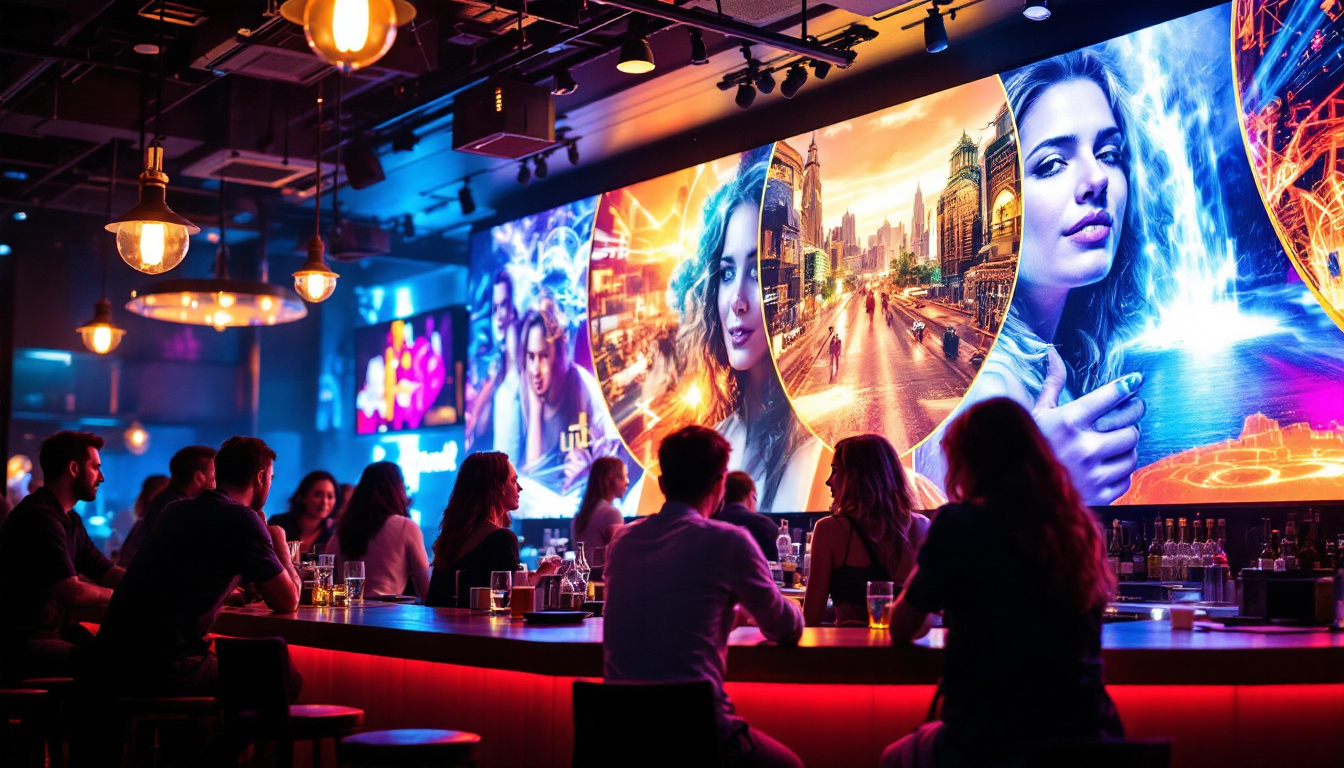
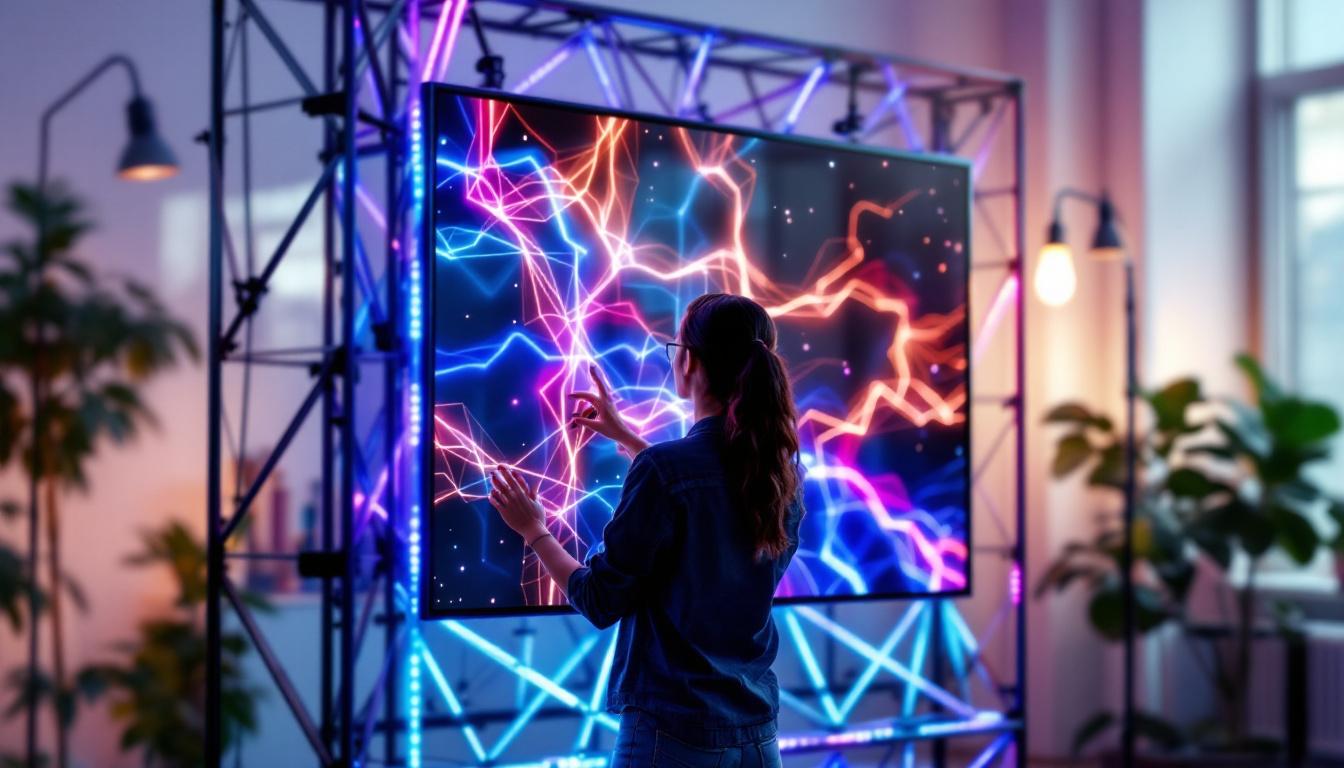
LED volumes are essentially large-scale LED panels arranged in a semi-enclosed space, often in a curved or wraparound configuration. These panels display high-definition digital environments that can be manipulated in real time. In Touch 2024, the production team employed an advanced LED volume setup to create immersive backgrounds that seamlessly integrated with live-action footage.
The LED panels used in Touch featured ultra-high pixel density, ensuring crisp and vibrant imagery that maintained its quality even under intense studio lighting. This was crucial for avoiding the “screen door effect,” where individual pixels become visible, breaking the illusion of reality. The choice of LED technology also allowed for a broader color spectrum, enabling the production team to achieve stunning visual effects that enhanced the overall aesthetic of the show. The flexibility of LED volumes meant that scenes could be quickly adjusted or entirely reconfigured, allowing for creative spontaneity during filming.
Real-Time Rendering and Camera Tracking
One of the key technical feats in Touch 2024 was the synchronization between the LED displays and the camera system. Using sophisticated camera tracking technology, the LED backgrounds shifted perspective dynamically as the camera moved. This parallax effect created a convincing sense of depth and realism, making the digital environments feel tangible. The integration of motion capture data also played a significant role, allowing for real-time adjustments to the virtual environment based on actor movements, further blurring the lines between the physical and digital realms.
The production utilized powerful real-time rendering engines capable of handling complex 3D scenes with high frame rates. This ensured smooth transitions and prevented latency, which could disrupt the immersive experience. Additionally, the use of advanced algorithms allowed for the seamless blending of lighting conditions between the LED backgrounds and the live-action elements. This meant that even as scenes transitioned from bright daylight to moody twilight, the lighting on the actors and sets would adjust accordingly, enhancing the believability of the entire production. The result was a visually stunning experience that captivated audiences and pushed the boundaries of what is possible in modern filmmaking.
Benefits of Using LED Displays in Touch 2024
Enhanced Visual Realism
The most immediate benefit of LED displays is the heightened visual realism they afford. Unlike traditional green screens, where actors must imagine their surroundings, LED volumes provide actual visual cues. This results in more natural performances and interactions with the environment.
In Touch 2024, scenes set in futuristic urban landscapes were brought to life with vivid lighting and reflections cast directly onto the actors and set pieces. This interplay of light and environment elevated the visual storytelling, making scenes more believable. The actors were able to react to dynamic backgrounds in real-time, which not only enhanced their performances but also created a more immersive experience for the audience. The ability to see their surroundings as they would in a real environment allowed for nuanced emotional expressions that would be difficult to achieve with traditional filming methods.
Streamlined Production Workflow
LED displays also streamline the production process by reducing the need for extensive post-production compositing. Directors and cinematographers can see the final look of a scene live on set, allowing for immediate adjustments to lighting, framing, and effects.
This efficiency was evident in Touch 2024, where the production schedule was notably shorter compared to similar VFX-heavy films. The ability to capture complex shots in-camera saved both time and budget, highlighting the economic advantages of LED technology. Moreover, this real-time feedback loop enabled the creative team to experiment with different visual styles on-the-fly, fostering a collaborative environment where innovation could thrive. The flexibility of adjusting backgrounds and lighting instantly meant that the director could focus on storytelling rather than getting bogged down in technical issues later in post-production.
Environmental and Logistical Advantages
Filming on location often involves logistical challenges and environmental concerns. LED volumes allow filmmakers to recreate diverse settings within a controlled studio environment, minimizing travel and reducing the carbon footprint.
The production of Touch 2024 capitalized on this by simulating multiple global locations without leaving the studio. This not only ensured consistent weather and lighting conditions but also contributed to a more sustainable filmmaking approach. By utilizing LED technology, the crew was able to significantly cut down on the transportation of cast and crew to various locations, which is often one of the largest contributors to a film’s carbon footprint. Additionally, the ability to create immersive environments in a single location meant that resources could be allocated more efficiently, allowing for a greater focus on the artistry of the film rather than logistical hurdles. This innovative approach to set design not only benefited the environment but also inspired a new wave of creativity among filmmakers looking to push the boundaries of conventional production methods.
Challenges and Considerations in Using LED Displays
Technical Complexity and Cost
While LED displays offer numerous benefits, they come with technical challenges. Setting up and calibrating LED volumes requires specialized expertise and equipment. The initial investment in high-quality LED panels and real-time rendering infrastructure can be substantial.
For Touch 2024, the production team collaborated with leading LED technology providers and visual effects studios to overcome these hurdles. Despite the upfront costs, the long-term savings in post-production and enhanced creative control justified the expenditure.
Lighting and Color Matching
Achieving perfect lighting and color consistency between the LED backgrounds and physical set elements is critical. Mismatches can break the illusion and distract viewers. In Touch 2024, meticulous attention was paid to color calibration and lighting design to ensure seamless integration.
Advanced color grading tools and on-set monitoring helped maintain visual coherence throughout the shoot, demonstrating the importance of collaboration between cinematographers and VFX artists.
Limitations in Scale and Flexibility
Despite their versatility, LED volumes have physical size constraints. Extremely large or complex environments may still require traditional location shoots or green screen techniques. Additionally, some visual effects, such as complex particle simulations, are better handled in post-production.
Touch 2024 balanced these factors by combining LED volume scenes with selective green screen shots, optimizing both technology and storytelling needs.
The Future of LED Displays in Film Production
The success of Touch 2024 exemplifies the transformative potential of LED display technology in filmmaking. As LED panels become more affordable and real-time rendering software advances, their adoption is expected to accelerate across the industry.
Emerging trends include higher resolution displays, improved color accuracy, and integration with virtual production pipelines that combine motion capture and AI-driven effects. These innovations will empower filmmakers to push creative boundaries while maintaining efficiency and sustainability.
Moreover, LED technology is expanding beyond film into television, advertising, and live events, indicating a broad impact on visual storytelling mediums.
Conclusion
The use of LED displays in Touch 2024 represents a significant milestone in modern filmmaking. By leveraging cutting-edge LED volume technology, real-time rendering, and precise camera tracking, the production achieved unprecedented levels of visual realism and production efficiency.
This approach not only enhanced the film’s aesthetic appeal but also demonstrated practical benefits in workflow and sustainability. As the film industry continues to evolve, LED display technology is poised to become a standard tool, enabling creators to bring their visions to life in innovative and immersive ways.
For audiences and filmmakers alike, understanding the technology behind Touch 2024 offers insight into the future of cinematic experiences—where digital and physical worlds blend seamlessly on screen.
Explore the Future of LED Technology with LumenMatrix
As you’ve seen in the groundbreaking film Touch 2024, LED display technology is transforming the art of storytelling, offering filmmakers and creators unparalleled visual fidelity and immersive experiences. LumenMatrix stands at the forefront of this innovation, providing a diverse range of LED display solutions tailored to meet the demands of modern visual communication. From Indoor and Outdoor LED Wall Displays to specialized solutions like Vehicle and Sports LED Displays, LumenMatrix is committed to enhancing brand visibility and audience engagement. Discover how you can leverage the power of LumenMatrix’s LED display modules for your next project. Check out LumenMatrix LED Display Solutions and join the revolution in digital storytelling.