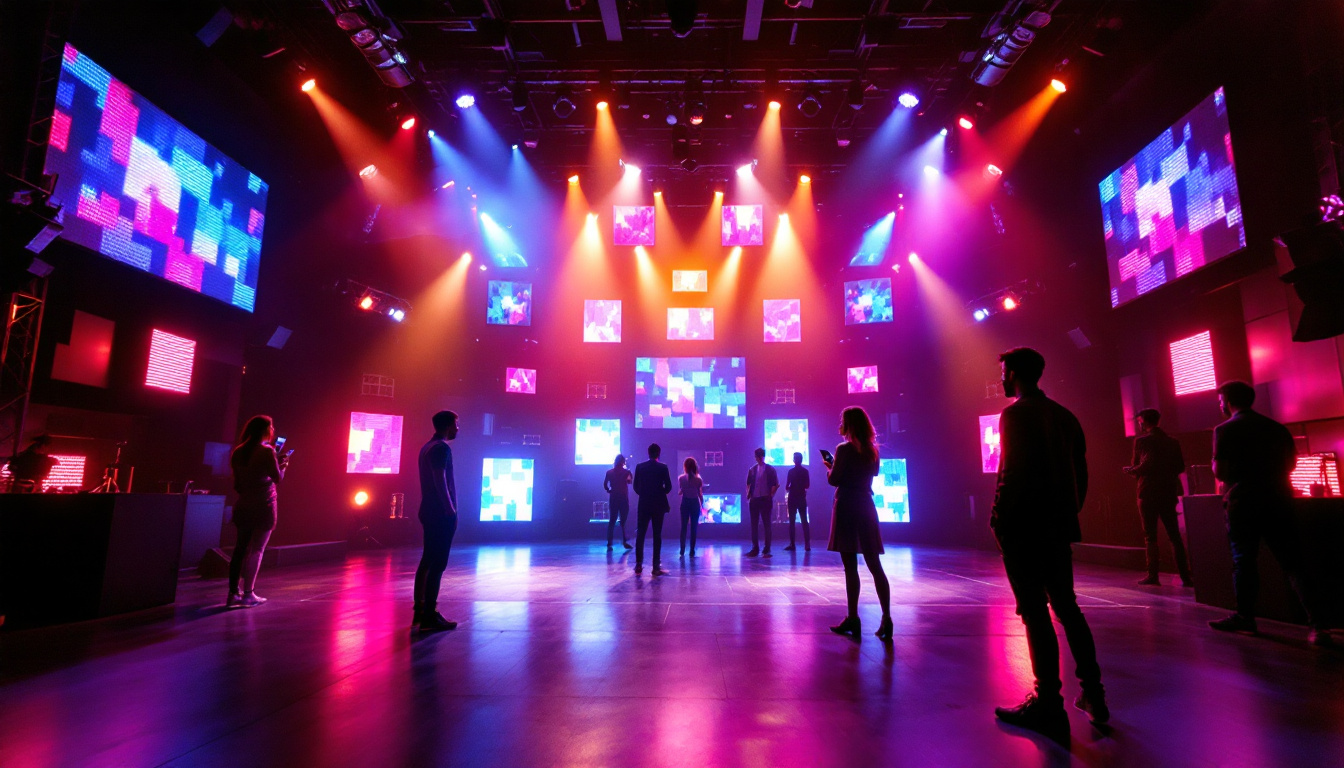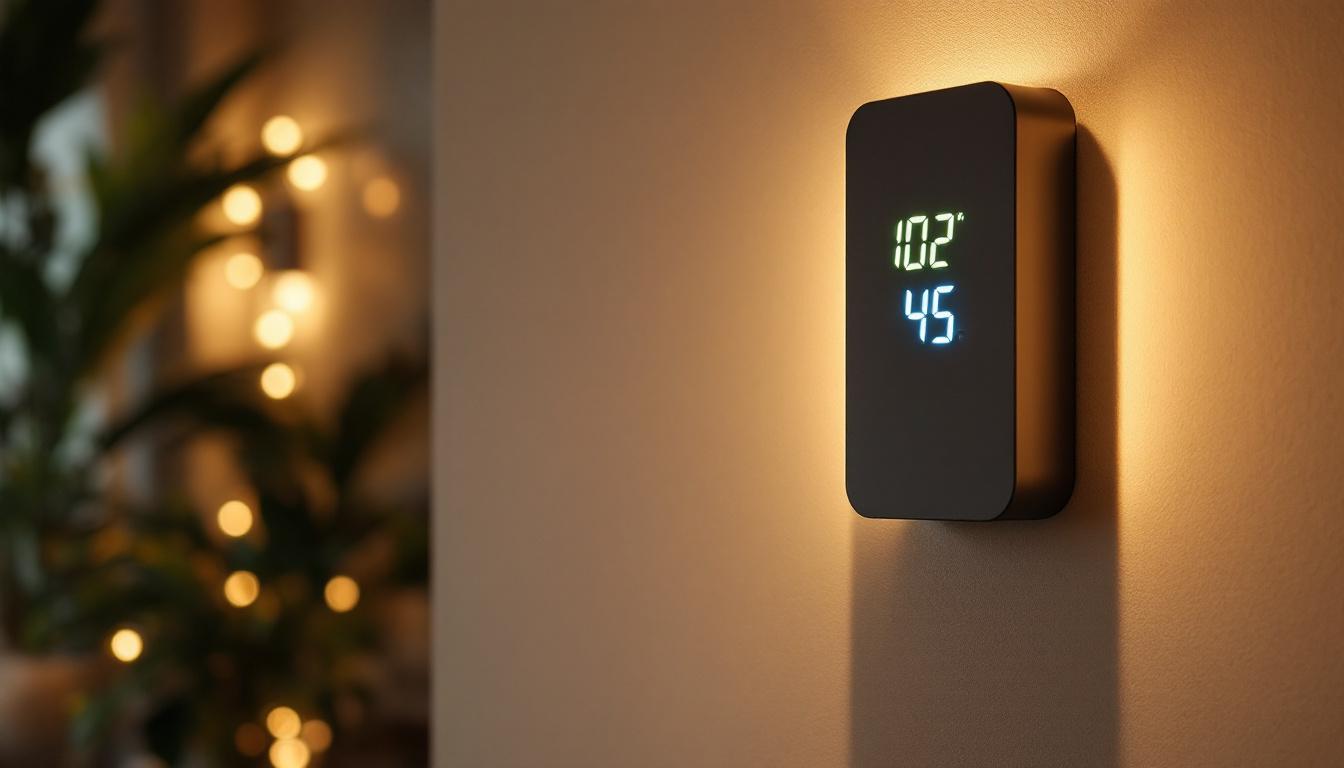
In recent years, the integration of LED technology into home and commercial environments has revolutionized how we interact with lighting and displays. Among the latest innovations is the “Touch Light for Wall,” a concept that combines LED display technology with touch-sensitive controls, creating a seamless and interactive lighting experience. This article delves into the technology behind touch light LED displays for walls, exploring their design, functionality, applications, and the benefits they offer to modern spaces.
Understanding LED Display Technology
What Is an LED Display?
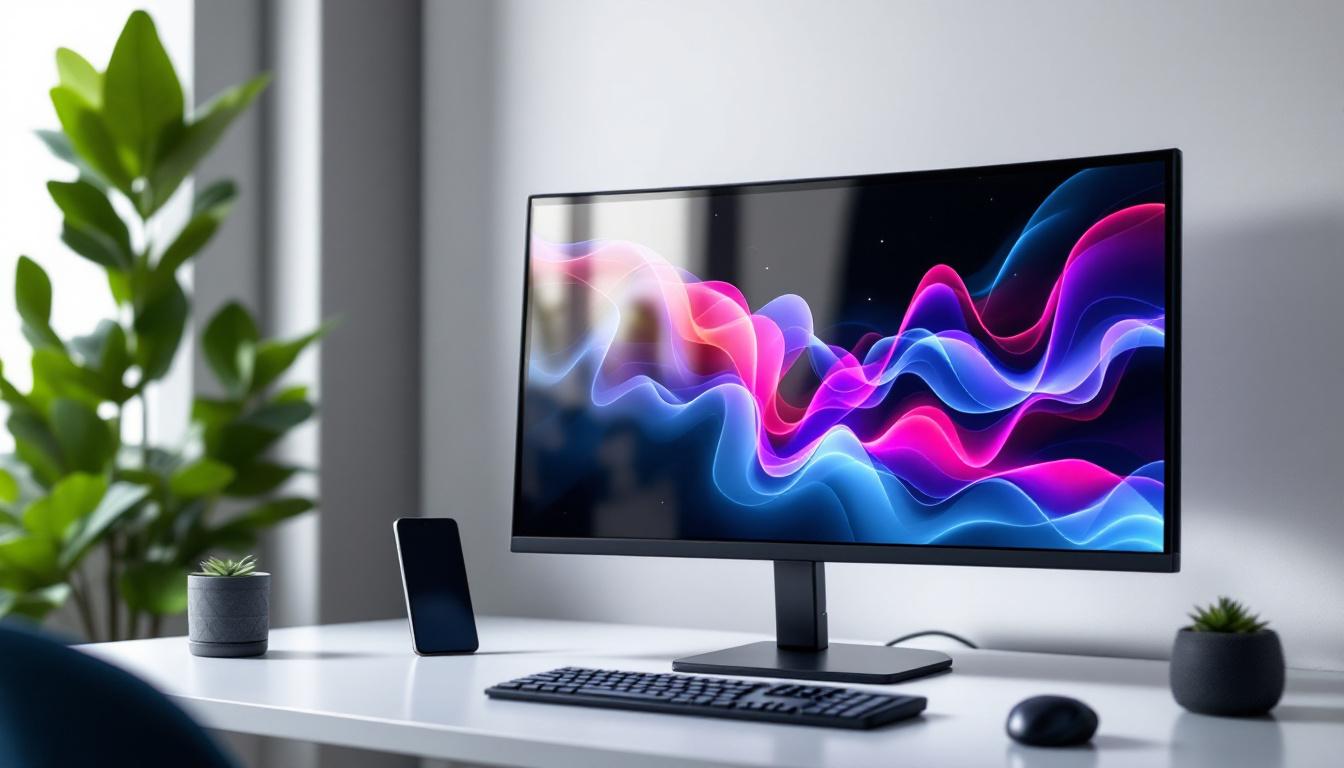
LED (Light Emitting Diode) displays are screens or panels composed of numerous tiny light-emitting diodes that produce images or light. Unlike traditional lighting or display technologies, LEDs offer superior brightness, energy efficiency, and longevity. They can display a wide range of colors by combining red, green, and blue diodes, making them ideal for both illumination and visual content presentation.
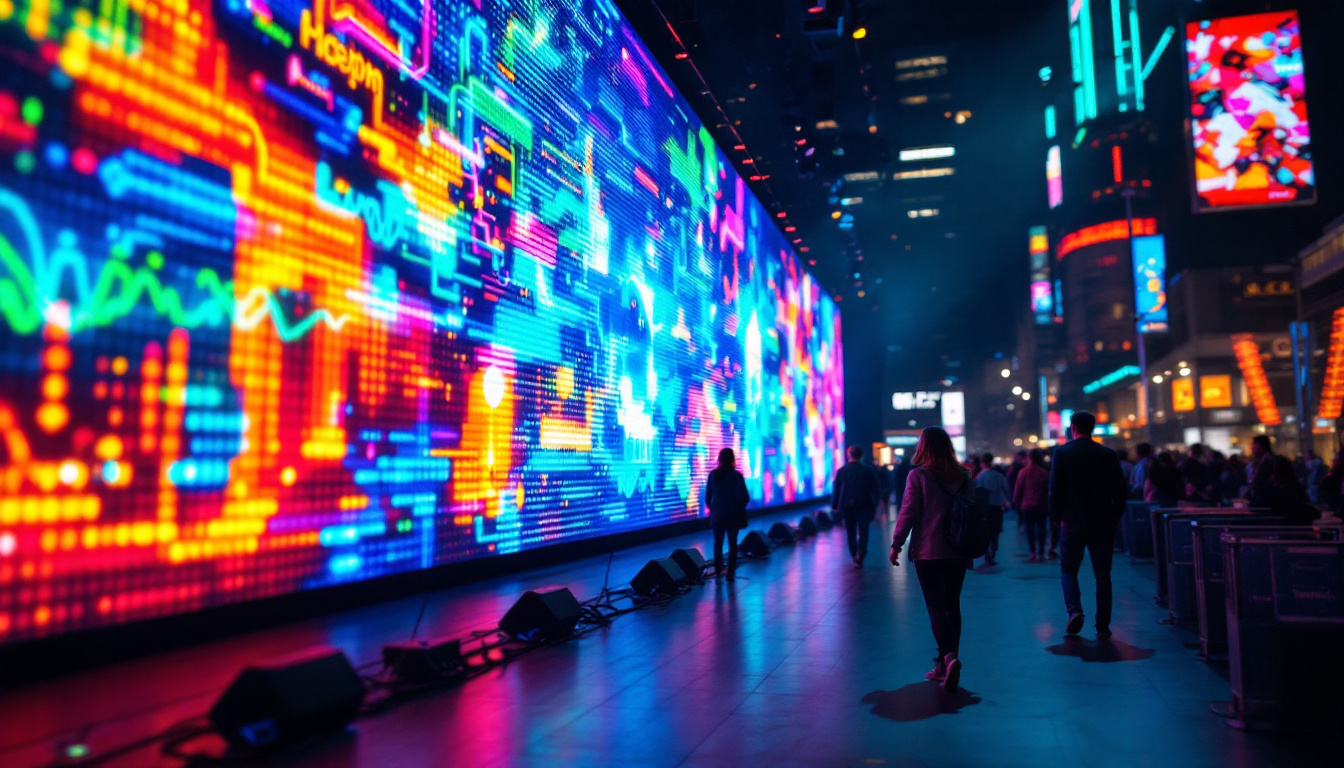
LED displays have evolved from simple indicator lights to high-resolution screens used in televisions, billboards, and digital signage. Their adaptability allows them to be integrated into various formats, including flexible panels, transparent screens, and even touch-sensitive surfaces. The versatility of LED technology has led to its widespread adoption in various industries, from entertainment and advertising to transportation and healthcare, where real-time information display is crucial.
How Do LED Displays Work?
Each LED in a display acts as a tiny pixel, which can be individually controlled to emit light at specific intensities and colors. By adjusting these pixels in unison, the display can create complex images, videos, or lighting effects. The control system behind these displays typically involves microcontrollers or processors that manage the timing and color output of each LED. This precision allows for stunning visual effects and high-definition imagery that captivates audiences.
In wall-mounted LED displays, the panels are often modular, allowing for customization in size and shape. This modularity makes them suitable for creating immersive environments or decorative lighting that can be tailored to specific architectural features. Furthermore, advancements in technology have led to the development of outdoor LED displays that can withstand harsh weather conditions, ensuring that vibrant advertisements and information can be displayed in any environment, day or night. The ability to program these displays for dynamic content, such as animations or real-time updates, enhances their effectiveness as communication tools, making them a preferred choice for businesses looking to engage customers in innovative ways.
The Concept of Touch Light for Wall
What Is a Touch Light for Wall?
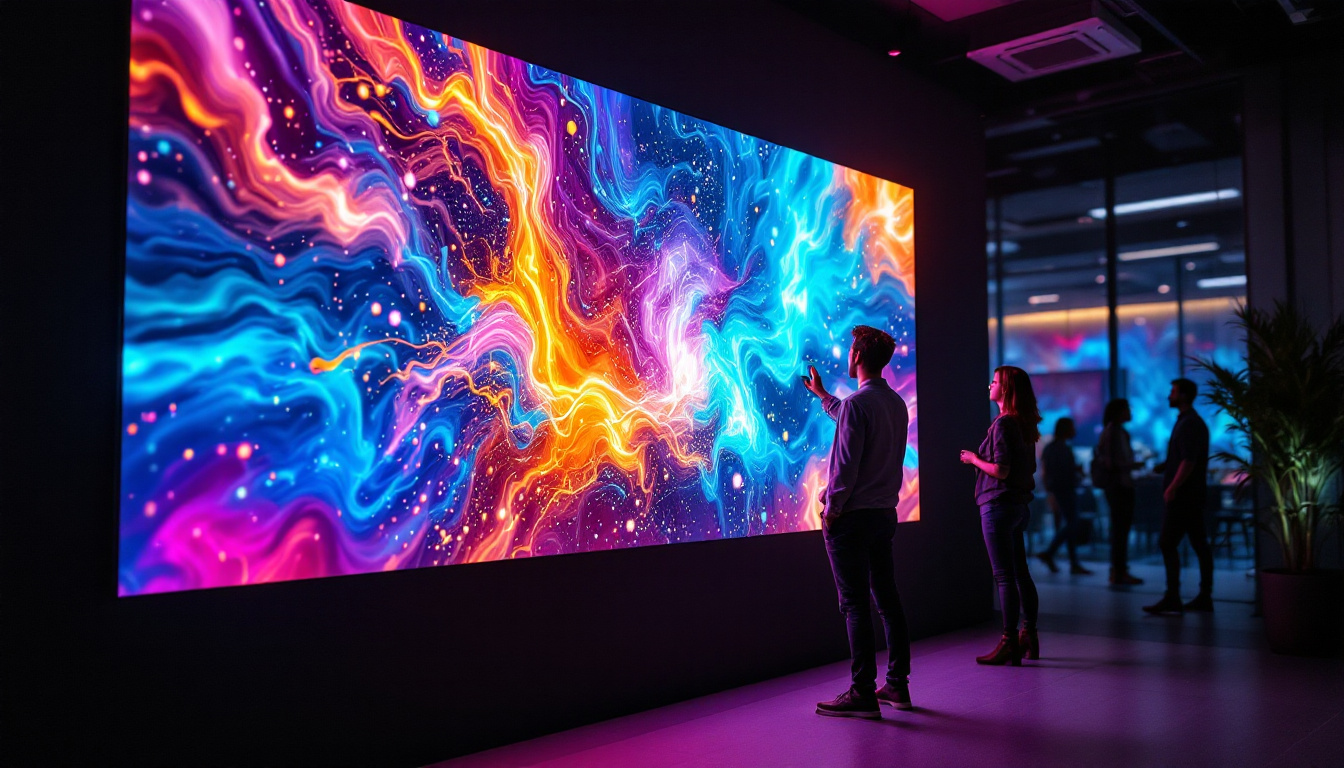
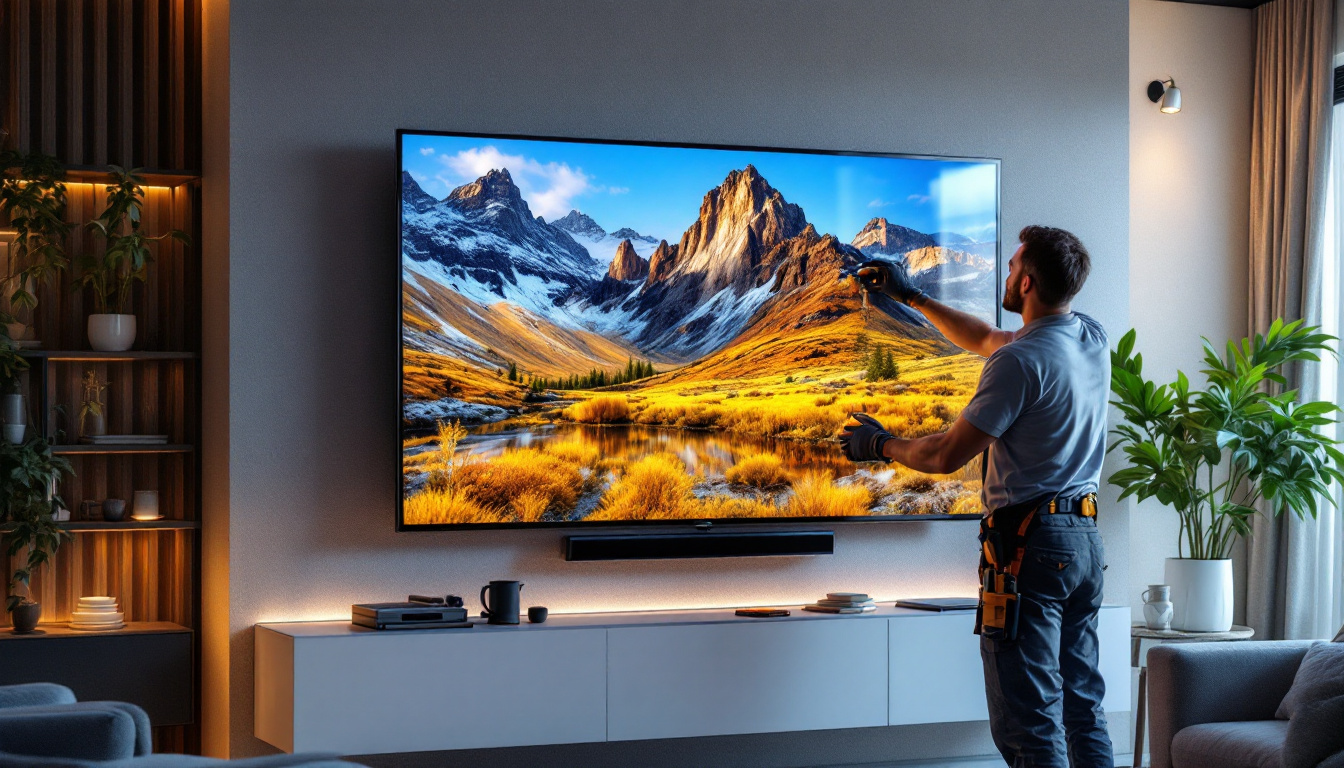
A touch light for wall is an innovative lighting solution that combines LED display panels with touch-sensitive technology. Instead of traditional switches or remote controls, users can interact directly with the wall surface to control lighting effects, brightness, colors, and even display content. This integration transforms ordinary walls into interactive surfaces, blending technology with interior design.
Touch-sensitive LED walls often use capacitive or resistive touch sensors embedded beneath or within the LED panel. These sensors detect the presence and movement of fingers, enabling intuitive control without physical buttons.
Key Features of Touch Light LED Walls
- Interactive Control: Users can change lighting settings or display content by simply touching or swiping the wall.
- Customizable Displays: The LED panels can showcase static images, dynamic animations, or ambient lighting effects.
- Energy Efficiency: LEDs consume less power compared to traditional lighting, making them environmentally friendly.
- Seamless Integration: The panels can be designed to blend with wall textures and colors, maintaining aesthetic appeal.
- Smart Connectivity: Many systems support integration with smart home platforms for voice control and automation.
Applications of Touch Light LED Displays on Walls
Residential Spaces
In homes, touch light LED walls offer a futuristic way to enhance interior ambiance. They can function as mood lighting, digital art displays, or interactive entertainment centers. For example, a living room wall can display calming visuals that change color and intensity based on user touch, creating a personalized atmosphere for relaxation or social gatherings.
Additionally, these systems can be integrated with home automation to adjust lighting based on time of day or activity, improving convenience and energy savings.
Commercial and Retail Environments
Retail stores and commercial spaces benefit greatly from touch light walls by engaging customers with dynamic displays and interactive content. For instance, a clothing store might use a touch-sensitive LED wall to showcase different outfit combinations or promotional videos, allowing customers to explore products in an immersive way.
Restaurants and hotels also use these walls to create memorable experiences, such as interactive menus or ambient lighting that responds to guest interactions, enhancing brand identity and customer satisfaction.
Public and Educational Spaces
In museums, galleries, and educational institutions, touch light LED walls serve as interactive exhibits or learning tools. Visitors can engage with digital content, such as maps, historical timelines, or scientific visualizations, by touching the wall. This interactivity fosters deeper engagement and makes information more accessible.
Moreover, in conference or event spaces, these walls can be used for presentations, wayfinding, or real-time information display, improving communication and user experience.
Technical Components and Design Considerations
Touch Sensor Technologies
Two primary types of touch sensors are used in LED wall displays: capacitive and resistive. Capacitive sensors detect changes in the electrical field caused by the conductive properties of the human skin, offering high sensitivity and multi-touch capabilities. Resistive sensors rely on pressure applied to the surface, which can be less sensitive but more cost-effective.
For wall applications, capacitive touch sensors are generally preferred due to their durability and responsiveness. They can be integrated beneath glass or acrylic surfaces that protect the LED panels without compromising touch sensitivity.
LED Panel Types and Resolution
The choice of LED panels depends on the intended use and viewing distance. High-resolution panels with smaller pixel pitch are suitable for close-up viewing, such as in residential or retail environments, where detailed images or text are displayed. Larger pixel pitch panels work well for ambient lighting or large-scale installations where viewers are farther away.
Designers must balance resolution, brightness, and power consumption to achieve optimal performance. Additionally, considerations such as color accuracy and refresh rate are crucial for dynamic content display.
Integration and Installation
Installing a touch light LED wall requires careful planning to ensure structural support, electrical wiring, and sensor calibration. The panels must be securely mounted to prevent damage and maintain alignment. Wiring for power and data transmission should be concealed to preserve aesthetics.
Calibration of touch sensors is essential to ensure accurate response and prevent false triggers. This process involves configuring sensitivity settings and mapping touch points to the display content.
Benefits of Touch Light LED Walls
Enhanced User Interaction
Touch light walls provide a natural and intuitive way for users to interact with their environment. The tactile experience of touching the wall to control lighting or display content eliminates the need for external devices or complicated controls.
This ease of use is particularly beneficial in public spaces or for individuals with accessibility needs, as it simplifies engagement with technology.
Energy Efficiency and Sustainability
LED technology is renowned for its low energy consumption compared to incandescent or fluorescent lighting. When combined with touch controls, users can adjust lighting precisely, reducing unnecessary energy use.
Many systems also incorporate sensors that automatically dim or turn off lights when no interaction is detected, further conserving energy and reducing environmental impact.
Customization and Flexibility
Touch light LED walls offer unparalleled customization options. From color schemes and brightness levels to dynamic animations and interactive content, these walls can be tailored to suit any mood, brand identity, or functional requirement.
This flexibility makes them ideal for evolving spaces where lighting and display needs may change over time.
Challenges and Considerations
Cost and Complexity
While prices for LED technology have decreased significantly over the past decade, installing a touch light LED wall remains an investment. The cost includes high-quality LED panels, touch sensors, control systems, and professional installation.
Additionally, the complexity of integrating touch technology with LED displays requires expertise to ensure reliability and longevity.
Maintenance and Durability
LED panels and touch sensors are generally durable but can be susceptible to damage from impact or environmental factors such as humidity and temperature fluctuations. Regular maintenance and protective measures are necessary to preserve functionality.
Software updates and calibration may also be required to maintain optimal performance and security.
Privacy and Security
In smart environments, touch light walls connected to networks can raise concerns about data privacy and security. It is essential to implement robust cybersecurity measures to protect user interactions and prevent unauthorized access.
Users and facility managers should be aware of these considerations when deploying interactive LED walls.
The Future of Touch Light LED Walls
Advancements in Technology
Emerging technologies such as flexible OLEDs, microLEDs, and improved touch sensor materials promise to enhance the capabilities of touch light walls. These advancements will enable thinner, more flexible, and higher-resolution displays that can conform to various surfaces and shapes.
Artificial intelligence and machine learning integration may allow walls to adapt dynamically to user behavior, preferences, and environmental conditions, creating truly smart spaces.
Expanding Applications
The potential applications of touch light LED walls continue to grow. Beyond residential and commercial uses, sectors such as healthcare, transportation, and public safety are exploring interactive walls for patient monitoring, passenger information, and emergency communication.
As costs decrease and technology matures, interactive LED walls are expected to become a standard feature in modern architecture and design.
Conclusion
Touch light for wall LED displays represent a significant leap forward in the convergence of lighting, display technology, and user interaction. By transforming walls into interactive canvases, these systems offer enhanced functionality, aesthetic appeal, and energy efficiency.
While challenges such as cost and maintenance exist, the benefits and potential applications make touch light LED walls an exciting innovation for the future of smart environments. As technology advances, these interactive surfaces will continue to redefine how people experience and control their spaces.
Illuminate Your Space with LumenMatrix
Ready to elevate your environment with the interactive and energy-efficient touch light LED walls? Discover LumenMatrix’s comprehensive range of LED display solutions, from vibrant Indoor and Outdoor LED Wall Displays to innovative Custom and All-in-One LED Displays. Embrace the future of visual communication with LumenMatrix and transform your space into a dynamic and engaging experience. Check out LumenMatrix LED Display Solutions today and start redefining your visual landscape.