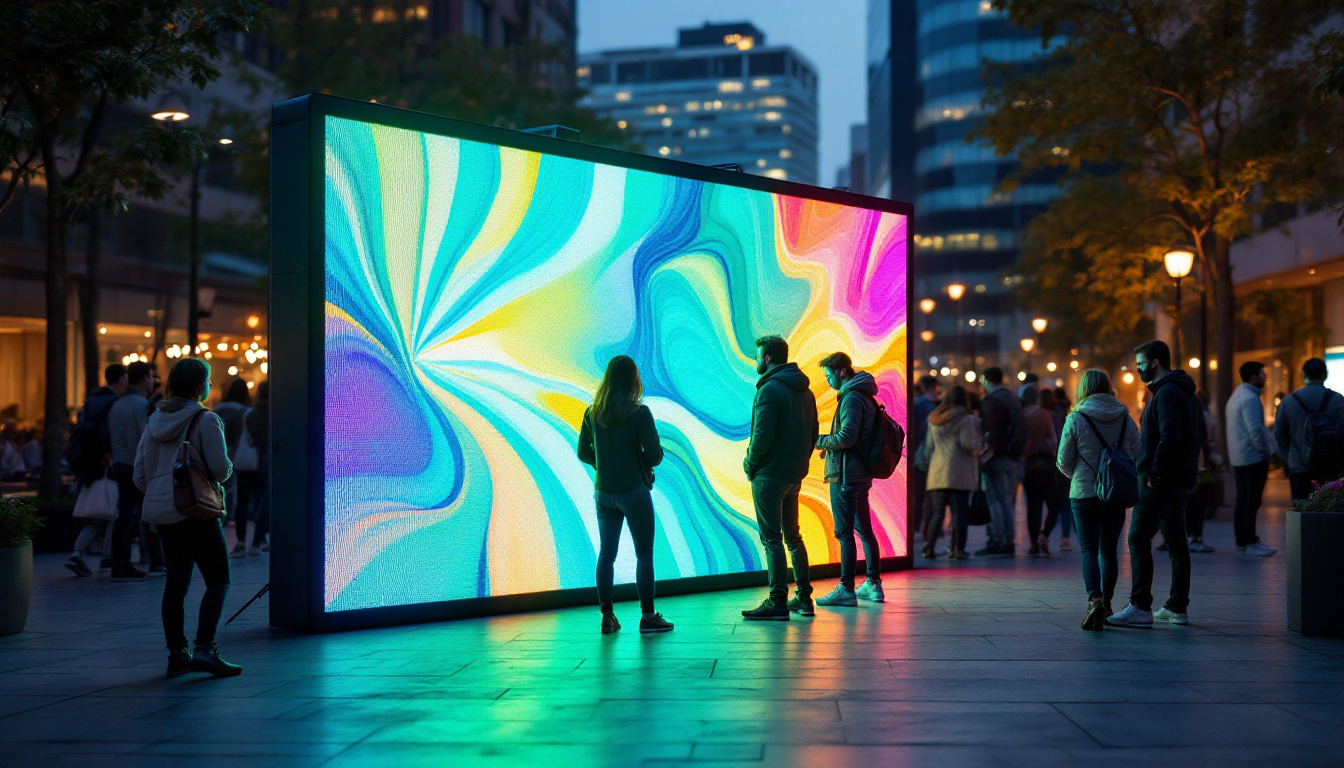
Las Vegas is synonymous with dazzling lights, vibrant colors, and immersive visual experiences. At the heart of this spectacle lies one of the most transformative technologies in modern advertising and entertainment: LED displays. From the iconic Fremont Street Experience to the colossal billboards on the Strip, LED displays have revolutionized how messages are communicated and how audiences are captivated. This article delves into the world of LED displays, exploring their technology, applications, and why they have become a cornerstone of the Las Vegas experience.
Understanding LED Display Technology
What Is an LED Display?
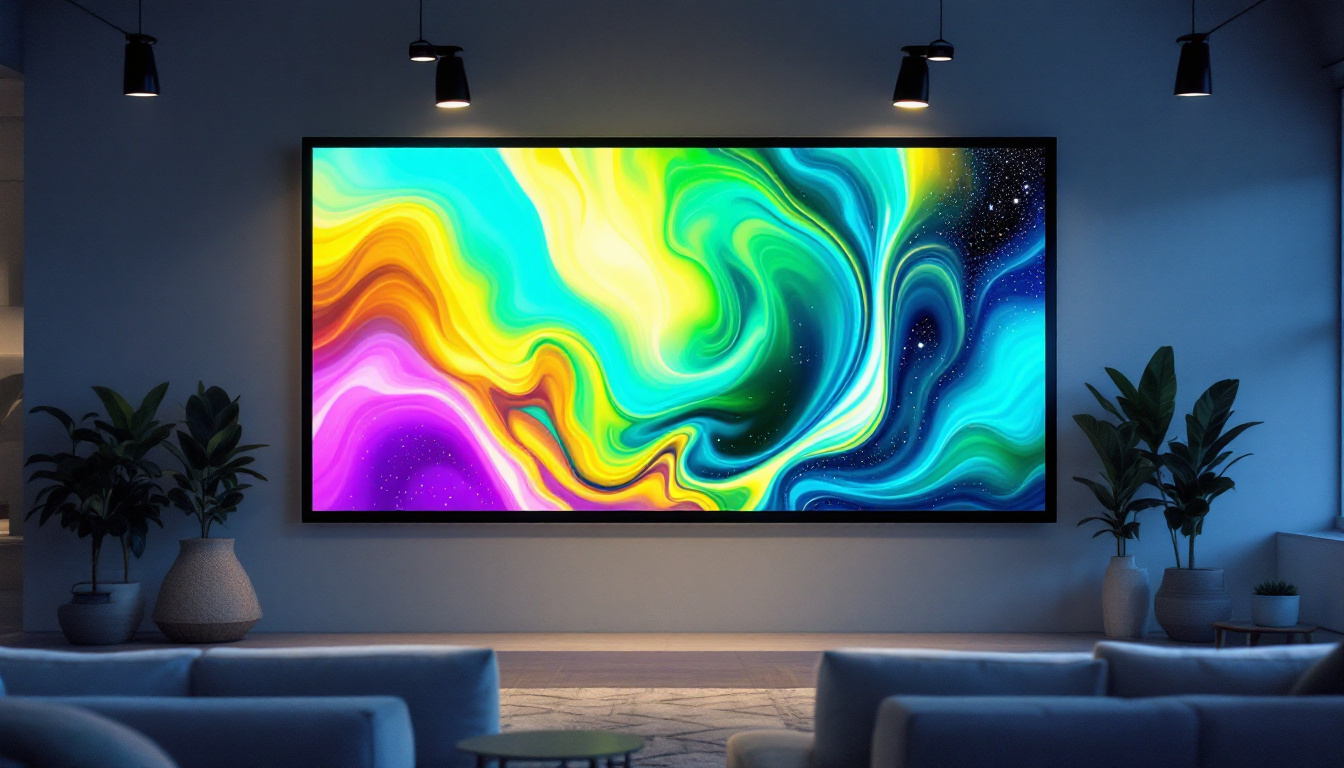
LED stands for Light Emitting Diode, a semiconductor device that emits light when an electric current passes through it. An LED display is a flat panel or flexible surface that uses an array of these tiny diodes to produce images, videos, and animations. Unlike traditional lighting or display technologies, LEDs offer superior brightness, energy efficiency, and longevity.
The core advantage of LED displays is their ability to generate vivid colors with high contrast ratios, making them visible even under direct sunlight or in the dazzling nighttime environment of Las Vegas. This capability is essential for outdoor advertising and entertainment venues where visibility and impact are crucial. Moreover, the rapid response time of LEDs allows for dynamic content that can change in real-time, making them ideal for live events and interactive installations. This feature not only enhances viewer engagement but also provides advertisers with the flexibility to tailor their messages based on audience reactions or time-sensitive promotions.
Types of LED Displays
LED displays come in various forms, each suited to different applications. The primary types include:
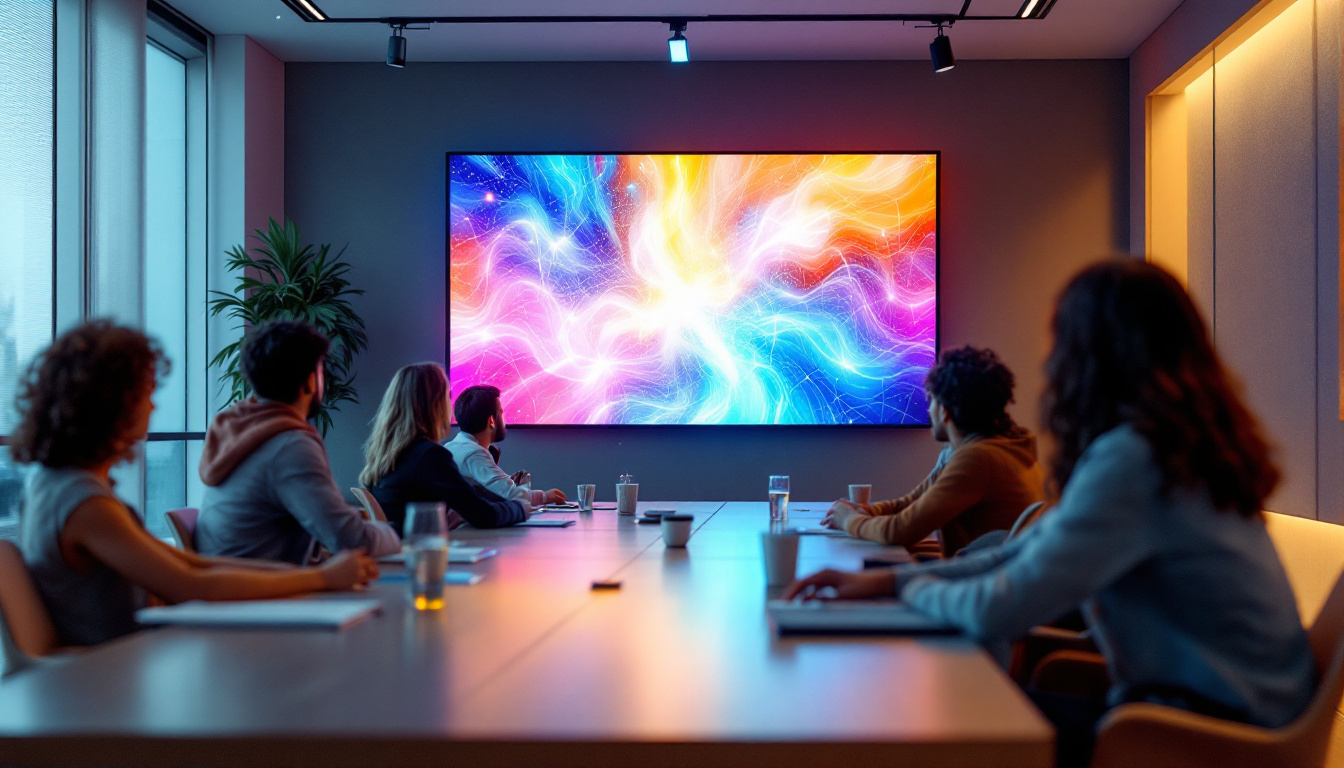
- Indoor LED Displays: These are designed for controlled environments such as casinos, theaters, and conference rooms. They typically have higher pixel density for sharper images at close viewing distances.
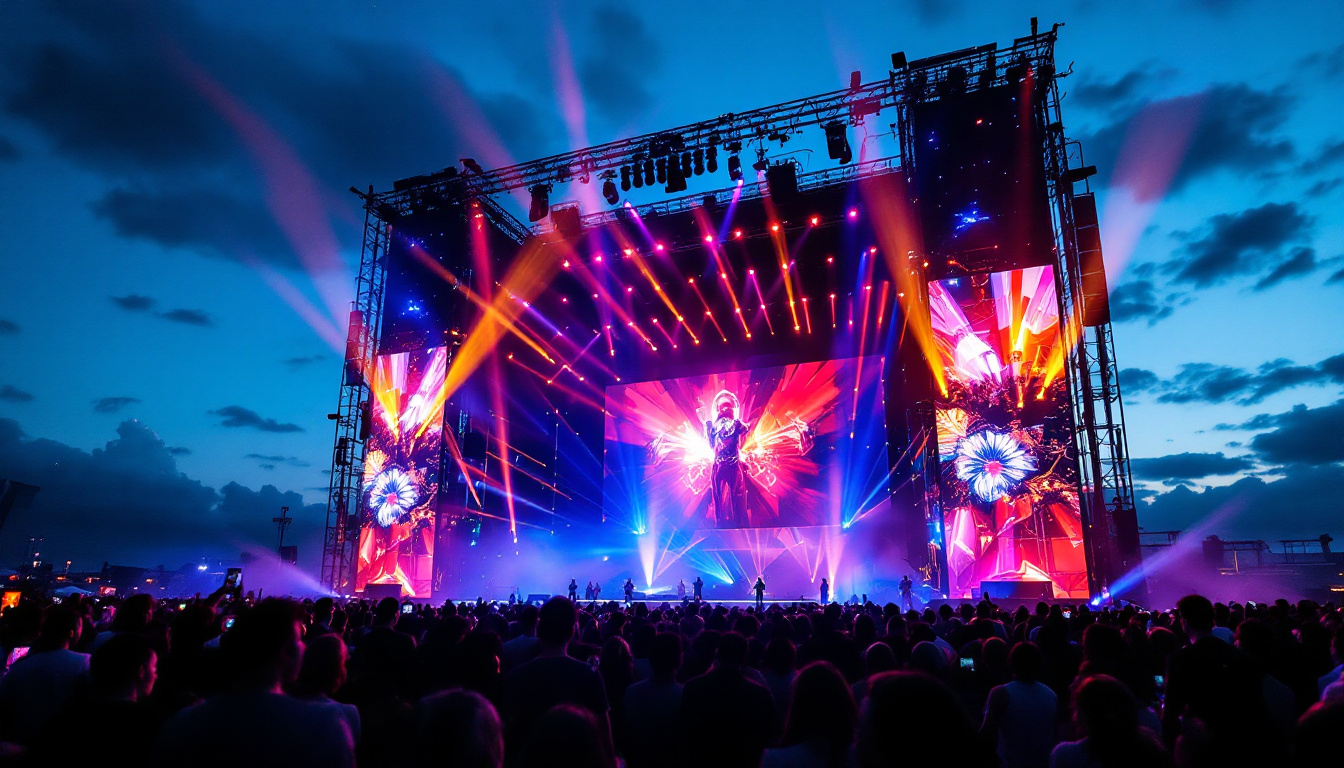
- Outdoor LED Displays: Built to withstand weather conditions, these displays are brighter and more robust. They are commonly used for billboards, building wraps, and large-scale event screens.
- Flexible LED Displays: These innovative panels can bend and curve, allowing for creative installations on irregular surfaces, a feature often exploited in Las Vegas’s dynamic architectural designs.
Each type is engineered to optimize performance based on viewing distance, environment, and content requirements, ensuring maximum engagement and effectiveness. Additionally, advancements in LED technology have led to the emergence of transparent LED displays, which allow for seamless integration into glass structures, providing an unobtrusive yet striking visual experience. These displays are particularly popular in retail environments, where they can showcase advertisements without obstructing views into the store, thereby enhancing the shopping experience while maintaining aesthetic appeal.
Furthermore, the evolution of smart LED displays has introduced capabilities such as connectivity with mobile devices and integration with social media platforms. This interactivity not only allows for real-time updates and user-generated content but also fosters a deeper connection between brands and consumers. As LED technology continues to advance, we can expect even more innovative applications, such as augmented reality experiences that blend digital content with the physical world, further transforming the landscape of visual communication.
The Role of LED Displays in Las Vegas
Creating the Signature Las Vegas Ambiance
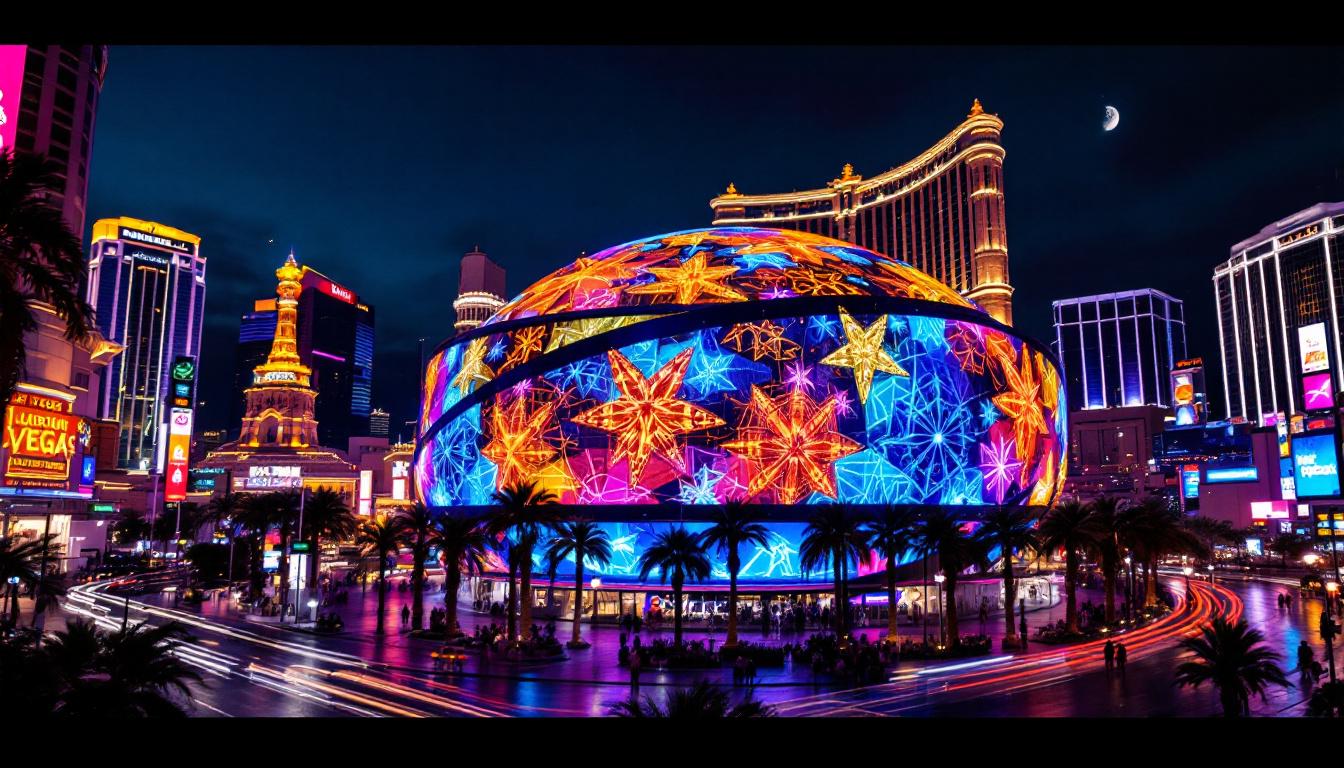
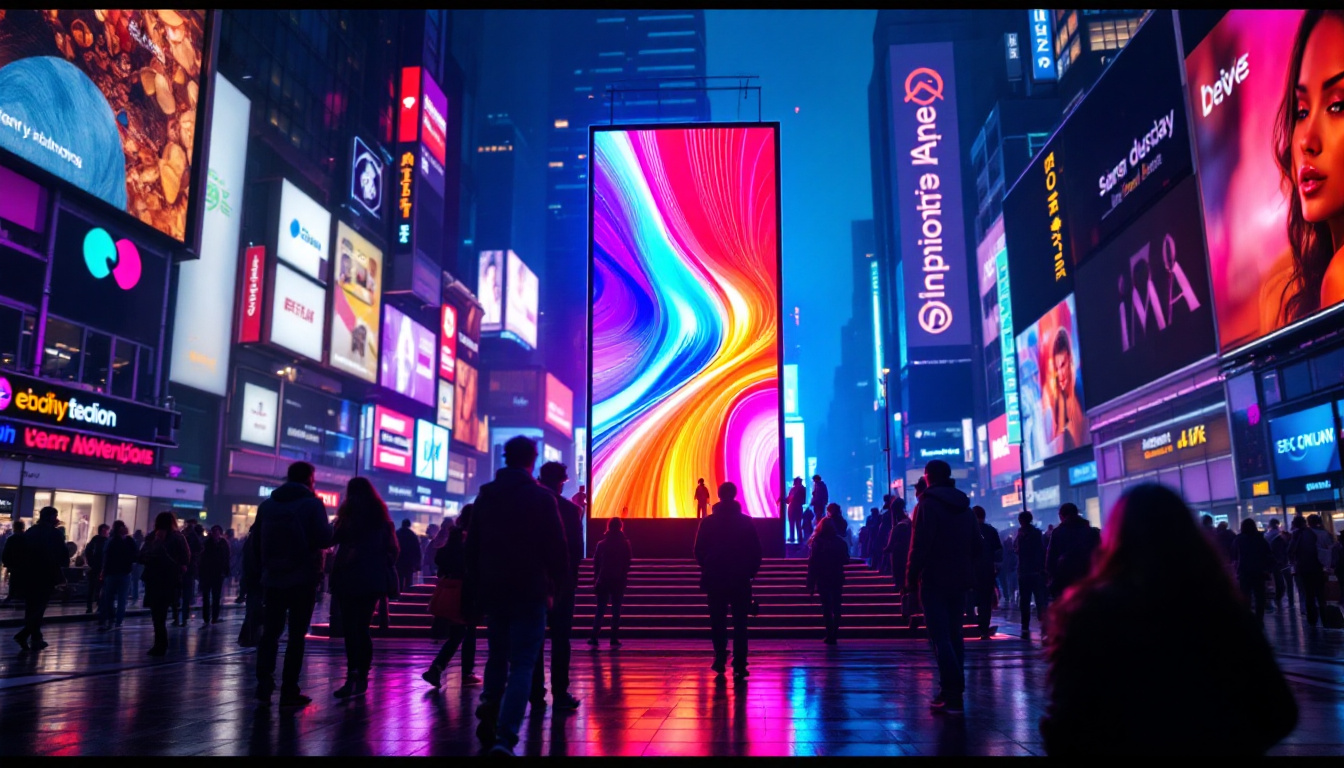
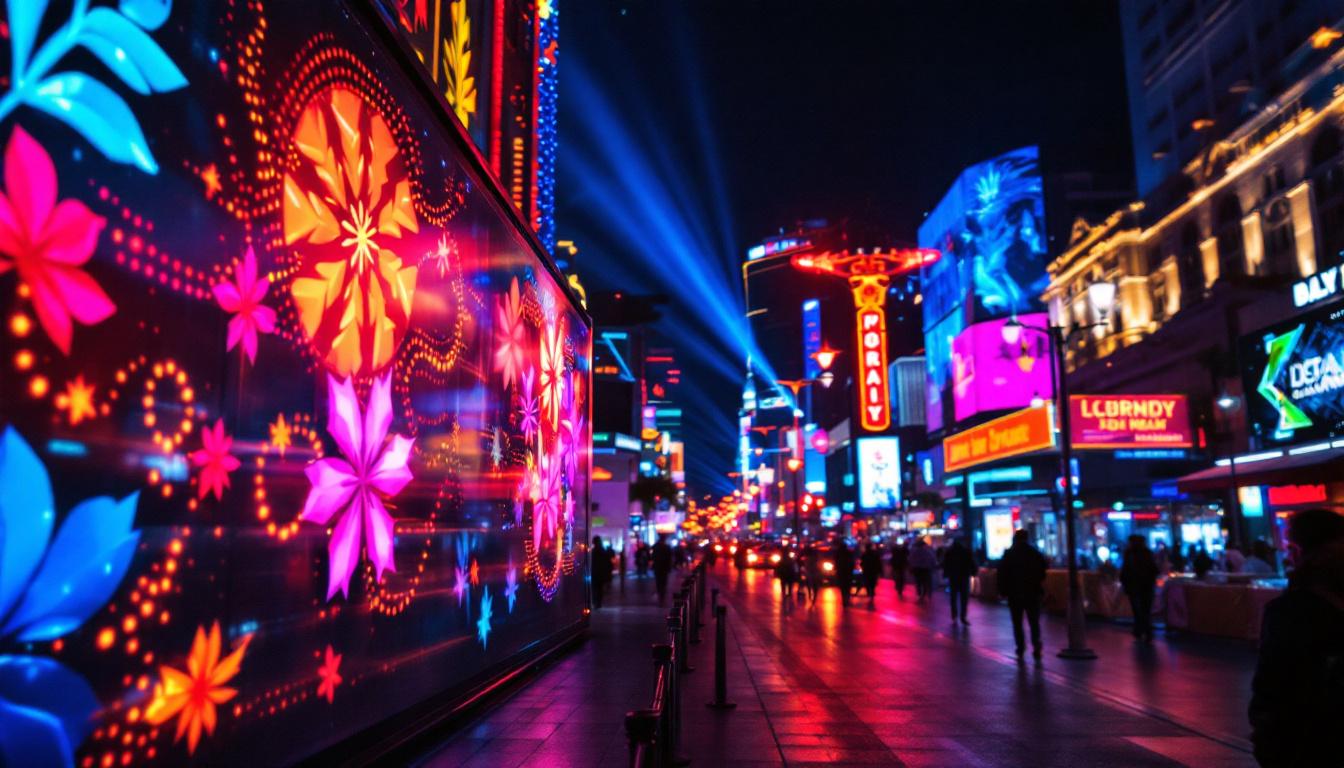
Las Vegas is often called the “Entertainment Capital of the World,” and its visual identity is inseparable from the glow of LED displays. The city’s famous Strip is a 4.2-mile stretch lined with hotels, casinos, and entertainment venues, many of which use massive LED screens to attract visitors and create an immersive atmosphere.
For example, the Fremont Street Experience features a 1,500-foot-long LED canopy that delivers spectacular light shows synchronized with music. This installation alone attracts millions of tourists annually, showcasing the power of LED technology to transform public spaces into interactive entertainment zones. The canopy not only serves as a visual spectacle but also enhances the overall sensory experience of visitors, combining sight and sound in a way that is uniquely Las Vegas. The vibrant colors and intricate designs displayed on the canopy can change throughout the night, creating a dynamic environment that keeps guests engaged and entertained.
Advertising and Brand Impact
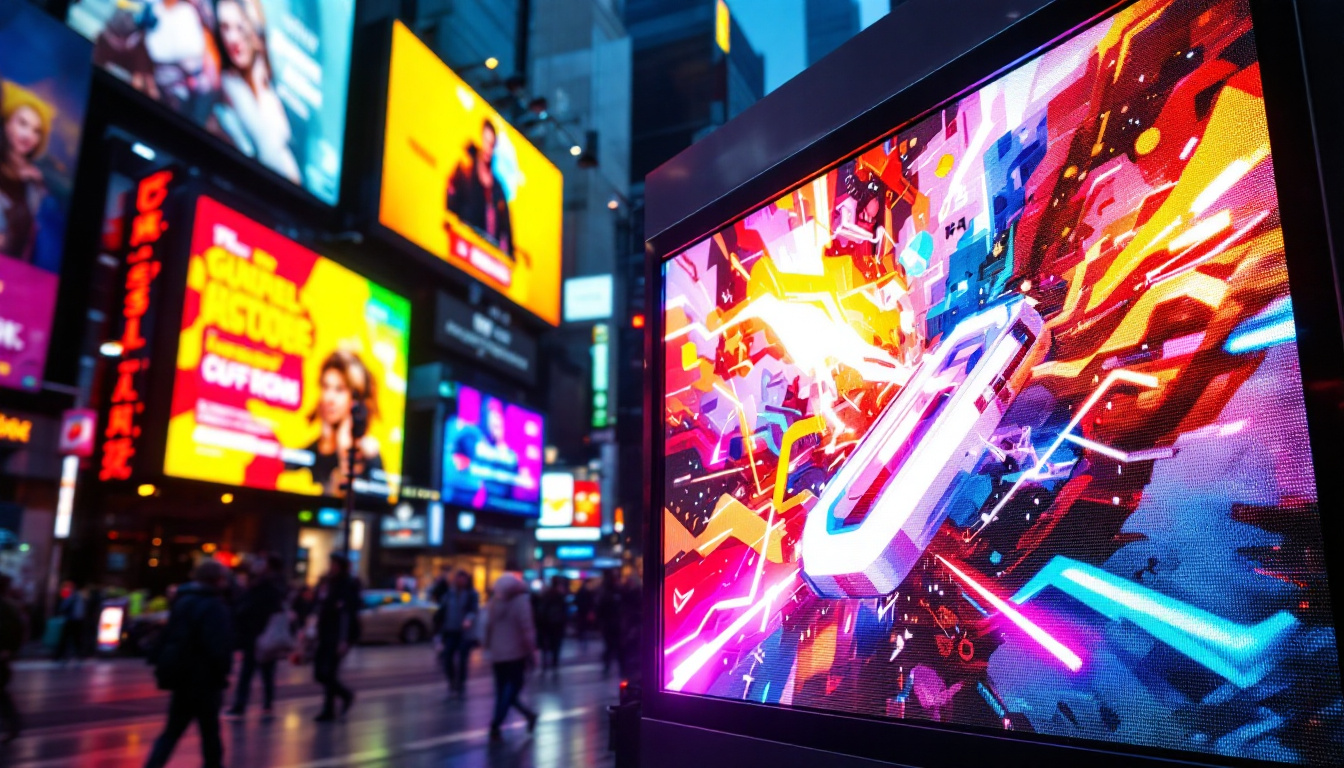
LED displays are a marketing powerhouse in Las Vegas. According to recent industry reports, digital out-of-home (DOOH) advertising, which includes LED billboards, is expected to grow by over 10% annually through 2025. This growth is fueled by the ability of LED displays to deliver dynamic, eye-catching content that can be updated in real-time.
Brands leverage LED displays to create memorable campaigns that stand out in the crowded Las Vegas market. The high brightness and color fidelity ensure that advertisements are visible day and night, while the flexibility of content allows for tailored messaging during events, holidays, or special promotions. Additionally, the strategic placement of these displays in high-traffic areas maximizes exposure, making them an essential tool for businesses looking to capture the attention of both tourists and locals. With the integration of social media feeds and interactive elements, some displays even invite audience participation, further enhancing brand engagement and creating a sense of community among viewers.
Technical Aspects of LED Displays
Resolution and Pixel Pitch
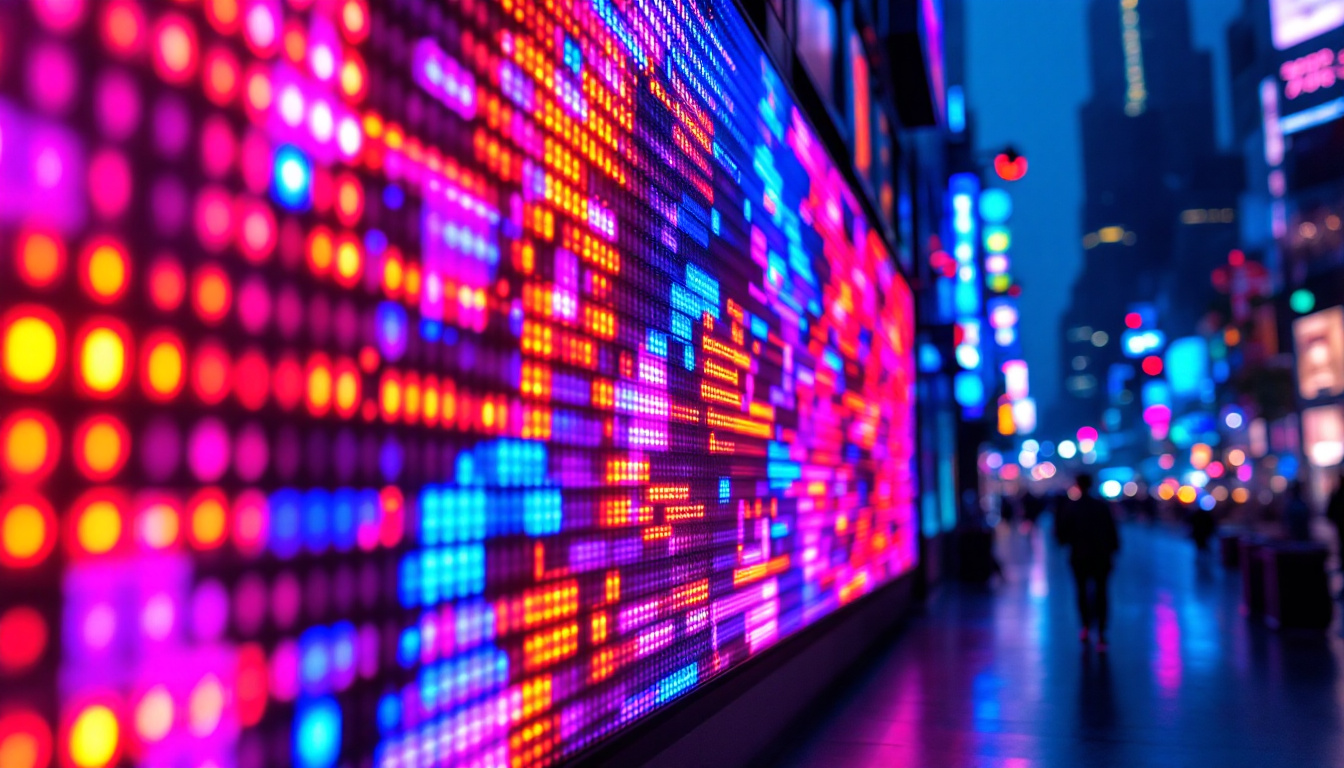
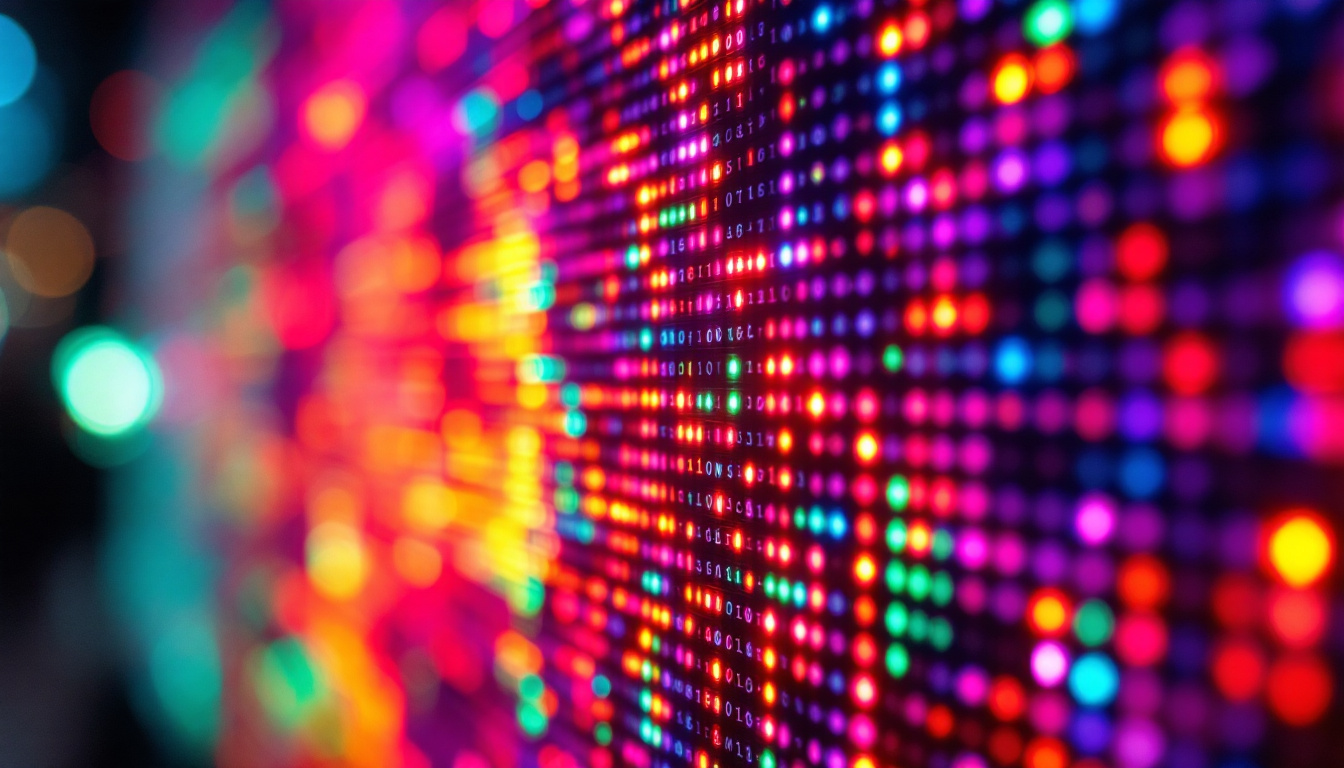
Resolution in LED displays refers to the number of pixels contained within the screen, directly influencing image clarity. Pixel pitch, the distance between the centers of two adjacent LEDs, is a critical specification. A smaller pixel pitch results in higher resolution and sharper images, which is particularly important for displays viewed up close.
In Las Vegas, where viewers can be both near and far from LED screens, selecting the appropriate pixel pitch is vital. For example, large outdoor billboards typically have a pixel pitch ranging from 10mm to 20mm, balancing visibility from a distance with cost-effectiveness. Conversely, indoor displays in casinos might use pixel pitches as low as 1.5mm to ensure crisp visuals for close-range viewing.
Brightness and Contrast
Brightness is measured in nits (candelas per square meter), and LED displays in Las Vegas often exceed 5,000 nits to compete with ambient lighting conditions, including sunlight and neon lights. High brightness ensures that content remains visible and vibrant regardless of the time of day.
Contrast ratio, the difference between the darkest black and the brightest white a display can produce, is equally important. LED technology inherently provides high contrast ratios, which enhances image depth and realism. This feature is crucial for delivering compelling visuals that capture the attention of passersby.
Energy Efficiency and Sustainability
LED displays are significantly more energy-efficient than traditional incandescent or fluorescent lighting, consuming up to 80% less energy. This efficiency is particularly relevant in Las Vegas, where large-scale installations operate continuously.
Moreover, many venues and advertisers are adopting sustainable practices by integrating LED technology with smart controls that adjust brightness based on ambient light and time of day, reducing unnecessary power consumption. This approach not only lowers operational costs but also aligns with growing environmental responsibility trends.
Innovative Applications and Future Trends
Interactive and Immersive Experiences
Las Vegas is at the forefront of integrating LED displays with interactive technologies. Touch-sensitive LED walls, motion sensors, and augmented reality (AR) overlays are being used to create engaging experiences that invite visitor participation.
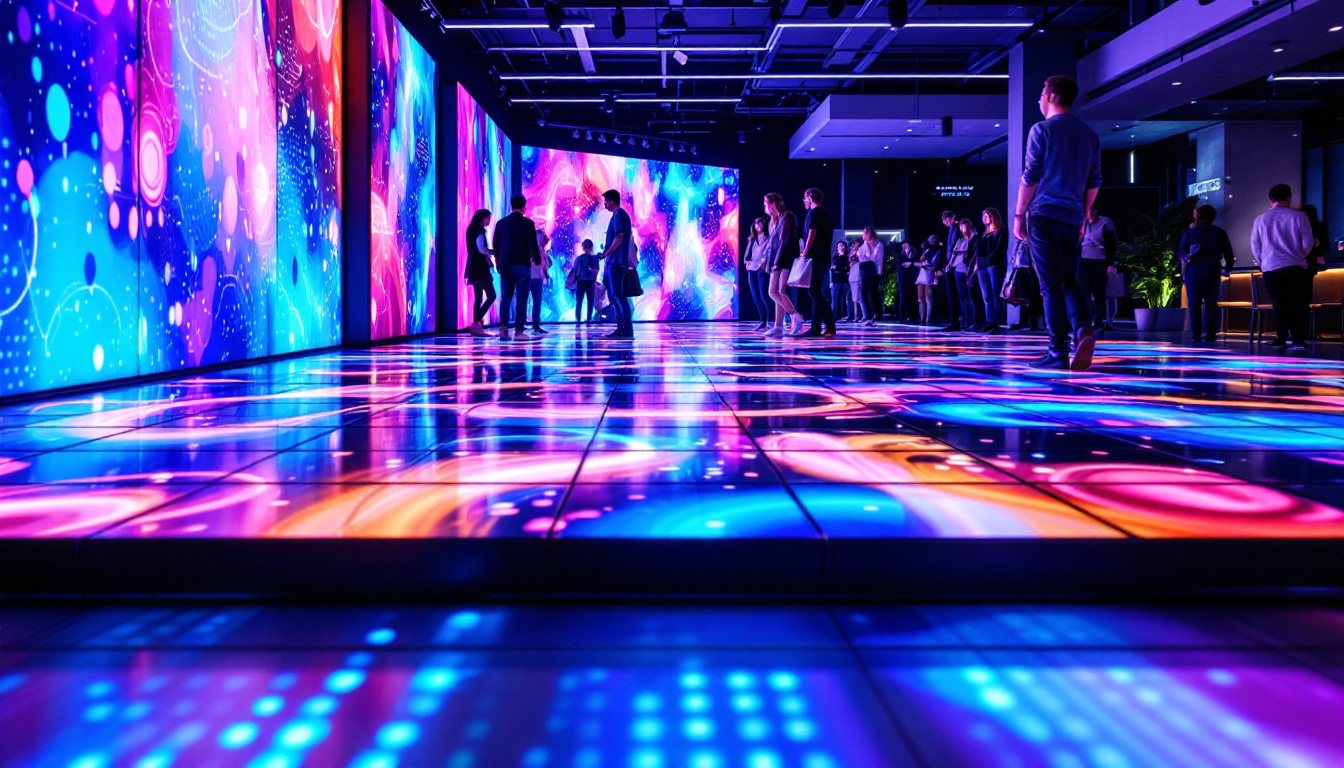
For instance, some casinos have installed LED floors and walls that respond to movement, creating dynamic environments that enhance gaming and entertainment. These innovations deepen visitor engagement and differentiate venues in a highly competitive market.
Integration with Smart City Initiatives
LED displays are also playing a role in Las Vegas’s smart city initiatives. Digital signage integrated with data analytics and IoT (Internet of Things) devices can provide real-time information such as traffic updates, event schedules, and emergency alerts.
Such integration improves urban management and visitor experience, making LED displays not just advertising tools but essential components of city infrastructure.
Advancements in LED Technology
Emerging technologies like MicroLED and MiniLED promise even greater resolution, brightness, and energy efficiency. MicroLED, in particular, offers the potential for ultra-high-definition displays with enhanced durability, which could redefine the scale and quality of visual installations in Las Vegas.
As these technologies mature, they will enable more creative freedom and improved performance, ensuring that Las Vegas remains a global leader in visual spectacle.
Challenges and Considerations
Cost and Maintenance
While LED displays offer many advantages, they also come with significant upfront costs. Large-scale installations require substantial investment in hardware, installation, and content creation. Additionally, ongoing maintenance is necessary to ensure optimal performance, including cleaning, repairs, and software updates.
However, the long lifespan of LEDs—often exceeding 100,000 hours—helps offset these costs over time, making them a worthwhile investment for many businesses and city planners.
Light Pollution and Regulatory Compliance
Las Vegas’s intense use of LED lighting has raised concerns about light pollution and its impact on local residents and wildlife. Regulatory bodies have implemented guidelines to balance the city’s vibrant lighting culture with environmental and community considerations.
Designers and operators must navigate these regulations carefully, optimizing brightness and timing to minimize adverse effects while maintaining visual impact.
Conclusion: The Bright Future of LED Displays in Las Vegas
LED displays have become an integral part of the Las Vegas identity, transforming the cityscape into a living canvas of light and color. Their technological sophistication, versatility, and visual impact make them indispensable for entertainment, advertising, and urban innovation.
As LED technology continues to advance, Las Vegas is poised to push the boundaries of what is possible in visual communication and immersive experiences. For businesses, city planners, and visitors alike, the glow of LED displays represents not just illumination but a dynamic, evolving story of creativity and progress.
Illuminate Your World with LumenMatrix
As you’ve seen, LED displays are more than just lights; they’re a canvas for innovation and interaction. LumenMatrix stands at the forefront of this vibrant future, offering a spectrum of LED display solutions that bring your vision to life. Whether you’re looking to enhance your brand’s visibility, create mesmerizing visual experiences, or revolutionize your space with digital signage, our cutting-edge technology is designed to captivate and engage. Ready to shine brighter? Check out LumenMatrix LED Display Solutions and let’s light up the future together.