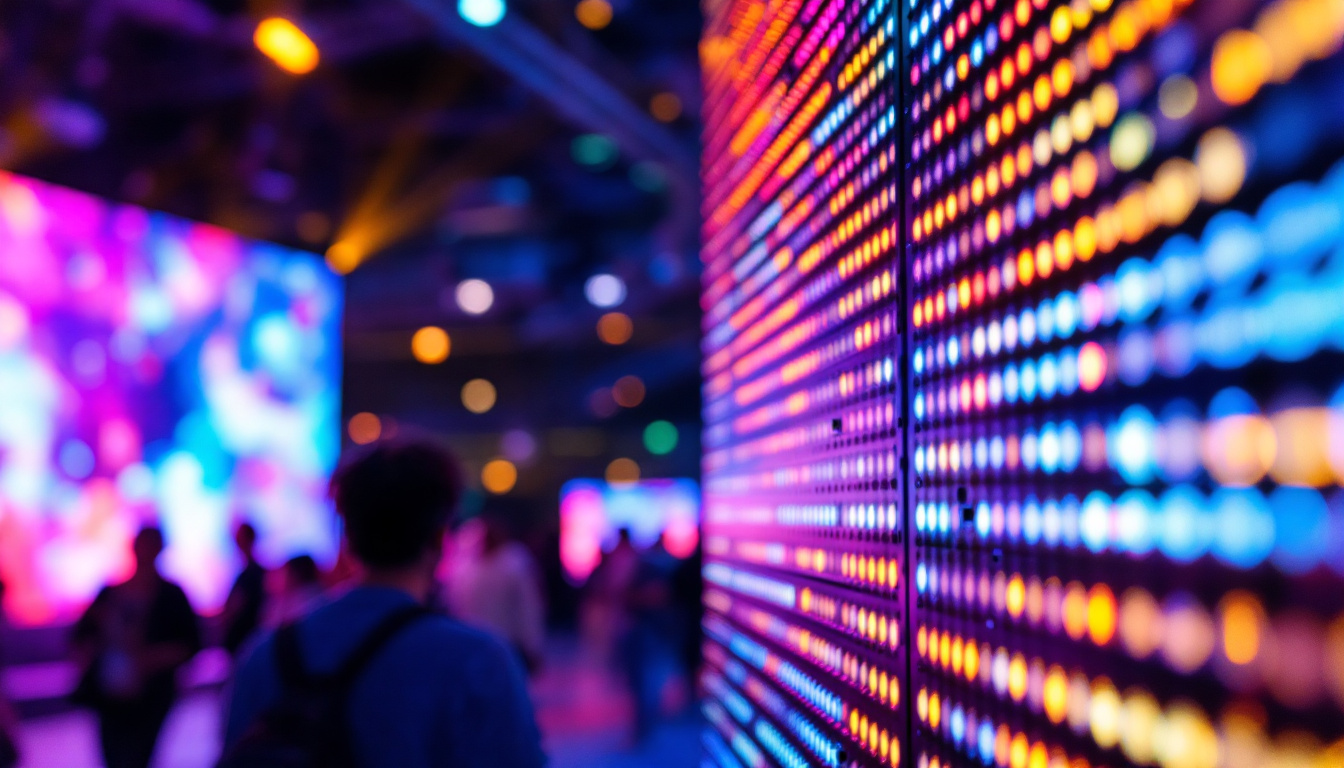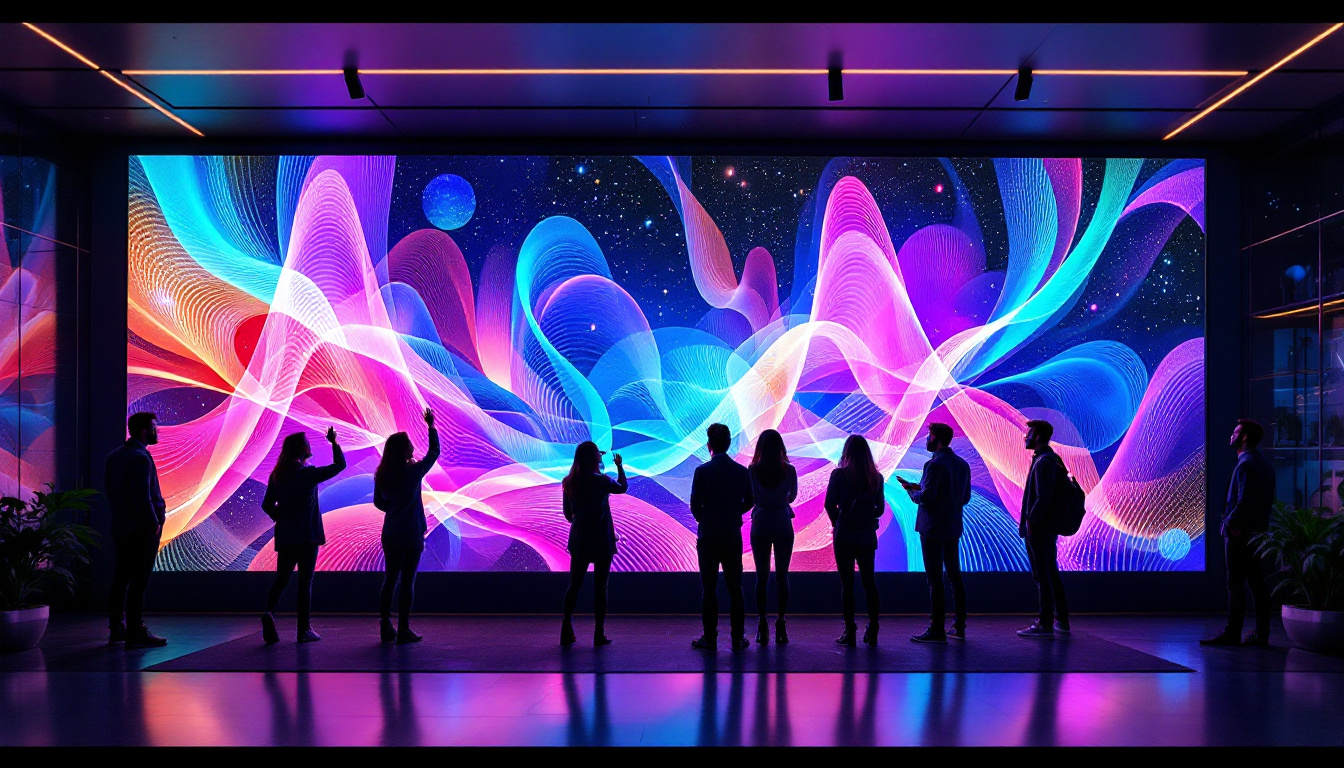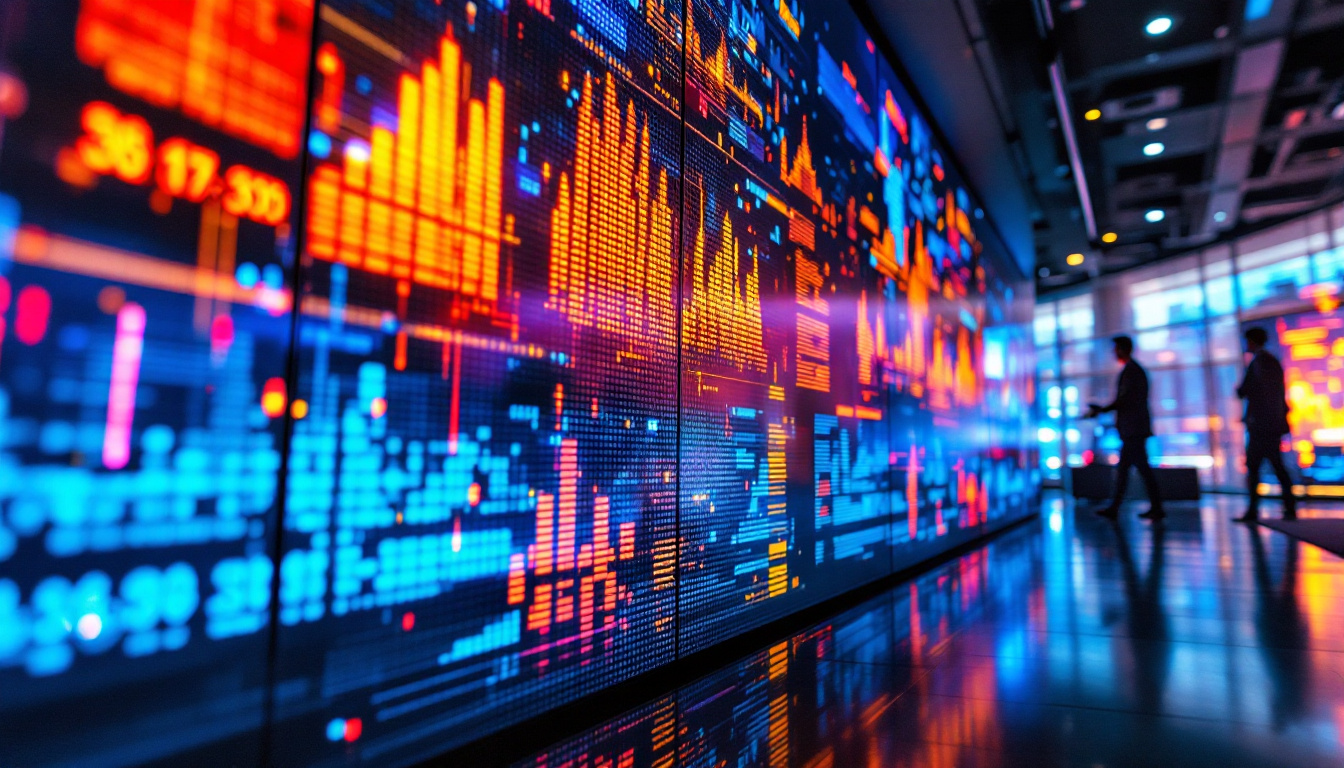
In the rapidly evolving world of digital technology, LED displays have become an integral part of how we interact with information and media. From smartphones and tablets to large-scale advertising billboards and interactive kiosks, LED technology powers vibrant, dynamic screens that capture attention and enhance user experience. This article delves into the fundamentals of LED displays, their integration with touch screen technology, and the impact of these innovations across various industries.
Understanding LED Display Technology
LED, or Light Emitting Diode, displays have revolutionized the way images and videos are presented. Unlike traditional LCD screens that rely on backlighting, LED displays use tiny light-emitting diodes to produce bright, vivid images with superior contrast and color accuracy.
At the core of LED technology are semiconductor diodes that emit light when an electric current passes through them. These diodes can be arranged in various configurations, such as individual pixels or clusters of red, green, and blue LEDs, to create full-color images. The ability to control each diode individually allows for precise image rendering and energy efficiency.
Types of LED Displays
There are several types of LED displays, each suited to different applications. The most common include:
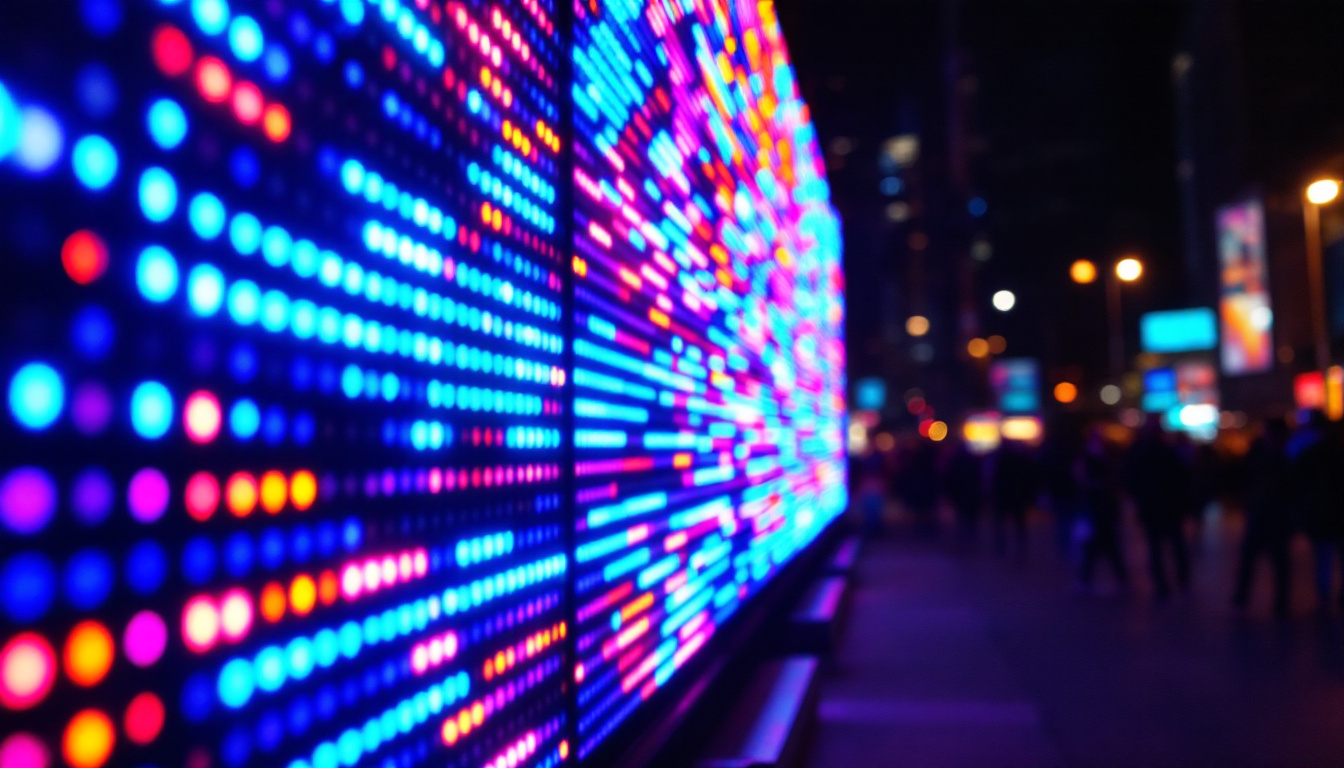
- Direct View LED (DVLED): These displays use LEDs as the actual pixels, offering exceptional brightness and color saturation. They are commonly used in large outdoor screens and stadium displays.
- LED-backlit LCD: This technology combines traditional LCD panels with LED backlighting, enhancing brightness and reducing power consumption compared to older CCFL-backlit LCDs.
- MicroLED: An emerging technology that features microscopic LEDs as individual pixels, promising higher brightness, better energy efficiency, and longer lifespan than OLED and LCD displays.
Advantages of LED Displays
LED displays offer numerous benefits over other display technologies. Their high brightness makes them visible even in direct sunlight, which is why they dominate outdoor advertising and public information displays. Additionally, LEDs consume less power, have longer lifespans, and provide better color accuracy and contrast ratios.
For example, a study by the Display Supply Chain Consultants (DSCC) in 2023 highlighted that LED-backlit LCDs accounted for over 70% of global display shipments due to their balance of performance and cost. Meanwhile, microLED technology is gaining momentum, with industry leaders projecting a compound annual growth rate (CAGR) of 35% through 2027.
Moreover, the versatility of LED displays extends beyond mere visual appeal. They are increasingly being integrated into smart technologies, allowing for dynamic content that can be updated in real-time. This capability is particularly advantageous for businesses looking to engage customers with timely promotions or information. For instance, digital billboards can change advertisements based on traffic patterns or local events, maximizing their impact and relevance.
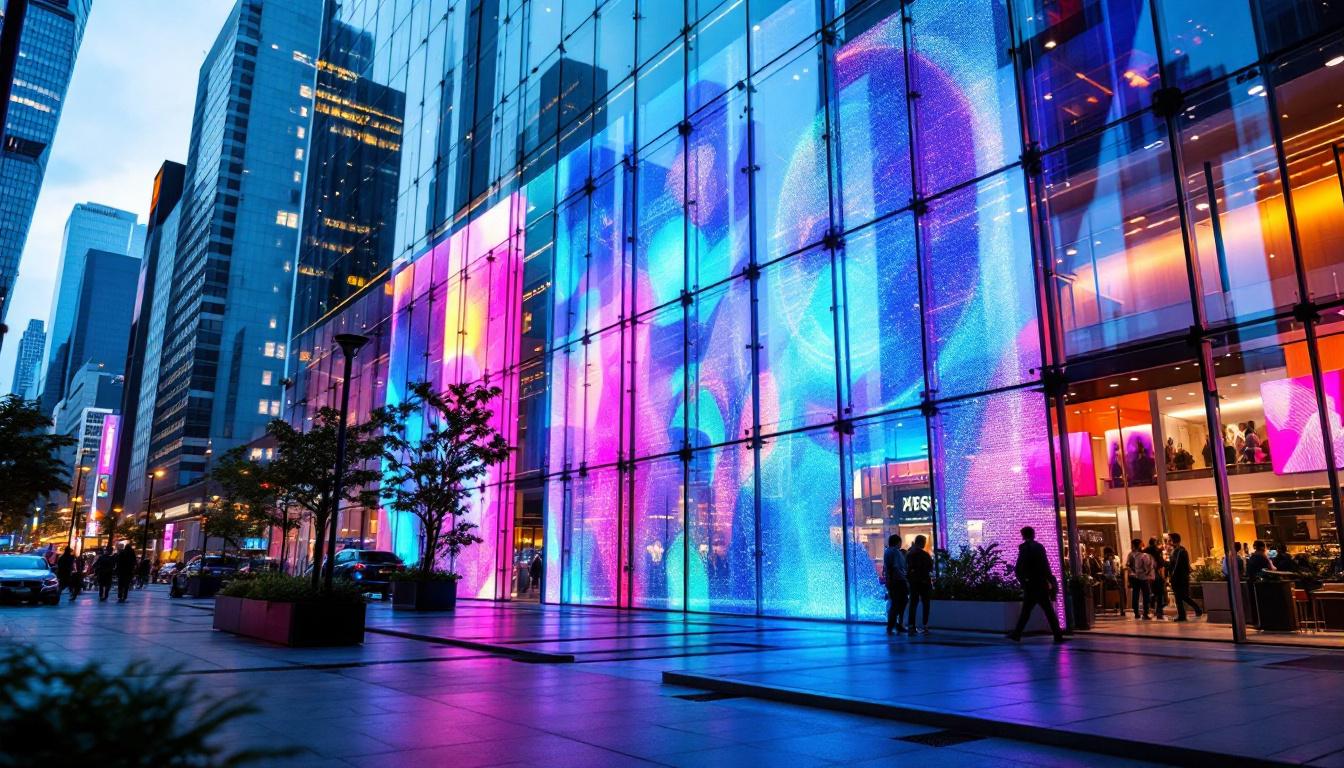
Furthermore, LED displays are also being utilized in innovative ways within the realms of art and architecture. Artists are exploring the potential of LED technology to create immersive installations that captivate audiences with interactive experiences. Buildings are being adorned with LED facades that not only enhance aesthetic appeal but also contribute to energy efficiency by utilizing programmable lighting systems that adjust according to the time of day or weather conditions.
The Integration of Touch Screens with LED Displays
Touch screen technology has transformed how users interact with electronic devices, making interfaces more intuitive and accessible. When combined with LED displays, touch screens enable dynamic, interactive experiences across a wide range of applications. This integration not only enhances user engagement but also streamlines operations in various industries, creating a more efficient and enjoyable interaction with technology.
How Touch Screens Work on LED Displays
Touch screens typically rely on one of several sensing technologies to detect user input:
- Resistive Touch: Composed of multiple layers that register touch through pressure, resistive screens are durable and cost-effective but offer lower clarity and multi-touch support.
- Capacitive Touch: These screens detect changes in the electrical field caused by a finger or conductive stylus, providing high clarity and multi-touch capabilities. Capacitive touch is the most common technology used in smartphones and tablets.
- Infrared and Optical Touch: Using sensors around the display edges, these systems detect touch by interruptions in light beams, suitable for larger displays like kiosks and interactive whiteboards.
When integrated with LED displays, capacitive touch technology is often preferred due to its responsiveness and compatibility with high-resolution screens. The combination allows for seamless interaction without compromising display quality. Furthermore, advancements in touch technology have led to the development of features like haptic feedback, which enhances the tactile experience by simulating the sensation of pressing a button, thus making interactions feel more natural and engaging.
Applications of Touch-Enabled LED Displays
Touch-enabled LED displays have found applications in numerous sectors, including:
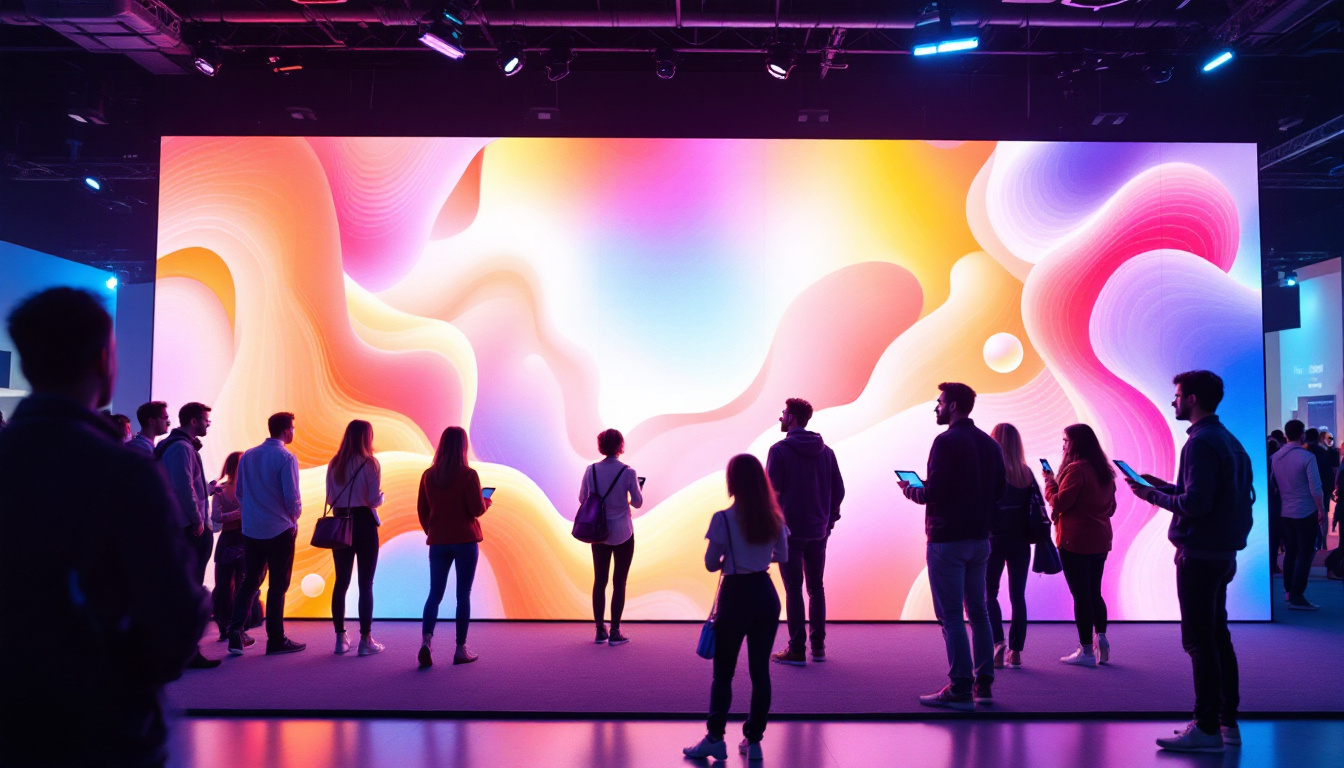
- Retail and Advertising: Interactive digital signage engages customers by allowing them to browse products, access promotions, or customize orders directly on the screen. This not only attracts attention but also provides valuable data on consumer behavior and preferences, enabling businesses to tailor their marketing strategies effectively.
- Education: Interactive whiteboards and touch-enabled displays facilitate collaborative learning and make lessons more engaging. Teachers can incorporate multimedia resources, allowing students to interact with content in real-time, thereby enhancing retention and understanding of complex subjects.
- Healthcare: Touch screens integrated with LED displays are used in patient monitoring systems, medical imaging, and information kiosks. These systems streamline workflows, allowing healthcare professionals to access critical information quickly and efficiently, ultimately improving patient care.
- Transportation: Interactive ticketing kiosks and real-time information displays improve passenger experience in airports, train stations, and bus terminals. By providing instant access to schedules, ticket purchasing, and wayfinding, these displays help reduce congestion and enhance overall travel efficiency.
Moreover, the integration of touch screens with LED technology is paving the way for innovative solutions in smart homes and IoT devices. For instance, smart mirrors equipped with touch-enabled LED displays can provide users with personalized information such as weather updates, news, and calendar events while they prepare for their day. This convergence of technology not only enriches user experience but also exemplifies the potential for future advancements in interactive display systems.
Key Considerations for Choosing Touch Screen LED Displays
Selecting the right touch screen LED display depends on several factors, including the intended use, environment, and budget. Understanding these considerations helps ensure optimal performance and user satisfaction.
Display Size and Resolution
The size of the display should match the viewing distance and application. For example, a 32-inch touch screen may be ideal for point-of-sale systems, while large-format displays exceeding 100 inches are better suited for public information or advertising.
Resolution impacts image clarity and detail. Higher resolutions like 4K (3840 x 2160 pixels) are increasingly common, especially for applications requiring fine detail, such as medical imaging or design work.
Brightness and Visibility
Brightness is critical, particularly for outdoor or brightly lit environments. LED displays can achieve brightness levels of 1000 nits or more, ensuring readability in direct sunlight. Indoor displays typically require lower brightness to prevent eye strain.
Touch Technology and Responsiveness
Choosing the appropriate touch technology affects the user experience. Capacitive touch screens offer smooth, multi-touch interactions, while resistive screens may be preferred in rugged environments where gloves or styluses are used.
Durability and Maintenance
Durability is essential for public or industrial applications. Features such as tempered glass, anti-glare coatings, and waterproofing enhance the lifespan of touch screen LED displays. Additionally, ease of maintenance and repairability should be considered to minimize downtime.
Cost and Energy Efficiency
While LED displays generally offer energy savings compared to older technologies, the initial investment can vary widely based on size, resolution, and touch capabilities. Evaluating total cost of ownership, including energy consumption and maintenance, is crucial for budget-conscious buyers.
Future Trends in Touch Screen LED Displays
The landscape of LED and touch screen technology continues to evolve rapidly, driven by advancements in materials science, manufacturing, and user interface design.
MicroLED and Beyond
MicroLED technology promises to combine the best attributes of OLED and traditional LEDs, offering superior brightness, color accuracy, and energy efficiency without the burn-in issues associated with OLED displays. As production costs decrease, microLED is expected to become mainstream in consumer electronics and commercial displays.
Flexible and Transparent Displays
Innovations in flexible LED displays enable screens that can bend, fold, or roll, opening new possibilities for wearable devices, automotive interiors, and architectural installations. Transparent LED displays are also gaining traction, allowing for see-through digital signage that integrates seamlessly with glass surfaces.
Enhanced Touch and Gesture Controls
Advancements in touch technology are expanding beyond traditional contact inputs. Gesture recognition, haptic feedback, and even eye-tracking are being integrated with LED displays to create more immersive and accessible user interfaces.
Artificial Intelligence and Smart Displays
AI-powered touch screen LED displays can adapt content based on user behavior, environmental conditions, and contextual data. This capability enhances personalization in retail, education, and public information systems, making interactions more meaningful and efficient.
Conclusion
Touch screen LED displays represent a convergence of two powerful technologies that have transformed digital interaction. Understanding the underlying principles of LED technology, the nuances of touch screen integration, and the critical factors influencing display selection is essential for businesses and consumers alike.
As LED and touch technologies continue to advance, their applications will become even more diverse and impactful, shaping the future of communication, entertainment, and information access. Whether for a smartphone, an interactive kiosk, or a massive outdoor billboard, the synergy of touch and LED display technology offers vibrant, engaging, and intuitive experiences that meet the demands of today’s digital world.
Discover LumenMatrix’s Innovative LED Display Solutions
Ready to elevate your digital experience with the latest in LED display technology? Look no further than LumenMatrix, a pioneer in creating visually stunning and technologically advanced LED displays. Whether you’re interested in Indoor LED Wall Displays, Outdoor LED Wall Displays, or specialized solutions like Vehicle LED Displays, LED Sports Displays, and Custom LED Displays, LumenMatrix has a solution tailored to your needs. Embrace the future of visual communication and captivate your audience with unparalleled clarity and impact. Check out LumenMatrix LED Display Solutions today and transform your space into a dynamic visual masterpiece.