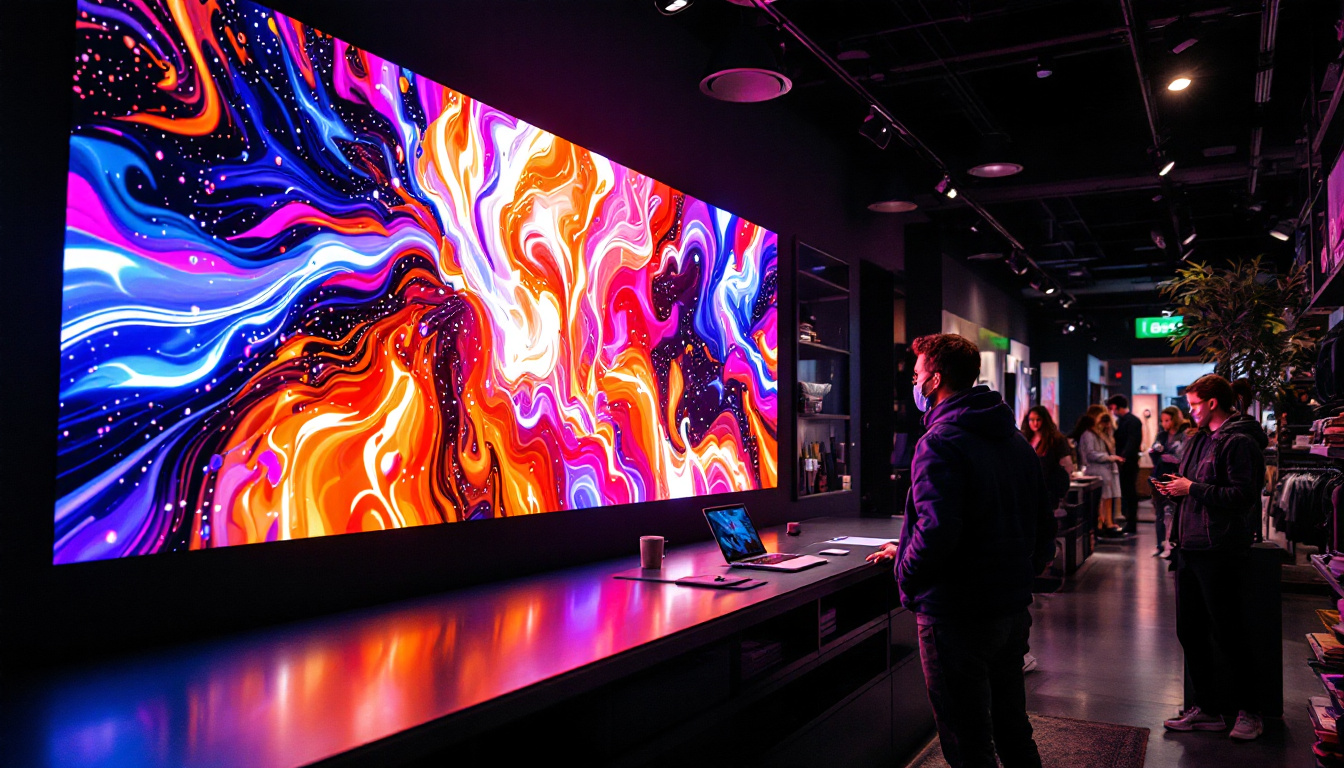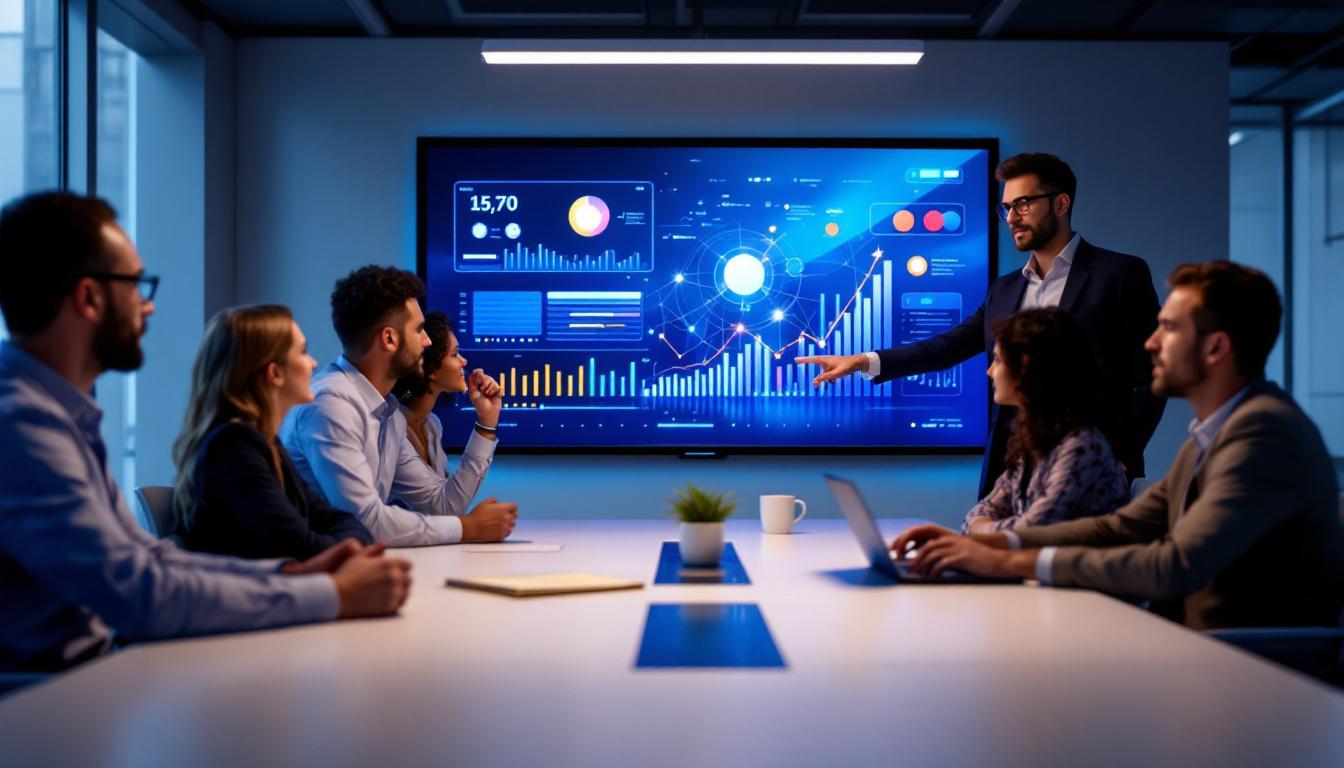
In today’s fast-paced business environment, effective communication and collaboration are paramount. Conference rooms have evolved from simple meeting spaces to high-tech hubs where ideas come alive through interactive technology. Among the most transformative tools in this evolution is the touch screen conference room TV equipped with LED display technology. This article explores the intricacies of LED displays in touch screen conference room TVs, their benefits, and why they are becoming indispensable in modern workplaces.
Understanding LED Displays in Conference Room TVs
What is an LED Display?
LED stands for Light Emitting Diode, a semiconductor device that emits light when an electric current passes through it. In the context of displays, LED technology refers to the use of these diodes to illuminate the screen. Unlike traditional LCDs that use fluorescent backlighting, LED displays use arrays of LEDs to provide backlighting, resulting in brighter images, better contrast, and improved energy efficiency.
In conference room TVs, LED displays are often integrated with touch screen technology, allowing users to interact directly with the content. This combination enhances the user experience by making presentations more dynamic and meetings more engaging. With the ability to annotate directly on the screen or manipulate content with gestures, participants can collaborate in real-time, fostering a more interactive and productive environment. This interactivity is particularly beneficial in brainstorming sessions, where ideas can be captured and visualized instantly, leading to more effective decision-making.
Types of LED Displays Used in Conference Rooms
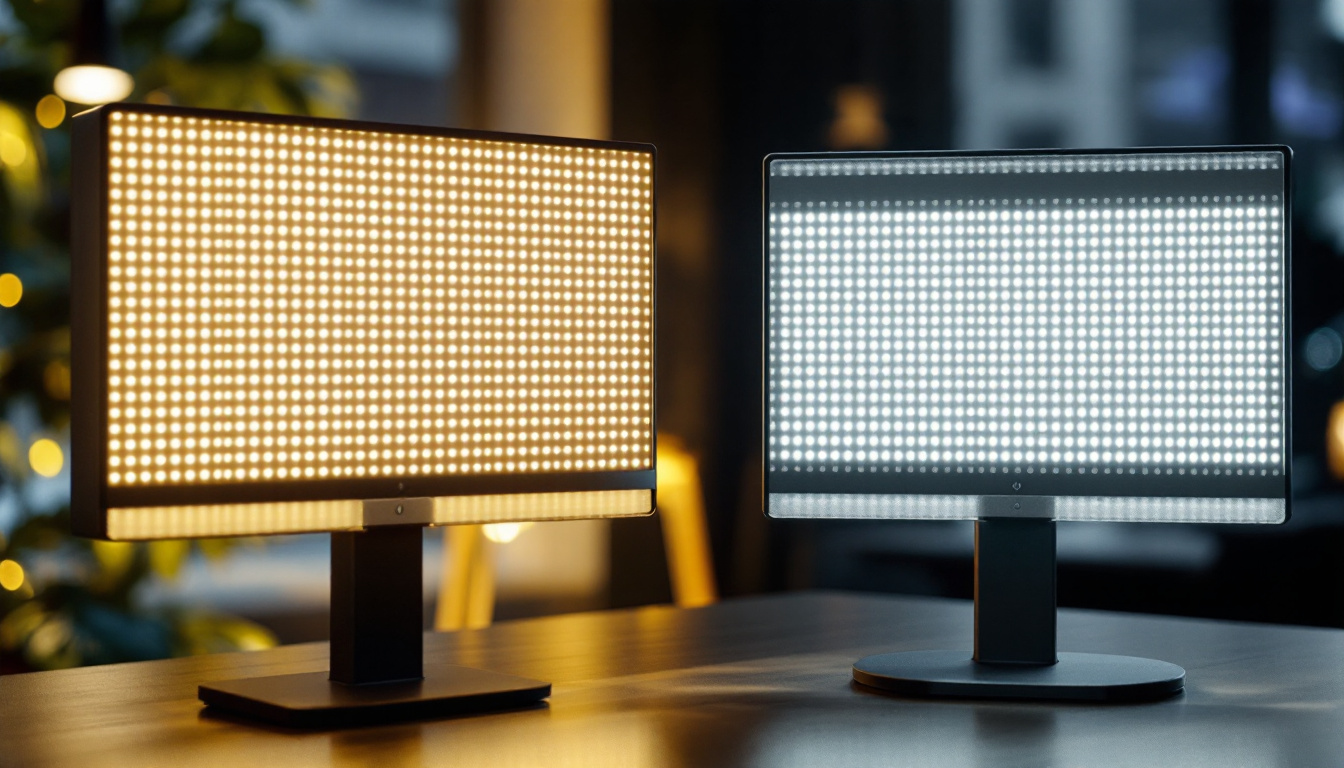
There are primarily two types of LED displays used in conference room TVs: direct LED and edge-lit LED. Direct LED displays have LEDs placed directly behind the screen, providing uniform brightness and better contrast. Edge-lit LED displays have LEDs positioned around the edges of the screen, which allows for thinner panels but may sometimes result in uneven lighting.
More recently, MicroLED technology has emerged, offering even higher brightness, better color accuracy, and longer lifespan. While still relatively expensive, MicroLED displays are expected to become more common in high-end conference room TVs in the near future. Additionally, these displays are known for their modularity, allowing for the creation of larger screens by combining multiple panels. This flexibility makes them an appealing choice for businesses looking to invest in scalable solutions that can adapt to various room sizes and layouts. Furthermore, the advancements in LED technology have led to improvements in viewing angles and response times, ensuring that all participants, regardless of their position in the room, can enjoy a clear and vibrant visual experience.
Advantages of Touch Screen Conference Room TVs with LED Displays
Enhanced Visual Clarity and Brightness
One of the most significant advantages of LED displays is their superior brightness and clarity. Conference rooms often have variable lighting conditions, and LED screens can maintain visibility even in well-lit environments. This ensures that every participant can see presentations clearly, reducing misunderstandings and improving engagement.
LED displays also offer excellent color accuracy and contrast ratios, which are essential for displaying detailed charts, graphs, and multimedia content. This level of detail supports better decision-making during meetings. Furthermore, the high dynamic range (HDR) capabilities of many modern LED displays enhance the viewing experience by providing deeper blacks and brighter whites, which is particularly beneficial when showcasing video content or intricate visuals. The result is a more immersive experience that captivates the audience’s attention and keeps them focused on the task at hand.
Interactive Collaboration Made Easy
The integration of touch screen technology with LED displays transforms passive viewing into active participation. Users can annotate documents, navigate presentations, and manipulate data directly on the screen. This interactivity fosters collaboration by making meetings more dynamic and inclusive.
For example, during brainstorming sessions, team members can jot down ideas, highlight key points, and instantly share their input without needing additional devices. This seamless interaction saves time and streamlines workflows. Additionally, many touch screen conference room TVs come equipped with collaborative software that allows for real-time editing and sharing of documents, making it easier for teams to work together, regardless of their physical location. This feature is particularly advantageous in today’s hybrid work environments, where remote participants can engage just as effectively as those in the room.
Energy Efficiency and Longevity
LED displays consume significantly less power compared to traditional LCD or plasma screens. This energy efficiency translates into lower operating costs, which is particularly important for businesses aiming to reduce their carbon footprint and utility expenses.
Moreover, LEDs have a longer lifespan, often exceeding 50,000 hours of use. This durability reduces the frequency and cost of replacements, making LED-equipped touch screen TVs a smart long-term investment for conference rooms. In addition to their longevity, many LED displays are designed with eco-friendly materials and can be recycled at the end of their life cycle, further contributing to sustainability efforts. As companies increasingly prioritize green initiatives, investing in energy-efficient technology not only benefits the environment but also enhances the corporate image, showcasing a commitment to responsible business practices.
Key Features to Consider When Choosing a Touch Screen Conference Room TV
Screen Size and Resolution
The size of the display should correspond to the size of the conference room and the number of participants. For small to medium rooms, screens between 55 to 75 inches are typically sufficient, while larger rooms may require displays of 85 inches or more. It’s also important to consider the viewing distance; a larger screen may be necessary if participants will be seated further away to ensure everyone can see the content clearly.
Resolution is equally important. A 4K Ultra HD resolution (3840 x 2160 pixels) is becoming the standard for conference room TVs, providing crisp and detailed images that enhance readability and visual impact. Additionally, some models offer HDR (High Dynamic Range) capabilities, which can significantly improve color accuracy and contrast, making presentations more engaging and visually appealing.
Touch Technology and Responsiveness
Different touch technologies exist, including capacitive, infrared, and optical touch systems. Capacitive touch screens, similar to those used in smartphones, offer high sensitivity and multi-touch capabilities, supporting multiple users simultaneously. This feature is particularly beneficial in brainstorming sessions where several participants may want to interact with the screen at once, allowing for a more dynamic and collaborative experience.
Responsiveness is critical in a collaborative environment. Lag or delay in touch response can disrupt the flow of meetings. Therefore, it’s essential to select a display with low latency and high precision. Some advanced models even feature palm rejection technology, which allows users to rest their hands on the screen without interfering with touch inputs, thus enhancing usability during presentations.
Connectivity and Compatibility
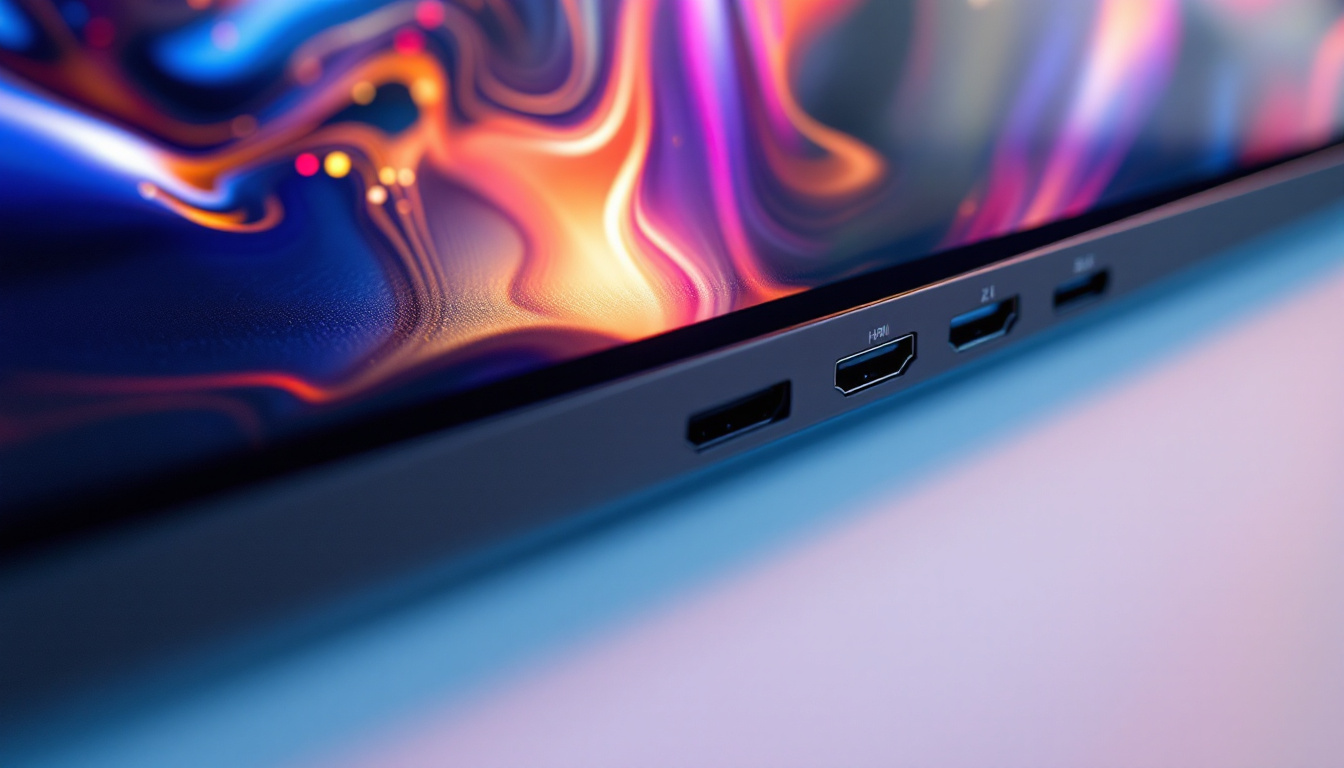
Modern conference room TVs must support a variety of input methods and devices. HDMI, USB, Bluetooth, and wireless casting options like Miracast or AirPlay enable seamless connection with laptops, smartphones, and tablets. Furthermore, having multiple HDMI ports is advantageous for connecting various devices simultaneously, allowing for quick transitions between presenters without the hassle of unplugging and replugging cables.
Compatibility with popular collaboration software such as Microsoft Teams, Zoom, and Google Meet is also vital. Many touch screen conference room TVs come with built-in apps or support for third-party software, facilitating smooth virtual and hybrid meetings. Additionally, some models offer cloud integration, enabling users to access files and documents directly from the screen, streamlining the workflow and reducing the need for additional devices.
Audio Quality
Clear audio is as important as visual clarity in effective communication. Integrated speakers should deliver crisp sound without distortion. Some models include noise-cancelling microphones and support for external audio systems to enhance the meeting experience. This is particularly crucial in larger rooms where sound can easily dissipate, making it difficult for participants to hear clearly.
Moreover, advanced audio features such as echo cancellation and automatic volume adjustment can significantly improve the quality of remote meetings, ensuring that all participants, whether in-person or virtual, can engage effectively. Investing in a conference room TV with superior audio capabilities can transform the overall meeting experience, making discussions more productive and enjoyable for everyone involved.
Practical Applications and Use Cases
Corporate Meetings and Presentations
Touch screen conference room TVs with LED displays are ideal for corporate settings where presentations, video conferencing, and collaborative discussions are routine. The ability to interact directly with content helps presenters emphasize key points and engage their audience more effectively.
For example, sales teams can use interactive charts to demonstrate performance metrics, while project managers can update timelines in real time during status meetings.
Training and Workshops
Training sessions benefit greatly from interactive displays. Trainers can use touch screen TVs to conduct quizzes, annotate training materials, and facilitate group activities. The high resolution and brightness ensure that all participants, regardless of seating position, have a clear view of the content.
Design and Creative Collaboration
In creative industries such as architecture, advertising, and product design, touch screen conference room TVs enable teams to review and modify visual content collaboratively. The ability to zoom in on details, sketch ideas, and instantly share feedback accelerates the creative process.
Future Trends in Touch Screen Conference Room TVs and LED Displays
Advancements in Display Technology
Emerging technologies such as MicroLED and OLED are pushing the boundaries of display quality. MicroLED offers higher brightness and energy efficiency, while OLED provides superior contrast and color accuracy. These advancements will continue to enhance the visual experience in conference rooms.
Integration with Artificial Intelligence
AI-powered features are beginning to appear in conference room technology. For instance, AI can optimize screen brightness based on ambient light, improve voice recognition during meetings, and provide real-time transcription and translation services. These capabilities will make meetings more accessible and productive.
Greater Emphasis on Sustainability
As organizations prioritize sustainability, manufacturers are focusing on eco-friendly materials and energy-efficient designs. LED displays already contribute to this effort, and future models are expected to further reduce environmental impact through recyclable components and smarter power management.
Conclusion
Touch screen conference room TVs equipped with LED displays represent a significant leap forward in workplace technology. Their combination of vibrant visuals, interactive capabilities, and energy efficiency makes them essential tools for modern collaboration. By understanding the technology behind LED displays and the key features to consider, organizations can select solutions that enhance communication, foster creativity, and drive productivity.
As technology continues to evolve, these displays will become even more sophisticated, integrating AI and sustainable design to meet the demands of the future workplace. Investing in high-quality touch screen conference room TVs today ensures that businesses remain competitive and connected in an increasingly digital world.
Discover LumenMatrix’s Advanced LED Display Solutions
Ready to elevate your conference room with the latest in LED display technology? LumenMatrix offers a comprehensive range of innovative LED display solutions tailored to meet your business needs. From interactive Indoor LED Wall Displays to dynamic Outdoor LED Wall Displays, and from sleek LED Poster Displays to immersive Floor LED Displays, our products are designed to transform your collaborative spaces and enhance audience engagement. Experience the future of visual communication with LumenMatrix’s cutting-edge displays. Check out LumenMatrix LED Display Solutions today and bring your conference room into the digital age.