In today’s fast-paced digital environment, the way information is presented can significantly impact communication effectiveness. Touch screen presentations powered by LED displays have become a cornerstone in modern business, education, and entertainment sectors. This article delves into the technology behind LED displays, explores their integration with touch screen capabilities, and highlights why they are revolutionizing how we interact with digital content.
Understanding LED Display Technology
What is an LED Display?
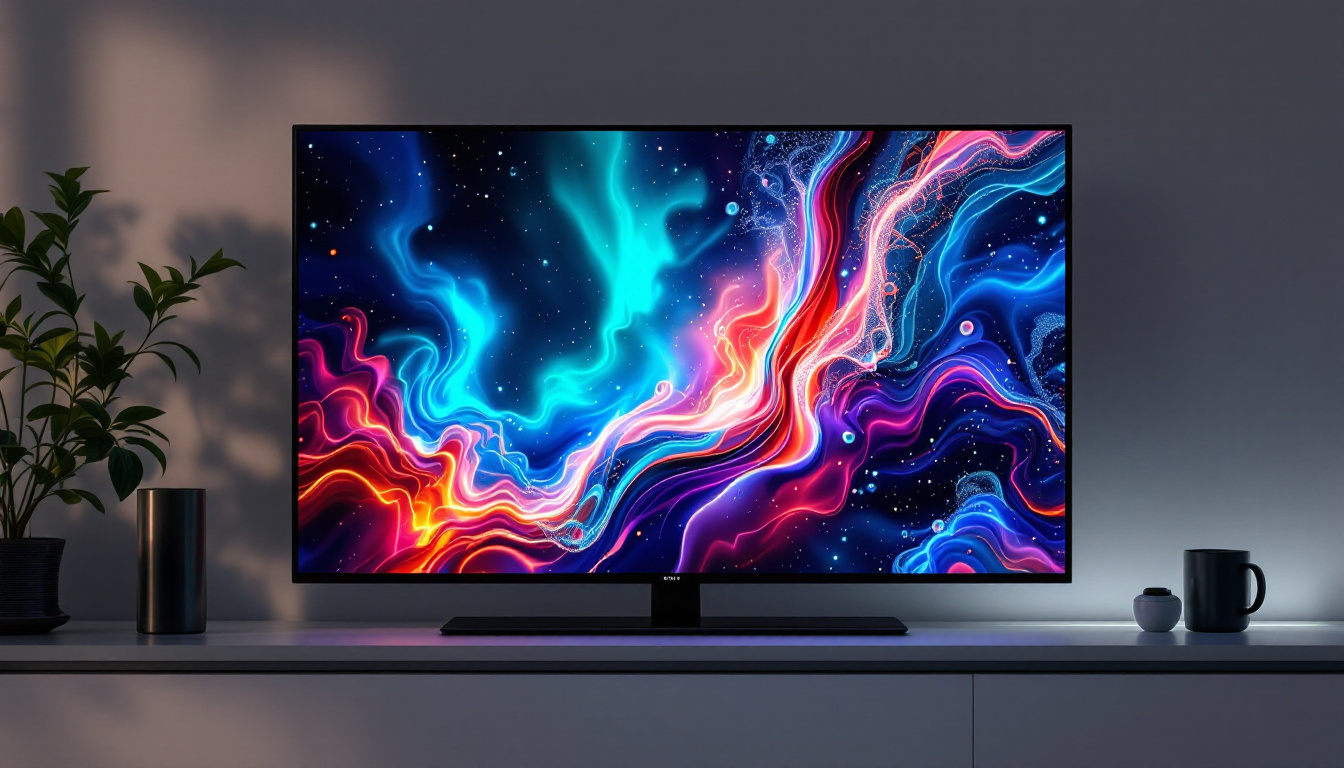
LED stands for Light Emitting Diode, a semiconductor device that emits light when an electric current passes through it. LED displays utilize an array of these tiny diodes to create images and videos by controlling the brightness and color of each diode. Unlike traditional LCD screens that rely on backlighting, LED displays generate their own light, resulting in brighter, more vibrant visuals. This self-illuminating property allows for more dynamic content to be displayed, making LED technology particularly appealing for advertising and entertainment industries.
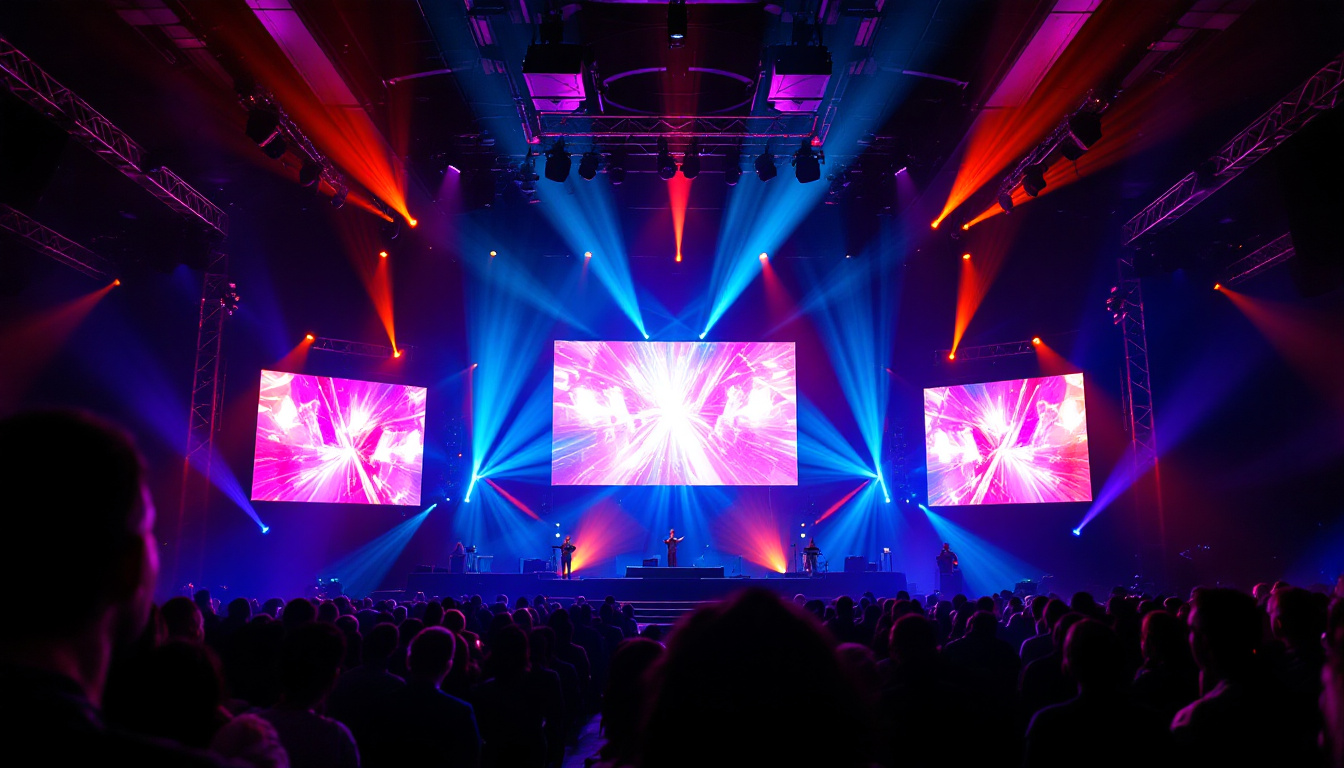
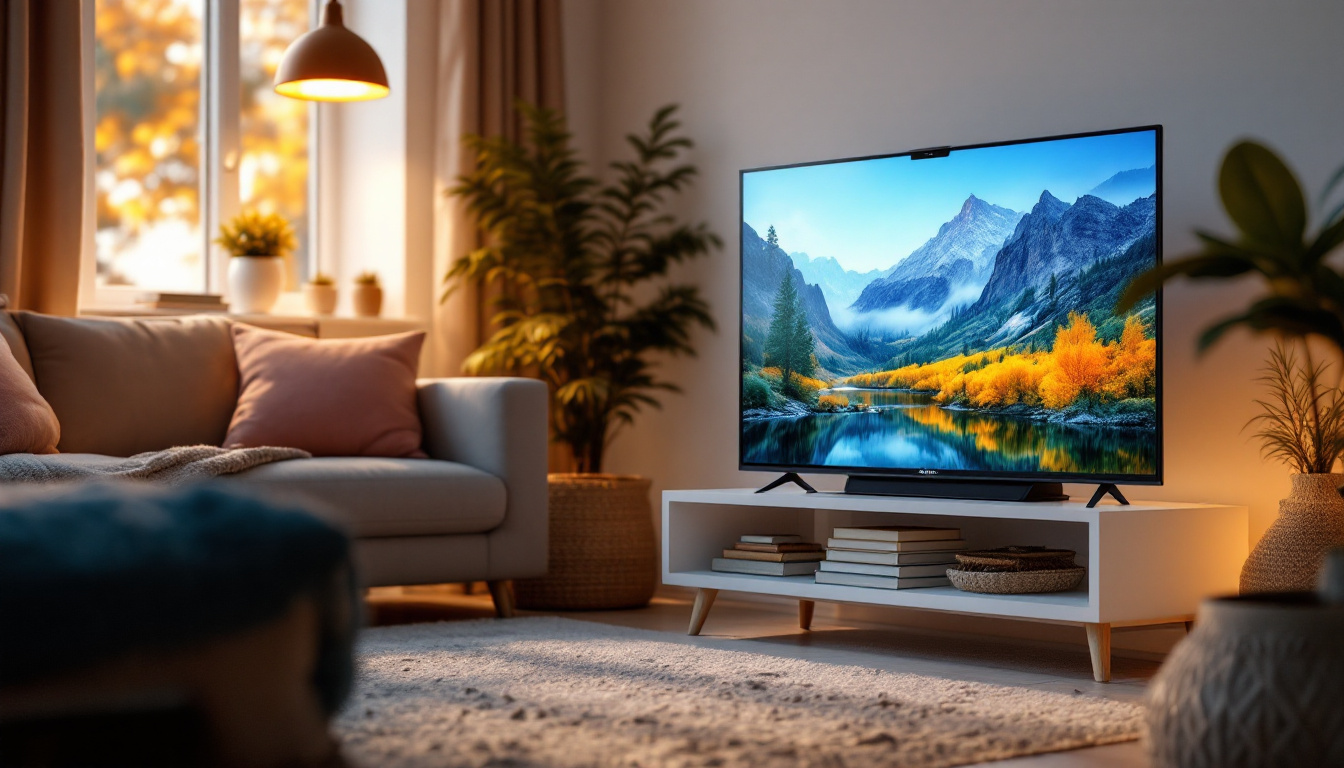
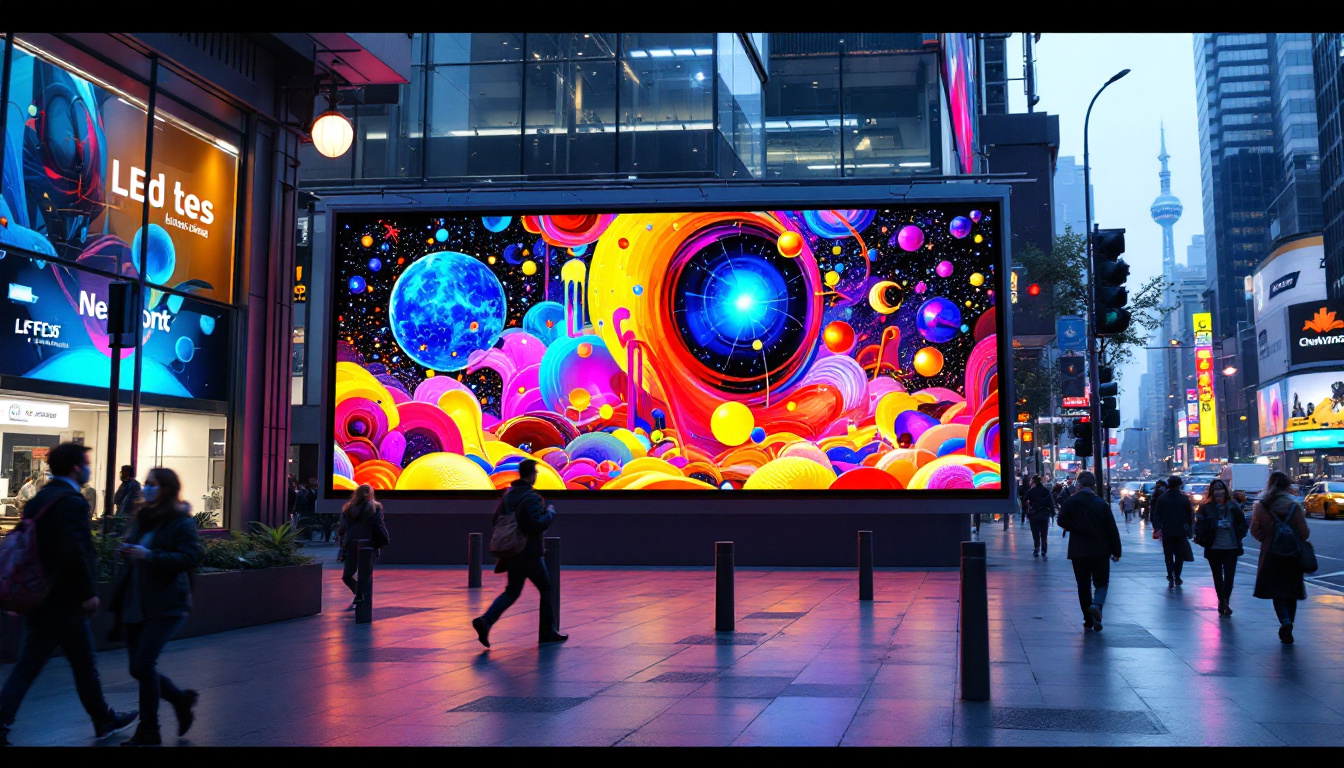
There are two primary types of LED displays: direct-view LED and LED-backlit LCD. Direct-view LED displays consist of individual LEDs that form pixels, making them ideal for large-scale screens such as stadium scoreboards or outdoor billboards. These displays can be seen from great distances and in various lighting conditions, which is why they are often used in public spaces. LED-backlit LCDs, on the other hand, use LEDs as a backlight source behind an LCD panel, common in consumer televisions and monitors. This hybrid approach combines the advantages of both technologies, allowing for thinner designs while still providing enhanced brightness and color performance.
Advantages of LED Displays
LED displays offer several advantages over other display technologies. Their high brightness levels make them suitable for environments with strong ambient light, such as conference rooms or outdoor venues. This capability ensures that content remains visible and engaging, regardless of the surrounding conditions. Additionally, LEDs have a longer lifespan and consume less power compared to traditional fluorescent backlighting, leading to cost savings and environmental benefits. This energy efficiency is particularly significant in large installations, where the cumulative savings can be substantial over time.
Color accuracy and contrast are also superior in LED displays. The ability to control individual LEDs allows for deeper blacks and more vivid colors, enhancing the overall viewing experience. This precision is crucial for applications such as graphic design, video editing, and photography, where color fidelity is paramount. Furthermore, LED displays are thinner and lighter, allowing for sleek, modern designs in digital signage and interactive screens. The flexibility in design also enables innovative installations, such as curved screens or large video walls, which can transform spaces and captivate audiences. Additionally, advancements in LED technology, such as microLED and miniLED, are pushing the boundaries even further, promising even finer resolutions and improved performance in the near future.
The Integration of Touch Screen Technology with LED Displays
How Touch Screens Work
Touch screen technology enables users to interact directly with what is displayed, rather than using a mouse, keyboard, or other input devices. The most common types of touch screens include resistive, capacitive, infrared, and surface acoustic wave technologies. Capacitive touch screens are the most prevalent in modern devices due to their responsiveness and multi-touch capabilities.
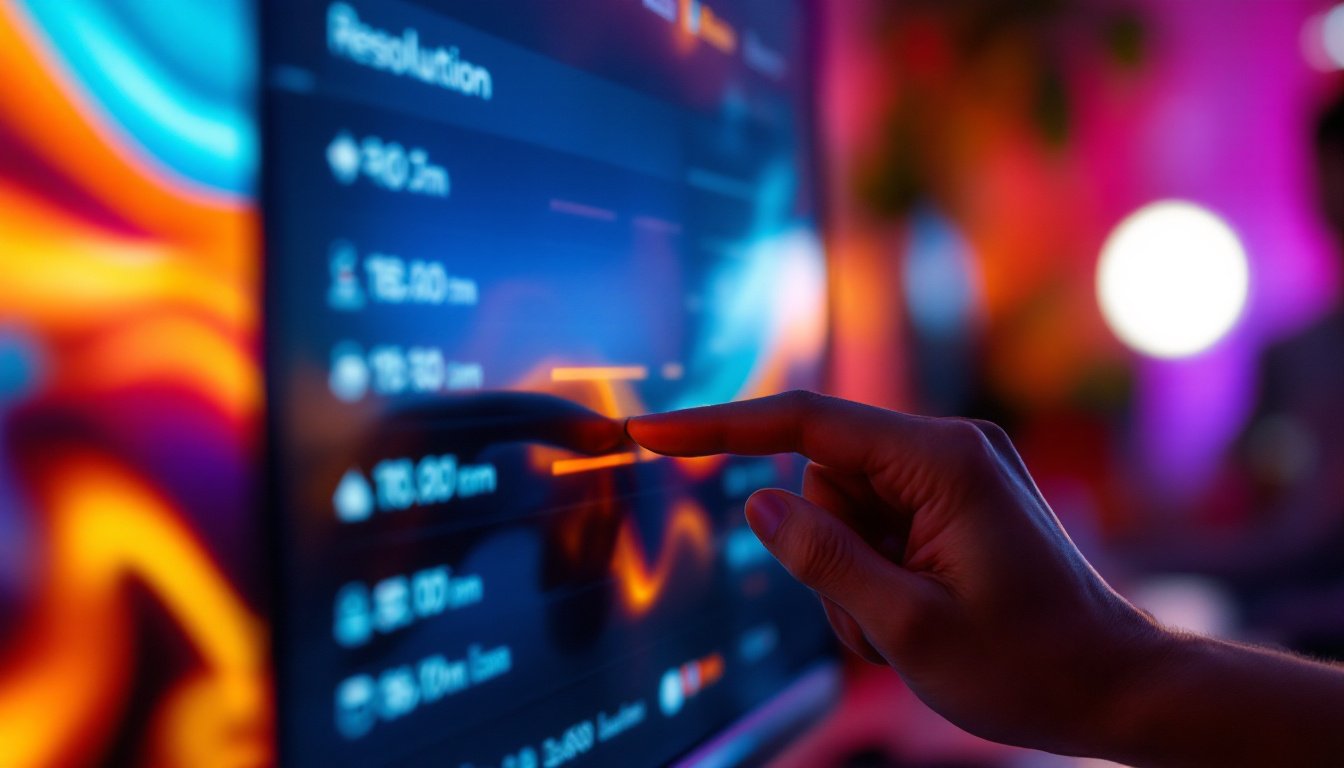
Capacitive touch screens work by detecting changes in the electrical field when a finger or conductive stylus touches the screen surface. This technology is highly sensitive and supports gestures such as pinch-to-zoom, swipe, and tap, making it intuitive for users across all age groups. The rapid evolution of touch screen technology has led to the development of more advanced features, such as haptic feedback, which provides users with tactile responses to their touch, enhancing the overall interactive experience.
Combining Touch Screens with LED Displays
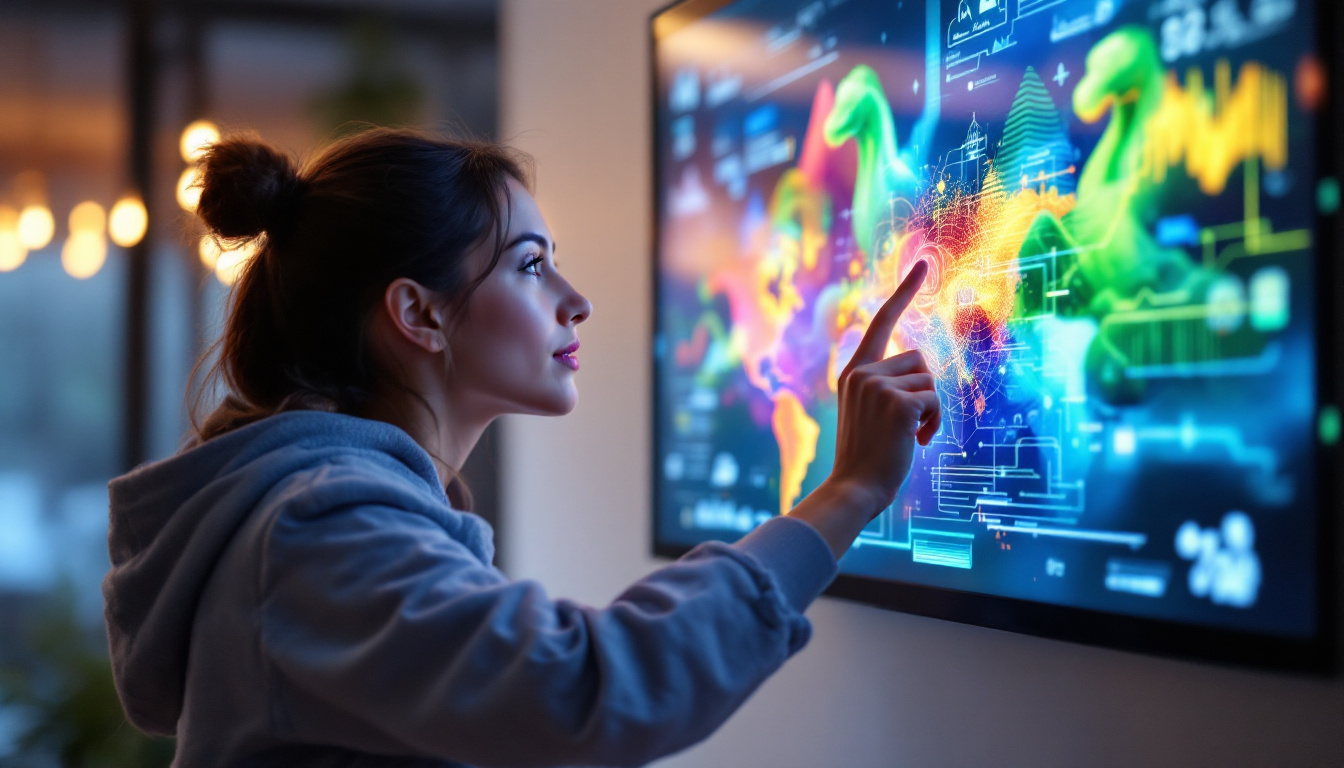
When touch screen technology is integrated with LED displays, the result is an interactive digital canvas that enhances user engagement. This combination is widely used in various applications, including corporate presentations, educational tools, retail kiosks, and public information systems. The versatility of this integration allows for dynamic content that can be easily updated, making it ideal for environments where information needs to be current and relevant.
The integration process involves layering the touch-sensitive surface over the LED display panel. Modern manufacturing techniques ensure that this layering does not compromise image quality or touch responsiveness. Advances in optical bonding and anti-reflective coatings further improve clarity and reduce glare, essential for professional presentation environments. Additionally, the durability of these integrated systems has improved significantly, with many touch-enabled LED displays now designed to withstand heavy usage in high-traffic areas. This resilience is particularly important in retail settings, where interactive displays can attract customers and enhance their shopping experience by providing instant access to product information and promotions.
Applications of Touch Screen LED Displays in Presentations
Corporate and Business Environments
In corporate settings, touch screen LED displays are transforming the way meetings and presentations are conducted. These interactive screens allow presenters to annotate documents, manipulate data visualizations, and navigate through content seamlessly. The ability to engage multiple users simultaneously fosters collaboration and accelerates decision-making processes.
According to a recent report by MarketsandMarkets, the interactive display market is expected to grow at a compound annual growth rate (CAGR) of over 7% between 2023 and 2028, driven largely by demand in corporate and educational sectors. This growth underscores the increasing reliance on touch screen LED technology to enhance communication and productivity.
Moreover, many companies are integrating these displays into their conference rooms and huddle spaces, enabling remote participants to join in real-time through video conferencing tools. This hybrid approach not only enhances inclusivity but also allows for a more dynamic exchange of ideas, as participants can share their screens and contribute directly to the discussion. The versatility of touch screen LED displays in these environments is further exemplified by their compatibility with various software applications, making them indispensable tools for modern business communication.
Education and Training
Educational institutions are leveraging touch screen LED displays to create immersive learning environments. Teachers can interact dynamically with digital content, from annotating textbooks to conducting interactive quizzes. Students benefit from hands-on engagement, which has been shown to improve retention and understanding of complex subjects.
Training programs in industries such as healthcare, aviation, and manufacturing also utilize these displays to simulate real-world scenarios. The tactile interaction helps trainees develop skills more effectively than passive learning methods, contributing to better outcomes and safety standards.
In addition, touch screen LED displays are being utilized in blended learning environments, where traditional teaching methods are combined with digital tools. This approach allows for a more personalized learning experience, as students can progress at their own pace while still receiving guidance from instructors. The integration of gamified elements into lessons via these displays has also been shown to increase student motivation and participation, making learning not only more effective but also more enjoyable.
Retail and Public Spaces
Retailers use touch screen LED displays to captivate customers with interactive catalogs, product demonstrations, and personalized promotions. These displays not only attract attention but also provide valuable data on consumer preferences and behavior.
In public spaces such as airports, museums, and transportation hubs, interactive LED displays serve as wayfinding tools, ticketing kiosks, and information centers. Their durability and visibility in various lighting conditions make them ideal for high-traffic areas.
Furthermore, the integration of touch screen LED displays in retail environments allows for enhanced customer engagement through interactive experiences. For example, virtual fitting rooms enable customers to try on clothes digitally, while augmented reality applications can showcase products in a more immersive manner. This not only enriches the shopping experience but also helps retailers gather insights into customer interactions, enabling them to tailor their offerings and marketing strategies more effectively. In public venues, the adaptability of these displays can also be seen in their use for emergency alerts and informational broadcasts, ensuring that crucial information reaches the audience promptly and effectively.
Key Features to Consider When Choosing a Touch Screen LED Display
Resolution and Size
The resolution of an LED display determines the sharpness and clarity of the image. For presentations, a minimum of Full HD (1920×1080 pixels) is recommended, although 4K (3840×2160 pixels) is becoming increasingly accessible and provides exceptional detail. The size of the display should be appropriate for the viewing distance and room dimensions to ensure all participants can see content clearly.
Touch Technology and Responsiveness
Choosing the right touch technology depends on the intended use. Capacitive touch screens offer the best responsiveness and multi-touch support, ideal for collaborative environments. Resistive screens, while less sensitive, can be used with gloves or styluses, beneficial in industrial settings.
Responsiveness is critical to avoid lag, which can disrupt the flow of a presentation. High-quality touch sensors and optimized software ensure smooth interaction and a natural user experience.
Connectivity and Compatibility
Modern touch screen LED displays come equipped with multiple input options, including HDMI, USB, and wireless connectivity. Compatibility with common presentation software and operating systems is essential to avoid technical difficulties during use.
Some advanced models also support cloud integration and remote management, enabling content updates and troubleshooting without physical access to the device.
Future Trends in Touch Screen LED Display Technology
Advancements in MicroLED and OLED
Emerging display technologies such as MicroLED and OLED promise to enhance the capabilities of touch screen displays further. MicroLED offers higher brightness, better energy efficiency, and longer lifespan than traditional LEDs, while OLED provides superior contrast ratios and flexibility for curved or foldable screens.
These advancements could lead to thinner, more durable, and visually stunning interactive displays, expanding their use in new sectors and applications.
Artificial Intelligence and Gesture Recognition
Integrating artificial intelligence (AI) with touch screen LED displays is an exciting development. AI can enable gesture recognition, voice commands, and predictive content delivery, making presentations even more interactive and personalized.
For example, AI-powered systems can analyze audience engagement in real time and adjust the presentation flow accordingly, enhancing communication effectiveness and audience satisfaction.
Increased Focus on Sustainability
As environmental concerns grow, manufacturers are focusing on creating sustainable touch screen LED displays. This includes using recyclable materials, reducing power consumption, and designing products for easier repair and longer use.
Organizations adopting these technologies can also benefit from reduced carbon footprints and align with corporate social responsibility goals.
Conclusion
Touch screen presentations utilizing LED displays represent a significant leap forward in how information is shared and interacted with across various industries. Their superior brightness, color accuracy, and responsiveness make them ideal for engaging audiences and facilitating collaboration. As technology continues to evolve, these interactive displays will become even more integral to effective communication strategies.
Understanding the underlying LED technology, the benefits of touch integration, and the key features to consider when selecting a display can empower organizations to make informed decisions. Embracing these advancements not only enhances presentation quality but also drives innovation and productivity in an increasingly digital world.
Discover LumenMatrix’s Innovative LED Solutions
Ready to elevate your presentations and captivate your audience with the latest in LED display technology? LumenMatrix is at the forefront of creating immersive visual experiences that truly stand out. From dynamic Indoor and Outdoor LED Wall Displays to specialized solutions like Vehicle, Sports, and Floor LED Displays, our offerings are designed to revolutionize the way you communicate. Experience the future of digital signage with our Custom, All-in-One, and Transparent LED Displays, each tailored to bring your brand’s message to life with unparalleled clarity and impact. Don’t just take our word for it; check out LumenMatrix LED Display Solutions today and see the difference for yourself!