In today’s fast-evolving educational and corporate environments, interactive technology plays a pivotal role in enhancing communication, collaboration, and engagement. Among these technologies, touch screen smart boards equipped with LED displays have emerged as a game-changer. These devices combine the intuitive nature of touch interaction with the vibrant visual quality of LED screens, creating an immersive experience for users.
This article delves into the intricacies of touch screen smart boards with LED displays, exploring how they work, their benefits, and why they have become indispensable tools in classrooms, meeting rooms, and beyond.
Understanding Touch Screen Smart Boards
What Is a Touch Screen Smart Board?
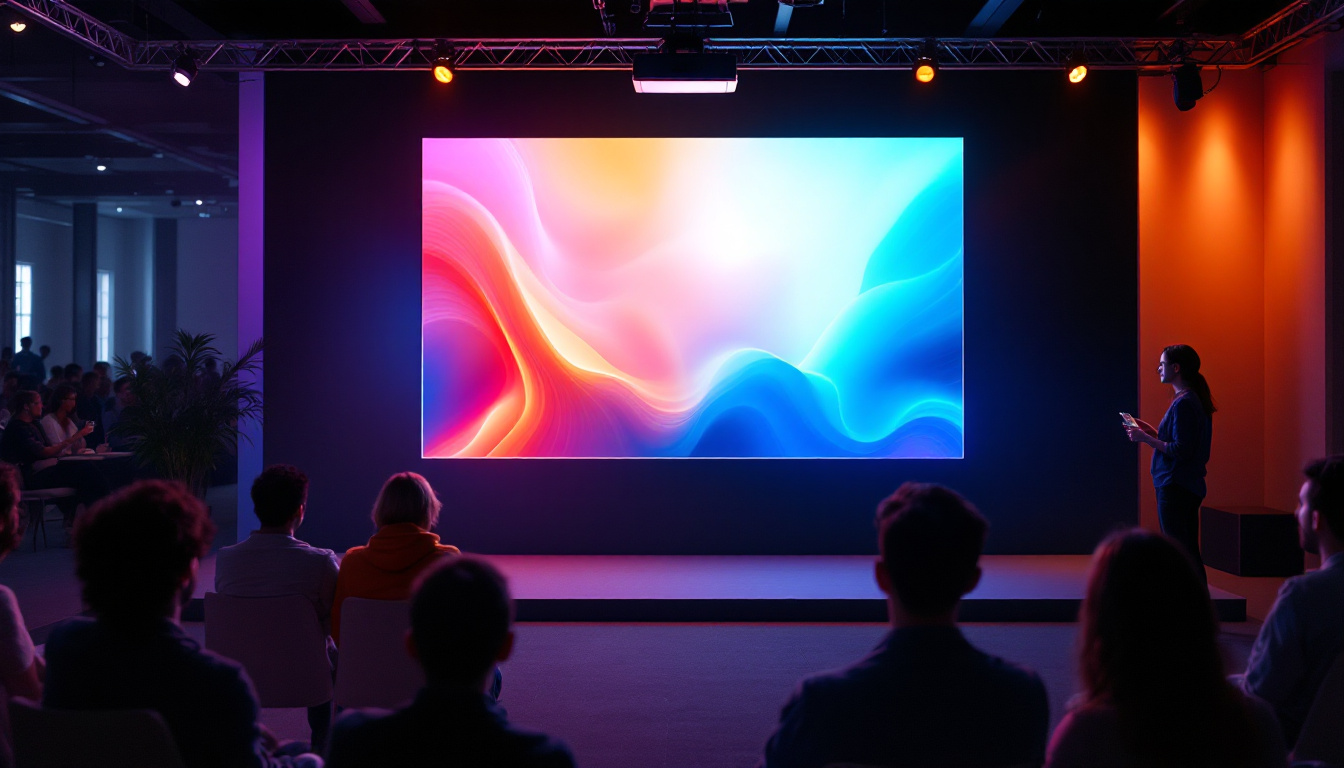
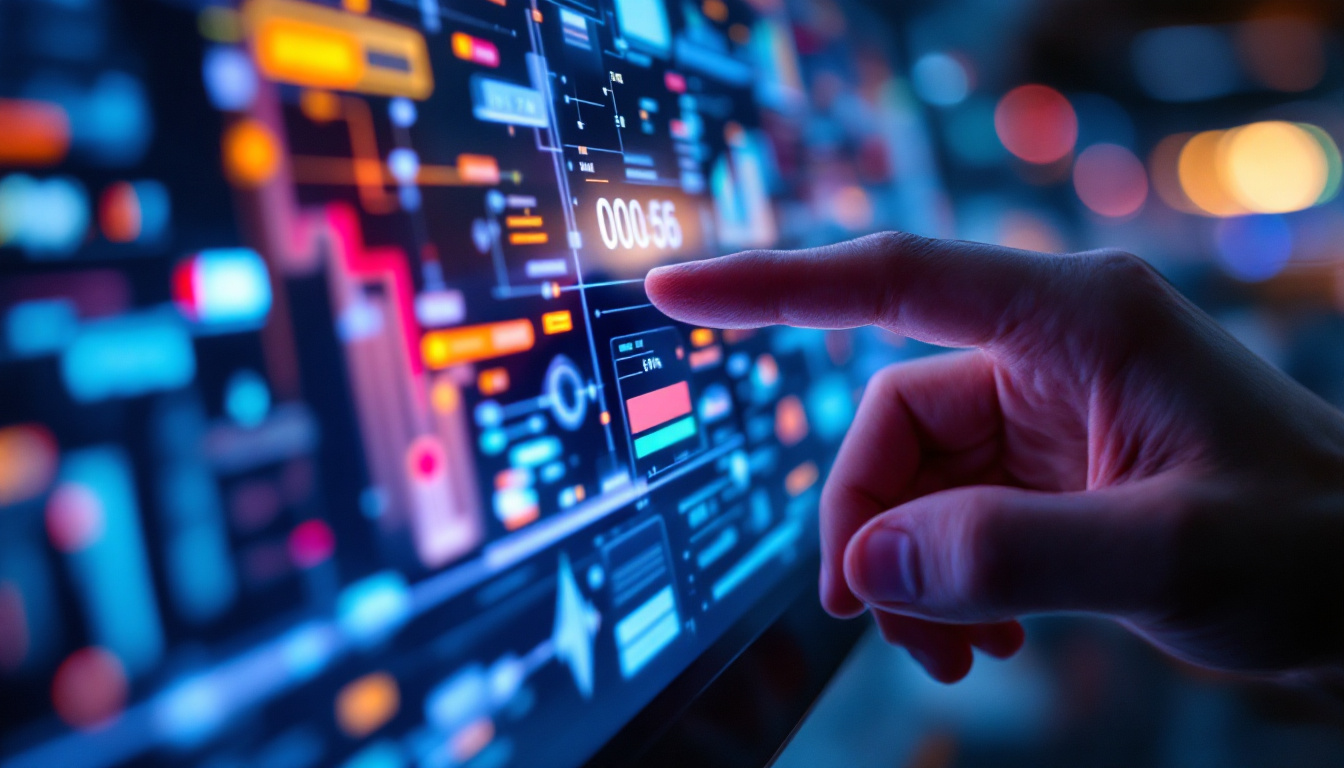
A touch screen smart board is an interactive display device that allows users to engage directly with the content on the screen using their fingers or specialized styluses. Unlike traditional whiteboards or projectors, smart boards integrate digital technology to provide a dynamic platform for presentations, lessons, brainstorming sessions, and more.
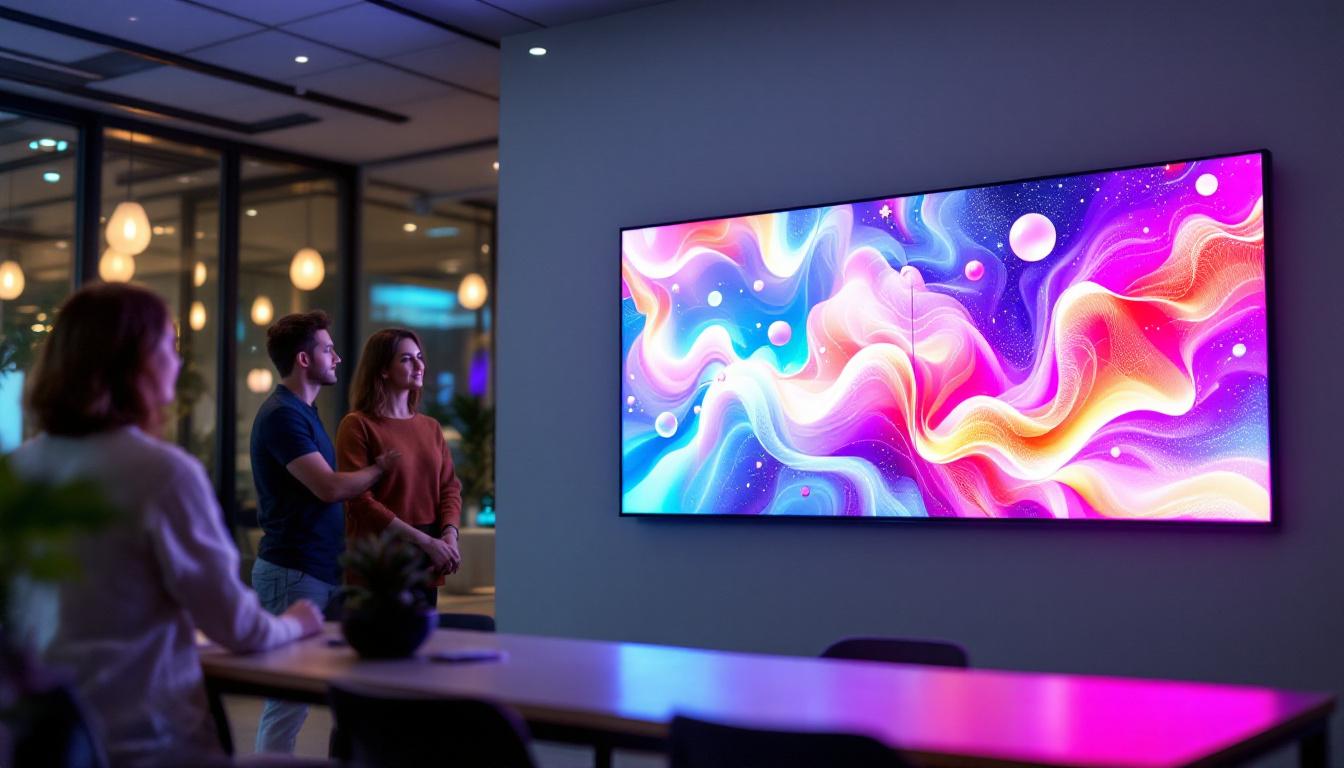
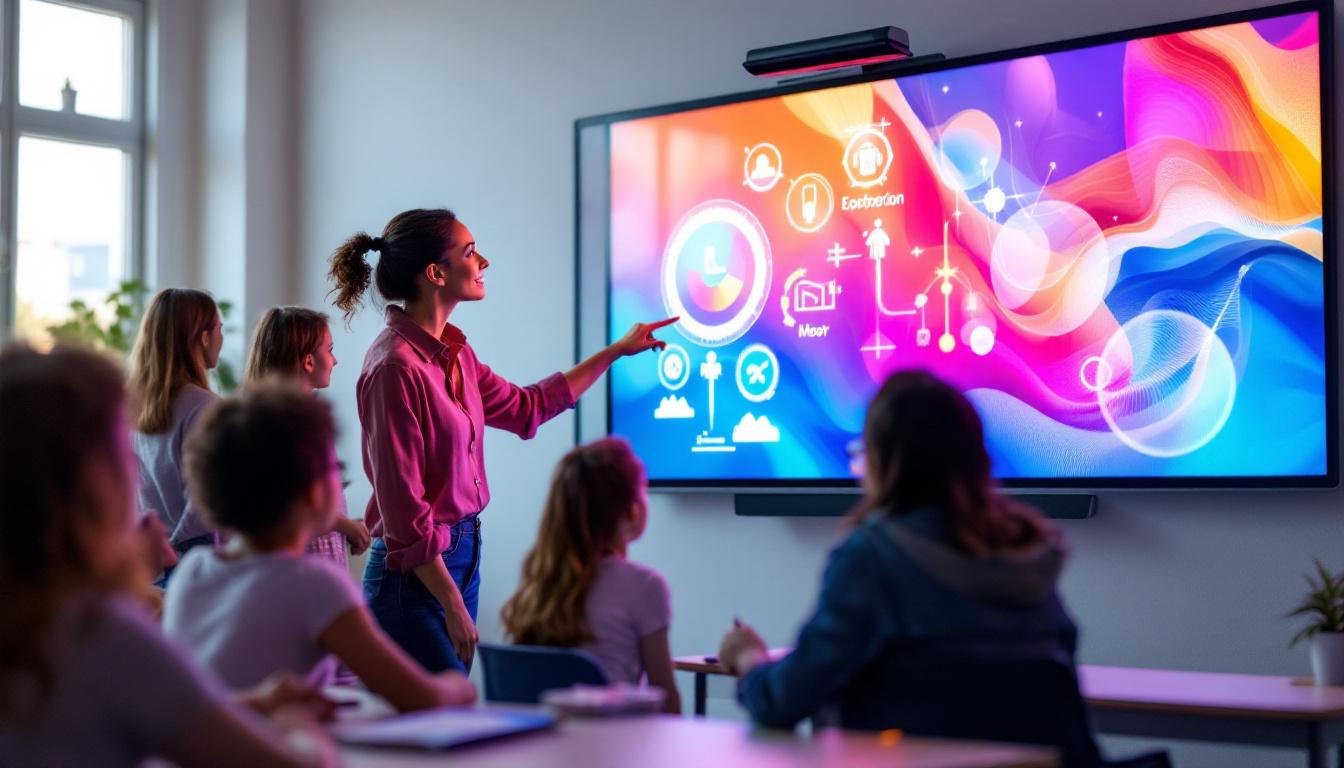
These boards typically support multi-touch input, meaning multiple users can interact simultaneously. This feature fosters collaboration, making them ideal for group work in educational or professional settings. In classrooms, for instance, students can work together on math problems or science projects, enhancing their learning experience through hands-on interaction. Similarly, in business environments, teams can brainstorm ideas and develop strategies in real-time, making meetings more productive and engaging.
The Role of LED Displays in Smart Boards
At the heart of modern smart boards lies the LED (Light Emitting Diode) display technology. LED displays are known for their superior brightness, energy efficiency, and longevity compared to older LCD or projector-based systems.
LED technology enhances the clarity and vibrancy of images and videos, ensuring that content remains visible even in well-lit rooms. This is particularly important in classrooms and conference rooms where ambient light can often interfere with screen visibility. Additionally, the durability of LED screens means they can withstand the rigors of daily use, making them a cost-effective investment for schools and businesses alike. With the ability to display high-definition graphics and videos, educators can bring lessons to life, while corporate trainers can create immersive presentations that captivate their audience. Moreover, many smart boards now come equipped with touch recognition technology that allows for seamless integration with various software applications, further expanding their functionality and versatility in diverse settings.
How LED Displays Enhance Smart Board Functionality
Brightness and Visibility
One of the standout advantages of LED displays in smart boards is their exceptional brightness levels. LED panels can achieve brightness levels upwards of 500 to 700 nits, which is significantly higher than traditional LCD screens that typically range between 200 to 300 nits.
This increased brightness ensures that content is easily readable from any angle and under various lighting conditions. For instance, in classrooms with large windows or offices with overhead lighting, LED smart boards maintain clear visibility, reducing eye strain and improving user experience. Furthermore, the ability to adjust brightness settings allows users to tailor the display to specific environments, ensuring optimal viewing conditions whether during a bright sunny day or in a dimly lit room. This adaptability not only enhances learning and collaboration but also promotes a more interactive atmosphere, encouraging participation from all attendees.
Color Accuracy and Contrast
LED displays provide superior color accuracy and contrast ratios, which are crucial for rendering detailed images, graphs, and videos. High contrast ratios enable deeper blacks and more vibrant colors, making presentations more engaging and easier to understand.
For educational purposes, this means that complex diagrams or multimedia content can be displayed with greater fidelity, aiding comprehension. In corporate environments, accurate color reproduction is vital for design reviews, marketing presentations, and video conferencing. The ability to showcase true-to-life colors can significantly impact decision-making processes, as stakeholders can better visualize products and branding elements. Additionally, the enhanced color depth allows for a more immersive experience during training sessions or workshops, where visual aids play a key role in knowledge retention and engagement.
Energy Efficiency and Durability
LED technology is renowned for its energy efficiency. Compared to traditional backlit LCDs or projectors, LED displays consume less power, which translates into lower operational costs over time. This is particularly beneficial for institutions and businesses that rely on these devices daily.
Moreover, LEDs have a longer lifespan, often exceeding 50,000 hours of use. This durability reduces the frequency of replacements and maintenance, ensuring that smart boards remain functional and reliable for years. In addition to their longevity, LED displays are also more resistant to temperature fluctuations and environmental factors, making them suitable for a variety of settings, from bustling classrooms to dynamic corporate offices. This resilience not only contributes to sustainability efforts by minimizing electronic waste but also ensures that organizations can maximize their investment in technology, leading to a more efficient use of resources over time.
Types of Touch Technologies in LED Smart Boards
Infrared (IR) Touch Technology
Infrared touch technology uses an array of IR sensors around the edges of the screen to detect touch points. When a finger or stylus interrupts the infrared light beams, the system calculates the exact location of the touch.
IR touch is highly durable and works with any input device, including gloves or pens. It also supports multi-touch functionality, making it a popular choice for large-format LED smart boards.
Capacitive Touch Technology
Capacitive touch screens detect touch through the electrical properties of the human body. When a finger touches the screen, it changes the local electrostatic field, which the device registers as input.
Capacitive technology offers high precision and supports multi-touch gestures such as pinch-to-zoom. However, it generally requires direct contact with a conductive object, meaning it may not work with gloves or non-conductive styluses.
Optical and Acoustic Technologies
Some LED smart boards use optical or acoustic wave technologies to detect touch. These systems rely on cameras or sensors that track finger movement or vibrations on the screen surface.
While less common than IR or capacitive systems, these technologies can offer high accuracy and are sometimes used in specialized applications.
Applications of Touch Screen LED Smart Boards
Education: Transforming Classrooms
Interactive LED smart boards have revolutionized teaching methodologies. According to a 2023 report by the International Society for Technology in Education (ISTE), over 65% of schools in developed countries have integrated smart boards into their classrooms, citing improved student engagement and learning outcomes.
Teachers can display multimedia lessons, annotate directly on content, and facilitate interactive quizzes and games. Students benefit from a hands-on learning experience that caters to various learning styles.
Corporate Sector: Enhancing Collaboration
In the business world, LED smart boards serve as central hubs for meetings, brainstorming sessions, and remote collaboration. The ability to connect seamlessly with laptops, tablets, and video conferencing platforms makes them invaluable for hybrid work environments.
Companies report increased productivity and clearer communication when using interactive displays. For example, a 2022 survey by TechResearch found that 78% of businesses using smart boards experienced faster decision-making processes.
Healthcare and Training
Healthcare professionals utilize LED smart boards for training, patient education, and telemedicine consultations. The high-resolution display helps in visualizing complex medical images and facilitating interactive discussions among medical teams.
Similarly, industries that require hands-on training, such as manufacturing and aviation, benefit from the interactive capabilities of these boards to simulate real-world scenarios.
Choosing the Right Touch Screen LED Smart Board
Screen Size and Resolution
Selecting the appropriate screen size depends on the room size and typical audience. Common sizes range from 55 inches to over 86 inches diagonally. Higher resolution (4K UHD or better) ensures crisp images, especially important for detailed content.
Touch Points and Responsiveness
Consider the number of simultaneous touch points supported. For collaborative environments, boards supporting 10 or more touch points allow multiple users to interact at once. Responsiveness and low latency are also critical to ensure a smooth user experience.
Connectivity and Compatibility
Modern smart boards should offer versatile connectivity options, including HDMI, USB, Wi-Fi, and Bluetooth. Compatibility with popular operating systems and software platforms ensures seamless integration into existing workflows.
Software Features and Support
Many smart boards come bundled with proprietary or third-party software that enhances interactivity, such as digital whiteboarding, annotation tools, and cloud integration. Evaluating the software ecosystem and vendor support is essential for maximizing the device’s potential.
Future Trends in Touch Screen LED Smart Boards
Integration of Artificial Intelligence
Artificial intelligence (AI) is beginning to play a role in smart board technology. AI-powered features such as handwriting recognition, real-time translation, and intelligent content suggestions are enhancing usability and accessibility.
Improved Collaboration Tools
With the rise of remote and hybrid work, smart boards are evolving to better support virtual collaboration. Enhanced video conferencing integration, cloud-based content sharing, and cross-device interaction are becoming standard features.
Flexible and Transparent Displays
Emerging display technologies like flexible OLEDs and transparent LEDs may soon influence smart board designs, allowing for more versatile installation options and novel interactive experiences.
Conclusion
Touch screen smart boards with LED displays represent a significant advancement in interactive technology, merging high-quality visual performance with intuitive user interaction. Their application across education, business, healthcare, and training sectors underscores their versatility and impact.
Understanding the technology behind these devices, from LED display advantages to touch input methods, empowers organizations to make informed decisions when selecting smart boards. As technology continues to evolve, these interactive displays will undoubtedly become even more integral to how people learn, collaborate, and communicate.
Investing in a high-quality touch screen LED smart board is not just about upgrading hardware; it’s about embracing a future where interaction and information flow seamlessly to enhance productivity and engagement.
Discover LumenMatrix’s Interactive LED Solutions
Ready to transform your educational, corporate, or healthcare environment with the latest in touch screen LED smart board technology? Look no further than LumenMatrix. As a pioneer in LED display innovation, we offer a comprehensive range of solutions tailored to your needs, from Indoor and Outdoor LED Wall Displays to specialized options like Vehicle, Sports, and Floor LED Displays. Embrace the future of visual communication with our Custom, All-in-One, and Transparent LED Displays, designed to captivate and engage. Check out LumenMatrix LED Display Solutions today and step into a world where clarity and interactivity meet.