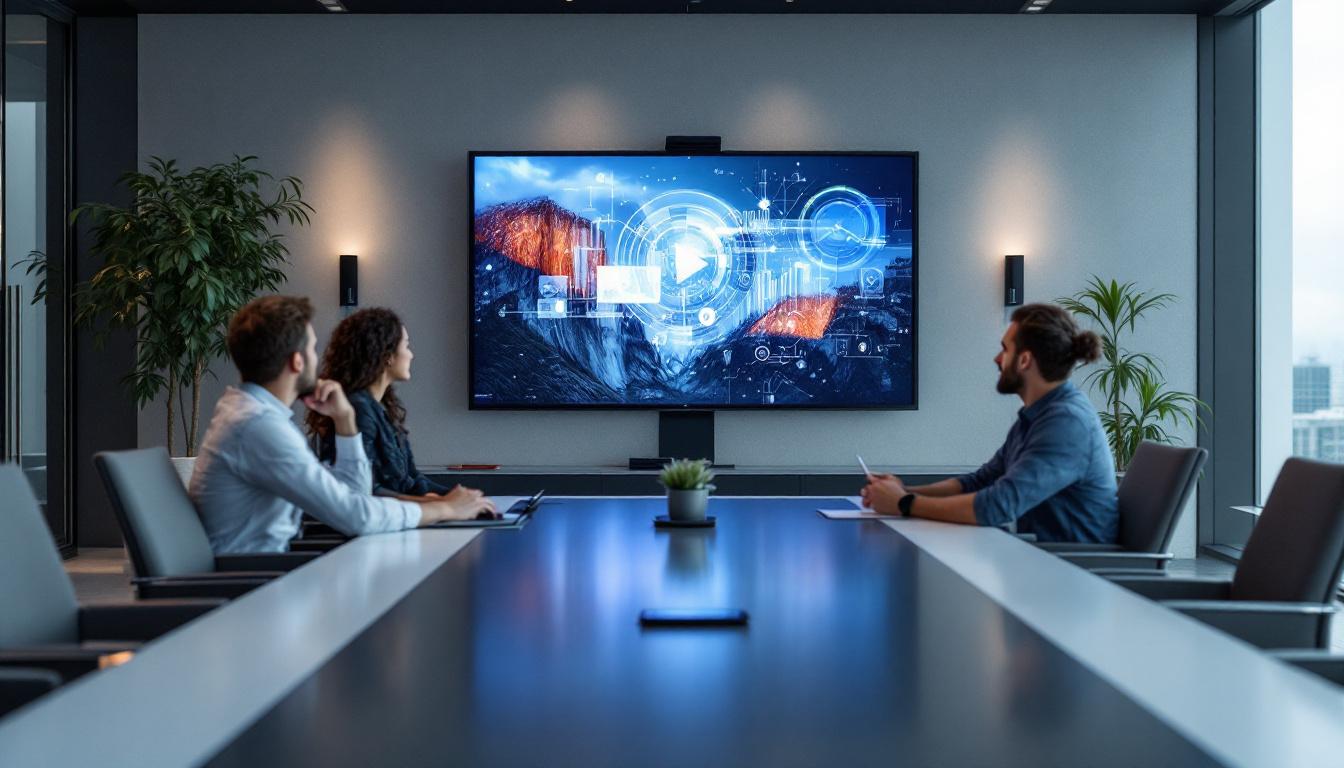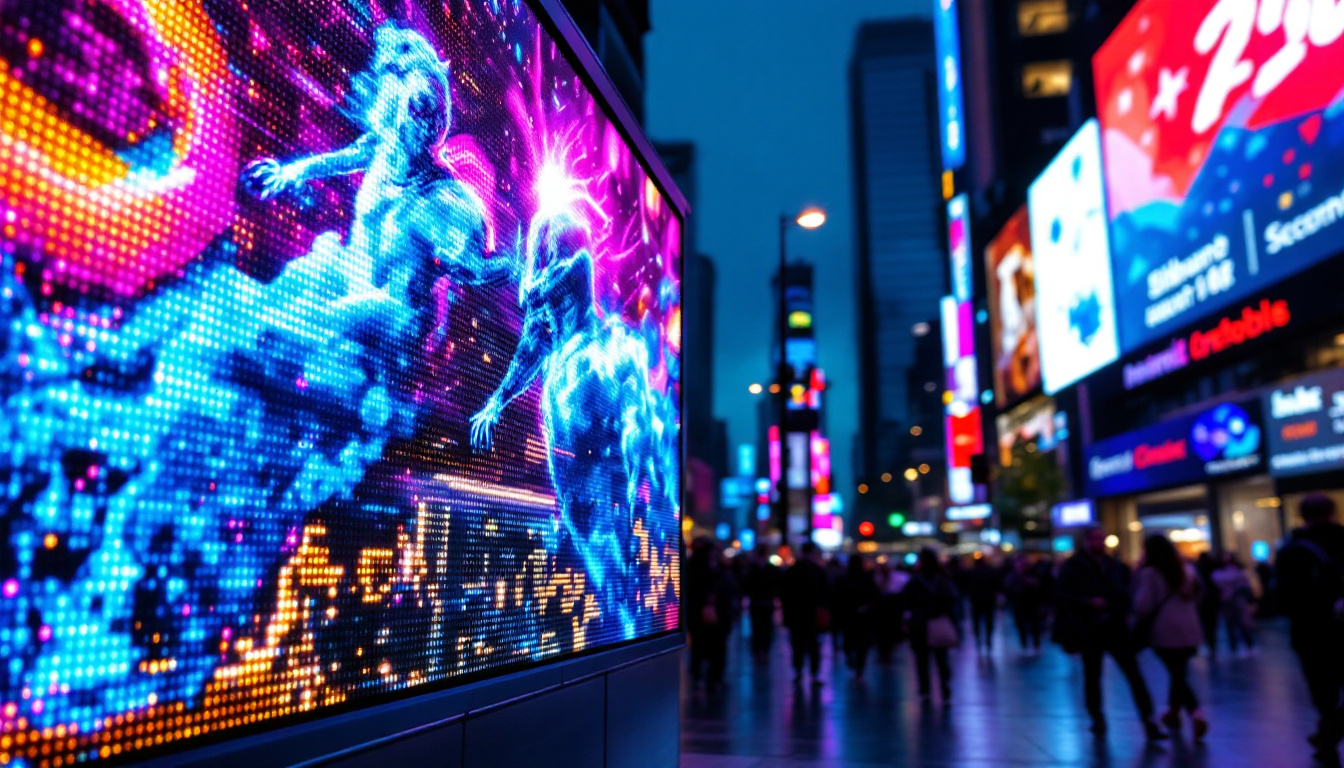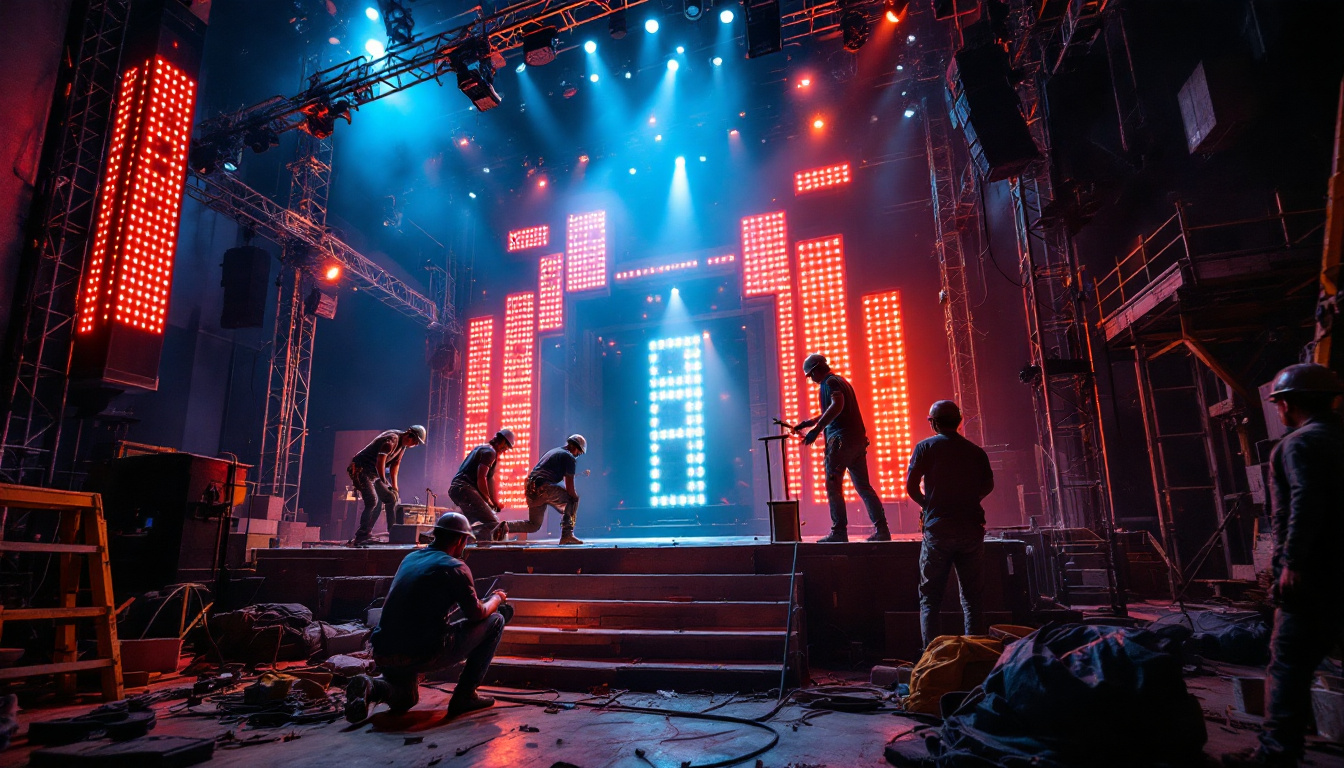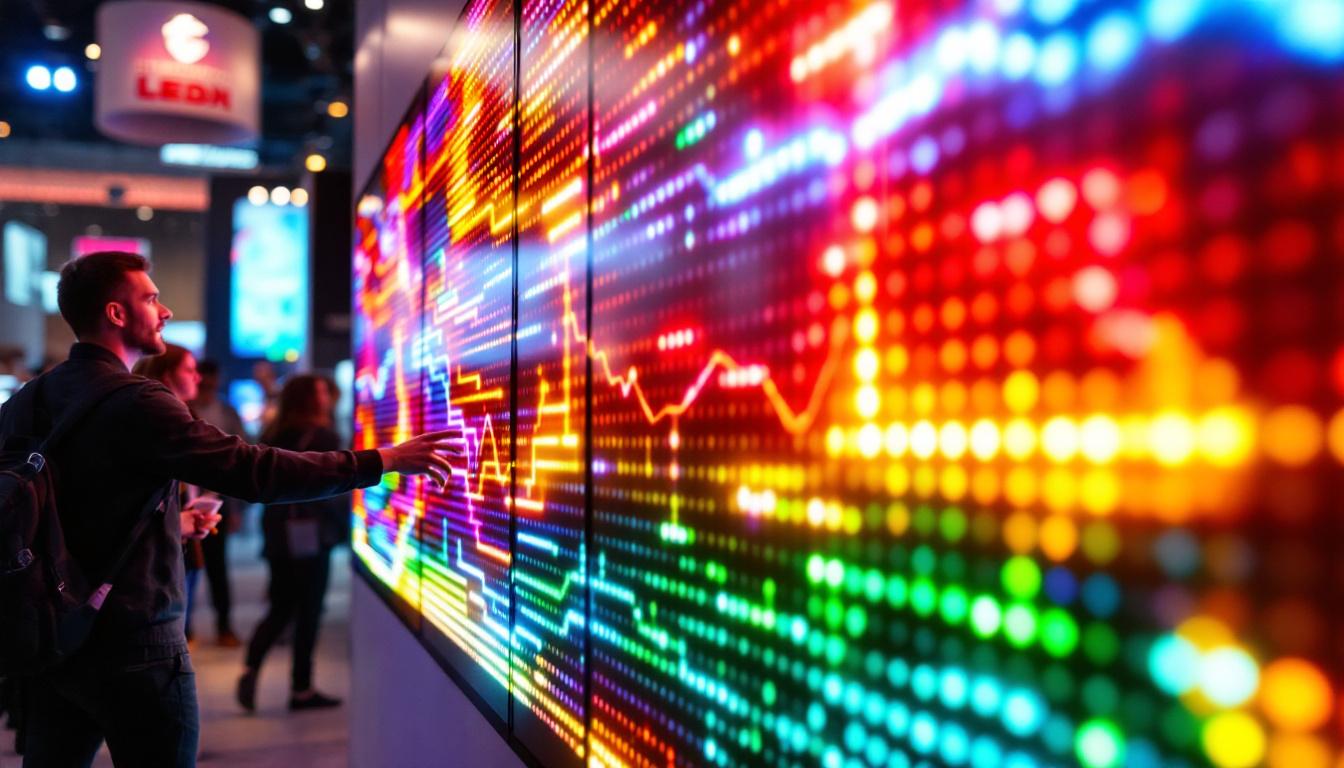
In the dynamic world of trade shows and exhibitions, capturing attention is paramount. One of the most effective tools for achieving this is the use of LED displays. These vibrant, high-resolution screens have transformed how brands communicate their messages, showcase products, and engage with attendees. This article delves into the essentials of LED displays for trade shows, exploring their technology, benefits, and best practices for maximizing impact.
Understanding LED Display Technology
What Is an LED Display?
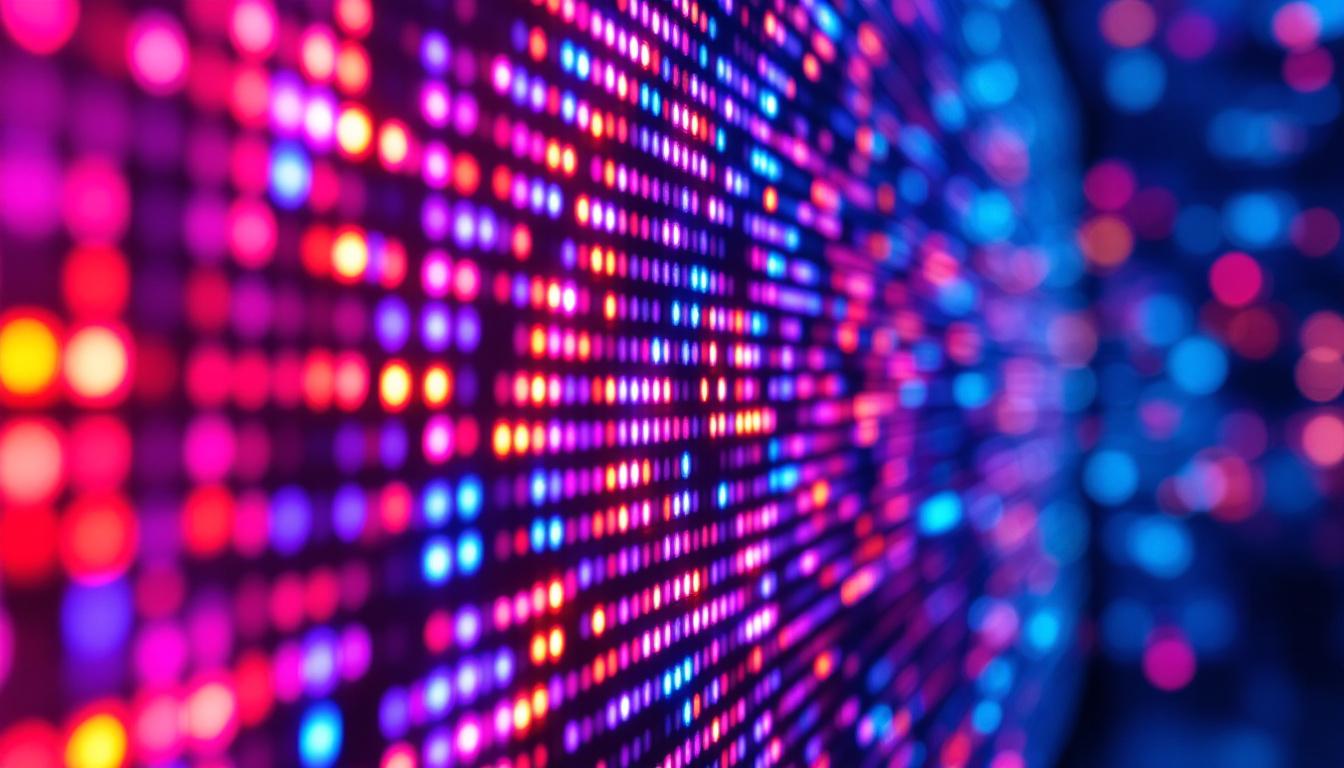
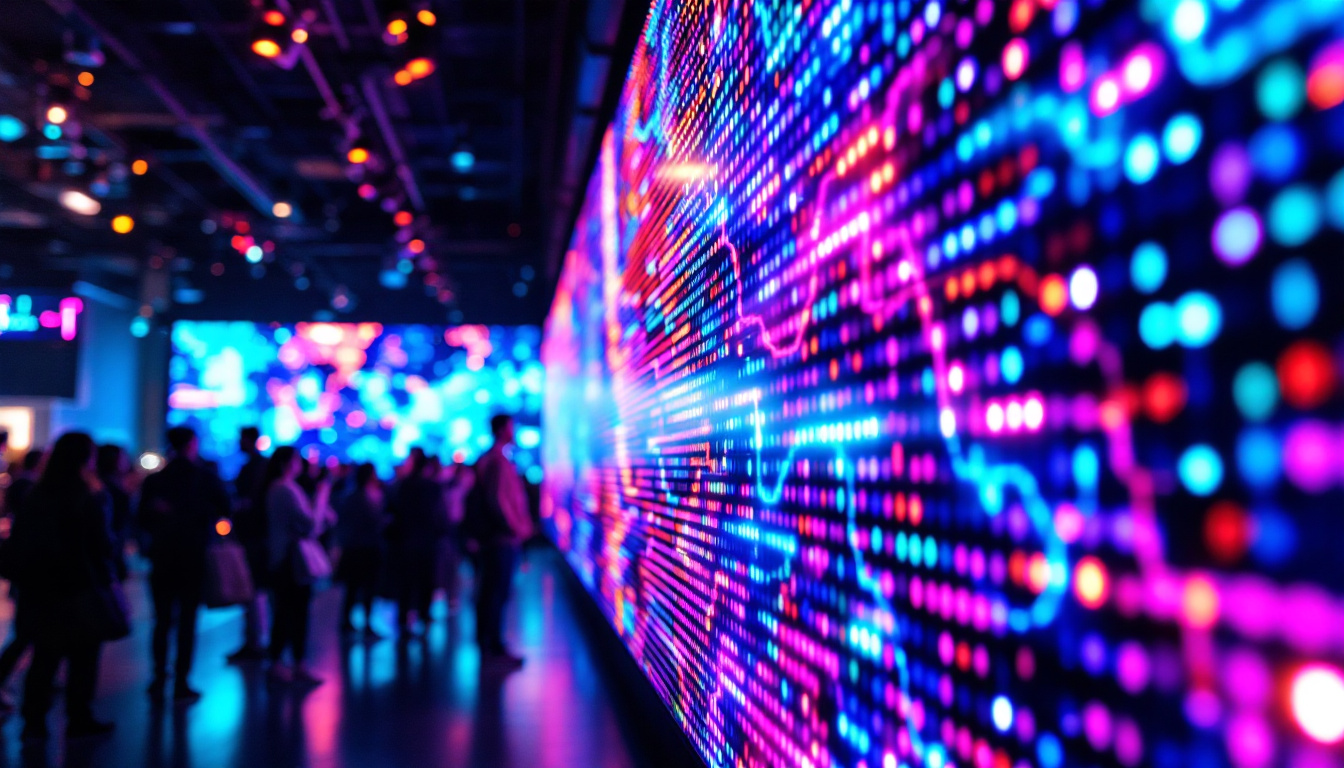
LED stands for Light Emitting Diode, a semiconductor device that emits light when an electric current passes through it. An LED display is essentially a large screen made up of thousands of these tiny diodes arranged in a grid. Each diode acts as a pixel, and by controlling the brightness and color of each pixel, the screen can produce vivid images and videos.
Unlike traditional LCD or projection screens, LED displays are self-illuminating, meaning they don’t require a backlight. This results in higher brightness levels and better contrast ratios, making them ideal for environments with varying lighting conditions, such as trade show floors. Furthermore, LED technology allows for a wider color gamut, enabling displays to reproduce more vibrant and lifelike colors. This capability is particularly advantageous in marketing and advertising, where capturing audience attention is crucial.
Additionally, LED displays are energy-efficient compared to their predecessors, consuming less power while delivering superior performance. This not only reduces operational costs but also makes them a more environmentally friendly option. The longevity of LED technology is another significant advantage; these displays can last tens of thousands of hours, minimizing the need for frequent replacements and maintenance.
Types of LED Displays Used in Trade Shows
There are several types of LED displays commonly used in trade show settings, each with unique characteristics:
- Indoor LED Displays: Designed for controlled lighting environments, these displays offer high resolution and fine pixel pitch, typically ranging from 1.2mm to 4mm. They are perfect for close viewing distances and detailed content. Many exhibitors utilize these displays to showcase intricate graphics, videos, and presentations that require clarity and precision.
- Outdoor LED Displays: Built to withstand weather conditions, these displays have higher brightness capabilities (often exceeding 5,000 nits) and are more robust. They are suitable for outdoor trade show booths or events. Their durability is complemented by features like water resistance and UV protection, ensuring that they remain functional and visually appealing in various environmental conditions.
- Transparent LED Displays: These innovative screens allow light to pass through, enabling displays on glass walls or windows without obstructing the view. They add a futuristic element to booth design. This technology not only enhances aesthetic appeal but also allows for creative advertising solutions, where brands can display information without compromising the transparency of their surroundings.
- Flexible LED Displays: These can be curved or shaped to fit unique booth structures, offering creative freedom in design and presentation. Their adaptability allows exhibitors to create immersive environments that can wrap around corners or create dynamic shapes, making their booths stand out in a crowded trade show.
In addition to these types, LED displays can also be integrated with interactive technologies, such as touch screens and augmented reality features. This interactivity can engage attendees more effectively, allowing them to explore products and services in a hands-on manner. As trade shows continue to evolve, the integration of LED technology with interactive elements is likely to become a standard practice, enhancing the overall visitor experience and driving higher engagement levels.
Why LED Displays Are Essential for Trade Shows
Capturing Attention in a Crowded Environment
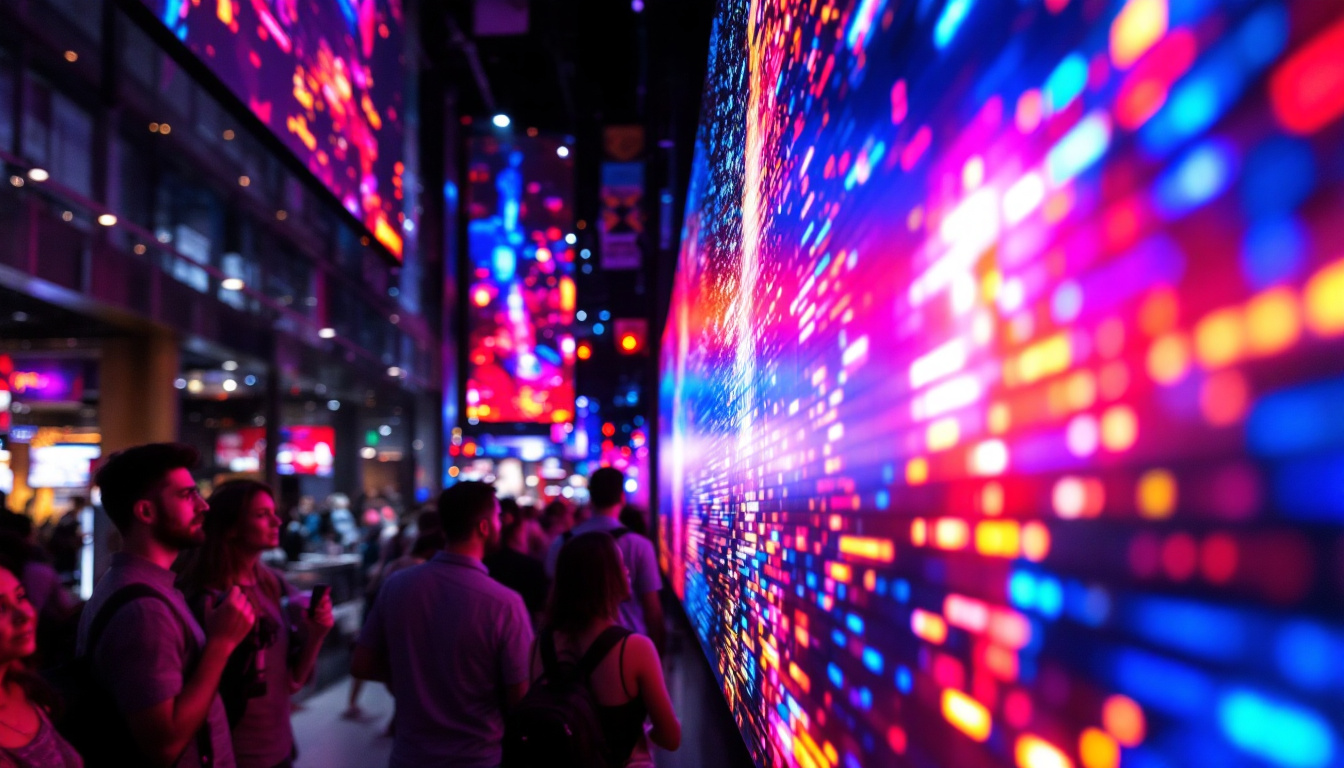
Trade shows are bustling with numerous exhibitors competing for visitors’ attention. LED displays stand out due to their brightness, color accuracy, and motion capabilities. Studies show that dynamic visuals can increase booth traffic by up to 30%, making LED screens a powerful tool for attracting attendees.
The ability to display high-definition videos, animations, and interactive content makes LED displays more engaging than static banners or posters. This engagement can translate into longer booth visits and more meaningful conversations with potential clients.
Enhancing Brand Perception and Messaging
LED displays offer brands the opportunity to present themselves as innovative and technologically advanced. The crisp, vibrant visuals convey professionalism and attention to detail, which can positively influence attendees’ perceptions.
Moreover, LED screens allow for real-time content updates, enabling exhibitors to tailor their messaging throughout the event. Whether it’s showcasing live social media feeds, product demos, or customer testimonials, this flexibility enhances communication effectiveness.
Cost Efficiency and Long-Term Value
While the initial investment in LED displays may be higher than traditional signage, their durability and reusability make them cost-effective over time. High-quality LED panels can last over 100,000 hours, significantly reducing the need for frequent replacements.
Additionally, digital content can be repurposed across multiple events, saving on printing and production costs. The ability to quickly update content also reduces the risk of outdated or irrelevant messaging.
Key Features to Consider When Choosing an LED Display for Trade Shows
Resolution and Pixel Pitch
Resolution refers to the number of pixels on the display, while pixel pitch is the distance between the centers of two adjacent pixels, measured in millimeters. A smaller pixel pitch means higher resolution and sharper images, which is crucial for close viewing distances typical at trade shows.
For indoor trade show booths, pixel pitches between 1.5mm and 3mm are common, providing clear and detailed visuals even when visitors are just a few feet away. Larger pixel pitches may be acceptable for bigger screens viewed from a distance but can appear pixelated up close.
Brightness and Contrast Ratio
Brightness, measured in nits, determines how well the display performs under different lighting conditions. Trade show floors can be brightly lit, so displays with at least 1,000 nits are recommended for indoor use to ensure visibility.
Contrast ratio, the difference between the darkest black and brightest white, affects image depth and clarity. Higher contrast ratios produce more vibrant and lifelike images, enhancing viewer engagement.
Size and Aspect Ratio
The physical size of the LED display should align with the booth’s dimensions and layout. Oversized screens can overwhelm small spaces, while undersized ones may fail to capture attention. Common sizes range from 55 inches to over 200 inches diagonally.
Aspect ratio, typically 16:9 for widescreen content, influences how visuals are displayed. Custom aspect ratios may be used for unique booth designs or specific content formats.
Installation and Portability
Trade shows often require quick setup and teardown. Modular LED panels that can be easily assembled and disassembled are ideal. Lightweight designs and compatibility with standard rigging systems simplify transportation and installation.
Some LED displays come with protective cases and wheels, streamlining logistics for exhibitors who participate in multiple events annually.
Maximizing the Impact of LED Displays at Trade Shows
Content Strategy and Design
Compelling content is the cornerstone of an effective LED display. High-resolution videos, animations, and dynamic graphics should be tailored to the target audience and the event’s theme.
Using bold colors, clear typography, and concise messaging ensures that information is easily digestible even from a distance. Incorporating brand elements consistently reinforces recognition and trust.
Interactive and Real-Time Features
Integrating interactive elements such as touchscreens or motion sensors can elevate visitor engagement. Interactive LED walls invite attendees to explore products, participate in polls, or access additional information, creating memorable experiences.
Real-time content updates, such as displaying live social media posts or event schedules, keep the booth fresh and relevant throughout the trade show.
Lighting and Placement Considerations
Proper placement of the LED display within the booth is crucial. Positioning screens at eye level and ensuring unobstructed sightlines maximizes visibility. Avoid placing displays in direct sunlight or behind reflective surfaces to prevent glare.
Complementary booth lighting should enhance the LED screen’s brightness without causing washout. Dimmable ambient lighting allows for adjustments based on the content being shown.
Case Studies: Successful Use of LED Displays at Trade Shows
Technology Expo: Driving Engagement with Interactive LED Walls
At a recent international technology expo, a leading software company deployed a 10-foot-wide interactive LED wall with a 1.9mm pixel pitch. The display featured a touch-enabled interface allowing visitors to navigate product demos and access technical specifications.
This interactive approach increased booth dwell time by 40%, and the company reported a 25% uptick in qualified leads compared to previous events without LED integration.
Automotive Show: Showcasing Vehicles with Transparent LED Displays
An automotive manufacturer utilized transparent LED displays on glass partitions within their booth to showcase vehicle features while maintaining an open, airy feel. The displays highlighted engine specs and safety features with animated visuals that complemented the physical cars on display.
This innovative use of transparent LED technology garnered significant media attention and enhanced brand perception as a pioneer in both automotive and display technology.
Future Trends in LED Displays for Trade Shows
MicroLED and MiniLED Technologies
Emerging MicroLED and MiniLED technologies promise even higher brightness, better energy efficiency, and improved color accuracy. These advances will enable thinner, lighter displays with superior image quality, further enhancing trade show presentations.
Augmented Reality (AR) Integration
Combining LED displays with AR experiences is becoming more prevalent. This fusion allows exhibitors to overlay digital content onto physical products, creating immersive and interactive presentations that captivate audiences.
Energy Efficiency and Sustainability
As sustainability becomes a priority, LED manufacturers are focusing on reducing power consumption and using recyclable materials. Trade shows are likely to see more eco-friendly display options that align with corporate social responsibility goals.
Conclusion
LED displays have revolutionized the trade show landscape by offering vibrant, flexible, and engaging ways to communicate brand messages. Their superior brightness, resolution, and adaptability make them indispensable tools for exhibitors aiming to stand out in competitive environments.
By understanding the technology, selecting the right features, and crafting compelling content, businesses can leverage LED displays to maximize their trade show ROI. As innovations continue to evolve, LED displays will remain at the forefront of exhibition marketing strategies, driving deeper connections with audiences and elevating brand experiences.
Discover LumenMatrix LED Display Solutions
Ready to elevate your trade show presence and captivate your audience like never before? Embrace the future of exhibition marketing with LumenMatrix’s innovative LED display technologies. From the immersive Indoor LED Wall Display to the dynamic Outdoor LED Wall Display, and from the versatile Vehicle LED Display to the crystal-clear LED Transparent Display, LumenMatrix offers a comprehensive range of solutions tailored to your unique needs. Experience the transformative power of our state-of-the-art LED displays and turn your brand vision into a visual spectacle. Check out LumenMatrix LED Display Solutions today and redefine the way you communicate with your audience.