In today’s fast-paced advertising landscape, capturing attention quickly and effectively is more important than ever. Trailer billboards equipped with LED displays have emerged as a dynamic and versatile solution for businesses aiming to maximize visibility and engagement. This article explores the technology behind LED trailer billboards, their advantages, practical applications, and considerations for businesses looking to invest in this innovative advertising medium.
Understanding Trailer Billboards and LED Technology
What Are Trailer Billboards?
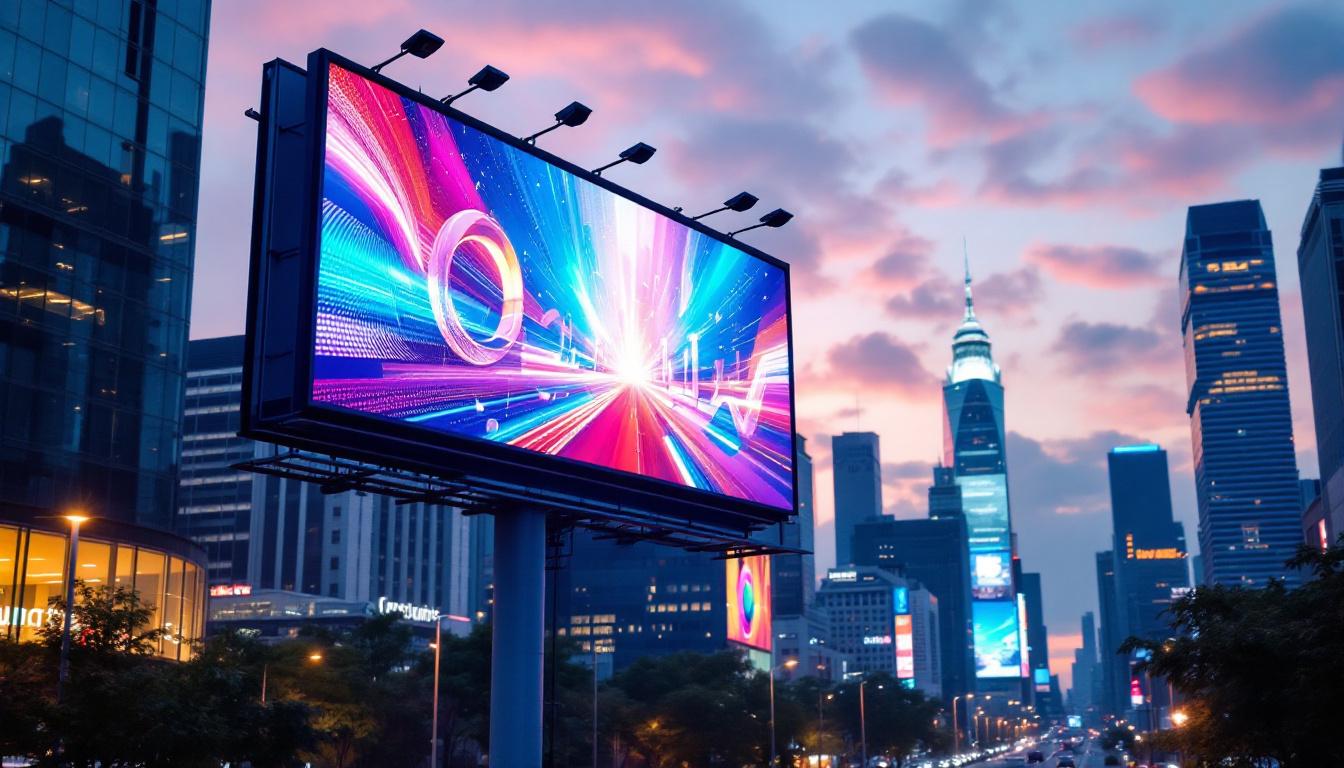
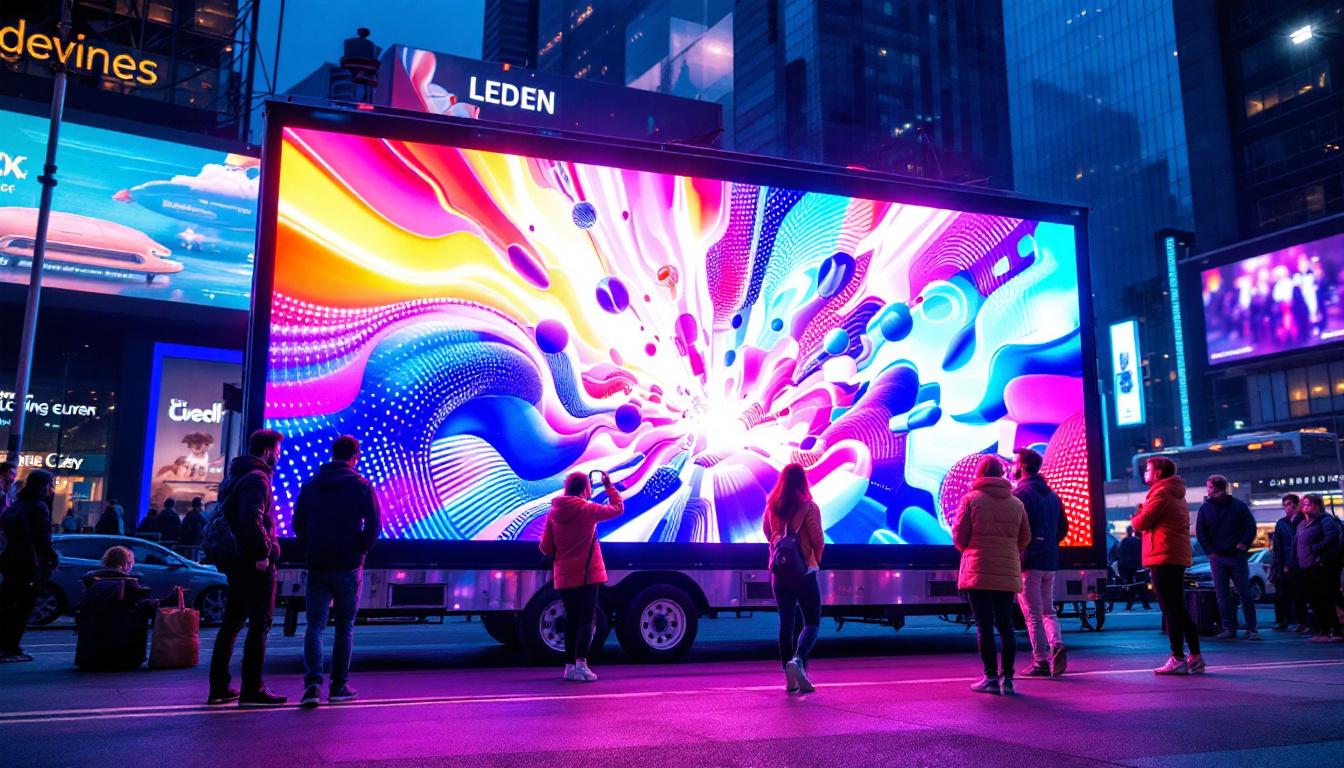
Trailer billboards are mobile advertising platforms mounted on trailers, allowing advertisers to transport their messages to various locations. Unlike traditional static billboards fixed in one place, trailer billboards offer flexibility in placement, making them ideal for targeting specific events, high-traffic areas, or changing marketing campaigns.
These trailers can be towed by vehicles and positioned strategically to maximize exposure. Their mobility allows advertisers to reach diverse audiences without the need for multiple fixed installations, reducing overhead costs and increasing campaign adaptability. Additionally, trailer billboards can be utilized for a variety of purposes, from promoting local businesses and events to serving as a platform for public service announcements. Their versatility makes them a valuable tool in the marketing arsenal, capable of reaching consumers in ways that static billboards simply cannot.
The Role of LED Displays in Modern Trailer Billboards
LED (Light Emitting Diode) technology has revolutionized the billboard industry by enabling bright, vibrant, and dynamic digital displays. When integrated into trailer billboards, LED screens transform static advertisements into eye-catching, animated content that can be updated in real-time.
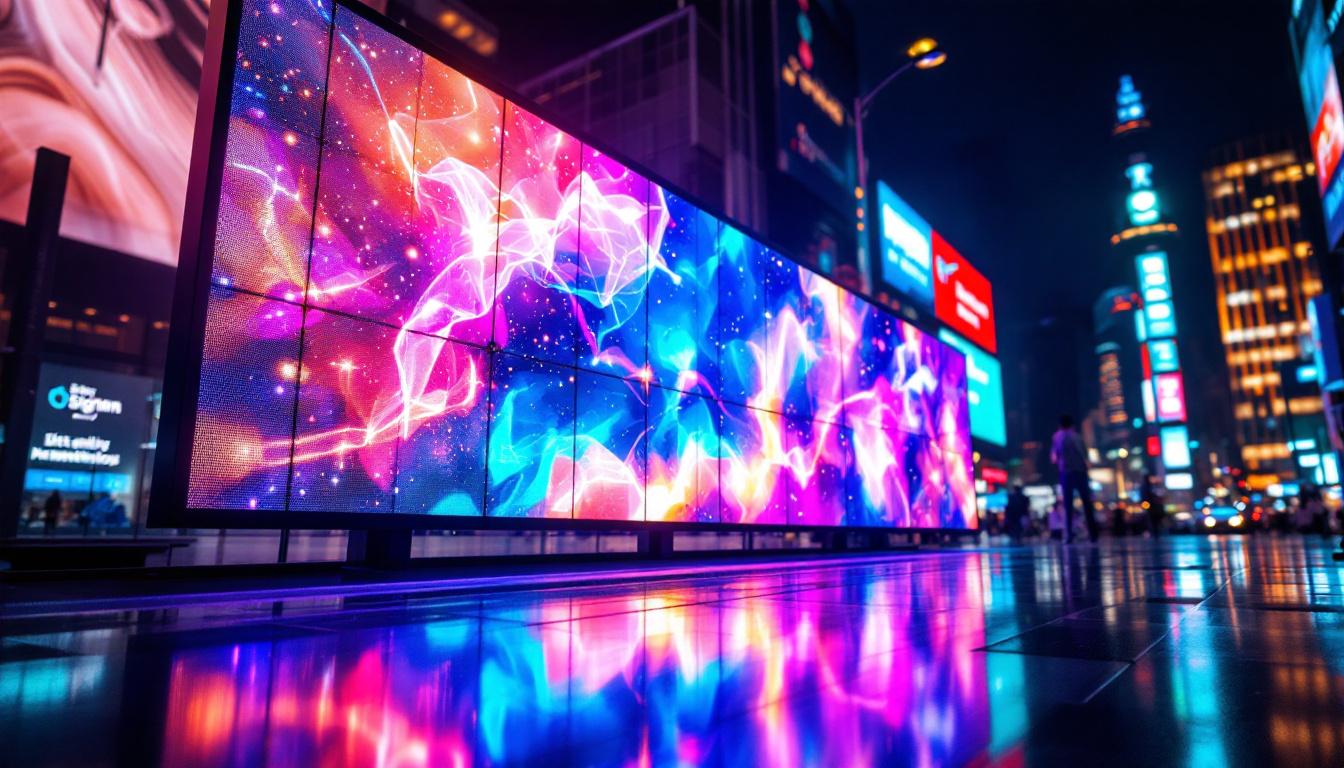
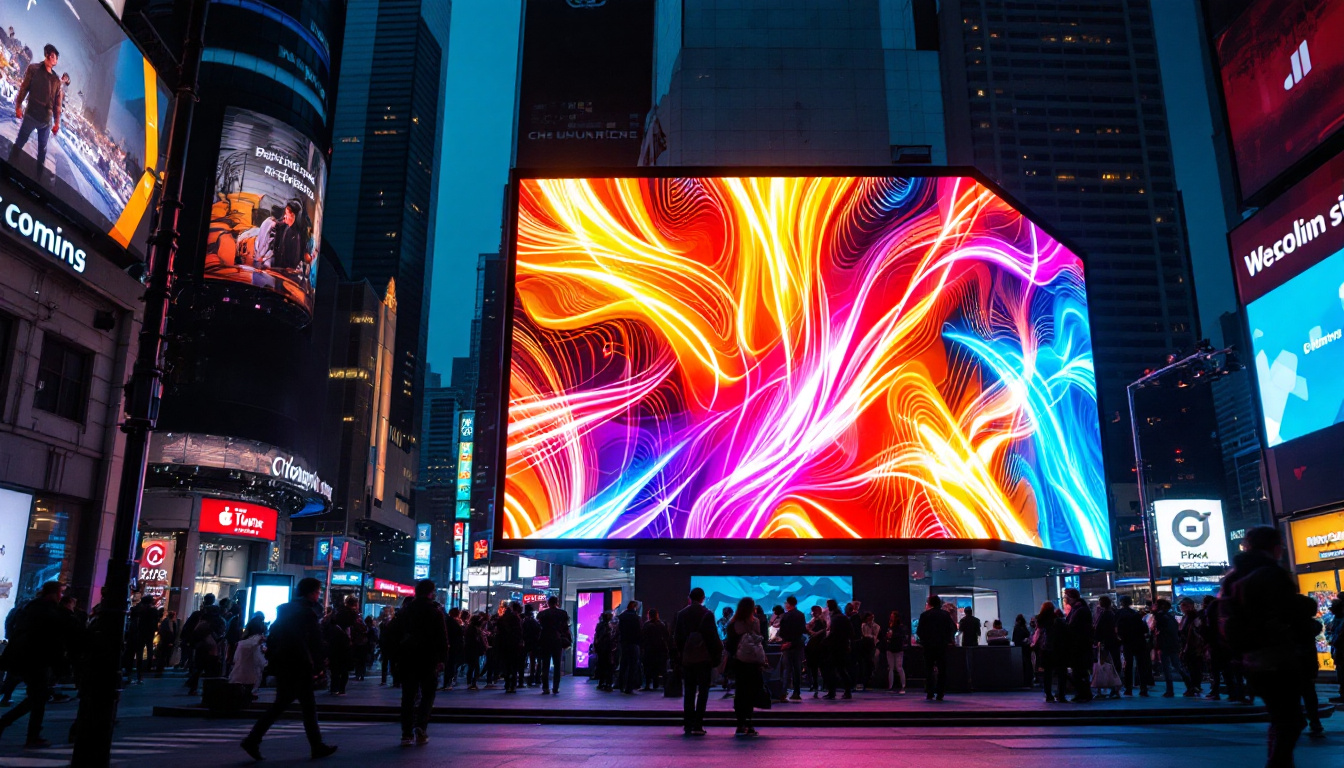
LED displays consist of thousands of tiny diodes that emit light when an electric current passes through them. These diodes can produce a wide spectrum of colors, allowing for high-resolution images and videos that remain visible even under direct sunlight. This brightness and clarity make LED trailer billboards particularly effective for outdoor advertising. Furthermore, the ability to change content quickly means that advertisers can customize their messages based on the time of day, local events, or even weather conditions, providing a level of engagement that traditional billboards cannot match. The interactive potential of LED technology also opens up avenues for incorporating QR codes or social media links, encouraging viewers to engage with the brand on a deeper level.
Advantages of LED Trailer Billboards
Enhanced Visibility and Engagement
One of the most significant benefits of LED trailer billboards is their superior visibility. Unlike traditional printed billboards, LED screens can display bright, high-contrast images that stand out in varying lighting conditions, including nighttime and adverse weather.
Dynamic content such as animations, video clips, and scrolling text can capture and hold the attention of passersby more effectively than static images. According to a study by the Outdoor Advertising Association of America (OAAA), digital billboards can increase brand recall by up to 47% compared to static billboards, highlighting their impact on consumer engagement. Furthermore, the use of vibrant colors and motion can evoke emotions and create a memorable experience, making it more likely that viewers will remember the advertisement long after they’ve seen it.
In urban environments, where competition for attention is fierce, LED trailer billboards can cut through the noise and clutter of traditional advertising. Their ability to display multiple messages in a short time frame means that advertisers can target different demographics or promote various products simultaneously, ensuring that their marketing efforts resonate with a broader audience.
Flexibility and Real-Time Content Updates
LED trailer billboards allow advertisers to change their messaging instantly without the need to print new materials. This flexibility is invaluable for time-sensitive promotions, event announcements, or campaigns that require frequent updates.
For example, a restaurant can display different menus throughout the day, or a retailer can promote flash sales and special offers as they happen. This adaptability not only saves costs on printing but also enables more personalized and targeted advertising strategies. Moreover, advertisers can respond to real-time events or trends, adjusting their messaging to align with current happenings, which can significantly enhance relevance and engagement with the audience.
Additionally, the ability to schedule content in advance allows businesses to plan their marketing strategies effectively. For instance, a local sports team could pre-program advertisements for upcoming games or events, ensuring that their promotions are timely and effective without requiring constant manual updates.
Cost-Effectiveness Over Time
While the initial investment in LED trailer billboards may be higher than traditional static billboards, the long-term benefits often outweigh the costs. The ability to update content digitally reduces recurring expenses related to printing and installation.
Additionally, the mobility of trailer billboards means advertisers can deploy a single unit across multiple locations, maximizing reach without the need for multiple fixed billboards. This versatility can lead to better return on investment (ROI) by optimizing campaign exposure and reducing wasted impressions. In fact, many businesses have reported that the ability to move their advertising to different high-traffic areas has significantly increased their visibility and customer engagement.
Moreover, LED technology is becoming increasingly energy-efficient, which can further reduce operational costs over time. With advancements in technology, many LED billboards now consume less power than traditional lighting methods, making them a more sustainable choice for advertisers looking to minimize their environmental footprint while maximizing their marketing impact.
Practical Applications of LED Trailer Billboards
Event Promotion and Marketing
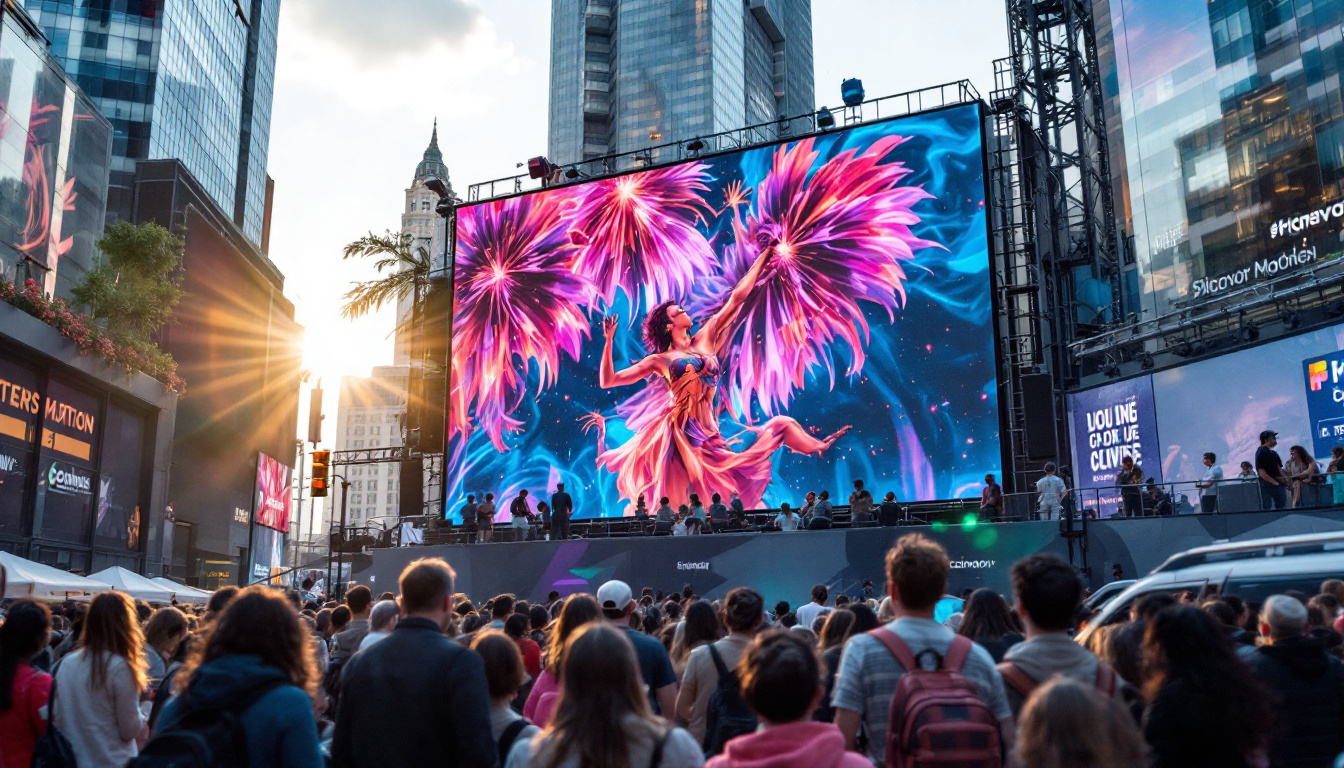
LED trailer billboards are particularly effective for promoting events such as concerts, festivals, sports games, and trade shows. Their mobility allows advertisers to position the billboard near event venues, busy intersections, or parking areas to attract attendees and provide real-time updates.
For instance, during a music festival, a trailer billboard can display schedules, artist lineups, and sponsor messages, enhancing the overall attendee experience while driving additional brand visibility.
Retail and Product Launch Campaigns
Retailers benefit from LED trailer billboards by using them to announce grand openings, seasonal sales, or new product launches. The dynamic nature of LED displays enables the showcasing of product videos, customer testimonials, and promotional offers that can influence purchasing decisions on the spot.
Mobile advertising also allows retailers to target different neighborhoods or shopping districts, tailoring messages to local demographics and maximizing campaign effectiveness.
Political and Public Awareness Campaigns
Political candidates and public organizations utilize LED trailer billboards to disseminate messages during election seasons or awareness campaigns. The ability to update content quickly is crucial in these contexts, where information may change rapidly or need to be customized for different audiences.
Moreover, the mobility of trailer billboards enables campaigns to reach multiple communities efficiently, increasing message penetration and voter engagement.
Technical Considerations When Choosing LED Trailer Billboards
Resolution and Pixel Pitch
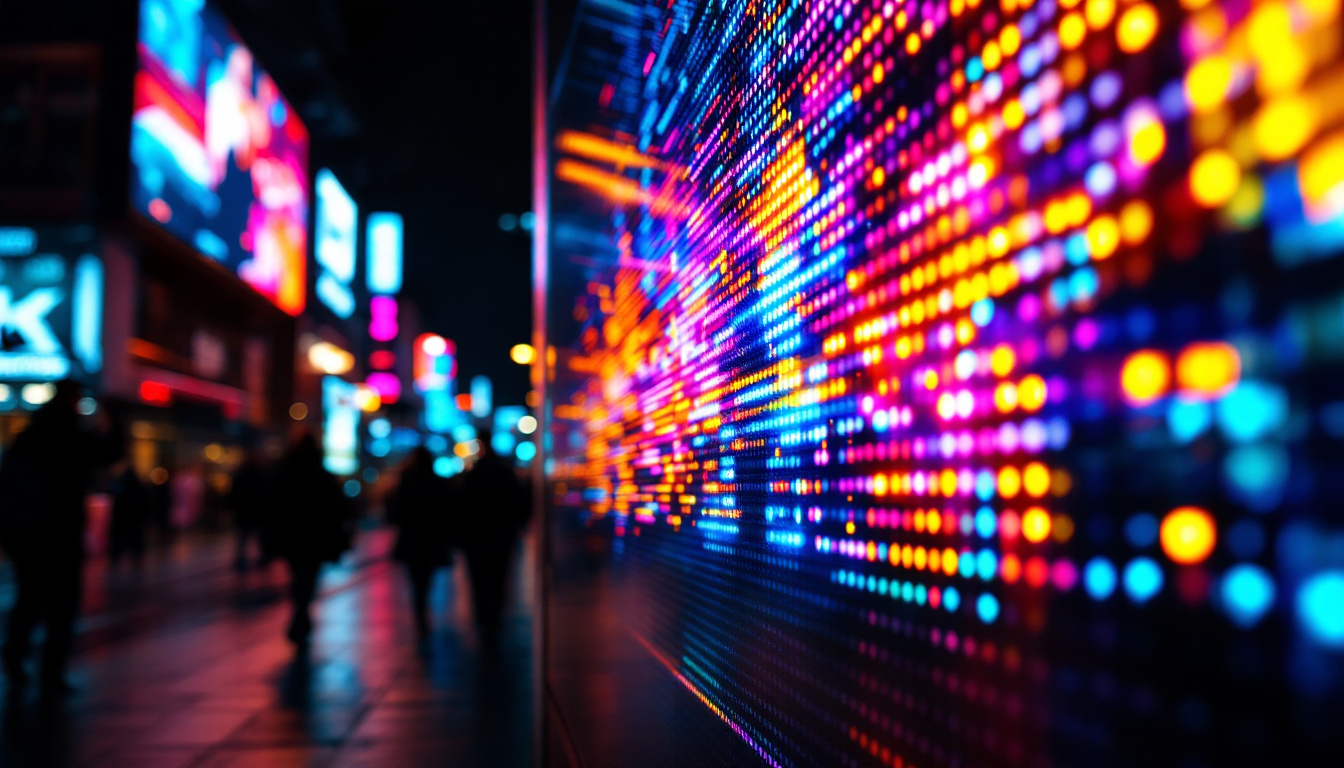
The resolution of an LED display is determined by its pixel pitch, which is the distance between individual LED pixels. A smaller pixel pitch means higher resolution and sharper images, which is essential for close-range viewing.
For trailer billboards, selecting the appropriate pixel pitch depends on the typical viewing distance. For example, a pixel pitch of 10mm to 16mm is common for mobile billboards, balancing clarity and cost. Advertisers should consider where the billboard will be positioned and how close viewers will be to ensure optimal image quality.
Brightness and Weather Resistance
Outdoor LED displays must be bright enough to remain visible in direct sunlight. Typical brightness levels for outdoor LED billboards range from 5,000 to 8,000 nits. Higher brightness ensures that content is legible even on the brightest days.
Additionally, trailer billboards must be weather-resistant, with enclosures protecting the LED panels from rain, dust, and temperature extremes. IP65 or higher ratings are recommended for durability and longevity in outdoor environments.
Power Supply and Connectivity
LED trailer billboards require a reliable power source, often provided by onboard generators, batteries, or external electrical hookups. Efficient power management is critical to maintain consistent brightness and performance during extended use.
Connectivity options such as 4G/5G cellular networks or Wi-Fi enable remote content updates, allowing advertisers to manage campaigns from anywhere. This capability is essential for real-time marketing and rapid response to changing conditions.
Maximizing the Impact of LED Trailer Billboard Campaigns
Strategic Placement and Timing
To fully leverage the benefits of LED trailer billboards, strategic placement is key. Positioning the trailer in high-traffic areas, near event venues, or along busy commuter routes can significantly increase impressions and engagement.
Timing also plays a crucial role. Scheduling the billboard’s presence during peak hours or specific events ensures that the message reaches the intended audience when they are most receptive.
Compelling Content Design
Effective LED billboard campaigns rely on visually compelling and concise content. Given the brief window to capture attention, messages should be clear, bold, and easy to read from a distance.
Incorporating motion graphics, vibrant colors, and succinct calls to action can enhance viewer engagement. It’s also important to consider the duration each message is displayed to avoid overwhelming viewers while maintaining message retention.
Measuring Campaign Effectiveness
Tracking the success of LED trailer billboard campaigns can be challenging but is essential for optimizing future efforts. Metrics such as increased foot traffic, sales uplift, and social media engagement can provide insights into campaign impact.
Some advanced LED trailer billboards integrate analytics tools, including GPS tracking and audience measurement technologies, to provide data on impressions and viewer demographics. Leveraging these insights helps advertisers refine targeting and improve ROI.
Conclusion
Trailer billboards equipped with LED displays represent a powerful and flexible advertising medium that combines mobility with the dynamic capabilities of digital signage. Their ability to deliver bright, engaging content in diverse locations makes them an attractive choice for businesses seeking to enhance brand visibility and connect with audiences in real-time.
By understanding the technology, benefits, and strategic considerations involved, advertisers can harness the full potential of LED trailer billboards to create impactful campaigns that stand out in today’s competitive marketplace.
Discover LumenMatrix’s Innovative LED Solutions
Ready to elevate your advertising strategy with the power of LED technology? LumenMatrix is at the forefront of creating immersive visual experiences that captivate and engage. From bustling city centers to dynamic event spaces, our comprehensive range of LED display solutions—including indoor and outdoor displays, vehicle displays, and more—ensures your message shines bright and resonates with your audience. Don’t just blend into the background; make a bold statement with LumenMatrix. Check out LumenMatrix LED Display Solutions today and transform the way you communicate visually.