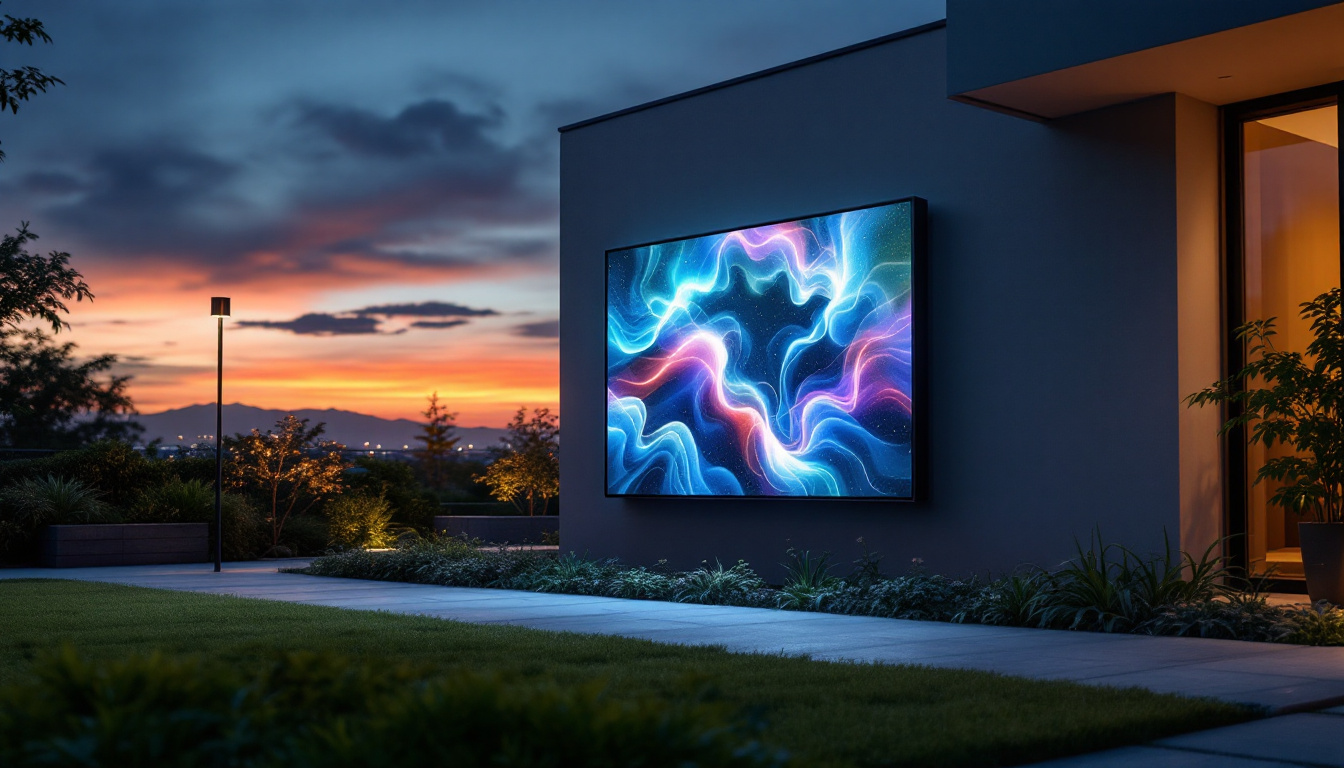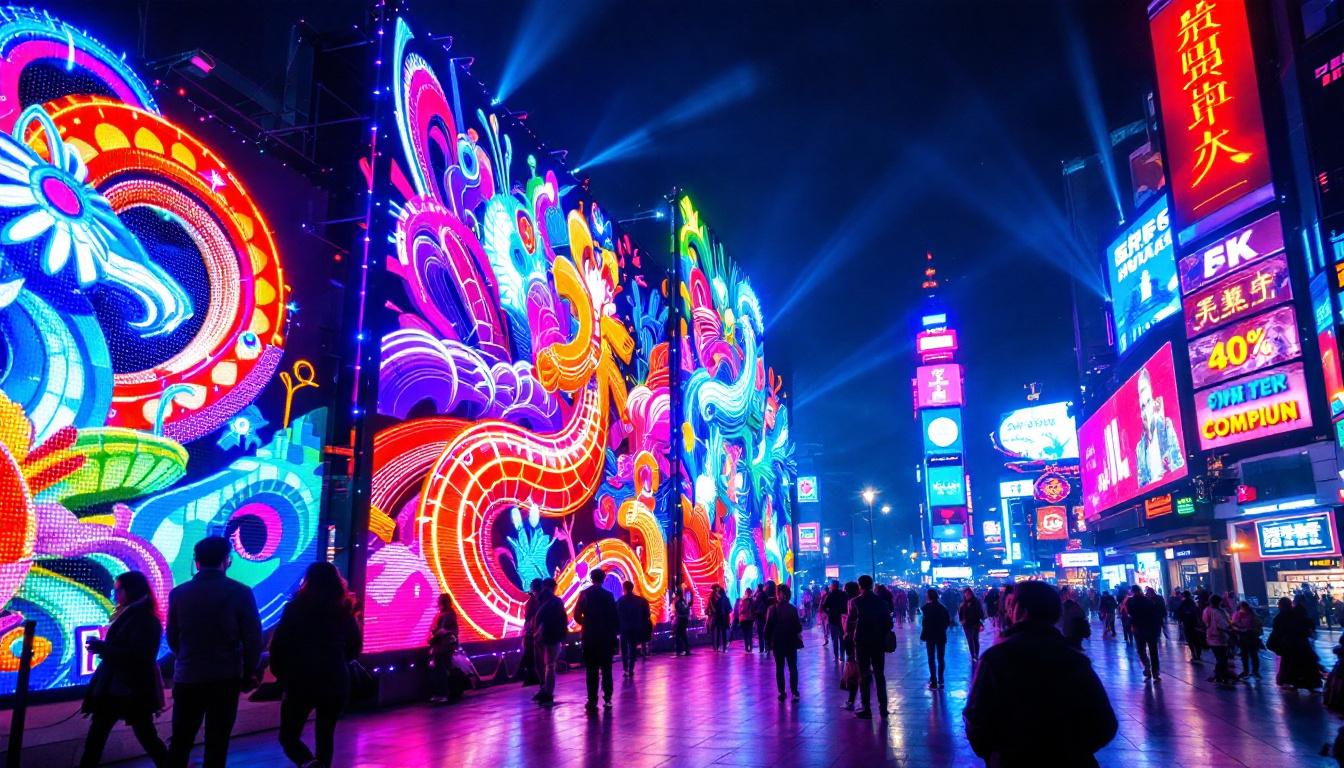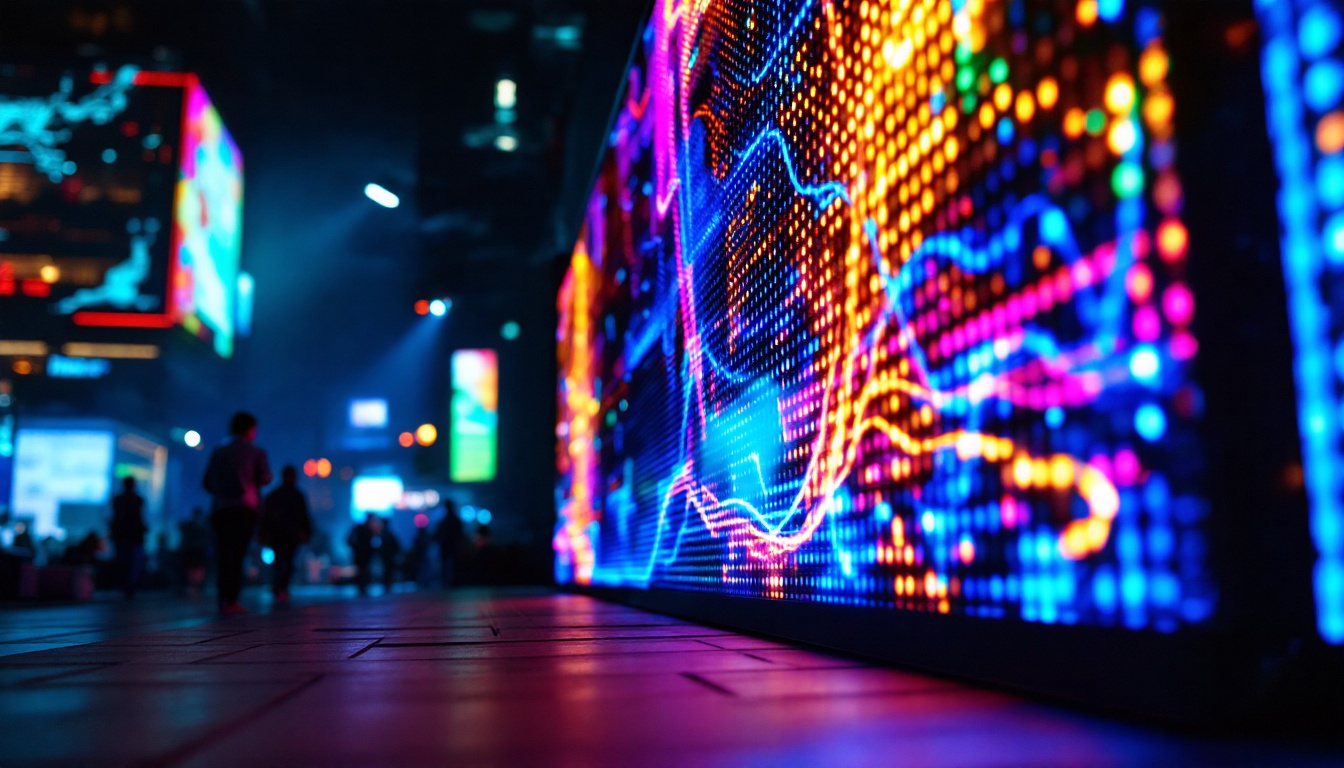
In recent years, transparent LED screens have revolutionized the way businesses and advertisers engage with their audiences. Combining cutting-edge technology with sleek design, these displays offer a unique visual experience that traditional LED screens cannot match. However, understanding the pricing structure and technical aspects of transparent LED screens can be challenging for many potential buyers. This comprehensive guide aims to demystify the transparent LED screen market, explaining how prices are determined, what factors influence cost, and why these displays are becoming an essential investment for modern advertising and architectural applications.
What Is a Transparent LED Screen?
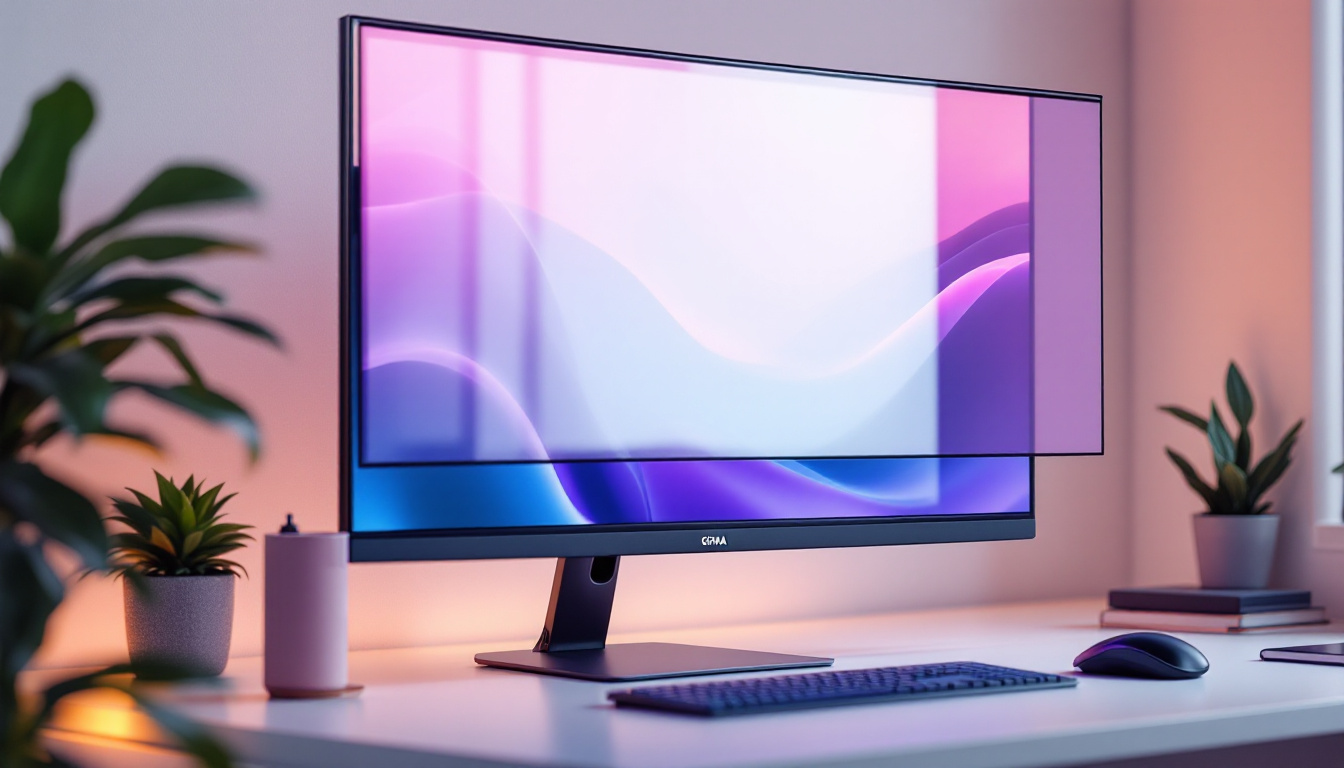
Transparent LED screens are a type of digital display that allows light to pass through them, creating a see-through effect while simultaneously showing vivid images and videos. Unlike conventional LED panels, which are opaque and block the view behind them, transparent LED screens are designed with a mesh or grid-like structure that maintains visibility through the screen.
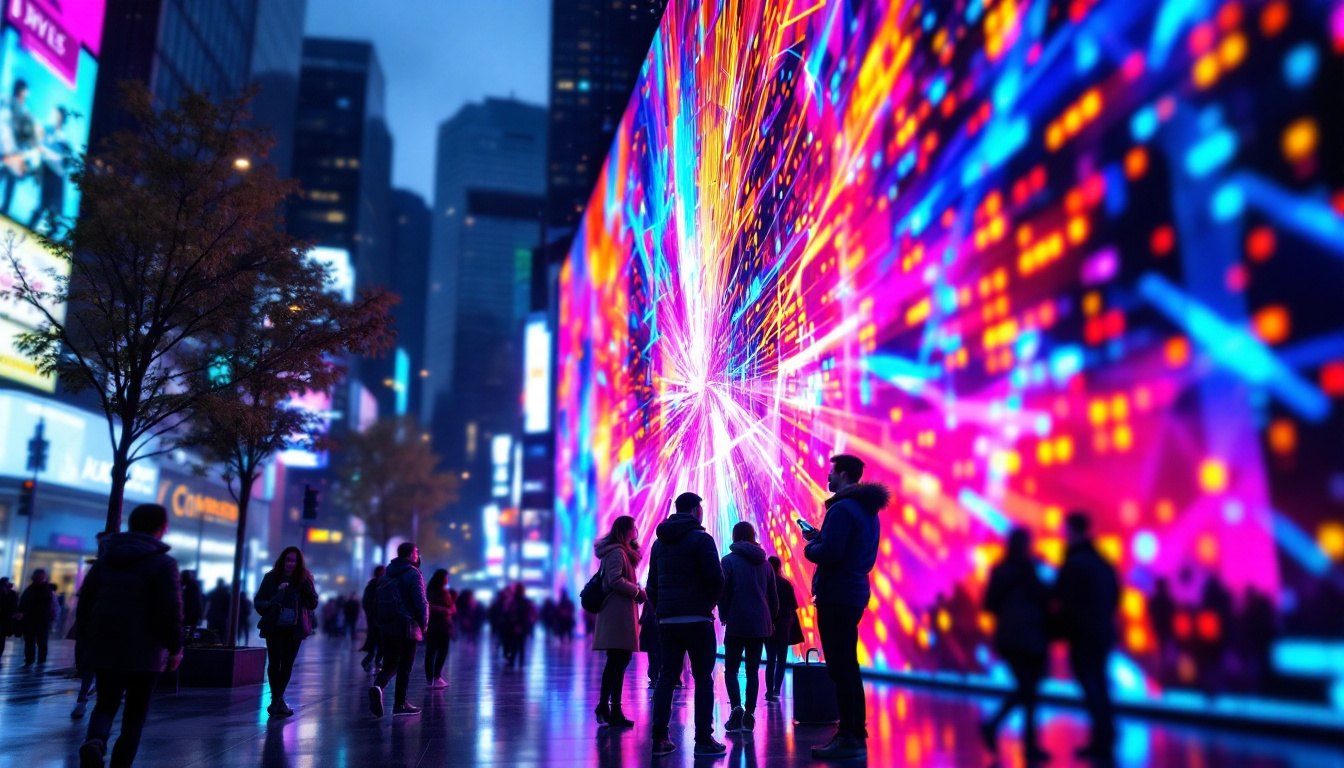
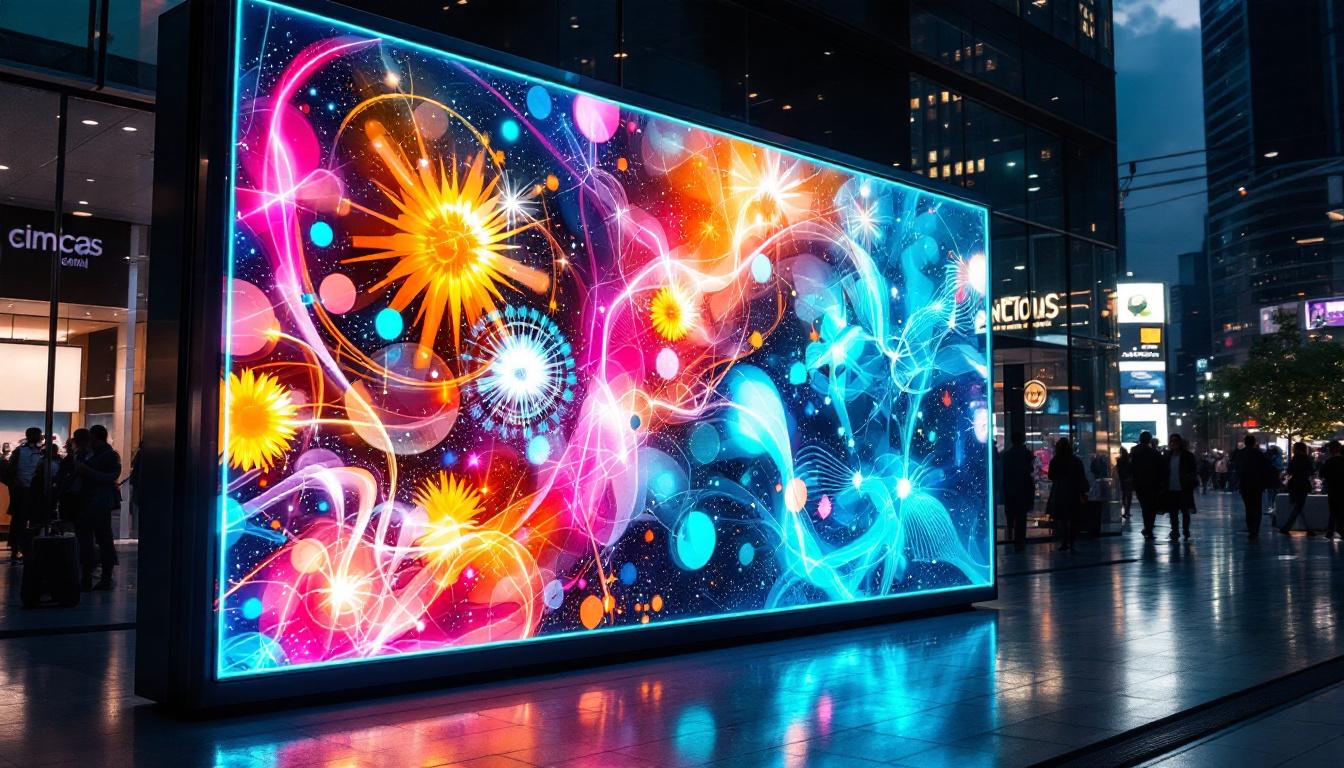
This technology is particularly popular in retail storefronts, corporate buildings, museums, and event venues where maintaining natural light and visibility is crucial. Transparent LED screens enable businesses to showcase dynamic content without compromising the aesthetics or lighting of the environment.
How Do Transparent LED Screens Work?
Transparent LED screens utilize a combination of LED diodes arranged in a pattern that leaves gaps between pixels. These gaps allow light to pass through, making the screen appear translucent. The diodes emit bright, colorful light to display images, while the transparent sections maintain visibility behind the screen.
The pixel pitch — the distance between individual LEDs — plays a significant role in determining the screen’s transparency and resolution. A larger pixel pitch increases transparency but reduces image sharpness, while a smaller pitch improves image quality but decreases transparency.
Factors Influencing Transparent LED Screen Price
When considering the purchase of a transparent LED screen, understanding the pricing factors is essential. Prices can vary widely depending on several technical and practical elements. Here are the primary factors that influence the cost of transparent LED screens:
1. Pixel Pitch and Resolution
Pixel pitch is one of the most critical determinants of price. Screens with a smaller pixel pitch (e.g., 2.5mm or 3mm) offer higher resolution and sharper images but are more expensive due to the increased number of LEDs and more complex manufacturing processes. Conversely, screens with larger pixel pitches (e.g., 10mm or 16mm) are more affordable but provide lower image quality and higher transparency.
For example, a transparent LED screen with a 3mm pixel pitch can cost upwards of $1,500 per square meter, while a 10mm pixel pitch screen might be priced closer to $600-$800 per square meter. The choice depends on the intended use—high-detail advertising requires finer pixel pitches, while decorative or informational displays might suffice with larger pitches.
2. Screen Size and Customization
The overall size of the transparent LED screen directly impacts the price. Larger screens require more LED modules, power supplies, and structural support, increasing material and installation costs. Custom sizes or shapes, such as curved or irregular panels, also add to the expense due to specialized manufacturing and engineering.
Additionally, integration with existing architecture or custom mounting solutions can raise costs. For example, integrating a transparent LED screen into a glass facade may require custom frames or reinforcement, which increases labor and material expenses.
3. Brightness and Viewing Environment
Brightness levels are crucial for transparent LED screens, especially when used in outdoor or brightly lit indoor environments. Higher brightness screens (measured in nits) ensure visibility even under direct sunlight but require more powerful LEDs and cooling systems, which increase the price.
Indoor screens typically have brightness levels ranging from 800 to 1,500 nits, while outdoor screens can reach 5,000 nits or more. Choosing the right brightness level depends on the installation environment, and opting for higher brightness will affect the overall cost.
4. Transparency Rate
The transparency rate refers to the percentage of the screen that allows light to pass through. Higher transparency rates (above 70%) maintain better visibility through the screen but tend to be more expensive due to the advanced technology and materials required to balance transparency with image quality.
For instance, a transparent LED screen with 80% transparency will cost more than one with 50% transparency, as the former requires more precise LED placement and high-quality components to maintain brightness and clarity.
5. Control Systems and Software
Modern transparent LED screens come equipped with sophisticated control systems that manage content display, brightness adjustment, and synchronization. Advanced software solutions that support real-time content updates, remote management, and integration with other digital signage platforms add to the overall cost.
Basic control systems might be included in the initial price, but premium software licenses, cloud-based management, and interactive features are often sold separately or as part of a service package.
6. Installation and Maintenance
Installation costs can vary significantly depending on the complexity of the project. Transparent LED screens require precise mounting to ensure structural integrity and optimal performance. Installation may involve electrical work, structural reinforcement, and calibration, all of which add to the total expense.
Maintenance is another ongoing cost to consider. While LED technology is generally durable, transparent LED screens require periodic cleaning and inspection to maintain transparency and brightness. Some manufacturers offer maintenance contracts, which can be factored into the overall budget.
Transparent LED Screen Price Range: What to Expect
Transparent LED screen prices vary widely based on the factors outlined above. To provide a clearer picture, here is a general price range based on typical specifications and market trends as of 2024:
| Pixel Pitch (mm) | Transparency Rate | Brightness (nits) | Price per Square Meter (USD) | Typical Use Case |
|---|---|---|---|---|
| 2.5 – 3 | 50% – 60% | 800 – 1,200 | $1,200 – $1,800 | High-resolution indoor advertising, retail displays |
| 6 – 8 | 60% – 70% | 1,000 – 2,000 | $800 – $1,200 | Indoor/outdoor mixed-use, corporate lobbies |
| 10 – 16 | 70% – 85% | 2,000 – 5,000+ | $500 – $900 | Large outdoor facades, architectural integration |
These prices are indicative and can fluctuate based on brand, region, and additional features. For instance, premium brands with advanced technology and longer warranties may charge a premium, while bulk purchases or long-term contracts can reduce unit costs.
Benefits of Investing in Transparent LED Screens
Understanding the price is only part of the decision-making process. Transparent LED screens offer several compelling benefits that justify their cost and make them a worthwhile investment for many businesses:
1. Enhanced Visual Appeal and Brand Impact
Transparent LED screens create a futuristic and visually striking effect that captures attention. Their ability to blend digital content with the environment enhances brand messaging and elevates the overall aesthetic of any space.
2. Space Efficiency and Natural Light Preservation
Because these screens allow light to pass through, they preserve natural lighting and maintain sightlines, which is especially valuable in retail and office environments. This reduces the need for additional lighting and keeps spaces feeling open and inviting.
3. Versatility and Customization
Transparent LED screens can be customized in size, shape, and brightness to suit various applications—from storefront windows to large architectural installations. This flexibility allows businesses to tailor their digital signage to specific needs and environments.
4. Energy Efficiency
Modern transparent LED screens are designed to be energy-efficient, consuming less power than traditional backlit displays or projection systems. This can lead to lower operational costs over time.
5. Durability and Longevity
High-quality transparent LED screens are built to withstand various environmental conditions, including exposure to sunlight and temperature fluctuations. With proper maintenance, they can provide reliable performance for many years.
Comparing Transparent LED Screens to Other Display Technologies
For businesses considering digital signage options, it’s important to compare transparent LED screens with alternative technologies such as LCD glass displays, projection films, and traditional LED screens.
Transparent LED vs. LCD Glass Displays
LCD glass displays offer transparency but generally have lower brightness and contrast compared to transparent LED screens. They also tend to be thicker and less energy-efficient. Transparent LED screens provide brighter images and better outdoor visibility, making them more suitable for high-impact advertising.
Transparent LED vs. Projection Films
Projection films rely on external projectors to display images on glass surfaces. While they can be cost-effective for short-term use, they often suffer from lower brightness and image quality, especially in well-lit environments. Transparent LED screens offer consistent brightness and clarity without the need for additional equipment.
Transparent LED vs. Traditional LED Screens
Traditional LED screens are opaque and block any view behind them, which can be a disadvantage in certain settings. Transparent LED screens maintain visibility and natural light, providing a unique advantage for architectural integration and retail displays.
Tips for Choosing the Right Transparent LED Screen
Selecting the appropriate transparent LED screen involves balancing budget, technical requirements, and aesthetic goals. Here are some practical tips to guide the decision-making process:
Define the Application and Environment
Consider where the screen will be installed and how it will be used. High-traffic retail windows require high brightness and resolution, while decorative installations might prioritize transparency over image sharpness.
Set a Realistic Budget
Transparent LED screens are an investment. Establish a budget that includes not only the screen cost but also installation, control systems, and maintenance. Request detailed quotes from multiple suppliers to compare offerings.
Evaluate Pixel Pitch and Transparency Needs
Determine the optimal pixel pitch based on viewing distance and content type. Balance this with the desired transparency rate to ensure the screen meets both visual and functional requirements.
Consider Future-Proofing
Choose screens with modular designs and software that can be updated or expanded. This ensures the investment remains relevant as technology and content needs evolve.
Check Warranty and Support Services
Reliable warranty and after-sales support are crucial for minimizing downtime and protecting the investment. Verify the manufacturer’s reputation and service options before purchasing.
Conclusion
Transparent LED screens represent a dynamic fusion of technology and design, offering businesses a powerful tool to engage audiences while maintaining architectural integrity. Understanding the factors that influence transparent LED screen prices helps buyers make informed decisions tailored to their specific needs and budgets.
From pixel pitch and brightness to installation and maintenance, each element plays a role in the final cost and performance of the display. By carefully evaluating these factors and considering the unique benefits of transparent LED technology, businesses can leverage this innovative solution to create stunning visual experiences that captivate and inspire.
As the technology continues to advance and prices become more competitive, transparent LED screens are poised to become a standard feature in modern digital signage and architectural design, blending transparency with vibrant digital content like never before.
Discover Cutting-Edge Transparent LED Solutions with LumenMatrix
Ready to elevate your space with the latest in transparent LED technology? LumenMatrix is at the forefront of LED display innovation, offering a wide array of solutions that transform any environment into a visually stunning experience. From high-resolution indoor advertising to large-scale outdoor facades, our LED Transparent Displays are designed to captivate and engage your audience. Check out LumenMatrix LED Display Solutions today and see how we can help you communicate your message with unparalleled impact and clarity.