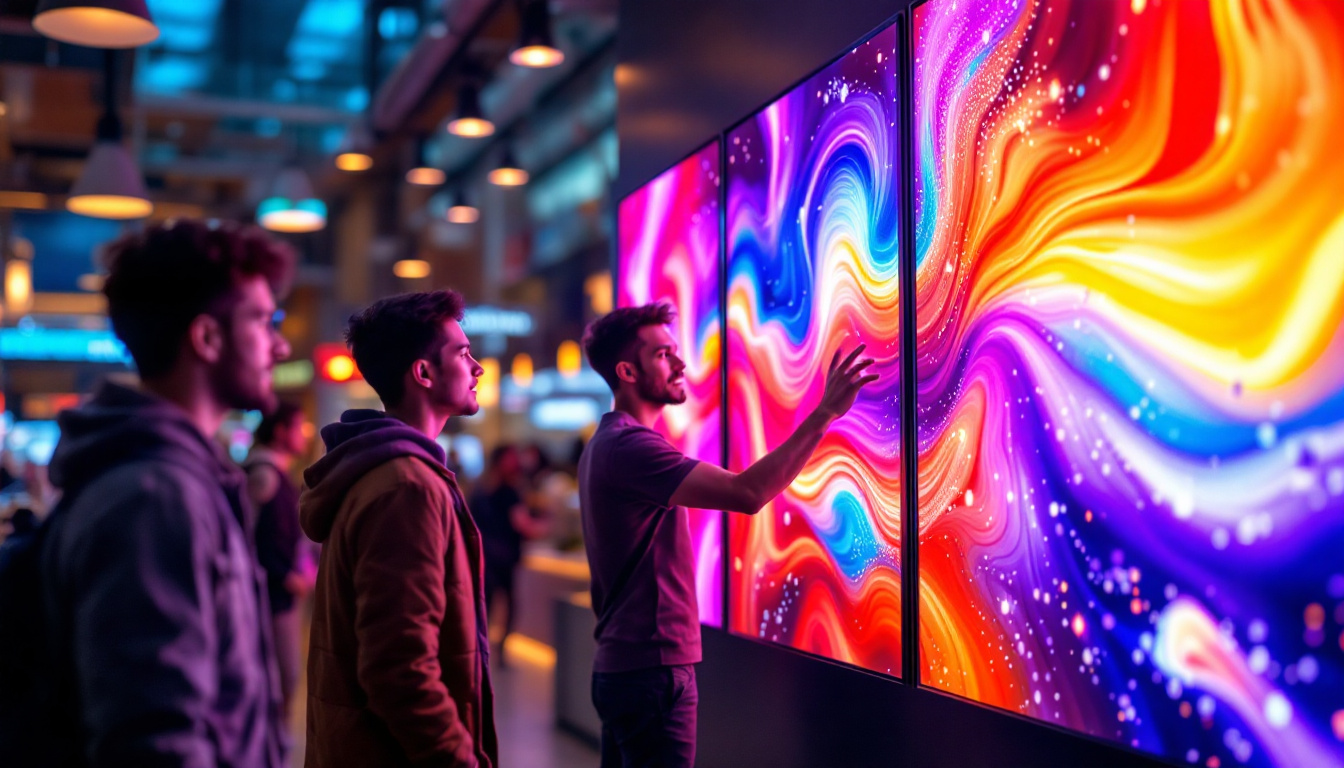
In recent years, display technology has undergone rapid evolution, pushing the boundaries of how we interact with visual content. Among the most exciting advancements is the emergence of transparent MicroLED displays. These innovative screens combine the brilliance and efficiency of MicroLED technology with the unique ability to remain see-through, opening new horizons for advertising, retail, automotive, and architectural applications. This article explores the fundamentals of transparent MicroLED displays, how they work, their advantages, and the potential impact they hold for the future of digital signage and beyond.
Understanding MicroLED Technology
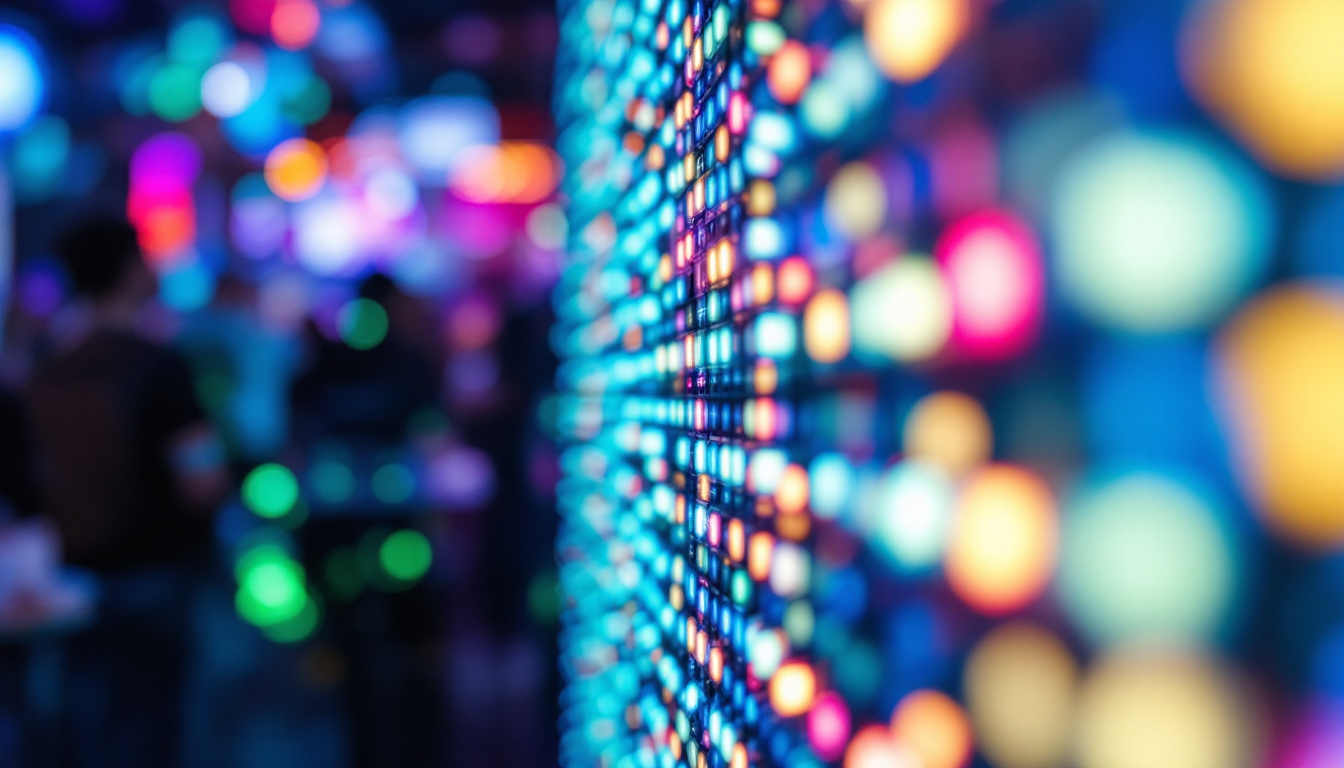
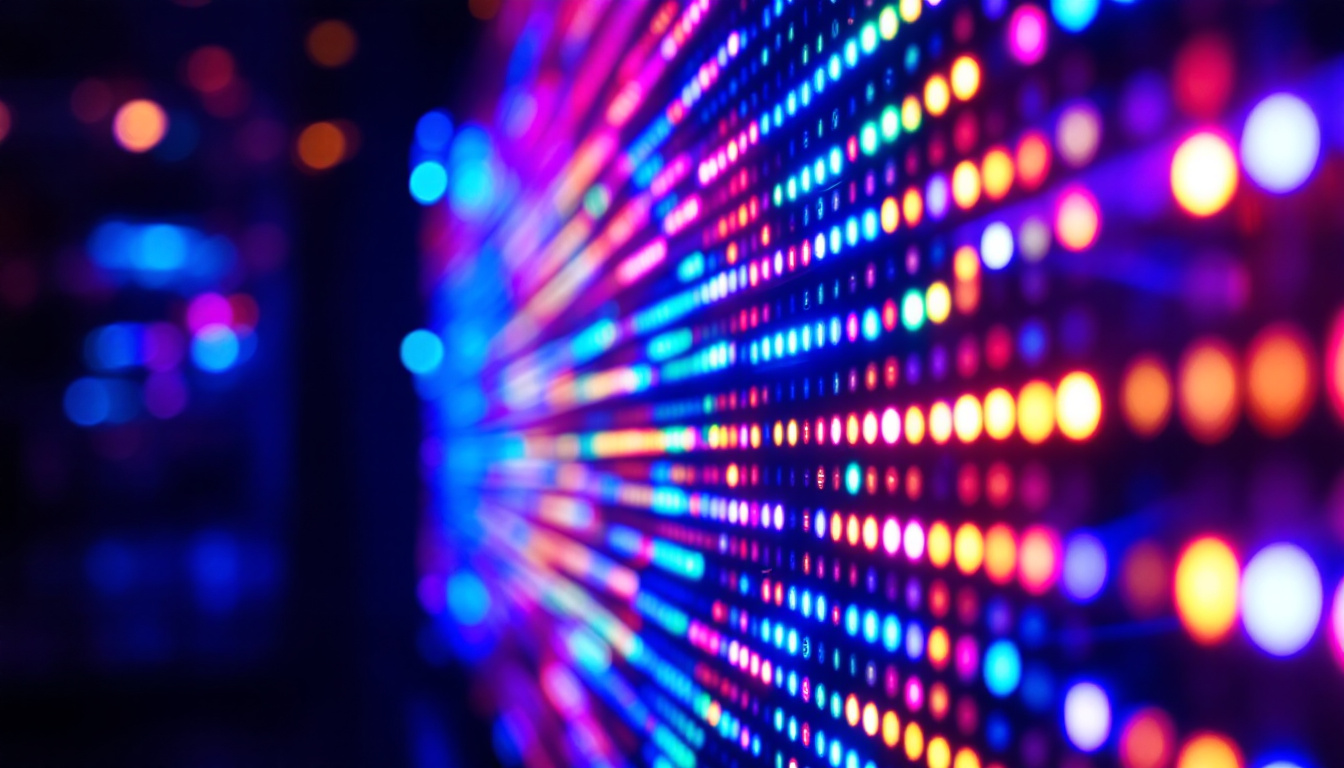
MicroLED is a cutting-edge display technology that uses microscopic light-emitting diodes to create images. Unlike traditional LED displays that rely on larger LEDs or LCDs that use backlighting, MicroLED displays consist of millions of tiny LEDs, each acting as an individual pixel. This structure allows for exceptional brightness, contrast, and color accuracy. The individual pixel control also means that MicroLED displays can achieve a wider color gamut, providing a more vibrant and lifelike viewing experience, which is particularly beneficial for applications in gaming and high-definition video content.
One of the key benefits of MicroLEDs is their self-emissive nature, meaning each diode emits its own light without requiring a backlight. This leads to deeper blacks, higher energy efficiency, and longer lifespan compared to OLED and LCD displays. Additionally, MicroLEDs are capable of achieving peak brightness levels exceeding 1,000 nits, making them suitable for outdoor and high ambient light environments. Furthermore, their durability and resistance to burn-in issues that can plague OLED technology make MicroLEDs an attractive option for both consumer and commercial applications, ensuring that the display maintains its quality over time.
How Transparent MicroLED Displays Differ
Transparent MicroLED displays take the core advantages of MicroLED technology and integrate a transparent substrate that allows light and images to pass through the screen when it is off or displaying content. This transparency is achieved by spacing the MicroLED pixels apart on a clear glass or plastic panel, typically resulting in a transparency rate between 40% and 70%, depending on the design and pixel density. The innovative design not only enhances aesthetic appeal but also opens up new possibilities for interactive applications, where users can engage with both digital and physical elements simultaneously.
Because the display is see-through, viewers can simultaneously see digital content and the physical environment behind the screen. This feature is especially valuable for applications such as retail store windows, museum exhibits, and vehicle windshields, where maintaining visibility while delivering dynamic content is essential. In retail, for instance, transparent MicroLED displays can showcase promotional content without obstructing the view of products behind the glass, creating an engaging shopping experience. Additionally, in smart cities, these displays can be integrated into public transport systems, providing real-time information while allowing passengers to see their surroundings, enhancing both safety and user experience.
Key Components of Transparent MicroLED Displays
To fully grasp how transparent MicroLED displays function, it is important to understand their key components and how they work together.
MicroLED Pixels
Each pixel in a MicroLED display is made up of red, green, and blue microscopic LEDs. These tiny LEDs are typically less than 100 micrometers in size and are precisely positioned on the transparent substrate. The spacing between pixels is critical to maintaining transparency; wider spacing increases transparency but can reduce resolution and image density. This delicate balance is essential for applications that require both clarity and detail, such as augmented reality (AR) and heads-up displays (HUDs). As technology advances, researchers are exploring new methods to enhance pixel density without sacrificing transparency, potentially allowing for even more vibrant and detailed images in future iterations of these displays.
Transparent Substrate
The transparent substrate serves as the base for the MicroLED pixels. Common materials include glass and flexible transparent polymers. The substrate must be optically clear, durable, and compatible with the MicroLED manufacturing process. Advances in materials science have enabled substrates that are not only transparent but also lightweight and flexible, expanding the potential use cases for these displays. For instance, flexible substrates can be integrated into wearable devices or curved surfaces, offering new possibilities for design and functionality. Additionally, the ability to produce substrates that can withstand various environmental conditions, such as humidity and temperature fluctuations, is crucial for outdoor applications where durability is paramount.
Driver Electronics and Integration
Driving a MicroLED display requires sophisticated electronics to control each individual LED’s brightness and color. For transparent MicroLEDs, the driver circuits are often placed at the edges or behind the display to avoid obstructing transparency. Innovations in miniaturization and circuit design have been crucial in enabling high-resolution transparent displays without compromising their see-through nature. Furthermore, advancements in wireless technology are paving the way for seamless integration with other devices, allowing for real-time data processing and display updates. This connectivity opens up exciting opportunities for interactive applications, where users can engage with the display in dynamic ways, such as through touch or gesture controls, enhancing the overall user experience and interactivity of transparent displays.
Advantages of Transparent MicroLED Displays
Transparent MicroLED technology offers a unique combination of benefits that make it attractive for a variety of industries.
High Brightness and Energy Efficiency
MicroLEDs provide superior brightness compared to OLED and LCD technologies, with peak brightness levels that can exceed 2,000 nits in some implementations. This makes transparent MicroLED displays highly visible even in direct sunlight, an essential feature for outdoor advertising and retail window displays. Moreover, their energy efficiency helps reduce power consumption, an increasingly important factor for sustainable technology deployment.
Superior Image Quality
Thanks to their self-emissive nature, MicroLED displays deliver excellent contrast ratios and vibrant colors. The absence of a backlight eliminates issues like light bleed and improves black levels, resulting in crisp and clear images. This quality is maintained even when the display is transparent, providing a visually striking experience without sacrificing clarity.
Transparency and Design Flexibility
The ability to see through the display while simultaneously viewing digital content enables creative and functional design possibilities. Retailers can showcase products behind the screen while overlaying promotional content. Architects can integrate transparent displays into building facades without blocking natural light. Automotive manufacturers can develop heads-up displays embedded directly into windshields, enhancing driver information without obstructing views.
Durability and Longevity
MicroLEDs are inorganic and robust, making them less prone to burn-in and degradation compared to OLEDs. This durability is crucial for commercial applications where displays operate for extended periods. Transparent MicroLED displays are also resistant to moisture and temperature variations, ensuring reliable performance in diverse environments.
Applications of Transparent MicroLED Displays
The unique properties of transparent MicroLED displays have led to a growing number of innovative applications across multiple sectors.
Retail and Advertising
Transparent MicroLED displays are revolutionizing retail environments by enabling dynamic, eye-catching window displays that do not obstruct the view of the merchandise behind them. Brands can deliver targeted advertisements, interactive content, and real-time promotions while maintaining an open and inviting storefront. For example, luxury retailers in major cities have begun installing transparent MicroLED panels to captivate passersby without sacrificing natural light or visibility.
Automotive Industry
In automotive design, transparent MicroLED displays are being explored for heads-up displays (HUDs) integrated directly into windshields. This technology allows drivers to receive critical information such as speed, navigation, and safety alerts without looking away from the road. The high brightness and clarity of MicroLEDs ensure visibility under various lighting conditions, enhancing safety and user experience.
Architecture and Interior Design
Architects and interior designers are incorporating transparent MicroLED displays into building facades and interior partitions. These displays can transform glass surfaces into dynamic media, displaying art, information, or advertisements while preserving transparency and natural light flow. This integration supports smart building concepts and enhances the aesthetic appeal of commercial and public spaces.
Exhibitions and Museums
Museums and exhibition spaces benefit from transparent MicroLED displays by overlaying digital information onto physical artifacts or exhibits. This creates immersive and interactive experiences for visitors, blending physical and digital content seamlessly. The transparency ensures that the display does not detract from the authenticity of the exhibit.
Challenges and Future Outlook
Despite their promising advantages, transparent MicroLED displays face several challenges that must be addressed to achieve widespread adoption.
Manufacturing Complexity and Cost
Producing transparent MicroLED displays involves complex processes, including precise placement of microscopic LEDs on transparent substrates and integration of driver electronics without compromising transparency. These manufacturing challenges contribute to higher production costs compared to conventional displays. However, ongoing advancements in automated assembly and mass transfer techniques are gradually reducing costs.
Balancing Transparency and Resolution
Achieving high transparency often requires spacing pixels further apart, which can reduce resolution and image density. Manufacturers must carefully balance these factors to meet the needs of specific applications. Innovations in pixel design and substrate materials continue to improve this balance, enabling sharper images without sacrificing transparency.
Standardization and Ecosystem Development
As transparent MicroLED technology matures, the development of industry standards and compatible content ecosystems will be critical. Ensuring interoperability with existing digital signage platforms, content management systems, and control software will facilitate easier integration and deployment.
Looking Ahead
Transparent MicroLED displays represent a significant leap forward in display technology, combining high performance with unique see-through capabilities. As manufacturing techniques improve and costs decrease, it is expected that these displays will become more prevalent across retail, automotive, architecture, and entertainment sectors. The ability to seamlessly blend digital content with the physical environment holds transformative potential for how information and media are presented in public and private spaces.
Conclusion
Transparent MicroLED displays are at the forefront of the next generation of visual technology, offering unparalleled brightness, energy efficiency, and design flexibility. By enabling digital content to coexist with the physical world without obstruction, they open new creative and functional possibilities for businesses and consumers alike. While challenges remain in manufacturing and cost, the trajectory of innovation suggests that transparent MicroLEDs will play a pivotal role in shaping the future of displays, redefining how people engage with digital information in everyday environments.
Discover the Future of Display Technology with LumenMatrix
Embrace the innovation of transparent MicroLED displays and explore the vast array of LED display solutions offered by LumenMatrix. As a pioneer in the industry, LumenMatrix is committed to revolutionizing visual communication with displays that not only provide exceptional brightness and energy efficiency but also redefine engagement and interaction in various spaces. Whether you’re looking to enhance your retail space, captivate audiences in outdoor settings, or integrate cutting-edge technology into vehicles, LumenMatrix has a solution tailored to your needs. Check out LumenMatrix LED Display Solutions today and step into a world where digital clarity meets innovative design.