The evolution of display technology has always been driven by the desire to create more immersive, intuitive, and visually appealing user experiences. Among the latest innovations, transparent touch screen computer monitors stand out as a remarkable fusion of design and functionality. These devices combine the clarity and interactivity of touch screens with the futuristic appeal of transparency, enabled largely by advanced LED display technologies.
This article explores the technology behind transparent touch screen monitors, focusing on LED displays, their working principles, applications, benefits, and challenges. Whether you are a tech enthusiast, a professional in the display industry, or a business owner considering this technology for your workspace, understanding the nuances of transparent LED touch screens will help you make informed decisions.
What Is a Transparent Touch Screen Monitor?
A transparent touch screen monitor is a display device that allows users to see through the screen while simultaneously interacting with digital content displayed on it. Unlike traditional opaque monitors, these screens maintain a level of transparency, blending digital visuals with the physical environment behind the display.
These monitors integrate touch-sensitive layers over transparent LED or OLED panels, enabling users to tap, swipe, and manipulate on-screen elements directly. The transparency factor opens up innovative possibilities in retail, advertising, industrial design, and smart home environments. For instance, in a retail setting, a transparent touch screen can showcase product information while allowing customers to view the actual items behind the display, creating an engaging shopping experience that combines physical and digital elements seamlessly.
Furthermore, these monitors can be utilized in museums and exhibitions, where they can provide interactive content overlaid on artifacts, enhancing educational experiences without obstructing the view of the objects. This technology not only captivates visitors but also encourages deeper engagement by allowing them to explore additional information with just a touch.
Key Features of Transparent Touch Screen Monitors
Transparency: The defining characteristic is the ability to see objects behind the screen clearly, with transparency levels typically ranging from 30% to 70%, depending on the technology and application.
Touch Interactivity: Capacitive or infrared touch technologies are embedded to detect user input, allowing for multi-touch gestures similar to smartphones and tablets. This interactivity is crucial in environments where quick access to information is essential, such as in control rooms or during presentations, where users can navigate through data effortlessly.
High Resolution and Brightness: To ensure readability and vivid color reproduction despite transparency, these monitors employ high-brightness LED backlighting and high-resolution panels. The combination of these features ensures that even in brightly lit environments, the content remains visible and engaging. Additionally, some models are designed with anti-glare coatings to further enhance visibility, making them suitable for outdoor applications where sunlight can be a significant challenge.
How Do Transparent LED Displays Work?
At the heart of transparent touch screen monitors lies LED display technology, which has been adapted to maintain transparency without compromising image quality. Understanding the basic working principle of LEDs and how they are arranged in transparent displays is crucial.
LED Technology Basics
LED stands for Light Emitting Diode, a semiconductor device that emits light when an electric current passes through it. LEDs are widely used in display technology due to their energy efficiency, brightness, and long lifespan.
Traditional LED displays are composed of dense arrays of LEDs that produce images by illuminating pixels in different colors. However, these are typically opaque, blocking light and visibility behind the screen.
Transparent LED Display Structure
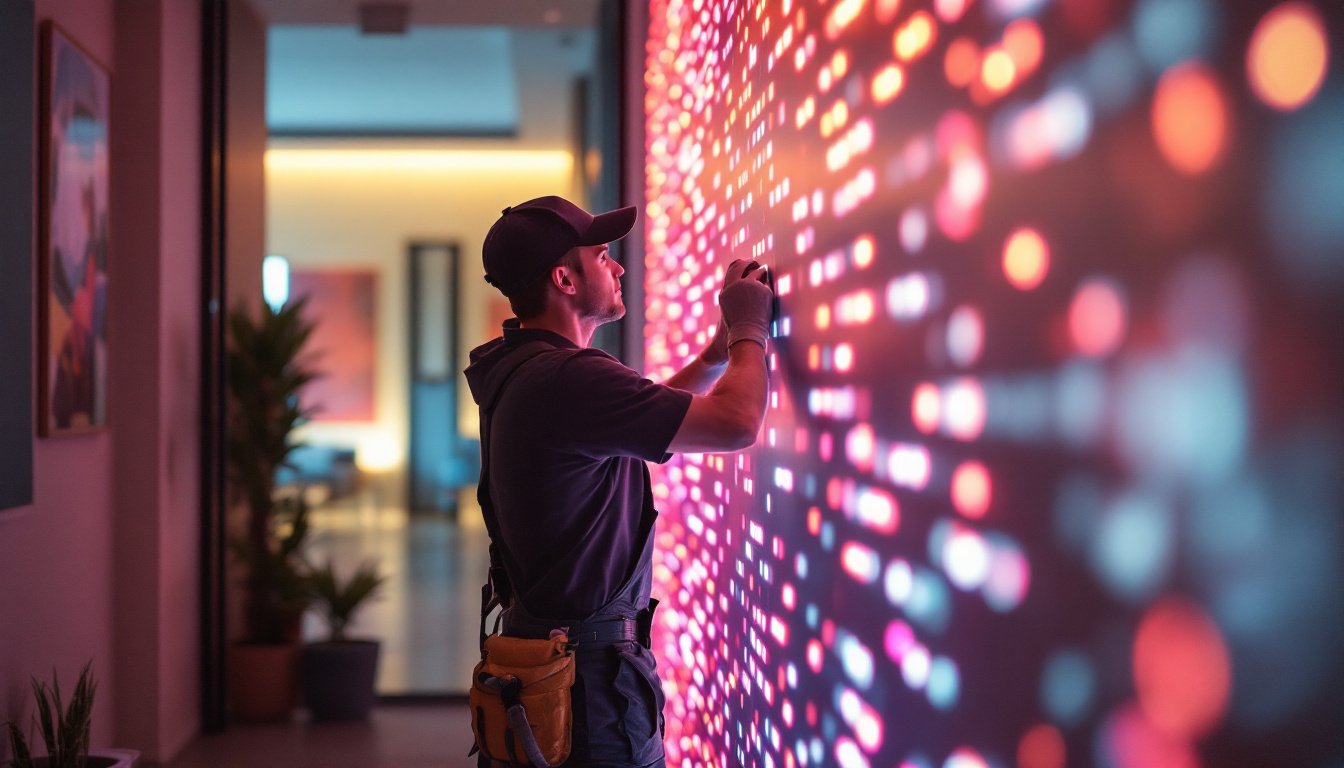
Transparent LED displays use a sparse arrangement of tiny LED modules mounted on a transparent substrate such as glass or acrylic. This design allows light and images to be emitted while maintaining see-through areas between the LEDs.
The pixel pitch—the distance between individual LEDs—is larger than in conventional displays, creating gaps that enable transparency. Advances in miniaturization and LED brightness have improved image quality and transparency balance.
Incorporating Touch Technology
To enable touch functionality, transparent touch screen monitors integrate capacitive or infrared touch sensors on or within the display surface. Capacitive touch sensors detect changes in electrical charge caused by finger contact, while infrared sensors use light beams across the screen to detect touch points.
These sensors must be carefully designed to maintain transparency and not interfere with the LED display’s brightness or clarity. The integration of touch technology not only enhances user interaction but also opens up a myriad of applications across various industries. For instance, in retail environments, transparent displays can showcase products while allowing customers to interact with the information seamlessly, creating an engaging shopping experience.
Moreover, the versatility of transparent LED displays extends beyond retail. In architectural design, these displays can be incorporated into windows or glass walls, allowing for dynamic advertising or information sharing without obstructing views. This innovative use of technology not only enhances aesthetic appeal but also transforms the way spaces are utilized, merging digital content with the physical environment in a truly captivating manner.
Advantages of Transparent Touch Screen LED Monitors
Transparent touch screen monitors offer unique benefits that differentiate them from conventional displays. These advantages make them appealing for a variety of commercial and industrial applications.
Enhanced User Engagement and Experience
The combination of transparency and touch interactivity creates a captivating user experience. For example, in retail environments, shoppers can interact with product information displayed on glass shelves or windows without losing sight of the physical products behind the screen.
This layered experience encourages exploration and can increase customer engagement and sales conversion rates.
Space-Saving and Aesthetic Appeal
Transparent monitors can double as windows or partitions, saving space and reducing clutter. Their futuristic look enhances the aesthetic appeal of modern offices, showrooms, and public spaces.
Architects and interior designers are increasingly incorporating transparent screens into smart building designs to create interactive walls and surfaces.
Versatility Across Industries
Transparent touch screen monitors find applications in diverse fields such as:
- Retail: Interactive window displays and product showcases.
- Advertising: Eye-catching digital signage that integrates with physical environments.
- Automotive: Heads-up displays (HUDs) that overlay information on windshields.
- Healthcare: Transparent monitors for medical imaging and interactive patient care.
- Industrial: Control panels and monitoring systems that allow operators to see machinery behind the screen.
Challenges and Limitations
Despite their advantages, transparent touch screen LED monitors face certain technical and practical challenges that affect their adoption and performance.
Brightness and Contrast Trade-offs
Maintaining high brightness and contrast while preserving transparency is a delicate balance. The gaps between LEDs reduce pixel density, which can lead to lower image sharpness and color saturation compared to traditional displays.
Manufacturers must optimize LED brightness and panel design to ensure content remains visible even in brightly lit environments.
Cost and Manufacturing Complexity
Transparent LED displays are more expensive to produce due to the specialized materials and complex assembly processes involved. The integration of touch sensors without compromising transparency adds to the manufacturing challenges.
As a result, these monitors currently target premium markets and niche applications rather than mass consumer use.
Durability and Maintenance
Because transparent monitors often use glass substrates and delicate components, they can be more fragile than conventional screens. Ensuring durability and ease of maintenance is critical, especially in public or industrial settings.
Future Trends and Innovations
The transparent touch screen monitor market is evolving rapidly, driven by technological breakthroughs and growing demand for innovative display solutions.
Advances in Micro-LED and OLED Technologies
Micro-LED displays, featuring microscopic LEDs, promise higher pixel densities and better image quality with improved transparency. Similarly, transparent OLED (Organic Light Emitting Diode) displays offer excellent color reproduction and flexibility, though they currently face challenges in brightness and lifespan.
Combining these technologies with touch capabilities could redefine the standards for transparent monitors in the near future.
Integration with Augmented Reality (AR) and Smart Environments
Transparent touch screens are poised to become integral components of AR systems, where digital content overlays seamlessly with the real world. Smart homes, offices, and retail spaces will leverage these displays for interactive windows, mirrors, and walls that respond to user input.
Such integration will enhance productivity, entertainment, and communication by blending physical and digital realms.
Improved Energy Efficiency and Sustainability
As energy efficiency becomes a priority, transparent LED displays are being optimized to consume less power without sacrificing performance. Sustainable materials and manufacturing processes are also gaining focus to reduce environmental impact.
Practical Considerations When Choosing a Transparent Touch Screen Monitor
For businesses and individuals interested in adopting transparent touch screen monitors, several factors should be carefully evaluated to ensure the technology meets specific needs.
Transparency Level and Viewing Angle
Determine the required transparency percentage based on how much visibility of the background is needed. Also, consider the viewing angles to ensure the display is clearly visible from different positions.
Touch Sensitivity and Multi-Touch Support
Evaluate the touch technology used and its responsiveness. Multi-touch capability is essential for complex interactions and gestures.
Resolution and Brightness
Higher resolution and brightness are crucial for displaying detailed content and maintaining readability in various lighting conditions.
Size and Installation Environment
Choose a size that fits the intended space and consider environmental factors such as ambient light, temperature, and potential physical impacts.
Budget and Support
Transparent touch screen monitors represent a significant investment. Assess total costs, including installation, maintenance, and potential upgrades. Also, ensure the vendor provides adequate technical support and warranty coverage.
Conclusion
Transparent touch screen computer monitors powered by LED display technology represent a fascinating convergence of innovation, design, and user interactivity. While still emerging and relatively costly, these displays offer unique advantages in engagement, aesthetics, and versatility that traditional monitors cannot match.
As LED and related display technologies continue to advance, transparent touch screens are expected to become more accessible and widely adopted across industries. Understanding their underlying technology, benefits, and limitations is essential for anyone looking to leverage this cutting-edge display solution in the modern digital landscape.
Discover Transparent LED Excellence with LumenMatrix
Ready to elevate your space with the latest in transparent touch screen technology? LumenMatrix is at the forefront of LED innovation, offering a wide range of solutions tailored to bring your visual communications to life. From captivating Indoor and Outdoor LED Wall Displays to dynamic Vehicle and Sports LED Displays, our products are designed to engage and inspire. Experience the future of display technology with our Transparent LED Displays and more. Check out LumenMatrix LED Display Solutions today and transform your business’s visual impact.