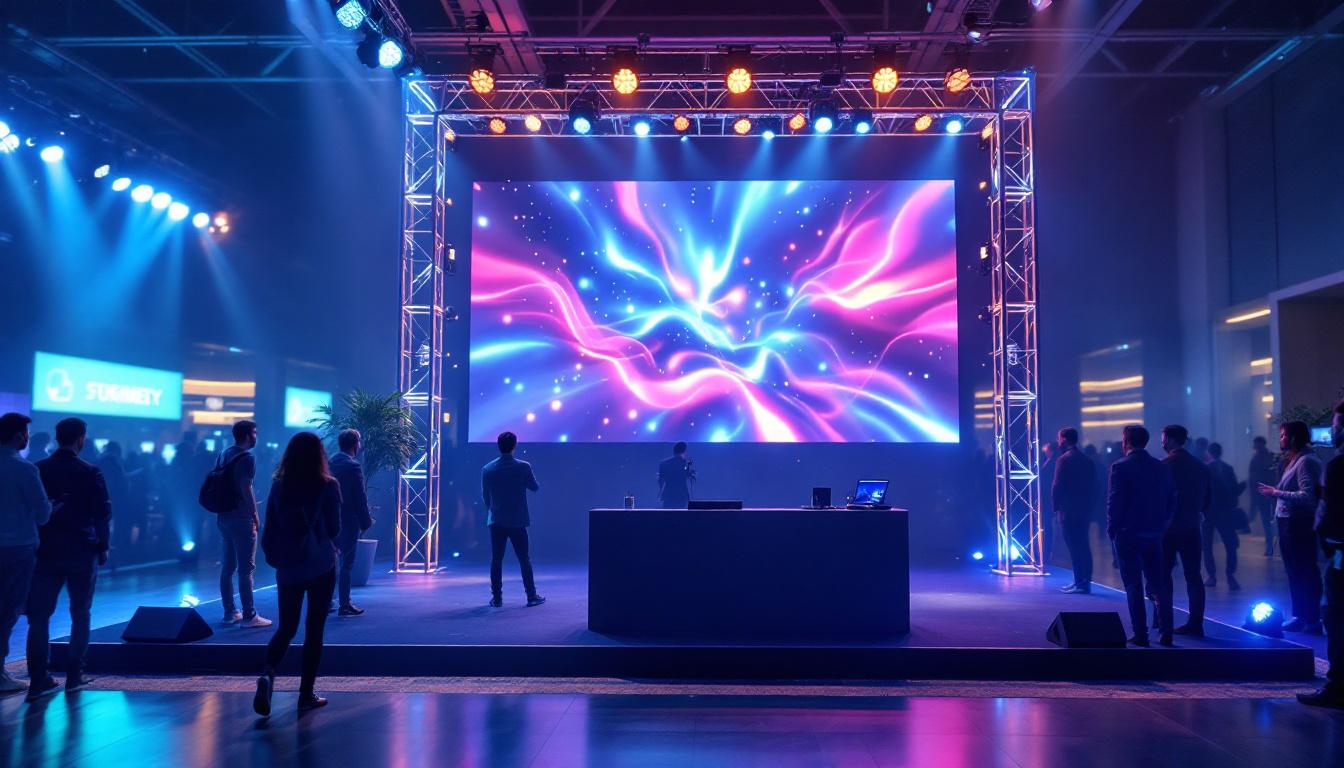
In the world of event production, advertising, and large-scale presentations, LED displays have become an indispensable tool for delivering vibrant, high-impact visuals. Central to the effective deployment of these displays is the truss stand—a structural framework that supports and elevates LED screens to optimal viewing heights. Understanding the relationship between truss stands and LED displays is crucial for event planners, rental companies, and audiovisual professionals aiming to create seamless, safe, and visually stunning setups.
What is a Truss Stand?
A truss stand is a modular framework typically made from lightweight yet robust materials such as aluminum alloy. It is designed to support heavy equipment, including lighting fixtures, speakers, and, most notably, LED displays. The truss system’s geometric design—usually triangular or square cross-sections—provides exceptional strength-to-weight ratios, making it ideal for temporary or permanent installations.
Truss stands come in various shapes and sizes, from simple vertical towers to complex overhead rigs. Their modular nature allows for customization and scalability, accommodating LED screens of different sizes and weights. The ability to quickly assemble and disassemble truss stands makes them a favorite choice for touring concerts, trade shows, corporate events, and outdoor festivals.
Materials and Construction
Aluminum is the most common material used in truss construction due to its combination of light weight, durability, and corrosion resistance. This makes it easy to transport and assemble while ensuring long-term reliability. Steel trusses are also used in applications where maximum strength is necessary, though they are heavier and less portable.
The truss sections are connected using pins and bolts, allowing for flexible configurations. This modularity means that truss stands can be adapted to support LED displays of varying dimensions and weights, from small indoor panels to massive outdoor video walls. Additionally, many truss systems are designed with safety in mind, featuring load ratings and certifications that ensure they can handle the specific weight and stress of the equipment they support. This is particularly important in high-stakes environments like concerts or live broadcasts, where equipment failure could lead to costly delays or safety hazards.
Furthermore, truss stands often incorporate features such as integrated cable management systems, which help keep power and data cables organized and out of sight, enhancing the overall aesthetic of the setup. Some models even allow for the attachment of additional accessories, such as banners or lighting, providing even more versatility. As technology continues to evolve, manufacturers are also experimenting with new materials and designs, pushing the boundaries of what truss stands can achieve in terms of both functionality and visual appeal.
Understanding LED Displays
LED (Light Emitting Diode) displays have revolutionized visual communication by offering bright, energy-efficient, and highly visible screens. Unlike traditional LCD or projection systems, LED displays emit their own light, allowing for superior brightness and contrast even in direct sunlight.
LED displays are composed of numerous tiny diodes arranged in a grid. These diodes can be individually controlled to produce millions of colors, enabling vibrant and dynamic content presentation. The pixel pitch—the distance between individual diodes—determines the resolution and viewing distance of the display. Smaller pixel pitches are ideal for close-up viewing, while larger pitches suit distant audiences.
Types of LED Displays
There are two primary types of LED displays used in conjunction with truss stands:
- Indoor LED Displays: Designed for controlled environments, these displays have finer pixel pitches (often 1.2mm to 3mm) and are optimized for close-range viewing. They are lighter and less weather-resistant.
- Outdoor LED Displays: Built to withstand weather elements, these displays have larger pixel pitches (typically 4mm to 20mm), higher brightness levels (up to 7000 nits or more), and robust enclosures to protect against moisture, dust, and temperature variations.
The Role of Truss Stands in LED Display Deployment
Truss stands play a critical role in the successful deployment of LED displays by providing structural support, ensuring safety, and enhancing the overall visual experience. The synergy between the truss system and the LED display determines the stability, visibility, and aesthetic appeal of the installation.
Structural Support and Safety
LED displays, especially large-scale video walls, can be heavy and require precise mounting to avoid structural failure. Truss stands distribute the load evenly and provide anchor points for securing the display panels. This is particularly important in outdoor settings where wind loads and environmental factors can impose additional stresses.
Safety standards and regulations often dictate the design and construction of truss stands. For example, the Entertainment Services and Technology Association (ESTA) and the Occupational Safety and Health Administration (OSHA) provide guidelines to ensure that truss structures are engineered to withstand specific load capacities and environmental conditions.
Optimal Viewing Angles and Height
Truss stands enable LED displays to be positioned at heights and angles that maximize audience visibility. For concerts and festivals, elevating the screen ensures that even attendees at the back can clearly see the content. In retail or trade show environments, adjustable truss stands allow for customization based on venue size and layout.
Additionally, truss systems can be configured to create curved or angled video walls, enhancing the immersive experience. This flexibility is vital for creative event designs and branding opportunities.
Key Considerations When Choosing a Truss Stand for LED Displays
Selecting the right truss stand for an LED display involves evaluating several factors to ensure compatibility, safety, and performance. The following considerations are essential for making an informed choice.
Load Capacity and Weight Distribution
The truss stand must support the total weight of the LED display, including any additional equipment such as speakers or lighting fixtures attached to the same structure. Manufacturers typically specify maximum load capacities, and it’s crucial to adhere to these limits to prevent accidents.
Weight distribution should be even to avoid undue stress on any single point. Using spreader plates or base plates can help distribute the load more effectively, especially on soft or uneven ground.
Environmental Conditions
Outdoor installations require truss stands that can withstand wind, rain, and temperature fluctuations. Wind load calculations are critical; for example, a 10m x 5m LED screen can experience significant wind pressure, necessitating reinforced truss structures and secure anchoring.
Corrosion resistance is also important for longevity, especially in coastal or humid environments. Powder-coated finishes and stainless steel hardware are common enhancements for outdoor trusses.
Portability and Assembly Time
For touring events or temporary installations, ease of transport and quick assembly are top priorities. Lightweight aluminum trusses with modular connections can be assembled by a small crew using basic tools, reducing labor costs and setup time.
Some truss stands come with integrated wheels or foldable designs to facilitate movement and storage, further enhancing operational efficiency.
Compatibility with LED Display Mounting Systems
LED display manufacturers often provide specific mounting brackets or frames designed to interface with truss systems. Ensuring that the truss stand is compatible with these mounting solutions is essential for secure attachment and alignment.
Adjustable mounting points on the truss allow for fine-tuning the display position, which is critical for multi-panel video walls requiring precise alignment to avoid visible seams or gaps.
Innovations and Trends in Truss Stand and LED Display Integration
The rapid advancement of LED technology and event production techniques has driven innovations in truss stand design and functionality. Staying abreast of these trends can provide competitive advantages in the industry.
Lightweight and High-Strength Materials
New alloys and composite materials are being developed to reduce the weight of truss stands without compromising strength. This allows for larger LED displays to be supported with less structural bulk, improving aesthetics and reducing transportation costs.
Smart Truss Systems with Integrated Technology
Emerging smart truss systems incorporate sensors and IoT technology to monitor structural integrity, load stresses, and environmental conditions in real-time. This enhances safety by providing early warnings of potential issues and streamlines maintenance.
Modular and Flexible Configurations
Modern truss stands offer greater modularity, enabling rapid reconfiguration for different event types. This flexibility supports creative LED display arrangements such as curved walls, suspended arrays, and multi-level installations, expanding design possibilities.
Case Studies: Successful Truss Stand and LED Display Deployments
Examining real-world examples highlights the practical applications and benefits of well-engineered truss stand and LED display setups.
Outdoor Music Festival
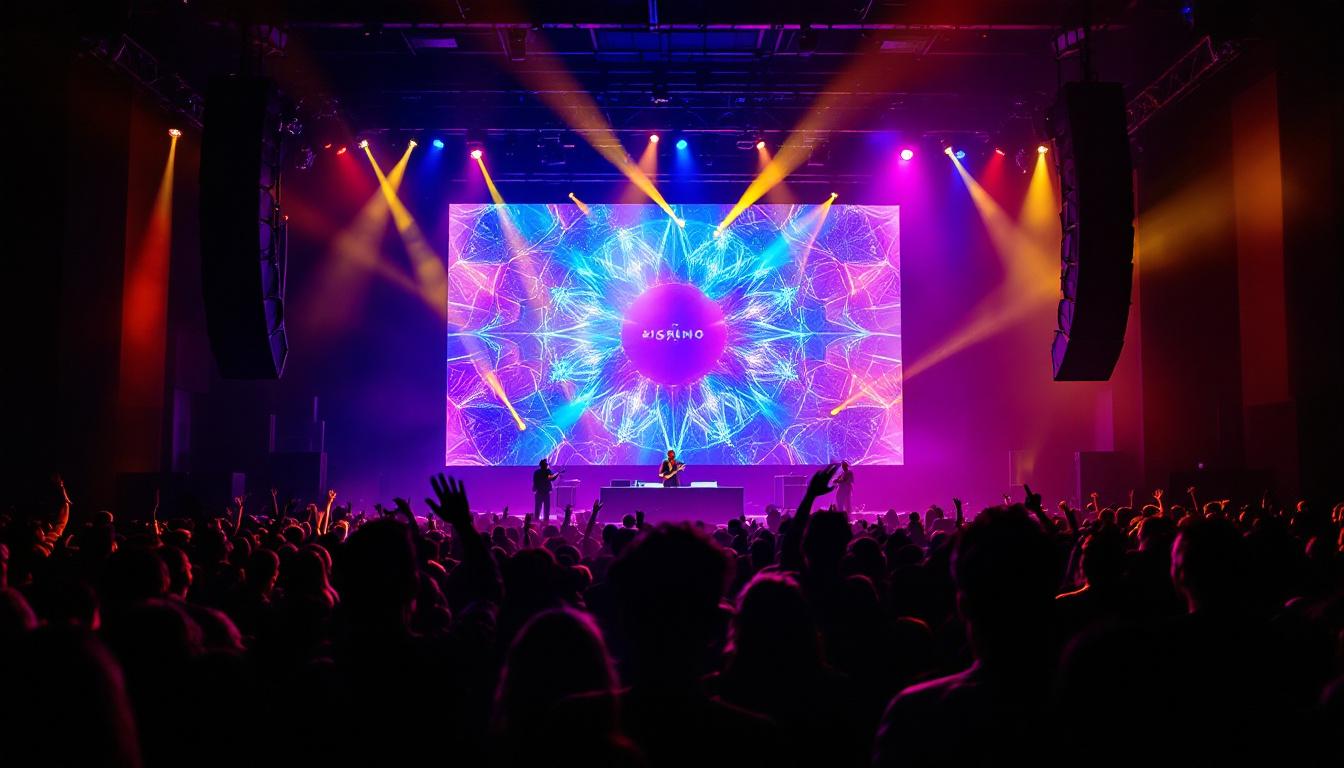
At a major outdoor music festival hosting over 50,000 attendees, a 20m x 10m LED video wall was mounted on a reinforced aluminum truss stand. The truss was engineered to withstand wind speeds up to 90 km/h, ensuring safety throughout the event. The elevated display provided clear visuals to the entire audience, enhancing the concert experience and enabling dynamic stage graphics.
Corporate Trade Show
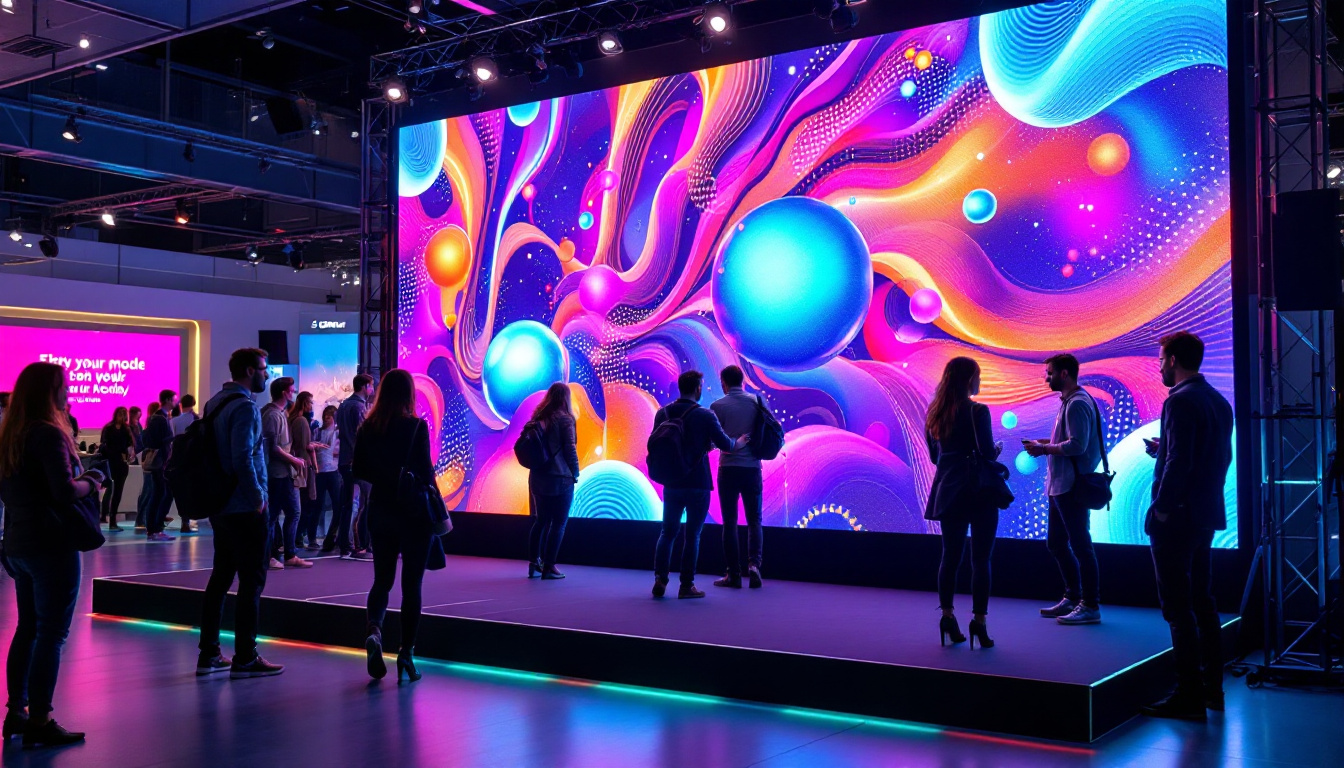
A technology company showcased its latest products at an international trade show using a multi-panel indoor LED display mounted on a lightweight truss stand. The modular design allowed for quick assembly and disassembly within tight venue schedules. The high-resolution display attracted significant foot traffic, boosting brand visibility and engagement.
Sports Arena Installation
A professional sports arena installed a permanent LED scoreboard supported by a custom steel truss stand. The structure was designed to accommodate the heavy display and integrate with existing lighting and sound systems. The result was a visually impressive centerpiece that improved fan experience and advertising revenue.
Conclusion
The combination of truss stands and LED displays represents a powerful synergy in modern visual communication and event production. Truss stands provide the essential structural support, safety, and flexibility required to maximize the impact of LED screens, whether in intimate indoor settings or expansive outdoor venues.
Understanding the technical aspects, environmental considerations, and emerging trends in truss stand and LED display integration enables professionals to design and execute installations that are not only visually stunning but also safe and efficient. As LED technology continues to evolve, so too will the supporting truss systems, opening new possibilities for creative and immersive audience experiences.
Discover LumenMatrix’s Advanced LED Display Solutions
Ready to elevate your event production or advertising campaign with cutting-edge LED technology? LumenMatrix is at the forefront of LED display innovation, offering a wide range of solutions that bring your visual communication to life. From the immersive Indoor LED Wall Display to the dynamic Outdoor LED Wall Display, and from the versatile Vehicle LED Display to the stunning LED Transparent Display, our products are designed to captivate your audience and amplify your message. Experience the future of digital signage with LumenMatrix and transform your space into a visual spectacle. Check out LumenMatrix LED Display Solutions today and see the difference for yourself.