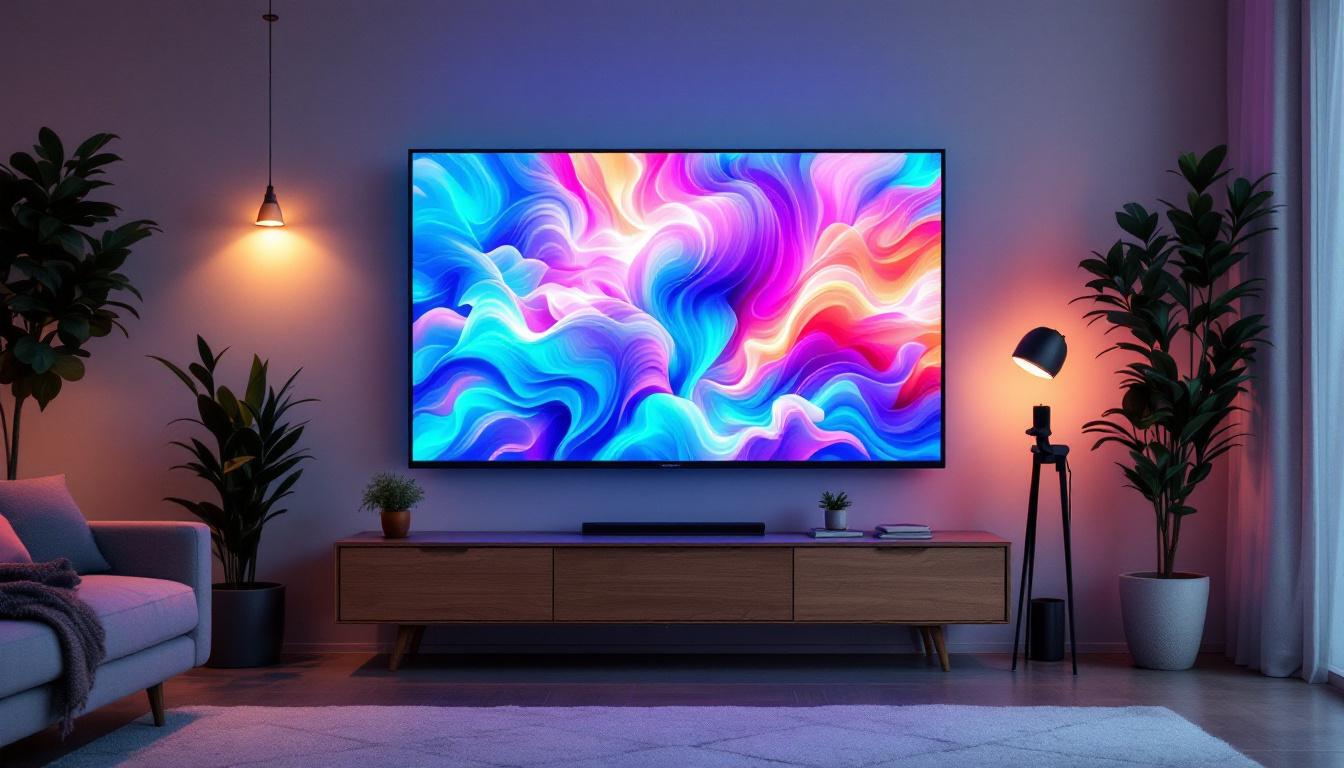
In the rapidly evolving world of television technology, understanding the intricacies behind display types can greatly enhance your viewing experience and purchasing decisions. Among the various display technologies, LED displays have become the dominant choice for modern TVs, offering a blend of vibrant visuals, energy efficiency, and sleek designs. This article delves into the fundamentals of LED displays, their advantages, how they compare to other technologies, and what consumers should consider when selecting an LED TV.
Understanding LED Display Technology
At its core, an LED TV is essentially an LCD (Liquid Crystal Display) television that uses Light Emitting Diodes (LEDs) as its backlighting source. This distinction is crucial because the term “LED TV” can sometimes be misleading, suggesting that the display itself is made up of LEDs, when in fact, the LEDs serve to illuminate the LCD panel.
The LCD panel controls the image by manipulating liquid crystals to block or allow light to pass through color filters, creating the pixels that form the images on screen. The LEDs provide the necessary light behind the panel, replacing the older cold cathode fluorescent lamps (CCFLs) used in traditional LCD TVs.
Types of LED Backlighting
LED backlighting comes in several configurations, each influencing picture quality and design:
- Edge-Lit LED: LEDs are placed around the edges of the screen, and light is distributed across the display using light guides. This design allows for thinner TVs but can sometimes lead to uneven brightness and contrast.
- Direct-Lit LED: LEDs are placed directly behind the LCD panel but in a uniform grid. This setup improves brightness uniformity but typically results in thicker TV designs.
- Full-Array LED: Similar to direct-lit but with more LEDs arranged in zones that can be independently dimmed or brightened, offering better contrast and black levels.
- Mini-LED: A recent advancement where thousands of tiny LEDs replace traditional LEDs, allowing for even more precise local dimming and improved picture quality.
In addition to these configurations, it’s important to note that the technology behind LED displays continues to evolve rapidly. For instance, many manufacturers are now incorporating Quantum Dot technology into their LED TVs. This innovation enhances color accuracy and brightness by using semiconductor nanocrystals that emit specific colors when illuminated by the LED backlight. As a result, viewers can enjoy a wider color gamut and more vibrant images, making the viewing experience more immersive and lifelike.
Moreover, the rise of OLED (Organic Light Emitting Diode) technology has sparked a fascinating debate in the realm of display technology. Unlike LED TVs, which rely on backlighting, OLED panels emit their own light, allowing for true blacks and superior contrast ratios. This fundamental difference has led to a growing interest in OLED displays, especially among cinephiles and gamers who prioritize picture quality. As the competition between LED and OLED technologies heats up, consumers are presented with a wealth of options, each with its own set of advantages and trade-offs, making it an exciting time to explore the world of television displays.
Advantages of LED Displays in TVs
LED TVs have surged in popularity due to their numerous benefits over older display technologies. These advantages have made LED the standard for most new televisions on the market.
Energy Efficiency and Longevity
Compared to CCFL-backlit LCDs and plasma displays, LED TVs consume significantly less power. This energy efficiency not only reduces electricity bills but also contributes to a smaller environmental footprint. Additionally, LEDs have a longer lifespan, often exceeding 60,000 hours of use, which translates to many years of reliable performance without significant degradation. This longevity means that consumers can enjoy their investment for a longer period, reducing the frequency of replacements and the associated environmental impact of manufacturing and disposing of electronic devices.
Improved Picture Quality
LED backlighting allows for higher brightness levels, which enhances HDR (High Dynamic Range) content by making highlights more vivid and lifelike. Full-array and mini-LED configurations provide superior local dimming capabilities, resulting in deeper blacks and better contrast ratios. This enhancement is particularly noticeable in dark scenes where traditional LCDs might struggle with light bleed. Furthermore, the color accuracy of LED displays has improved dramatically, enabling viewers to experience a broader spectrum of colors that are closer to what the human eye perceives in real life. This makes LED TVs particularly appealing for movie enthusiasts and gamers who seek an immersive viewing experience.
Design Flexibility
The compact size of LEDs enables manufacturers to produce ultra-thin and lightweight TVs. Edge-lit LED designs, in particular, have driven the trend toward sleek, minimalist television sets that blend seamlessly into modern living spaces. The versatility in design also allows for innovative features such as wall-mounting and the integration of smart technology, making it easier for consumers to incorporate these devices into their home decor. Additionally, many LED TVs now come equipped with customizable settings and aesthetic options, allowing users to change the appearance of their screens to match their personal style or mood, further enhancing the overall viewing experience.
LED vs. Other TV Display Technologies
To fully appreciate the strengths and limitations of LED TVs, it’s important to compare them with other prevalent display technologies such as OLED and QLED.
LED vs. OLED
OLED (Organic Light Emitting Diode) displays differ fundamentally from LED TVs. OLED pixels emit their own light, allowing for perfect black levels and infinite contrast ratios because pixels can be turned off individually. This results in exceptional picture quality, especially in dark scenes.
However, OLEDs tend to be more expensive and can be susceptible to burn-in, where static images leave a permanent mark on the screen. LED TVs, especially those with mini-LED backlighting, have narrowed the gap in picture quality while offering better brightness and generally longer lifespan.
LED vs. QLED
QLED (Quantum Dot LED) is a marketing term used primarily by certain manufacturers to describe LED TVs enhanced with quantum dot technology. Quantum dots are microscopic semiconductor particles that improve color accuracy and brightness.
QLED TVs are essentially LED TVs with a quantum dot layer, which means they benefit from the same backlighting methods but deliver richer colors and higher peak brightness. For consumers seeking vibrant colors and bright viewing environments, QLED represents a compelling option within the LED TV category.
Key Features to Consider When Buying an LED TV
Choosing the right LED TV involves more than just picking a brand or screen size. Several technical aspects can significantly impact your viewing experience.
Resolution and Screen Size
Resolution determines the clarity and detail of the image. While Full HD (1080p) remains common, 4K Ultra HD (2160p) has become the standard for new LED TVs, offering four times the pixel count of 1080p. For larger screen sizes, 4K resolution is particularly beneficial to maintain sharpness.
Screen size should be selected based on viewing distance and room size. A general guideline is to sit at a distance approximately 1.5 to 2.5 times the diagonal screen size for 4K TVs to optimize immersion without noticing individual pixels.
Refresh Rate and Motion Handling
The refresh rate, measured in hertz (Hz), indicates how many times per second the image is updated. Higher refresh rates (120Hz or above) provide smoother motion, which is especially important for fast-paced content like sports and gaming.
Some LED TVs use motion interpolation technology to artificially increase refresh rates, but this can sometimes introduce unnatural motion artifacts. It’s advisable to test motion handling in person or rely on expert reviews.
HDR Support
HDR enhances the dynamic range of images, allowing for brighter highlights and deeper shadows. Popular HDR formats include HDR10, Dolby Vision, and HLG. When purchasing an LED TV, ensure it supports the HDR formats used by your preferred streaming services or media.
Smart TV Features and Connectivity
Most modern LED TVs come equipped with smart platforms that provide access to streaming apps, voice assistants, and screen mirroring. Consider the user interface, app availability, and compatibility with other devices in your home ecosystem.
Connectivity options such as multiple HDMI ports, USB inputs, and support for HDMI 2.1 can future-proof your TV for gaming consoles, soundbars, and other peripherals.
Future Trends in LED Display Technology
LED display technology continues to advance, with innovations aimed at enhancing picture quality, reducing power consumption, and enabling new form factors.
Mini-LED and Micro-LED
Mini-LED technology, which uses thousands of tiny LEDs for backlighting, is becoming increasingly popular in high-end LED TVs. This approach improves local dimming precision, contrast, and brightness without the high cost of OLED.
Micro-LED represents the next frontier, with self-emissive pixels similar to OLED but using inorganic LEDs. This technology promises the perfect combination of brightness, contrast, and longevity, though it is currently limited to premium and large-scale displays.
Improved Color Accuracy and HDR Standards
Quantum dot technology and new color filters are pushing LED TVs closer to the color accuracy of professional monitors. Meanwhile, emerging HDR standards like HDR10+ Adaptive dynamically adjust brightness and contrast based on ambient lighting conditions, improving viewing comfort and realism.
Conclusion
LED TVs have transformed the home entertainment landscape by offering a versatile, energy-efficient, and high-quality display solution. Understanding the technology behind LED displays, including backlighting methods and how they compare to OLED and QLED, empowers consumers to make informed choices tailored to their viewing preferences and budgets.
As LED technology continues to evolve with innovations like mini-LED and improved HDR capabilities, it remains a compelling option for those seeking vibrant visuals and reliable performance. Whether upgrading an existing TV or purchasing a new one, considering factors such as resolution, refresh rate, HDR support, and smart features will ensure a satisfying viewing experience for years to come.
Explore Cutting-Edge LED Displays with LumenMatrix
Ready to elevate your home entertainment with the latest in LED technology? LumenMatrix is at the forefront of LED display innovation, offering a wide range of solutions that bring your viewing experience to life. From the comfort of your living room to dynamic outdoor settings, our Indoor and Outdoor LED Wall Displays, along with specialized options like Vehicle LED Displays and LED Sports Displays, ensure unparalleled visual quality. Discover how our Custom LED Displays and All-in-One solutions can transform your space. Experience the future of visual communication today by visiting LumenMatrix LED Display Solutions.