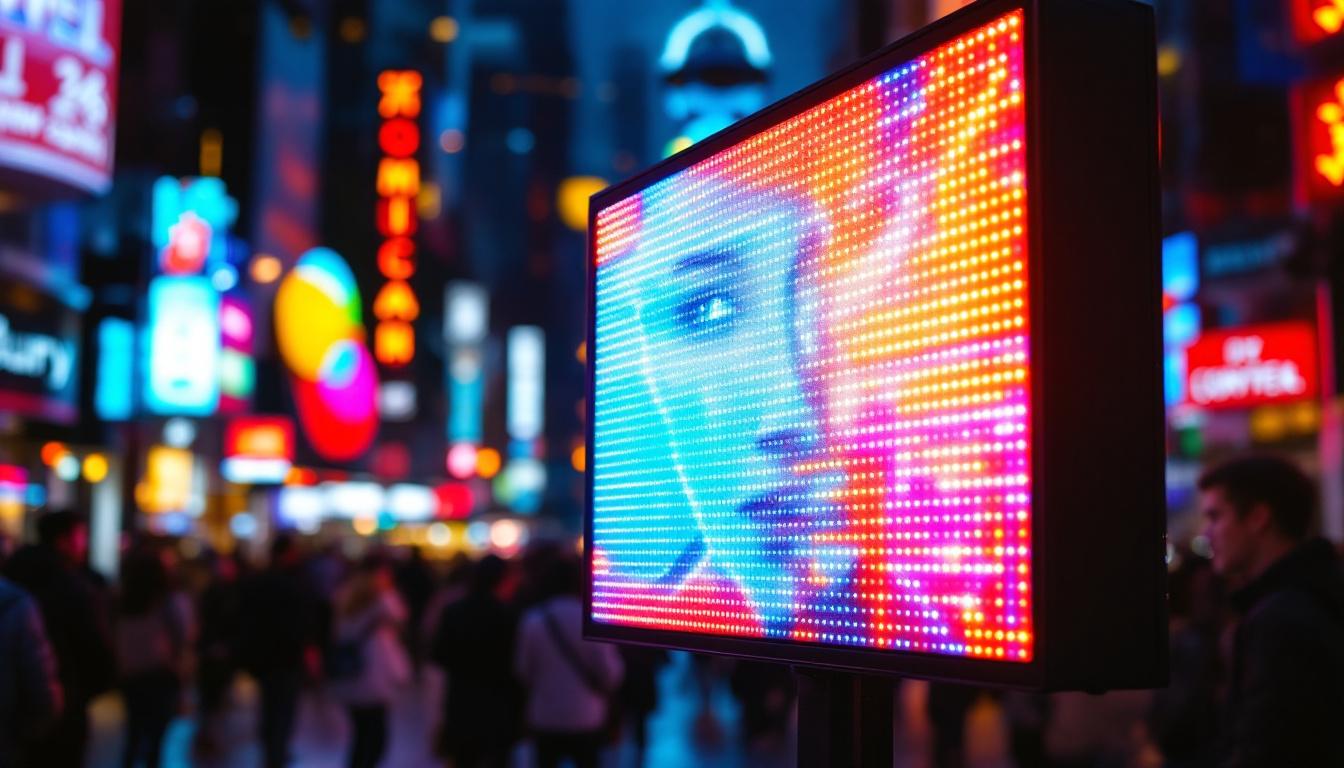
In today’s fast-paced world, capturing attention quickly and effectively is essential for businesses, event organizers, and public service providers. Outdoor LED sign boards have become a powerful tool in this regard, offering dynamic, bright, and versatile displays that outperform traditional signage. This article explores the technology behind outdoor LED sign boards, their benefits, types, and practical applications, providing a comprehensive understanding of LED displays and why they are an indispensable asset in modern outdoor advertising and communication.
Understanding LED Technology in Outdoor Signage
What is an LED Display?
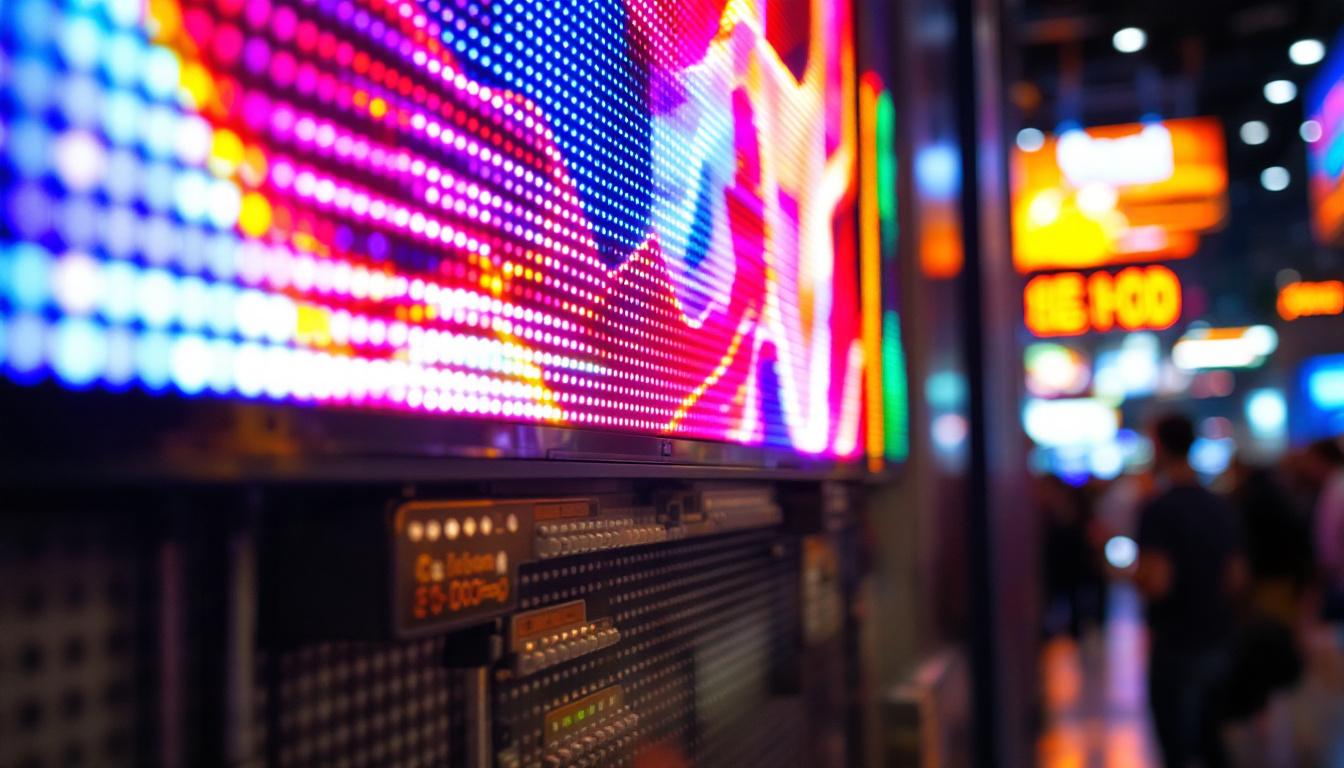
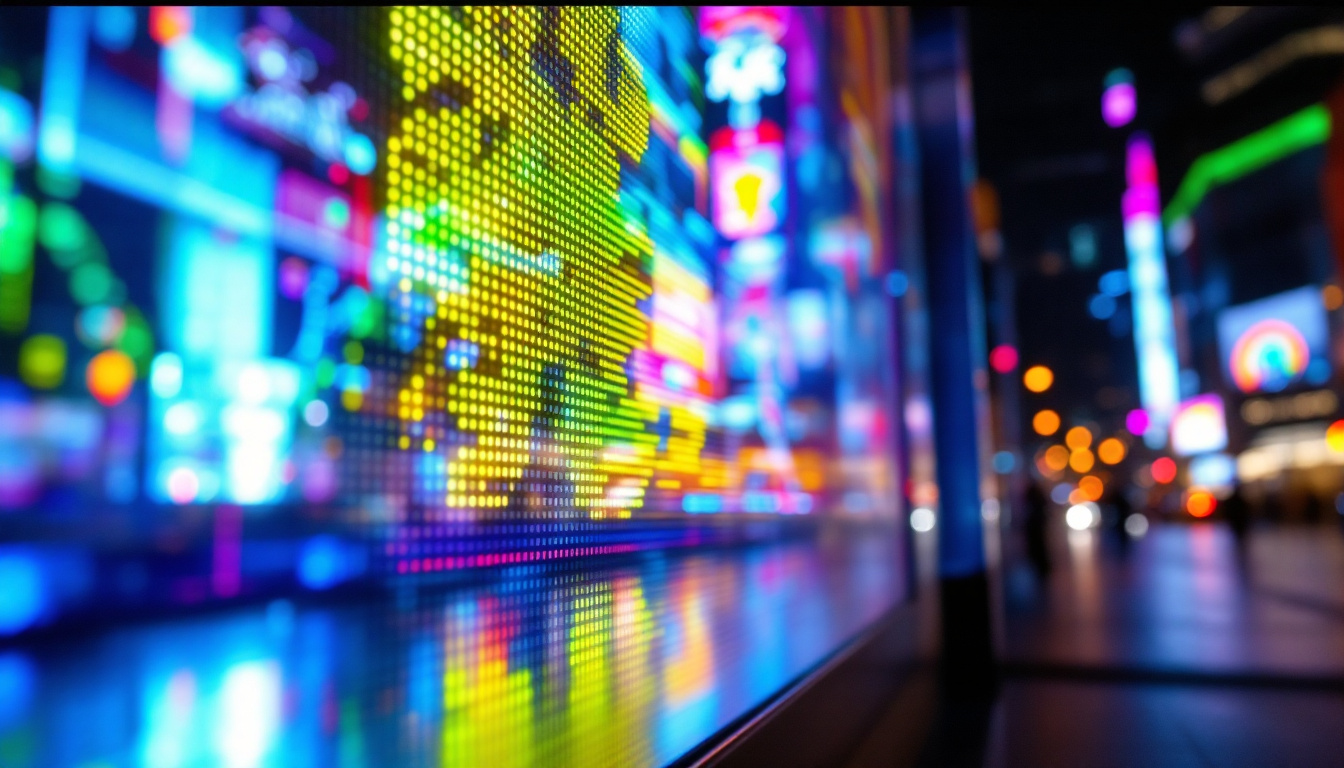
LED stands for Light Emitting Diode, a semiconductor device that emits light when an electric current passes through it. LED displays are composed of thousands of these tiny diodes arranged in a matrix to form images, text, or video. Unlike traditional bulbs, LEDs are highly energy-efficient, have a longer lifespan, and can produce vivid colors with high brightness levels.
Outdoor LED sign boards utilize these diodes to create large-scale visual displays that are visible even in direct sunlight. This makes them ideal for billboards, storefront signs, traffic information boards, and event displays where visibility and clarity are paramount. The versatility of LED technology allows for creative applications, from dynamic advertising campaigns that can be updated in real-time to informative public service announcements that can reach a wide audience. With the ability to showcase high-resolution graphics and animations, LED displays can captivate viewers and convey messages effectively, making them a preferred choice for businesses looking to enhance their visibility.
How Outdoor LED Displays Work
Outdoor LED displays consist of multiple modules or panels, each containing a grid of LEDs. These modules are connected to a control system that manages the content shown on the screen. The control system can be programmed to display static images, scrolling text, animations, or full-motion video. This flexibility allows advertisers and organizations to tailor their messages to specific audiences and events, ensuring maximum engagement.
The brightness of the LEDs is adjustable, allowing the display to adapt to different lighting conditions, from bright daylight to nighttime. Additionally, weatherproofing and durable casing protect the LED modules from environmental factors like rain, dust, and extreme temperatures, ensuring reliable operation outdoors. Many modern outdoor LED displays also incorporate advanced technologies such as automatic brightness adjustment sensors, which optimize visibility based on ambient light conditions, and remote management capabilities, enabling operators to update content from anywhere. This combination of features not only enhances the functionality of outdoor signage but also contributes to its growing popularity in urban landscapes, where competition for attention is fierce.
Key Advantages of Outdoor LED Sign Boards
High Visibility and Brightness
One of the most significant advantages of outdoor LED sign boards is their exceptional brightness. LEDs can produce light levels that surpass traditional neon or fluorescent signs, making them clearly visible from long distances and in various weather conditions. This high visibility is crucial for businesses aiming to attract passing traffic or pedestrians.
For example, a study by the Outdoor Advertising Association of America (OAAA) found that LED billboards can increase message recall by up to 47% compared to static signs. This enhanced visibility directly translates to better brand recognition and customer engagement.
Energy Efficiency and Longevity
Compared to other lighting technologies, LEDs consume significantly less power. Outdoor LED sign boards can reduce energy costs by up to 80% compared to incandescent or neon signs. This efficiency is not only cost-effective but also environmentally friendly, aligning with the growing demand for sustainable business practices.
Moreover, LEDs have a lifespan ranging from 50,000 to 100,000 hours, meaning they can operate continuously for years without needing replacement. This durability reduces maintenance costs and downtime, making LED signs a sound long-term investment.
Dynamic and Flexible Content
Unlike static signs, LED displays can showcase dynamic content that can be updated quickly and remotely. This flexibility allows businesses to tailor their messaging based on time of day, promotions, special events, or audience demographics. For instance, a retail store can advertise morning discounts and switch to evening sales without changing physical signage.
Furthermore, LED sign boards support multimedia content including videos, animations, and real-time data feeds such as weather updates or social media streams. This capability enhances audience engagement and provides opportunities for creative marketing strategies.
Types of Outdoor LED Sign Boards
Full-Color LED Displays
Full-color LED displays use red, green, and blue LEDs combined to produce a wide spectrum of colors. These are the most versatile and widely used outdoor LED sign boards, suitable for advertising, public announcements, and entertainment purposes. Their ability to display high-resolution images and videos makes them ideal for high-impact visual communication.
For example, Times Square in New York City features numerous full-color LED billboards that captivate millions of visitors with vibrant advertisements and dynamic content.
Monochrome and Dual-Color Displays
Monochrome LED displays typically use a single color, such as red or amber, and are often employed for simpler messages like text or numeric information. Dual-color displays combine two colors, offering slightly more visual interest while maintaining cost-effectiveness.
These types of LED boards are commonly used for traffic signs, gas station price displays, and public transit information where clarity and legibility are more important than complex visuals.
Transparent LED Displays
Transparent LED displays are a newer innovation that allows light to pass through the screen, making them suitable for installation on glass surfaces such as storefront windows or building facades. They provide advertising without obstructing natural light or views, blending seamlessly with architectural elements.
These displays are gaining popularity in urban environments where space is limited, and aesthetic considerations are important.
Applications of Outdoor LED Sign Boards
Retail and Commercial Advertising
Retailers use outdoor LED sign boards to attract customers, promote products, and announce sales or events. The ability to change content frequently enables businesses to stay relevant and respond to market trends swiftly. LED signs can also enhance brand visibility, especially in high-traffic areas.
For instance, major retail chains often deploy LED signage at store entrances and along busy streets to maximize exposure and drive foot traffic.
Transportation and Public Information
LED sign boards are extensively used in transportation hubs such as airports, train stations, and highways. They provide real-time information on schedules, delays, safety messages, and directions. Their clarity and brightness ensure that travelers receive timely and accurate updates, improving overall experience and safety.
Highway variable message signs (VMS) use LED technology to communicate traffic conditions, road closures, and emergency alerts, helping to manage traffic flow efficiently.
Events and Entertainment
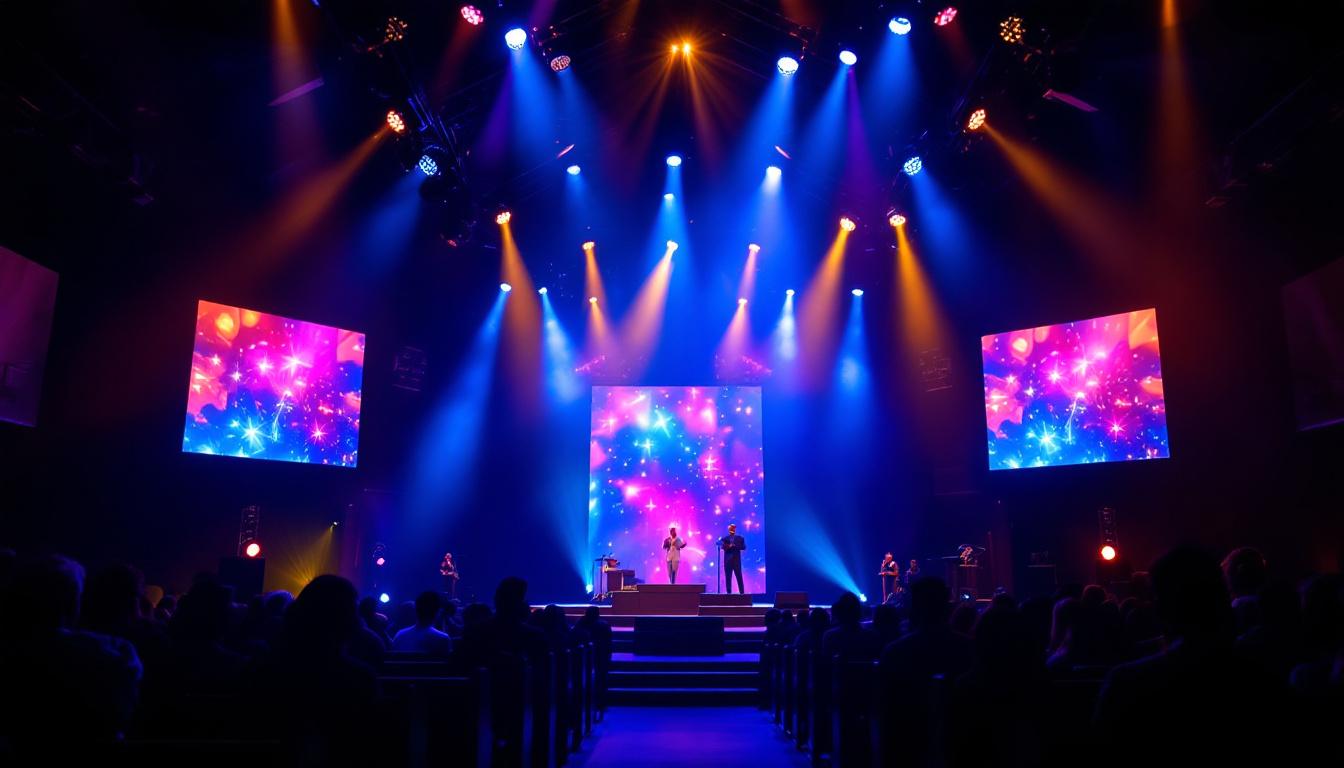
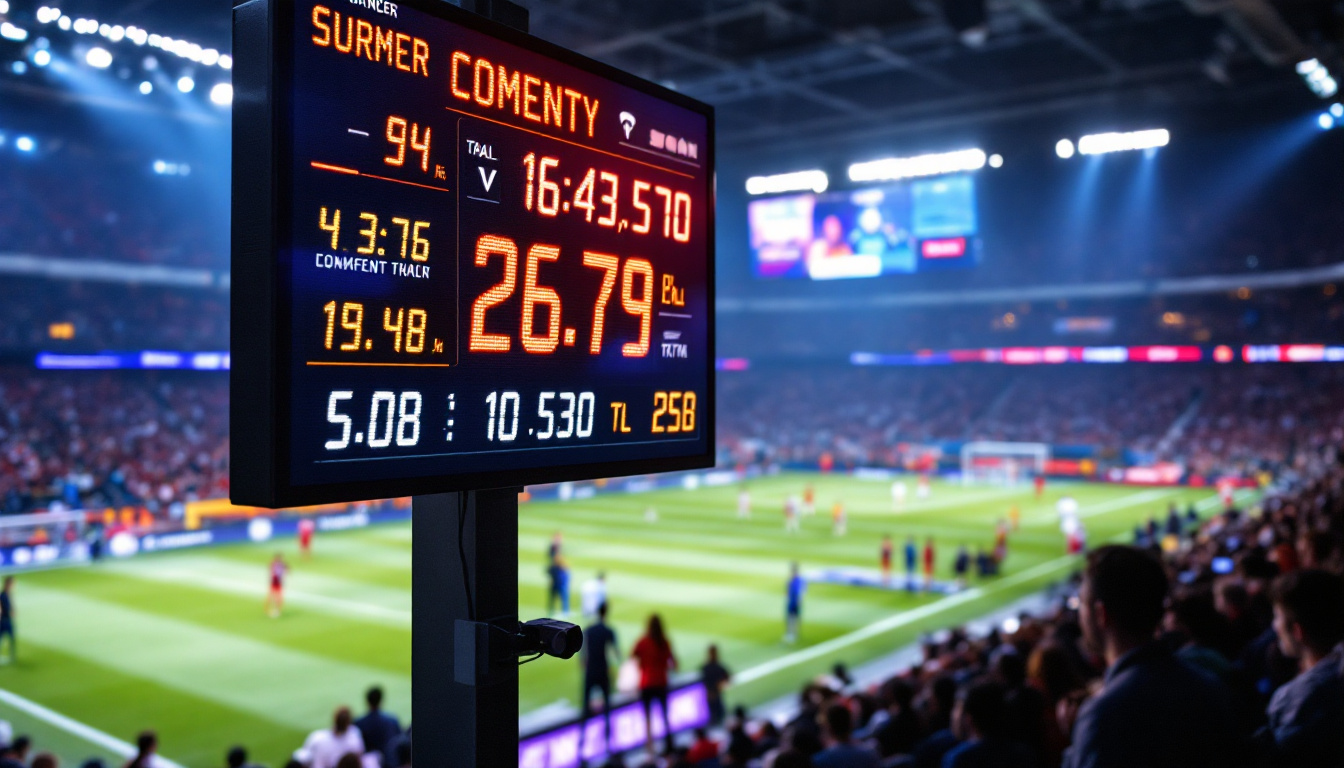
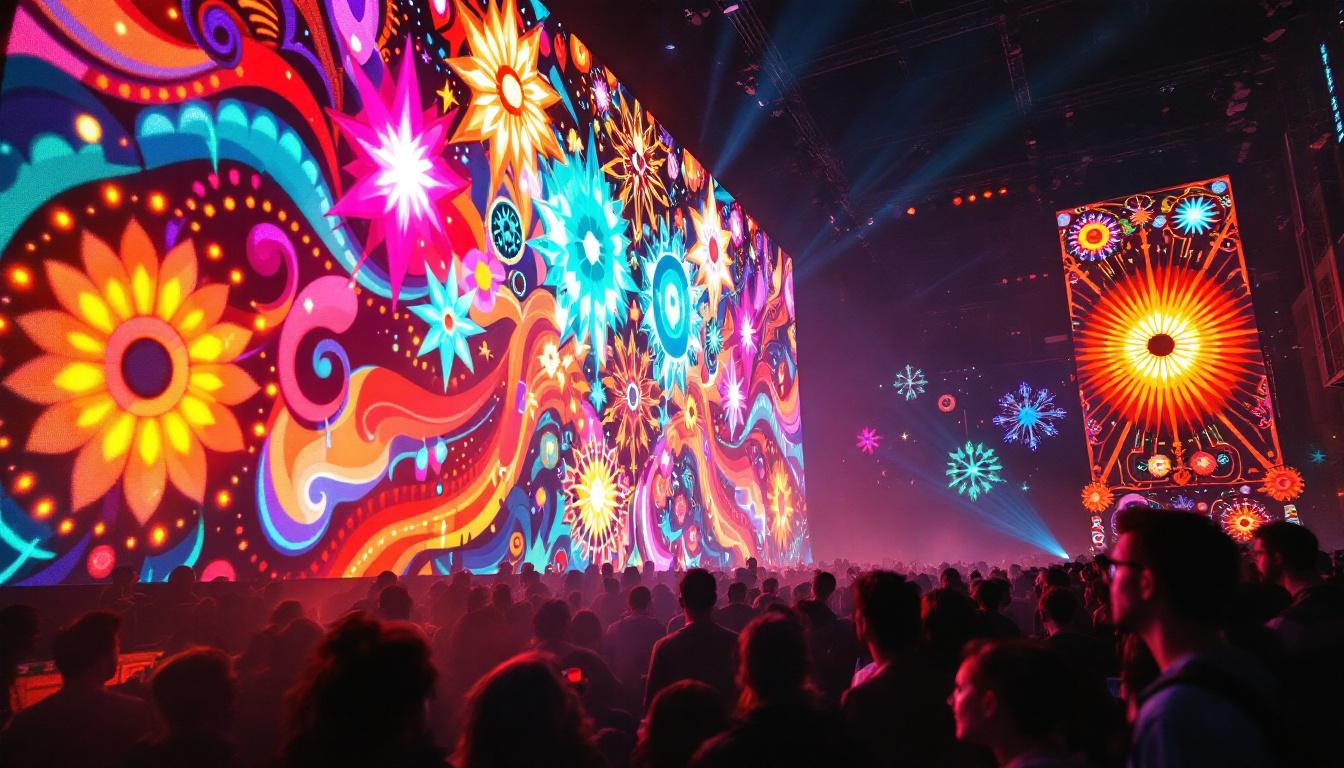
Concerts, sports events, festivals, and outdoor exhibitions utilize LED displays to engage audiences with live feeds, scores, advertisements, and interactive content. The scalability of LED sign boards allows organizers to customize screen sizes and resolutions according to venue requirements.
For example, large stadiums often feature massive LED screens that enhance spectator experience by providing close-up views and instant replays.
Considerations When Choosing Outdoor LED Sign Boards
Pixel Pitch and Resolution
Pixel pitch refers to the distance between individual LEDs on a display and directly affects image clarity. A smaller pixel pitch means higher resolution and sharper images, which is important for signs viewed up close. Conversely, larger pixel pitches are suitable for displays meant to be seen from greater distances.
Choosing the right pixel pitch depends on the intended viewing distance and content type. For example, a roadside billboard requires a different pixel pitch than a storefront window display.
Brightness and Weather Resistance
Outdoor LED sign boards must have sufficient brightness to remain visible under direct sunlight. Typical brightness levels range from 5,000 to 10,000 nits. Additionally, displays should have an IP65 or higher rating to ensure protection against dust and water ingress, guaranteeing durability in various weather conditions.
Control Systems and Connectivity
Modern LED sign boards often come with advanced control systems that allow remote management via internet or cellular connections. This capability enables real-time updates, scheduling, and content management from anywhere, saving time and resources.
Integration with software platforms can also facilitate content automation, analytics, and audience targeting, enhancing the effectiveness of outdoor advertising campaigns.
Future Trends in Outdoor LED Signage
Integration with Smart Technologies
The future of outdoor LED sign boards is closely tied to smart city initiatives and the Internet of Things (IoT). LED displays are increasingly integrated with sensors, cameras, and data analytics to deliver personalized and context-aware content. For example, signs may adjust messaging based on pedestrian demographics or environmental conditions.
Energy Harvesting and Sustainability
Advancements in solar-powered LED displays and energy harvesting technologies are making outdoor signage more sustainable. Coupled with energy-efficient LEDs, these innovations reduce operational costs and environmental impact, aligning with global efforts to combat climate change.
Higher Resolution and Flexible Displays
Emerging technologies such as microLED and flexible LED panels promise even higher resolution and novel form factors. These developments will expand creative possibilities, enabling curved, foldable, or transparent displays that blend seamlessly into urban landscapes.
Conclusion
Outdoor LED sign boards represent a transformative technology in visual communication, combining high visibility, energy efficiency, and dynamic content capabilities. Their versatility makes them suitable for a wide range of applications, from retail advertising and public information to entertainment and smart city infrastructure.
As LED technology continues to evolve, businesses and organizations that adopt outdoor LED signage can expect improved engagement, cost savings, and enhanced brand presence. Understanding the technical aspects and practical considerations of LED displays is essential for making informed decisions and maximizing the benefits of this powerful medium.
Illuminate Your Message with LumenMatrix
Ready to elevate your outdoor advertising and captivate your audience like never before? Discover LumenMatrix’s innovative LED display solutions, where cutting-edge technology meets visual artistry. From vibrant Outdoor LED Wall Displays to interactive Floor LED Displays, our diverse range caters to all your visual communication needs. Embrace the future with our Custom LED Displays and All-in-One LED Display solutions, designed to make your brand shine. Don’t just communicate; resonate with impact and clarity. Check out LumenMatrix LED Display Solutions today and transform your message into a visual spectacle.