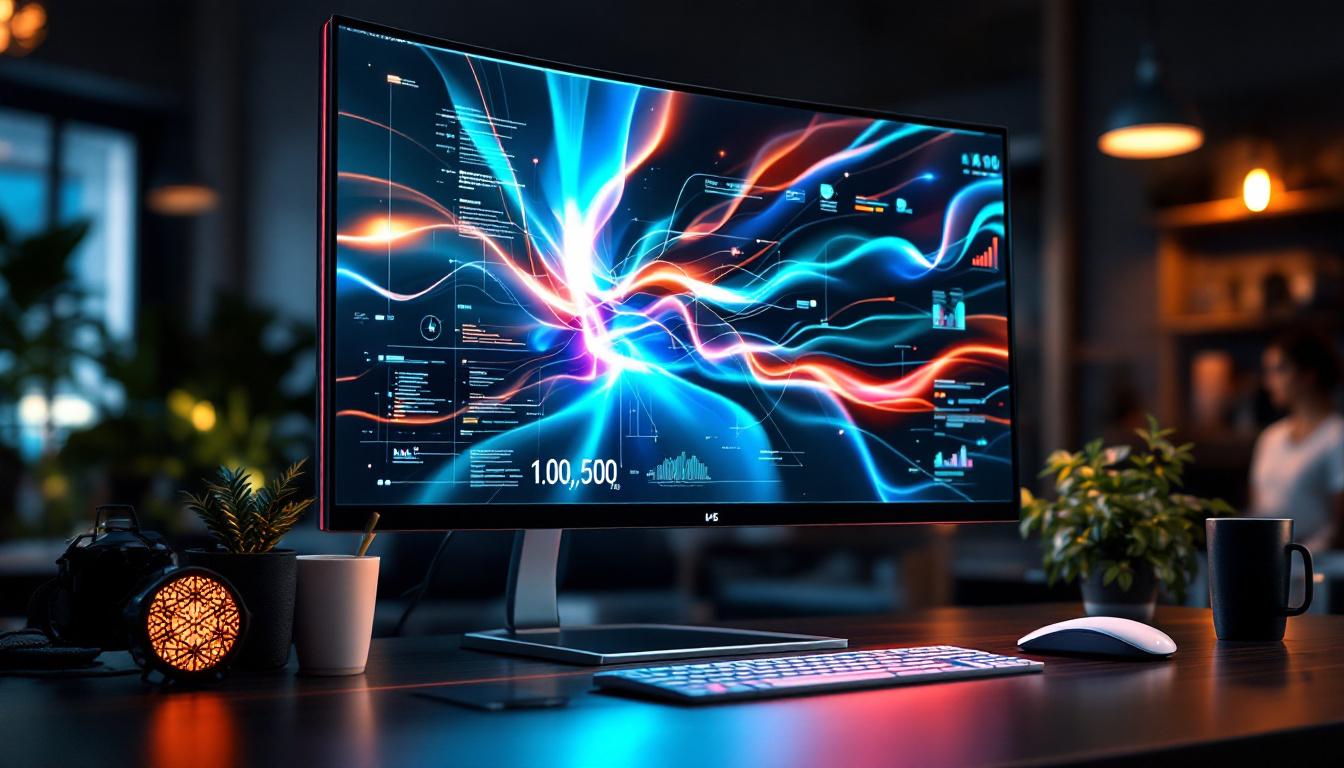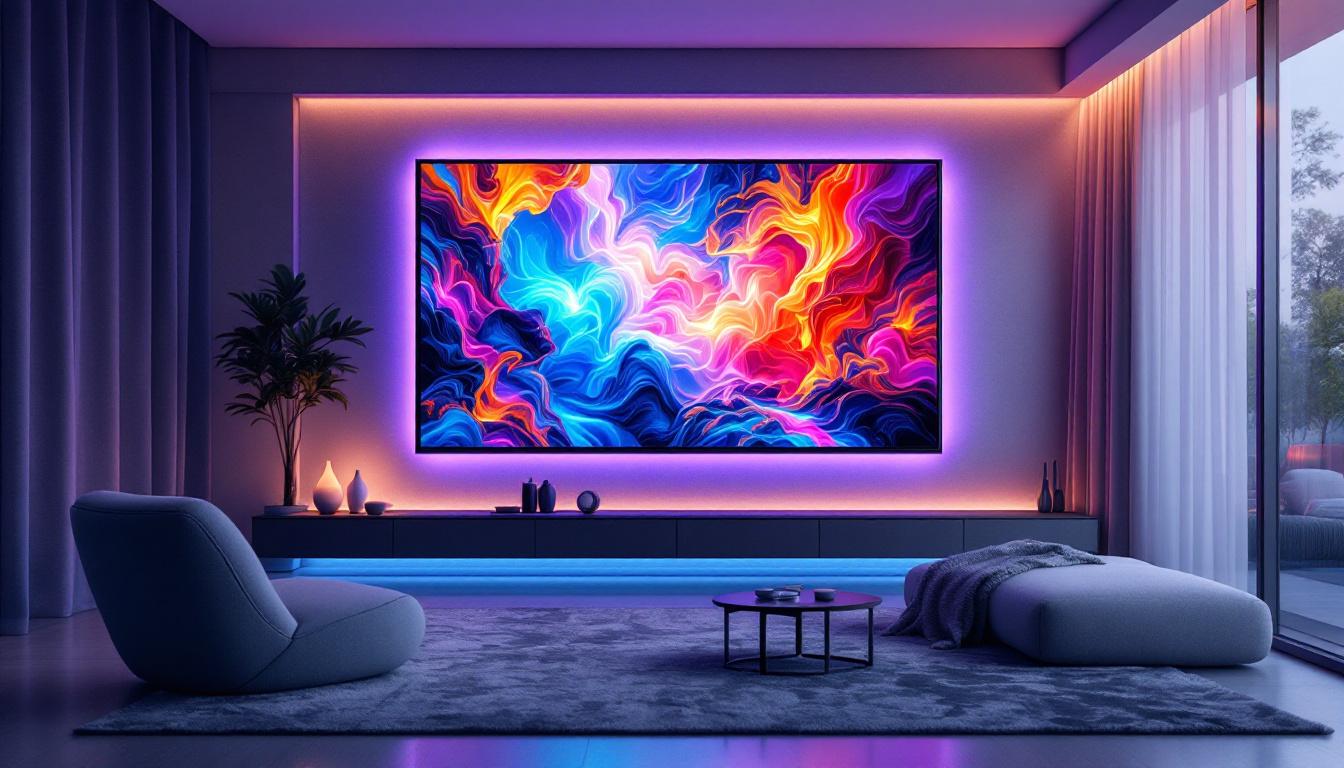
In recent years, the use of TV panel walls featuring LED displays has revolutionized the way businesses, event organizers, and even homeowners approach visual communication and entertainment. These large-scale, high-resolution screens provide vibrant imagery, dynamic content, and unparalleled versatility that traditional displays simply cannot match. Whether used in retail environments, control rooms, stadiums, or living rooms, LED panel walls have become a cornerstone of modern visual technology.
This article delves into the technical aspects, benefits, and applications of LED display panels, offering a comprehensive guide to understanding how these impressive visual tools work and why they are rapidly becoming the preferred choice for large-format displays.
Understanding LED Display Technology
What Are LED Panels?
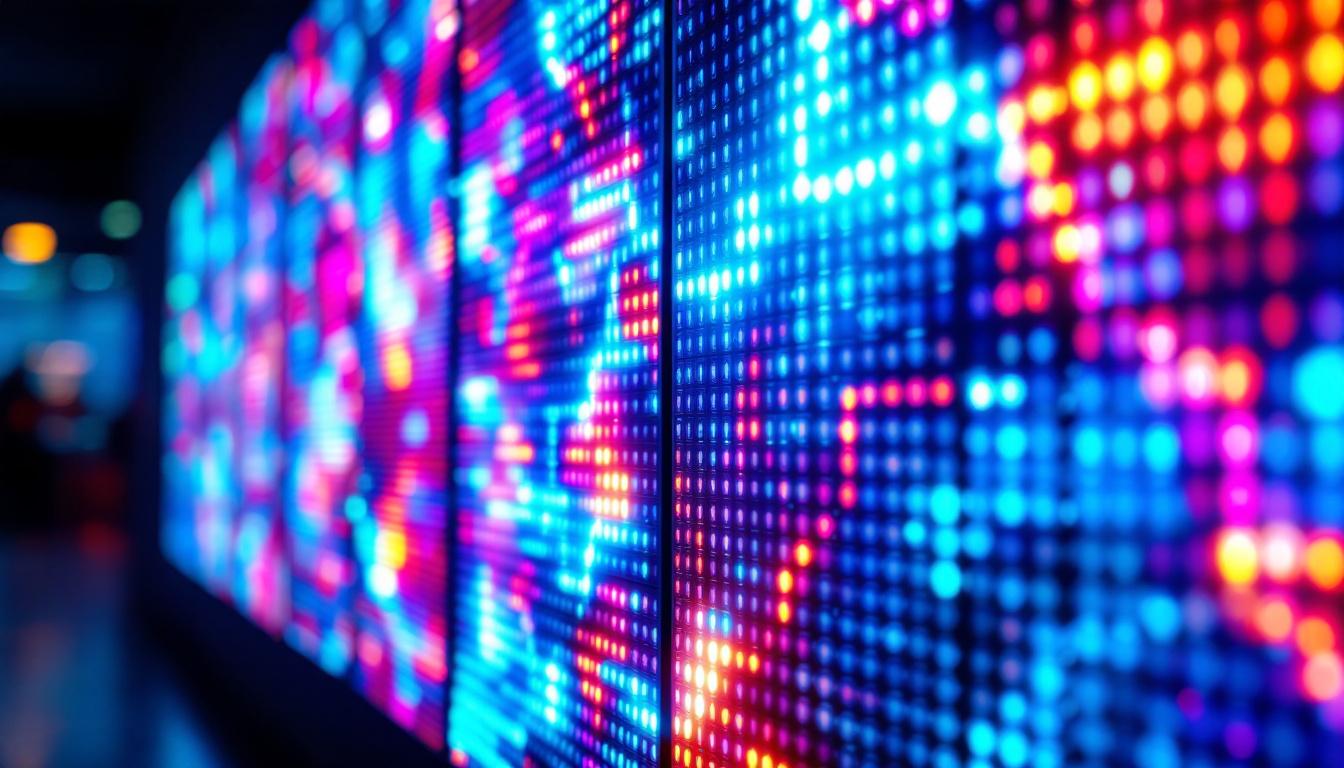
LED panels are modular display units composed of numerous light-emitting diodes (LEDs) arranged in a grid. Each LED acts as a single pixel, capable of emitting light in various colors and intensities to create images and videos. When multiple panels are combined, they form a seamless, large-scale display wall that can be customized in size and resolution.
Unlike traditional LCD or plasma screens, LED panels do not require backlighting. Instead, each LED produces its own light, resulting in higher brightness, better contrast, and more vivid colors. This self-illuminating property is key to the superior image quality and energy efficiency of LED displays. Additionally, the durability of LED technology means that these panels can withstand harsher environments, making them suitable for both indoor and outdoor applications. For instance, outdoor LED displays are often designed to be weather-resistant, ensuring that they can operate effectively in rain, snow, or extreme temperatures.
Types of LED Displays
There are two primary types of LED displays used in TV panel walls: Direct View LED (DVLED) and LED-backlit LCD. Understanding the difference between these types is essential when considering a display solution.
- Direct View LED (DVLED): In DVLED displays, the LEDs themselves form the image. These are the panels commonly used in large video walls, outdoor billboards, and stadium screens. They offer excellent brightness and can be viewed clearly even in direct sunlight. The modular nature of DVLED allows for flexible configurations, enabling designers to create unique shapes and sizes that fit specific spaces or artistic visions.
- LED-backlit LCD: These displays use LEDs as a backlight behind an LCD panel. While they provide good image quality and are common in consumer TVs and monitors, they do not offer the same level of brightness or viewing angles as DVLED panels. However, advancements in LED-backlit technology have led to improved color accuracy and energy efficiency, making them a popular choice for home entertainment systems.
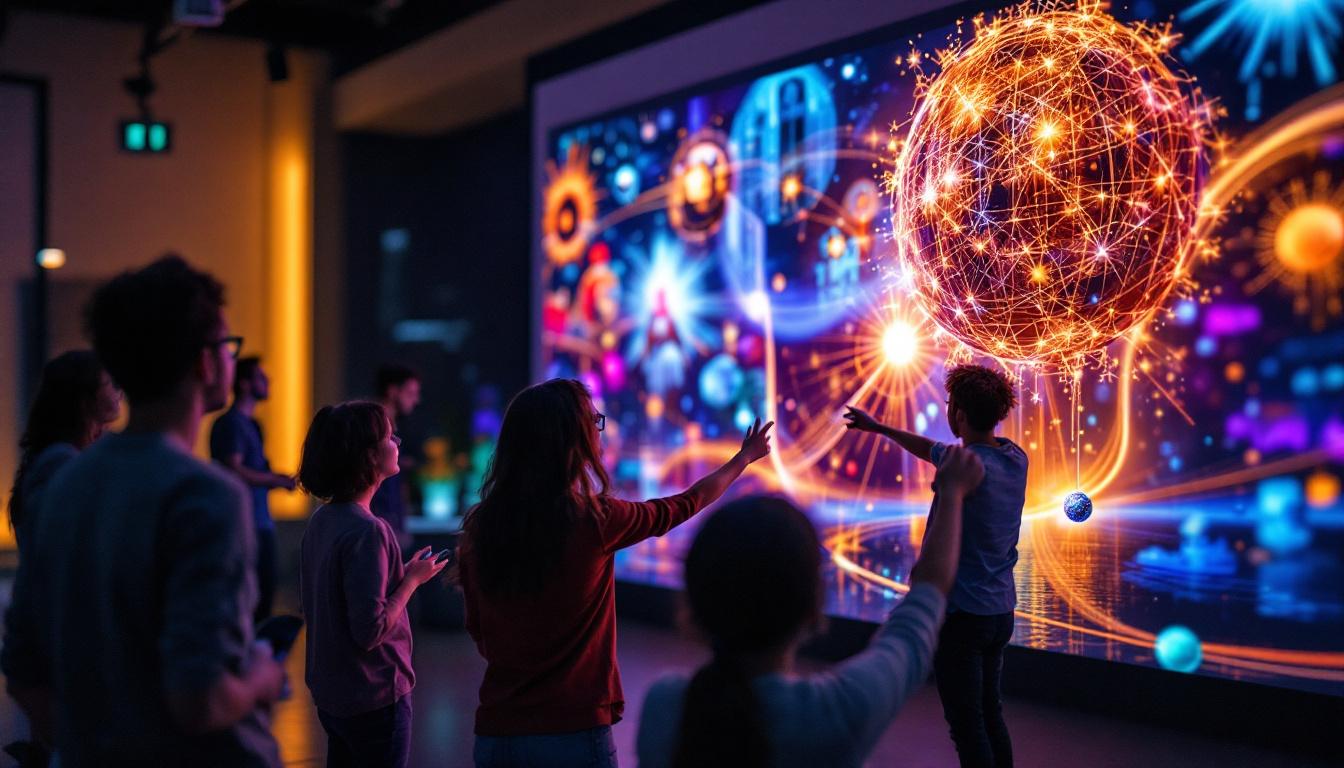
For TV panel walls, especially in commercial or professional settings, DVLED technology is generally preferred due to its scalability and superior performance. The ability to create large, high-resolution displays makes DVLED ideal for applications such as live event broadcasting, advertising, and immersive installations. Furthermore, the increasing demand for interactive displays has led to innovations in touch-sensitive LED technology, allowing users to engage with content in dynamic and engaging ways. This trend is particularly evident in retail environments, where interactive displays can enhance customer experiences and drive sales.
Key Features and Benefits of LED Panel Walls
High Brightness and Visibility
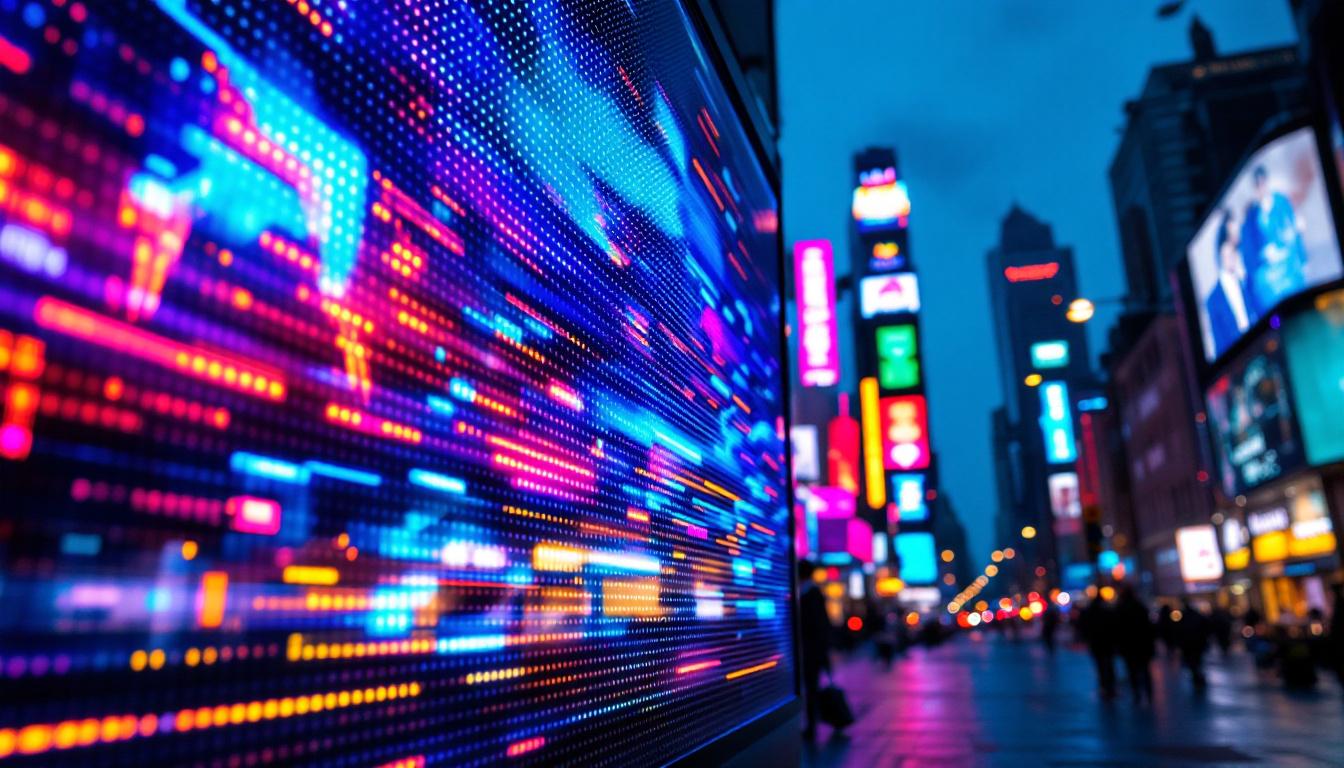
One of the standout features of LED panel walls is their exceptional brightness. DVLED panels can achieve brightness levels exceeding 1,000 nits, which allows them to be clearly visible even in brightly lit environments or outdoors. This makes LED walls ideal for applications like retail displays, outdoor advertising, and sports arenas where ambient light conditions vary significantly.
Seamless Scalability and Customization
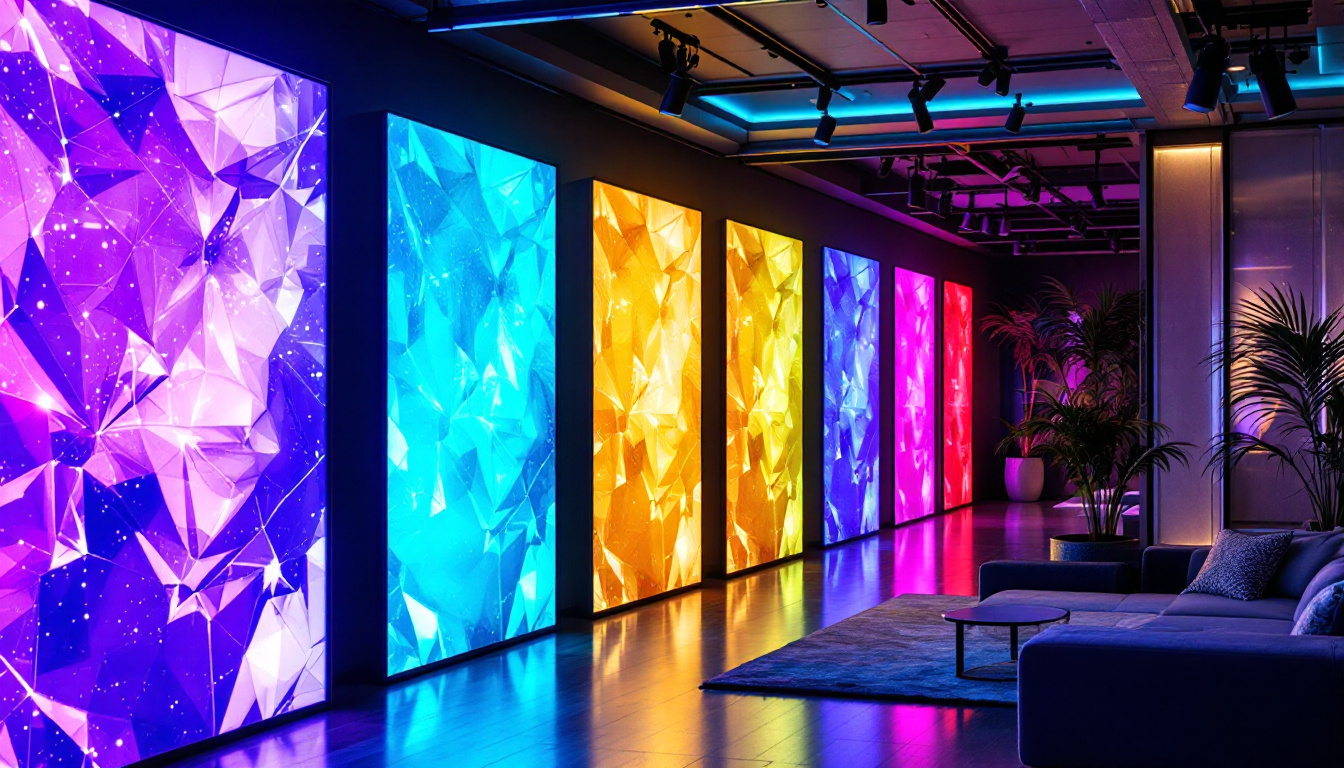
LED panels are modular, meaning they can be assembled in various configurations to create displays of almost any size and shape. This flexibility allows businesses to design walls that perfectly fit their space and visual requirements. Whether it’s a massive video wall spanning several meters or a curved display wrapping around a corner, LED panels can be tailored accordingly.
Superior Image Quality
Thanks to their self-emissive nature, LED panels offer high contrast ratios and vibrant colors that enhance the viewing experience. The ability to produce true blacks and a wide color gamut means images appear more lifelike and engaging. Additionally, modern LED panels support high resolutions, including 4K and beyond, ensuring crisp and detailed visuals.
Energy Efficiency and Longevity
Compared to older display technologies, LED panels consume less power while delivering higher brightness. Advances in LED technology have also extended the lifespan of these panels, with many rated for over 100,000 hours of operation. This translates into lower maintenance costs and less frequent replacements, making LED walls a cost-effective long-term investment.
Wide Viewing Angles
LED panel walls provide consistent image quality across wide viewing angles, often up to 160 degrees or more horizontally and vertically. This ensures that audiences can enjoy clear and vibrant visuals from various positions without color shifting or brightness loss.
Applications of LED Panel Walls
Commercial and Retail Environments
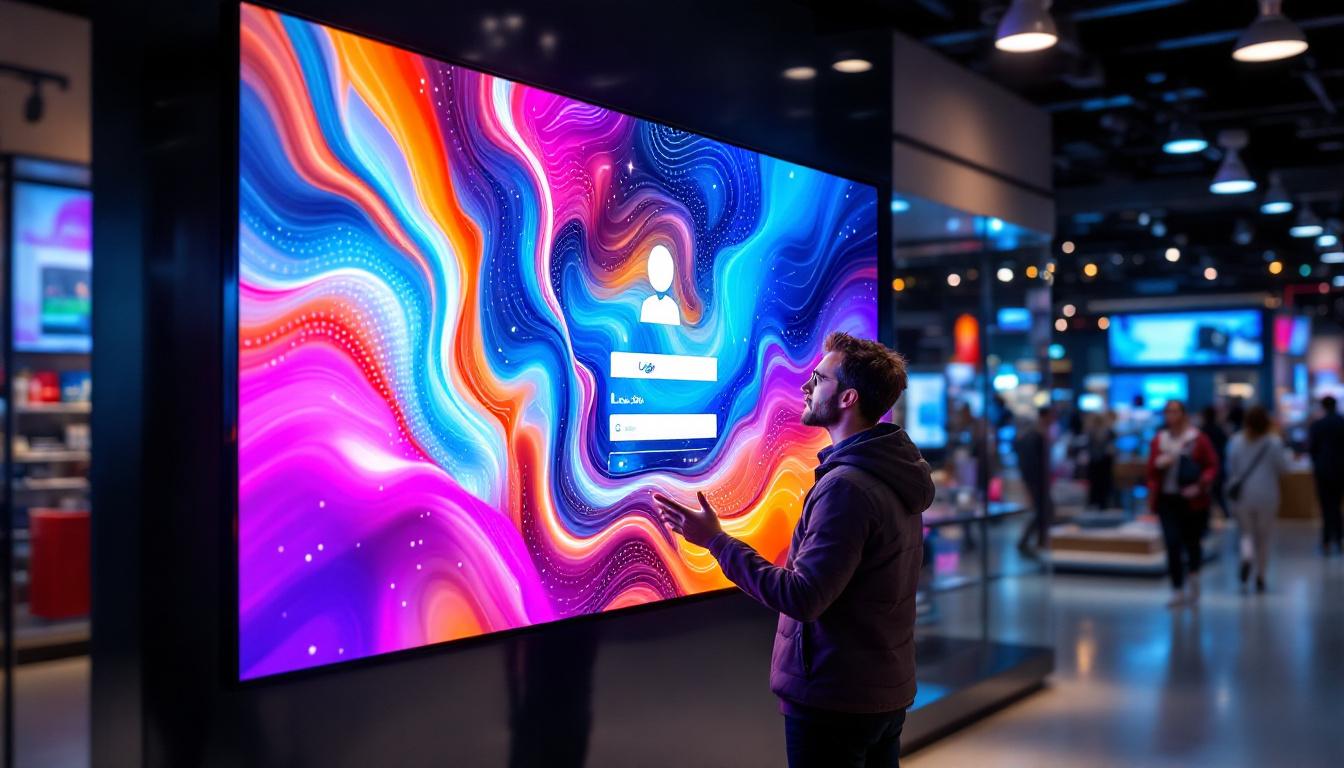
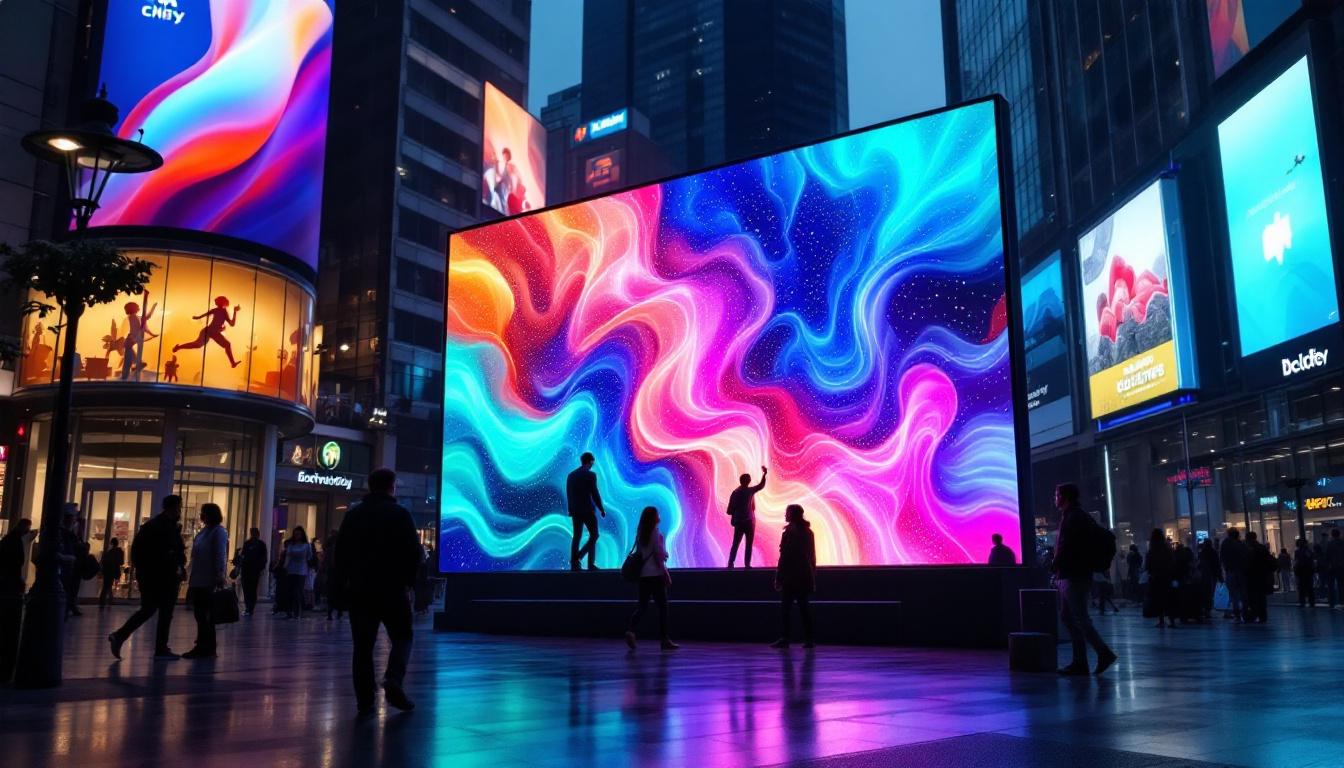
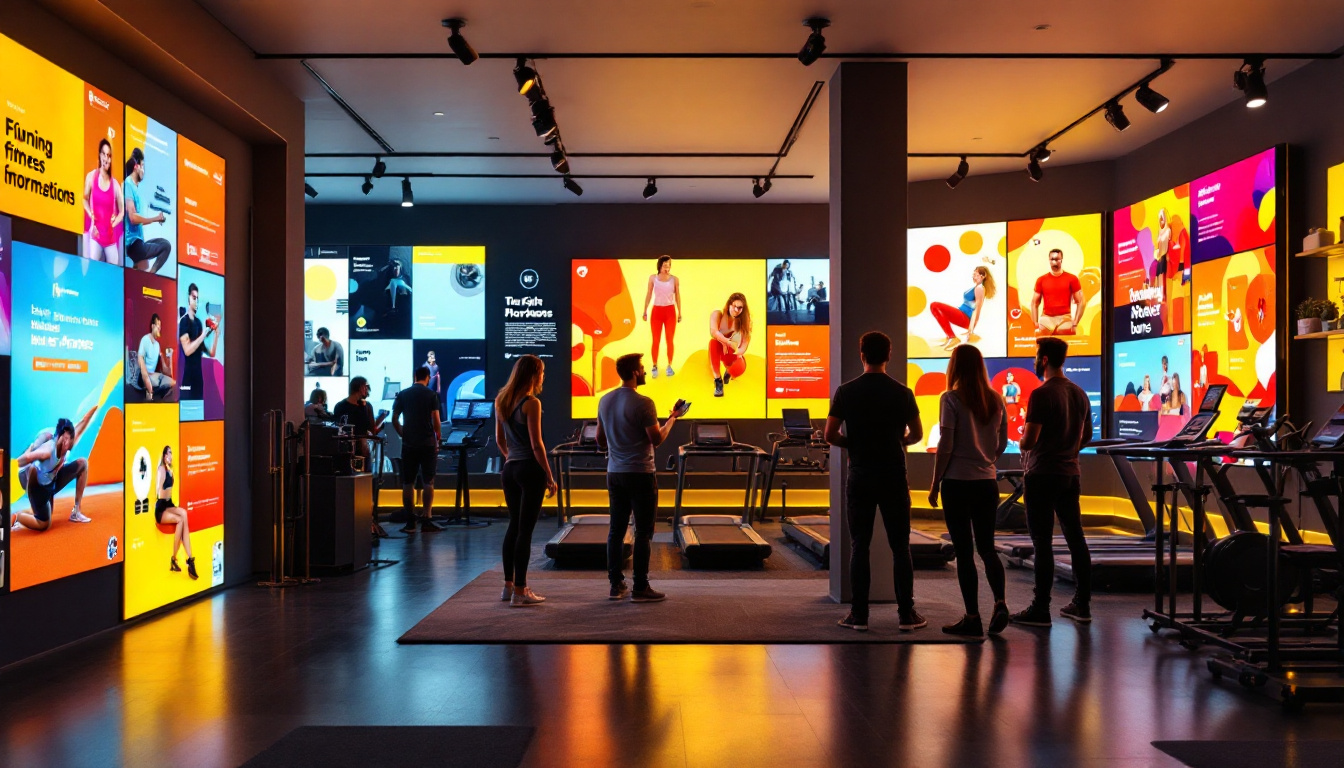
In retail, LED panel walls serve as dynamic advertising tools that capture customer attention and promote products effectively. Stores use these displays to showcase promotions, brand messages, and interactive content. The ability to update content remotely and instantly makes LED walls a powerful marketing asset.
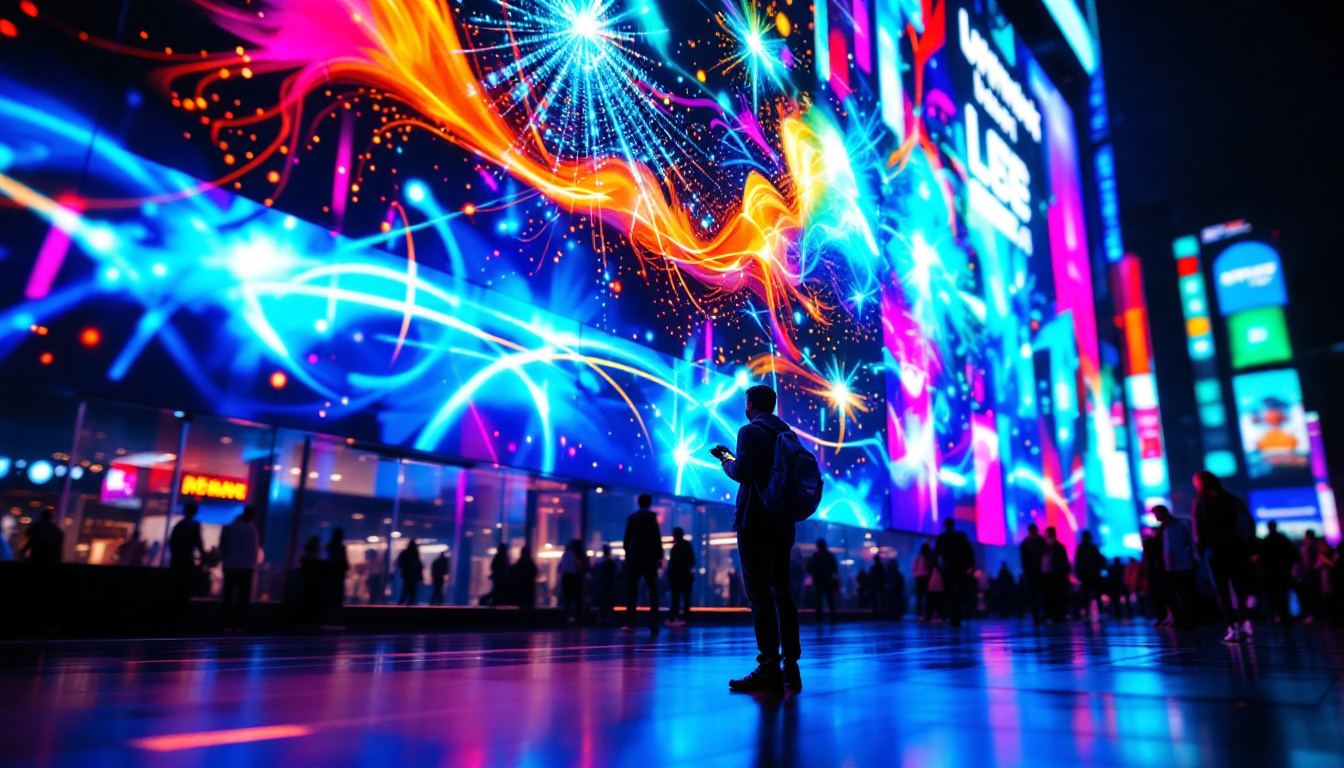
For example, major shopping malls and flagship stores often feature large LED walls in their entrances or atriums, creating immersive brand experiences that enhance customer engagement.
Corporate and Control Rooms
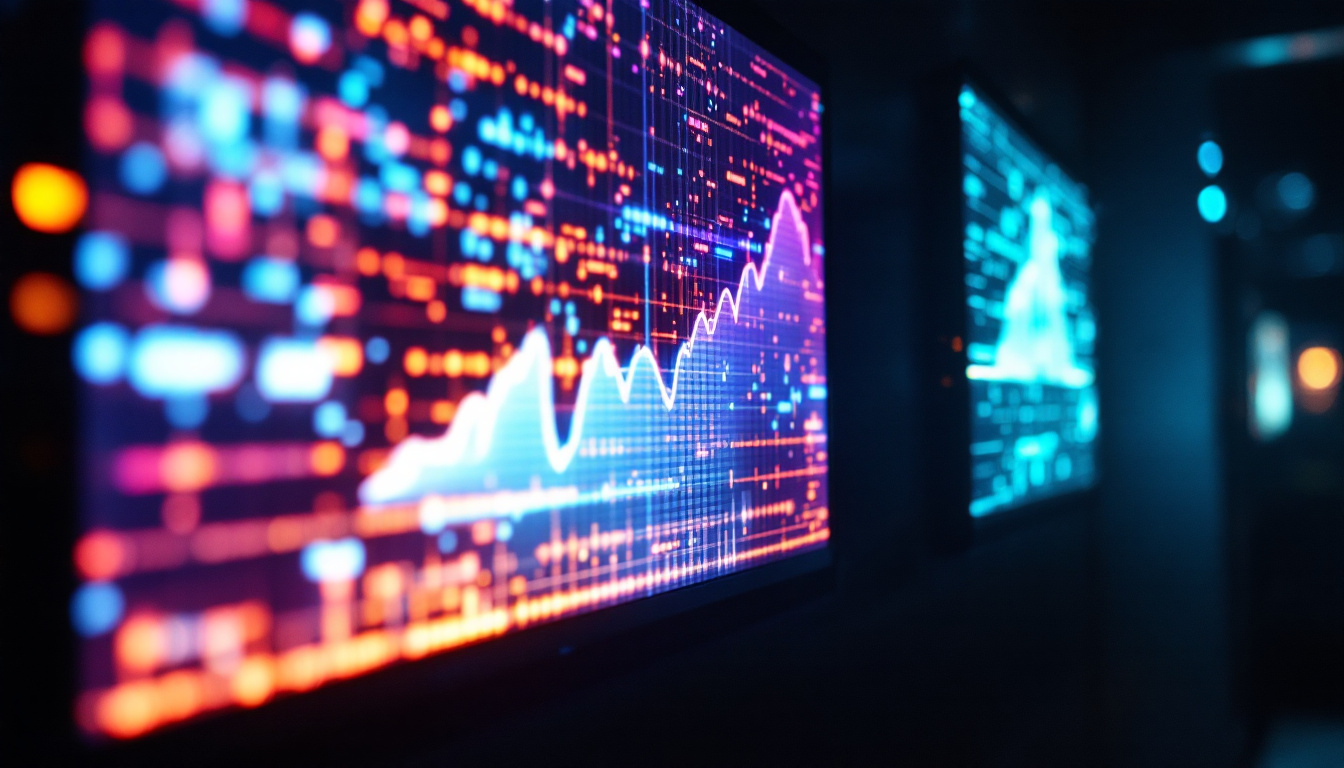
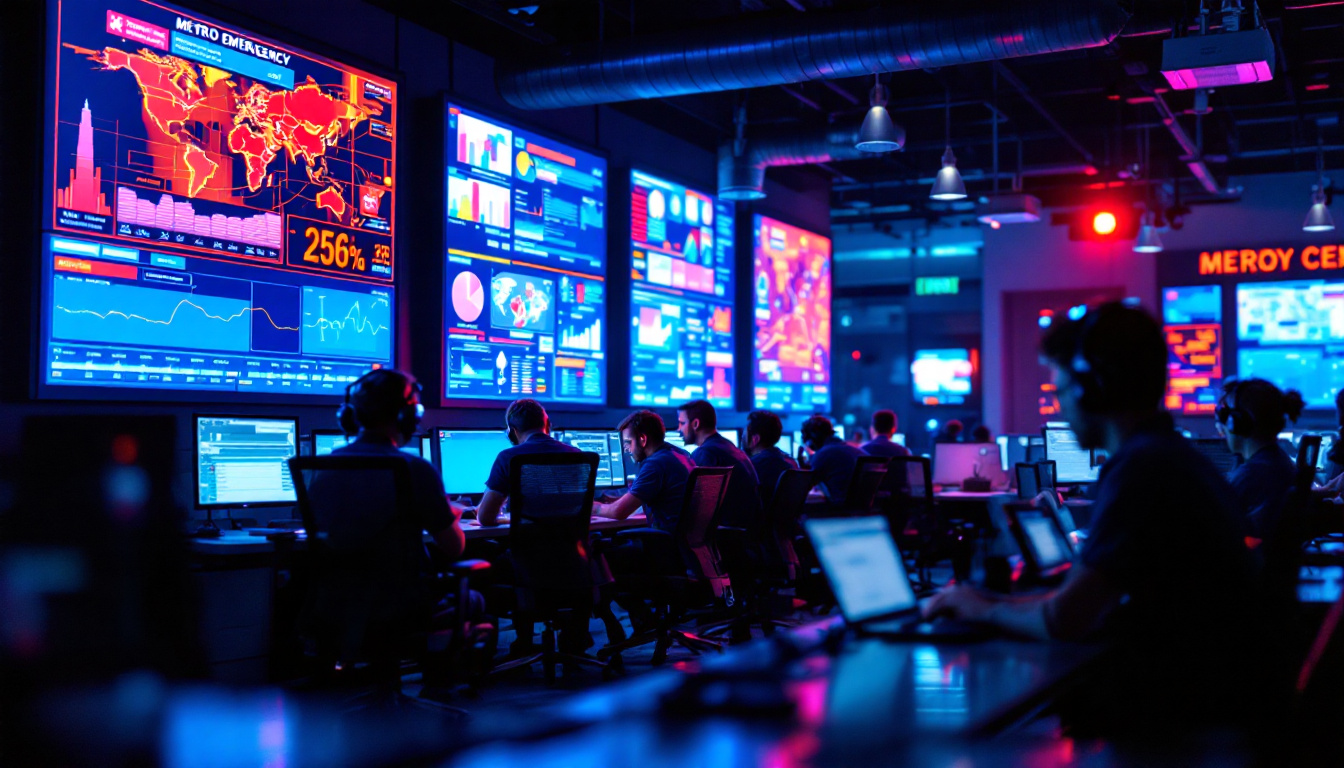
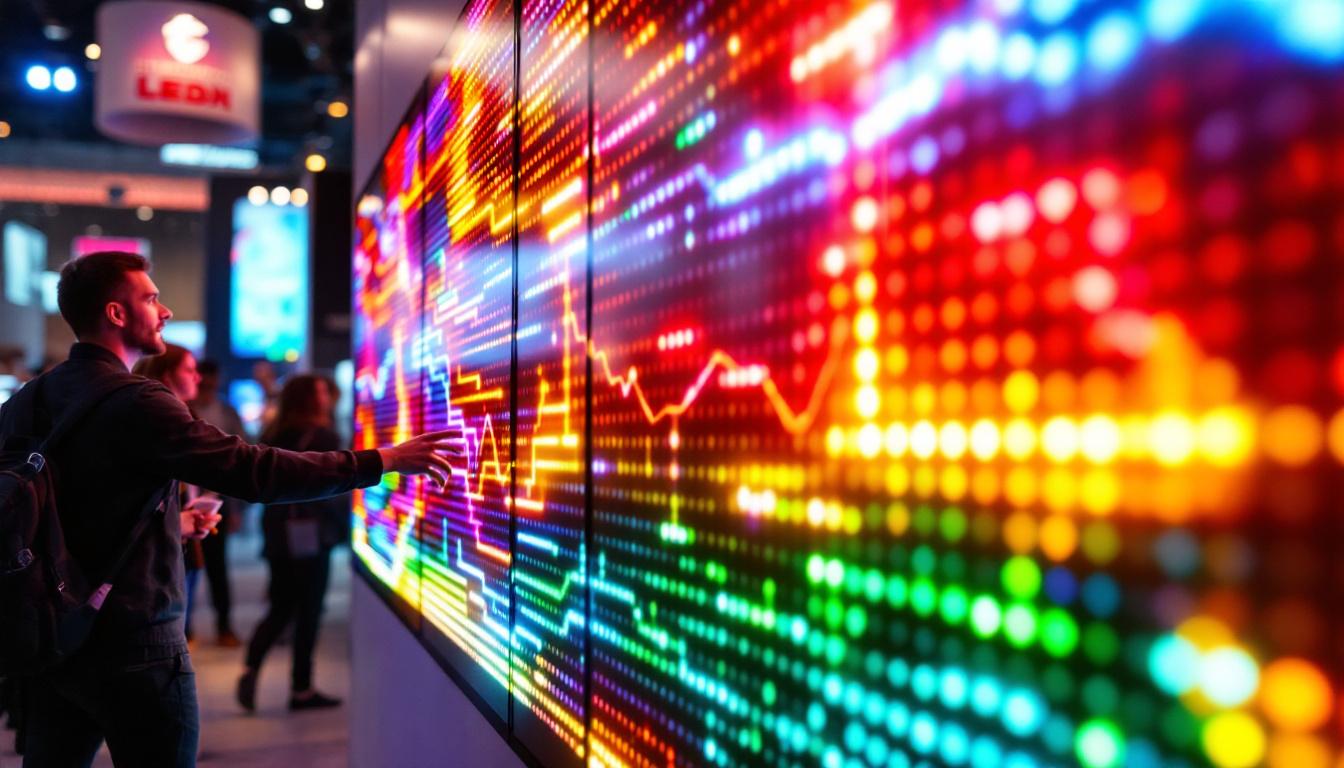
Corporate offices and control centers rely on LED panel walls for real-time data visualization and collaboration. In environments such as network operation centers, security monitoring rooms, and broadcast studios, the clarity and reliability of LED displays are crucial for decision-making and situational awareness.
These walls can display multiple data feeds simultaneously, allowing teams to monitor operations efficiently and respond promptly to issues.
Entertainment and Events
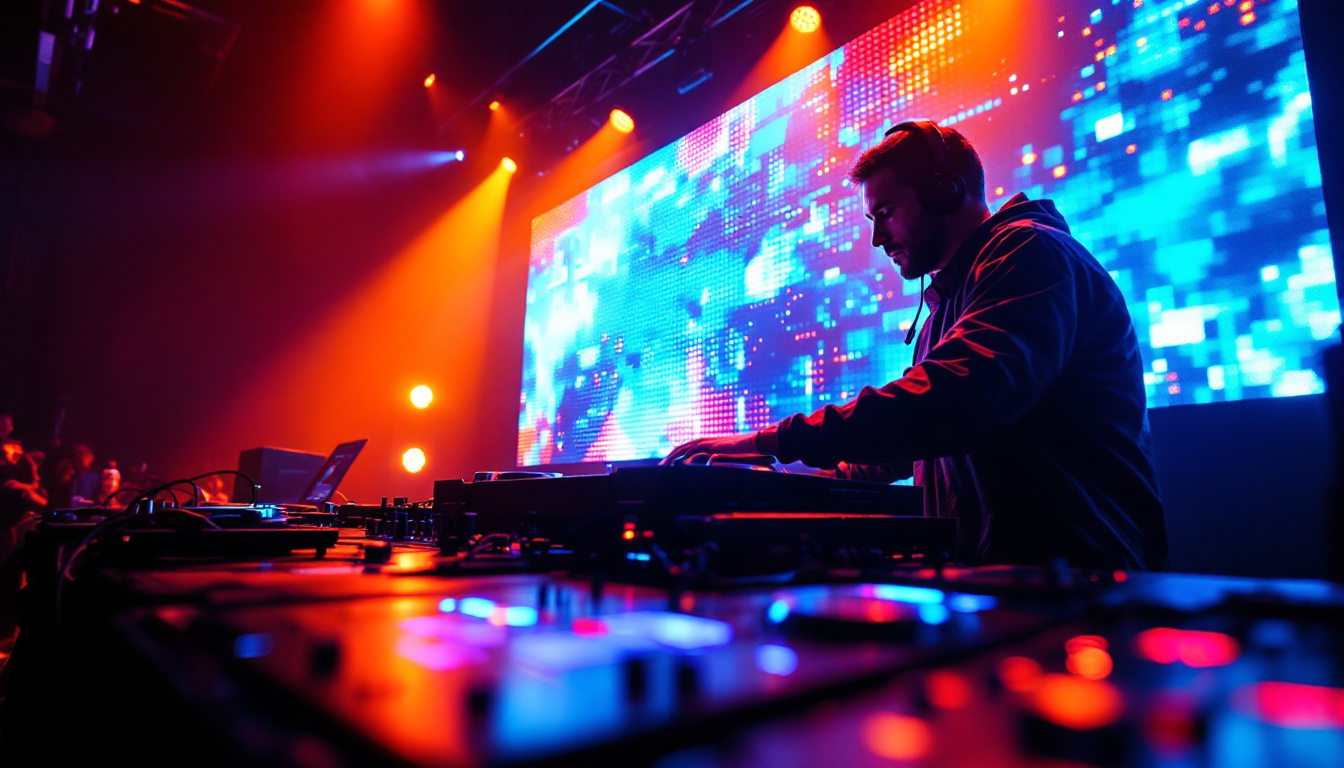
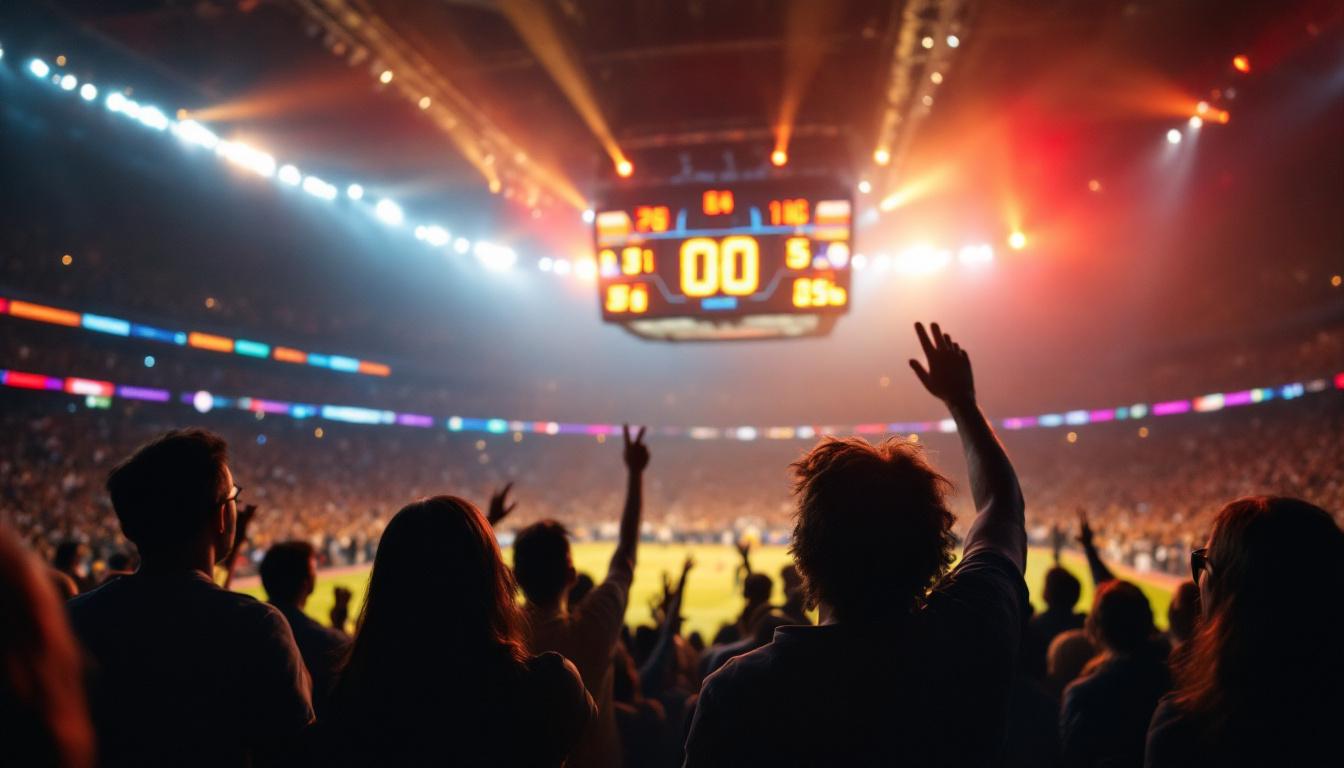
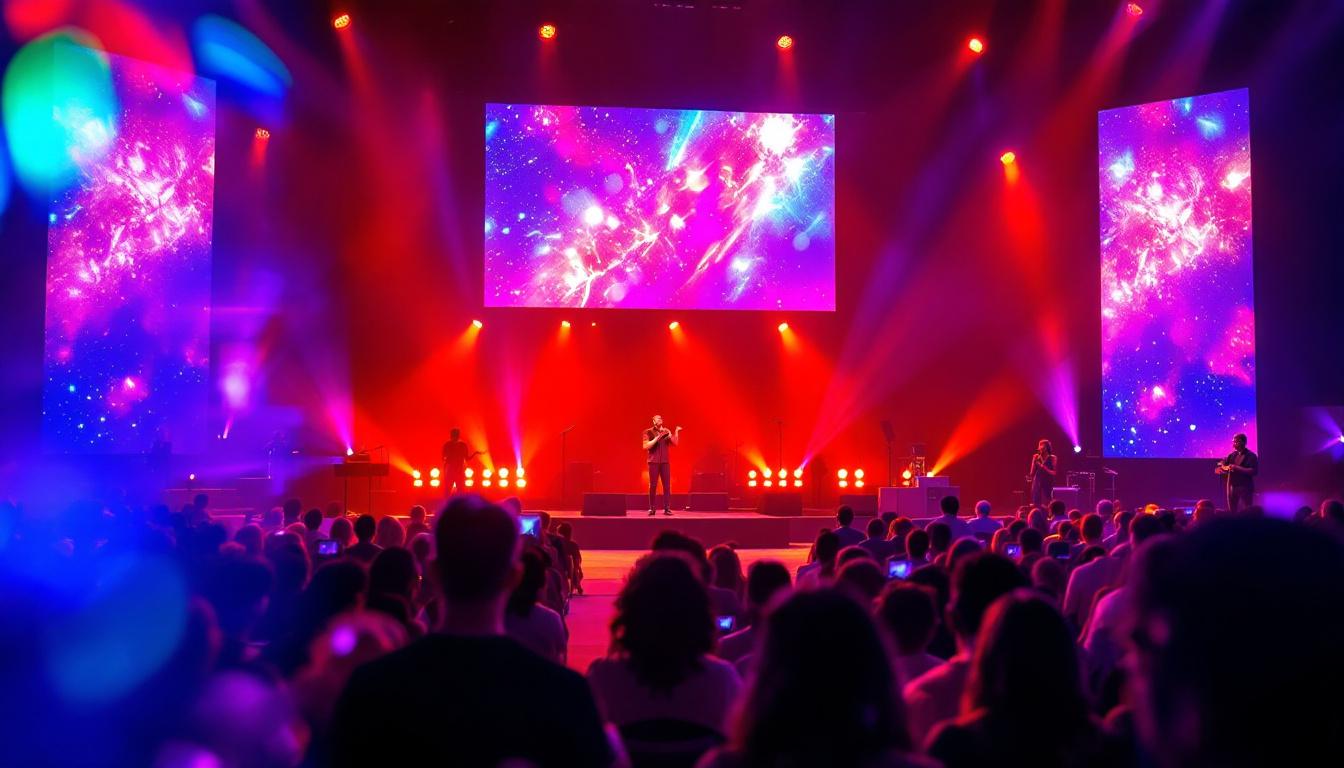
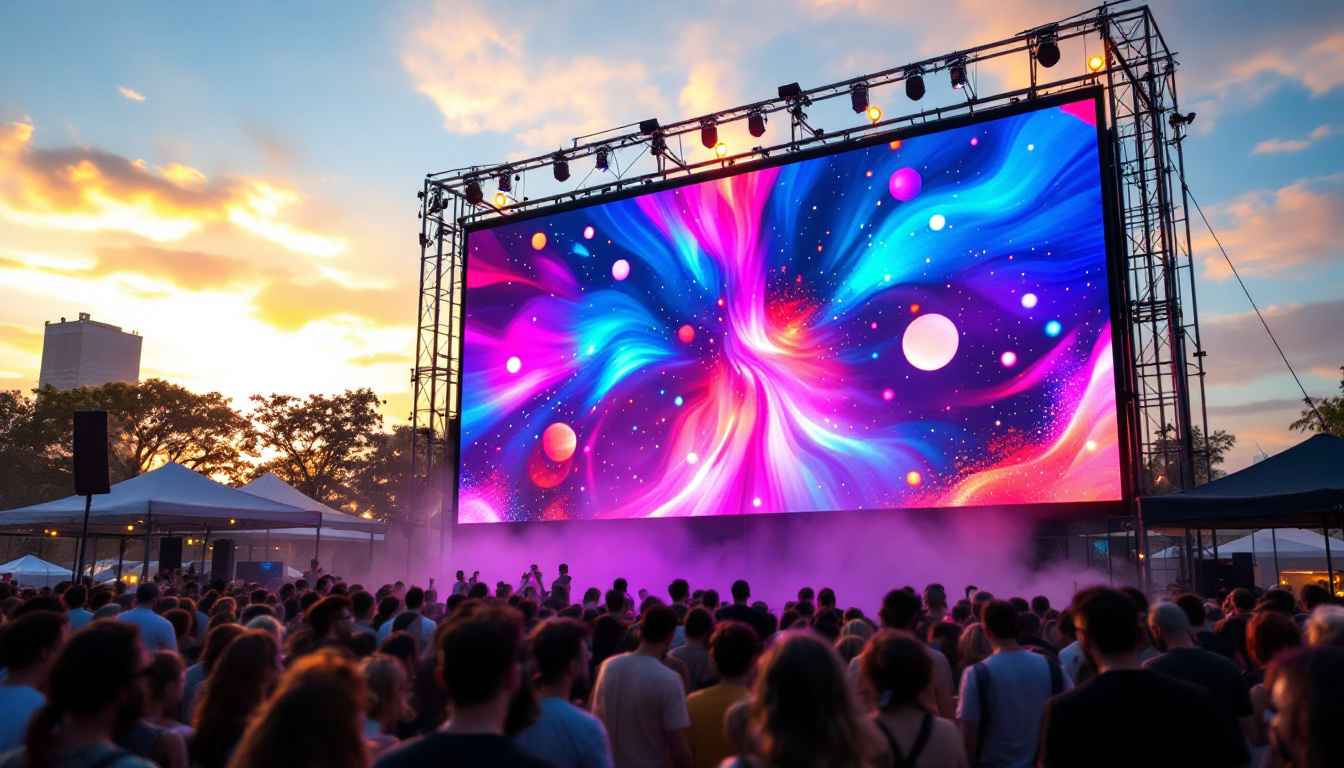
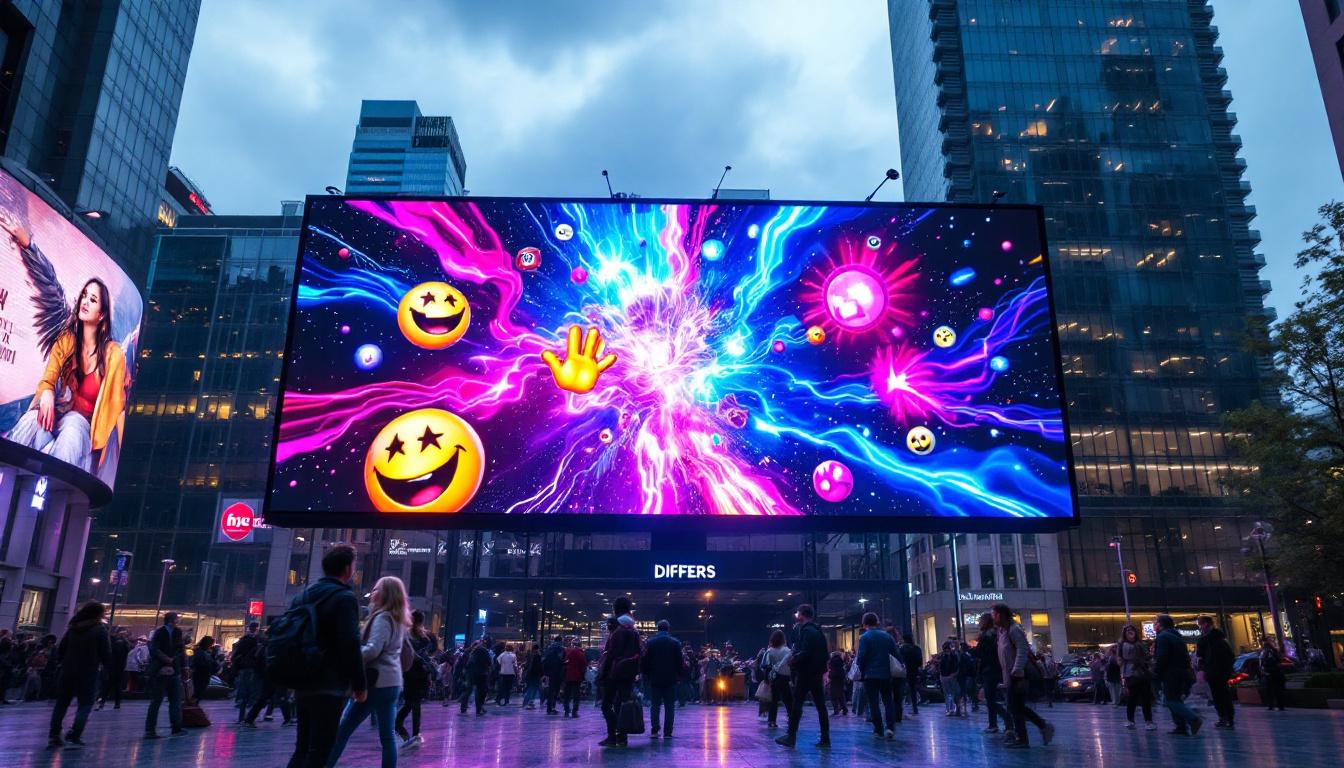
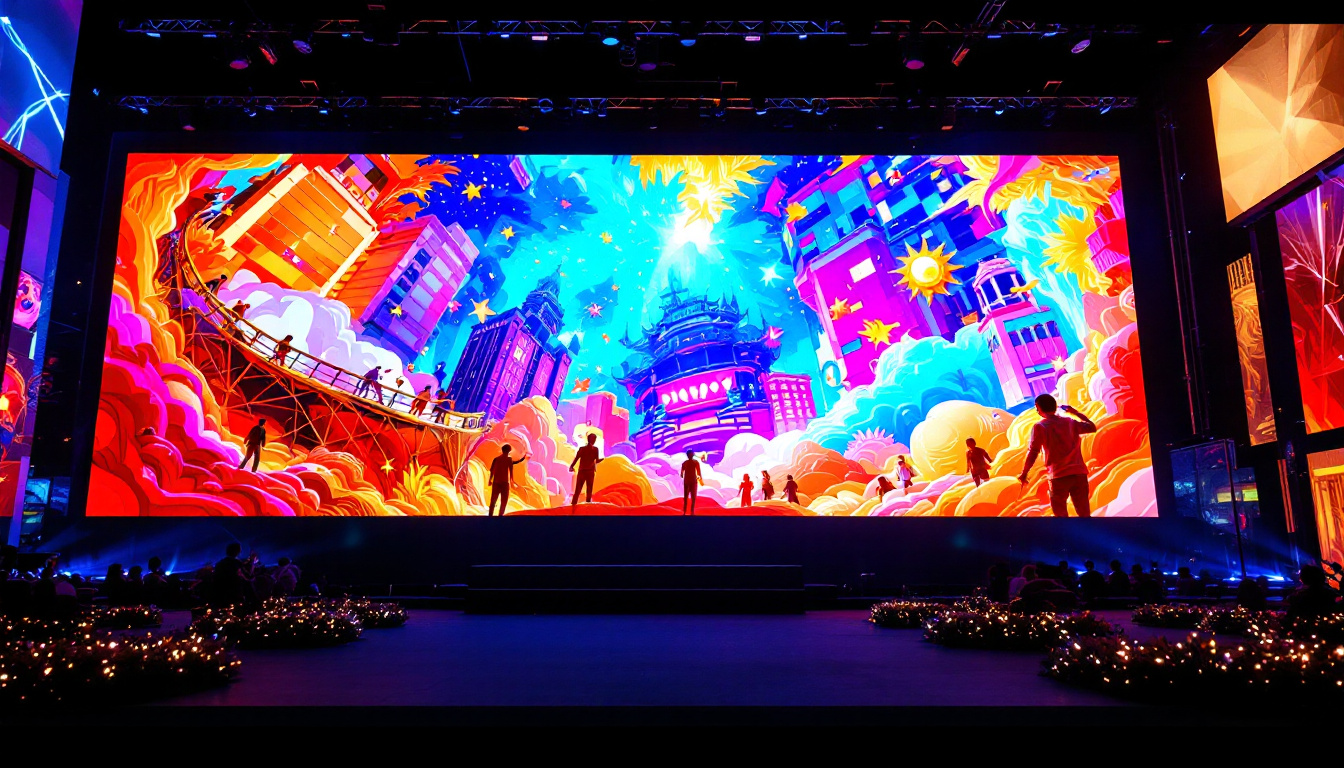
Concerts, festivals, and sports events commonly use LED panel walls to deliver large-scale visuals to audiences. Their brightness and flexibility make them suitable for both indoor and outdoor venues. LED walls can display live video feeds, graphics, and animations, enhancing the overall event experience.
Residential and Home Theater Use
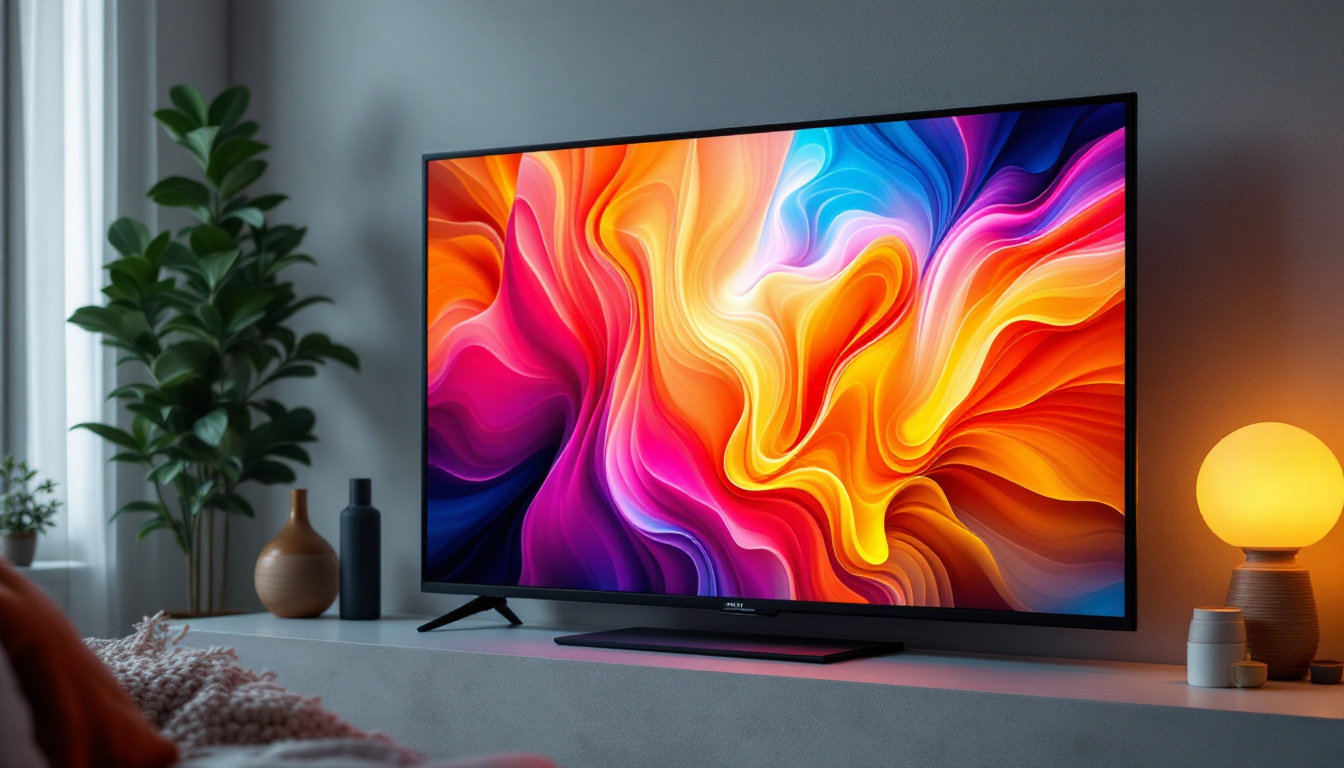
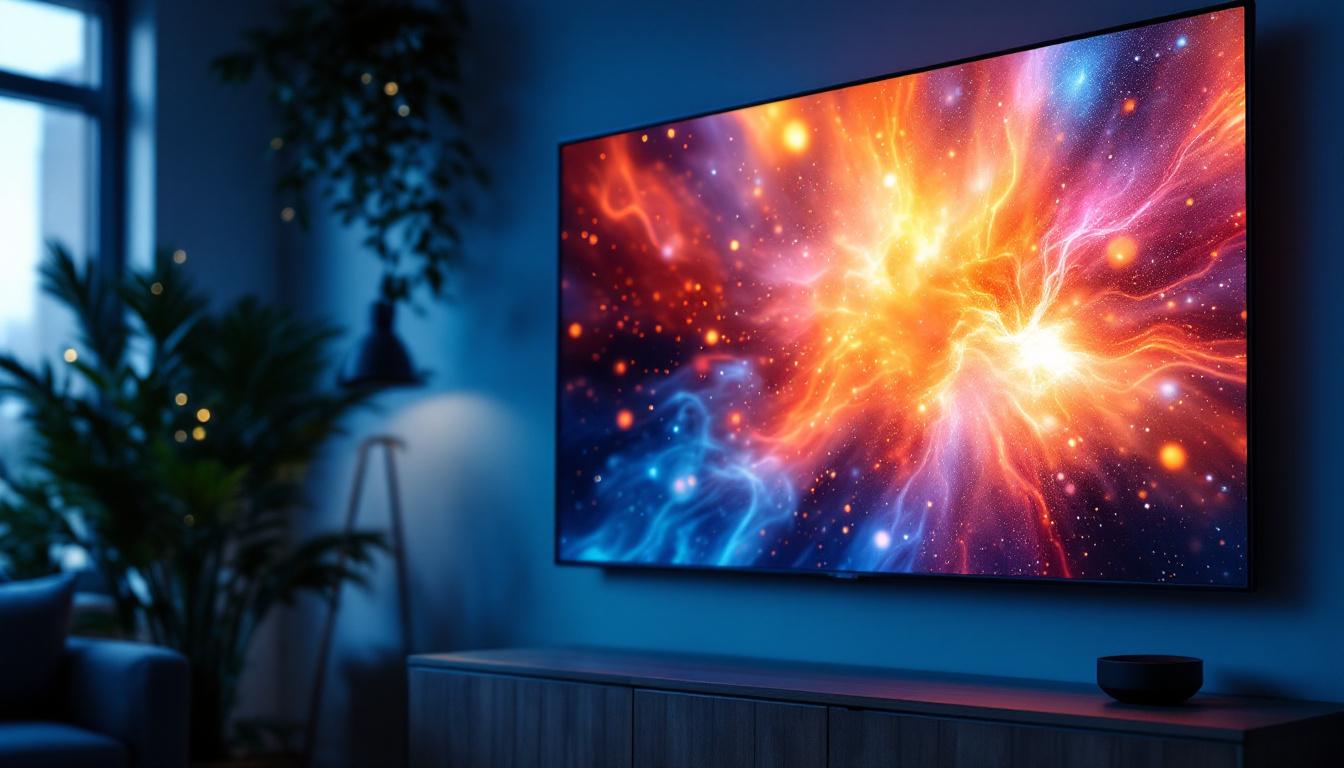
While less common, LED panel walls are increasingly being integrated into luxury home theaters and living spaces. Their ability to create large, immersive screens with excellent picture quality appeals to enthusiasts seeking a premium viewing experience.
Technical Considerations When Choosing LED Panel Walls
Pixel Pitch and Resolution
Pixel pitch refers to the distance between the centers of two adjacent LEDs on a panel, typically measured in millimeters. A smaller pixel pitch means higher pixel density, resulting in sharper images and higher resolution. For indoor use, pixel pitches as low as 0.9mm to 2.5mm are common, while outdoor panels usually have larger pitches (4mm to 10mm) to accommodate longer viewing distances.
Choosing the right pixel pitch depends on the intended viewing distance and content type. For example, a retail display viewed up close requires a finer pitch than a billboard seen from hundreds of meters away.
Brightness and Contrast Ratio
Brightness is measured in nits (cd/m²) and determines how well the display performs under various lighting conditions. Outdoor LED walls typically require brightness levels above 5,000 nits to remain visible in direct sunlight, whereas indoor displays can function well at 800 to 1,500 nits.
Contrast ratio, the difference between the darkest black and the brightest white, affects image depth and realism. High contrast ratios are essential for delivering vivid and engaging visuals.
Refresh Rate and Color Accuracy
Refresh rate, measured in hertz (Hz), indicates how many times per second the display updates its image. Higher refresh rates reduce flicker and motion blur, which is especially important for video playback and live broadcasts. Professional LED walls often support refresh rates of 3,840 Hz or higher.
Color accuracy ensures that the displayed content matches the creator’s intent. Advanced calibration tools and color management systems help maintain consistent and true-to-life colors across the entire panel wall.
Installation and Maintenance
LED panel walls require careful installation to ensure alignment, seamless image quality, and structural integrity. Many manufacturers offer lightweight, easy-to-install panels with features like front or rear serviceability, allowing maintenance without dismantling the entire wall.
Regular maintenance includes cleaning, calibration, and software updates to keep the display performing optimally over time.
Future Trends in LED Panel Wall Technology
MicroLED and MiniLED Innovations
Emerging technologies like MicroLED and MiniLED are pushing the boundaries of LED display performance. MicroLEDs are significantly smaller than traditional LEDs, enabling even higher pixel densities and improved energy efficiency. This technology promises to deliver OLED-like contrast and color performance without the drawbacks of organic materials.
MiniLED backlighting, meanwhile, enhances LCD displays by using thousands of tiny LEDs to provide more precise local dimming, improving contrast and brightness.
Flexible and Transparent LED Panels
Flexible LED panels allow for curved, bent, or irregularly shaped displays, opening new possibilities for creative installations in architecture and design. Transparent LED panels enable displays that do not obstruct views, ideal for retail windows or glass facades.
Integration with Smart Technologies
LED panel walls are increasingly integrated with smart systems, including AI-driven content management, interactive touch capabilities, and IoT connectivity. These features enable dynamic, personalized content and seamless control, enhancing user engagement and operational efficiency.
Conclusion
LED panel walls represent a powerful and versatile display technology that continues to transform visual communication across industries. Their unmatched brightness, scalability, image quality, and energy efficiency make them ideal for a wide range of applications—from retail and corporate environments to entertainment and residential use.
Understanding the technical aspects such as pixel pitch, brightness, and refresh rate is crucial when selecting the right LED display solution. As innovations like MicroLED and flexible panels emerge, the future of LED display technology promises even greater possibilities for immersive and impactful visual experiences.
For businesses and individuals looking to make a lasting impression through visual media, investing in LED panel walls is a forward-thinking choice that combines cutting-edge technology with practical benefits.
Discover LumenMatrix LED Display Solutions
Ready to elevate your visual experience with the latest in LED technology? Look no further than LumenMatrix, where innovation meets excellence. Our diverse range of LED display modules, from Indoor and Outdoor LED Walls to Custom and Transparent Displays, is designed to captivate your audience and amplify your message. Embrace the future of visual communication with LumenMatrix and create unforgettable impressions in any setting. Check out LumenMatrix LED Display Solutions today and see your vision come to life.