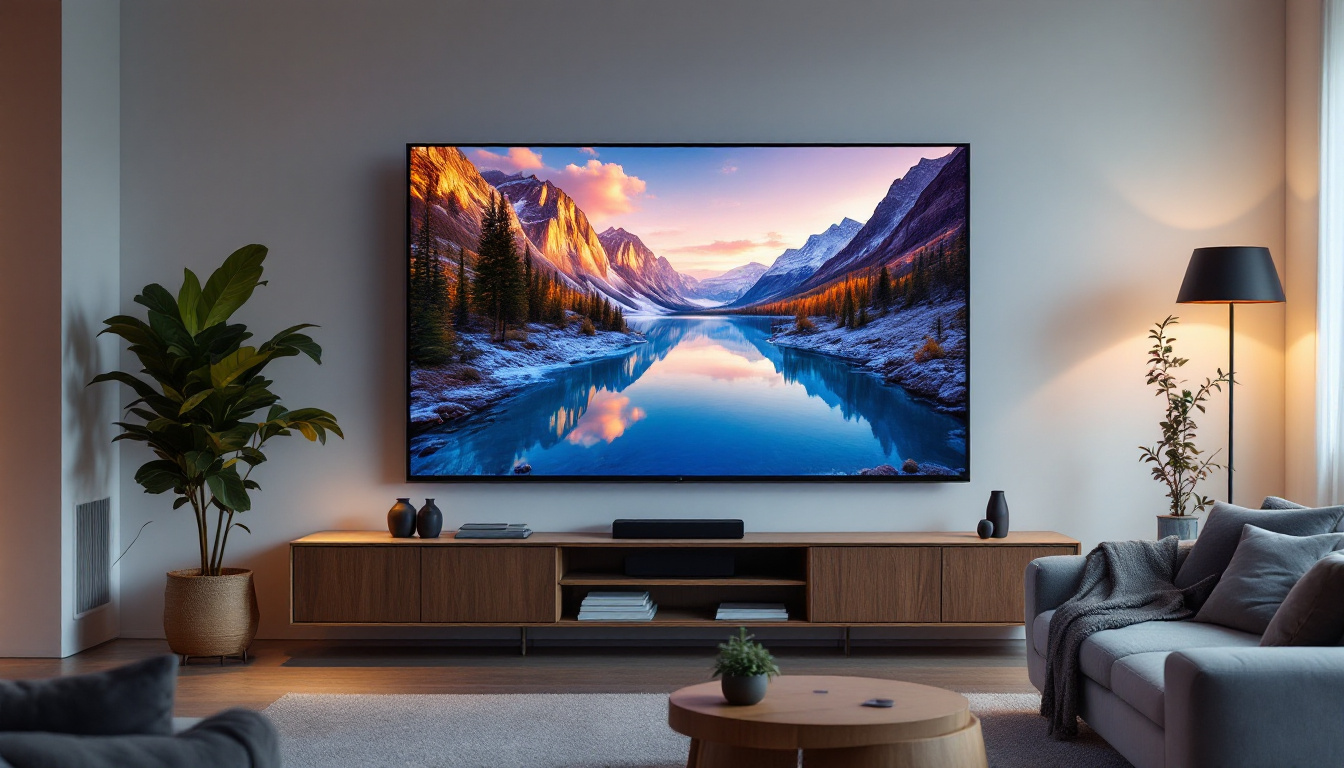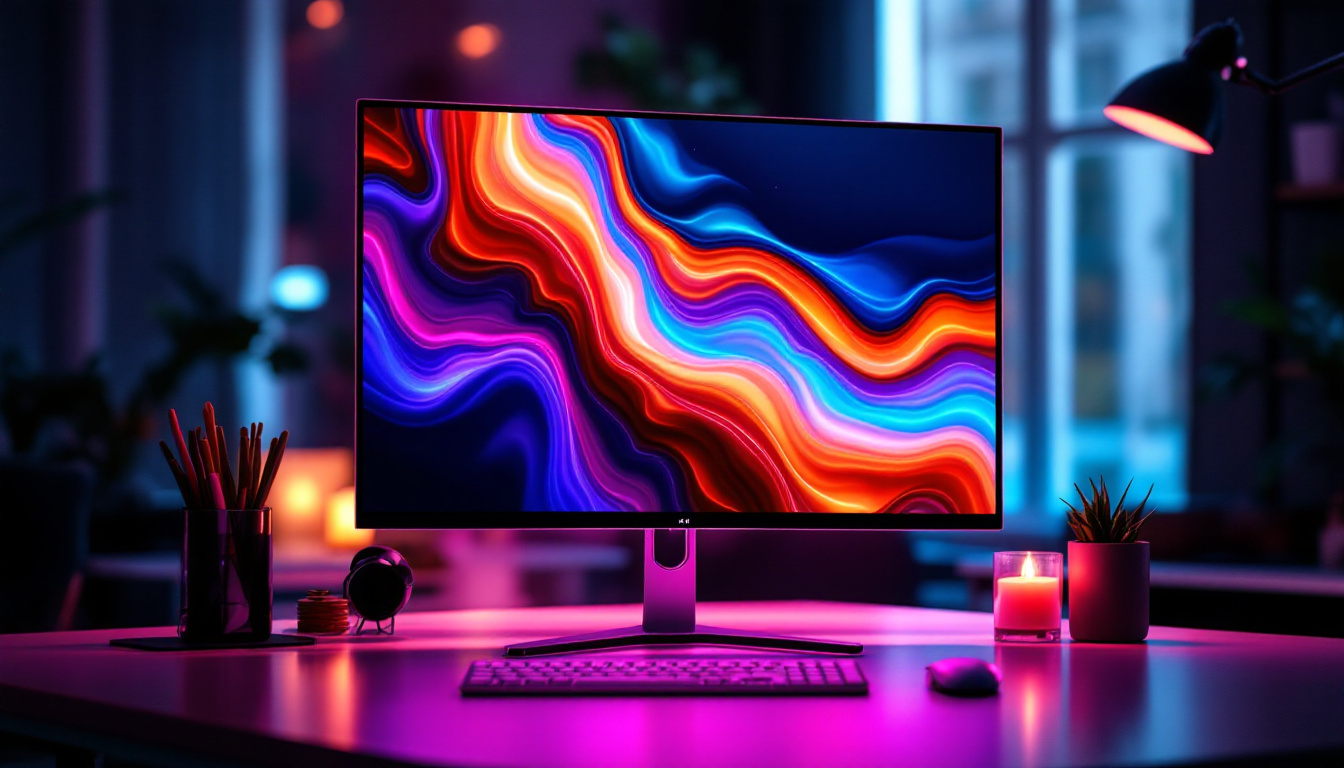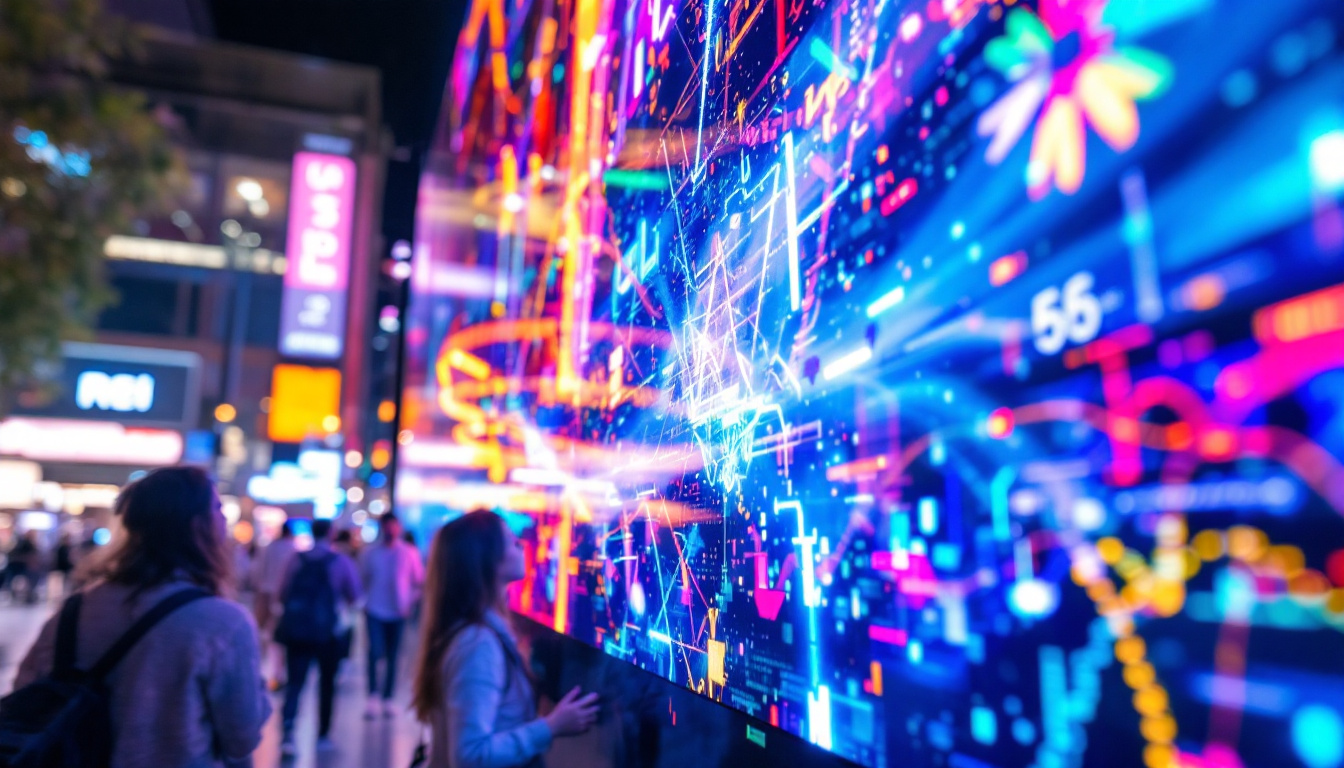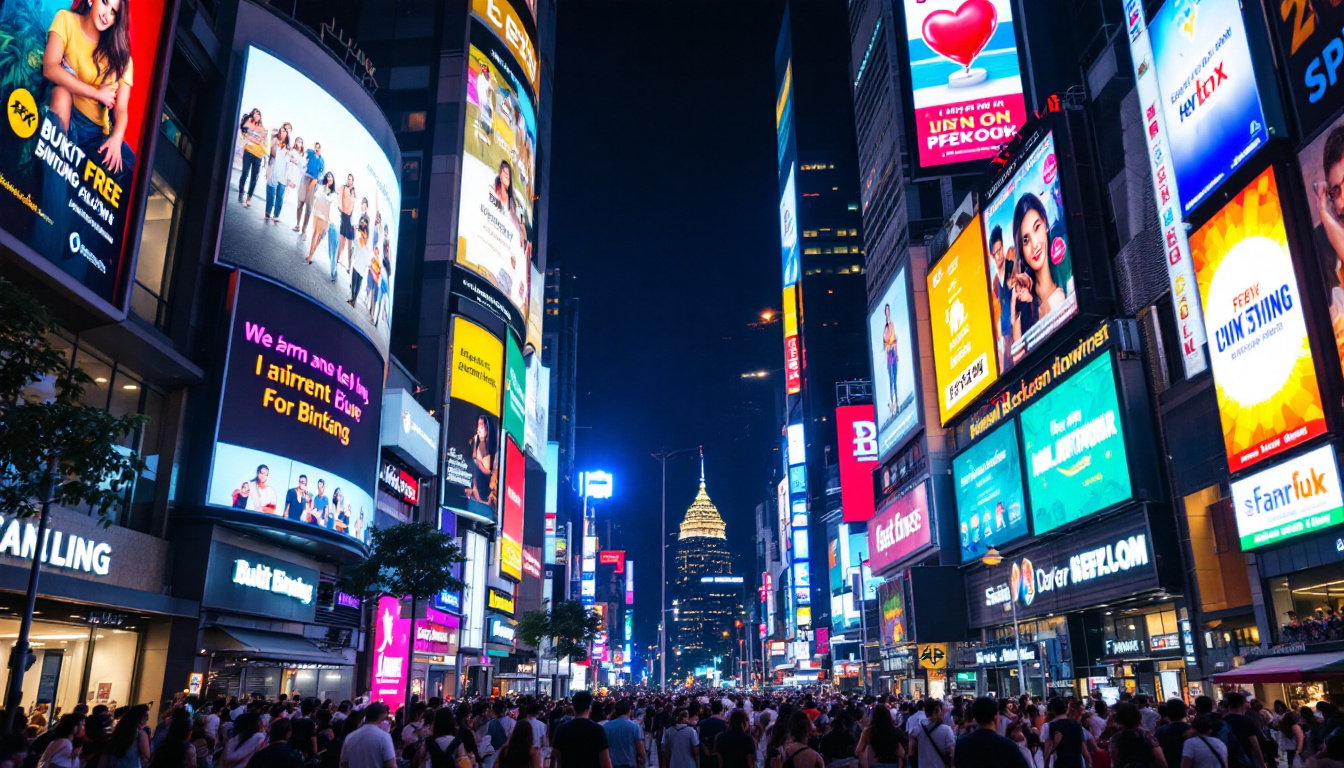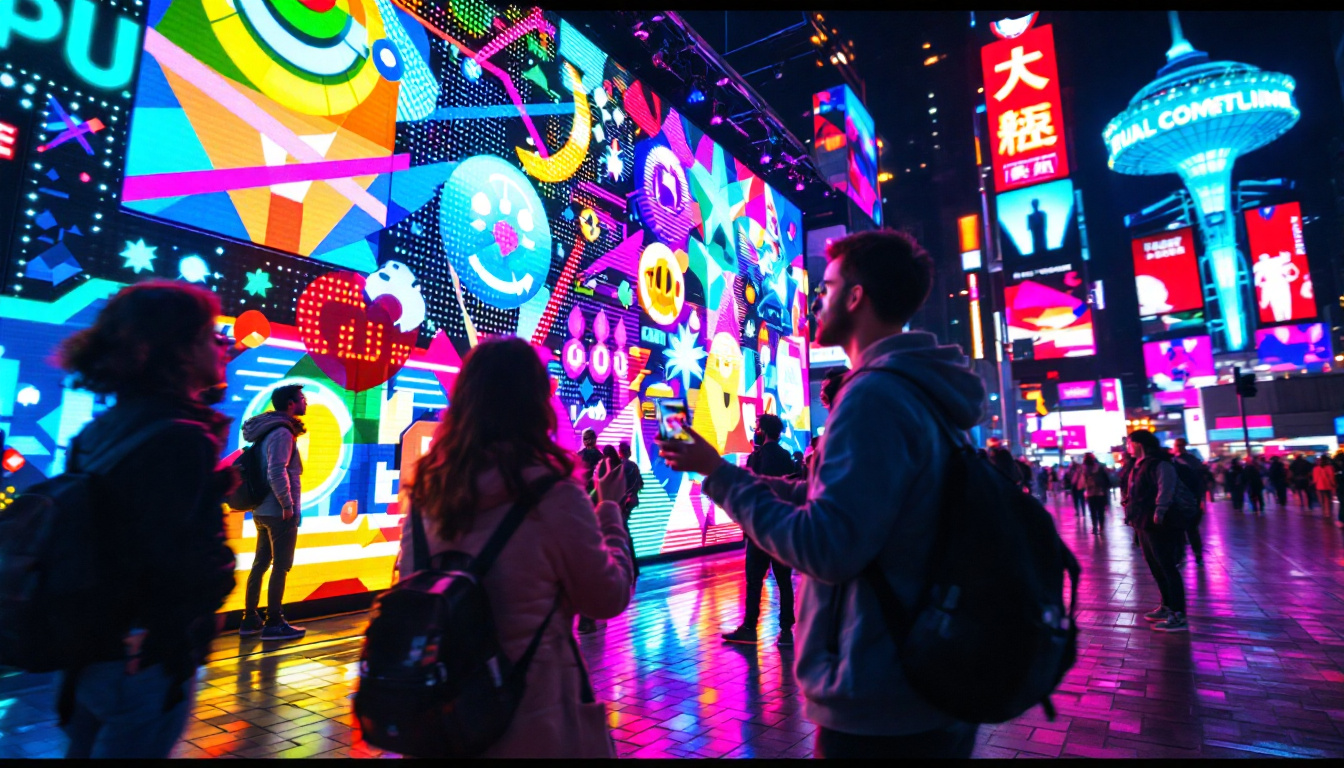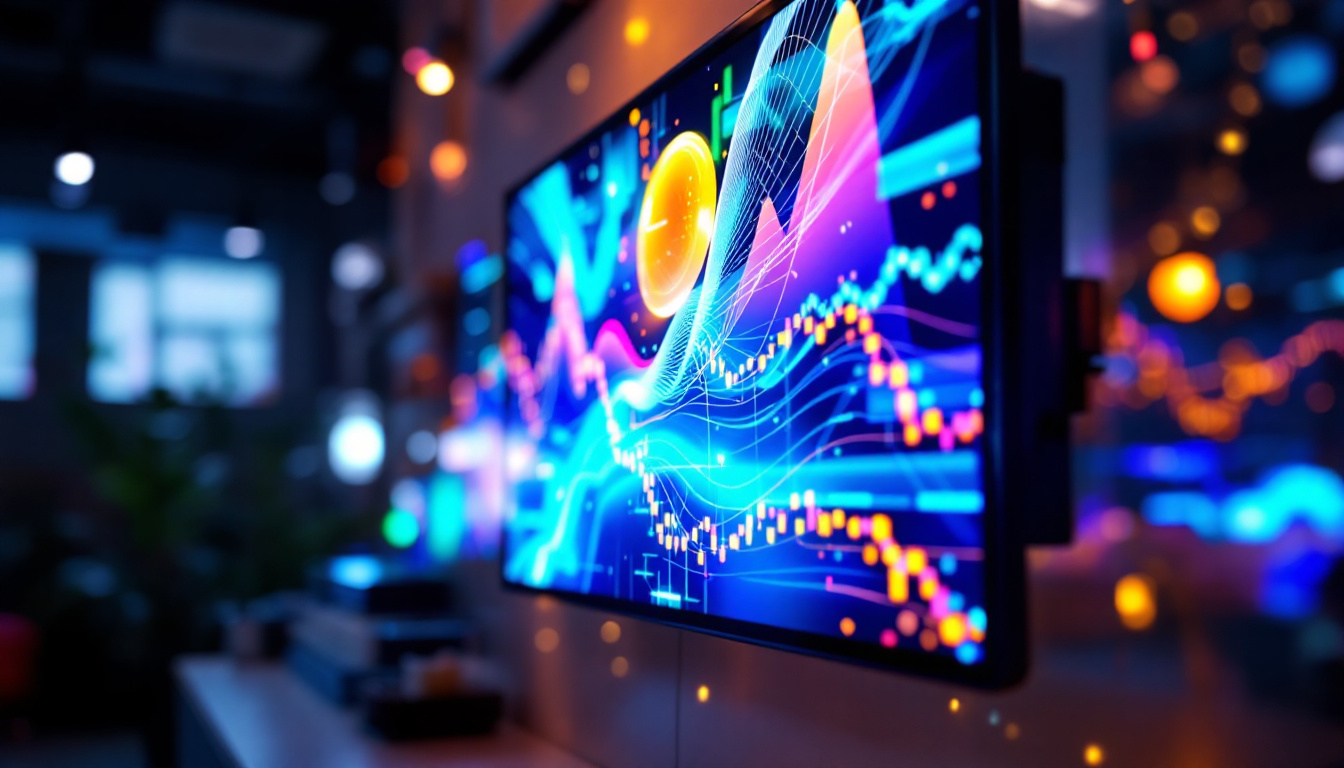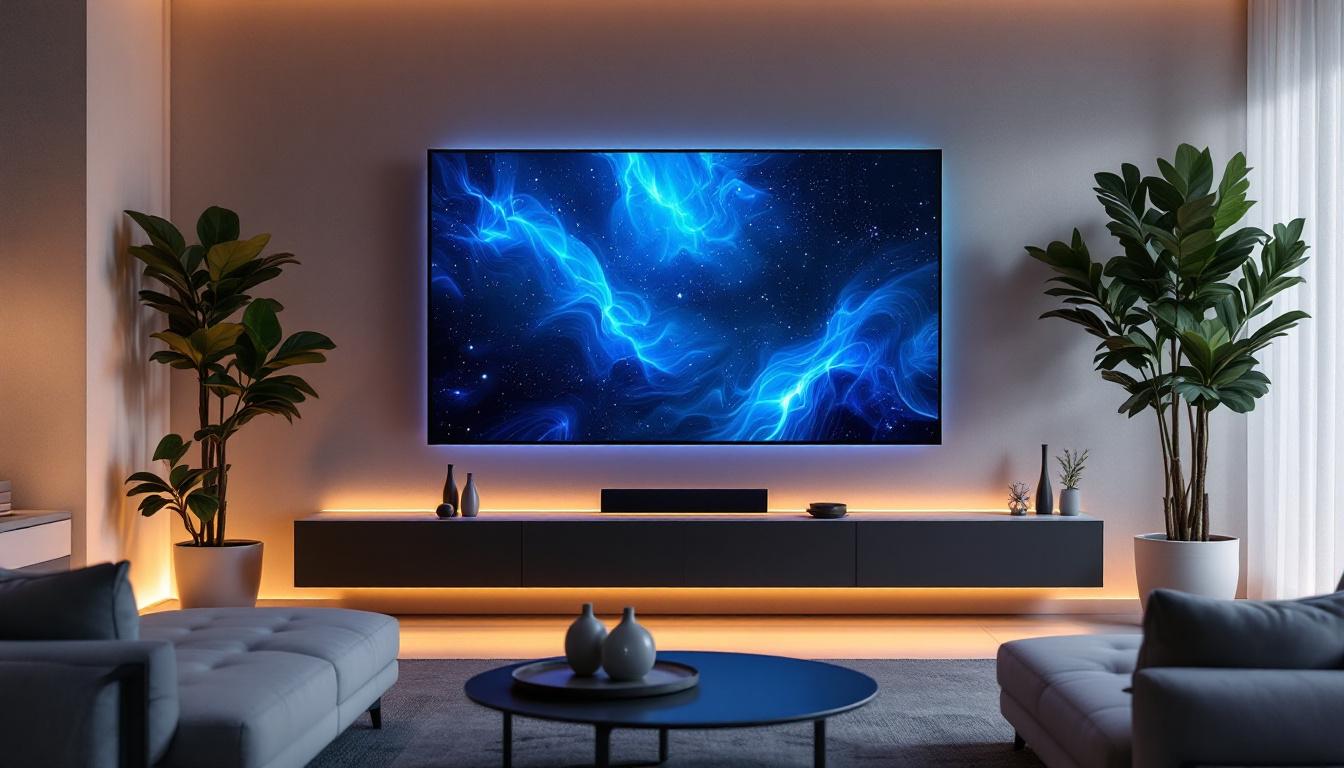
In today’s world of digital entertainment and dynamic visual presentations, TV wall designs featuring LED displays have become a cornerstone in both residential and commercial environments. From immersive home theaters to commanding corporate boardrooms and vibrant retail spaces, LED display technology is reshaping how we experience large-scale visuals. This article delves into the fundamentals of LED displays, explores various TV wall design concepts, and highlights the advantages and considerations that come with integrating LED technology into your space.
Understanding LED Display Technology
What is an LED Display?
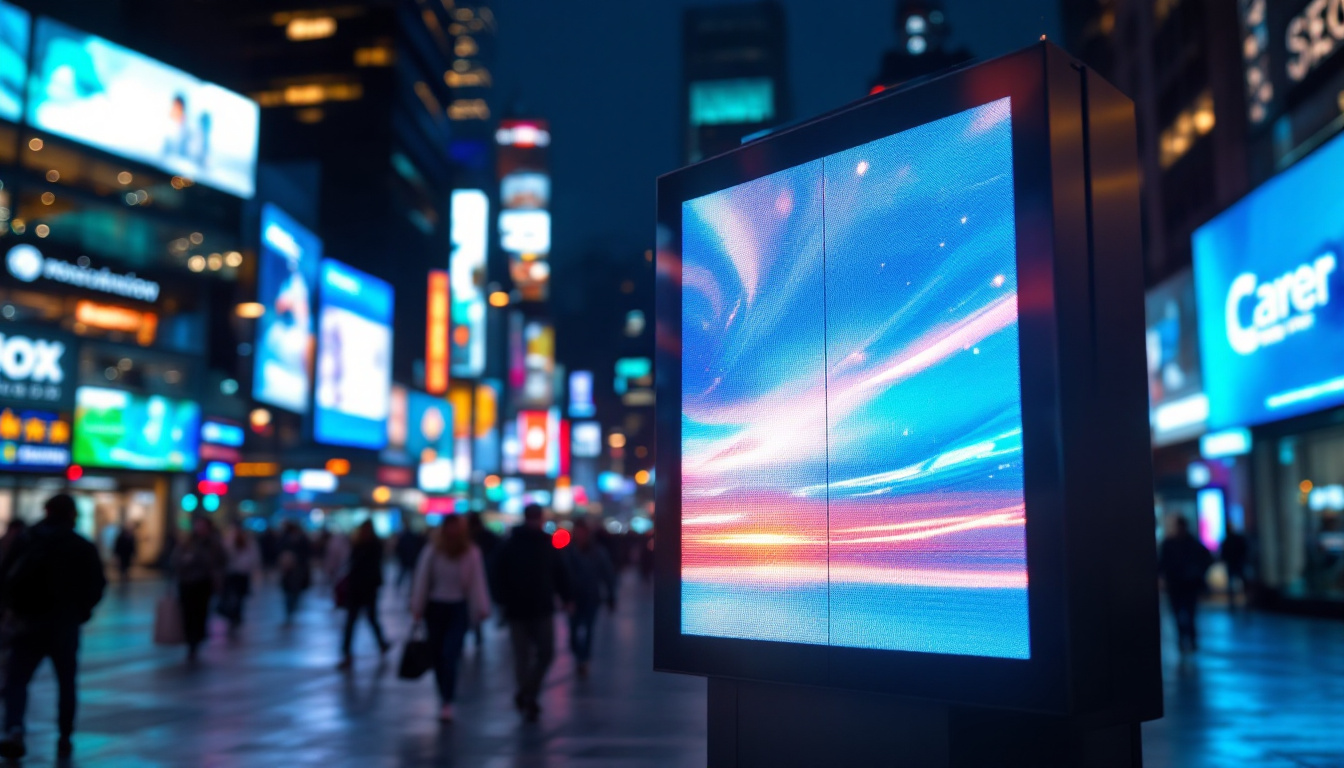
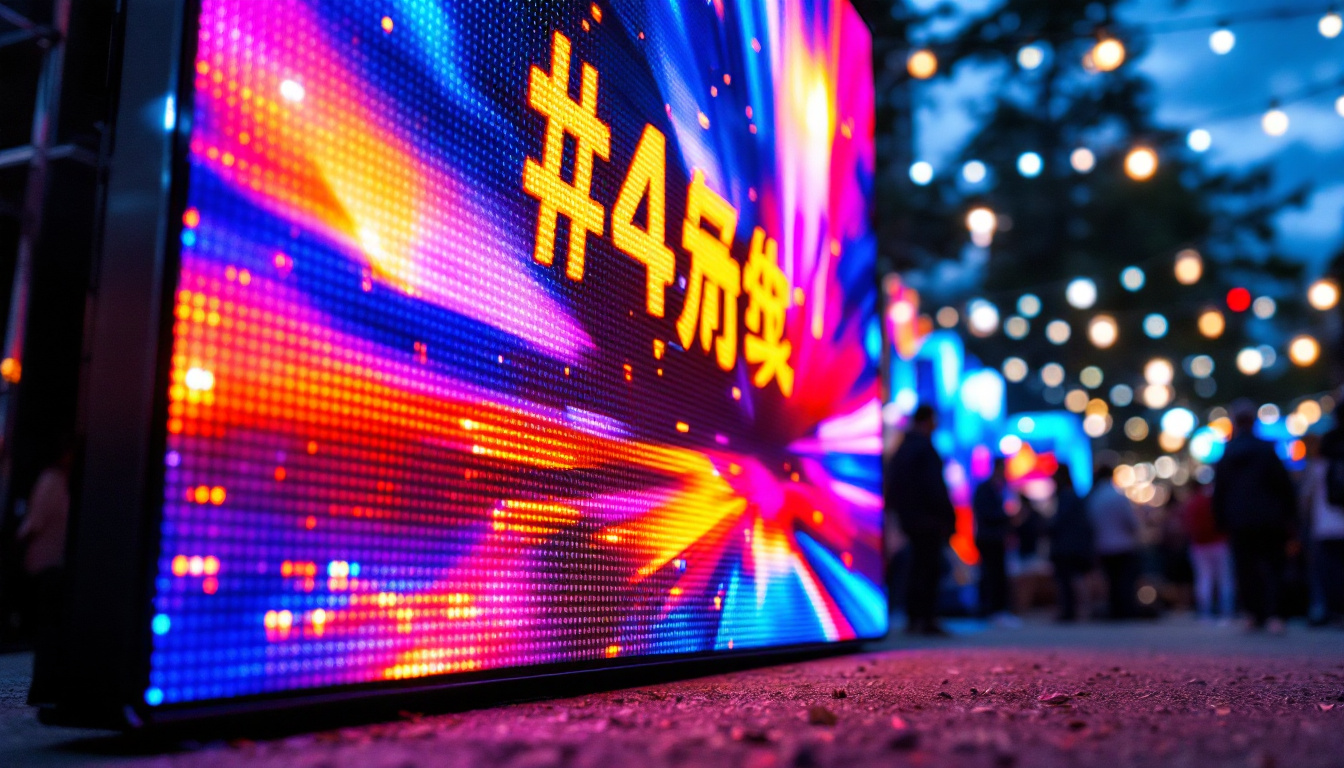
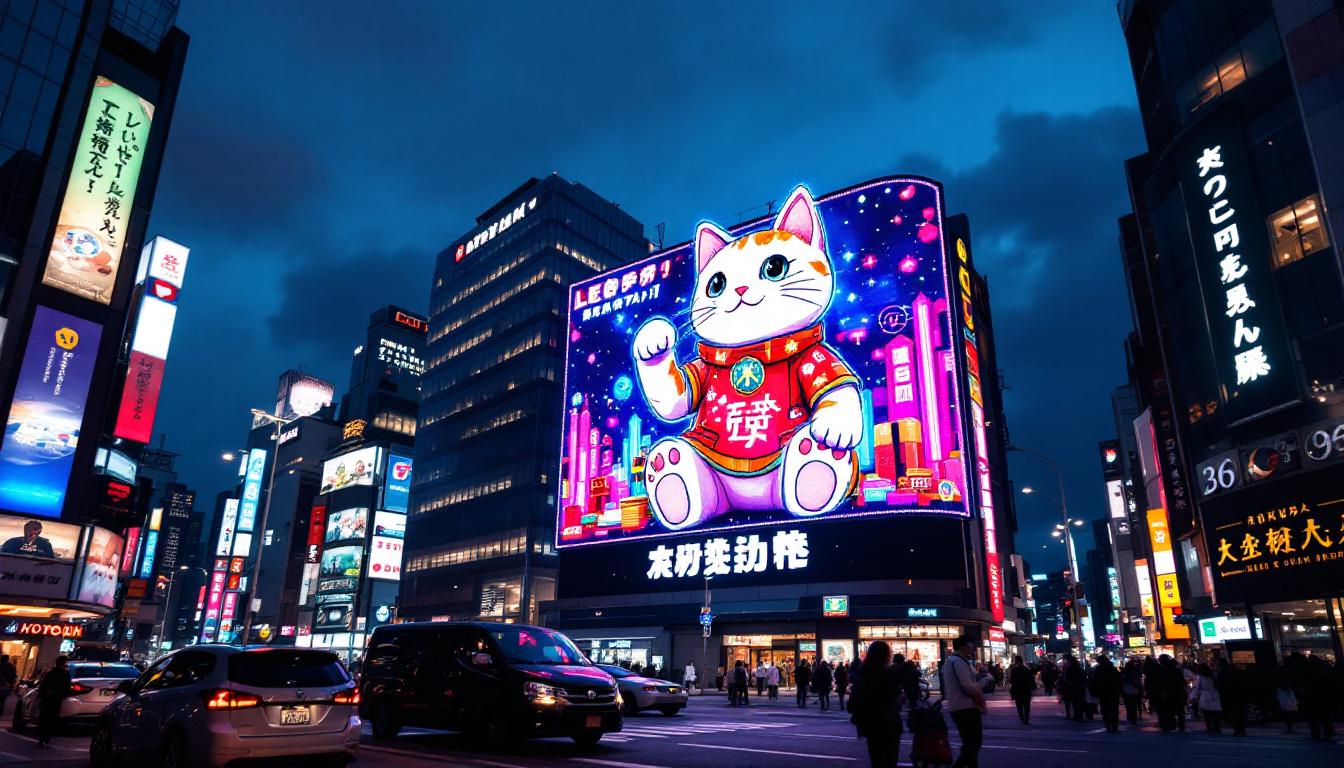
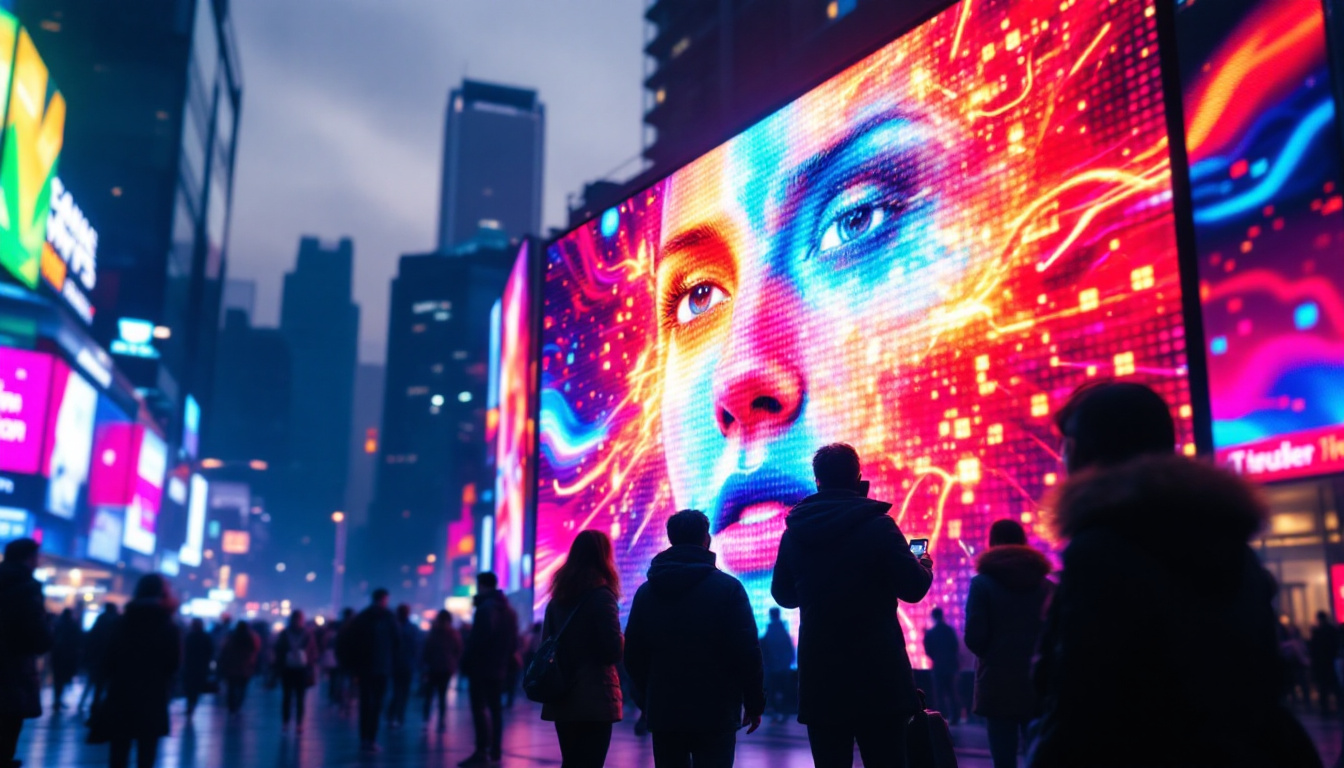
LED stands for Light Emitting Diode, a semiconductor device that emits light when an electric current passes through it. An LED display is a flat panel display technology that uses an array of these tiny LEDs as pixels to create images and videos. Unlike traditional LCD or plasma screens, LED displays can produce brighter images with higher contrast ratios, making them ideal for environments with varying lighting conditions. This capability allows for exceptional visibility, even in direct sunlight, which is why LED displays are commonly found in outdoor advertising and public information systems.
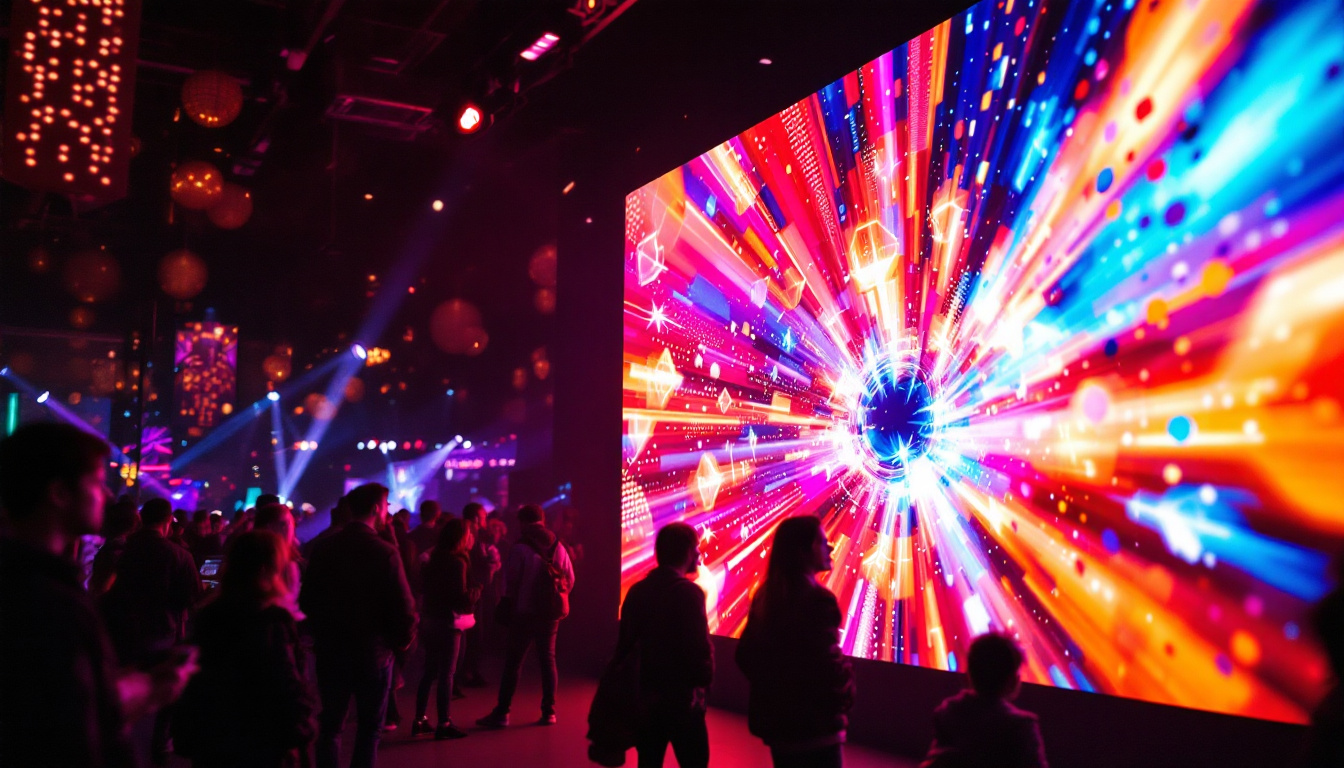
LED displays are often categorized into two main types: direct-view LED and LED-backlit LCD. Direct-view LED displays consist of individual LEDs forming the image directly, while LED-backlit LCD screens use LEDs to illuminate an LCD panel. The former is typically used for large-scale video walls due to its scalability and superior brightness. Additionally, direct-view LED technology allows for seamless integration of multiple panels, creating expansive displays that can cover large areas, making them perfect for concerts, sports events, and large public gatherings.
Key Components of an LED Display
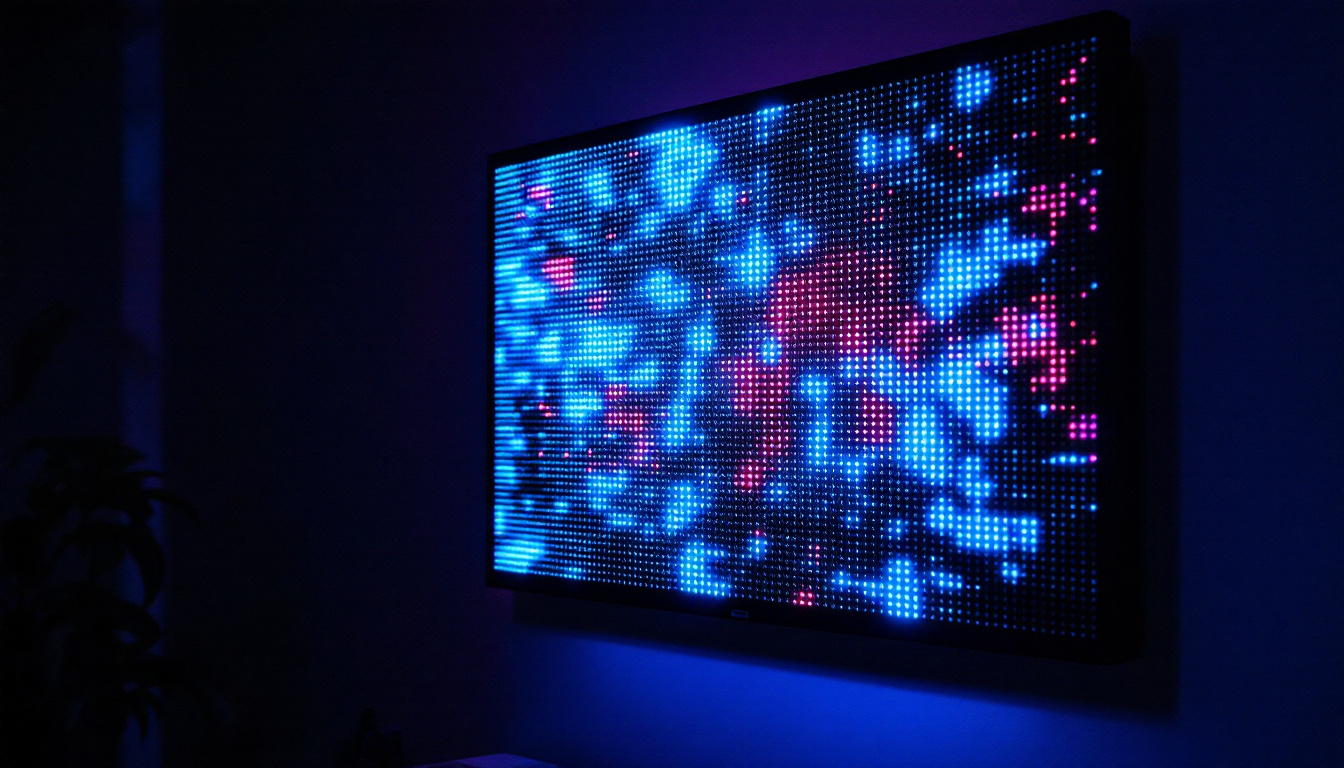
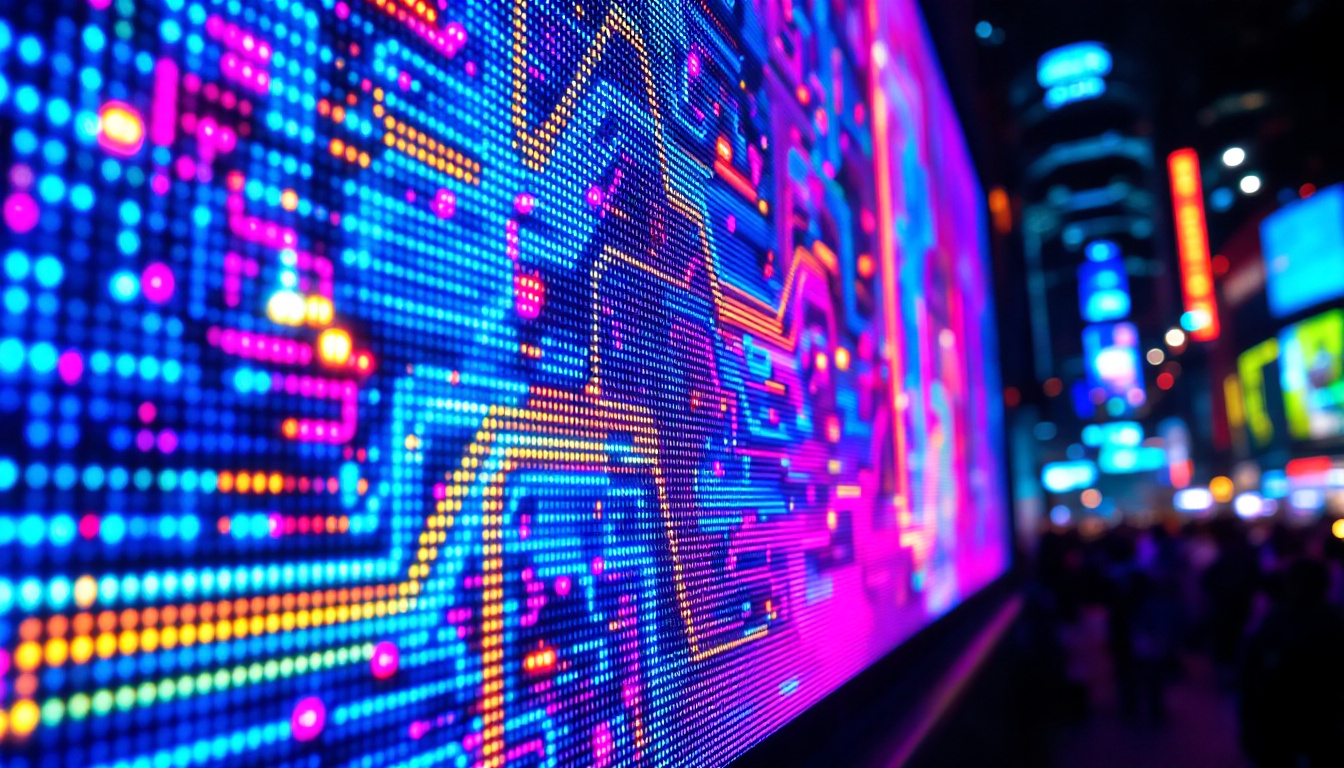
At the heart of an LED display are the pixels, each composed of red, green, and blue LEDs. These sub-pixels combine to produce a full spectrum of colors through varying brightness levels. The resolution of the display depends on the pixel pitch, which is the distance between the centers of two adjacent pixels. Smaller pixel pitches mean higher resolution and sharper images, especially important for close viewing distances. This is particularly beneficial in settings such as retail environments, where detailed visuals can attract customers and enhance the shopping experience.
Other essential components include the control system, power supply, and the cabinet or module housing the LEDs. Modern LED displays also integrate advanced processing units that enhance image quality through color calibration, brightness adjustment, and real-time video processing. Furthermore, many LED displays are equipped with smart technology that allows for remote monitoring and management, enabling operators to adjust settings, update content, and troubleshoot issues from anywhere. This level of control is invaluable for businesses that rely on dynamic advertising and need to ensure their displays are always functioning optimally.
Popular TV Wall Designs Using LED Displays
Modular Video Walls
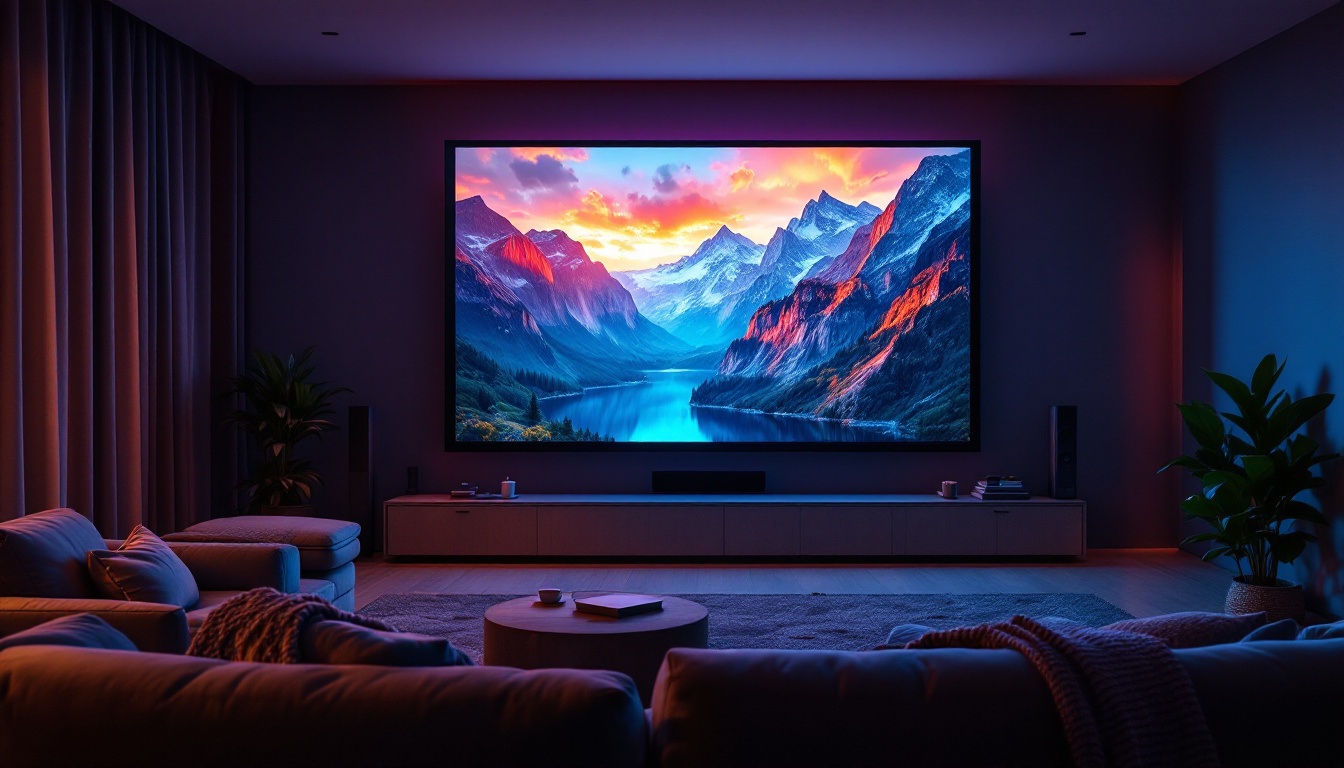
Modular video walls are one of the most versatile and widely used TV wall designs. These walls consist of multiple LED panels seamlessly tiled together to create a large, continuous display surface. The modular nature allows for flexible sizing and aspect ratios, making it suitable for various applications such as digital signage, event backdrops, and control rooms.
For instance, a retail store might deploy a modular LED wall to showcase promotional content, while a corporate office could use it for presentations and video conferencing. The ability to customize the configuration means these walls can range from a few square feet to several hundred square feet without compromising image quality.
Curved and Flexible LED Walls
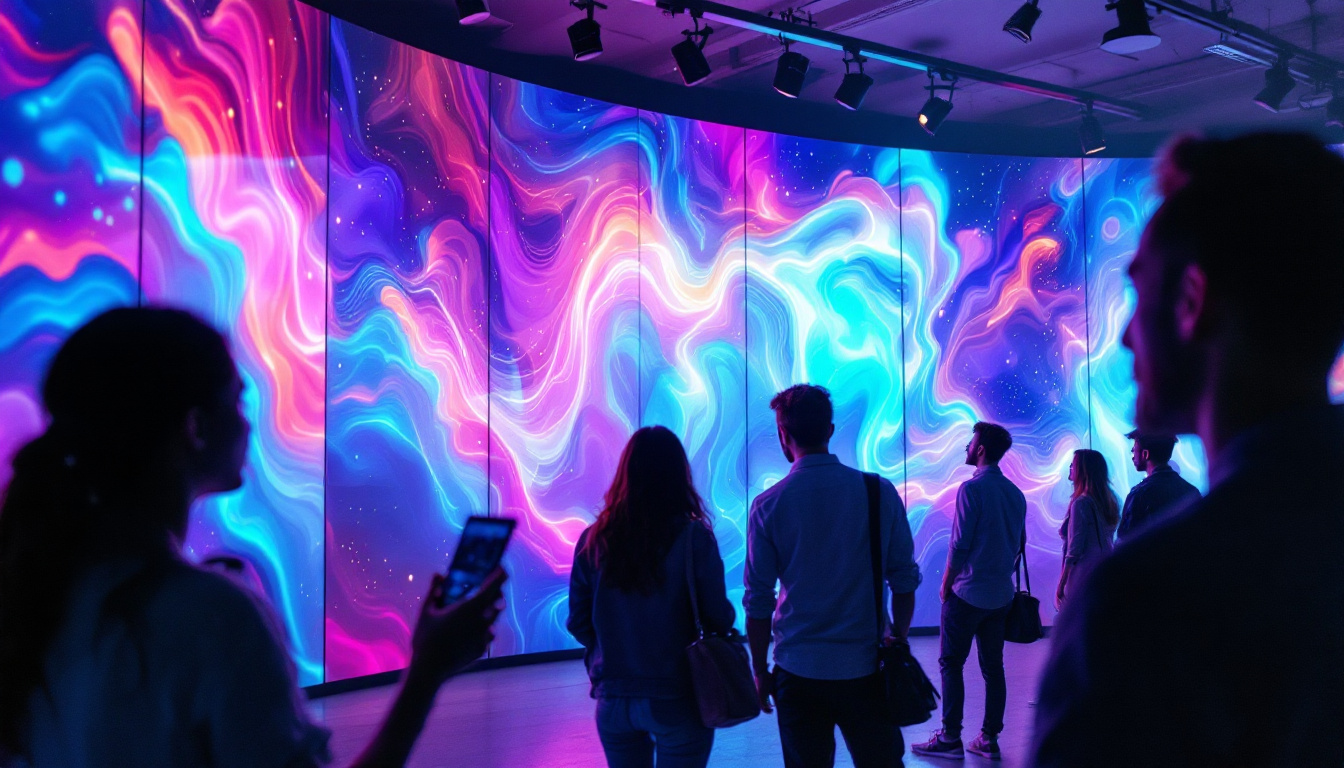
Advancements in LED technology have enabled the creation of curved and flexible LED walls, adding a new dimension to TV wall designs. These displays can wrap around corners or form cylindrical shapes, providing immersive viewing experiences that traditional flat screens cannot achieve.
Curved LED walls are particularly popular in entertainment venues, museums, and experiential marketing installations where engaging the audience is paramount. The curvature enhances viewing angles and depth perception, making visuals more captivating and lifelike.
Transparent LED Displays
Transparent LED displays represent a cutting-edge innovation in TV wall design. These screens allow light to pass through them, enabling them to be installed on glass surfaces such as storefront windows or building facades without obstructing the view.
This technology is gaining traction in retail environments where maintaining natural light and visibility is crucial. For example, a fashion boutique might use a transparent LED display to showcase dynamic advertisements while still allowing passersby to see inside the store. The combination of functionality and aesthetics makes transparent LED walls a compelling choice for modern architectural designs.
Advantages of LED Displays in TV Wall Designs
Superior Brightness and Contrast
One of the most significant advantages of LED displays is their exceptional brightness. LED walls can achieve brightness levels exceeding 1,000 nits, making them clearly visible even in brightly lit environments. This is a critical factor for commercial spaces such as airports, shopping malls, and outdoor venues where ambient light can wash out other display technologies.
Additionally, LEDs offer superior contrast ratios, which enhance the depth and vibrancy of images. Deep blacks and vivid colors contribute to an immersive viewing experience, whether for advertising, entertainment, or informational purposes.
Energy Efficiency and Longevity
Compared to traditional display technologies, LEDs are highly energy-efficient. They consume less power while delivering brighter images, which translates into lower operational costs over time. This efficiency is particularly beneficial for large-scale video walls that operate for extended hours daily.
Moreover, LED displays boast impressive longevity, often rated for 50,000 to 100,000 hours of operation. This durability reduces the need for frequent replacements and maintenance, making LEDs a cost-effective investment in the long run.
Flexibility and Customization
LED technology’s modular nature allows for unparalleled flexibility in TV wall design. Whether the goal is a massive video wall spanning an entire wall or a smaller, artistic installation with unique shapes and curves, LEDs can be tailored to fit diverse spatial and aesthetic requirements.
This adaptability extends to resolution and pixel pitch, enabling designers to optimize displays for specific viewing distances and content types. Such customization ensures that the final installation meets both functional and visual expectations.
Considerations When Choosing LED Displays for TV Walls
Pixel Pitch and Viewing Distance
Choosing the appropriate pixel pitch is crucial for achieving optimal image clarity. A smaller pixel pitch provides higher resolution but comes at a higher cost. For TV walls intended to be viewed from a distance, a larger pixel pitch may suffice without compromising the viewing experience.
For example, a control room where operators sit close to the screen may require a pixel pitch of 1.2mm or less, while a large public display viewed from several meters away might use a 4mm or 6mm pitch. Understanding the relationship between pixel pitch and viewing distance helps balance cost and performance effectively.
Installation Environment and Ambient Lighting
The environment where the LED TV wall will be installed significantly influences the choice of display. Outdoor installations require weatherproof and high-brightness displays to withstand sunlight, rain, and temperature fluctuations. Indoor environments may prioritize resolution and color accuracy over extreme brightness.
Ambient lighting conditions also affect perceived image quality. LED displays with adjustable brightness and anti-glare coatings can maintain visibility and reduce eye strain in various lighting scenarios.
Content Management and Integration
Effective content management systems (CMS) are essential for maximizing the potential of LED TV walls. These systems enable seamless scheduling, updating, and playback of multimedia content across multiple displays. Integration with existing AV infrastructure and network capabilities ensures smooth operation and scalability.
When selecting an LED display, it is important to consider compatibility with CMS platforms and the ease of content creation and deployment. A robust CMS enhances the user experience and unlocks the full value of the LED TV wall.
Emerging Trends in LED TV Wall Designs
MicroLED Technology
MicroLED is an emerging display technology that promises even higher brightness, efficiency, and color accuracy than traditional LEDs. MicroLED panels consist of microscopic LEDs that can be individually controlled, resulting in superior image quality and energy savings.
Though still in the early stages of commercial adoption, MicroLED is poised to revolutionize TV wall designs by enabling ultra-thin, flexible, and highly customizable displays suitable for both indoor and outdoor use.
Interactive LED Walls
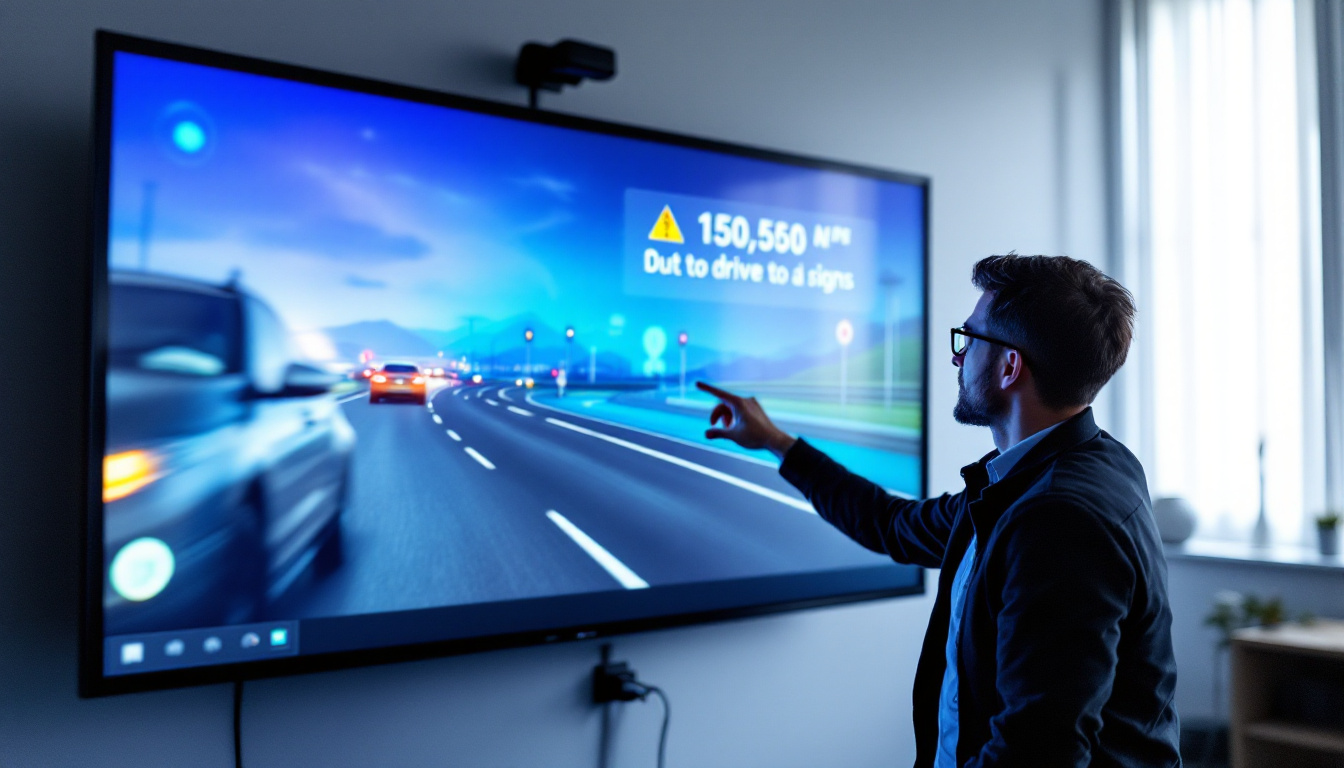
Interactivity is becoming a key feature in modern TV wall designs. Touch-sensitive LED walls allow users to engage directly with the content, opening new possibilities for retail, education, and corporate environments. Gesture recognition and integration with mobile devices further enhance the interactive experience.
These interactive walls not only serve as display surfaces but also as dynamic communication tools that foster engagement and collaboration.
Eco-Friendly and Sustainable Designs
As sustainability becomes a priority across industries, LED TV wall designs are increasingly incorporating eco-friendly materials and energy-saving technologies. Manufacturers are focusing on reducing hazardous substances, improving recyclability, and optimizing power consumption.
Choosing sustainable LED displays aligns with corporate social responsibility goals and can contribute to green building certifications, making it an important consideration for environmentally conscious projects.
Conclusion
LED displays have transformed the landscape of TV wall designs by offering unmatched brightness, flexibility, and durability. Whether for commercial advertising, immersive entertainment, or professional environments, LED technology provides a versatile platform that can be tailored to diverse needs and spaces.
Understanding the technical aspects, design options, and practical considerations is essential for making informed decisions when integrating LED TV walls. As technology continues to evolve with innovations like MicroLED and interactive displays, the future of TV wall design promises even more dynamic and engaging visual experiences.
Investing in LED display technology not only enhances visual communication but also delivers long-term value through energy efficiency and adaptability, making it a smart choice for modern spaces seeking to captivate and inform audiences effectively.
Discover LumenMatrix’s Innovative LED Display Solutions
Ready to elevate your space with the latest in LED display technology? LumenMatrix offers a comprehensive range of LED display modules designed to bring your vision to life. From stunning Indoor and Outdoor LED Wall Displays to dynamic Vehicle and Sports LED Displays, our solutions are crafted to maximize brand visibility and audience engagement. Experience the future of visual communication with our Custom, All-in-One, and Transparent LED Displays. Check out LumenMatrix LED Display Solutions today and transform your environment with captivating visual experiences.