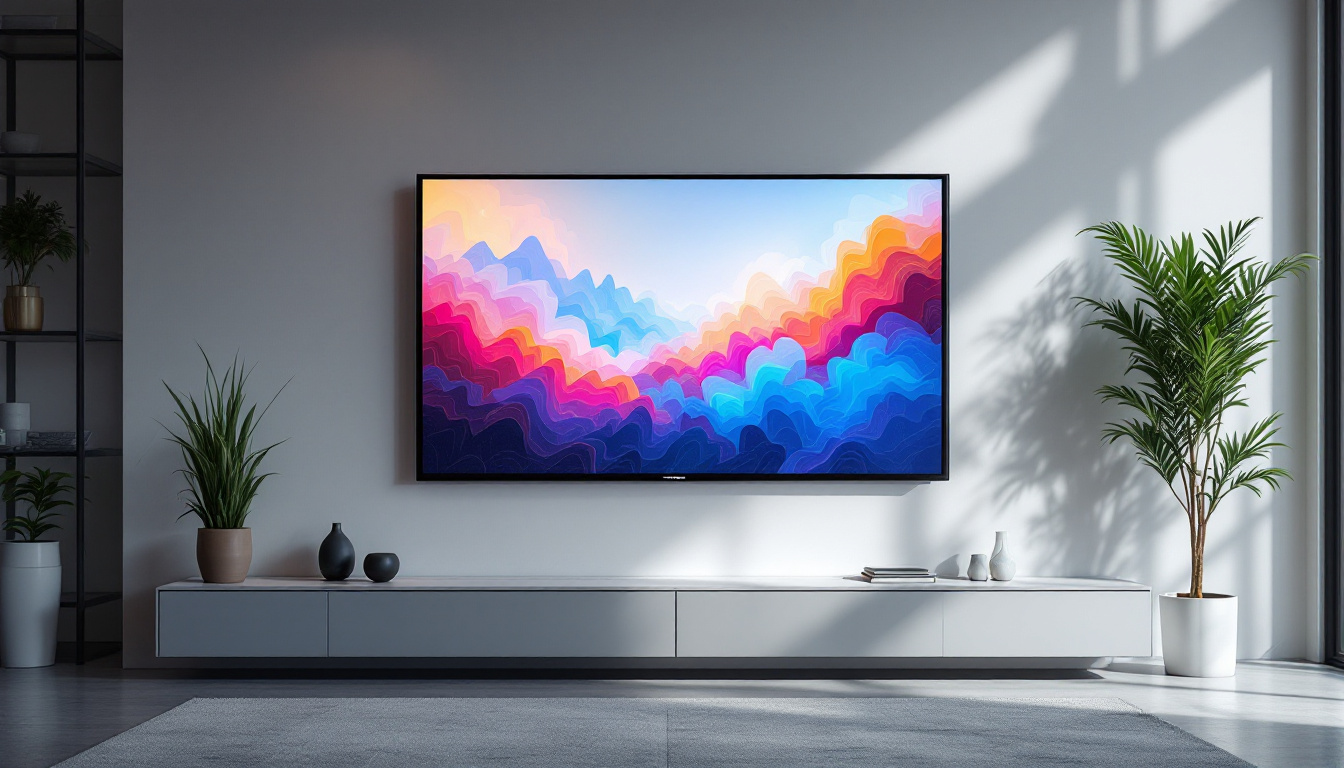
In today’s world, choosing the right television can be a daunting task given the variety of display technologies available. Among these, LED displays have become one of the most popular choices for consumers worldwide. But what exactly is an LED TV display, and how does it compare to other types of TV screens? This article will explore the different types of TV displays, with a detailed focus on LED technology, its advantages, limitations, and why it remains a dominant force in the market.
Overview of TV Display Technologies
Television display technology has evolved significantly over the past few decades. From bulky cathode ray tube (CRT) TVs to sleek flat panels, the way images are rendered on screens has transformed to enhance picture quality, reduce energy consumption, and improve user experience.
The main types of TV displays currently available include:
- LCD (Liquid Crystal Display)
- LED (Light Emitting Diode)
- OLED (Organic Light Emitting Diode)
- QLED (Quantum Dot LED)
- Plasma (largely phased out)
Each of these technologies has unique characteristics that influence picture quality, price, and durability. Understanding these differences is crucial for making an informed purchase decision.
LCD: The Foundation of Modern Displays
Liquid Crystal Display (LCD) technology uses liquid crystals that modulate light to produce images. However, LCD panels themselves do not emit light; they rely on a backlight source to illuminate the screen. This is where LED technology comes in, as most modern LCD TVs use LED backlighting. The combination of LCD and LED has led to thinner, lighter televisions with improved brightness and energy efficiency. Additionally, advancements in LCD technology, such as the introduction of IPS (In-Plane Switching) panels, have enhanced viewing angles and color reproduction, making them a popular choice for family rooms and shared spaces.
Plasma: The Once Popular Display
Plasma TVs, which used small cells containing electrically charged ionized gases, were known for their excellent color accuracy and deep blacks. However, they were heavier, consumed more power, and were prone to screen burn-in. Due to these limitations and advancements in LED technology, plasma TVs have largely disappeared from the market. Despite their decline, plasma technology remains a point of interest for enthusiasts who appreciate the rich colors and motion handling capabilities that plasma displays offered, particularly for watching fast-paced sports or action films. This nostalgia for plasma displays highlights the ongoing evolution of technology, where each generation of displays builds upon the strengths and weaknesses of its predecessors.
What is an LED TV Display?
Despite the name, an LED TV is essentially an LCD TV that uses Light Emitting Diodes (LEDs) as its backlighting source instead of traditional cold cathode fluorescent lamps (CCFLs). This subtle but significant change has revolutionized television displays by improving brightness, contrast, and energy efficiency.
How LED Backlighting Works
In an LED TV, the liquid crystal panel controls the image by blocking or allowing light to pass through. The LEDs behind or around the edges of the screen provide the light needed to illuminate the image. There are two primary types of LED backlighting:
- Edge-lit LED: LEDs are placed around the edges of the screen, allowing for thinner panels and lower production costs.
- Full-array LED: LEDs are distributed uniformly behind the entire screen, offering better control over brightness and contrast.
Full-array LED TVs often include local dimming technology, where specific zones of LEDs can be dimmed or brightened independently, enhancing contrast and producing deeper blacks.
Advantages of LED TVs
LED TVs offer several benefits over older LCD and plasma models, including:
- Improved Energy Efficiency: LEDs consume less power than CCFL backlights, making LED TVs more environmentally friendly and cheaper to operate.
- Better Brightness and Contrast: LED backlighting can achieve higher brightness levels and better contrast ratios, improving picture quality, especially in well-lit rooms.
- Thinner and Lighter Design: Edge-lit LED TVs can be incredibly slim, allowing for sleek designs that fit modern living spaces.
- Longer Lifespan: LEDs tend to last longer than CCFLs, contributing to the overall durability of the TV.
Limitations of LED TVs
While LED TVs have many advantages, they are not without drawbacks:
- Black Levels and Contrast: LED TVs, especially edge-lit models, can struggle to produce true black levels compared to OLED TVs, which emit light on a per-pixel basis.
- Viewing Angles: Some LED TVs may suffer from color and contrast degradation when viewed from wide angles.
- Uniformity Issues: Edge-lit LED TVs can sometimes display uneven brightness across the screen, known as “flashlighting” or “clouding.”
Different Types of LED Displays
Within the LED TV category, several variations exist, each offering distinct features and performance characteristics. Understanding these can help consumers choose a TV that best fits their needs.
Edge-lit LED TVs
Edge-lit LED TVs position the LEDs along the edges of the screen, using light guides to distribute illumination across the panel. This design allows manufacturers to create ultra-thin TVs and reduce production costs.
However, because the light source is not directly behind the screen, edge-lit TVs may have less uniform brightness and limited local dimming capabilities. This can affect contrast and black levels, especially in darker scenes.
Full-array LED TVs
Full-array LED TVs feature a grid of LEDs placed directly behind the entire screen. This setup enables more precise control of backlighting through local dimming zones, which can be turned on or off independently to enhance contrast.
Full-array models generally offer better picture quality than edge-lit TVs, with deeper blacks and improved brightness uniformity. They tend to be thicker and more expensive but are favored by enthusiasts who prioritize image quality.
Mini-LED TVs
Mini-LED technology is an advancement of full-array LED backlighting. It uses thousands of tiny LEDs, much smaller than traditional LEDs, to provide even more precise local dimming and better control over brightness and contrast.
Mini-LED TVs can deliver near-OLED levels of black performance and brightness, making them an excellent option for those seeking high-end picture quality without the potential burn-in risks associated with OLED.
Micro-LED: The Emerging Technology
Micro-LED displays are an emerging technology that combines the best features of LED and OLED. Each pixel is its own microscopic LED that emits light independently, allowing for perfect blacks, high brightness, and excellent color accuracy.
While Micro-LED TVs are not yet widely available due to high production costs, they represent the future of LED display technology, promising unparalleled picture quality and longevity.
Comparing LED TVs with Other Display Technologies
To fully appreciate the strengths and weaknesses of LED TVs, it’s helpful to compare them with other popular display technologies like OLED and QLED.
LED vs. OLED
OLED (Organic Light Emitting Diode) TVs differ fundamentally from LED TVs. In OLEDs, each pixel emits its own light, allowing for true blacks and infinite contrast ratios. This results in exceptional picture quality, especially in dark scenes.
However, OLED TVs tend to be more expensive and can be susceptible to burn-in if static images are displayed for prolonged periods. LED TVs, especially those with Mini-LED backlighting, offer brighter screens and are less prone to burn-in, making them a better choice for well-lit rooms and varied content.
LED vs. QLED
QLED (Quantum Dot LED) is a marketing term primarily used by Samsung and other manufacturers to describe LED TVs that incorporate quantum dot technology. Quantum dots are microscopic particles that enhance color accuracy and brightness.
QLED TVs are essentially LED TVs with quantum dot filters, offering improved color volume and brightness compared to standard LED TVs. They are particularly effective in bright environments and often come with full-array local dimming for better contrast.
Choosing the Right LED TV for Your Needs
When selecting an LED TV, several factors should be considered to ensure the best viewing experience and value for money.
Screen Size and Resolution
Screen size should be chosen based on the viewing distance and room size. For example, a 55-inch TV is suitable for a viewing distance of about 7 to 9 feet. Resolution is another important factor; 4K Ultra HD is now the standard for most new TVs, offering four times the pixels of Full HD for sharper images.
Backlighting Type
Deciding between edge-lit, full-array, or Mini-LED backlighting depends on budget and picture quality preferences. Full-array and Mini-LED TVs generally provide better contrast and brightness but come at a higher price point.
HDR Support
High Dynamic Range (HDR) enhances the contrast and color range of the TV, making images more lifelike. Look for TVs that support popular HDR formats like HDR10, Dolby Vision, or HDR10+ for the best experience.
Smart Features and Connectivity
Modern LED TVs often come with smart platforms that support popular streaming services, voice control, and multiple HDMI ports. These features add convenience and future-proof the TV for evolving entertainment needs.
Conclusion: Why LED TVs Remain a Popular Choice
LED TV displays strike a compelling balance between picture quality, energy efficiency, and affordability. Their versatility, combined with ongoing innovations like Mini-LED and quantum dot enhancements, ensures they remain a dominant technology in the television market.
While OLED and emerging Micro-LED technologies offer superior picture quality in certain respects, LED TVs provide bright, vibrant images suitable for a wide range of viewing environments and budgets. Understanding the nuances of LED display types empowers consumers to make informed decisions and enjoy an optimal viewing experience tailored to their preferences.
As the TV market continues to evolve, staying informed about the latest advancements in LED and other display technologies will help buyers navigate options confidently and select a television that delivers both performance and value.
Discover the Future of LED Displays with LumenMatrix
Ready to experience the pinnacle of LED display technology? LumenMatrix is at the forefront of innovation, offering a wide array of LED display solutions that cater to any need. Whether you’re looking to enhance your brand’s visibility with an Indoor LED Wall Display, captivate passersby with an Outdoor LED Wall Display, or create dynamic visual experiences with Custom LED Displays, LumenMatrix has you covered. Embrace the revolution in visual communication and let your message shine with unparalleled clarity and impact. Check out LumenMatrix LED Display Solutions today and transform the way you engage with your audience.