In the rapidly evolving world of television technology, ultra wide televisions have emerged as a compelling innovation, promising an immersive viewing experience that traditional aspect ratios struggle to match. Coupled with advancements in LED display technology, these ultra wide TVs are redefining how audiences engage with content, from cinematic blockbusters to immersive gaming and professional applications.
This article delves into the intricacies of ultra wide televisions, focusing on LED display technology. It explores what makes ultra wide TVs unique, how LED displays function, and why this combination is gaining traction among consumers and professionals alike.
Understanding Ultra Wide Televisions
What Defines an Ultra Wide Television?
Ultra wide televisions distinguish themselves primarily through their aspect ratio, which is wider than the conventional 16:9 standard found in most TVs. Typically, ultra wide TVs feature aspect ratios such as 21:9 or even wider, closely mirroring the cinematic aspect ratio used in many films. This wider format allows for a broader field of view, enhancing the sense of immersion.
For context, a standard HDTV with a 16:9 aspect ratio measures 1920 pixels wide by 1080 pixels tall, whereas an ultra wide 21:9 display might measure 2560 pixels wide by 1080 pixels tall, offering significantly more horizontal screen real estate. This extra width is particularly advantageous for watching movies in their native format without letterboxing or for multitasking in professional environments. Additionally, many ultra wide TVs come equipped with advanced display technologies such as OLED or QLED, which provide deeper blacks, vibrant colors, and improved contrast ratios, further elevating the viewing experience.
Why Choose Ultra Wide TVs?
The appeal of ultra wide televisions extends beyond just aesthetics. For movie enthusiasts, ultra wide screens provide a more authentic cinematic experience, eliminating black bars that appear when widescreen films are displayed on standard TVs. Gamers benefit from an expanded field of view, which can enhance gameplay by revealing more of the game environment. The immersive quality of ultra wide displays can make action sequences and expansive landscapes feel more lifelike, drawing viewers deeper into the narrative.
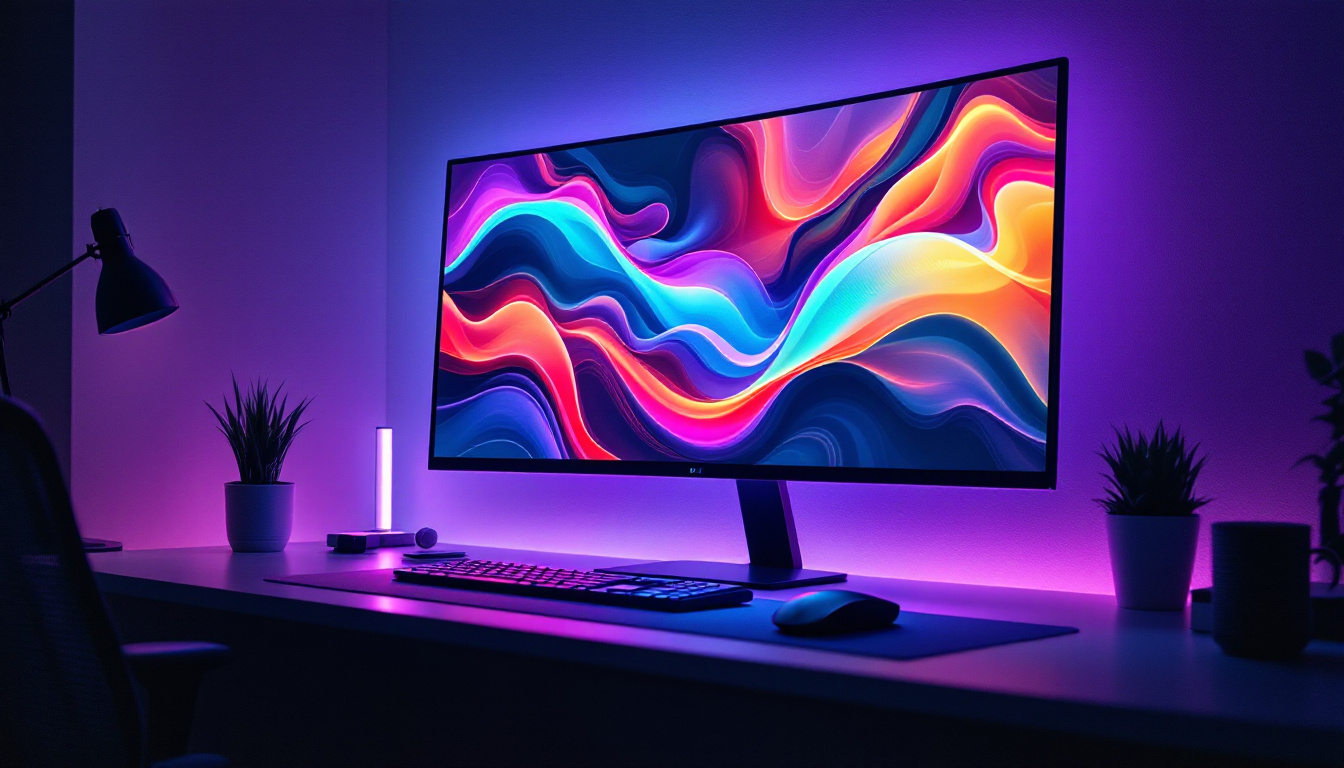
Moreover, professionals in fields such as video editing, graphic design, and financial trading find ultra wide displays invaluable. The extended horizontal space allows for multiple windows or timelines to be viewed simultaneously, boosting productivity and workflow efficiency. For instance, a video editor can monitor their timeline while simultaneously viewing the full-screen preview, streamlining the editing process. Similarly, graphic designers can work on detailed projects while keeping reference materials or design tools open side by side, making it easier to create and iterate on their designs without constantly switching between tabs or applications. This versatility makes ultra wide televisions not just a luxury for entertainment, but a powerful tool for enhancing productivity in various professional settings.
LED Display Technology: The Backbone of Modern Ultra Wide TVs
How LED Displays Work
LED, or Light Emitting Diode, display technology is a type of LCD (Liquid Crystal Display) that uses LEDs as a backlight source. Unlike older CCFL (Cold Cathode Fluorescent Lamp) backlights, LEDs are more energy-efficient, produce brighter images, and allow for thinner screen designs.
In an LED display, the liquid crystals do not emit light themselves but modulate the light from the LEDs behind or around the screen. By adjusting the alignment of these crystals, the display controls the intensity and color of the light passing through each pixel, creating the images seen on the screen.
Types of LED Backlighting
There are primarily two types of LED backlighting used in televisions: edge-lit and full-array. Edge-lit LED TVs position LEDs along the edges of the screen, which allows for thinner panels but can sometimes result in uneven lighting or less precise contrast control.
Full-array LED TVs place LEDs directly behind the screen in a grid pattern, enabling local dimming — the ability to dim or brighten specific sections of the screen independently. This results in better contrast ratios and deeper blacks, significantly enhancing picture quality, especially in darker scenes.
Advancements in LED Technology
Recent innovations such as Mini-LED and Micro-LED have further pushed the boundaries of LED display performance. Mini-LED technology uses thousands of tiny LEDs for backlighting, offering even more precise local dimming and improved brightness levels. Micro-LED, still emerging in the consumer market, integrates microscopic LEDs directly into the display panel, promising unparalleled contrast, color accuracy, and longevity.
The Synergy of Ultra Wide Format and LED Displays
Why LED is Ideal for Ultra Wide Televisions
LED technology’s inherent flexibility and efficiency make it particularly well-suited for ultra wide televisions. The ability to produce bright, vivid images with excellent contrast is crucial when dealing with larger, wider screens where uniform brightness and color consistency can be challenging.
Moreover, LED’s energy efficiency helps manage the power consumption of ultra wide TVs, which naturally require more pixels and backlighting. This efficiency translates to lower electricity costs and less heat generation, contributing to longer device lifespan and user comfort.
Challenges and Solutions in Ultra Wide LED TVs
Manufacturing ultra wide LED TVs comes with unique challenges. Ensuring uniform backlighting across a wider panel requires sophisticated engineering to avoid issues like brightness hotspots or color shifts. Additionally, maintaining high refresh rates and response times across a larger pixel array is critical for smooth motion rendering, especially in gaming or sports viewing.
Manufacturers address these challenges by employing advanced full-array local dimming, high refresh rate panels (often 120Hz or higher), and enhanced color calibration techniques. These improvements ensure that ultra wide LED TVs deliver consistent, high-quality visuals that meet the expectations of demanding users.
Applications and Use Cases of Ultra Wide LED Televisions
Home Entertainment
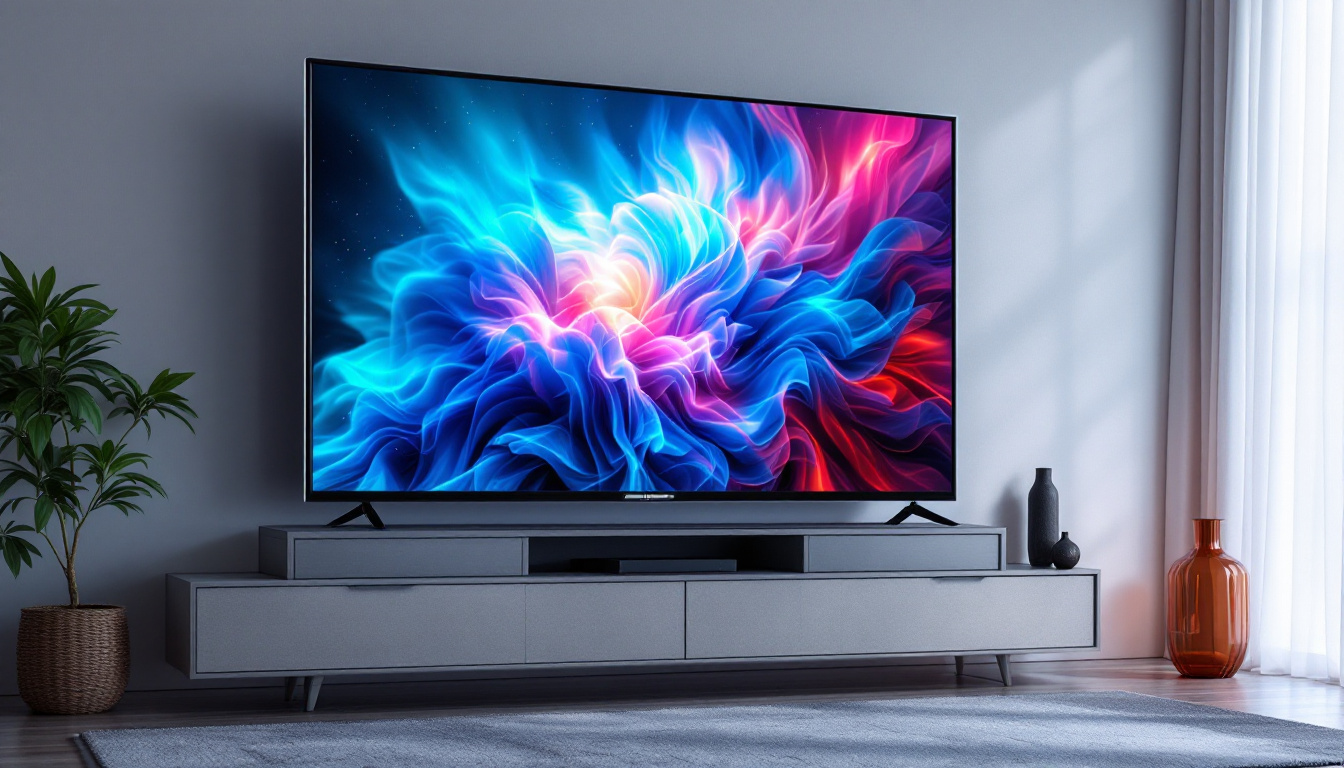
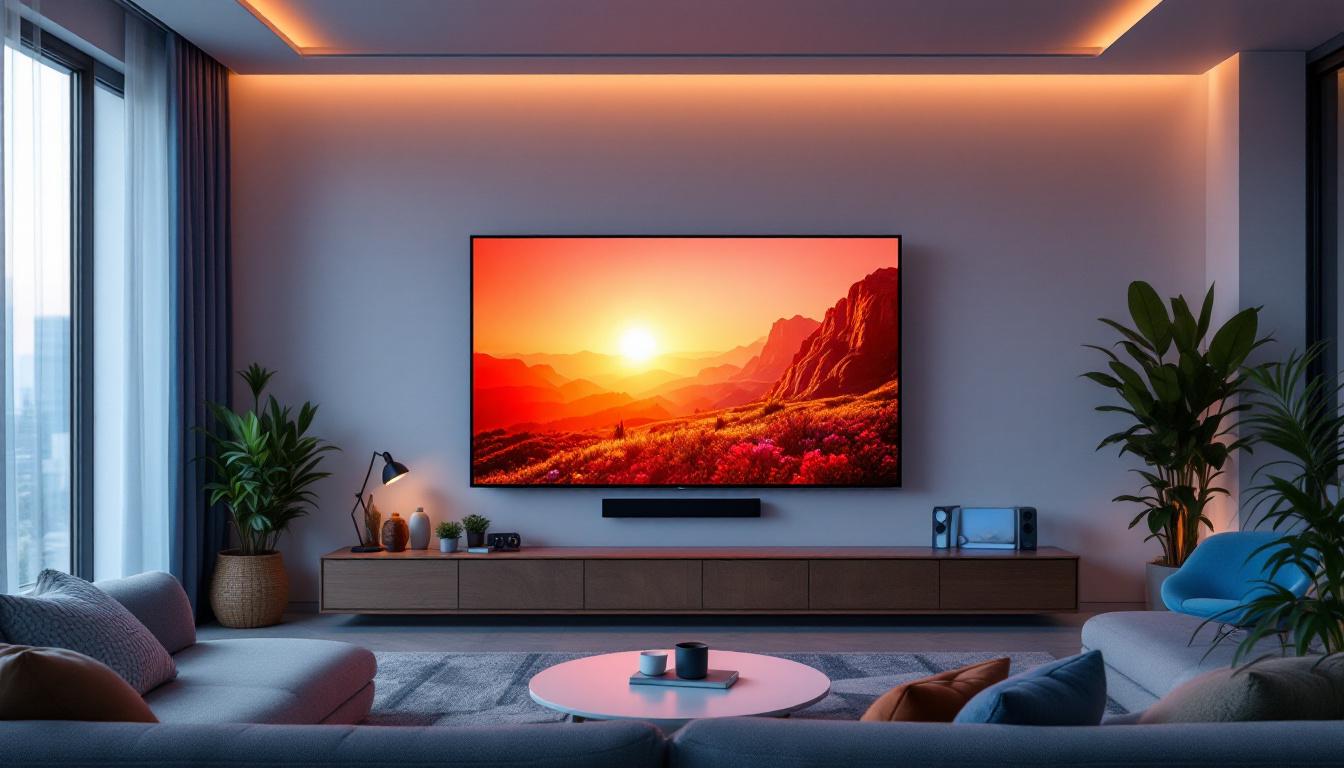
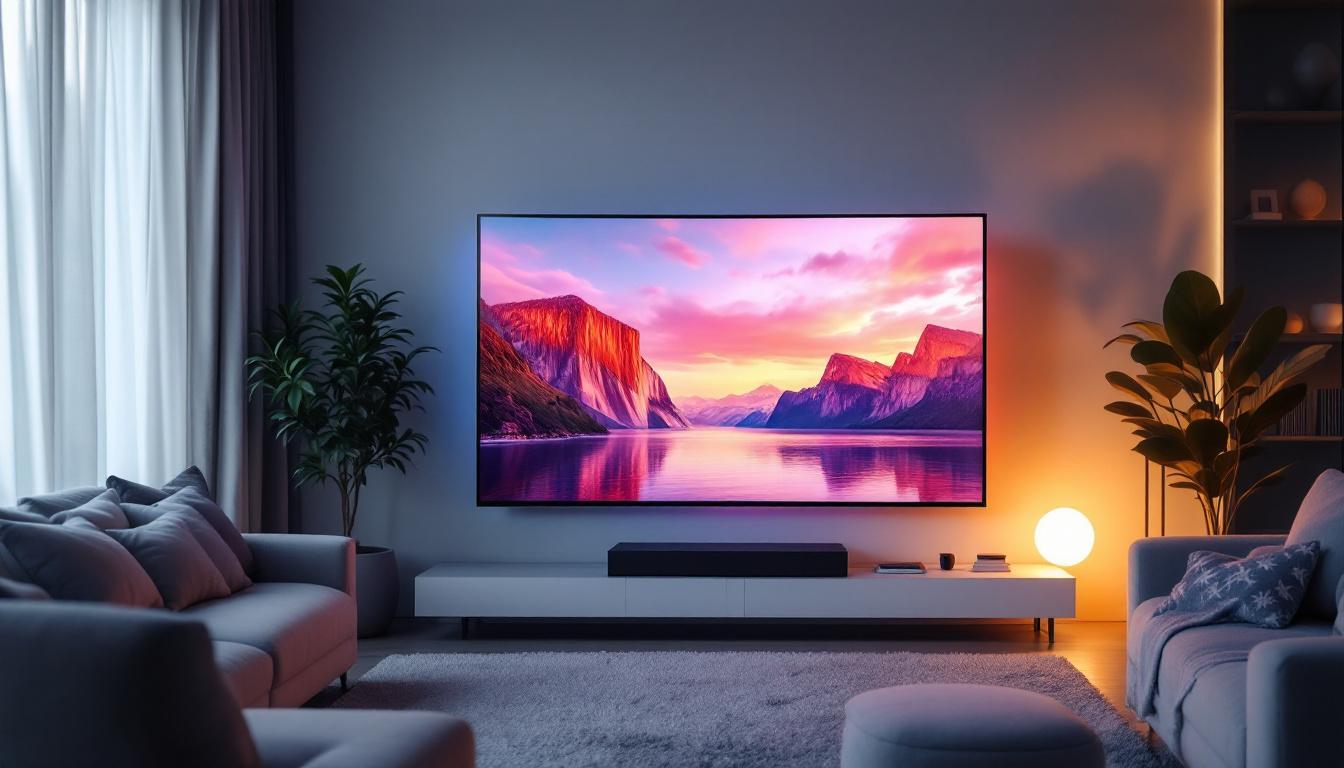
Ultra wide LED TVs are transforming home theaters by offering a more cinematic experience. Streaming services like Netflix and Disney+ increasingly support ultra wide formats, allowing viewers to watch films in their original aspect ratios without letterboxing. The combination of LED’s vibrant colors and ultra wide screens creates a captivating viewing environment.
Additionally, ultra wide TVs support advanced HDR (High Dynamic Range) formats such as HDR10+ and Dolby Vision, which enhance contrast and color depth, making scenes more lifelike. This is particularly impactful on LED displays with full-array local dimming, where HDR content can truly shine.
Gaming
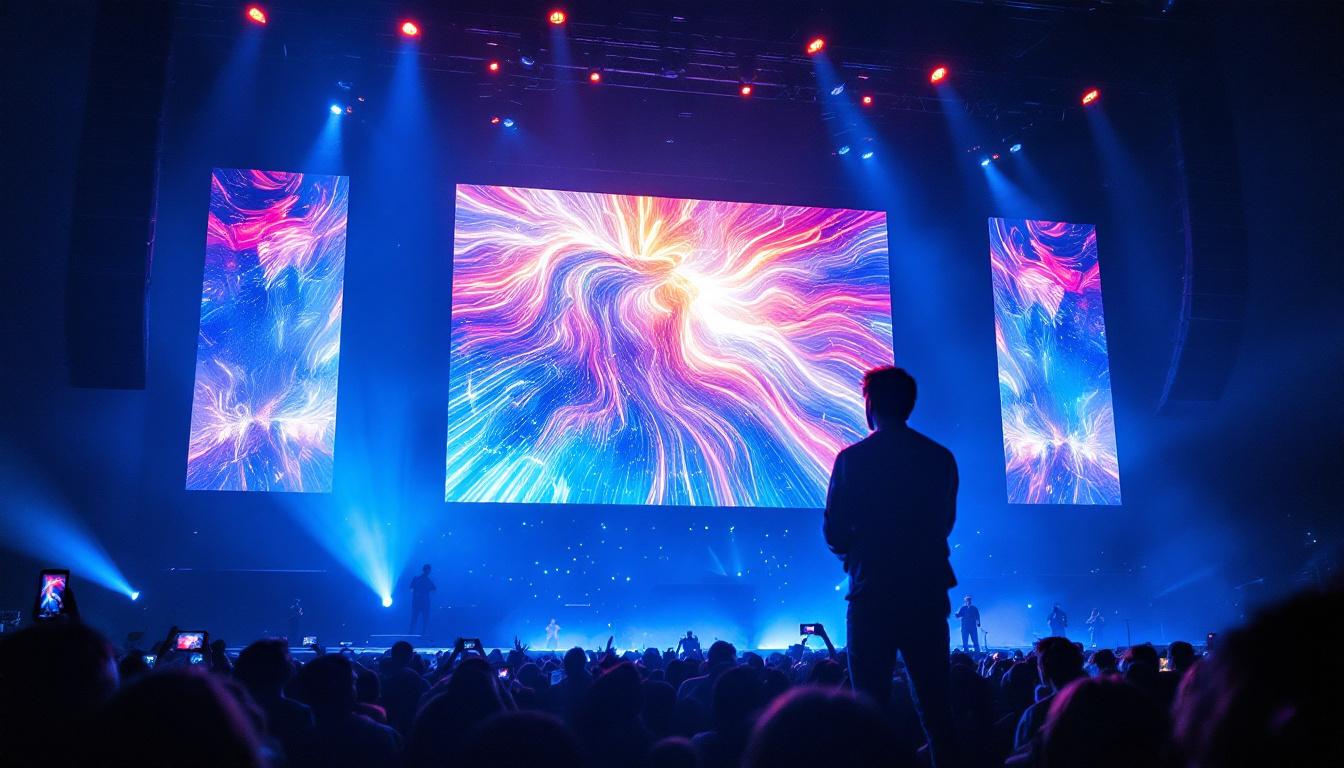
Gamers are among the most enthusiastic adopters of ultra wide LED TVs. The wider field of view provides a competitive edge in many game genres, including first-person shooters, racing, and strategy games. Games optimized for 21:9 aspect ratios can display more of the game world, improving situational awareness.
LED technology’s fast response times and high refresh rates reduce motion blur and input lag, critical factors for an enjoyable gaming experience. Some ultra wide LED TVs also support variable refresh rate (VRR) technologies like NVIDIA G-SYNC and AMD FreeSync, which synchronize the display’s refresh rate with the game’s frame rate for smoother gameplay.
Professional and Productivity Uses
Beyond entertainment, ultra wide LED TVs are increasingly popular in professional settings. Video editors benefit from extended timelines and larger preview windows, while financial analysts can monitor multiple data streams simultaneously. The high resolution and color accuracy of LED displays ensure that visual content is rendered precisely.
Furthermore, ultra wide TVs can replace multi-monitor setups, reducing desk clutter and simplifying cable management. This all-in-one solution is attractive for offices and creative studios aiming for both functionality and aesthetics.
Choosing the Right Ultra Wide LED Television
Key Features to Consider
When selecting an ultra wide LED TV, several factors should guide the decision-making process:
- Resolution: Higher resolution (such as 3440×1440 or 3840×1600) ensures sharp images and better detail, especially important on larger screens.
- Panel Type: IPS panels offer better viewing angles and color accuracy, while VA panels provide deeper blacks and higher contrast.
- HDR Support: Look for TVs that support HDR10, HDR10+, or Dolby Vision for enhanced picture quality.
- Refresh Rate: A minimum of 60Hz is standard, but 120Hz or higher is preferable for gaming and fast-paced content.
- Connectivity: Multiple HDMI 2.1 ports, USB inputs, and support for DisplayPort can be crucial depending on usage.
- Smart Features: Integrated streaming apps, voice control, and compatibility with smart home systems add convenience.
Budget and Brand Considerations
Ultra wide LED TVs range widely in price, from mid-range models around $800 to premium displays exceeding $3000. Investing in a reputable brand with strong customer support and warranty coverage is advisable to ensure long-term satisfaction.
Brands like LG, Samsung, and Sony have made significant strides in producing ultra wide LED TVs with cutting-edge features. Reading professional reviews and user feedback can also help identify models that balance performance and value effectively.
The Future of Ultra Wide LED Television Technology
Emerging Trends
Looking ahead, the ultra wide television market is poised for continued innovation. The integration of Mini-LED and Micro-LED technologies will likely become more widespread, offering even better contrast and brightness. Additionally, flexible and curved ultra wide screens are gaining popularity, enhancing immersion by wrapping the field of view around the viewer.
Artificial intelligence (AI) and machine learning are also being incorporated into display technology to optimize picture settings dynamically based on content type and ambient lighting conditions, further improving user experience.
Content and Compatibility Growth
As ultra wide TVs become more common, content creators and streaming platforms are expected to produce more native ultra wide content. This shift will reduce the need for cropping or letterboxing, maximizing the benefits of the wider aspect ratio.
Gaming developers are increasingly supporting ultra wide resolutions, and professional software is adapting to leverage the expanded workspace these displays offer. This ecosystem growth will help solidify ultra wide LED TVs as a mainstream choice for diverse applications.
Conclusion
Ultra wide televisions equipped with LED display technology represent a significant leap forward in visual entertainment and productivity. Their wider aspect ratios deliver a more immersive and efficient viewing experience, while LED technology ensures vibrant, energy-efficient, and high-quality images.
Whether for cinematic enjoyment, competitive gaming, or professional use, ultra wide LED TVs offer compelling advantages that justify their growing popularity. As technology advances and content support expands, these displays are set to become an integral part of the modern viewing landscape.
Discover the Future of Ultra Wide LED Displays with LumenMatrix
Ready to immerse yourself in the expansive and vibrant world of ultra wide LED televisions? LumenMatrix is at the forefront of LED display innovation, offering an array of solutions that bring your viewing experience to life. From the comfort of your home theater to the intensity of competitive gaming and the productivity of professional environments, our LED display modules are designed to maximize your visual engagement. Explore our Indoor and Outdoor LED Wall Displays, Vehicle and Sports LED Displays, and more, to find the perfect fit for your needs. Check out LumenMatrix LED Display Solutions today and step into the future of visual technology.