In today’s fast-evolving digital landscape, display technology plays a crucial role in how we consume information, work, and entertain ourselves. Among the most innovative advancements is the ultrawide split screen LED display—a technology that has transformed visual experiences in various sectors, from corporate environments to gaming and digital signage. This article delves deep into the world of ultrawide split screen LED displays, exploring their technology, advantages, applications, and future trends.
Understanding Ultrawide Split Screen LED Displays
Ultrawide split screen LED displays represent a fusion of two powerful concepts: ultrawide aspect ratios and LED technology. To fully appreciate their impact, it’s essential to understand each component.
What Is an Ultrawide Display?
Ultrawide displays typically refer to screens with aspect ratios wider than the traditional 16:9 format. Common ultrawide ratios include 21:9 and even 32:9, offering significantly more horizontal screen real estate. This expanded width allows users to view multiple windows or applications side-by-side without the need for multiple monitors.
For example, a 34-inch ultrawide monitor with a 21:9 aspect ratio provides roughly 33% more horizontal space than a standard 27-inch 16:9 monitor, making multitasking smoother and more efficient. This additional screen space is particularly beneficial for creative professionals, such as graphic designers and video editors, who require extensive workspace to manage their tools and timelines effectively. Furthermore, gamers also reap the rewards of ultrawide displays, as the immersive experience they provide can enhance gameplay by offering a broader field of view, making it easier to spot opponents or navigate expansive virtual worlds.
LED Display Technology Explained
LED stands for Light Emitting Diode, a technology that uses tiny diodes to produce light. LED displays are known for their brightness, energy efficiency, and long lifespans. Unlike traditional LCDs that use fluorescent backlights, LED displays utilize LEDs for backlighting or as individual pixels in the case of direct-view LED panels.
Direct-view LED displays, often used in large-format screens, offer superior contrast ratios and vibrant colors, making them ideal for ultrawide applications where image quality is paramount. The ability to achieve deeper blacks and brighter whites enhances the viewing experience, whether for watching movies, playing video games, or conducting presentations. Additionally, advancements in LED technology have led to the development of HDR (High Dynamic Range) capabilities, which further improve color accuracy and detail in both bright and dark scenes, making ultrawide LED displays an attractive option for both entertainment and professional use.
What Does Split Screen Mean in This Context?
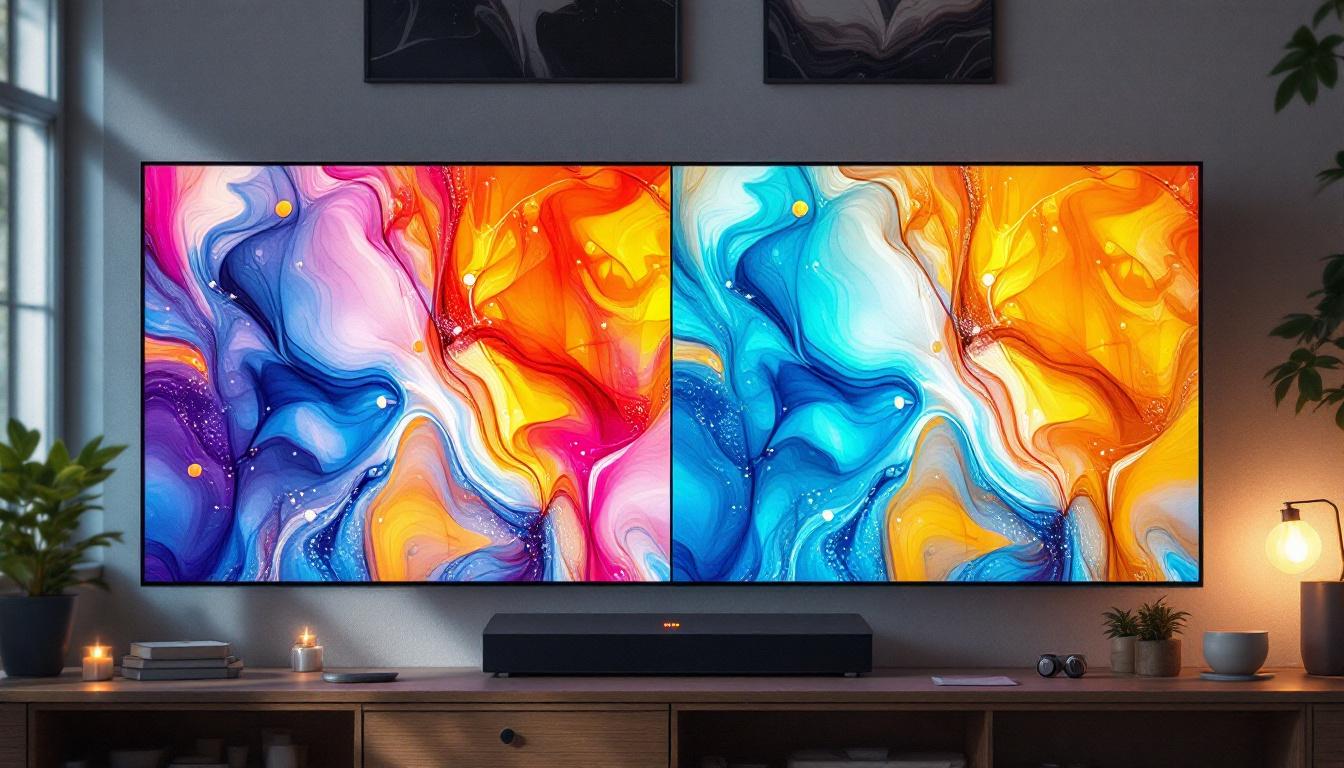
Split screen refers to the ability to divide the ultrawide display into multiple sections, each showing different content simultaneously. This feature is especially valuable in professional settings where monitoring various data streams or applications in real-time is critical.
Modern ultrawide LED displays often come with built-in software or hardware capabilities that facilitate seamless split-screen management, allowing users to customize layouts according to their needs. This flexibility enables professionals to run video conferencing software on one side while analyzing spreadsheets or presentations on the other, significantly enhancing productivity. Moreover, many displays support Picture-by-Picture (PbP) and Picture-in-Picture (PiP) modes, allowing users to connect multiple devices and view their outputs concurrently. This capability is not just limited to office environments; it can also be beneficial for educators, who can display lecture materials alongside live demonstrations, creating a more interactive learning experience for students.
Advantages of Ultrawide Split Screen LED Displays
The combination of ultrawide format, LED technology, and split screen functionality offers a range of benefits that enhance productivity, visual comfort, and overall user experience.
Enhanced Productivity and Multitasking
One of the most significant advantages is the ability to work across multiple applications without constantly switching windows or using multiple monitors. Studies have shown that ultrawide monitors can increase productivity by up to 25% in tasks that require multitasking, such as video editing, programming, and financial analysis.
For instance, financial traders benefit from ultrawide split screens by monitoring multiple market feeds and trading platforms simultaneously, enabling faster decision-making.
Improved Visual Comfort and Reduced Eye Strain
Ultrawide LED displays often come with high refresh rates and flicker-free technology, which reduce eye fatigue during prolonged use. The wider screen reduces the need for excessive head and eye movement compared to setups with multiple smaller monitors.
Additionally, LED technology provides consistent brightness and color accuracy, which contributes to a more comfortable viewing experience.
Superior Image Quality and Color Accuracy
LED displays are known for their vibrant colors, deep blacks, and high contrast ratios. This makes ultrawide split screen LED displays ideal for creative professionals such as graphic designers, video editors, and photographers who require precise color reproduction.
Many ultrawide LED monitors support wide color gamuts like AdobeRGB and DCI-P3, ensuring that the displayed content matches real-world colors as closely as possible.
Space Efficiency and Aesthetic Appeal
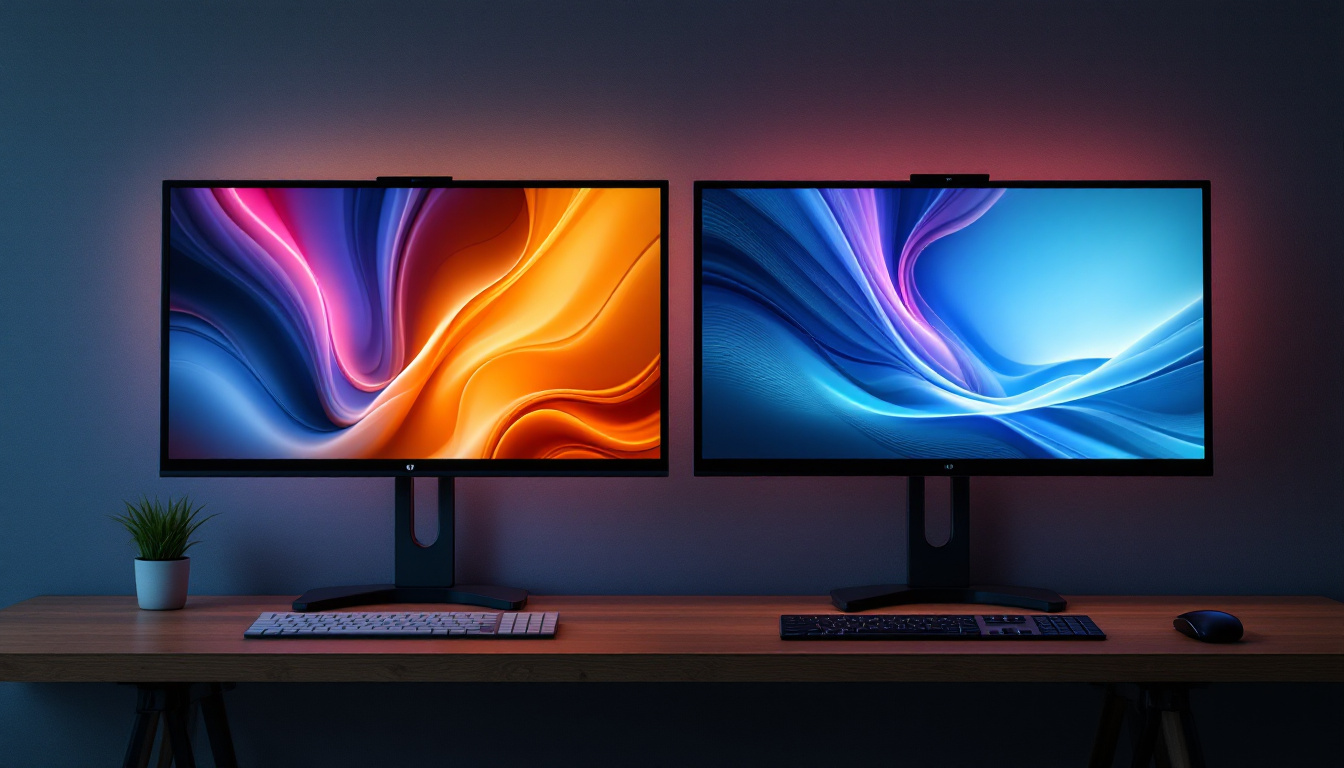
Replacing multi-monitor setups with a single ultrawide split screen LED display saves desk space and cable clutter. The sleek design of modern LED displays also contributes to a cleaner and more professional workspace.
Moreover, the seamless screen surface without bezels between sections creates an immersive and visually appealing environment, especially in gaming and entertainment setups.
Key Applications of Ultrawide Split Screen LED Displays
The versatility of ultrawide split screen LED displays has led to their adoption across diverse industries and use cases.
Corporate and Financial Environments
In corporate offices, ultrawide LED displays facilitate multitasking by allowing employees to view spreadsheets, presentations, and communication tools simultaneously. Financial institutions leverage these displays for real-time data visualization, enabling traders and analysts to track market movements and execute trades efficiently.
According to a report by MarketsandMarkets, the global LED display market is expected to grow at a CAGR of 16.2% from 2023 to 2028, driven in part by demand from financial and corporate sectors seeking advanced visualization solutions.
Creative and Media Production
Video editors, animators, and graphic designers benefit greatly from ultrawide split screen LED displays. The expansive screen space allows for detailed timelines, tool palettes, and preview windows to be visible simultaneously, streamlining workflows and reducing the need for constant window toggling.
High color accuracy and HDR support in many ultrawide LED displays ensure that creative professionals can produce content that meets industry standards.
Gaming and Entertainment
Ultrawide monitors have become increasingly popular among gamers who seek immersive experiences. The wider field of view provided by ultrawide displays offers competitive advantages in first-person shooters and racing games by enhancing peripheral vision.
Split screen functionality also allows multiplayer gaming on a single screen without sacrificing visibility or performance. LED technology’s fast response times and high refresh rates contribute to smooth and vivid gameplay.
Digital Signage and Public Displays
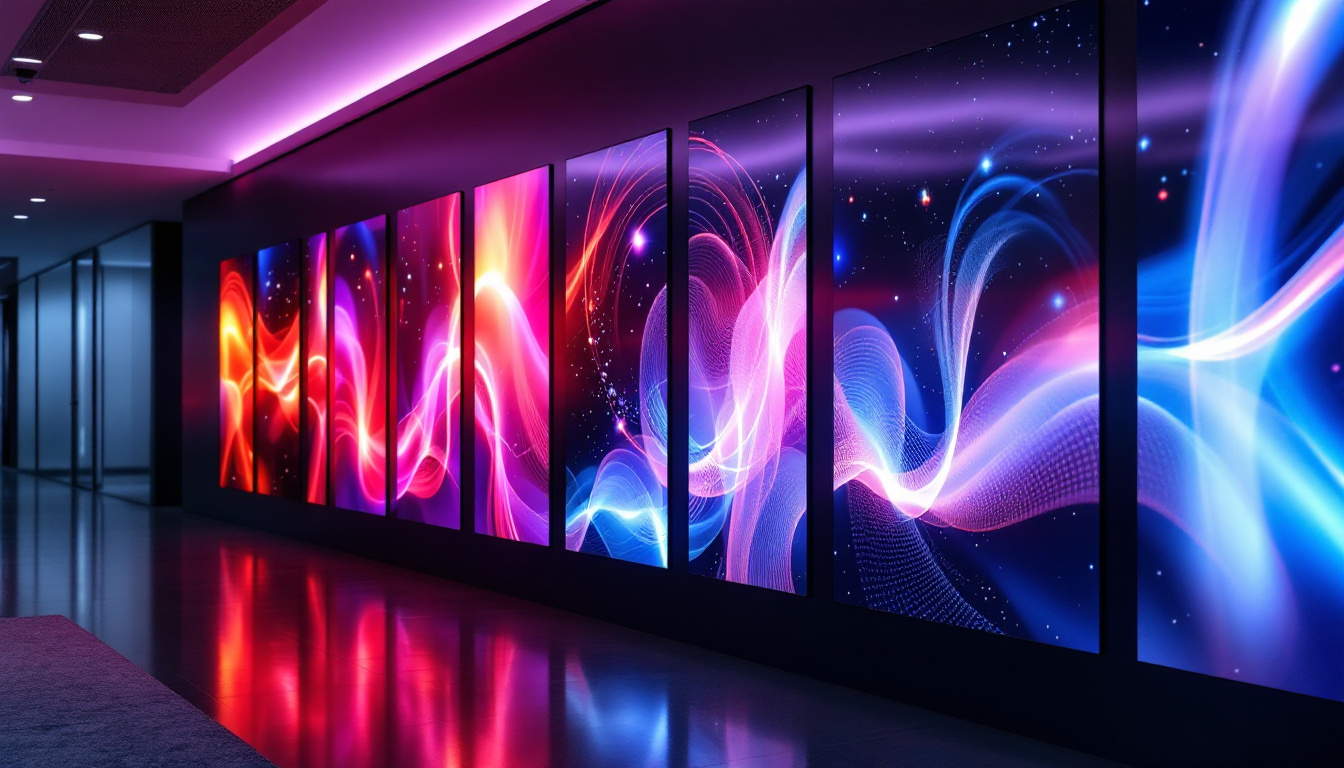
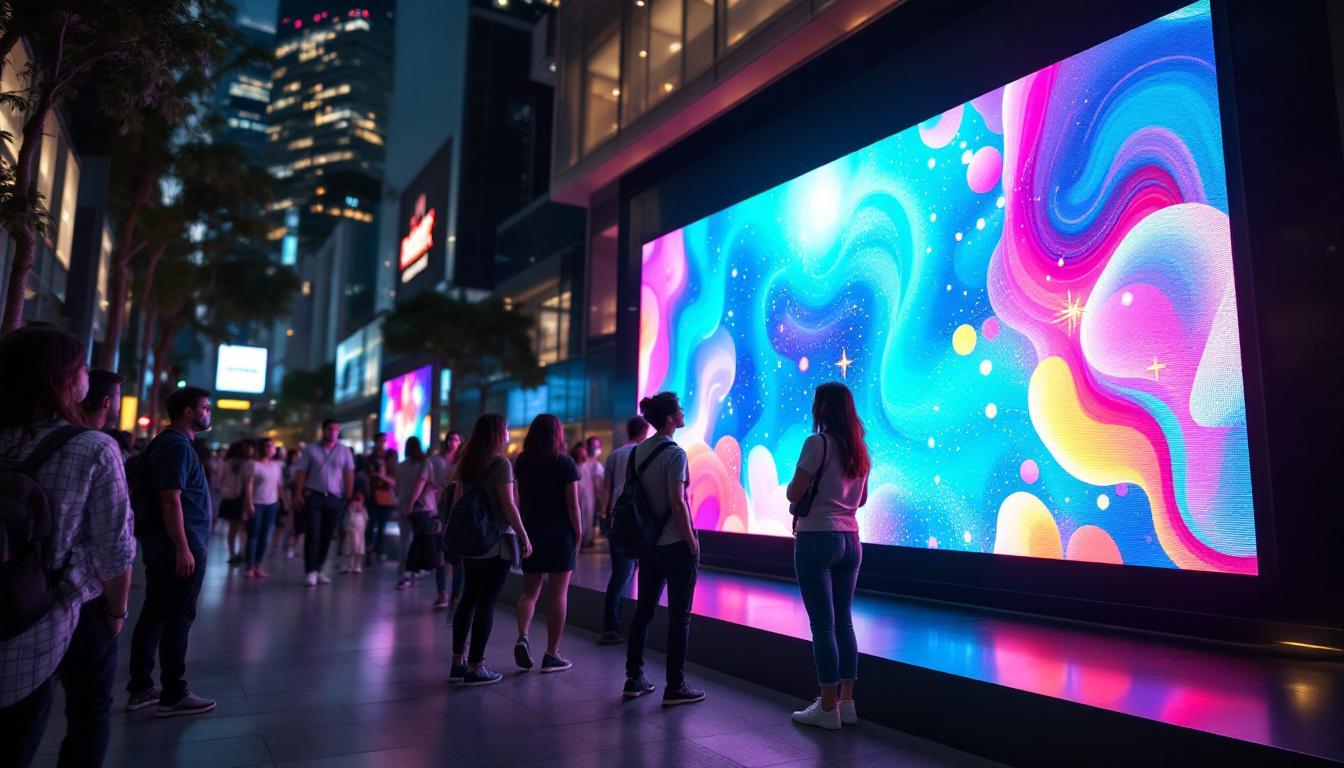
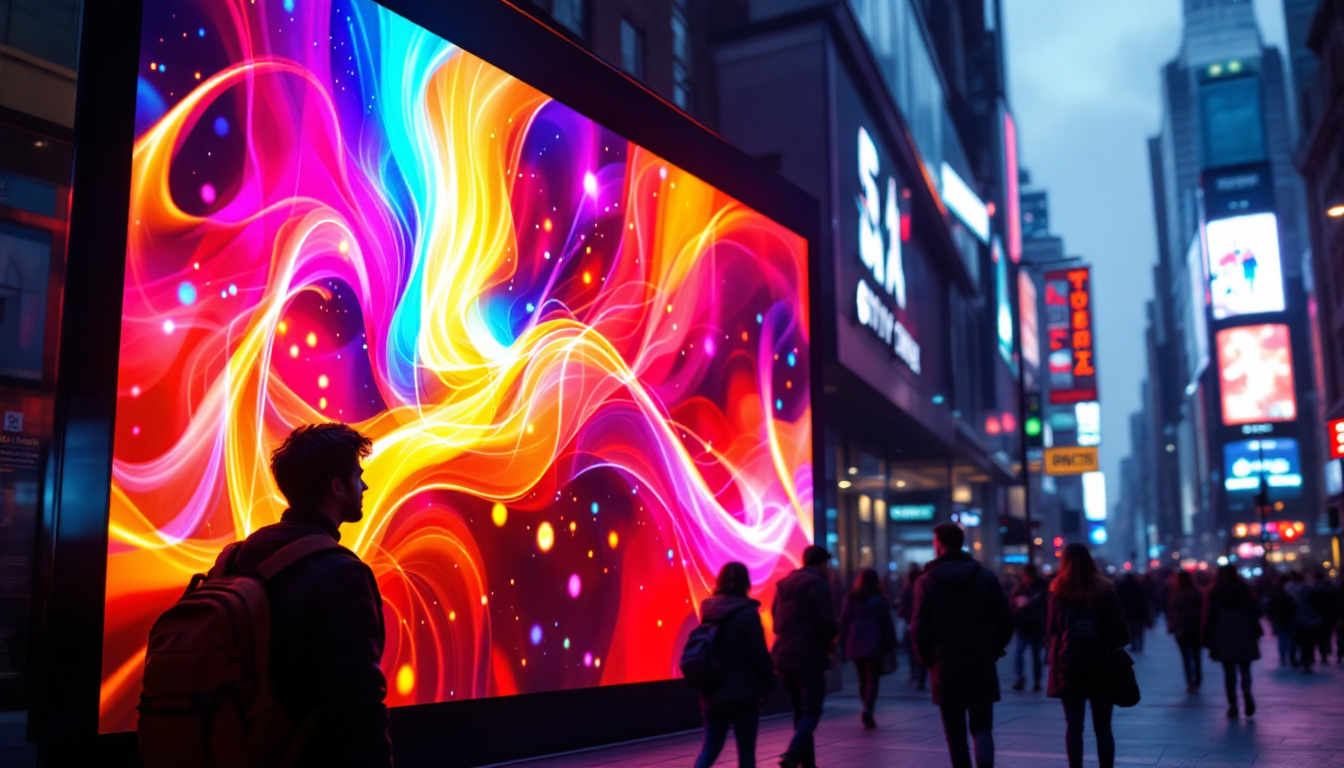
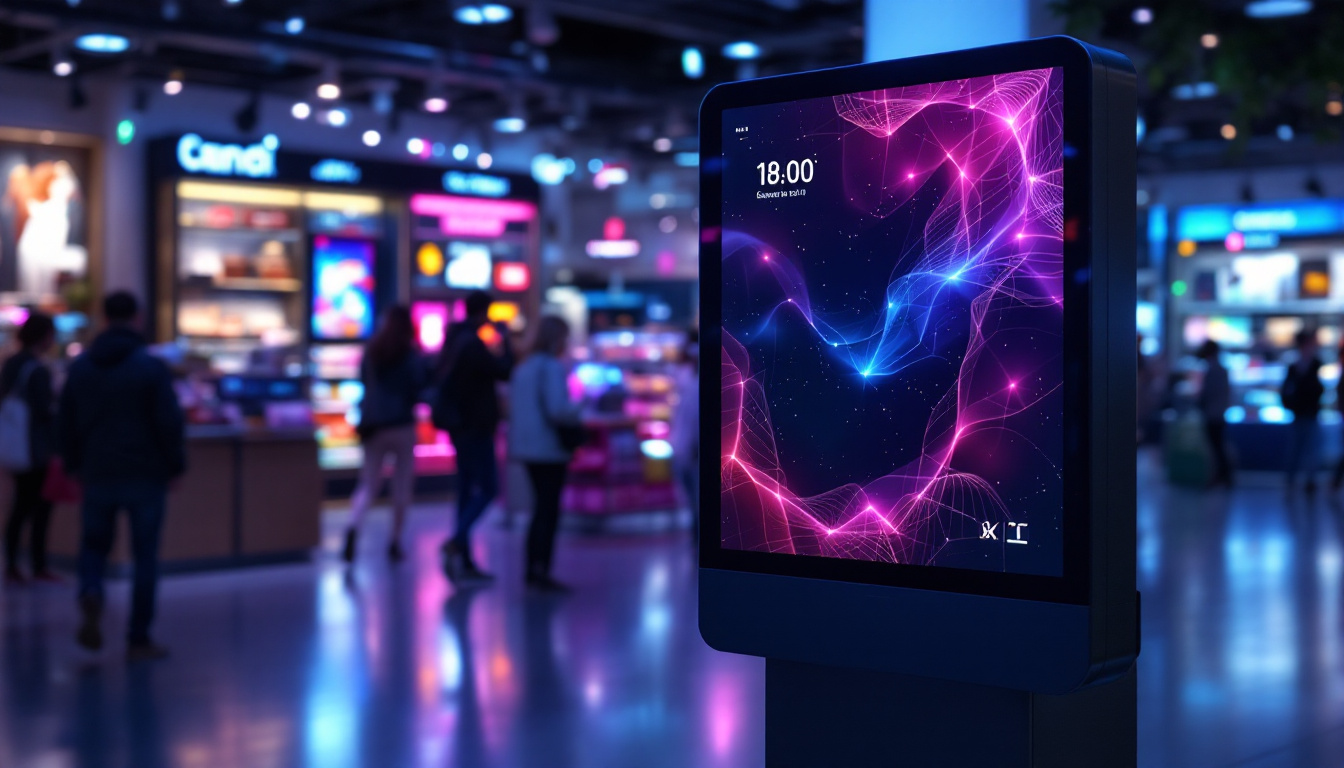
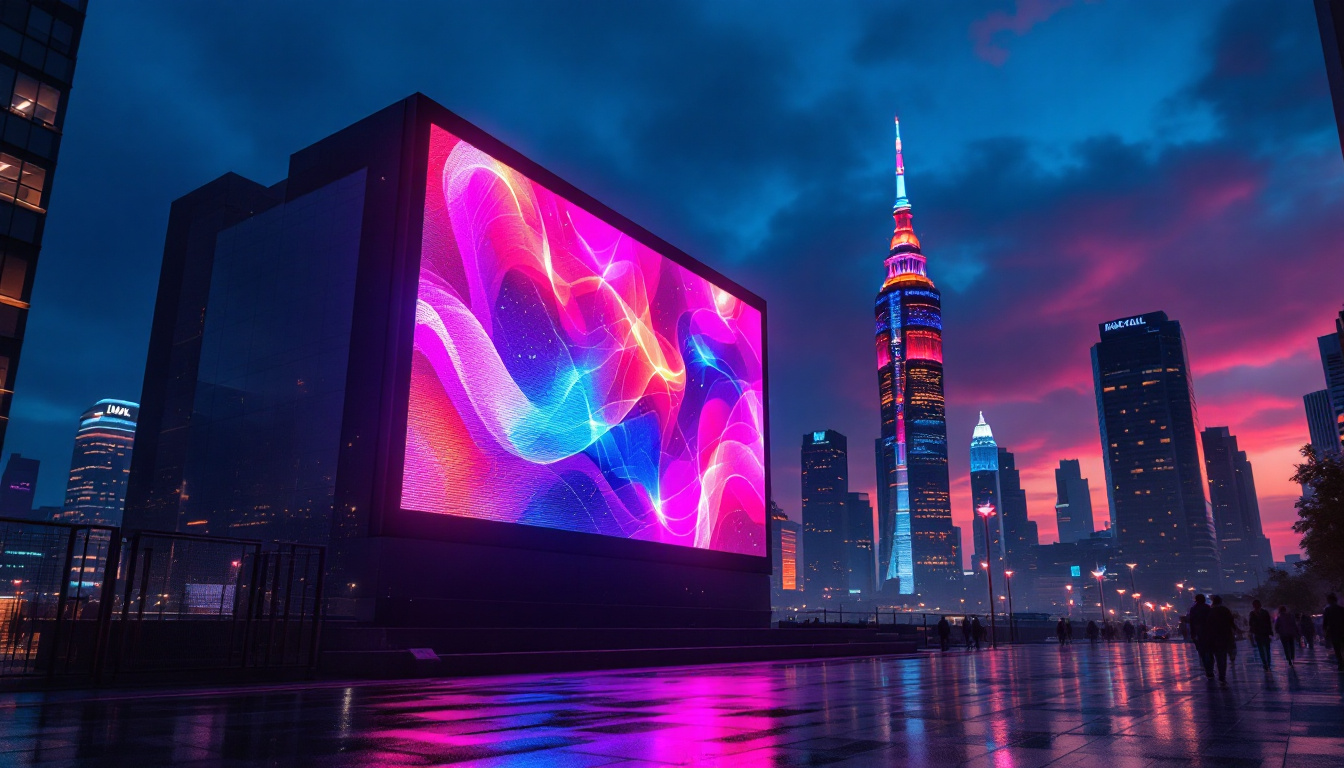
Large-format ultrawide LED displays are widely used in digital signage for advertising, information dissemination, and public events. The ability to split the screen into multiple zones enables dynamic content delivery, such as combining advertisements, news tickers, and social media feeds in one cohesive display.
Retailers and event organizers benefit from the flexibility and visual impact of ultrawide split screen LED displays, which attract and engage audiences effectively.
Technical Considerations When Choosing Ultrawide Split Screen LED Displays
Selecting the right ultrawide split screen LED display requires careful evaluation of several technical factors to ensure it meets specific needs.
Resolution and Aspect Ratio
Higher resolutions like 3440×1440 (WQHD) or 5120×1440 (Dual QHD) are common in ultrawide displays, providing sharp images and ample workspace. The aspect ratio should align with intended use; for example, 21:9 is standard for productivity and gaming, while 32:9 is suited for immersive setups.
Brightness and Contrast
Brightness levels measured in nits affect visibility in different lighting conditions. For office environments, 300-400 nits are typically sufficient, whereas outdoor or brightly lit areas may require higher brightness. Contrast ratio impacts image depth and clarity, with higher ratios delivering better visual quality.
Refresh Rate and Response Time
Gamers should prioritize displays with refresh rates of 100Hz or higher and low response times (below 5ms) to reduce motion blur and input lag. For general productivity and media consumption, standard 60Hz refresh rates are adequate.
Connectivity and Split Screen Software
Multiple input options such as HDMI, DisplayPort, and USB-C enhance compatibility with various devices. Integrated split screen management software or hardware features simplify the process of dividing the screen into customizable zones, improving workflow efficiency.
Ergonomics and Build Quality
Adjustable stands, VESA mount compatibility, and anti-glare coatings contribute to user comfort. High-quality materials and robust construction ensure durability, especially in demanding professional environments.
Future Trends in Ultrawide Split Screen LED Displays
The ultrawide split screen LED display market is poised for continued innovation, driven by advancements in technology and evolving user demands.
MicroLED and MiniLED Technologies
Emerging MicroLED and MiniLED technologies promise even greater brightness, contrast, and energy efficiency. These advancements will enable thinner, lighter displays with superior image quality, further enhancing ultrawide screen experiences.
Flexible and Curved Ultrawide Displays
Curved ultrawide displays are already popular for improving immersion and reducing distortion. Future developments may introduce flexible displays that adapt to different shapes and environments, offering new possibilities for workspace customization.
AI-Powered Screen Management
Artificial intelligence integration could automate split screen layouts based on user behavior, optimizing screen real estate without manual adjustments. AI-driven color calibration and eye-tracking features may also enhance visual comfort and productivity.
Increased Adoption in Remote Work and Collaboration
The rise of remote work has accelerated demand for advanced display solutions that facilitate virtual collaboration. Ultrawide split screen LED displays will play a key role by enabling simultaneous access to video conferencing, documents, and communication tools on a single screen.
Conclusion
Ultrawide split screen LED displays represent a significant leap forward in display technology, combining expansive screen real estate with vibrant LED visuals and versatile multitasking capabilities. Their impact spans numerous industries, enhancing productivity, creativity, and entertainment experiences.
As technology continues to advance, these displays will become even more integral to how individuals and organizations interact with digital content. Understanding the technical aspects and benefits of ultrawide split screen LED displays empowers users to make informed decisions and harness the full potential of this cutting-edge technology.
Discover the Future of Visual Display with LumenMatrix
Ready to elevate your visual experience with the expansive screen real estate and vibrant visuals of ultrawide split screen LED displays? LumenMatrix is at the forefront of LED display innovation, offering a wide array of solutions that cater to your unique needs. From immersive Indoor LED Wall Displays to dynamic Outdoor LED Wall Displays, and from versatile Vehicle LED Displays to sleek LED Poster Displays, our products are designed to captivate and engage. Embrace the revolution in visual communication with LumenMatrix’s cutting-edge technology. Check out LumenMatrix LED Display Solutions today and transform how you share your message with the world.