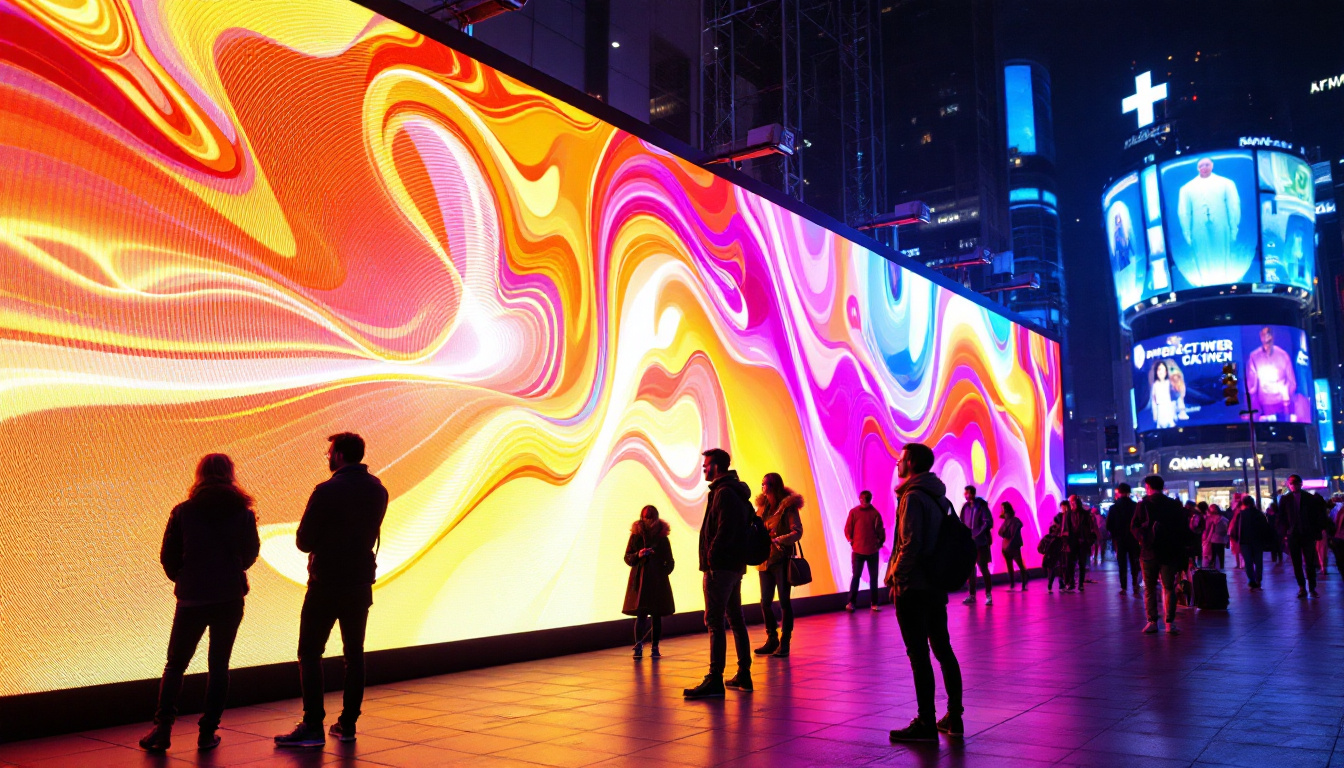
In the modern era, technology plays a crucial role in how local governments communicate with their communities. One of the most dynamic tools in this communication arsenal is the LED display. From town halls to public parks, LED displays have become a staple for delivering timely information, enhancing public safety, and promoting community engagement. This article explores the significance, functionality, and impact of LED displays within United States local governments, providing a comprehensive understanding of why these digital signages have become indispensable.
The Rise of LED Displays in Local Government
LED (Light Emitting Diode) technology has evolved significantly over the past decade, becoming more affordable, energy-efficient, and versatile. Local governments across the United States have increasingly adopted LED displays to modernize their communication strategies. According to a 2023 report by the National League of Cities, over 65% of municipalities with populations exceeding 50,000 have integrated LED signage into their public information systems.
This surge is driven by the need for real-time communication, especially in emergencies or during public events. Traditional static signage lacks the flexibility and immediacy that LED displays offer. For example, during natural disasters such as hurricanes or wildfires, local governments can instantly update evacuation routes, safety instructions, and shelter locations via LED boards placed strategically around communities.
Historical Context and Technological Advancements
Initially, local governments relied on printed banners, bulletin boards, and fixed signs to disseminate information. These methods were limited by their static nature and the time required to update content. The introduction of LED technology revolutionized this approach. Early LED displays were costly and had limited resolution, but advancements in semiconductor technology and manufacturing have made high-definition, full-color LED screens accessible to municipalities of all sizes.
Moreover, the integration of LED displays with internet connectivity and software platforms allows for remote content management. This means that a single operator can control multiple displays across a city, ensuring consistent and timely messaging without the need for physical presence at each location. The ability to schedule messages in advance or respond to real-time events enhances the effectiveness of public communication. Additionally, many municipalities have begun to incorporate interactive features into their LED displays, allowing citizens to engage with the information presented. For instance, touch-enabled screens can provide detailed information on local events, public services, or even allow residents to report issues directly to city officials.
As the technology continues to advance, local governments are exploring even more innovative uses for LED displays. Some cities have started to utilize them for artistic and cultural purposes, showcasing local artists’ work or displaying community announcements in a visually appealing manner. This not only beautifies public spaces but also fosters a sense of community pride and engagement. Furthermore, the energy efficiency of LED technology aligns with many municipalities’ sustainability goals, as these displays consume significantly less power compared to traditional lighting methods. This dual benefit of cost savings and environmental responsibility makes LED displays an attractive option for local governments looking to modernize their infrastructure while promoting a greener future.
Key Applications of LED Displays in Local Government
LED displays serve a variety of purposes in local government settings, reflecting the diverse needs of communities. Their versatility makes them suitable for everything from public safety announcements to cultural promotion.
Public Safety and Emergency Communication
One of the most critical uses of LED displays is in public safety. Local governments utilize these digital signs to broadcast urgent messages such as Amber Alerts, severe weather warnings, and traffic advisories. For instance, during the 2021 Texas winter storm, LED displays were instrumental in providing residents with real-time updates on power outages, warming center locations, and road conditions.
The ability to quickly update messages can save lives by ensuring residents receive accurate information promptly. Additionally, LED displays can be programmed to show multilingual content, addressing the needs of diverse populations and enhancing accessibility.
Community Engagement and Event Promotion
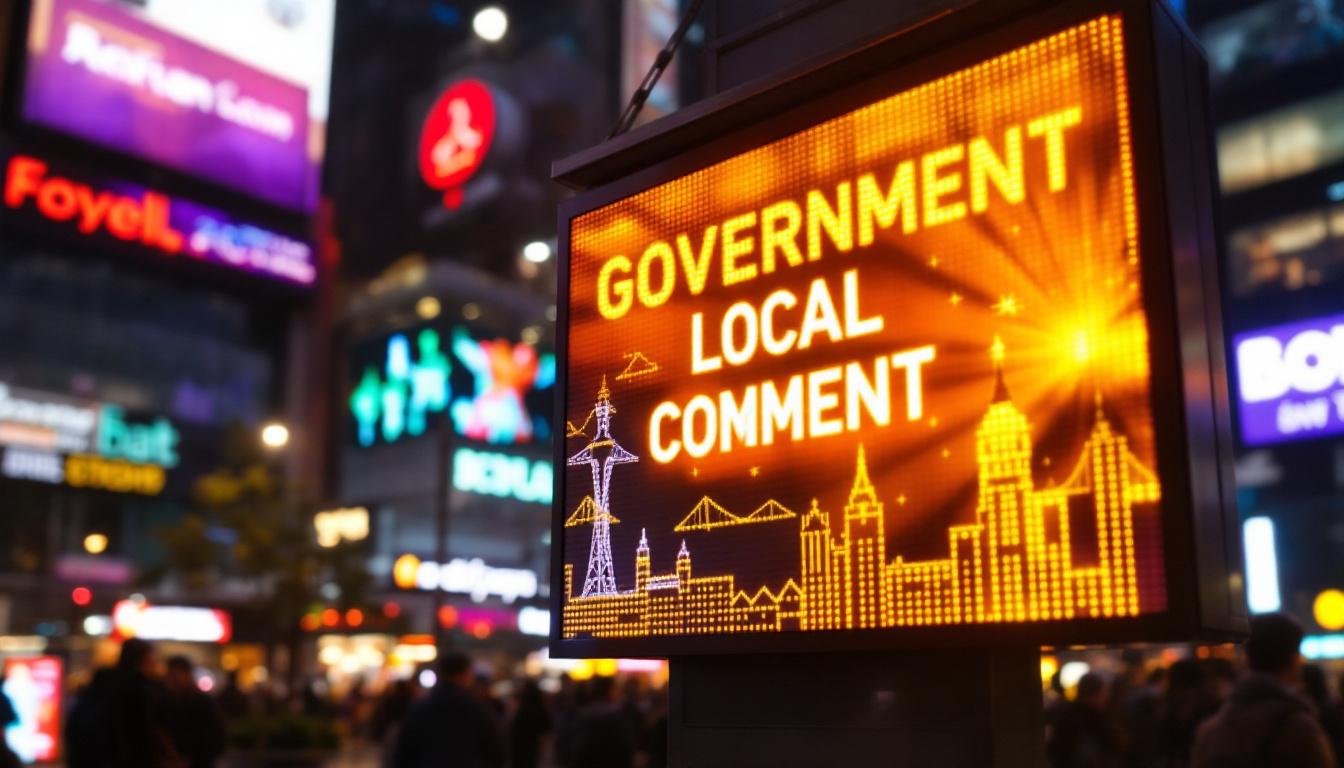
Beyond emergencies, LED displays play a vital role in fostering community engagement. Local governments use these signs to advertise upcoming events, public meetings, and recreational activities. For example, a city park might feature an LED board highlighting weekend concerts, farmers markets, or fitness classes.
This dynamic form of communication helps increase participation and awareness, strengthening the connection between residents and their local government. It also supports local businesses and nonprofit organizations by providing a platform to promote community-oriented initiatives.
Traffic Management and Transportation Updates
In urban areas, LED displays are frequently used to manage traffic flow and provide transportation updates. Variable message signs (VMS) installed along highways and city streets inform drivers about congestion, accidents, and detours. Local transit authorities also use LED screens at bus stops and train stations to display real-time arrival information, improving the overall commuter experience.
These applications contribute to safer and more efficient transportation networks, reducing delays and minimizing frustration for residents.
Technical Aspects and Installation Considerations
Understanding the technical specifications and logistical factors involved in deploying LED displays is essential for local governments aiming to maximize their investment.
Types of LED Displays
LED displays come in various forms, including:
- Outdoor LED Boards: Designed to withstand weather conditions, these are typically used for street-side messaging and large public spaces.
- Indoor LED Screens: Used in government buildings, community centers, and lobbies for informational and promotional content.
- Mobile LED Displays: Mounted on vehicles, these provide flexible messaging options for events or emergency response.
Each type has specific brightness, resolution, and durability requirements based on its intended environment.
Brightness and Visibility
Outdoor LED displays must be bright enough to remain visible in direct sunlight, often requiring luminance levels exceeding 5,000 nits. Indoor displays, conversely, operate at lower brightness to avoid glare. Proper calibration ensures messages are clear without causing discomfort to viewers.
Content Management Systems (CMS)
Modern LED displays are paired with sophisticated CMS software that enables content scheduling, remote updates, and integration with data sources such as weather feeds or emergency alert systems. Local governments can tailor messages based on time of day, audience demographics, or specific events, enhancing relevance and engagement.
Installation and Maintenance
Successful implementation involves careful site selection, considering factors like foot traffic, visibility, and power availability. Additionally, regular maintenance is crucial to ensure longevity and performance. This includes cleaning, software updates, and hardware inspections to prevent outages or pixel failures.
Budgeting and Funding for LED Display Projects
Cost considerations are paramount for local governments, which often operate under tight budget constraints. LED display projects require upfront investment as well as ongoing operational expenses.
Initial Costs and ROI
The initial cost of an LED display can range from $10,000 for small indoor units to over $100,000 for large, high-resolution outdoor boards. However, these costs are often offset by the benefits of improved communication efficiency and reduced reliance on printed materials.
Studies have shown that municipalities using LED displays experience a 20-30% increase in public engagement with announcements and a significant reduction in misinformation during emergencies, which can translate into cost savings related to public safety management.
Funding Sources
Local governments may finance LED display projects through a combination of municipal budgets, grants, and public-private partnerships. Federal programs such as the Department of Transportation’s BUILD grants or the Department of Homeland Security’s preparedness funds sometimes support signage improvements linked to safety and infrastructure.
Additionally, some cities collaborate with local businesses to sponsor LED displays in exchange for advertising opportunities, creating a revenue stream that helps sustain operations.
Case Studies: Successful LED Display Implementations
Examining real-world examples provides insight into best practices and the tangible benefits of LED displays in local government contexts.
Seattle, Washington
Seattle’s Department of Transportation has deployed a network of LED variable message signs throughout the city to manage traffic congestion and enhance safety. These signs provide real-time updates on road conditions, construction zones, and transit delays. The system’s integration with the city’s traffic management center allows for rapid response to incidents, improving commute times and reducing accidents.
Austin, Texas
Austin’s Parks and Recreation Department uses LED displays in public parks to promote community events, health initiatives, and environmental awareness campaigns. The displays have increased attendance at local events by 15% and fostered greater community participation in sustainability programs.
Miami-Dade County, Florida
In Miami-Dade, LED displays have been pivotal in hurricane preparedness efforts. The county utilizes a combination of fixed and mobile LED boards to disseminate evacuation orders, shelter information, and recovery updates. This strategy has enhanced communication efficiency and helped safeguard thousands of residents during hurricane seasons.
Future Trends and Innovations
The landscape of LED display technology continues to evolve, promising even greater capabilities for local governments in the coming years.
Integration with Smart City Technologies
LED displays are increasingly being integrated into broader smart city frameworks. Connected to sensors and data analytics platforms, these displays can provide hyper-localized information, such as air quality alerts or parking availability, tailored to specific neighborhoods.
Interactive and Adaptive Displays
Emerging technologies enable LED displays to become interactive, allowing residents to access information via touchscreens or mobile device integration. Adaptive displays can change content based on audience demographics or environmental conditions, enhancing user experience and engagement.
Sustainability and Energy Efficiency
Advancements in LED technology continue to improve energy efficiency, reducing the environmental footprint of digital signage. Solar-powered LED displays and low-power designs are becoming more common, aligning with local governments’ sustainability goals.
Conclusion
LED displays have transformed the way local governments in the United States communicate with their communities. Their ability to deliver timely, dynamic, and accessible information enhances public safety, fosters engagement, and supports efficient city management. As technology advances and costs decrease, the adoption of LED displays is expected to grow, further embedding these tools into the fabric of local governance.
For municipalities seeking to modernize communication strategies, investing in LED display technology offers a compelling solution that balances effectiveness, flexibility, and sustainability.
Explore Cutting-Edge LED Display Solutions with LumenMatrix
Ready to elevate your local government’s communication capabilities? Discover LumenMatrix’s innovative LED display technology, designed to capture attention and deliver messages with unparalleled clarity. From vibrant Indoor and Outdoor LED Wall Displays to versatile Vehicle and Custom LED Displays, LumenMatrix offers a comprehensive range of solutions that cater to every need. Embrace the future of visual engagement with our LED Sports Displays, Floor LED Displays, and the sleek All-in-One and Transparent LED Displays. Visit LumenMatrix LED Display Solutions to learn how we can help you create impactful and sustainable digital signage for your community.