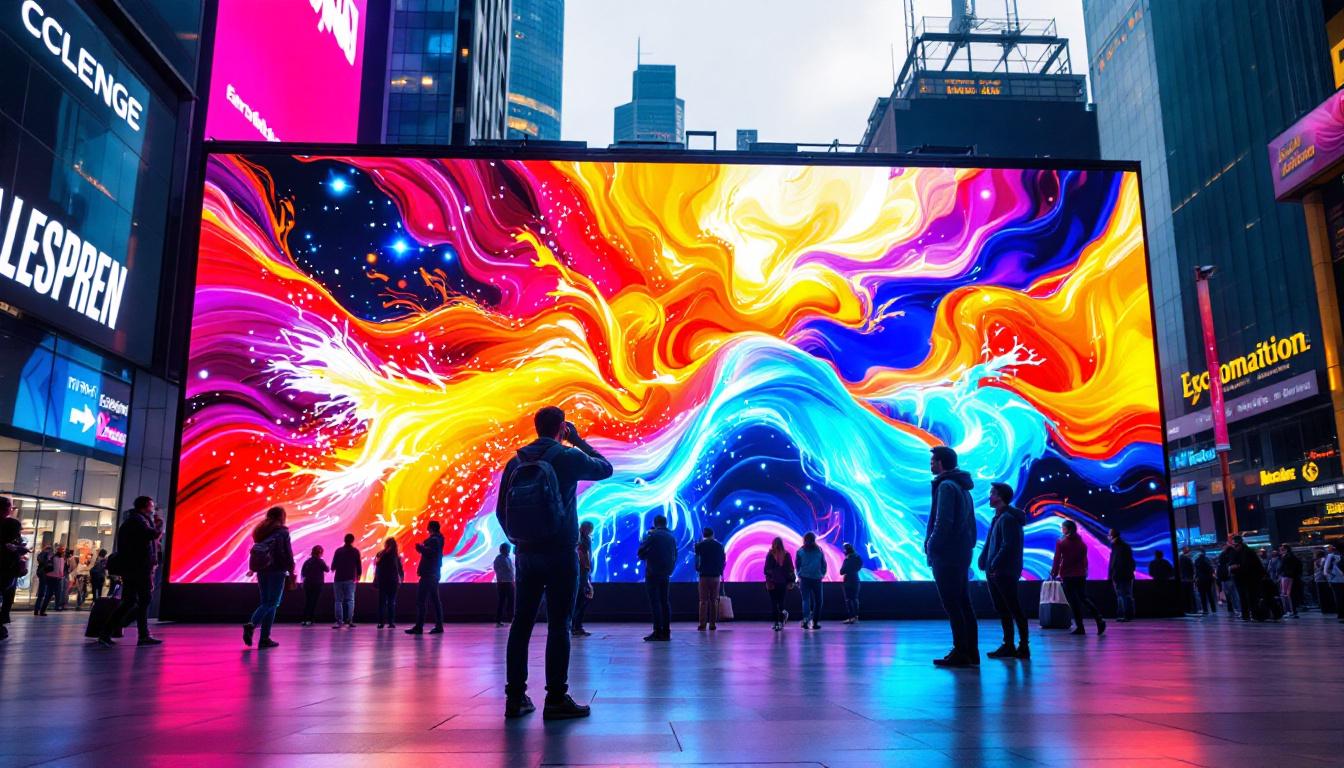
In the rapidly evolving world of digital signage and display technology, understanding the maximum dimensions of LED displays is crucial for businesses, event planners, and technology integrators alike. LED displays have revolutionized the way information and advertisements are presented, offering vibrant visuals, energy efficiency, and unparalleled flexibility. However, when it comes to scaling these displays to large sizes, several technical and practical factors come into play. This article delves into the maximum dimensions of LED displays, exploring the underlying technology, design considerations, and real-world applications to provide a comprehensive understanding of what determines the size limits of LED screens.
Understanding LED Display Technology
LED, or Light Emitting Diode, displays consist of numerous tiny light sources that emit light when an electric current passes through them. These diodes are arranged in a matrix to form pixels, which collectively create images and videos. The technology behind LED displays has improved significantly over the past decade, enabling screens to become larger, brighter, and more energy-efficient.
There are two primary types of LED displays: direct view LED and LED-backlit LCD. Direct view LED displays use LEDs as the actual pixels, providing superior brightness and contrast, especially for large outdoor installations. LED-backlit LCDs, on the other hand, use LEDs to illuminate an LCD panel, which is common in consumer televisions and monitors but less relevant for large-scale signage.
The focus of maximum dimension considerations typically centers on direct view LED displays, as these are the ones used for large-scale applications such as stadium screens, billboards, and public information displays.
Pixel Pitch and Its Impact on Size
One of the most important technical factors influencing the maximum size of an LED display is the pixel pitch, which refers to the distance between the centers of two adjacent pixels. Pixel pitch is measured in millimeters and directly affects the resolution and viewing distance of the display.
Smaller pixel pitches (e.g., 1.2 mm to 2.5 mm) offer higher resolution and are ideal for close viewing distances, such as indoor environments or retail displays. Larger pixel pitches (e.g., 10 mm to 20 mm) are suitable for outdoor use where viewers are further away, such as highway billboards or stadium screens.
When scaling up LED displays, the pixel pitch determines how large the screen can be while maintaining image clarity. For example, a 10 mm pixel pitch display can be built much larger than a 1.2 mm pitch display without losing visual quality at typical viewing distances.
Factors Influencing Maximum Dimensions of LED Displays
While LED technology itself can support very large displays, several practical and technical factors limit the maximum dimensions of LED screens. Understanding these factors helps in planning and designing LED installations that meet both size and performance requirements.
Structural and Mechanical Constraints
Large LED displays require robust structural support to ensure safety and stability. The weight of the display, wind loads (especially for outdoor installations), and mounting methods all influence the maximum feasible size. For instance, outdoor LED billboards mounted on building facades or free-standing structures must comply with local building codes and engineering standards.
Modular design is a common approach to overcoming size limitations. LED panels are manufactured in standardized modules that can be combined to create larger screens. However, the overall size is still constrained by the strength of the supporting framework and the installation environment.
Power Consumption and Heat Dissipation
As LED displays grow larger, their power requirements increase substantially. Managing power consumption efficiently is critical to ensure operational cost-effectiveness and environmental sustainability. Additionally, LEDs generate heat during operation, and excessive heat can degrade performance and reduce lifespan.
Effective heat dissipation mechanisms, such as integrated cooling systems or ventilated enclosures, become essential for large displays. Without proper thermal management, the maximum size of an LED display may be limited to prevent overheating and potential damage.
Signal Transmission and Processing Limitations
Driving a large LED display requires sophisticated signal processing and transmission infrastructure. As the number of pixels increases, so does the volume of data that must be processed and transmitted in real time. This can introduce latency or synchronization issues if not managed properly.
Modern LED controllers and processors are designed to handle high data rates, but extremely large displays may require distributed processing architectures and advanced networking solutions. These technological considerations can influence the practical maximum size of the display.
Environmental and Location Factors
Environmental conditions such as temperature extremes, humidity, and exposure to sunlight affect the design and durability of LED displays. Outdoor displays, in particular, must be weatherproof and capable of operating reliably under harsh conditions.
The location of the display also impacts its maximum size. Urban areas with space constraints or strict zoning regulations may limit the physical dimensions of LED installations. Conversely, open spaces like stadiums or highways offer more flexibility for large-scale displays.
Maximum Dimensions in Real-World Applications
Examining some of the largest LED displays in use today provides valuable insight into the practical limits of the technology and how various factors are managed in real-world scenarios.
Record-Breaking LED Screens
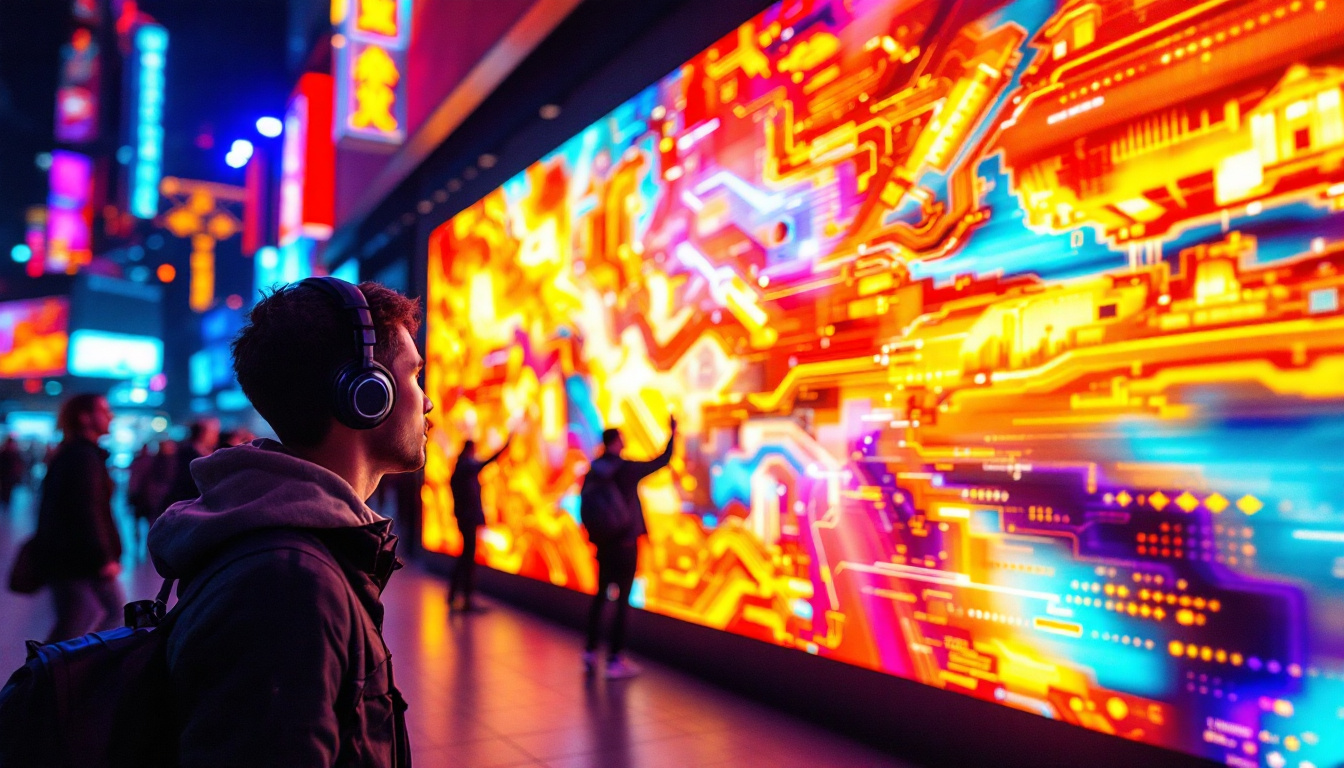
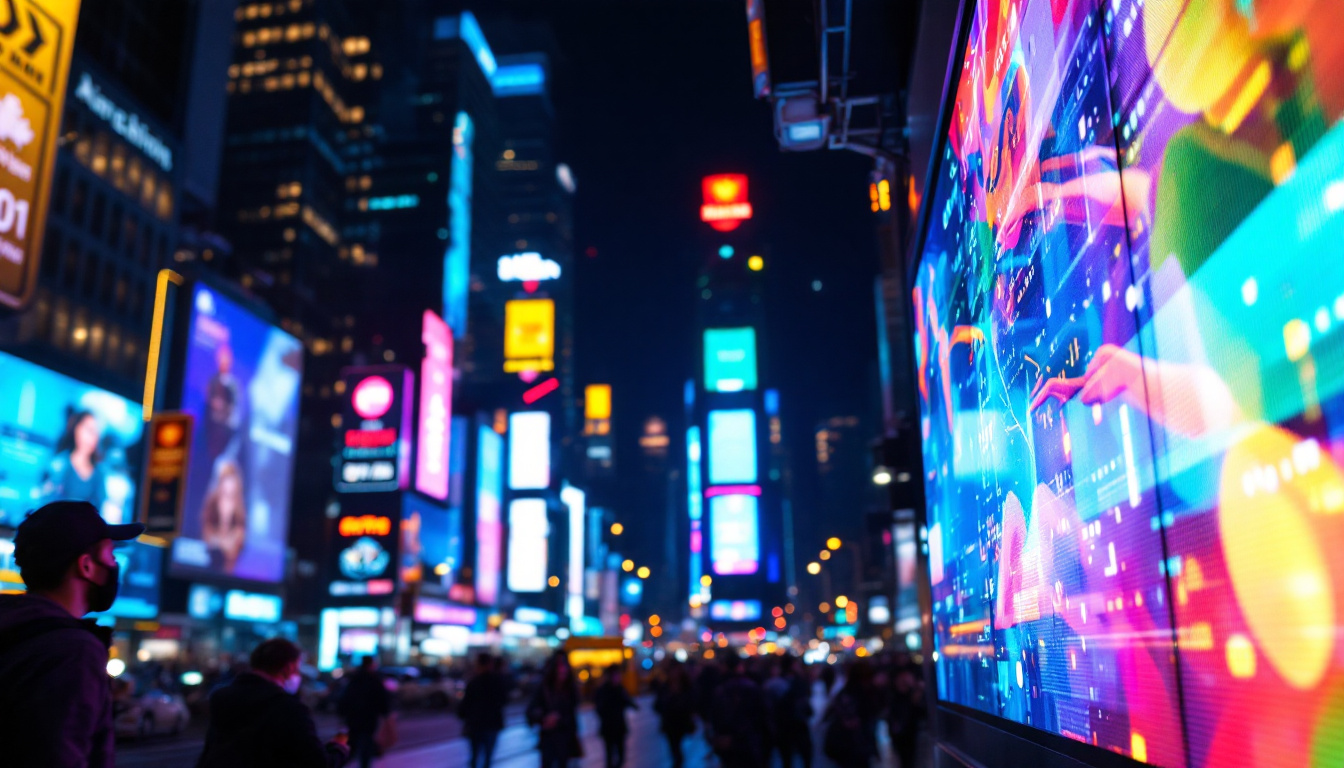
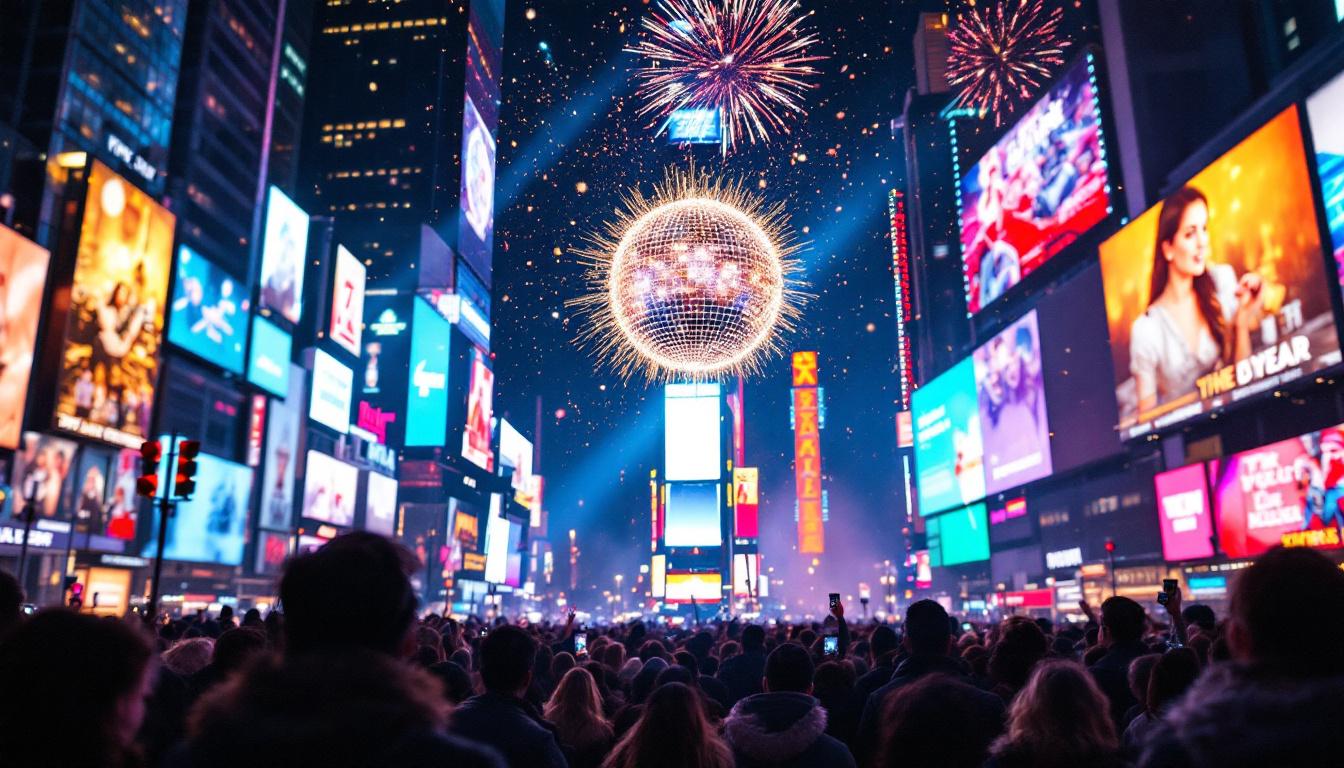
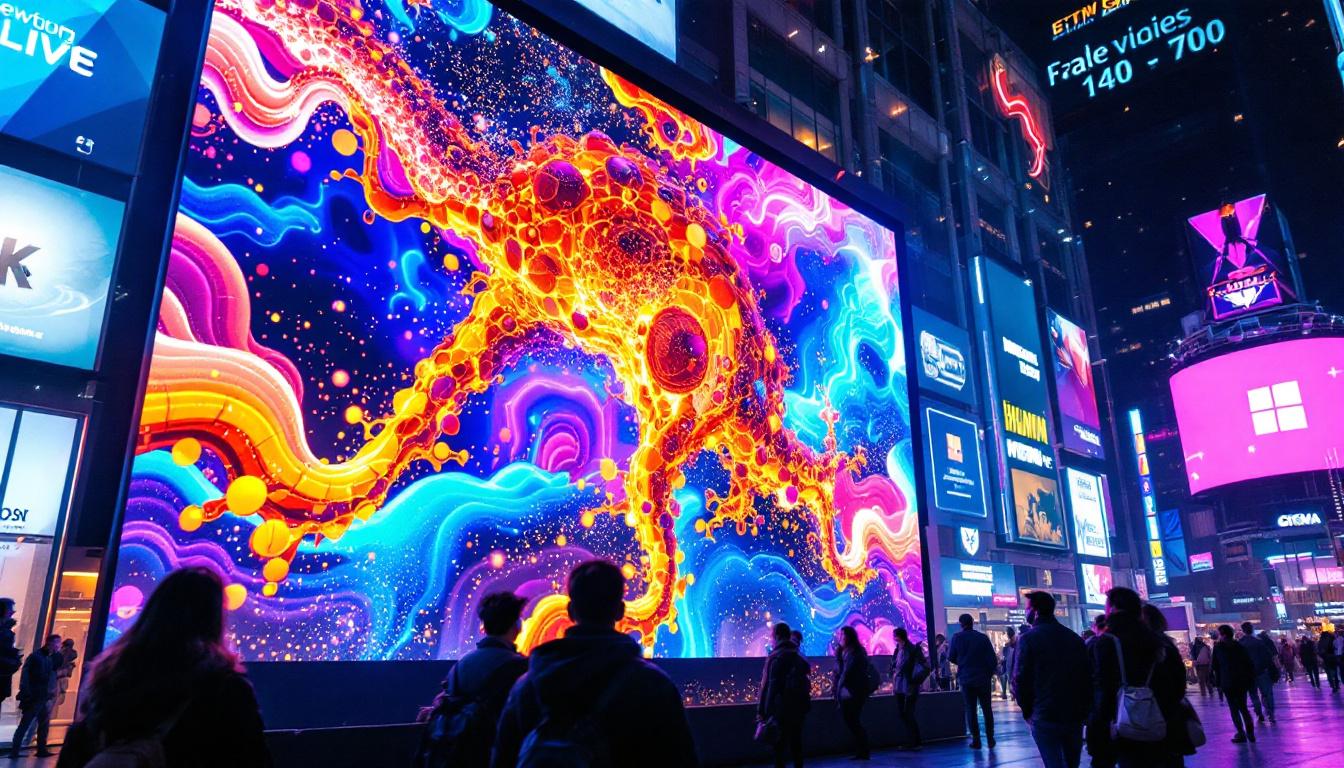
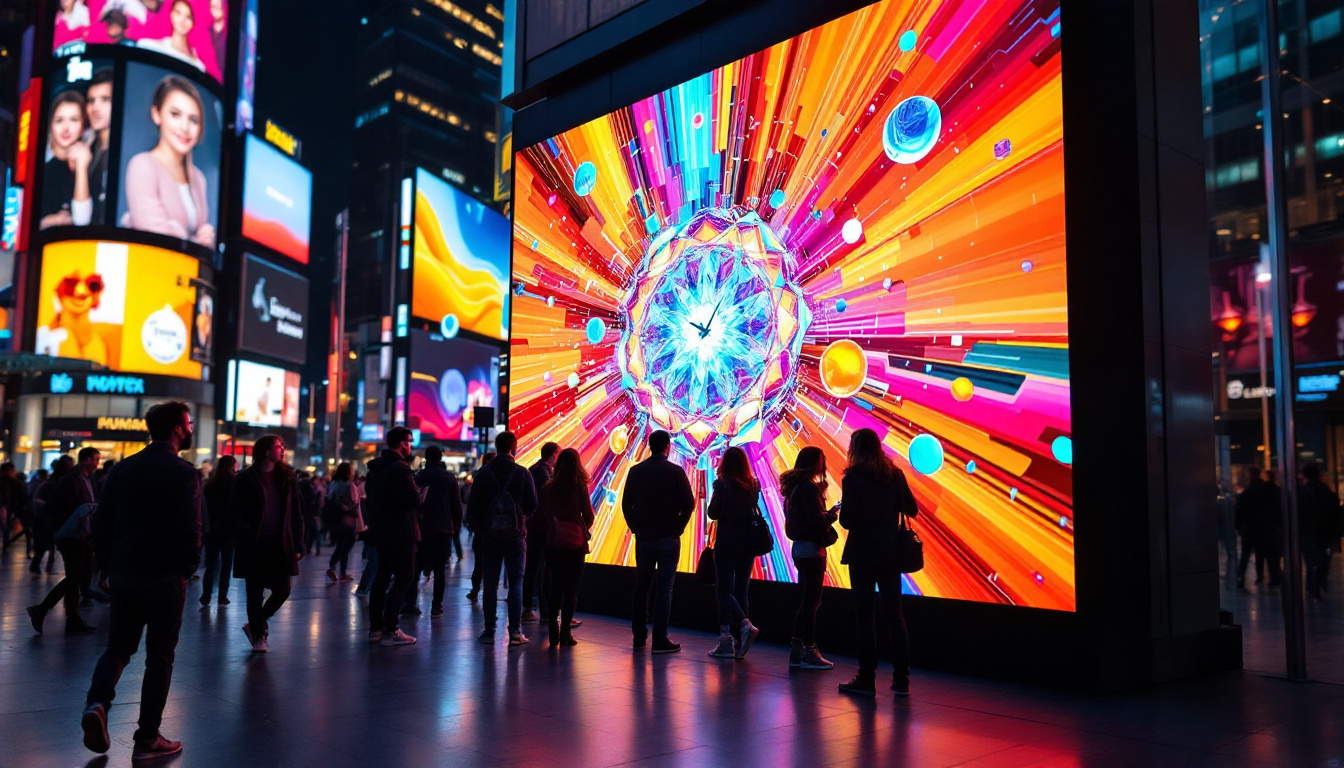
One of the largest LED displays globally is the “The Big Screen” in Times Square, New York City, which spans approximately 25,000 square feet. This massive display is composed of thousands of LED modules, creating a visually stunning canvas for advertisements and public messaging.
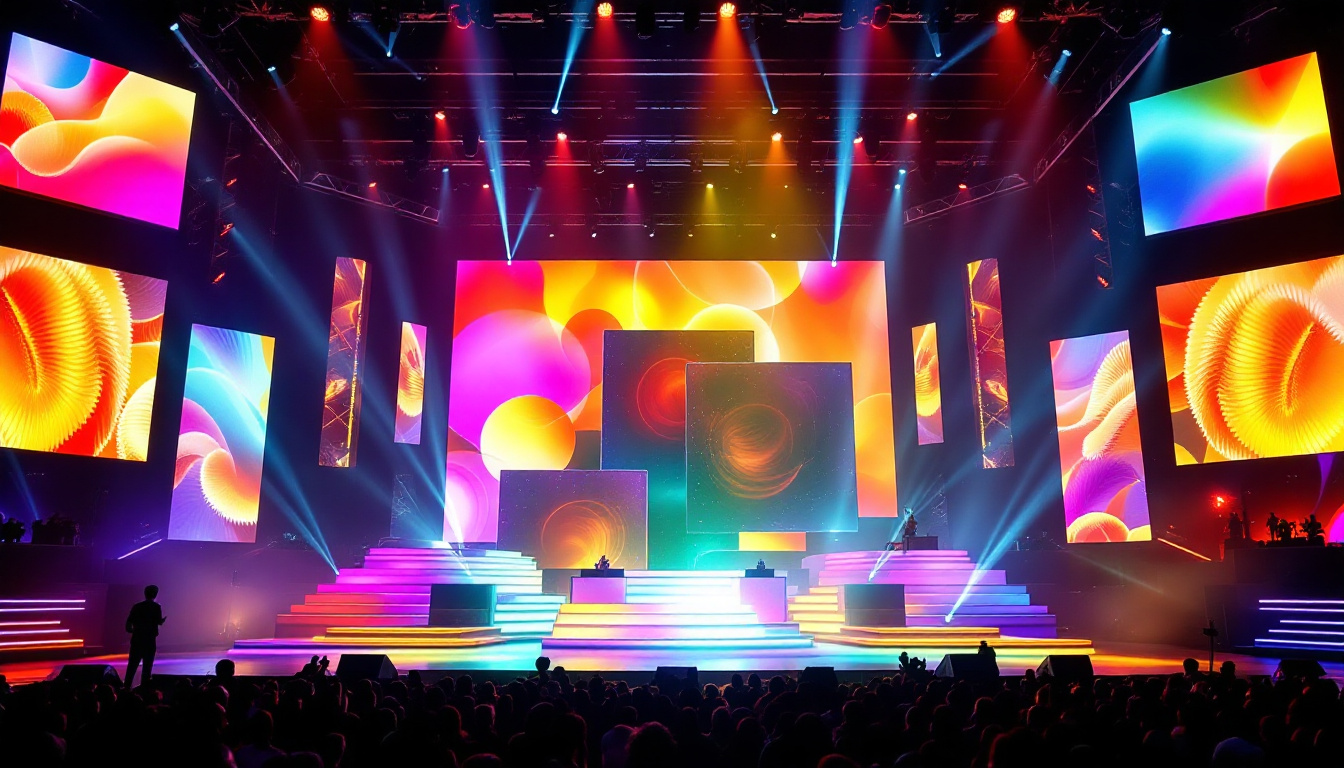
Similarly, stadiums like the AT&T Stadium in Texas feature enormous LED video boards measuring over 160 feet wide and 72 feet tall. These screens deliver high-resolution content visible to tens of thousands of spectators, demonstrating how LED technology scales to meet demanding size and performance requirements.
Modular Approach to Scaling
Most large LED displays are constructed from smaller, modular panels that are seamlessly joined to form the final screen. This approach allows for flexibility in size and shape, as well as easier maintenance and replacement of individual modules.
For example, an outdoor billboard might use 500 mm x 500 mm LED panels with a 10 mm pixel pitch. By combining hundreds of these modules, the display can reach dimensions of 20 feet by 40 feet or more, depending on the installation site and structural capabilities.
Custom Shapes and Curved Displays
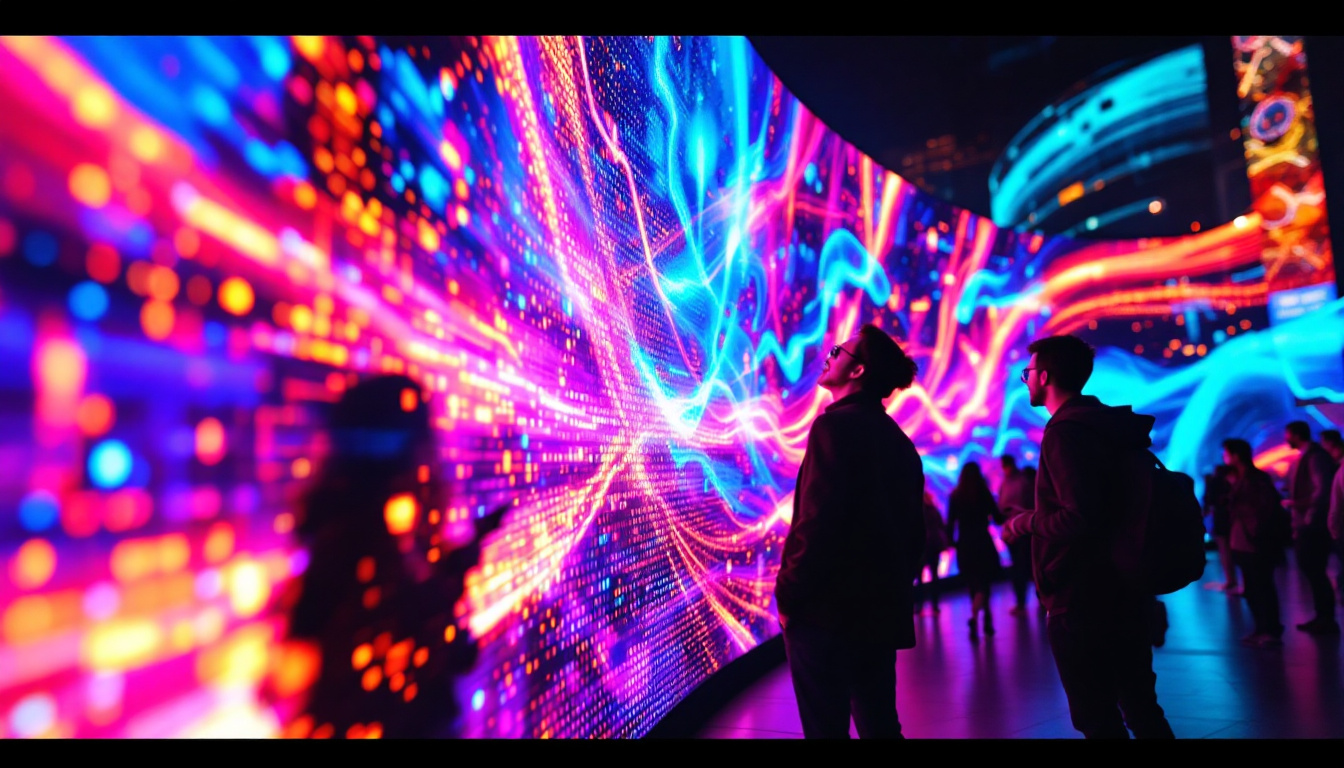
Advancements in LED technology have enabled the creation of custom-shaped and curved displays, expanding the possibilities beyond traditional rectangular screens. These designs are popular in architectural applications and experiential marketing, where unique visual impact is desired.
While custom shapes add complexity to the design and installation process, the modular nature of LED panels allows for creative configurations without significantly compromising size. However, the maximum dimensions for curved or irregularly shaped displays are often dictated by the flexibility of the panels and the supporting structure.
Planning for Large LED Display Installations
For organizations considering large LED displays, careful planning is essential to balance size, performance, and cost. Several best practices can guide the decision-making process.
Assessing Viewing Distance and Resolution Needs
Determining the appropriate pixel pitch based on the typical viewing distance is the first step in defining the display size. A high-resolution display with a small pixel pitch is necessary for close-up viewing, but this also increases cost and power consumption.
For example, a retail store window display viewed from a few feet away might use a 1.5 mm pixel pitch, while a highway billboard viewed from hundreds of feet away could use a 16 mm pitch. Matching resolution to viewing distance ensures optimal image quality without unnecessary expense.
Evaluating Structural and Environmental Requirements
Engaging with structural engineers and environmental specialists early in the project helps identify potential challenges related to mounting, wind loads, and weatherproofing. This collaboration ensures the display is safe, durable, and compliant with regulations.
Additionally, considering maintenance access and ease of module replacement can reduce downtime and operational costs over the display’s lifetime.
Budgeting for Power and Signal Infrastructure
Large LED displays require significant investment in power supply and signal distribution systems. Planning for efficient power management and robust data transmission infrastructure is critical to avoid performance bottlenecks.
Incorporating energy-efficient components and intelligent control systems can reduce operational costs and environmental impact, aligning with sustainability goals.
Future Trends in LED Display Dimensions
The LED display industry continues to innovate, pushing the boundaries of size, resolution, and functionality. Emerging trends suggest that maximum dimensions will continue to expand while maintaining or improving image quality and energy efficiency.
MicroLED and MiniLED Technologies
MicroLED and MiniLED technologies represent the next generation of LED displays, offering even smaller pixel pitches and higher brightness levels. These advances enable ultra-high-resolution displays at larger sizes without the drawbacks of traditional LED modules.
MicroLED displays, in particular, promise improved color accuracy, lower power consumption, and longer lifespans, which could redefine the maximum practical dimensions of LED screens in the near future.
Flexible and Transparent LED Displays
Flexible LED panels allow for curved and dynamic installations that conform to architectural elements, expanding creative possibilities. Transparent LED displays enable screens to be integrated into glass surfaces without obstructing views, ideal for retail and commercial applications.
These innovations will likely influence the design and size of future LED displays, enabling larger and more versatile installations.
Integration with Smart Technologies
Smart LED displays equipped with sensors, cameras, and AI-driven content management systems are becoming more common. These technologies optimize display performance based on environmental conditions and audience engagement, enhancing the value of large-scale installations.
As smart capabilities evolve, they may also impact the design constraints and maximum dimensions of LED displays by enabling more efficient operation and maintenance.
Conclusion
Understanding the maximum dimensions of LED displays involves a multifaceted examination of technology, structural engineering, environmental factors, and practical application needs. While LED technology supports remarkably large and visually impressive screens, real-world limitations such as power consumption, heat management, and mechanical stability set boundaries on maximum size.
By considering pixel pitch, modular design, and site-specific requirements, organizations can successfully deploy large LED displays that deliver impactful visual experiences. Looking ahead, advancements in MicroLED technology, flexible displays, and smart integration promise to expand the possibilities even further, making LED displays an increasingly vital tool for communication and engagement.
Explore the Future of Visual Engagement with LumenMatrix
Ready to elevate your brand’s presence and captivate your audience with the latest in LED display technology? LumenMatrix is at the forefront of innovation, offering a wide range of LED display solutions tailored to your unique needs. From Indoor and Outdoor LED Walls to specialized displays for vehicles, sports, and custom installations, our mission is to transform your visual communication with clarity and impact. Check out LumenMatrix LED Display Solutions today and join the revolution in digital signage.