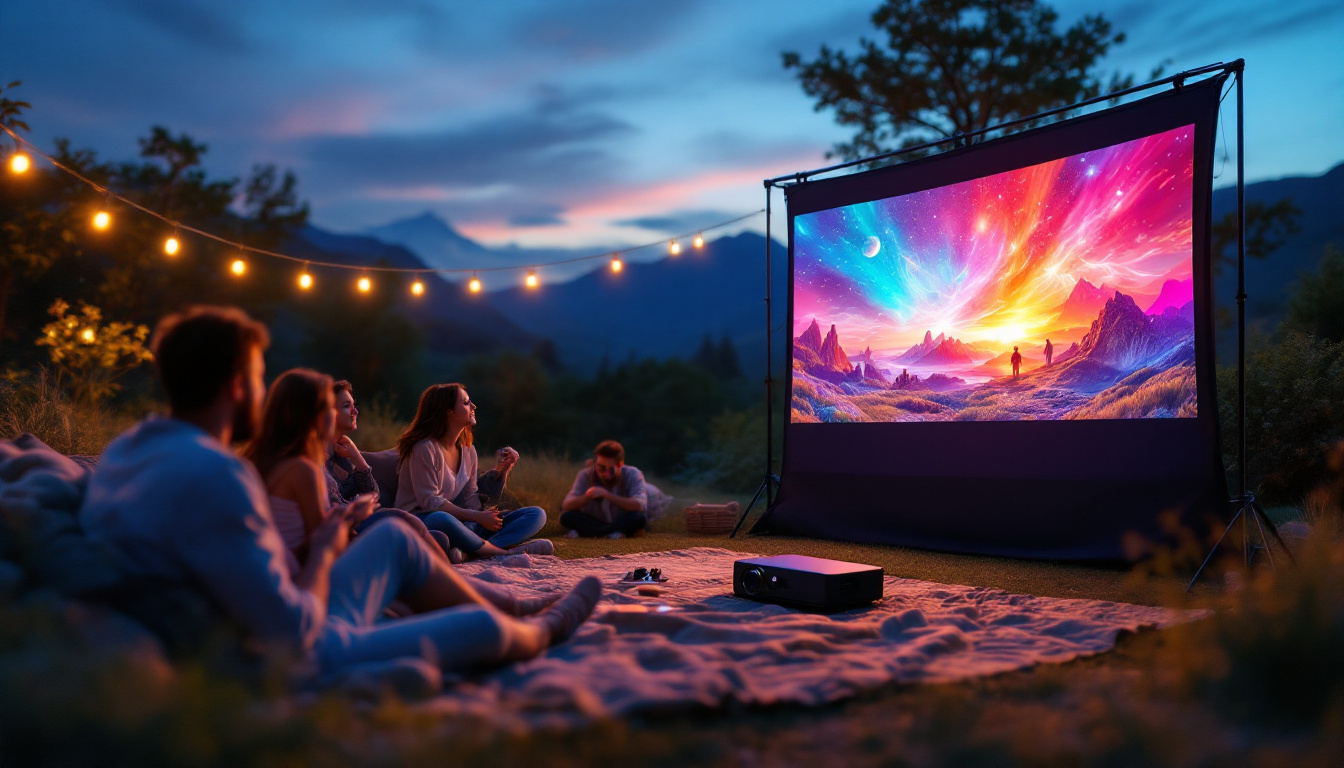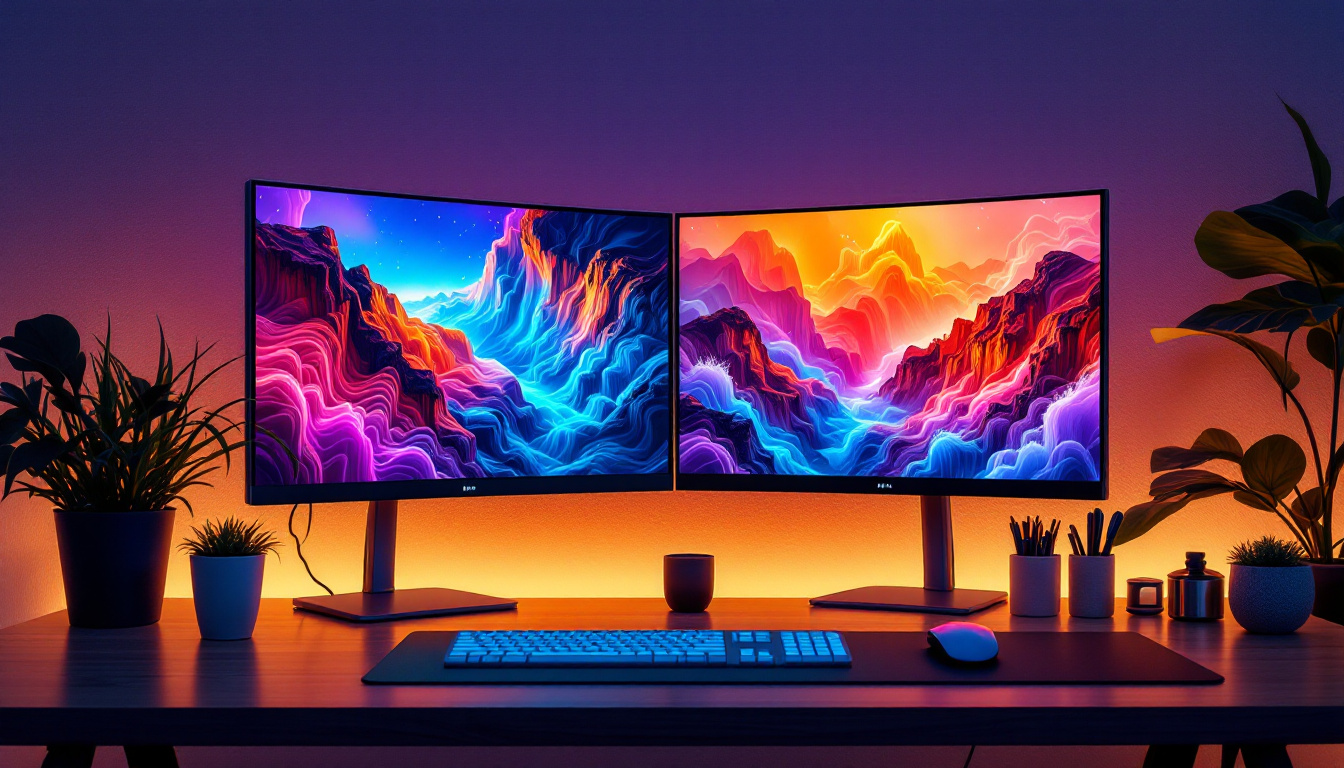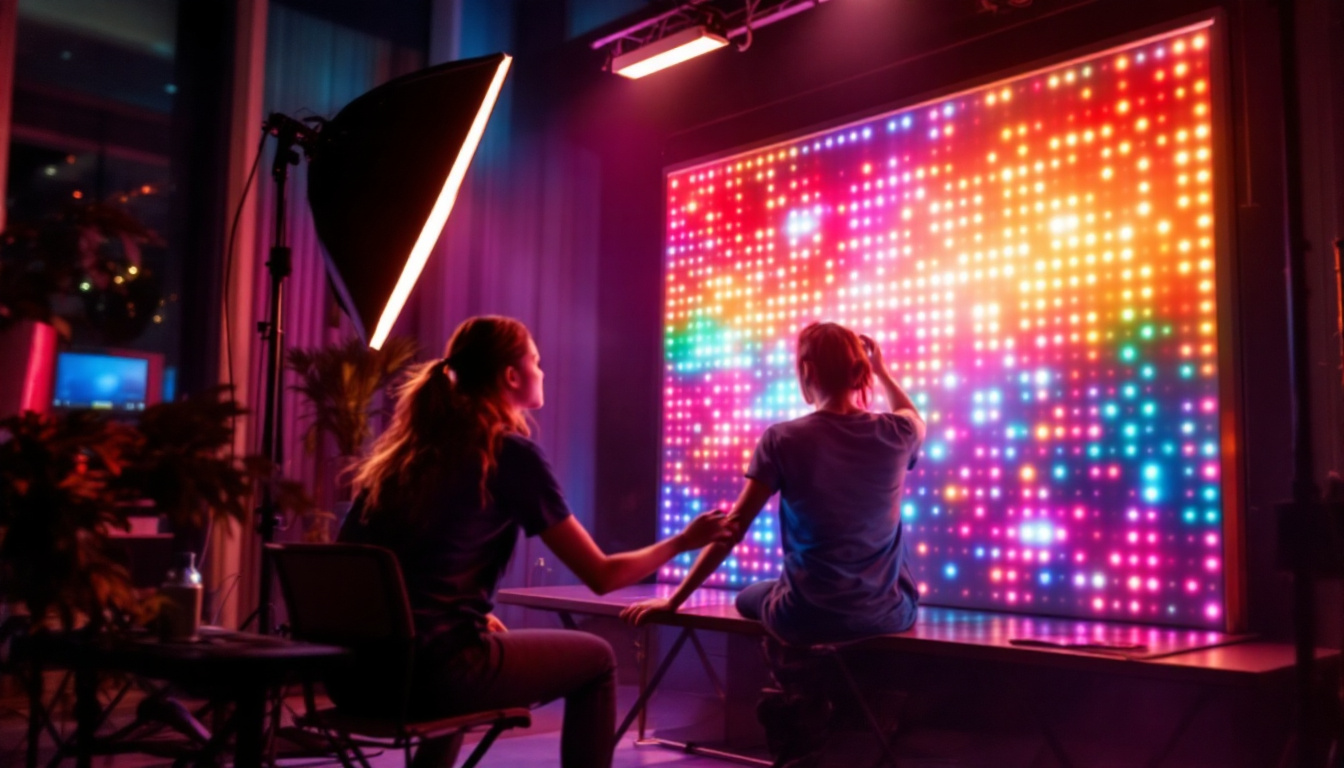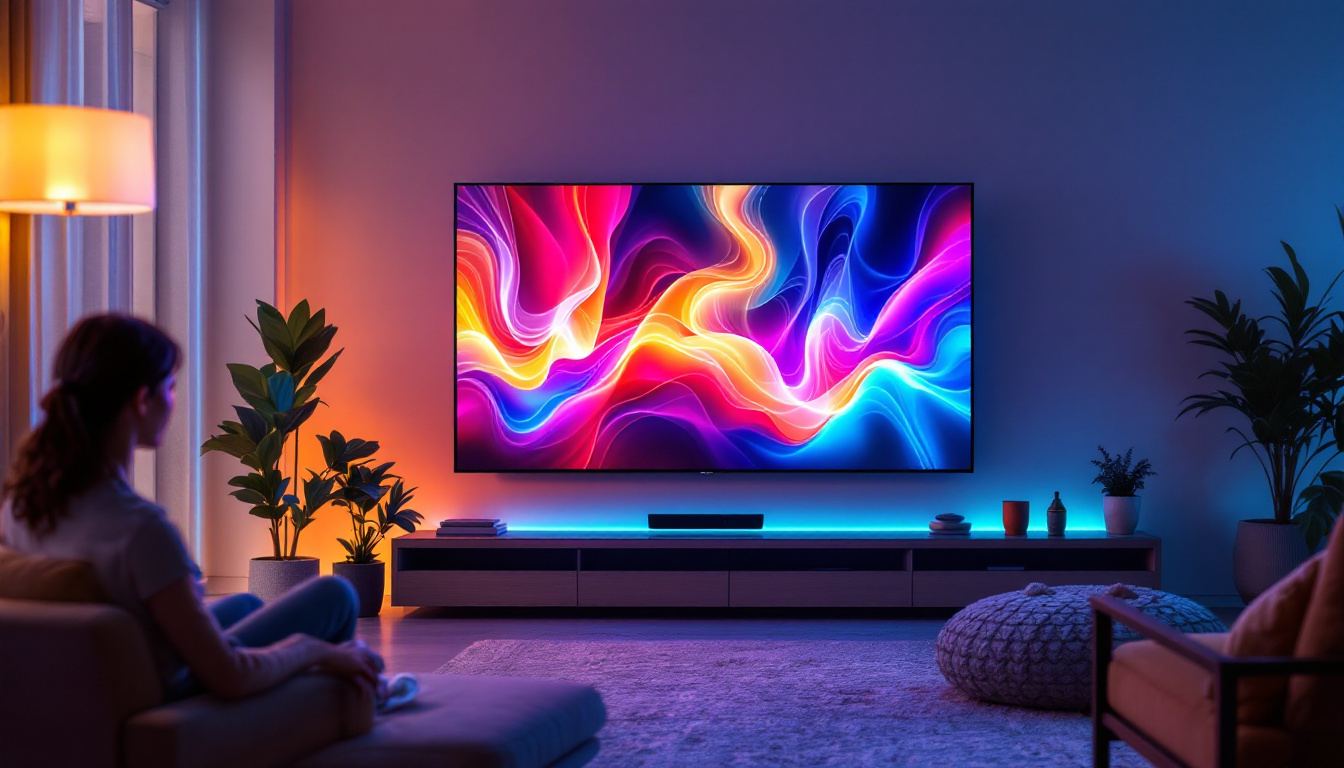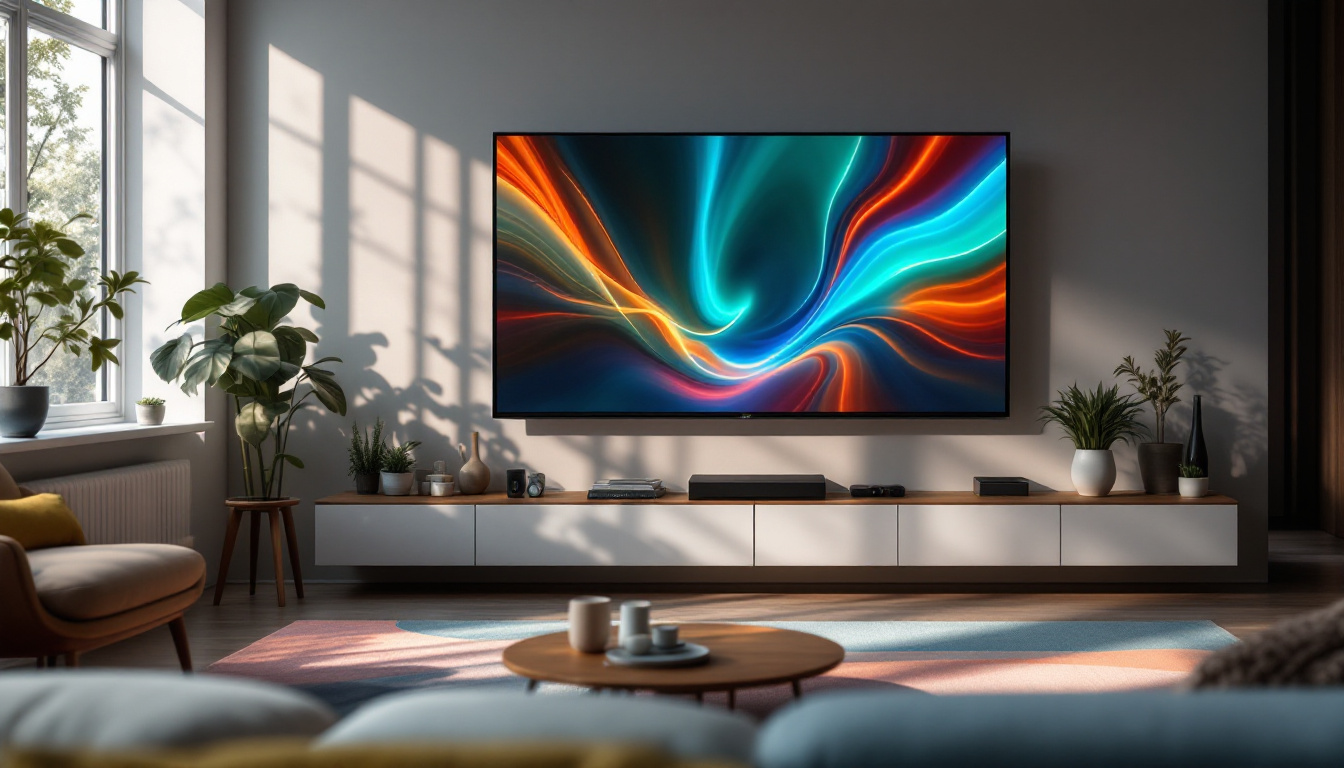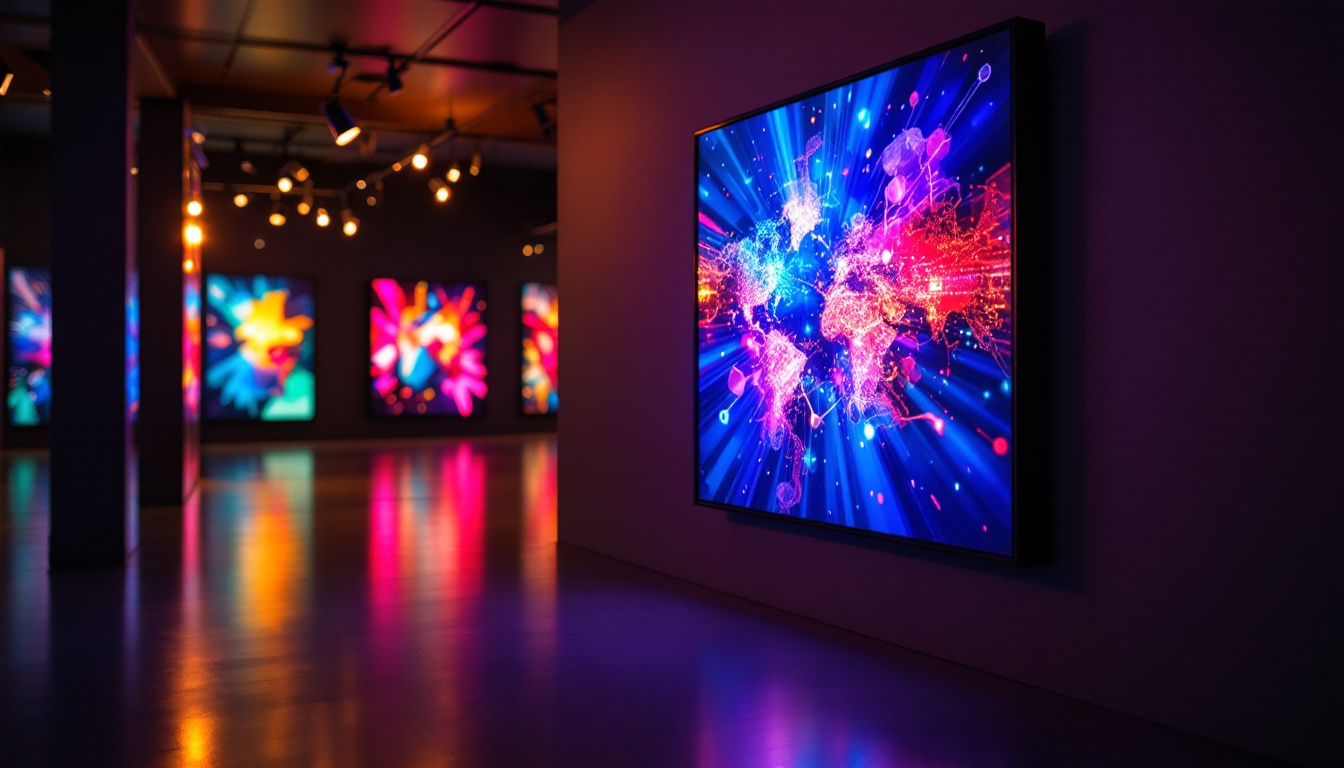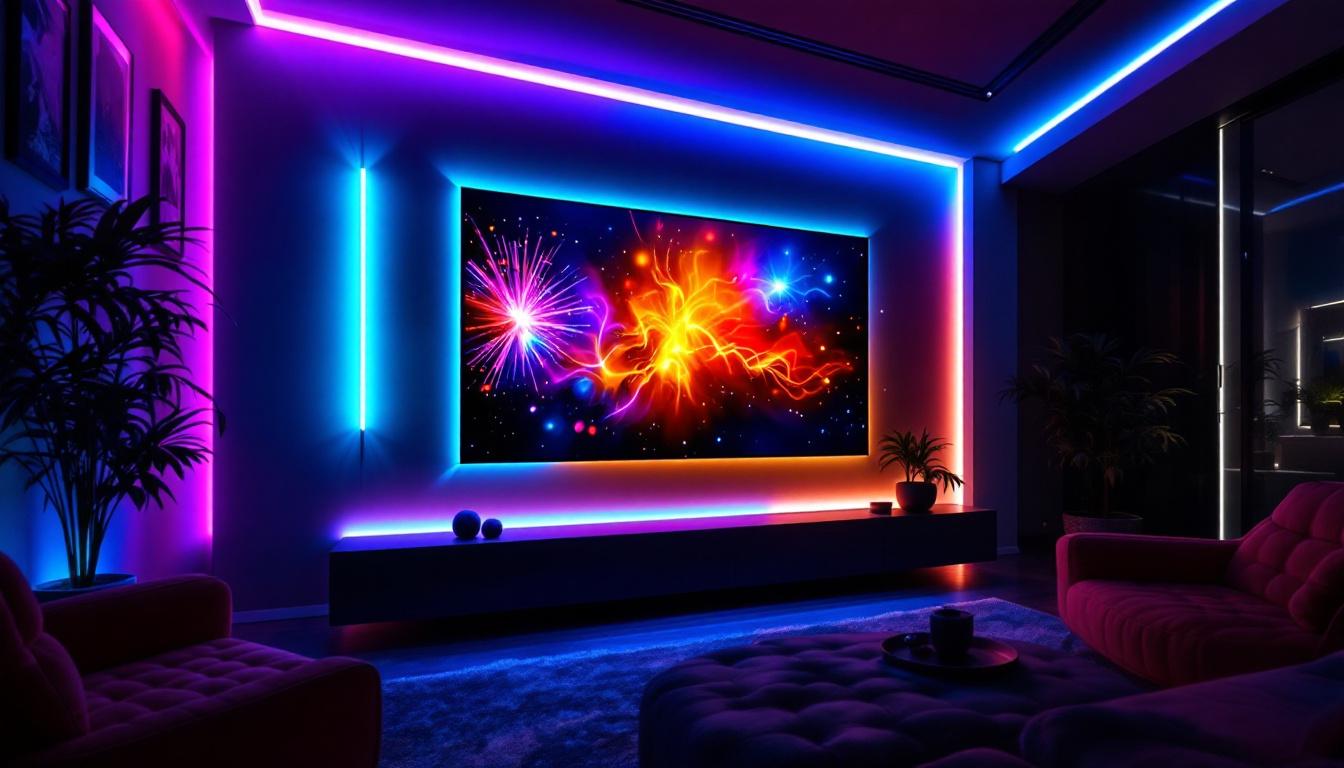
In today’s world of home entertainment, lighting plays a pivotal role in enhancing the viewing experience. Among the various lighting technologies available, LED entertainment center lighting has emerged as a popular choice due to its versatility, energy efficiency, and aesthetic appeal. This article delves into the fundamentals of LED display technology, its applications in entertainment centers, and why it is rapidly becoming the preferred lighting solution for modern homes.
Understanding LED Technology
LED, or Light Emitting Diode, technology has revolutionized the lighting industry over the past two decades. Unlike traditional incandescent bulbs that generate light by heating a filament, LEDs produce light through electroluminescence—a process where an electrical current passes through a semiconductor material, emitting photons.
This fundamental difference results in several advantages. LEDs are more energy-efficient, converting a higher percentage of electricity into light rather than heat. They also have a significantly longer lifespan, often exceeding 25,000 hours, compared to around 1,000 hours for incandescent bulbs. These characteristics make LEDs ideal for continuous use in entertainment centers where lighting is often on for extended periods. Furthermore, the reduced heat output of LEDs not only contributes to energy savings but also minimizes the risk of overheating, making them safer for prolonged use in enclosed spaces.
Types of LEDs Used in Entertainment Centers
There are several types of LEDs commonly integrated into entertainment center lighting:
- Standard LEDs: These are small, low-power diodes used for accent lighting, backlighting, or decorative purposes.
- RGB LEDs: Capable of producing a wide spectrum of colors by combining red, green, and blue light, RGB LEDs allow customizable lighting effects, enhancing the ambiance.
- LED Strips: Flexible circuit boards embedded with multiple LEDs, ideal for installation along shelves, cabinets, or behind displays to create indirect lighting.
- Smart LEDs: Integrated with wireless controls and smart home compatibility, these LEDs can be programmed and adjusted remotely for dynamic lighting schemes.
In addition to these types, there are also specialty LEDs designed for specific applications within entertainment centers. For example, High-CRI LEDs (Color Rendering Index) are engineered to reproduce colors more accurately, making them perfect for settings where visual clarity is paramount, such as in home theaters or art displays. Moreover, LED Panels are increasingly popular for their sleek design and ability to provide uniform lighting across larger areas, enhancing the overall aesthetic of the entertainment space. As technology continues to advance, we can expect even more innovative LED solutions that will further enhance the way we experience light in our homes.
How LED Displays Enhance Entertainment Centers
LED displays have become integral to entertainment centers, not only for lighting but also for their ability to transform the visual environment. They serve multiple functions, from creating mood lighting to improving the viewing experience by reducing eye strain.
Ambient Lighting and Visual Comfort
One of the key benefits of LED lighting in entertainment centers is the creation of ambient lighting. Ambient lighting refers to the general illumination that sets the tone of a room without causing glare or harsh shadows. Proper ambient lighting reduces eye fatigue during prolonged viewing sessions, especially in dark rooms.
Studies have shown that bias lighting—lighting placed behind a television or display—can improve perceived contrast and reduce eye strain. LEDs are particularly suited for bias lighting because they can be installed discreetly behind screens, emitting a soft glow that enhances image quality without distracting from content.
Moreover, the versatility of LED technology allows for dynamic adjustments based on the time of day or specific activities. For instance, during a daytime movie marathon, users can opt for brighter ambient lighting that mimics natural sunlight, ensuring that the visuals remain crisp and clear. Conversely, as evening approaches, a dimmer, warmer light can create a cozy atmosphere, perfect for winding down with a favorite film. This adaptability not only enhances comfort but also encourages longer viewing sessions without discomfort.
Customization and Mood Setting
Modern LED lighting systems offer extensive customization options. With RGB and smart LED technologies, users can select colors and brightness levels that complement the content being viewed or the mood they wish to create. For example, warm tones can be used for relaxing movie nights, while vibrant colors can energize a gaming session.
Many entertainment centers now feature integrated LED lighting controlled via smartphone apps or voice assistants, allowing seamless adjustments without interrupting the viewing experience. This level of control empowers users to personalize their space and create immersive environments tailored to their preferences.
Additionally, the integration of LED displays with home automation systems means that users can synchronize their lighting with music or movie soundtracks, creating a multisensory experience. Imagine hosting a game night where the room pulses with color in rhythm to the action on screen, or a horror movie that subtly shifts the lighting to enhance suspense. This synchronization not only amplifies the emotional impact of the content but also transforms the entertainment center into a fully immersive theater-like experience, making every viewing occasion feel special and engaging.
Energy Efficiency and Environmental Impact
Energy consumption is an important consideration for any home lighting solution. LED technology stands out for its efficiency, consuming up to 80% less energy than traditional incandescent bulbs. This efficiency translates to lower electricity bills and a reduced carbon footprint, aligning with growing environmental awareness among consumers. The shift towards LED lighting not only benefits individual households but also contributes to a larger movement towards sustainable living, where every small change can lead to significant environmental improvements.
Longevity and Maintenance Benefits
Another environmental advantage of LEDs is their longevity. With lifespans that can exceed 50,000 hours in some cases, LED lights require less frequent replacement, reducing waste and the demand for manufacturing resources. For entertainment centers, this means less hassle and cost over time, as well as a more sustainable lighting choice. Furthermore, the durability of LEDs makes them ideal for a variety of applications, from residential to commercial settings, ensuring that businesses can also benefit from reduced maintenance costs and increased productivity due to reliable lighting.
Additionally, LEDs do not contain hazardous materials such as mercury, which is found in some fluorescent lighting. This makes disposal safer and more environmentally friendly. The absence of toxic substances not only simplifies the recycling process but also minimizes the risk of environmental contamination. As more consumers become aware of the importance of responsible waste management, the choice of LED lighting becomes even more appealing. Moreover, the ability to dim LEDs and adjust their brightness without losing efficiency further enhances their versatility, allowing users to create the perfect ambiance while still being mindful of energy consumption.
Design Considerations for LED Entertainment Center Lighting
When integrating LED lighting into an entertainment center, several design factors should be considered to maximize both functionality and aesthetics.
Placement and Installation
Strategic placement of LED lights is crucial to achieving the desired effect. Common installation spots include:
- Behind the TV or monitor: For bias lighting that enhances contrast and reduces eye strain.
- Under shelves and cabinets: To illuminate collectibles, media players, or decorative items.
- Along baseboards or floor edges: To provide subtle pathway lighting and add depth to the room.
Installation methods vary from adhesive-backed LED strips to recessed fixtures, depending on the design and materials of the entertainment center. Many LED strips are cuttable to size, allowing for custom fits in tight or irregular spaces.
Color Temperature and Brightness
Choosing the right color temperature is essential for creating the appropriate atmosphere. Color temperature is measured in Kelvins (K) and generally falls into three categories:
- Warm White (2700K–3000K): Produces a cozy, relaxing ambiance, ideal for movie nights or unwinding.
- Neutral White (3500K–4500K): Offers a balanced, natural light suitable for general illumination.
- Cool White (5000K–6500K): Mimics daylight and is often used for task lighting or vibrant, energetic spaces.
Brightness levels should be adjustable to accommodate different activities and times of day. Dimmable LEDs provide flexibility, allowing users to fine-tune the lighting to their comfort.
Future Trends in LED Entertainment Center Lighting
The evolution of LED technology continues to open new possibilities for entertainment center lighting. Emerging trends suggest a future where lighting is even more integrated, intelligent, and immersive.
Integration with Smart Home Ecosystems
Smart home technology is becoming ubiquitous, and LED lighting is no exception. Future entertainment centers are expected to feature lighting systems that seamlessly integrate with voice assistants, automation routines, and other smart devices. This integration allows for synchronized lighting effects that respond to media playback, time of day, or user preferences.
Advanced Lighting Effects and Immersive Experiences
Technologies such as addressable LEDs enable complex lighting patterns and animations that can react dynamically to audio or video content. For gamers and cinephiles, this means lighting that enhances immersion by extending the on-screen action into the room itself.
Moreover, developments in miniaturization and flexible LED materials are enabling more creative installations, such as curved LED panels or transparent displays, further blurring the lines between lighting and display technology.
Conclusion
LED entertainment center lighting offers a compelling combination of energy efficiency, customization, and aesthetic enhancement. By understanding the technology behind LEDs and how to effectively incorporate them into home entertainment setups, users can significantly improve both the functionality and ambiance of their media spaces.
Whether for bias lighting that reduces eye strain, mood-setting color schemes, or futuristic smart home integration, LED lighting represents a versatile and sustainable choice for modern entertainment centers. As technology advances, these lighting solutions will continue to evolve, providing even more immersive and personalized experiences for users worldwide.
Explore Cutting-Edge LED Solutions with LumenMatrix
Ready to elevate your entertainment space with the latest in LED technology? Discover LumenMatrix’s innovative LED display modules, designed to bring your visual experiences to life. Whether you’re looking for Indoor LED Wall Displays for a stunning home theater setup, Outdoor LED Wall Displays to enhance your exterior ambiance, or specialized solutions like Vehicle LED Displays and LED Sports Displays, LumenMatrix has you covered. Embrace the future of visual communication with our captivating and versatile LED solutions. Check out LumenMatrix LED Display Solutions today and transform your entertainment center into a dynamic and engaging focal point.