When shopping for used planers, buyers often encounter a variety of features that can be confusing at first glance. One such feature that has become increasingly common is the LED display. This modern addition to woodworking machinery offers numerous benefits, but understanding exactly what it does and how it improves your workflow is essential for making an informed purchase. This article will explore the role of LED displays on planers, why they matter, and how to evaluate used planers equipped with this technology.
Understanding the Basics: What Is a Planer?
A planer is a woodworking machine designed to produce boards of uniform thickness and smooth surfaces by shaving off thin layers of wood. It’s an indispensable tool in both professional workshops and hobbyist settings, enabling craftsmen to prepare rough lumber for further processing or finishing.
Planers come in various sizes and configurations, from handheld electric models to large stationary machines. Regardless of size, the core function remains the same: to flatten and smooth wood surfaces efficiently. As technology has advanced, manufacturers have integrated digital controls and displays to enhance precision and ease of use.
In addition to their primary function, planers can also be used to create decorative edges and profiles on wood pieces, making them versatile tools in the woodworking arsenal. Many woodworkers appreciate the ability to adjust the depth of cut, allowing for fine-tuning based on the specific characteristics of the wood being worked with. This adaptability is particularly useful when dealing with different species of wood, each of which may have unique grain patterns and hardness levels that affect how they respond to planing.
Moreover, the maintenance of a planer is crucial for ensuring its longevity and performance. Regularly checking and replacing the blades, as well as cleaning the machine to prevent sawdust buildup, can significantly enhance the quality of the finished product. Some advanced models even come with built-in dust collection systems, which not only help keep the workspace clean but also improve the overall efficiency of the planing process. Understanding these aspects can empower woodworkers to maximize their use of this essential tool, leading to better results in their projects.
The Rise of LED Displays on Planers
Traditionally, planers used analog gauges or manual adjustments to set the cutting depth and monitor performance. While effective, these methods required a certain level of skill and experience to achieve consistent results. The introduction of LED displays has revolutionized this aspect by providing clear, real-time information directly to the operator.
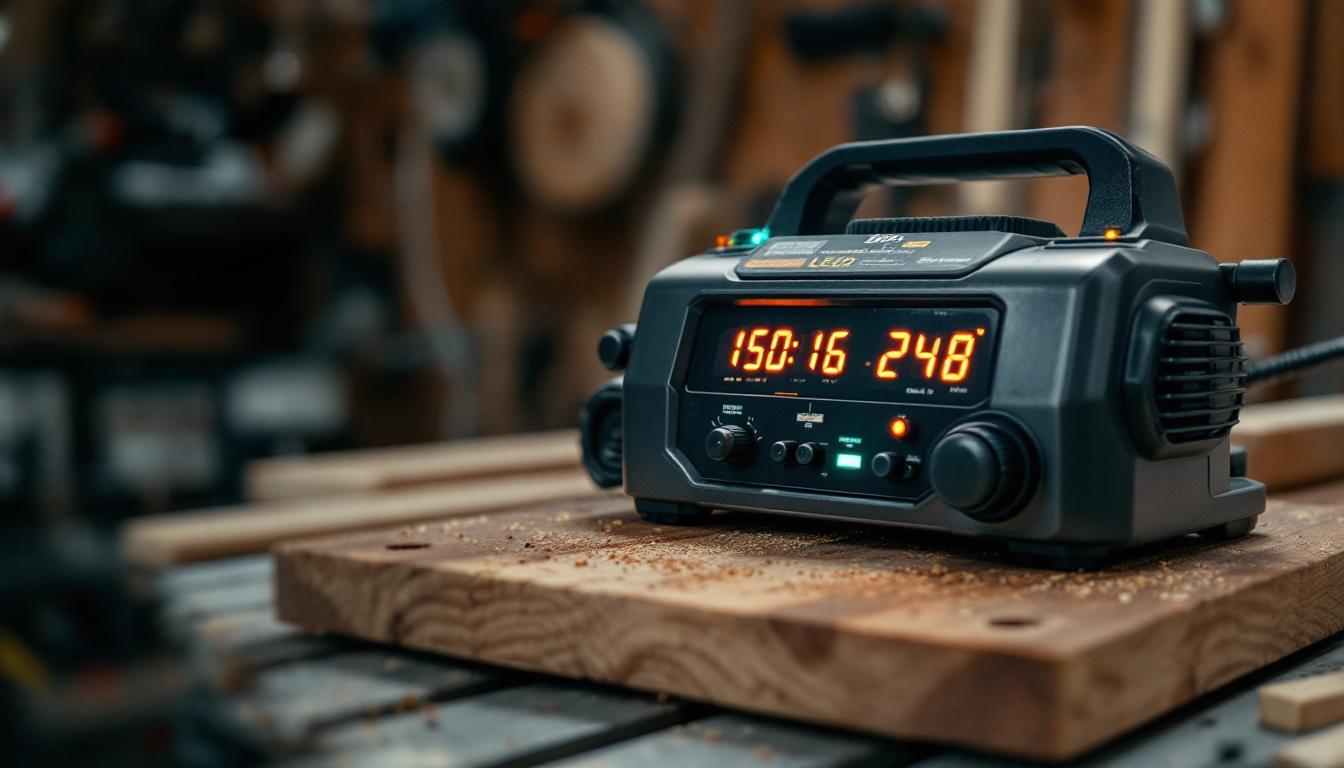
LED displays on planers typically show critical data such as cutting depth, feed speed, and sometimes even blade condition or error messages. This immediate feedback allows users to make quick, accurate adjustments without stopping the machine or relying on external measuring tools.
According to a 2023 survey by the Woodworking Machinery Institute, over 60% of new planers sold in North America now feature some form of digital display, with LED being the most common due to its brightness, durability, and energy efficiency. This shift not only enhances the user experience but also contributes to greater productivity in woodworking shops, where time is often of the essence.
Moreover, the integration of LED technology into planers has paved the way for additional features that were previously impractical with analog systems. For instance, many modern LED displays can be connected to software that tracks usage data and maintenance schedules. This connectivity allows operators to monitor the performance of their equipment over time, leading to more informed decisions about when to perform maintenance or replace parts, ultimately extending the lifespan of the machinery.
Additionally, the visual clarity of LED displays aids in training new operators. With intuitive interfaces that often include graphical representations of settings and performance metrics, newcomers can quickly acclimate to the machine’s functions. This ease of use not only reduces the learning curve but also enhances safety, as operators are less likely to make errors when they can clearly see the machine’s status and required adjustments at a glance.
Key Benefits of LED Displays on Used Planers
Improved Accuracy and Consistency
One of the most significant advantages of LED displays is the ability to set and maintain precise cutting depths. Instead of estimating or measuring manually, operators can input exact values and monitor them in real time. This precision is especially valuable when working on projects that require tight tolerances, such as cabinetry or furniture making.
For buyers considering used planers, those equipped with LED displays often represent better value because the digital controls reduce the margin of error and improve the overall quality of the finished product.
Enhanced User Experience
LED displays simplify the operation of planers by making settings more intuitive and accessible. Operators can quickly read measurements even in poorly lit workshop conditions thanks to the bright, clear screens. This ease of use reduces training time for new users and minimizes mistakes caused by misreading analog dials.
Additionally, some LED displays come with programmable presets, allowing users to save common settings for different types of wood or project requirements. This feature can significantly speed up workflow and reduce downtime.
Maintenance and Diagnostics
Modern LED displays often integrate diagnostic functions, alerting users to issues such as blade wear, motor overload, or sensor malfunctions. For used planers, this can be a critical factor in assessing machine health and predicting maintenance needs.
Buyers should look for planers with LED displays that provide error codes or maintenance reminders, as these features can save considerable time and expense by preventing unexpected breakdowns.
Evaluating Used Planers With LED Displays
Assessing the Condition of the Display
When inspecting a used planer, the LED display itself should be a focal point. Check for brightness and clarity—displays that are dim, flickering, or have dead pixels may indicate electrical issues or damage. A fully functional display is not only convenient but also a sign that the machine has been well maintained.
Ask the seller to demonstrate how the display responds to adjustments and whether all features are operational. If possible, review the user manual or manufacturer’s documentation to understand the display’s capabilities and verify that the machine matches the description.
Compatibility and Replacement Parts
LED displays and their associated control boards can be costly to repair or replace. Before purchasing a used planer, research the availability of replacement parts for the specific model. Some older machines with digital displays may have proprietary components that are no longer manufactured, which could lead to expensive repairs down the line.
Choosing a used planer from a reputable brand with good aftermarket support can mitigate these risks. Additionally, some sellers may offer warranties or service agreements that cover electronic components, providing extra peace of mind.
Integration With Other Features
LED displays often work in tandem with other advanced features such as digital thickness gauges, automatic feed rate controls, and electronic blade height adjustments. When evaluating a used planer, consider how these systems interact and whether they meet your specific needs.
For example, a planer with an LED display that also includes programmable feed speeds can help optimize cutting performance for different wood species, reducing tear-out and improving surface finish. Understanding these integrations will help you select a machine that enhances productivity and quality.
Common LED Display Features on Planers
Digital Thickness Readout
This feature shows the exact thickness of the board being planed, often in increments as small as 0.01 millimeters or 0.001 inches. It allows for precise adjustments and consistent results across multiple boards.
Preset Memory Functions
Some LED displays allow users to save preferred thickness settings or feed rates, enabling quick setup for repetitive tasks. This is particularly useful in production environments where efficiency is paramount.
Error Codes and Alerts
LED displays may show diagnostic codes or warnings related to blade sharpness, motor temperature, or sensor errors. These alerts help operators address issues before they escalate, reducing downtime and repair costs.
Feed Speed Indicators
Monitoring feed speed is critical for achieving optimal surface quality and prolonging blade life. LED displays that provide this information help users adjust settings based on wood type and desired finish.
Why LED Displays Matter for Woodworkers
For woodworkers, whether professional or amateur, the precision and ease of use provided by LED displays on planers translate into better craftsmanship and less wasted material. The ability to quickly and accurately set machine parameters reduces errors and increases confidence in the final product.
Furthermore, LED displays contribute to safer operation by providing clear feedback and alerts, helping prevent accidents caused by improper settings or mechanical issues.
In a market where used planers can vary widely in quality and features, those equipped with reliable LED displays stand out as smart investments that combine modern technology with cost savings.
Tips for Buying Used Planers With LED Displays
Research the Model and Manufacturer
Start by identifying planer models known for durable LED displays and good electronic controls. Online forums, woodworking groups, and reviews can provide insights into which machines hold up well over time.
Inspect Thoroughly and Test Functionality
If possible, see the planer in operation. Test all display functions, adjust settings, and listen for unusual noises. Confirm that the LED display responds correctly and that all indicators are accurate.
Consider Your Workshop Environment
Think about lighting, space, and power availability. LED displays are beneficial in dimly lit workshops, but ensure the machine fits your physical and electrical setup.
Negotiate Based on Condition and Features
Use the condition of the LED display and associated electronics as leverage in price negotiations. Machines with fully functional, bright displays and additional digital features may command a higher price but offer better long-term value.
Conclusion
LED displays on planers represent a significant advancement in woodworking machinery, offering enhanced precision, ease of use, and diagnostic capabilities. For those in the market for used planers, understanding the function and benefits of these displays is crucial for making a smart purchase.
By carefully evaluating the condition of the LED display, verifying compatibility and replacement part availability, and considering how the display integrates with other features, buyers can select a used planer that not only meets their needs but also improves their woodworking experience.
Investing in a used planer with a reliable LED display is an investment in quality, efficiency, and confidence—key factors that every woodworker values.
Discover LumenMatrix LED Display Solutions
Ready to elevate your woodworking projects with the precision and efficiency of LED display technology? Look no further than LumenMatrix, a leader in innovative LED solutions. Our range of products, from Indoor and Outdoor LED Wall Displays to specialized options like Vehicle and Sports LED Displays, ensures that you have the perfect visual tools to enhance your craftsmanship. Embrace the future of woodworking with LumenMatrix’s advanced LED displays, designed to bring your creative vision to life with unmatched clarity and impact. Check out LumenMatrix LED Display Solutions today and transform the way you work with wood.