In the woodworking and manufacturing industries, planers are essential tools for achieving smooth, flat surfaces on wood pieces. As technology advances, many used planers now come equipped with LED displays that significantly enhance their usability and precision. This article explores the role of LED displays on used planers, explaining their benefits, how they work, and what to look for when purchasing a used planer with this feature.
Understanding the Role of LED Displays on Planers
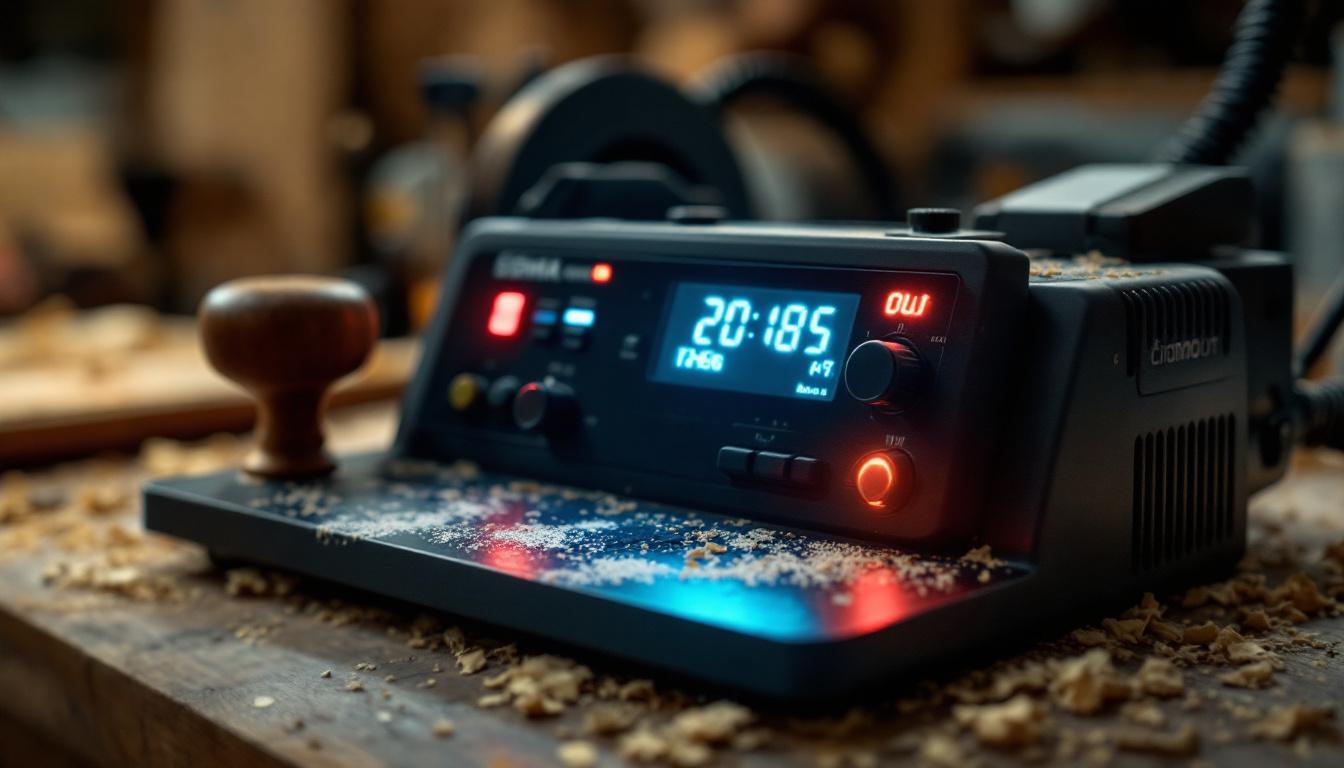
LED displays on planers serve as a digital interface that provides real-time information to the operator. Unlike traditional planers that rely solely on manual adjustments and analog gauges, LED displays deliver precise data on various parameters such as cutting depth, feed rate, and blade speed. This digital feedback allows for more accurate and efficient operation.
For woodworking professionals and hobbyists alike, the integration of LED displays enhances control over the planing process, reducing errors and material waste. It also simplifies setup and adjustment, making the machine more user-friendly, especially for those who may be less experienced. The clarity and immediacy of the information presented on these displays empower users to make quick decisions, ensuring that every cut is executed with confidence and precision.
Key Information Provided by LED Displays
Most LED displays on planers provide several critical pieces of information:
- Cutting Depth: Displays the exact depth of the cut in millimeters or inches, allowing precise control over the thickness of the wood being planed.
- Feed Rate: Shows the speed at which the wood is fed through the planer, which affects the finish quality and efficiency.
- Blade Speed: Indicates the rotation speed of the planer blades, which can be adjusted for different wood types and desired finishes.
- Error Messages and Maintenance Alerts: Some LED displays also provide diagnostic information, alerting users to potential issues or when maintenance is due.
In addition to these essential metrics, many modern LED displays are equipped with advanced features such as memory settings that allow users to save and recall specific configurations for different types of wood or projects. This capability not only streamlines the workflow but also enhances consistency across multiple pieces of work. Furthermore, some displays include a user-friendly interface that can be navigated easily, often featuring touch-sensitive controls or intuitive buttons that make adjustments a breeze, even in the midst of a busy workshop environment.
Moreover, the integration of LED displays can also contribute to safety in the workshop. By providing real-time feedback on machine performance and alerts for any anomalies, operators can respond swiftly to potential issues before they escalate. This proactive approach to machine management not only helps in maintaining the quality of the work but also ensures a safer working environment, reducing the likelihood of accidents caused by equipment malfunction or operator error.
Advantages of LED Displays on Used Planers
When considering a used planer, the presence of an LED display can be a significant advantage. Here are some of the key benefits:
Enhanced Precision and Accuracy
One of the primary advantages of LED displays is the ability to achieve precise measurements and adjustments. Traditional planers often rely on manual dials or gauges, which can be prone to human error. LED displays provide exact numerical values, allowing operators to set and replicate specific settings consistently. This is especially important in professional settings where uniformity and quality are critical.
Improved Efficiency and Productivity
With real-time feedback from the LED display, operators can make quicker adjustments without stopping the machine or using separate measuring tools. This reduces downtime and increases throughput. For businesses, this translates into higher productivity and potentially lower labor costs.
User-Friendly Operation
LED displays simplify the learning curve for new users. Clear, easy-to-read digital readouts make it easier to understand machine settings and performance. This can be particularly beneficial in environments where multiple operators use the same equipment, ensuring consistent results regardless of experience level.
Maintenance and Troubleshooting Support
Some advanced LED displays include diagnostic features that help identify issues early. Error codes or alerts can guide operators or maintenance staff in troubleshooting problems, potentially preventing costly repairs or downtime. This predictive maintenance capability adds value to used planers equipped with such technology.
How LED Displays Work on Planers
To appreciate the benefits of LED displays, it’s helpful to understand their basic operation within the planer system. The display is typically connected to sensors and electronic controls embedded in the machine.
Integration with Sensors
Planers with LED displays are equipped with sensors that measure various operational parameters. For example, thickness sensors detect the distance between the planer bed and the blades, providing accurate cutting depth data. Speed sensors monitor the rotation of the blades and the feed mechanism.
Electronic Control Units
The sensors feed data to an electronic control unit (ECU), which processes the information and displays it on the LED screen. The ECU may also allow users to input desired settings digitally, which the machine then automatically adjusts to achieve.
Display Technology
LED (Light Emitting Diode) technology is favored for its brightness, clarity, and low power consumption. The displays are typically backlit, ensuring visibility in various lighting conditions commonly found in workshops and factories.
What to Look for When Buying a Used Planer with LED Display
Purchasing a used planer with an LED display requires careful consideration to ensure the machine meets your needs and is in good working condition. Here are some key factors to evaluate:
Condition and Functionality of the LED Display
Check the LED display for any dead pixels, dim areas, or malfunctioning segments. The display should be bright and fully functional, with all information clearly visible. Test the display by running the machine and observing whether it accurately reflects operational parameters.
Accuracy and Calibration
Verify that the readings on the LED display correspond with manual measurements. For example, measure the thickness of a test piece after planing and compare it with the cutting depth shown on the display. If discrepancies exist, the sensors or calibration may be off, which can affect precision.
Compatibility and Features
Different planer models may offer varying levels of LED display functionality. Some may only show cutting depth, while others provide comprehensive data including feed rate and blade speed. Determine which features are essential for your work and ensure the used planer includes them.
Maintenance History
Request maintenance records to understand how the machine has been cared for. A well-maintained planer with an LED display is more likely to function reliably. Also, inquire about any past repairs related to the electronic components or sensors.
Availability of Replacement Parts
Electronic displays and sensors can be costly to repair or replace. Confirm that replacement parts for the LED display and associated electronics are available for the specific planer model you are considering. This can save time and money in the long run.
Popular Brands and Models Featuring LED Displays
Several reputable manufacturers have incorporated LED display technology into their planers, both new and used. Understanding which brands offer these features can guide buyers in their search.
Makita Planers
Makita is known for integrating digital displays in some of their higher-end planer models. Their LED displays often include cutting depth and speed indicators, designed for professional use. Makita’s reputation for durability and service support makes their used planers with LED displays a popular choice.
DeWalt Planers
DeWalt offers planers with intuitive LED readouts that enhance precision. Their models frequently include easy-to-read depth gauges and feed rate indicators. DeWalt’s widespread availability of parts and service centers adds to the appeal of their used planers.
Jet Planers
Jet’s industrial-grade planers often feature advanced LED displays with multiple parameters visible. These machines are favored in commercial woodworking shops for their robustness and digital control capabilities.
Maintaining Your Used Planer’s LED Display
Proper maintenance is crucial to keep the LED display and associated electronics functioning optimally. Here are some tips for upkeep:
Regular Cleaning
Dust and wood shavings can accumulate on and around the LED display, potentially obscuring visibility or damaging components. Use a soft, dry cloth to clean the display regularly. Avoid harsh chemicals that could degrade the screen or seals.
Protecting from Moisture and Impact
Electronic displays are sensitive to moisture and physical shocks. Ensure the planer is stored in a dry environment and handle it carefully to prevent damage to the display unit.
Periodic Calibration
Over time, sensors may drift, leading to inaccurate readings. Schedule regular calibration checks according to the manufacturer’s guidelines or industry best practices to maintain precision.
Software Updates
Some modern planers with LED displays may have firmware that can be updated to improve functionality or fix bugs. Check with the manufacturer or service provider about available updates for your model.
The Future of LED Displays in Planer Technology
As digital technology continues to evolve, LED displays on planers are becoming more sophisticated. Integration with smart factory systems, wireless connectivity, and touchscreen interfaces are trends that are beginning to appear in newer models.
In the near future, planers may offer even more detailed analytics, remote monitoring, and automated adjustments based on real-time data. For buyers of used planers, understanding the current capabilities of LED displays is essential to selecting equipment that remains relevant and efficient in a rapidly advancing technological landscape.
Conclusion
LED displays on used planers represent a significant advancement in woodworking machinery, offering enhanced precision, efficiency, and user-friendliness. When purchasing a used planer, careful evaluation of the LED display’s condition, functionality, and features is critical to ensuring the machine meets your operational needs.
By understanding how LED displays work and their benefits, buyers can make informed decisions that improve their workflow and product quality. As technology progresses, these digital interfaces will continue to play a pivotal role in the evolution of planers and other woodworking tools.
Discover Cutting-Edge LED Display Solutions for Your Planer
As you consider the benefits of LED displays for enhancing the precision and efficiency of used planers, take the next step with LumenMatrix. Our commitment to innovation in LED display technology ensures that you have access to the most advanced digital interfaces for your woodworking tools. From Indoor and Outdoor LED Wall Displays to specialized solutions like Vehicle, Sports, and Custom LED Displays, LumenMatrix offers a wide range of options to fit your specific needs. Elevate your woodworking projects and captivate your audience with clear, impactful visual communication. Check out LumenMatrix LED Display Solutions today and experience the future of digital signage and display technology.