In the rapidly evolving world of digital signage and display technology, LED displays have become a cornerstone for businesses, advertisers, and event organizers alike. Among the many terms and specifications that define LED technology, “Ln -Fs” is a concept that often arises but is not widely understood outside of technical circles. This article aims to demystify Ln -Fs, providing a comprehensive explanation of what it means, how it impacts LED display performance, and why it matters for anyone considering LED display solutions.
Understanding LED Display Technology
Before diving into Ln -Fs, it’s essential to have a solid grasp of how LED displays function. LED, or Light Emitting Diode, displays consist of numerous tiny diodes that emit light when an electric current passes through them. These diodes are arranged in a grid to form pixels, and by controlling the light intensity of each pixel, the display can render images, videos, and text with vibrant colors and high brightness.
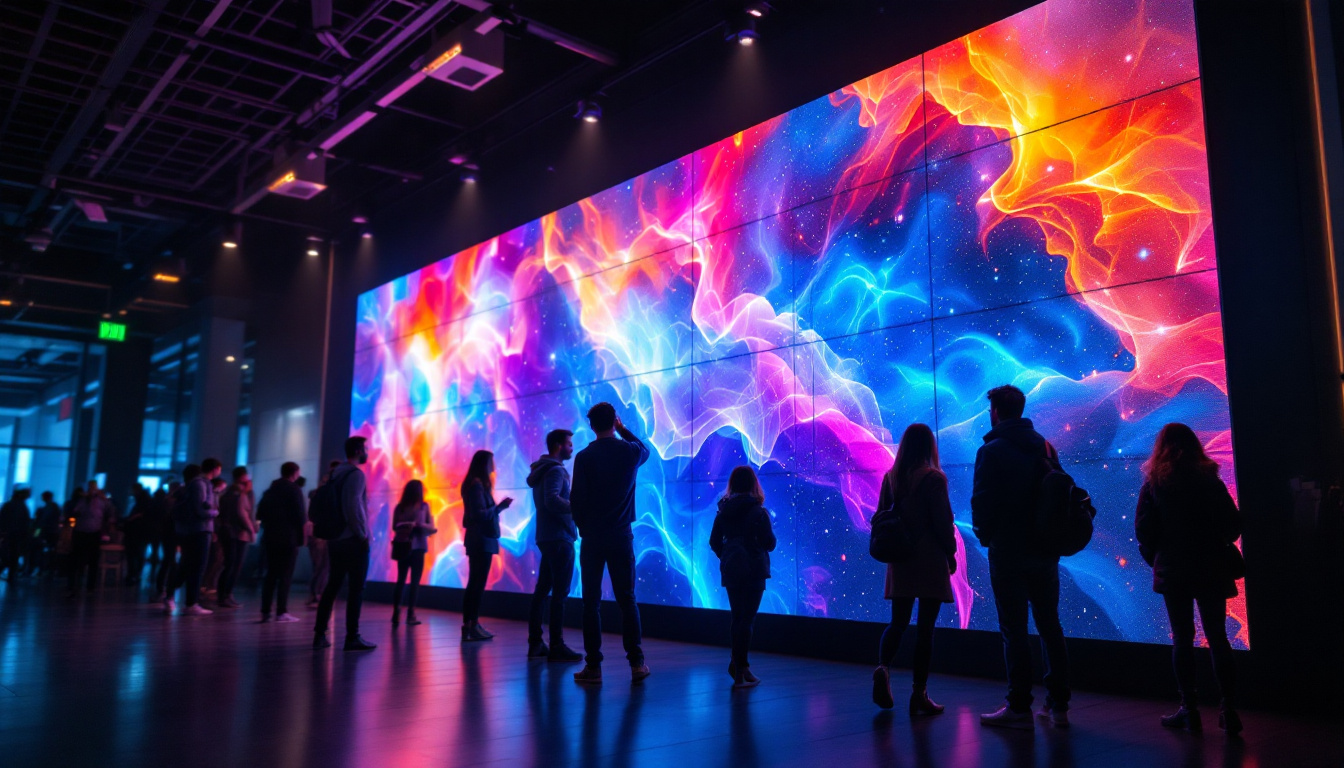
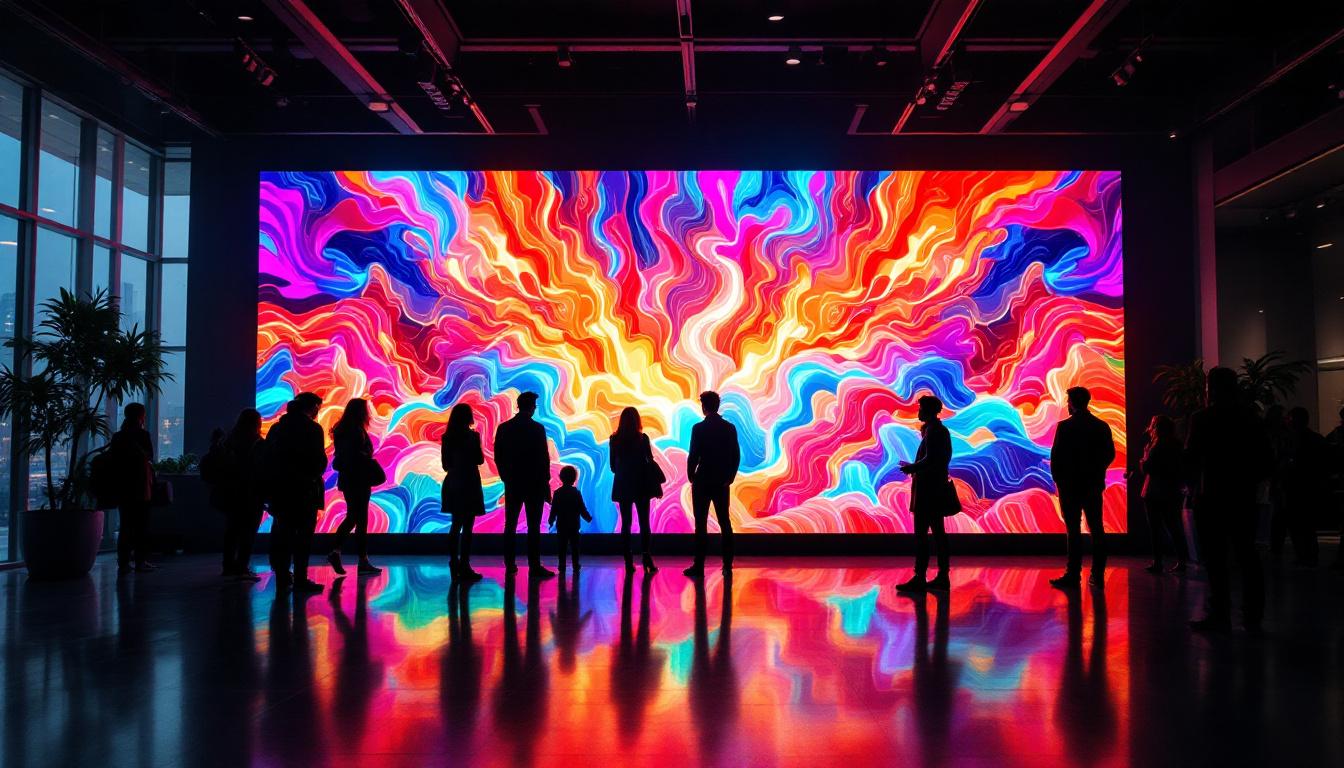
LED displays are widely used in various applications, from outdoor billboards and stadium screens to indoor video walls and retail signage. Their advantages include high brightness, energy efficiency, long lifespan, and the ability to create large-format displays with seamless image quality.
Key Components of LED Displays
An LED display is composed of several critical components:
- LED Modules: These are the building blocks containing arrays of LEDs that produce the light.
- Driver ICs: Integrated circuits that control the current flow to each LED, enabling precise brightness and color control.
- Control System: Hardware and software that process input signals and manage how images are displayed.
- Power Supply: Converts electrical power to the required voltage and current for the LEDs.
Each of these components plays a role in the overall performance and quality of the display, and Ln -Fs is closely related to how these elements interact.
What Does Ln -Fs Mean in LED Displays?
The term “Ln -Fs” is shorthand used in LED display specifications to describe a particular aspect of the display’s refresh rate and scanning method. Breaking down the term:
- Ln: Refers to the number of lines scanned per cycle in the LED display.
- -Fs: Indicates a full scan or full frame scan method.
In essence, Ln -Fs refers to an LED display scanning technique where the entire display is refreshed line by line (Ln) in a full frame scan (-Fs) manner. This contrasts with partial or multiplexed scanning methods, which refresh only portions of the display at a time.
Why Scanning Methods Matter
The scanning method used in an LED display significantly affects its brightness, image quality, and power consumption. For example, multiplexed scanning reduces the number of LEDs lit at any given moment, which can lower power usage but may also reduce brightness and cause flickering.
Full scan methods like Ln -Fs ensure that each LED is refreshed fully and consistently, resulting in smoother images and higher brightness levels. This is particularly important for high-resolution displays and applications where image clarity is paramount.
The Technical Breakdown of Ln -Fs
To fully appreciate Ln -Fs, it’s helpful to understand how LED displays refresh their images. The display refresh process involves cycling through rows or lines of LEDs, turning them on and off rapidly to create the illusion of a stable image.
Line Scanning (Ln)
The “Ln” component refers to the number of lines scanned per refresh cycle. For example, an 8-line scan (L8) means the display refreshes eight lines at a time. The number of lines scanned affects the refresh rate and the complexity of the control circuitry.
Higher line counts typically allow for higher refresh rates and better image quality but require more sophisticated driver ICs and control systems. Conversely, lower line counts simplify the design but may result in lower refresh rates and potential flickering.
Full Scan (-Fs)
The “-Fs” suffix indicates that the display uses a full scan method, meaning every line is scanned in each refresh cycle. This contrasts with partial or multiplexed scanning, where only a subset of lines is refreshed at a time.
Full scan methods ensure uniform brightness and reduce flicker, making them ideal for applications demanding high visual fidelity, such as live broadcasts, sports arenas, and high-end retail displays.
Benefits of Ln -Fs LED Displays
Choosing an LED display with Ln -Fs technology offers several advantages, particularly for professional and commercial applications where image quality and reliability are critical.
Superior Image Quality
Because Ln -Fs displays refresh every line fully and rapidly, they provide smoother motion rendering and reduce flicker. This results in clearer images and videos, which is vital for attracting and retaining audience attention in advertising and event settings.
Higher Brightness and Color Accuracy
Full scan methods enable LEDs to operate at higher duty cycles, which means they can be brighter without compromising lifespan. Additionally, consistent scanning helps maintain color accuracy across the display, enhancing the overall visual experience.
Reduced Flicker and Eye Strain
Flickering is a common issue in LED displays that use multiplexed scanning, especially at lower refresh rates. Ln -Fs displays minimize flicker, making them more comfortable for viewers, particularly in indoor environments where audiences may view the screen for extended periods.
Improved Durability and Reliability
Because full scan displays operate LEDs more consistently, they tend to experience less stress and heat buildup compared to multiplexed displays. This can translate to longer operational lifespans and reduced maintenance costs.
Applications Where Ln -Fs LED Displays Excel
Understanding the strengths of Ln -Fs technology helps identify the ideal use cases for these displays. They are particularly well-suited for scenarios demanding high performance and visual clarity.
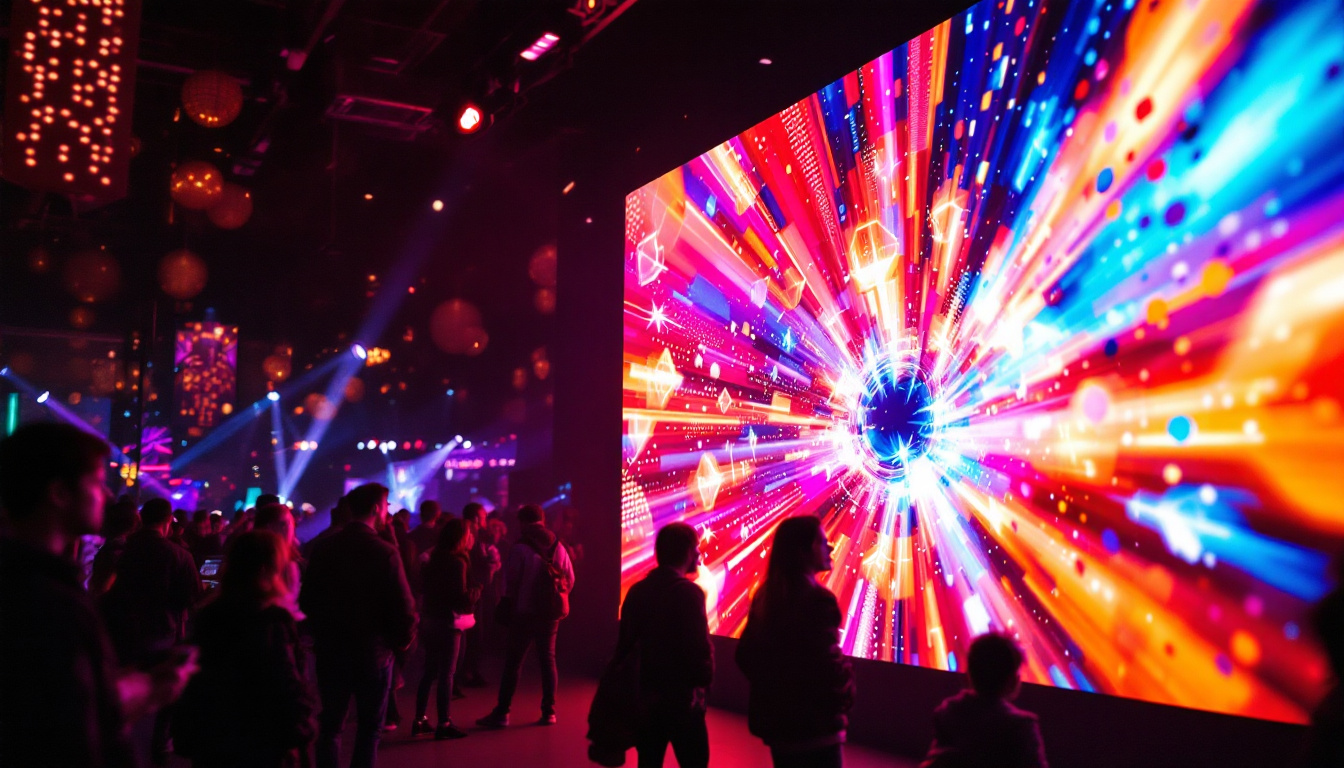
Broadcast and Live Event Screens
In live broadcasting and event production, image quality and smooth motion are non-negotiable. Ln -Fs displays deliver the refresh rates and brightness needed to keep up with fast-moving content, ensuring viewers receive a seamless experience.
Retail and Advertising
Retail environments benefit from the vivid colors and high brightness of Ln -Fs displays, which can attract customers and enhance brand messaging. Their flicker-free operation also ensures that shoppers can comfortably view content without distraction.
Sports Arenas and Stadiums
Large-scale sports venues require displays that can be seen clearly from great distances and under varying lighting conditions. Ln -Fs technology provides the brightness and image stability necessary for scoreboards and advertising boards in these demanding environments.
Comparing Ln -Fs with Other LED Display Technologies
While Ln -Fs offers many benefits, it’s important to consider how it compares with other scanning and refresh methods to make informed purchasing decisions.
Multiplexed Scanning
Multiplexed scanning reduces the number of active LEDs at any moment by cycling through subsets of lines. This approach lowers power consumption and manufacturing costs but can introduce flicker and reduce brightness. It is often used in lower-cost or smaller displays where these trade-offs are acceptable.
Static Scanning
Static scanning keeps all LEDs lit continuously without multiplexing. This method provides the highest brightness and image quality but requires more complex and expensive driver electronics. Ln -Fs can be viewed as a form of static scanning optimized for line-by-line refresh.
Pulse Width Modulation (PWM) and Refresh Rate
Beyond scanning methods, PWM controls LED brightness by varying the duration of on/off cycles, and refresh rate determines how often the image is updated per second. Ln -Fs displays typically support higher PWM frequencies and refresh rates, further enhancing image stability and reducing flicker.
Choosing the Right LED Display with Ln -Fs Technology
When selecting an LED display featuring Ln -Fs technology, several factors should be considered to ensure the display meets specific needs and budget constraints.
Resolution and Pixel Pitch
Resolution determines the detail level of the images displayed, while pixel pitch—the distance between LED pixels—affects viewing distance and clarity. Ln -Fs displays are available in a range of resolutions and pixel pitches, so it’s important to match these to the intended application.
Brightness Requirements
Outdoor displays require higher brightness levels to combat sunlight, whereas indoor displays can operate at lower brightness to reduce power consumption and eye strain. Ln -Fs technology supports high brightness levels, making it versatile across environments.
Viewing Distance and Angle
Consider the typical viewing distance and angle to select a display with appropriate pixel pitch and scanning method. Ln -Fs displays provide consistent image quality across wide viewing angles, which is beneficial in public spaces.
Budget and Maintenance
While Ln -Fs displays may have higher upfront costs due to their advanced scanning and driver technology, their durability and image quality can offer better value over time through reduced maintenance and enhanced audience engagement.
Future Trends in LED Display Technology
The LED display industry continues to innovate, with Ln -Fs technology playing a role in emerging trends that promise even better performance and new applications.
Higher Refresh Rates and 3D Displays
As content becomes more dynamic and immersive, higher refresh rates enabled by Ln -Fs scanning methods will be crucial for smooth 3D and virtual reality experiences on large screens.
Integration with AI and Smart Systems
Smart LED displays that adjust brightness and content based on environmental conditions and viewer behavior are becoming more prevalent. Ln -Fs displays can integrate with these systems to optimize performance and energy efficiency.
Flexible and Transparent LED Displays
Innovations in LED materials and scanning techniques like Ln -Fs are enabling flexible and transparent displays, expanding the possibilities for architectural integration and creative advertising.
Conclusion
Ln -Fs is a critical concept in understanding the performance and quality of LED displays. By employing a line-by-line full scan refresh method, Ln -Fs LED displays deliver superior image quality, higher brightness, reduced flicker, and enhanced reliability. These benefits make them ideal for demanding applications such as live events, advertising, and sports venues.
When choosing an LED display, considering the scanning method alongside resolution, brightness, and budget will ensure the best fit for your needs. As LED technology continues to advance, Ln -Fs remains a foundational technique that supports the vibrant, high-quality digital displays that have become integral to modern visual communication.
Discover LumenMatrix’s Advanced LED Display Solutions
Ready to elevate your visual communication with the superior image quality and reliability of Ln -Fs LED displays? Explore LumenMatrix’s extensive range of innovative LED display modules, tailored to meet the demands of any application. From captivating Indoor LED Walls to dynamic Outdoor LED Displays, and from versatile Vehicle LED Displays to engaging LED Sports Displays, LumenMatrix has the cutting-edge solutions to bring your brand to life. Check out LumenMatrix LED Display Solutions today and experience the revolution in digital signage and visual storytelling.