Understanding measurements and conversions is essential in many technical fields, especially when dealing with display technologies like LED screens. Whether you’re an engineer, designer, or simply a curious enthusiast, knowing how to convert between metric and imperial units can be crucial. This article delves into converting 2.5 meters to inches and explores how this measurement relates to LED displays, their sizing, and practical applications.
Converting 2.5 Meters to Inches: The Basics
Before diving into LED displays, it’s important to grasp the fundamental conversion between meters and inches. The metric system, widely used internationally, measures length in meters, centimeters, and millimeters. In contrast, the imperial system, common in the United States, uses inches, feet, and yards.
To convert meters to inches, the standard conversion factor is:
1 meter = 39.3701 inches
Using this, converting 2.5 meters to inches involves a simple multiplication:
2.5 meters × 39.3701 inches/meter = 98.42525 inches
Therefore, 2.5 meters is approximately 98.43 inches. This precise conversion is crucial for accuracy in design, manufacturing, and installation of LED displays, where dimensions impact performance and fit.
Why Accurate Measurement Conversion Matters
In the context of LED displays, even small measurement errors can lead to significant issues. For example, an LED screen intended to fit a specific wall space must be measured precisely to avoid costly adjustments or installation problems. Additionally, pixel pitch, resolution, and viewing distance calculations often depend on accurate size measurements, which require consistent unit conversions.
Moreover, understanding the nuances of measurement systems can enhance communication between international teams. For instance, a design team in Europe may be accustomed to working in metric units, while a manufacturing facility in the U.S. operates in imperial units. Misunderstandings in these conversions can lead to misaligned expectations and project delays. Therefore, having a solid grasp of how to convert measurements accurately not only streamlines the workflow but also fosters collaboration across borders, ensuring that everyone is on the same page regarding specifications and requirements.
Furthermore, in industries such as construction and engineering, precise measurement conversions can significantly affect safety and compliance. For example, when designing structures that incorporate LED displays, engineers must ensure that all components fit together seamlessly, adhering to local building codes and standards. This meticulous attention to detail helps prevent structural failures and enhances the overall integrity of the installation, ultimately contributing to a safer environment for users and viewers alike.
Understanding LED Display Dimensions
LED (Light Emitting Diode) displays have become ubiquitous in advertising, entertainment, and information dissemination. Their size is a critical factor in their effectiveness and application. When discussing an LED display that measures 2.5 meters in width or height, converting this dimension to inches helps in visualizing the actual size, especially for users accustomed to imperial units.
Common LED Display Sizes and Their Uses
LED displays come in a variety of sizes, from small indoor panels to massive outdoor billboards. A 2.5-meter wide display, which is about 98.43 inches, is considered medium-sized and is versatile for many applications:
- Retail and Commercial Spaces: Medium-sized LED screens are ideal for storefronts, malls, and exhibition booths where visibility and clarity are essential but space is limited.
- Corporate Meetings and Events: Such displays are used for presentations, video conferencing, and live event broadcasting, offering high resolution and brightness.
- Public Information Displays: Airports, train stations, and other public venues utilize medium-sized LED screens for schedules, alerts, and advertisements.
Understanding the size in inches helps stakeholders better plan the installation environment, transport logistics, and integration with existing infrastructure.
Pixel Pitch and Its Relation to Size
Pixel pitch is the distance between the centers of two adjacent pixels on an LED display, typically measured in millimeters. It directly influences the resolution and viewing distance. For a 2.5-meter wide display, the pixel pitch determines how many pixels fit across the width and, consequently, the display’s clarity.
For example, a 2.5-meter wide LED display with a 2 mm pixel pitch will have approximately 1,250 pixels across (2,500 mm / 2 mm). This high pixel density is suitable for close viewing distances, such as indoor environments. Conversely, a larger pixel pitch (e.g., 10 mm) results in fewer pixels (250 pixels across) and is better suited for outdoor displays viewed from afar.
Applications of a 2.5 Meter (98.43 Inches) LED Display
Knowing the exact size of an LED display in inches can help businesses and designers tailor their solutions to specific needs. Here are some practical applications where a 2.5-meter LED display is commonly used:
Advertising and Digital Signage
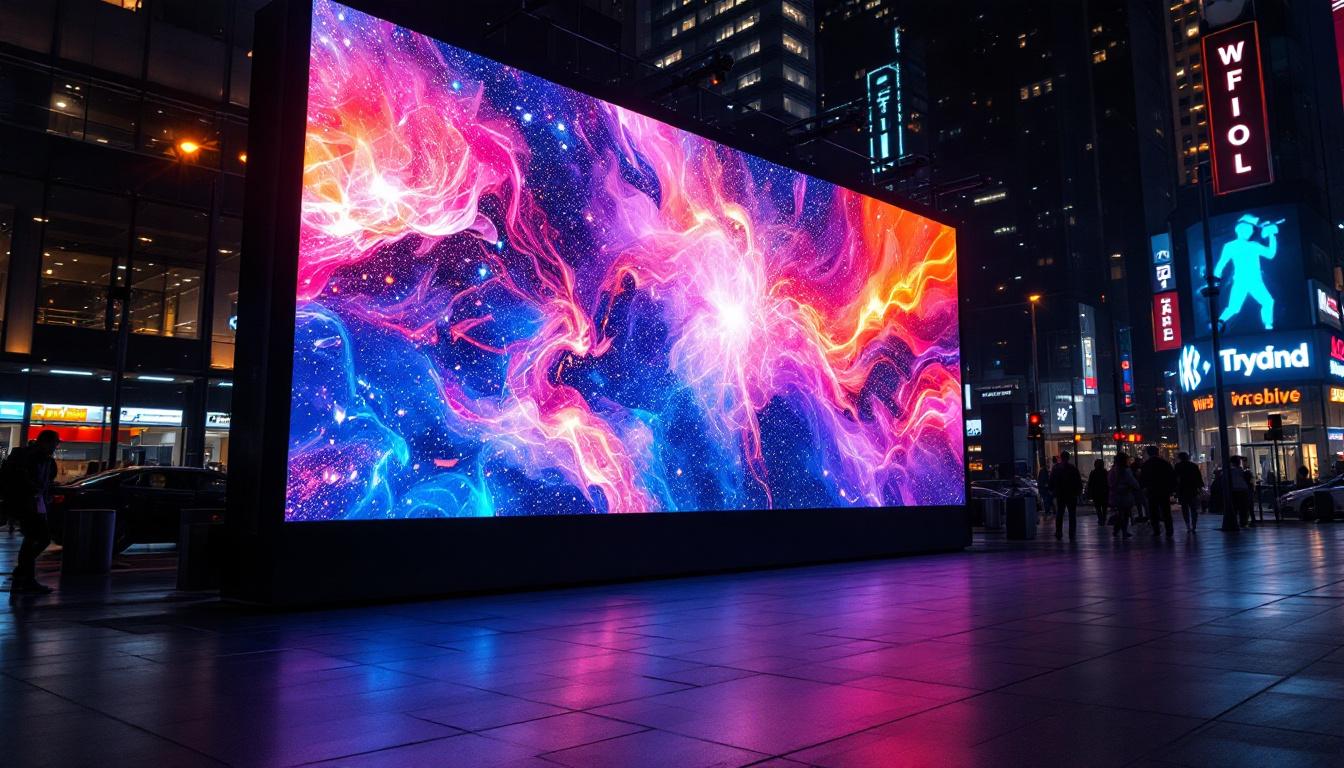
Digital signage is a rapidly growing market, projected to reach over $30 billion globally by 2026. Medium-sized LED displays measuring around 2.5 meters wide are perfect for eye-catching advertisements in shopping centers, sports arenas, and urban streetscapes. Their size strikes a balance between visibility and cost-effectiveness.
For advertisers, the conversion to inches helps in planning content layouts and ensuring that visuals are optimized for the display’s physical dimensions. Knowing that the screen spans nearly 100 inches allows for precise graphic design and video production tailored to the display’s aspect ratio and resolution.
Event and Stage Displays
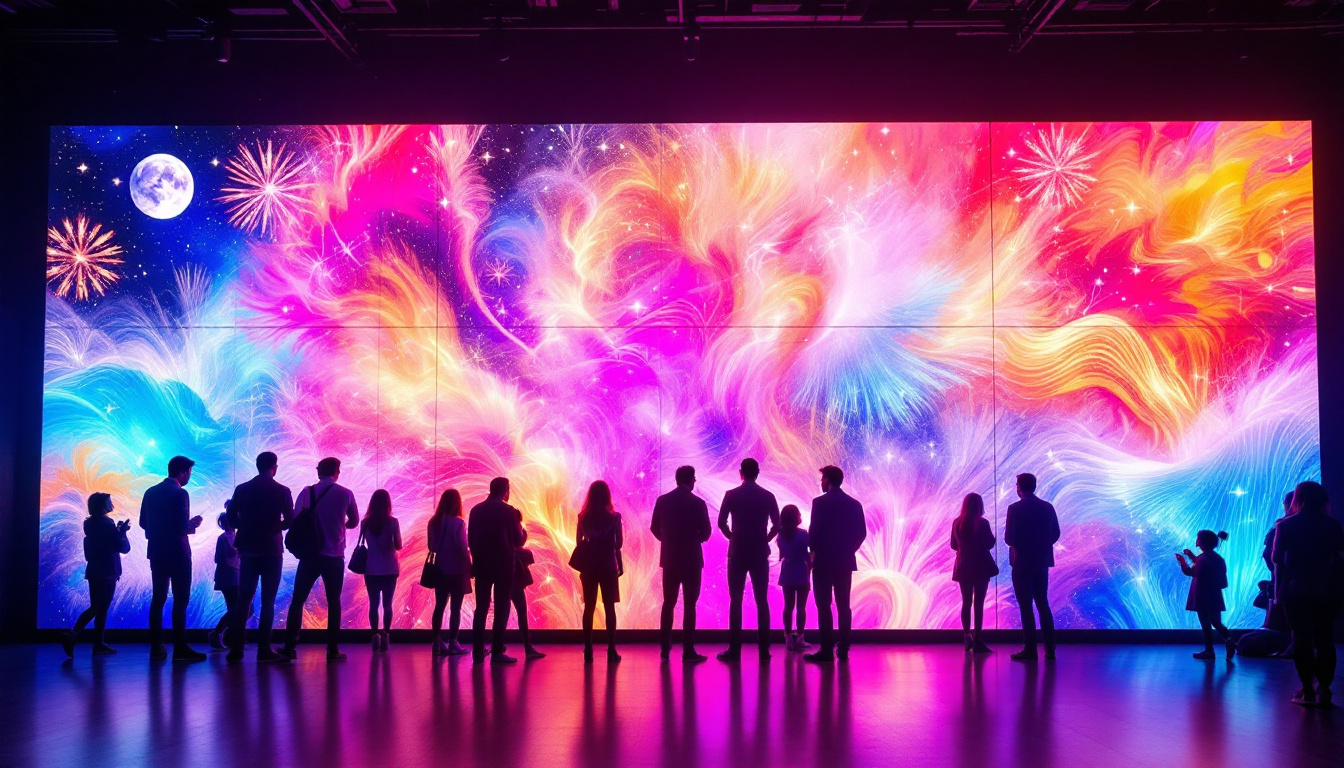
In the entertainment industry, LED displays of this size are frequently used as backdrops or information panels during concerts, conferences, and theatrical performances. The 2.5-meter width provides ample space for dynamic visuals without overwhelming the stage or audience.
Event planners often work with imperial measurements, especially in countries like the United States, making the conversion from meters to inches essential for coordinating equipment, rigging, and stage design.
Control Rooms and Command Centers
Control rooms for utilities, transportation, and security rely on LED displays to present real-time data and video feeds. A 2.5-meter wide display offers a clear and detailed visualization area, facilitating quick decision-making.
Engineers and operators benefit from understanding the display size in inches to integrate the screen seamlessly with consoles, desks, and other hardware, ensuring ergonomic and efficient workspaces.
Technical Considerations When Working with LED Displays
Beyond size, several technical factors influence the performance and suitability of a 2.5-meter LED display. These include brightness, contrast ratio, refresh rate, and power consumption.
Brightness and Viewing Environment
Brightness, measured in nits, determines how well an LED display performs under various lighting conditions. For outdoor use, brightness levels typically exceed 5,000 nits to combat sunlight glare, while indoor displays may require 800 to 1,500 nits.
The 2.5-meter size is versatile enough to be used in both environments, but understanding the brightness requirements is crucial to ensure visibility and energy efficiency.
Refresh Rate and Image Quality
The refresh rate, expressed in Hertz (Hz), affects how smoothly the display renders motion. Higher refresh rates (above 60 Hz) are preferred for video content and live broadcasts to minimize flicker and motion blur.
For a 2.5-meter LED display used in events or advertising, a refresh rate of at least 120 Hz is often recommended to maintain high image quality, especially when viewed up close.
Power Consumption and Heat Management
LED displays consume varying amounts of power depending on size, brightness, and usage patterns. A 2.5-meter display typically requires careful power planning to avoid overloading circuits and to maintain consistent performance.
Heat generated by LEDs must be managed through ventilation or cooling systems to prolong the lifespan of the display and prevent damage. These considerations become even more critical in enclosed or temperature-sensitive environments.
Installation and Maintenance Tips for Medium-Sized LED Displays
Proper installation and ongoing maintenance are key to maximizing the lifespan and performance of a 2.5-meter LED display. Here are some best practices:
Site Preparation and Structural Support
Ensuring the installation site can support the weight and dimensions of the LED display is fundamental. A 2.5-meter wide screen can weigh several hundred kilograms depending on its construction, so structural integrity must be verified.
Additionally, the mounting system should allow for easy access to the rear of the display for maintenance and repairs.
Calibration and Color Accuracy
After installation, calibrating the LED display ensures color consistency and brightness uniformity across the entire screen. This process is vital for delivering high-quality visuals and maintaining brand standards.
Regular calibration checks, especially after software updates or hardware changes, help prevent image degradation over time.
Routine Cleaning and Inspection
Dust, dirt, and moisture can affect LED performance. Regular cleaning with appropriate tools and materials helps maintain brightness and prevents pixel failure.
Inspections should also check for loose connections, damaged modules, and signs of wear to address issues before they escalate.
Future Trends in LED Display Technology
As LED technology evolves, so do the possibilities for display sizes and resolutions. The demand for ultra-high-definition, flexible, and transparent LED screens is growing, expanding the applications for medium-sized displays like the 2.5-meter model discussed here.
Advancements in miniaturization of LED components and improved energy efficiency will likely make these displays lighter, brighter, and more affordable, further increasing their adoption across industries.
Moreover, integration with smart technologies and IoT platforms is enabling dynamic content management and real-time analytics, enhancing the value of LED displays in marketing, public safety, and corporate communications.
Conclusion
Converting 2.5 meters to inches—approximately 98.43 inches—provides a clear perspective on the physical size of an LED display, aiding in planning, design, and implementation. Medium-sized LED displays of this dimension are highly versatile, suitable for various applications from advertising to control rooms.
Understanding the technical aspects, including pixel pitch, brightness, and refresh rates, ensures that these displays meet the specific needs of their environment and audience. Proper installation and maintenance further guarantee longevity and optimal performance.
As LED technology continues to advance, the importance of accurate measurement and conversion remains a foundational skill for professionals working with these dynamic and impactful display solutions.
Explore Cutting-Edge LED Display Solutions
Ready to transform your space with a medium-sized LED display that offers versatility and high-performance? LumenMatrix is at the forefront of LED display technology, providing a wide array of solutions tailored to your unique needs. From Indoor and Outdoor LED Wall Displays to innovative options like Vehicle LED Displays, LED Posters, and even Custom LED solutions, we have the expertise to bring your vision to life. Elevate your visual communication and engage your audience like never before. Check out LumenMatrix LED Display Solutions today and see the difference cutting-edge technology can make.