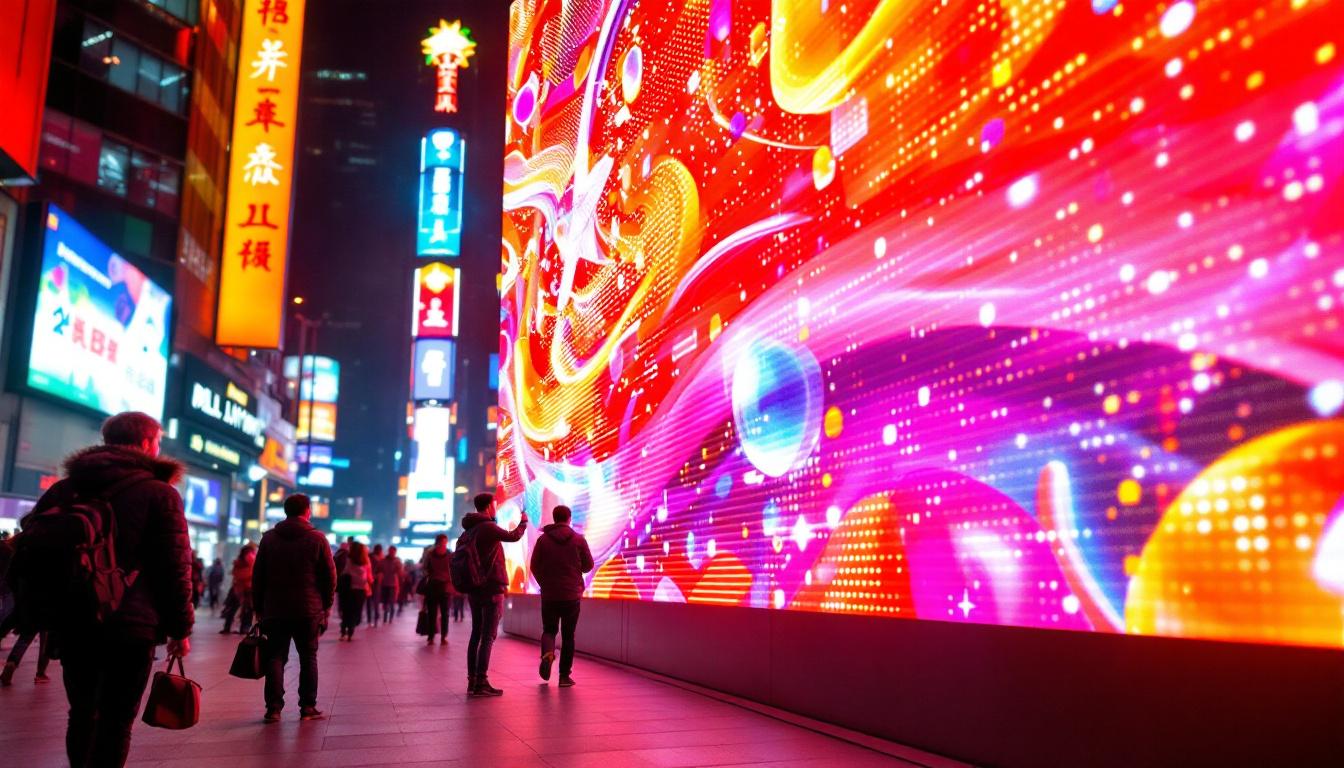
In today’s digital age, visual communication plays a pivotal role across industries, from advertising and entertainment to transportation and corporate environments. Among the many display technologies available, LED displays have emerged as a dominant choice due to their brightness, durability, and versatility. This article delves into the core aspects of LED displays, focusing on the concept of V D S (Visual Display Systems), to provide a comprehensive understanding of how these systems work, their applications, and the latest trends shaping their future.
Understanding V D S and LED Display Technology
What is V D S?
V D S stands for Visual Display Systems, a broad term encompassing various technologies designed to present visual information to an audience. These systems include LCD panels, projection systems, and notably, LED displays. The term V D S is often used in professional and commercial contexts where high-quality, large-scale visual presentations are required.
Within this scope, LED displays have gained significant traction due to their superior performance characteristics compared to traditional display technologies. They are integral components of V D S, offering vibrant colors, high contrast ratios, and excellent visibility even in challenging lighting conditions. The versatility of LED displays allows them to be used in a variety of settings, from large outdoor billboards to indoor concert venues, making them a preferred choice for event organizers and advertisers alike.
Moreover, the rapid advancements in LED technology have led to the development of flexible and transparent displays, further expanding their application possibilities. These innovations enable creative installations in retail environments, museums, and even architectural designs, where the display can blend seamlessly into the surroundings while still delivering stunning visual content.
How LED Displays Work
LED displays consist of thousands to millions of tiny light-emitting diodes (LEDs) arranged in a grid to form pixels. Each pixel is composed of red, green, and blue LEDs, which combine to produce a wide spectrum of colors. By controlling the intensity of each LED, the display can render images, videos, and text with remarkable clarity and brightness.
The fundamental advantage of LEDs over other display technologies lies in their ability to emit light directly, unlike LCDs that require backlighting. This direct emission results in higher brightness levels and deeper blacks, enhancing overall image quality. Additionally, LEDs are energy-efficient and have longer lifespans, making them cost-effective for long-term use. The advancements in LED technology have also led to the emergence of high-definition and ultra-high-definition displays, which offer even more detail and clarity, making them ideal for applications where visual precision is paramount.
Furthermore, the integration of smart technology into LED displays has revolutionized how content is managed and displayed. With the advent of cloud-based solutions and advanced software, users can easily update and schedule content remotely, ensuring that the information presented is always current and engaging. This capability is particularly beneficial in dynamic environments such as sports arenas, where real-time updates and advertisements can significantly enhance the viewer experience. As a result, LED displays continue to evolve, pushing the boundaries of what is possible in visual communications.
Key Components and Types of LED Displays
Components of an LED Display System
At the heart of an LED display system are several critical components that work in unison to deliver seamless visual output:
- LED Modules: These are the basic building blocks, consisting of multiple LEDs arranged in a matrix. Modules are combined to create larger screens.
- Control System: This includes the hardware and software responsible for processing input signals and managing the display output.
- Power Supply: LED displays require stable power sources to maintain consistent brightness and performance.
- Cabinet Structure: The physical framework that houses the modules and protects them from environmental factors.
Each component’s quality and integration significantly influence the display’s overall performance, reliability, and maintenance needs.
Types of LED Displays
LED displays come in various configurations tailored to specific applications and environments. The primary types include:
- Indoor LED Displays: Designed for controlled lighting environments, these displays have higher pixel density for close viewing distances and offer exceptional image resolution.
- Outdoor LED Displays: Built to withstand weather conditions such as rain, wind, and sunlight, outdoor LEDs feature enhanced brightness and rugged enclosures.
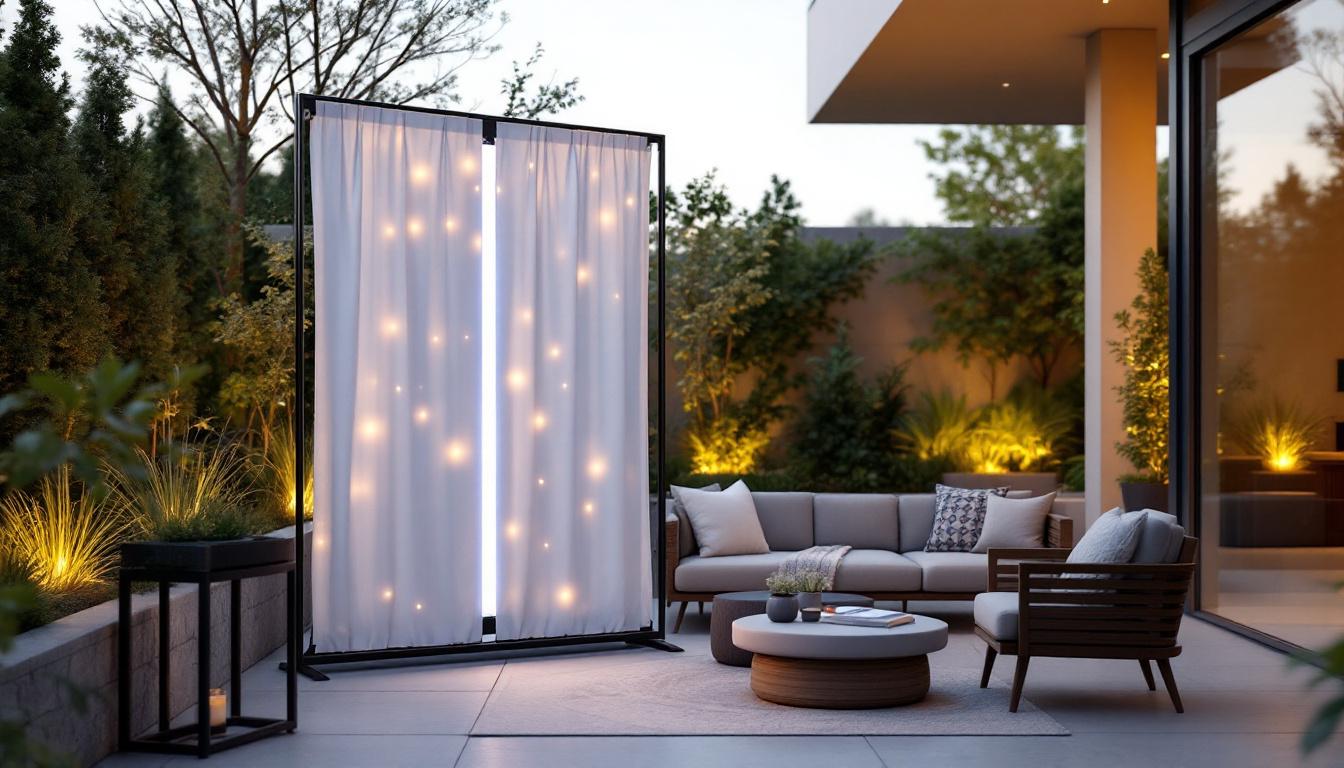
- Transparent LED Displays: These innovative displays allow light to pass through, enabling their use on glass surfaces without obstructing views, ideal for retail windows and architectural integration.
- Flexible and Curved LED Displays: Utilizing bendable materials, these displays can conform to various shapes, expanding creative possibilities in design and installation.
Choosing the right type depends on factors such as viewing distance, ambient lighting, installation location, and desired visual impact.
Applications of LED Displays in Visual Display Systems
Advertising and Digital Signage
One of the most widespread uses of LED displays is in advertising and digital signage. According to recent market research, the global digital signage market is expected to reach over $30 billion by 2027, with LED technology playing a crucial role in this growth.
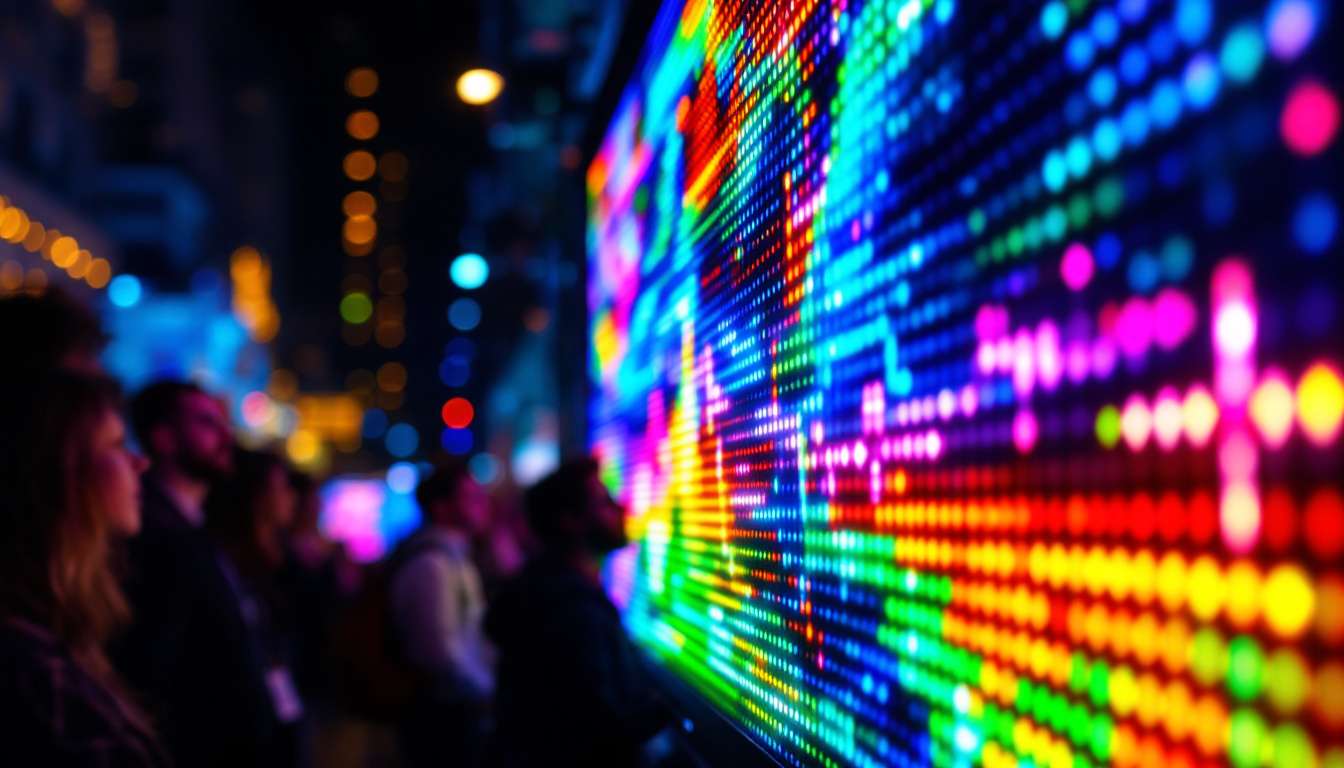
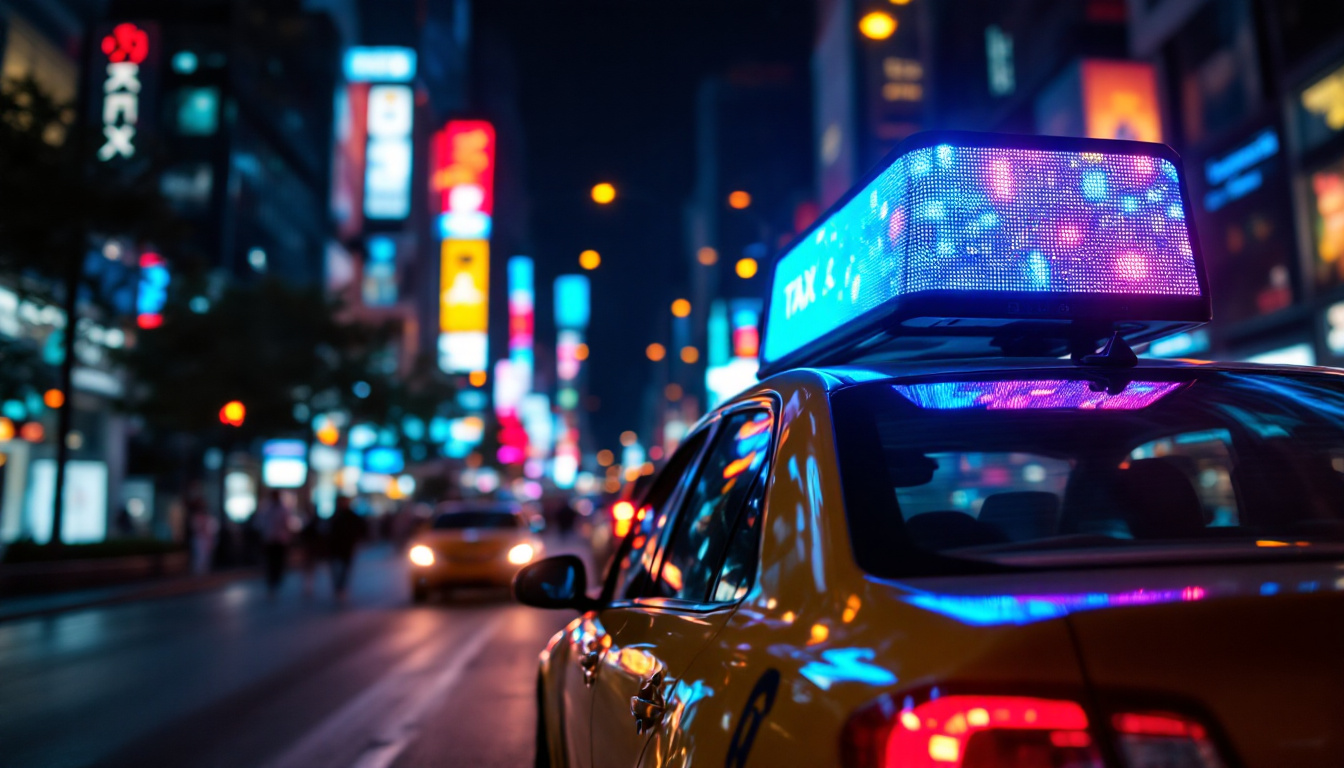
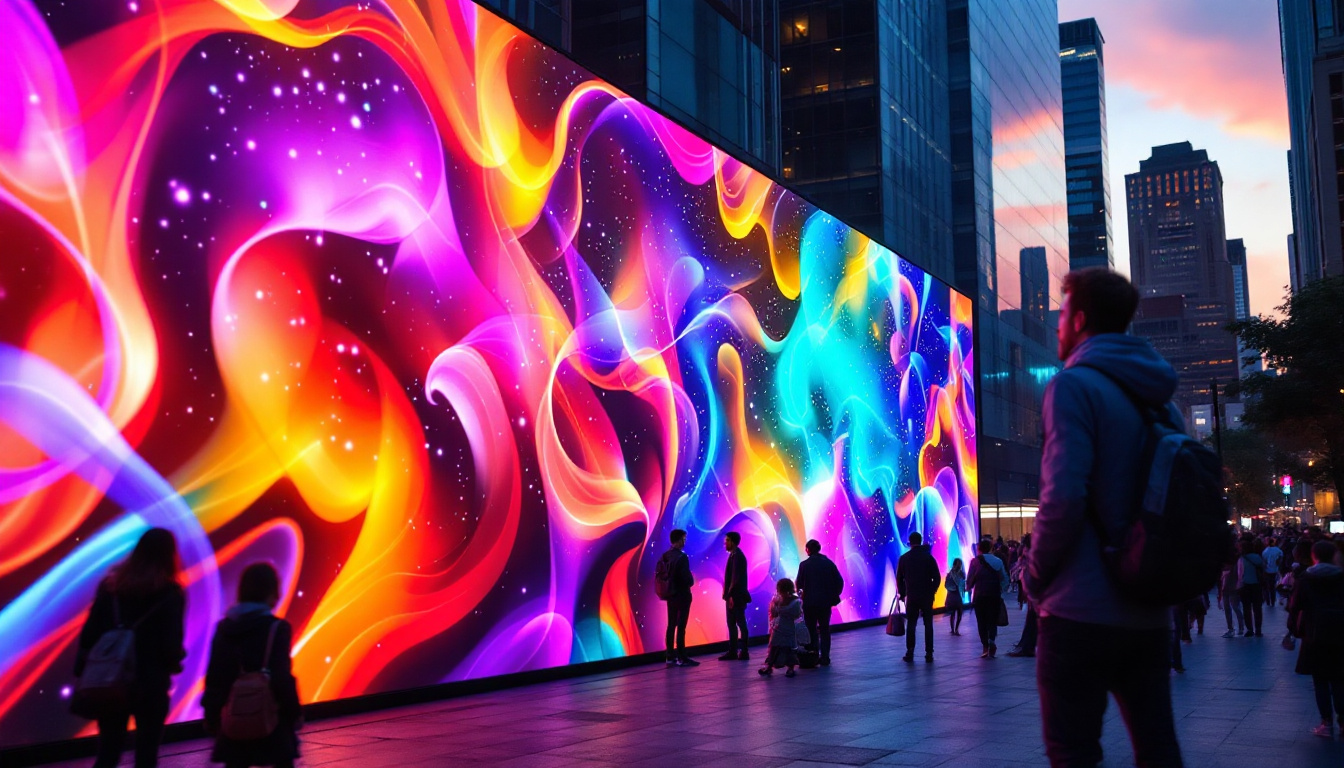
LED displays enable dynamic content delivery, capturing audience attention with vivid colors and motion graphics. From roadside billboards and shopping malls to airports and sports arenas, LED signage offers unparalleled visibility and adaptability. The ability to update content remotely and in real-time further enhances marketing effectiveness.
Entertainment and Events
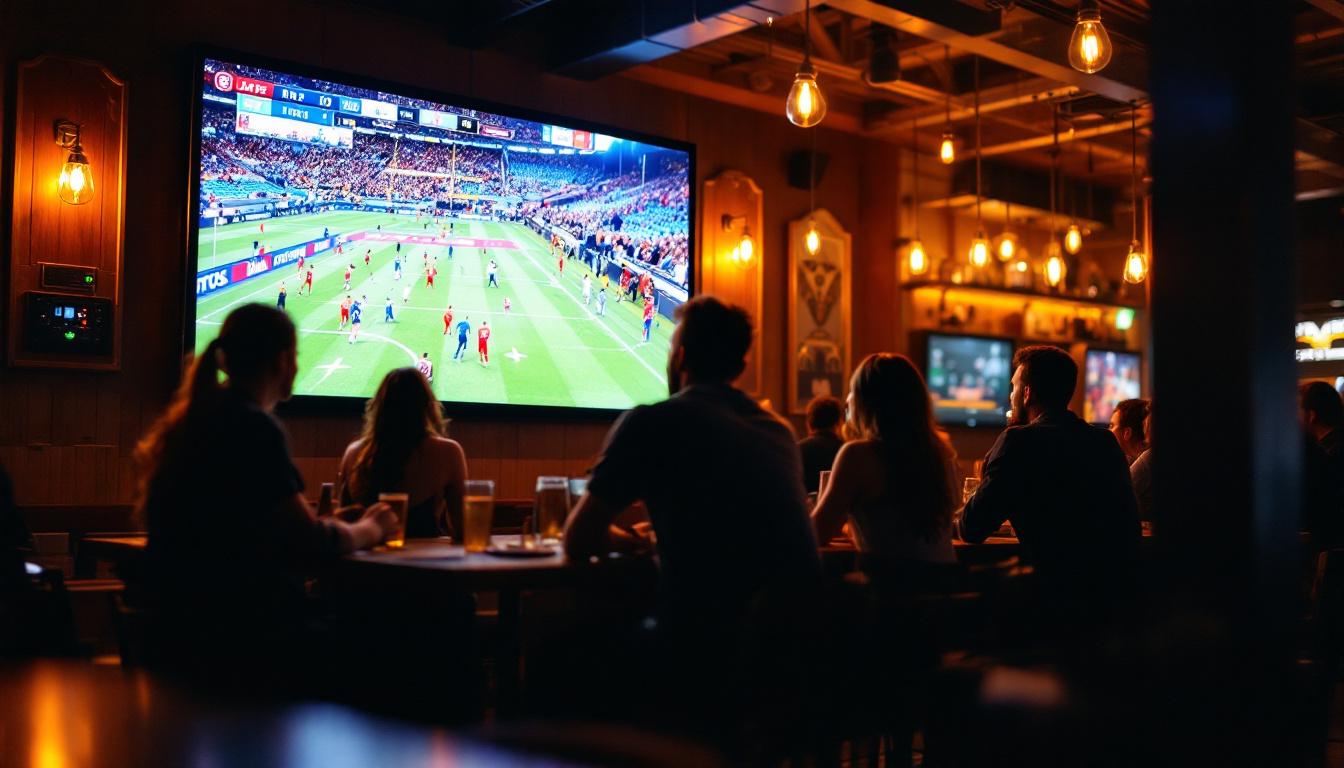
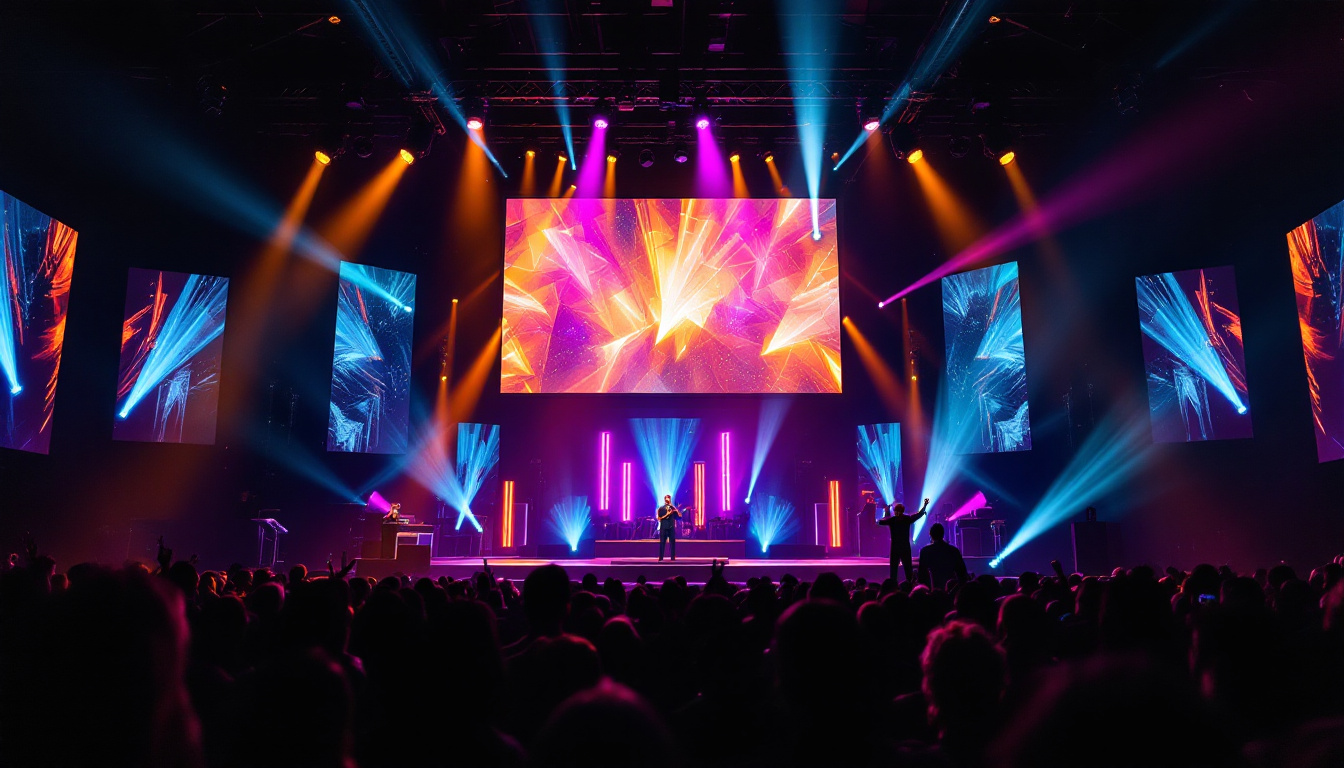
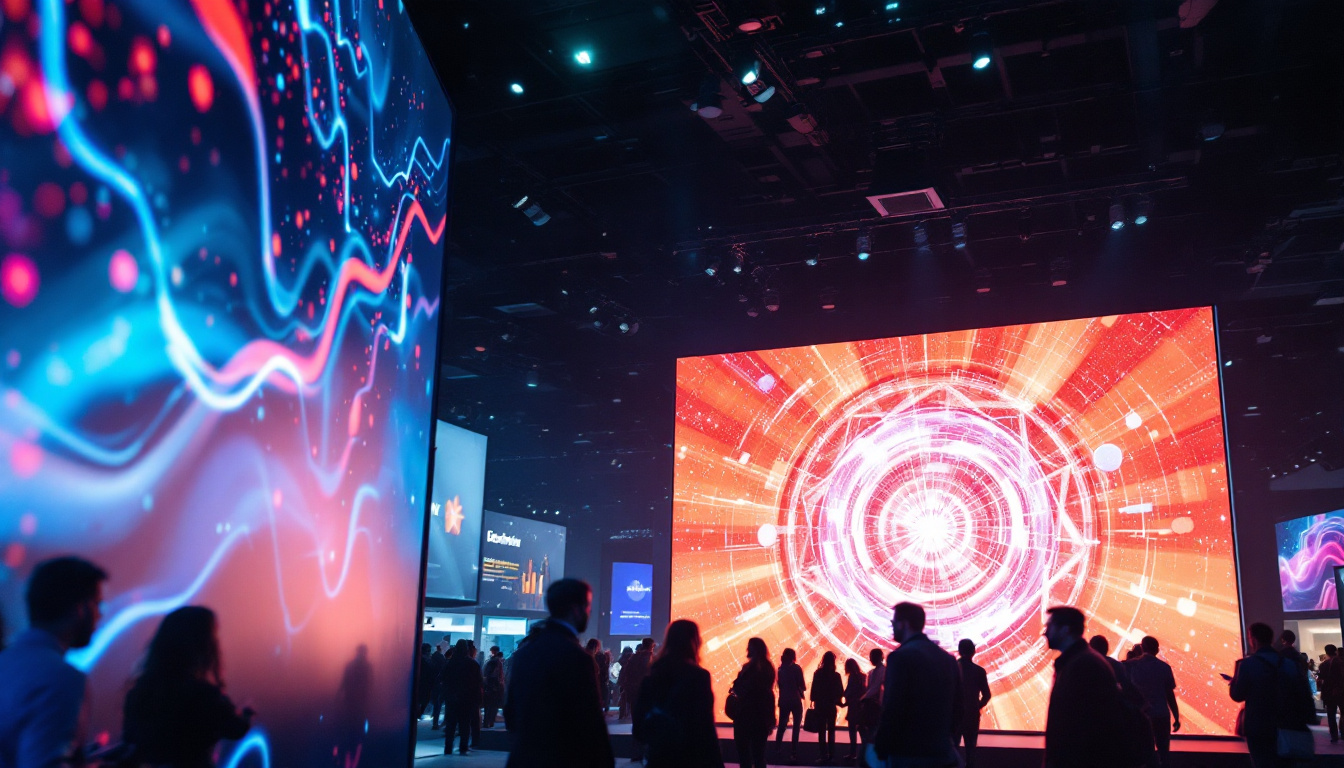
In the entertainment industry, LED displays have revolutionized stage design and audience engagement. Concerts, festivals, and theatrical productions utilize large-scale LED walls to create immersive visual experiences. The flexibility of LED panels allows for creative configurations, including curved and 3D effects.
Major events such as the Olympics and FIFA World Cup employ massive LED screens to broadcast live action, replays, and interactive content, ensuring spectators remain engaged regardless of their seating location.
Corporate and Control Room Environments
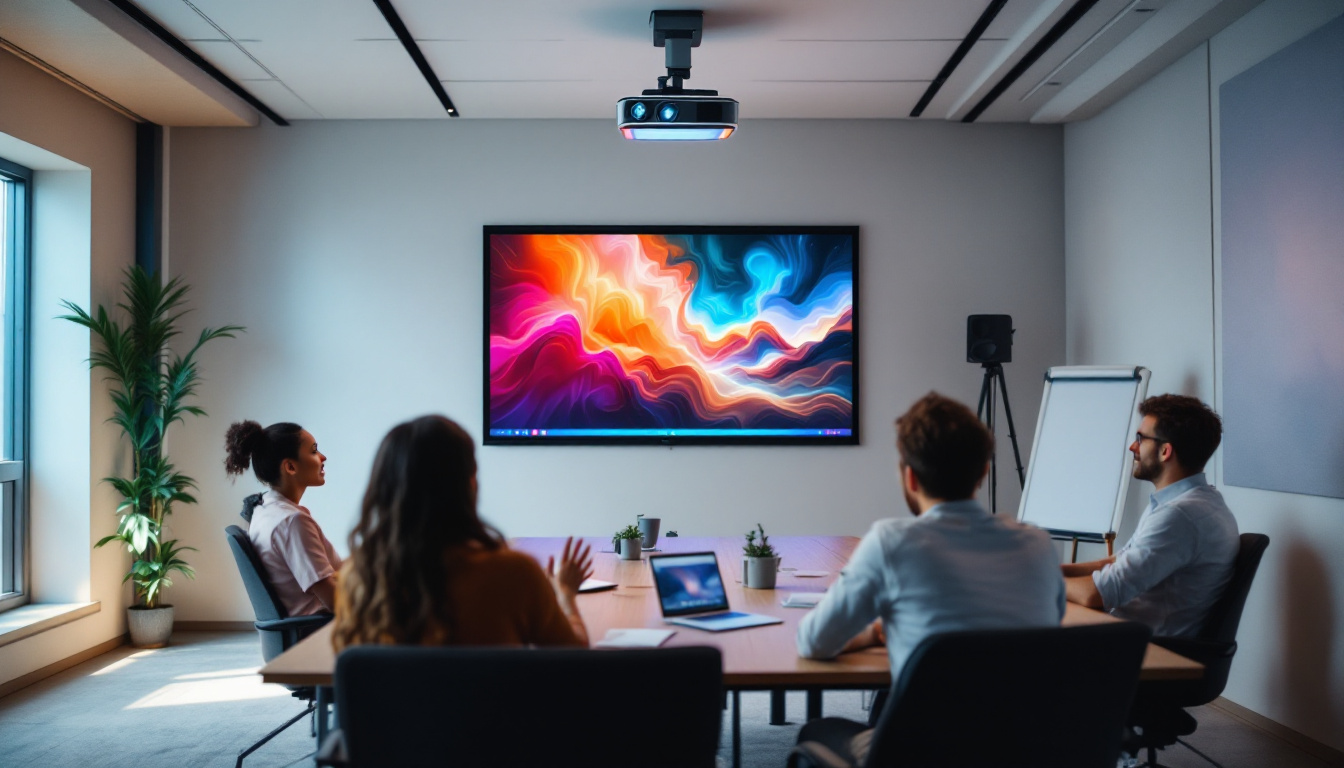
LED displays are increasingly prevalent in corporate settings for presentations, video conferencing, and digital dashboards. Their high resolution and brightness make them ideal for boardrooms and auditoriums.
In control rooms for utilities, transportation, and emergency services, LED video walls provide critical real-time data visualization. Their reliability and clarity support quick decision-making and operational efficiency.
Technical Considerations and Performance Metrics
Resolution and Pixel Pitch
Resolution and pixel pitch are fundamental factors determining an LED display’s image quality. Pixel pitch refers to the distance between the centers of adjacent pixels, typically measured in millimeters. A smaller pixel pitch means higher pixel density, resulting in sharper images, especially at close viewing distances.
For indoor displays, pixel pitches can be as low as 0.9mm, delivering near-retina quality visuals. Outdoor displays usually have larger pixel pitches, ranging from 4mm to 20mm, balancing visibility and cost-effectiveness over longer distances.
Brightness and Contrast Ratio
Brightness, measured in nits (cd/m²), is crucial for visibility, particularly in outdoor or brightly lit environments. Modern outdoor LED displays can achieve brightness levels exceeding 5,000 nits, ensuring clear visibility even in direct sunlight.
Contrast ratio—the difference between the brightest whites and the darkest blacks—affects image depth and realism. LED displays inherently offer high contrast ratios due to their ability to turn off individual LEDs completely, producing true blacks.
Refresh Rate and Viewing Angle
The refresh rate, expressed in Hertz (Hz), indicates how many times per second the image is updated. Higher refresh rates reduce flicker and motion blur, which is essential for video content and live broadcasts. Professional LED displays typically feature refresh rates of 1,000 Hz or higher.
Viewing angle determines how well the image can be seen from different positions. Wide viewing angles, often up to 160° horizontally and vertically, ensure consistent image quality for large audiences.
Emerging Trends and Innovations in LED Display Technology
Mini-LED and Micro-LED Advances
Mini-LED and Micro-LED technologies represent the next frontier in LED display evolution. Mini-LEDs use smaller diodes than traditional LEDs, enabling finer pixel control and improved contrast. Micro-LEDs take this further by integrating microscopic LEDs directly onto the display surface, offering exceptional brightness, color accuracy, and energy efficiency.
These advancements promise to bridge the gap between LED and OLED displays, combining the best attributes of both technologies for premium visual experiences.
Integration with Smart Technologies
Modern LED displays increasingly incorporate smart features such as AI-driven content management, interactive touch capabilities, and IoT connectivity. These enhancements enable personalized advertising, real-time analytics, and seamless integration with other digital systems.
For example, smart LED signage can adapt content based on audience demographics, weather conditions, or time of day, maximizing engagement and return on investment.
Sustainability and Energy Efficiency
As environmental concerns grow, LED display manufacturers focus on improving energy efficiency and reducing carbon footprints. Innovations include low-power LEDs, recyclable materials, and modular designs that facilitate repair and upgrade rather than replacement.
Energy-efficient LED displays not only reduce operational costs but also align with corporate social responsibility goals, making them attractive choices for eco-conscious organizations.
Conclusion: The Future of V D S with LED Displays
Visual Display Systems powered by LED technology continue to transform how information and entertainment are delivered across the globe. Their unmatched brightness, durability, and flexibility make LED displays indispensable in a wide range of applications, from advertising and entertainment to corporate and industrial environments.
With ongoing innovations such as Mini-LED, Micro-LED, and smart integration, the future promises even more immersive, efficient, and sustainable visual experiences. For businesses and organizations looking to invest in display technology, understanding the nuances of V D S and LED displays is essential to making informed decisions that align with their strategic goals.
As LED technology evolves, it will undoubtedly remain at the forefront of visual communication, driving engagement and delivering impactful messages in an increasingly digital world.
Explore the Future of Visual Display with LumenMatrix
As you consider the vast potential of V D S and the dynamic capabilities of LED displays, LumenMatrix stands ready to illuminate your path. Our commitment to innovation in LED display technology is unwavering, offering an array of solutions from Indoor and Outdoor LED Wall Displays to specialized options like Vehicle, Sports, and Floor LED Displays. Embrace the future of visual communication with LumenMatrix’s Custom, All-in-One, and Transparent LED Displays, designed to captivate your audience and amplify your message. Check out LumenMatrix LED Display Solutions today and experience the transformative power of advanced LED technology.