Video Conferencing TV: LED Display Explained
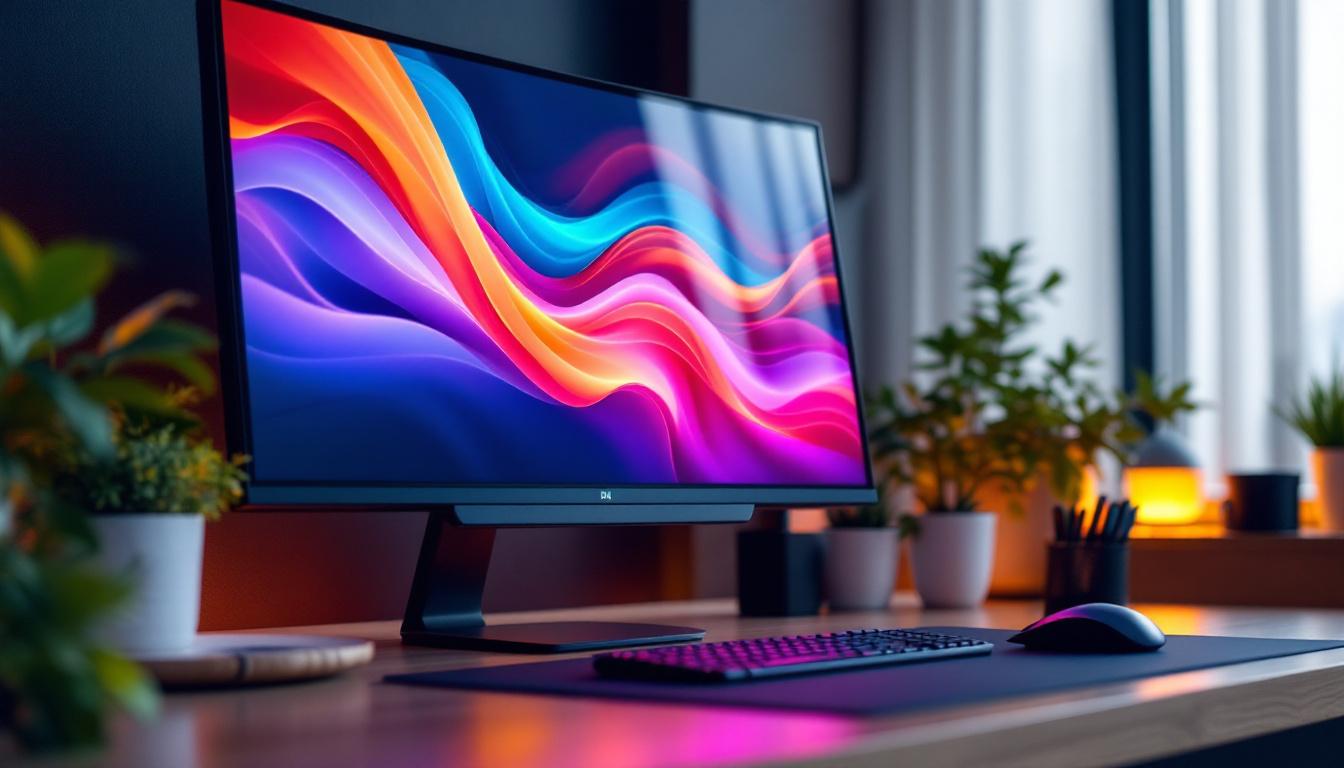
In today’s fast-paced digital world, video conferencing has become an indispensable tool for businesses, educational institutions, and even social gatherings. The quality of the video display plays a crucial role in ensuring effective communication and engagement during virtual meetings. Among the various display technologies available, LED displays have emerged as a leading choice for video conferencing TVs due to their superior image quality, reliability, and scalability. This article delves into the intricacies of LED display technology as it applies to video conferencing TVs, providing a comprehensive understanding of why LED is often the preferred option and how it enhances the overall conferencing experience.
Understanding LED Display Technology
What is an LED Display?
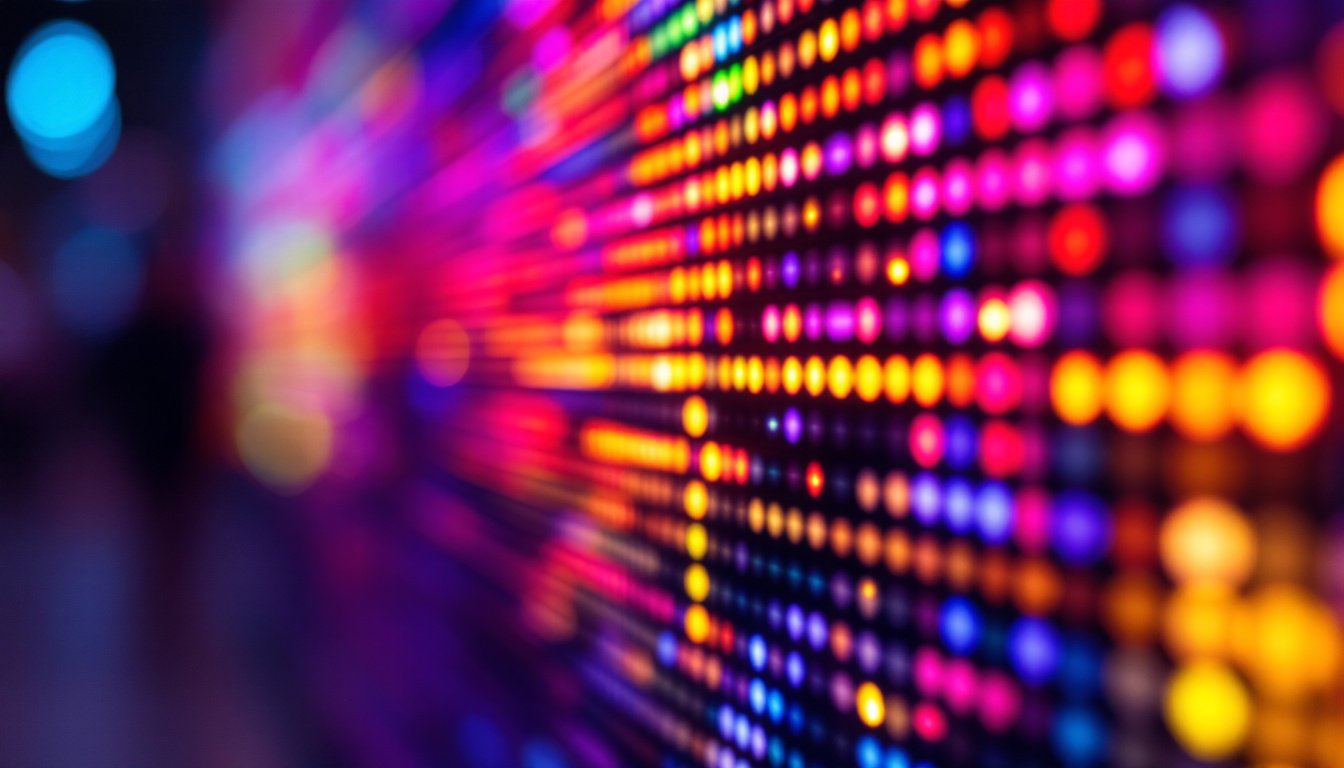
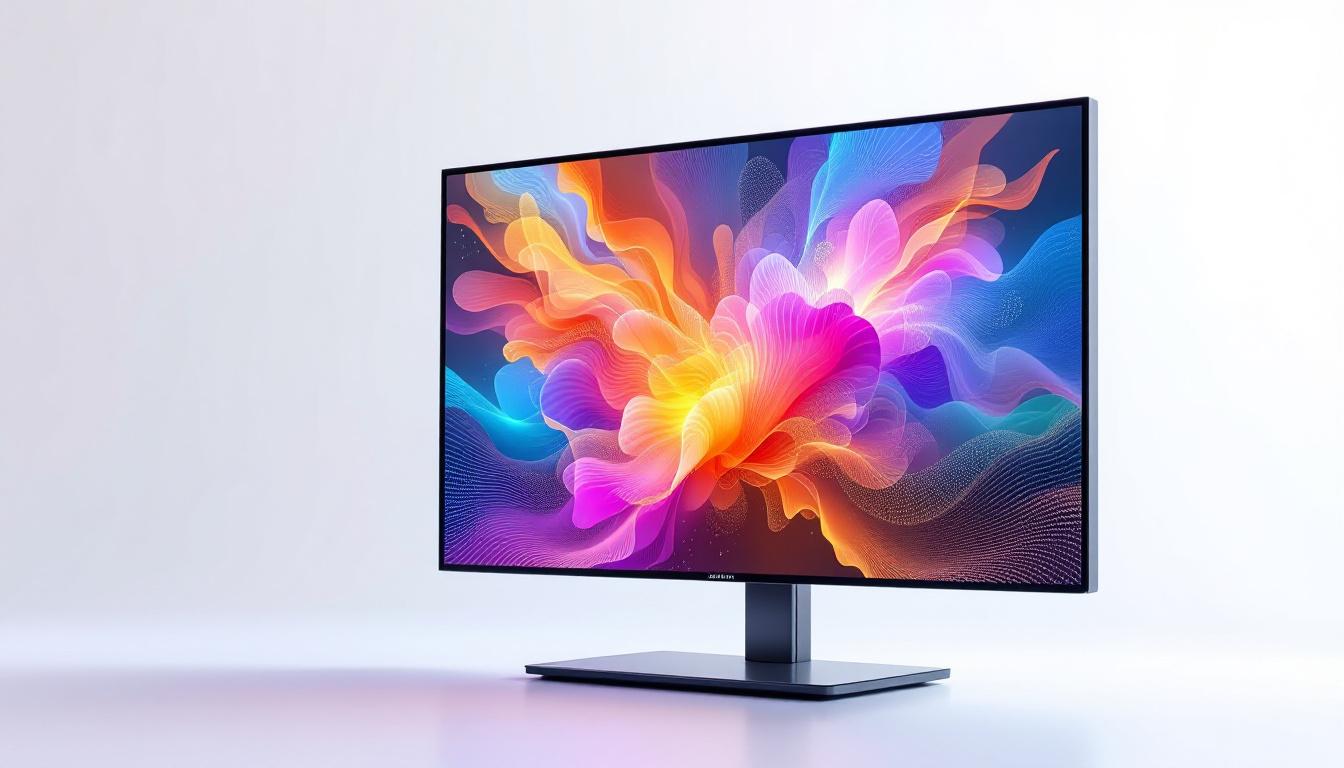
LED stands for Light Emitting Diode, a semiconductor device that emits light when an electric current passes through it. LED displays use an array of these tiny diodes to create images by controlling the intensity and color of each diode. Unlike traditional LCDs that rely on backlighting, LED displays are self-illuminating, which means each pixel emits its own light. This fundamental difference results in several advantages, including higher contrast ratios, better color accuracy, and improved energy efficiency. Additionally, LED technology allows for thinner and lighter screens, making them more versatile for various applications, from large outdoor billboards to sleek indoor displays.
Types of LED Displays Used in Video Conferencing TVs
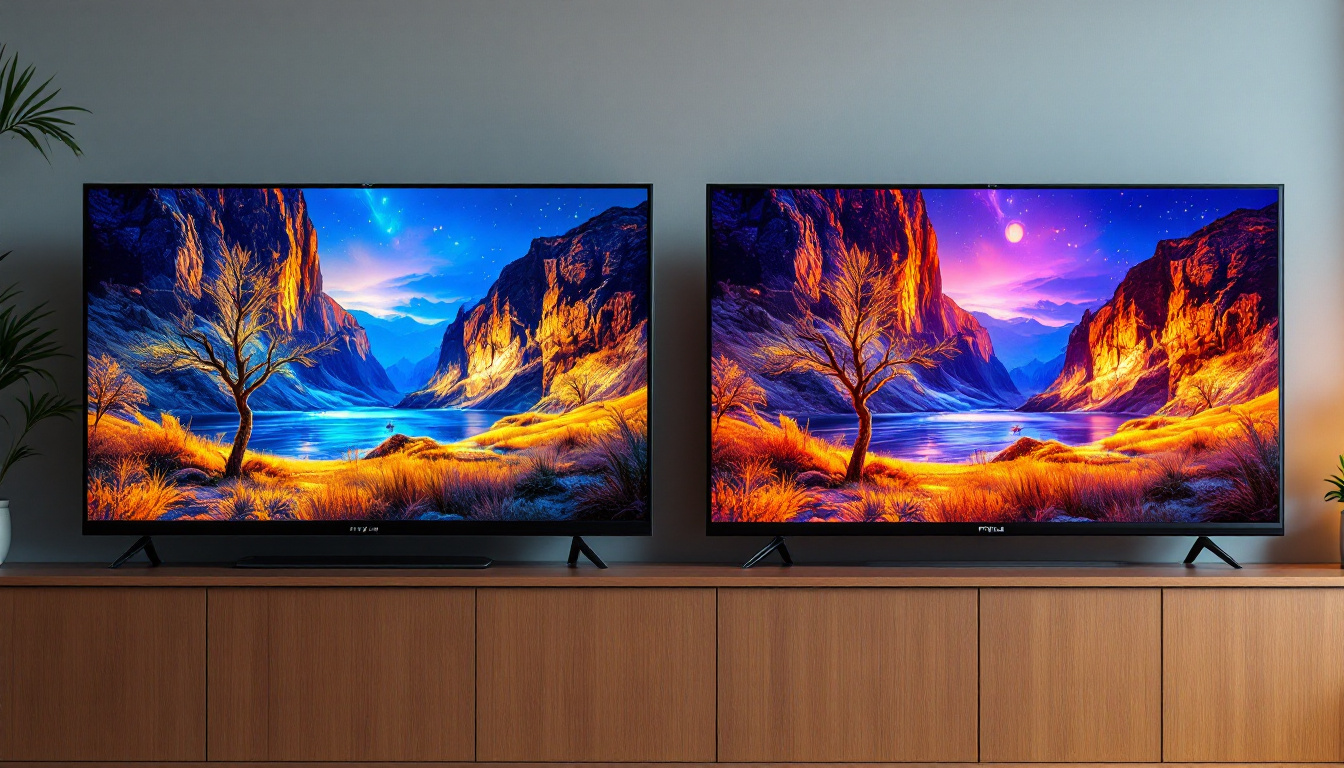
When it comes to video conferencing TVs, two main types of LED displays are commonly used: Direct View LED (DVLED) and LED-backlit LCD. Direct View LED displays consist of millions of tiny LEDs that form the image directly on the screen, offering exceptional brightness and clarity. On the other hand, LED-backlit LCD TVs use LEDs as a backlight behind an LCD panel, combining the benefits of LED lighting with the established LCD technology. This hybrid approach allows for a more cost-effective solution while still delivering impressive picture quality.
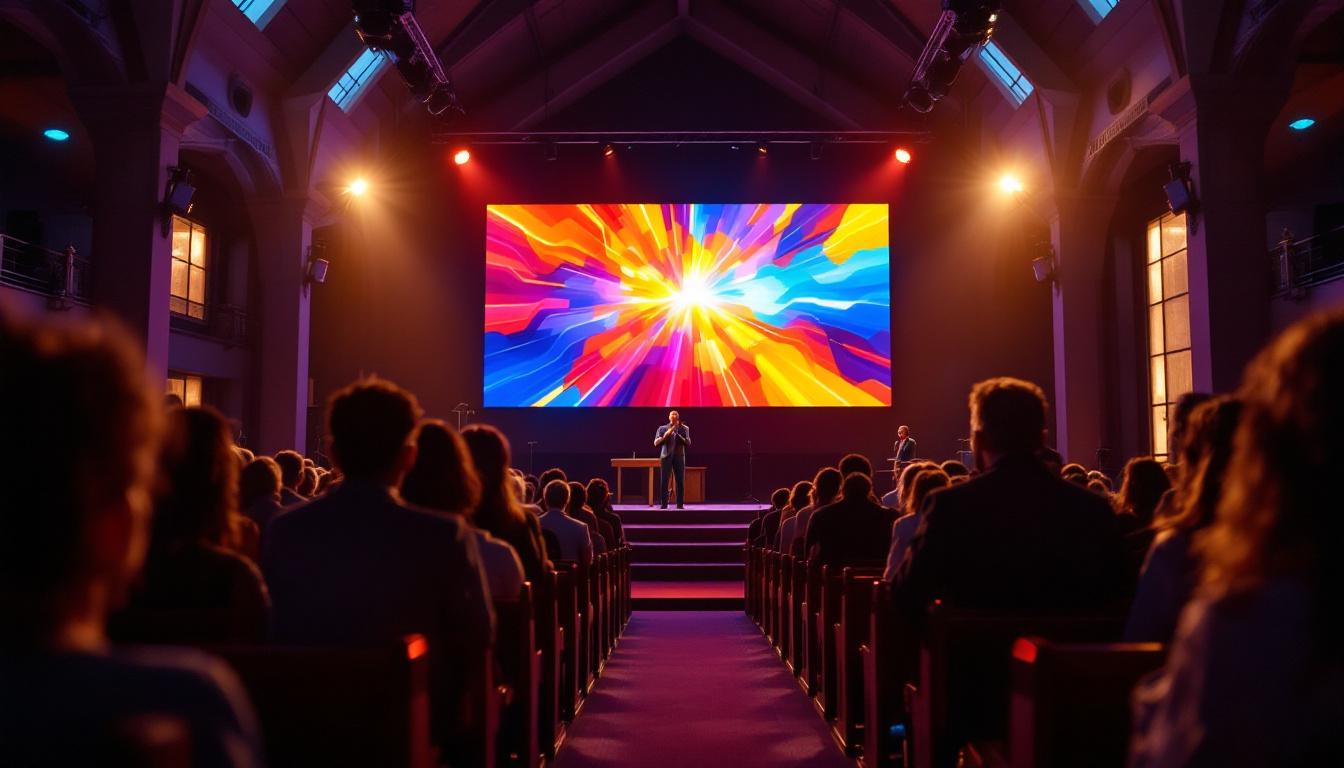
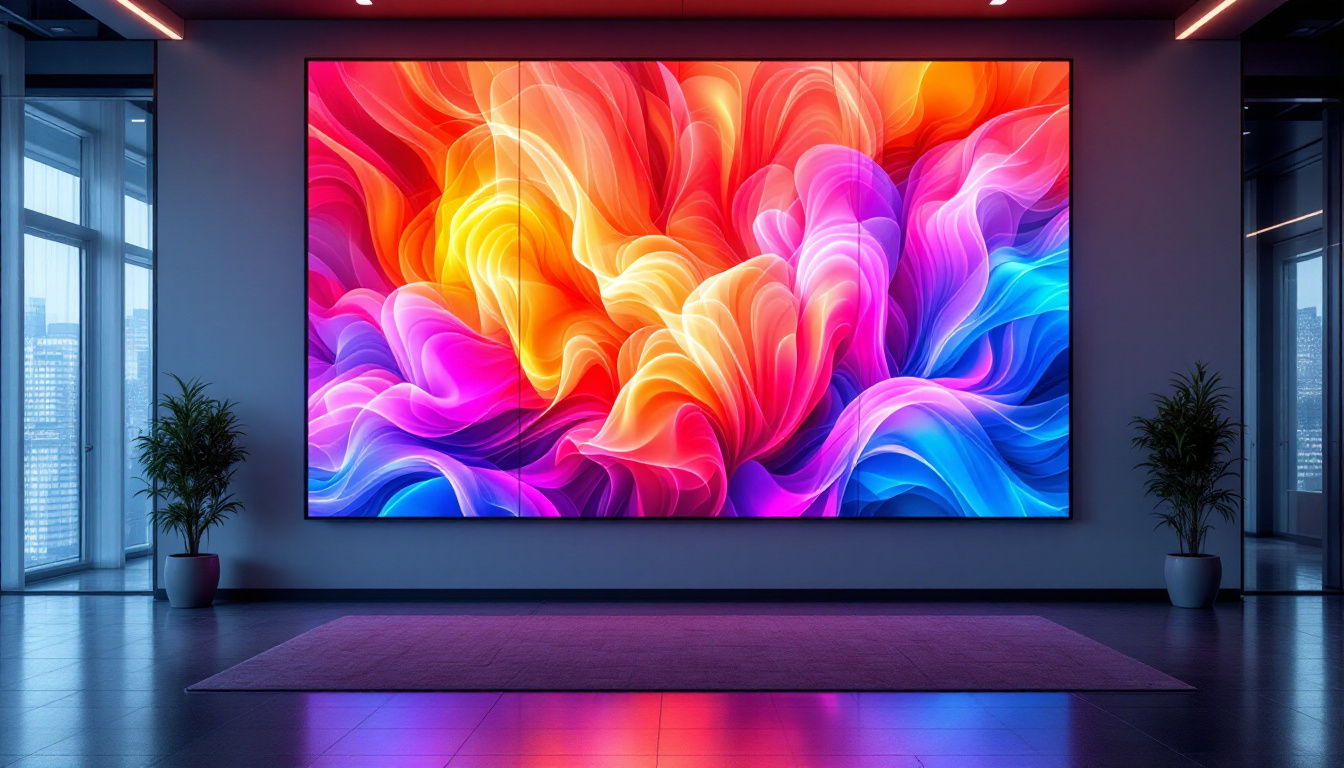
DVLED displays are gaining popularity in professional and corporate environments due to their ability to produce vibrant images even in well-lit rooms, making them ideal for conference rooms with large windows or bright lighting conditions. Furthermore, these displays can be easily scaled to fit any space, allowing for seamless integration into various room designs. The modular nature of DVLED technology means that they can be configured in different shapes and sizes, accommodating unique architectural features or specific user needs. This adaptability not only enhances the visual experience but also ensures that video conferencing can be conducted effectively, regardless of the environment.
Moreover, the advancements in LED technology have led to the development of features such as high dynamic range (HDR) and wide color gamut (WCG), which further elevate the viewing experience. HDR allows for a greater range of brightness levels, making dark scenes more detailed and bright scenes more vivid. Meanwhile, WCG ensures that colors are more accurate and lifelike, which is particularly important in video conferencing where clear communication is essential. As businesses continue to prioritize high-quality visual communication, the role of LED displays in facilitating effective interactions is only set to grow.
Why LED Displays Are Ideal for Video Conferencing TVs
Superior Image Quality Enhances Communication
Effective video conferencing depends heavily on clear visuals. LED displays provide sharp images with high resolution, enabling participants to see facial expressions and body language clearly, which are essential for non-verbal communication cues. The high contrast ratios and deep blacks produced by LED technology reduce eye strain during long meetings, ensuring participants remain engaged and attentive.
Brightness and Visibility in Various Lighting Conditions
Conference rooms often have varying lighting environments, from dimly lit rooms to spaces flooded with natural light. LED displays excel in maintaining visibility regardless of ambient lighting. Direct View LED screens, in particular, can achieve brightness levels exceeding 1,000 nits, which is significantly higher than typical LCD TVs. This brightness ensures that content remains vivid and readable, preventing washed-out images that can occur on lesser displays.
Scalability and Customization for Different Spaces
One of the key advantages of LED displays is their modularity. Large Direct View LED video walls can be custom-built to fit any conference room size, from small huddle spaces to expansive boardrooms. This scalability allows organizations to tailor their video conferencing setups to their specific needs, whether it’s a single 65-inch TV or a multi-panel video wall spanning several meters.
Technical Features Impacting Video Conferencing Performance
Resolution and Pixel Pitch
Resolution is a critical factor in video conferencing displays. Higher resolutions such as 4K (3840 x 2160 pixels) provide more detail and clarity, which is especially important when sharing presentations, documents, or high-definition video feeds. Pixel pitch—the distance between the centers of two adjacent pixels—also affects image sharpness. Smaller pixel pitches result in finer detail and smoother images, which is why Direct View LED walls with pixel pitches as low as 0.9mm are becoming popular for high-end conferencing setups.
Refresh Rate and Motion Handling
Video conferencing involves real-time video streams that require smooth motion rendering. LED displays typically offer high refresh rates (60Hz or higher), minimizing motion blur and latency. This ensures that gestures and lip movements appear natural, reducing the cognitive load on viewers and making conversations feel more lifelike.
Color Accuracy and Calibration
Accurate color reproduction is essential for presentations that rely on color-coded information, such as charts and graphs. LED displays can be factory-calibrated or adjusted on-site to maintain consistent color accuracy across the entire screen. This capability ensures that shared content is displayed as intended, avoiding misunderstandings caused by color distortion.
Integration and Connectivity Considerations
Compatibility with Video Conferencing Platforms
Modern video conferencing TVs equipped with LED displays often come with multiple input options, including HDMI, DisplayPort, and USB-C, enabling seamless integration with popular platforms like Zoom, Microsoft Teams, and Google Meet. Some models even feature built-in smart capabilities, allowing direct access to conferencing apps without the need for external devices.
Audio and Microphone Integration
While the display is critical, audio quality is equally important for effective communication. Many LED video conferencing TVs incorporate high-quality speakers and microphone arrays, optimized for clear voice capture and sound reproduction. This integration reduces the need for additional audio equipment, simplifying room setup and minimizing cable clutter.
Control and Management Features
Advanced LED video conferencing TVs offer centralized control systems that allow IT administrators to manage multiple displays remotely. Features such as automated brightness adjustment, firmware updates, and input switching can be handled through a unified interface, improving operational efficiency and reducing downtime.
Benefits of LED Displays in Corporate and Educational Settings
Enhancing Collaboration and Productivity
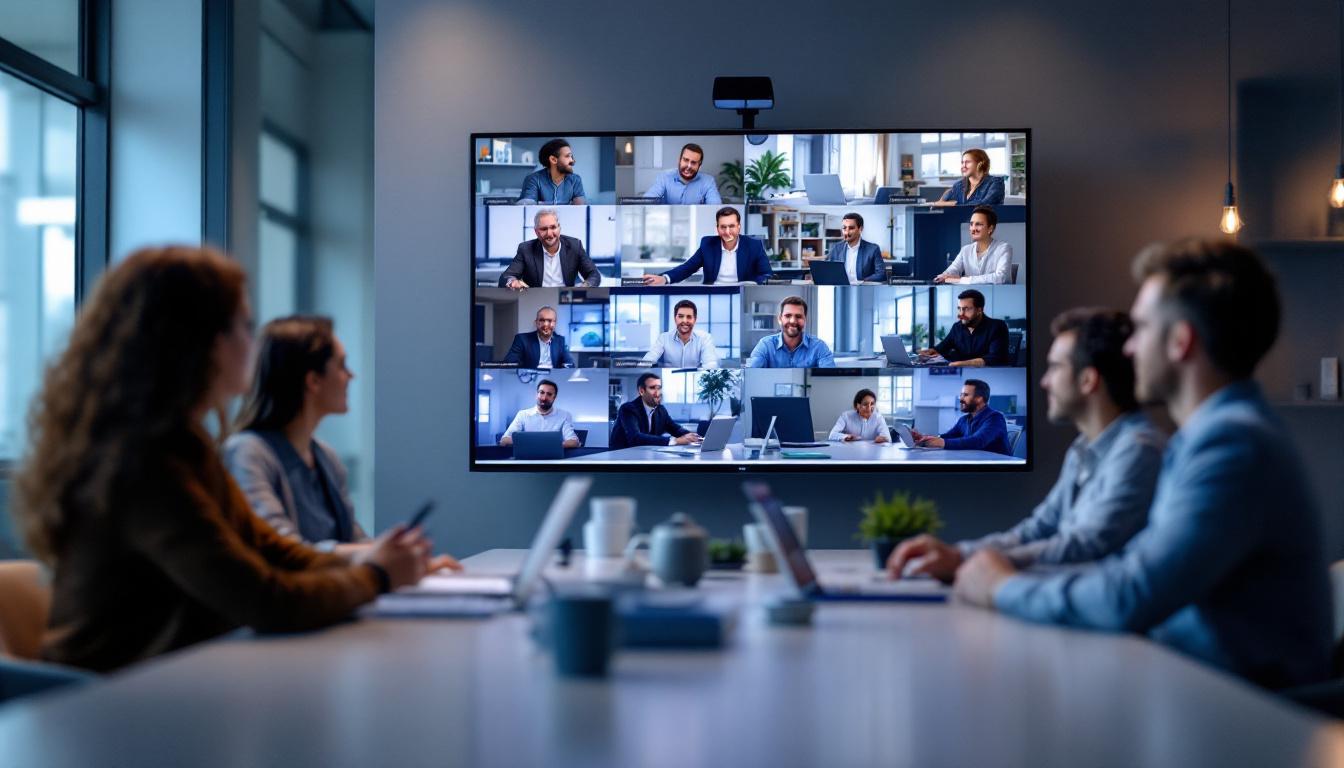
In corporate environments, LED displays facilitate more dynamic and interactive meetings. The ability to display multiple video feeds, share high-resolution content, and annotate presentations in real-time fosters collaboration and accelerates decision-making. According to a 2023 survey by Wainhouse Research, companies using advanced video conferencing setups with LED displays reported a 25% increase in meeting productivity.
Supporting Remote and Hybrid Work Models
The rise of hybrid work models has increased the demand for reliable video conferencing solutions. LED displays provide consistent, high-quality visuals that help bridge the gap between in-office and remote participants. This inclusivity ensures that all team members, regardless of location, can contribute effectively.
Educational Advantages
In educational institutions, LED video conferencing TVs enable remote learning with clear visuals that keep students engaged. The large, bright screens make it easier for students to follow lectures and participate in virtual discussions. Additionally, the durability and low maintenance of LED displays make them a cost-effective investment for schools and universities.
Challenges and Considerations When Choosing LED Displays for Video Conferencing
Cost and Budget Constraints
While LED displays offer numerous advantages, they can be more expensive upfront compared to traditional LCD TVs or projectors. Organizations must balance the initial investment against long-term benefits such as lower maintenance costs, energy efficiency, and improved meeting outcomes. Leasing options and phased installations are strategies some companies use to manage costs effectively.
Installation and Space Requirements
Large Direct View LED video walls require professional installation and adequate space. Room acoustics and lighting conditions must be carefully considered to optimize performance. Consulting with AV specialists during the planning phase can help avoid common pitfalls and ensure the display meets the organization’s needs.
Technical Expertise and Support
Maintaining LED displays involves specialized knowledge, especially for calibration and troubleshooting. Partnering with vendors that offer comprehensive support and training can mitigate these challenges, ensuring the technology remains reliable and effective over time.
Future Trends in LED Displays for Video Conferencing
MicroLED and MiniLED Innovations
Emerging technologies like MicroLED and MiniLED are set to revolutionize video conferencing displays. These technologies offer even finer pixel pitches, higher brightness, and improved energy efficiency. MicroLED, in particular, promises longer lifespans and better durability, making it an attractive option for future-proofing conference rooms.
Integration with AI and Smart Features
Artificial intelligence is increasingly being integrated into video conferencing systems. Future LED displays may feature AI-driven enhancements such as automatic speaker tracking, adaptive brightness based on room occupancy, and real-time transcription displayed on-screen. These innovations aim to create more immersive and accessible meeting experiences.
Environmental Sustainability
As organizations prioritize sustainability, LED display manufacturers are focusing on eco-friendly materials and energy-saving designs. Lower power consumption and recyclable components reduce the environmental impact, aligning with corporate social responsibility goals.
Conclusion
LED display technology has transformed the landscape of video conferencing TVs, offering unparalleled image quality, brightness, and scalability that enhance communication and collaboration. Whether in corporate boardrooms, educational institutions, or hybrid workspaces, LED displays provide a reliable and visually engaging platform for virtual interactions. While considerations such as cost and installation complexity exist, the long-term benefits of LED technology—combined with ongoing innovations—make it a compelling choice for organizations seeking to elevate their video conferencing capabilities.
Investing in the right LED display solution not only improves the immediate meeting experience but also supports future growth and adaptability in an increasingly digital and connected world.
Discover LumenMatrix’s Advanced LED Solutions
Ready to take your video conferencing and visual communication to the next level? Explore LumenMatrix’s comprehensive range of LED display modules, designed to meet the diverse needs of any setting. From Indoor and Outdoor LED Wall Displays to innovative solutions like Vehicle LED Displays and LED Transparent Displays, LumenMatrix is committed to enhancing your brand’s visibility and creating immersive visual experiences. Embrace the future of digital signage with our All-in-One LED Displays and Custom LED solutions that promise to captivate your audience and deliver your message with unparalleled impact. Check out LumenMatrix LED Display Solutions today and see how our technology can revolutionize your virtual interactions.