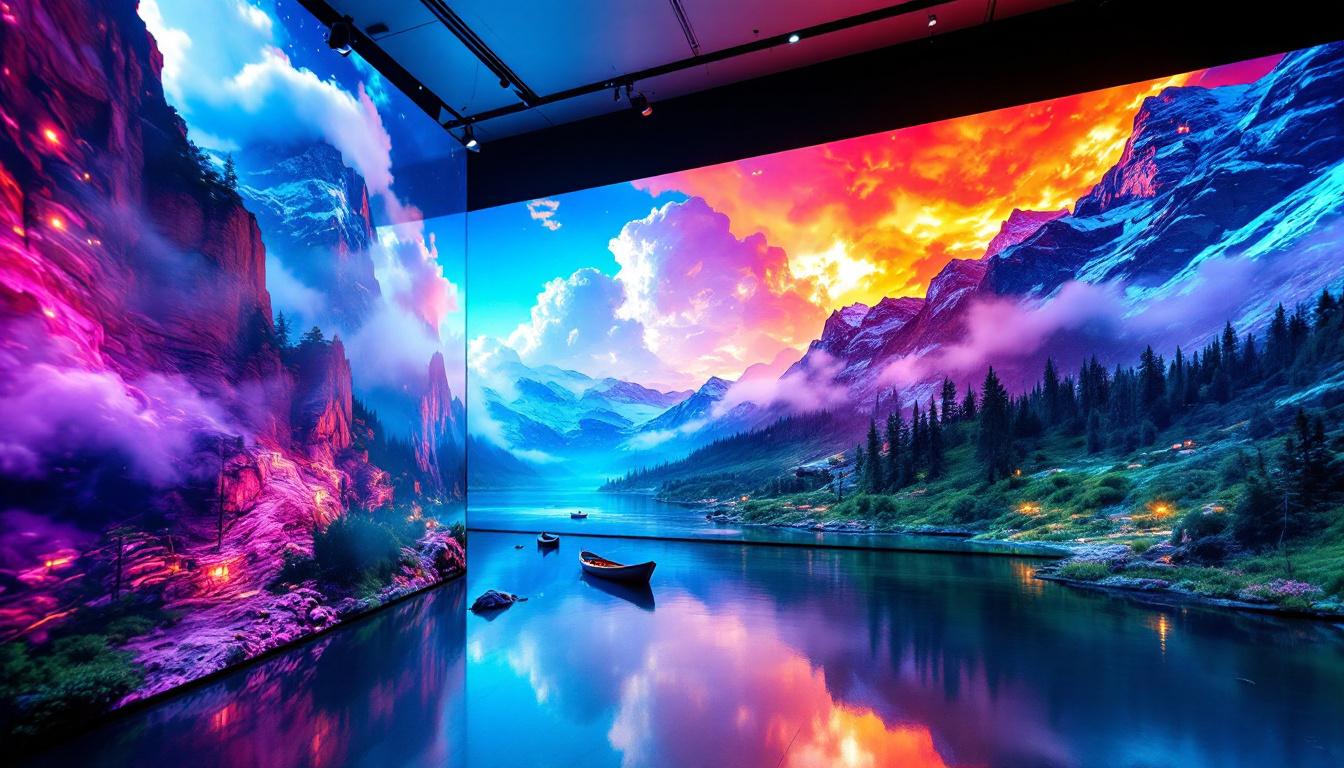
In today’s visually driven world, video screen displays have become an integral part of communication, advertising, entertainment, and information dissemination. Among the various display technologies available, LED displays stand out for their brightness, versatility, and energy efficiency. This article delves into the fundamentals of LED displays, exploring how they work, their types, applications, advantages, and emerging trends shaping the future of video screen technology.
Understanding LED Display Technology
What is an LED Display?
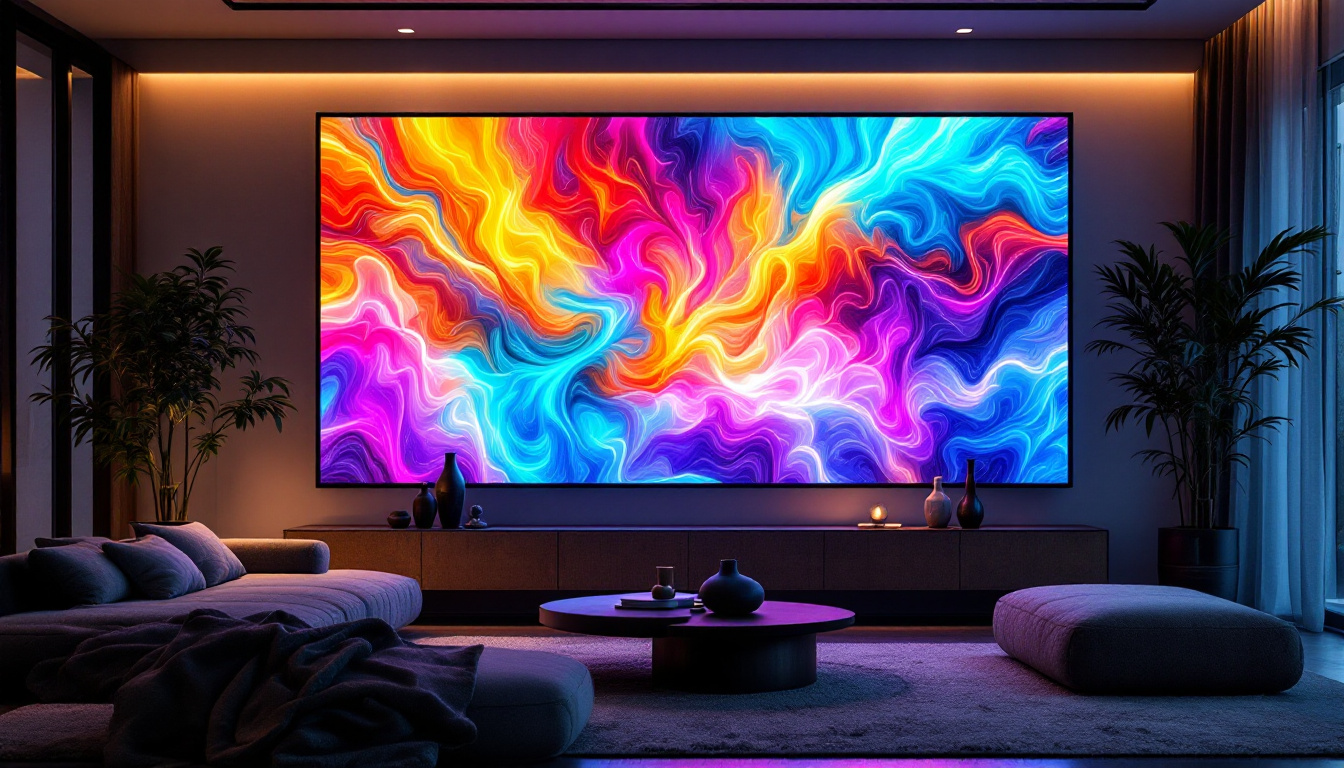
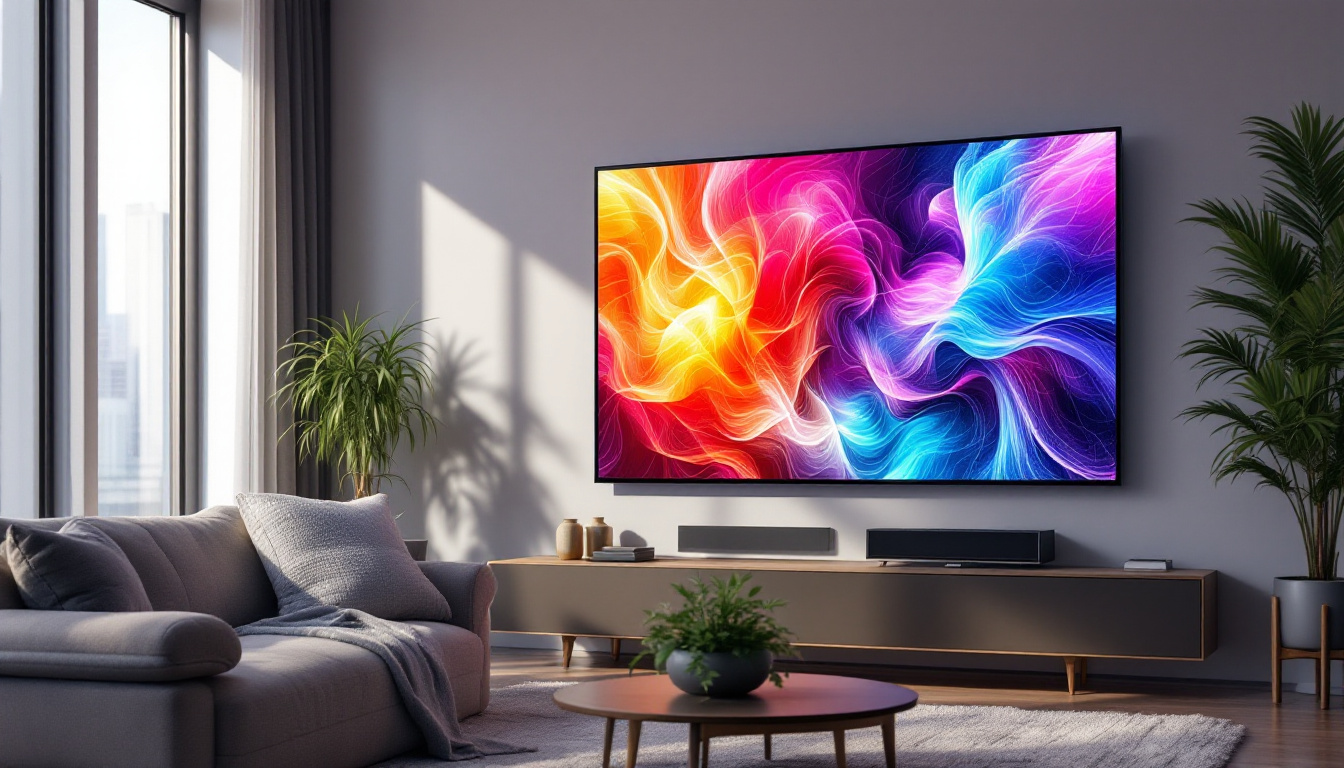
LED stands for Light Emitting Diode, a semiconductor device that emits light when an electric current passes through it. An LED display is a flat panel display that uses an array of LEDs as pixels to create images and videos. Unlike traditional LCD or plasma screens, LED displays generate their own light, which allows for higher brightness levels and better contrast ratios.
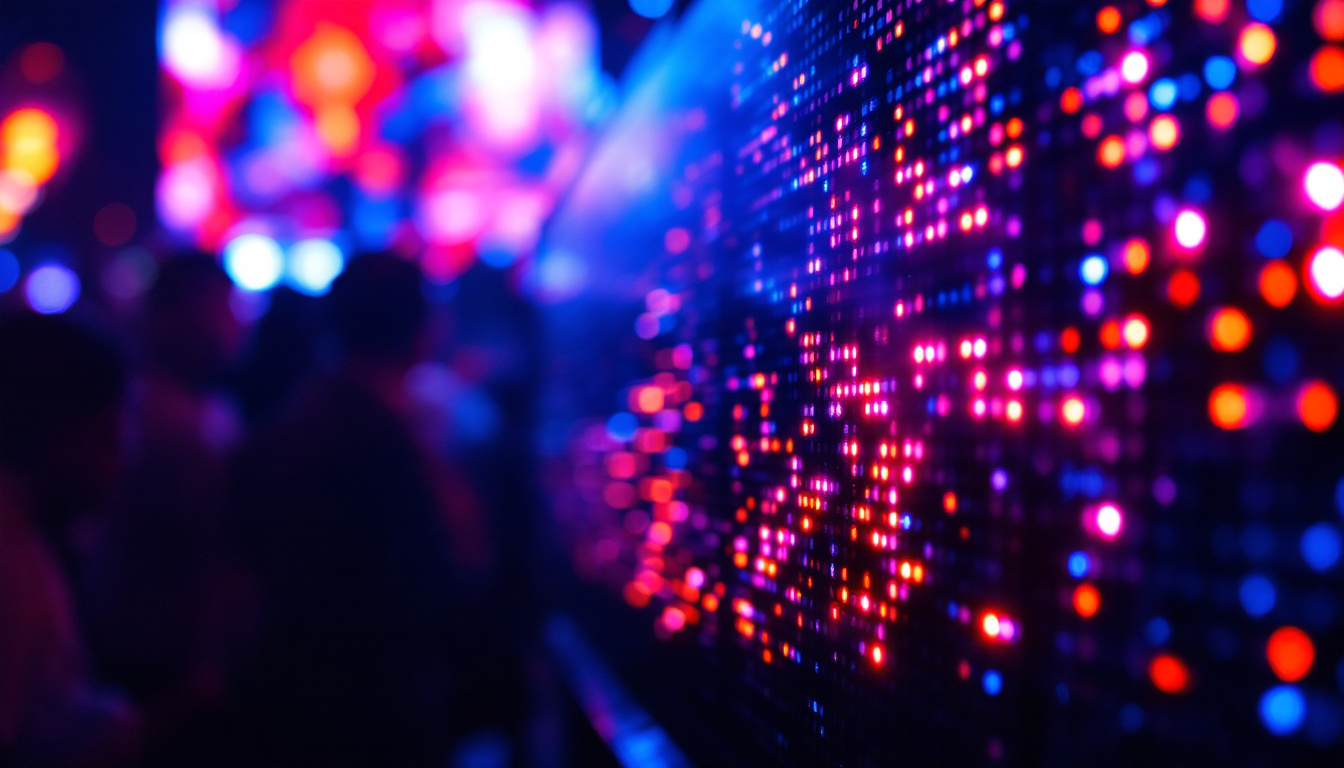
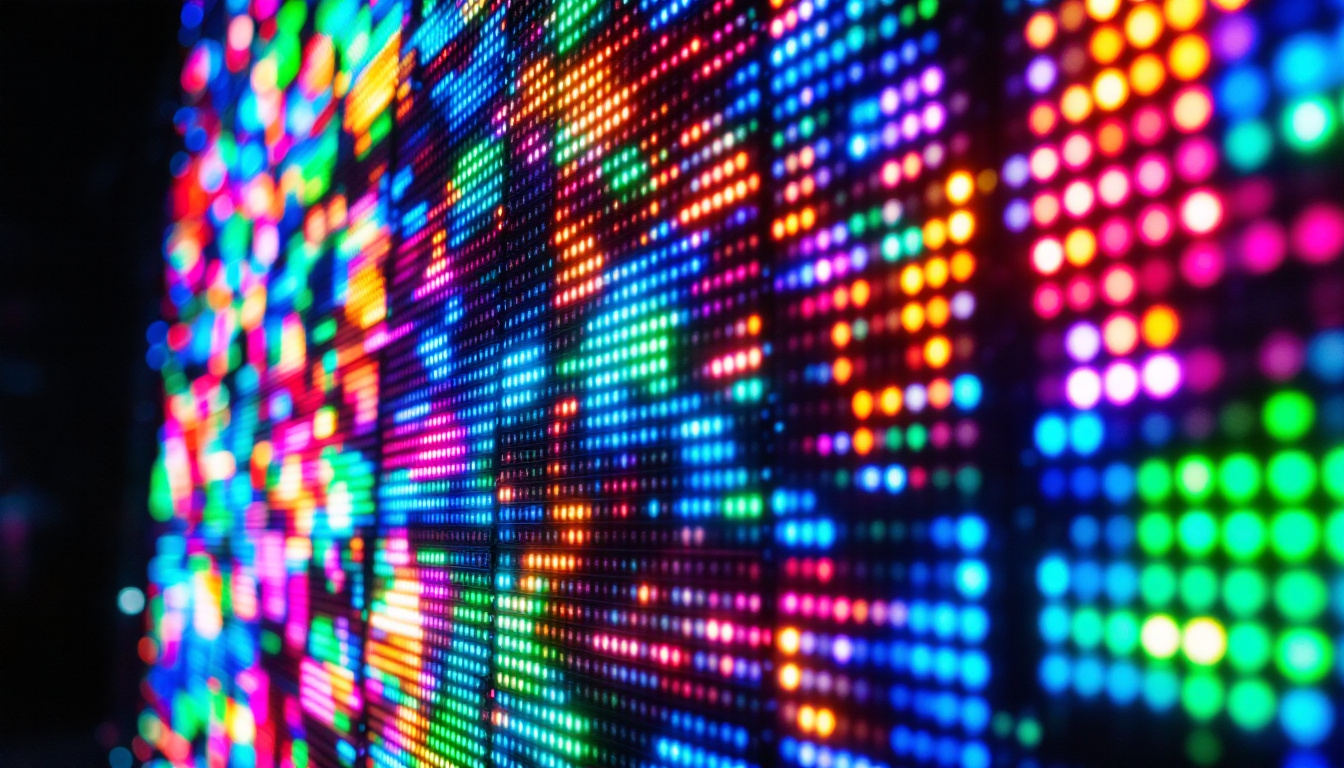
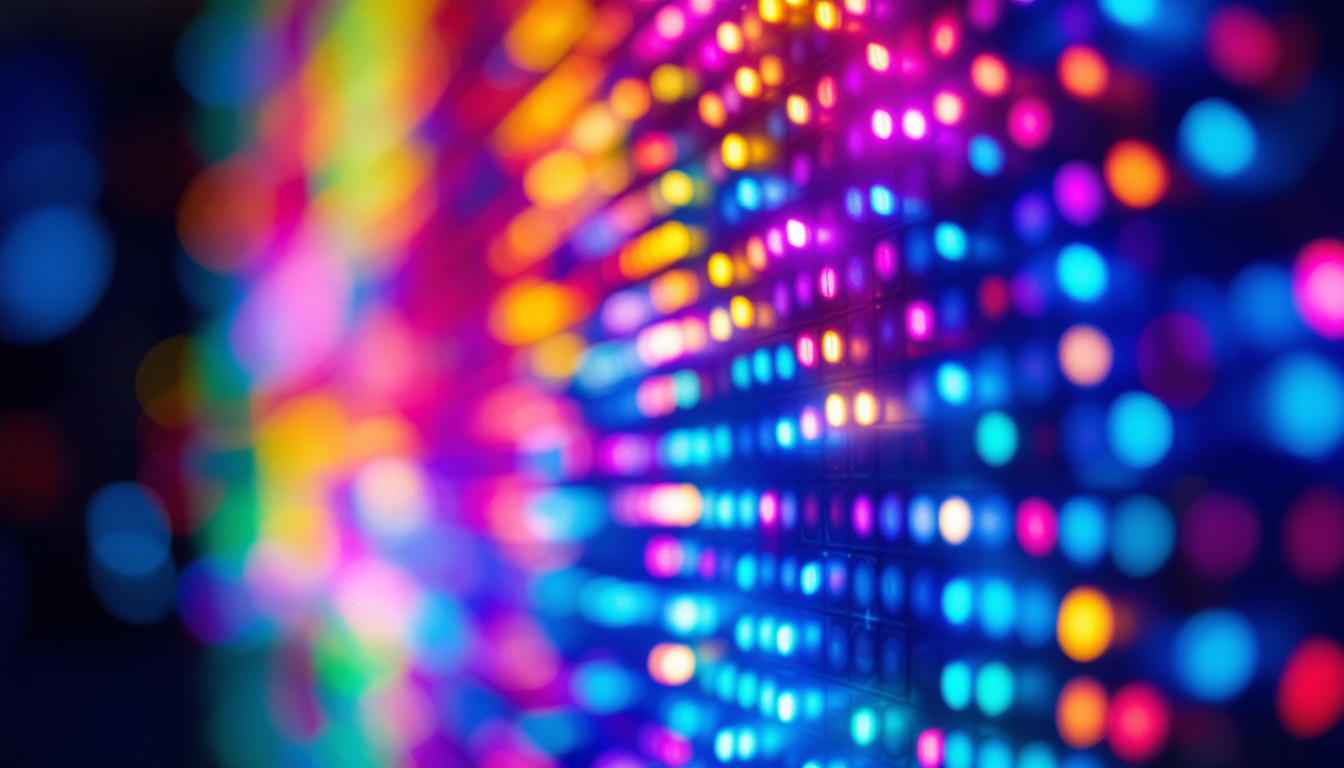
LED displays are composed of thousands to millions of tiny LEDs arranged in a grid. Each LED acts as a single pixel or part of a pixel, emitting light in red, green, and blue (RGB) to produce a full spectrum of colors. By varying the intensity of each LED, the display can render detailed and vibrant images.
How Do LED Displays Work?
The core principle behind LED displays is the control of individual LEDs to produce the desired image. Each pixel typically consists of three LEDs—red, green, and blue—that combine to create different colors through additive color mixing. The display’s controller sends signals to these LEDs, adjusting their brightness and color intensity in real-time.
LED displays can be either direct-view or use LED backlighting for LCD panels. Direct-view LED displays have LEDs as the actual pixels, making them ideal for large-scale outdoor screens and digital billboards. On the other hand, LED-backlit LCDs use LEDs to illuminate the liquid crystal panel, improving brightness and energy efficiency compared to older CCFL-backlit LCDs.
Types of LED Displays
Indoor vs. Outdoor LED Displays
One of the primary distinctions in LED display technology is based on the intended environment: indoor or outdoor. Indoor LED displays are designed for close viewing distances and controlled lighting conditions. They typically have a smaller pixel pitch (the distance between adjacent LEDs), often ranging from 1mm to 4mm, which allows for higher resolution and sharper images.
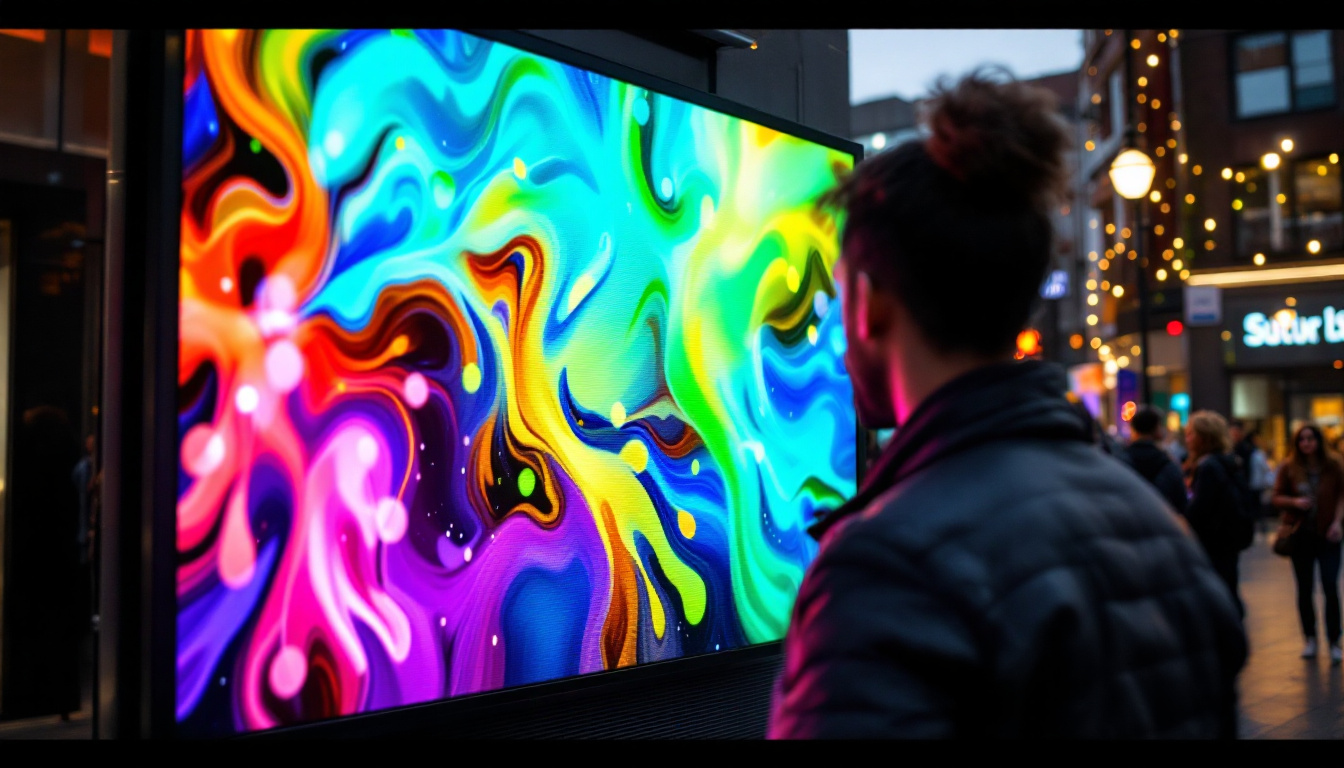
Outdoor LED displays, in contrast, are built to withstand harsh weather conditions, including rain, wind, and direct sunlight. These displays have a larger pixel pitch, usually between 4mm and 20mm, to ensure visibility from greater distances. They also feature higher brightness levels, sometimes exceeding 5,000 nits, to combat glare and maintain image clarity in daylight.
Flexible and Transparent LED Displays
Recent advancements have introduced flexible LED displays that can bend or curve, enabling innovative applications such as wrap-around screens on columns or curved walls. These displays use flexible circuit boards and specially designed LEDs to maintain performance while allowing for physical flexibility.
Transparent LED displays are another cutting-edge innovation, combining LED technology with transparent substrates. These displays can be mounted on glass surfaces, allowing viewers to see content displayed on the screen while still being able to see through it. This technology is gaining traction in retail storefronts, museums, and architectural installations where maintaining visibility is crucial.
MicroLED and MiniLED Displays
MicroLED and MiniLED represent the next generation of LED display technology. MicroLED displays use microscopic LEDs that are much smaller than traditional LEDs, enabling ultra-high resolution and brightness with excellent energy efficiency. They offer superior contrast and color accuracy, making them ideal for premium TVs, smartphones, and augmented reality devices.
MiniLED displays, on the other hand, use thousands of tiny LEDs as a backlight for LCD panels. This approach improves local dimming capabilities, resulting in better contrast and deeper blacks compared to conventional LED-backlit LCDs. MiniLED technology is increasingly popular in high-end monitors and TVs.
Applications of LED Displays
Advertising and Digital Signage
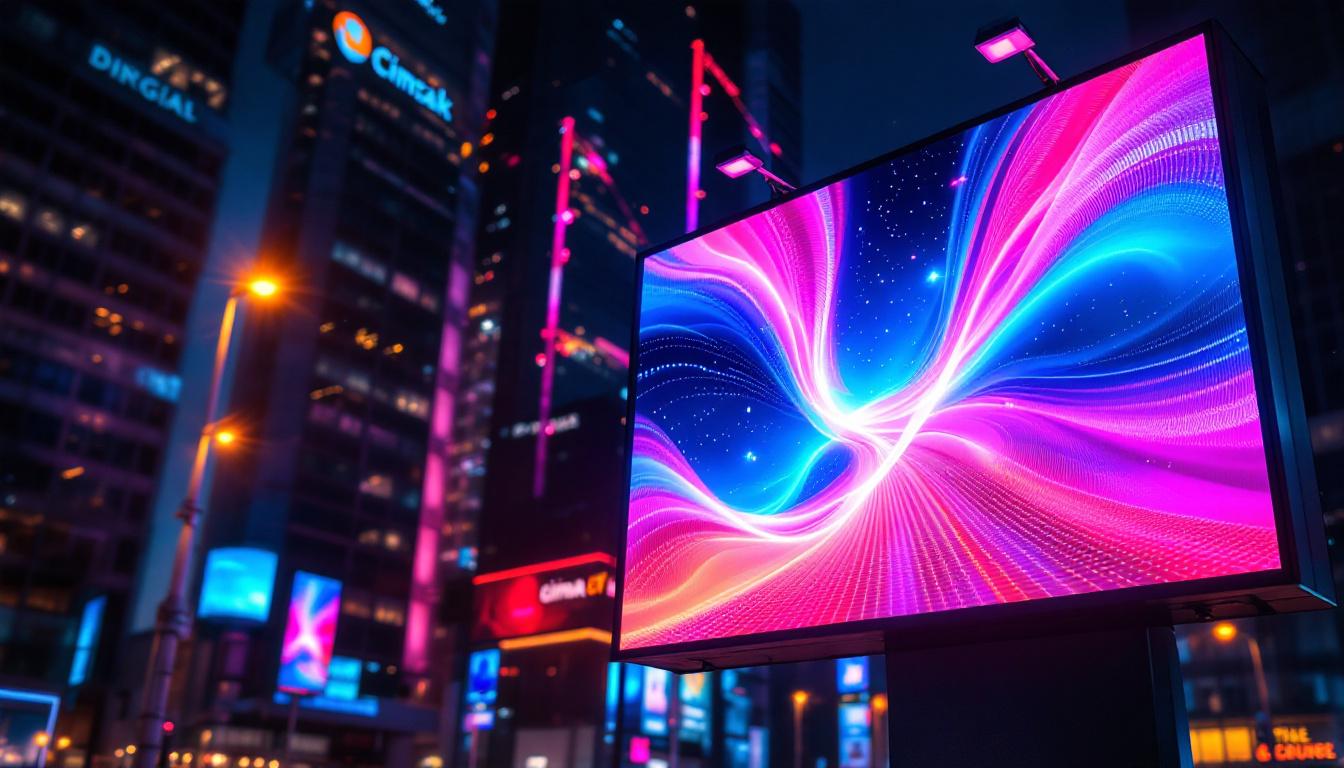
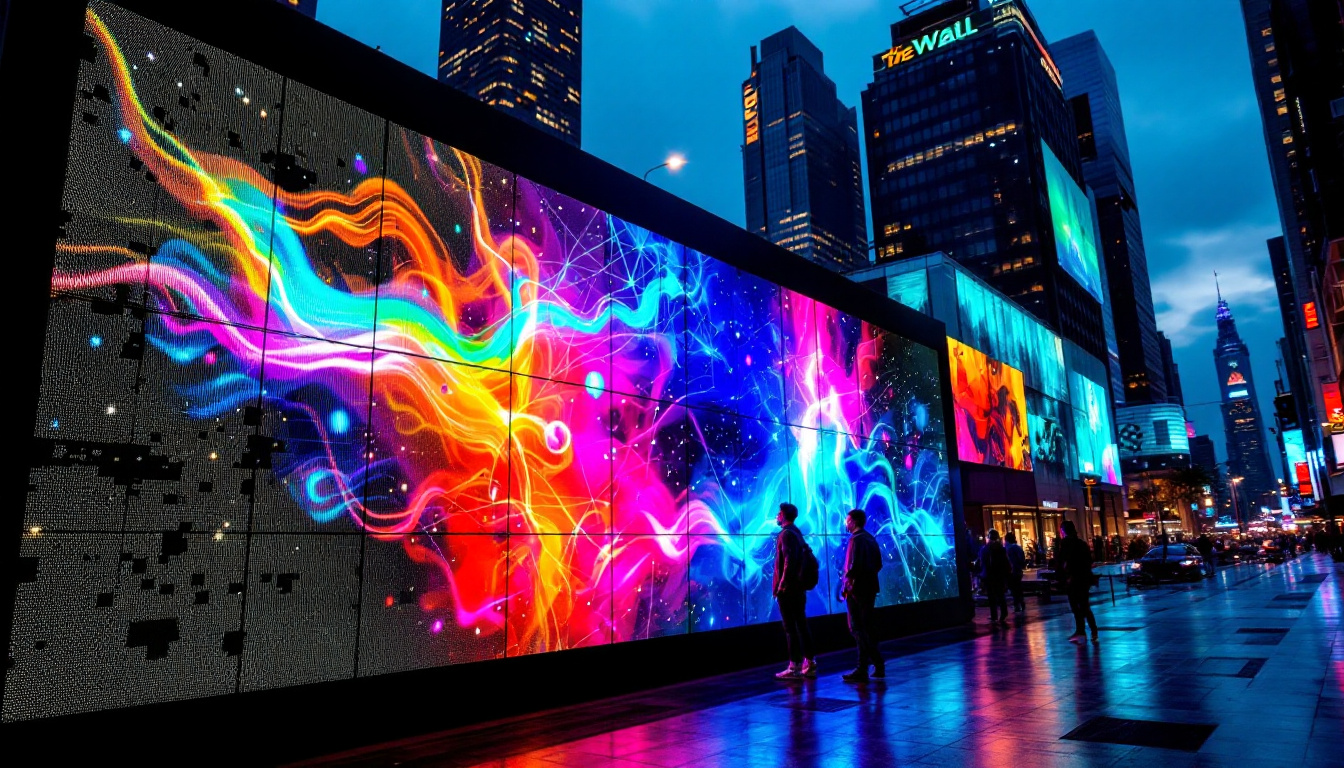
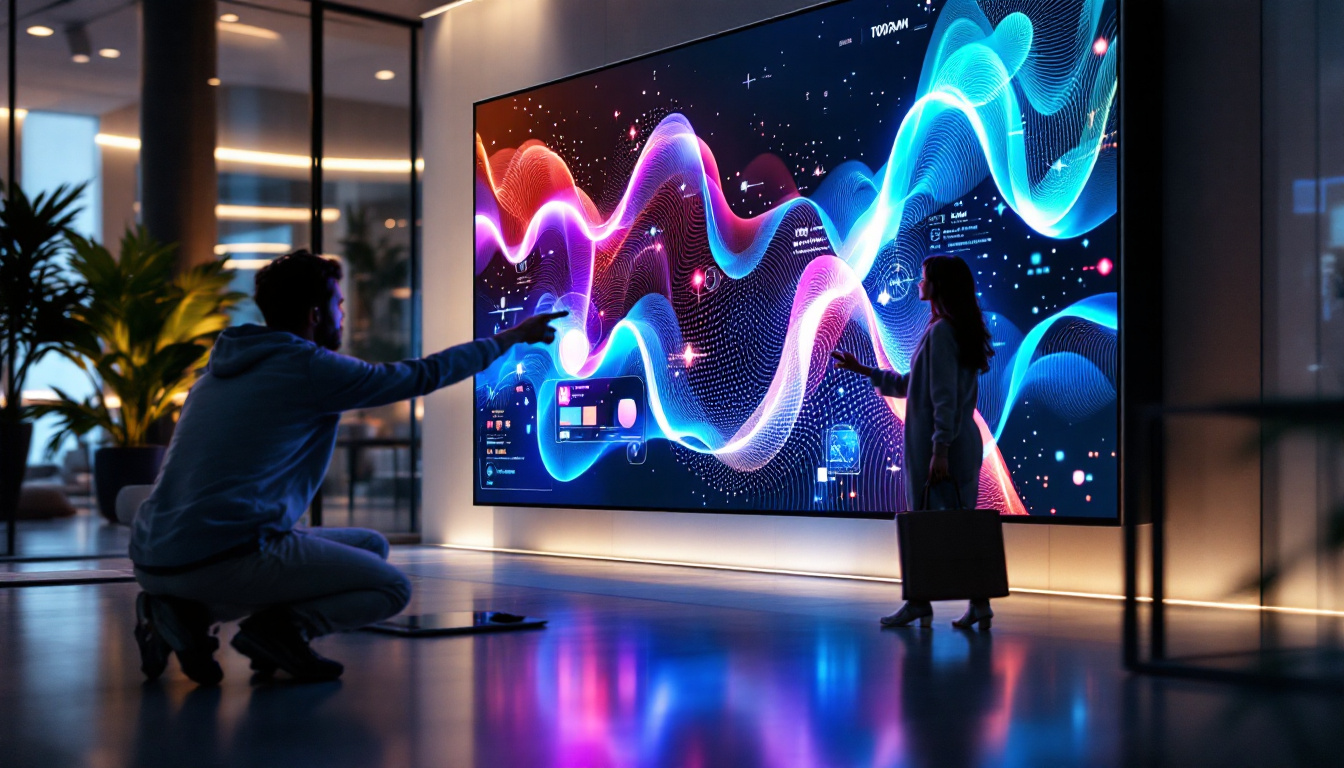
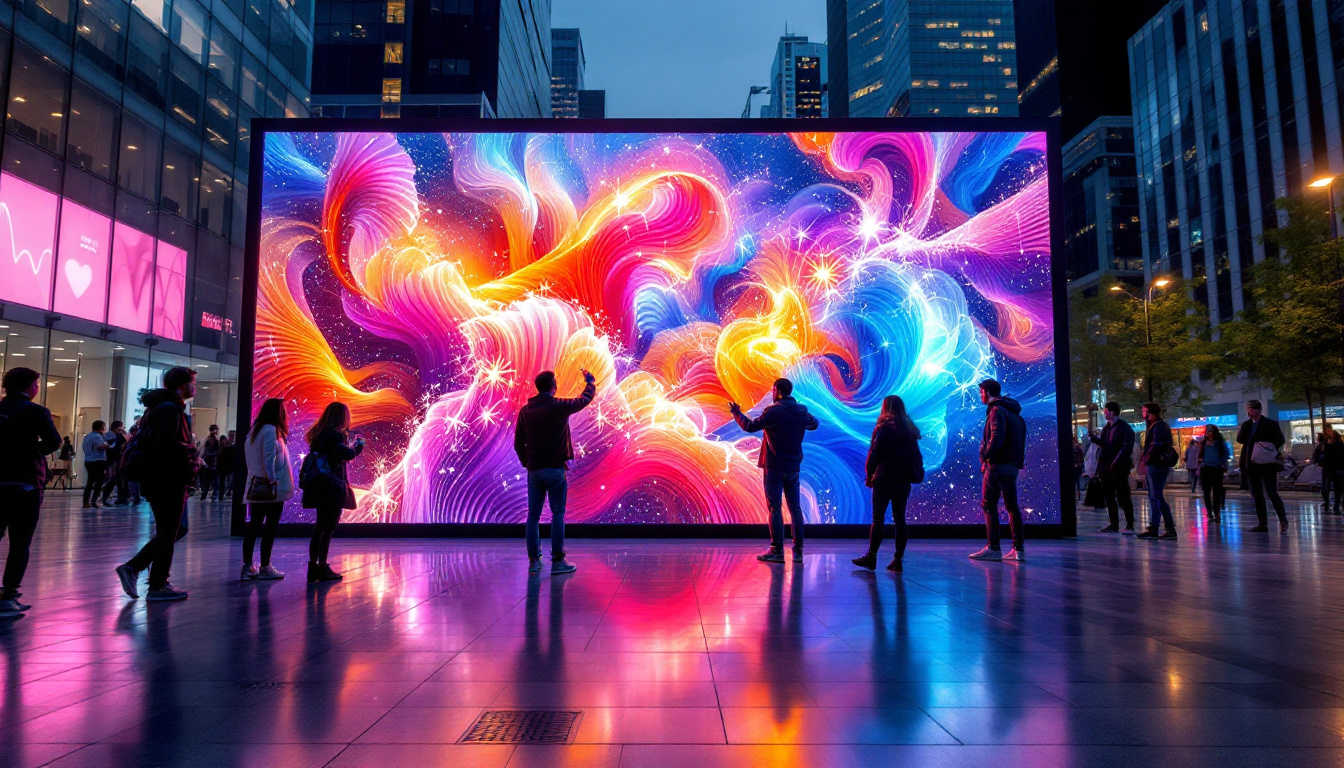
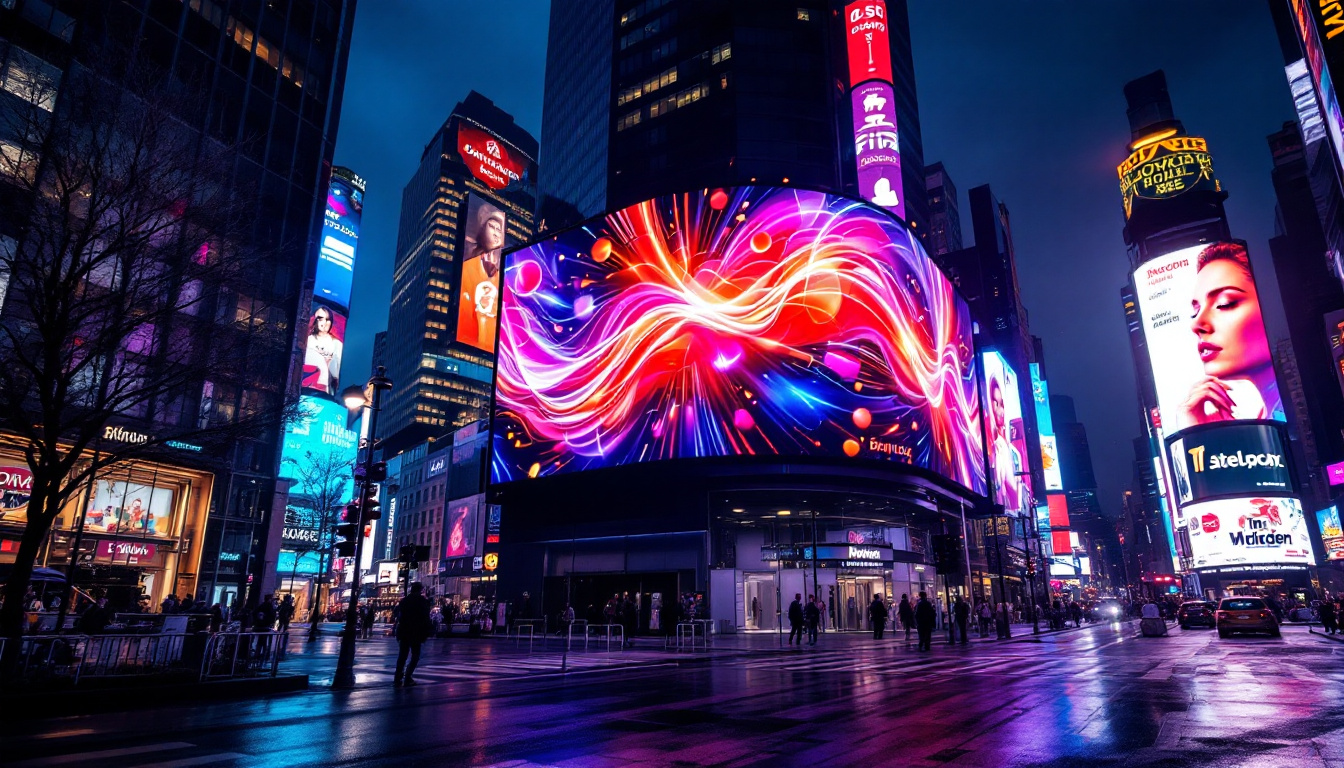
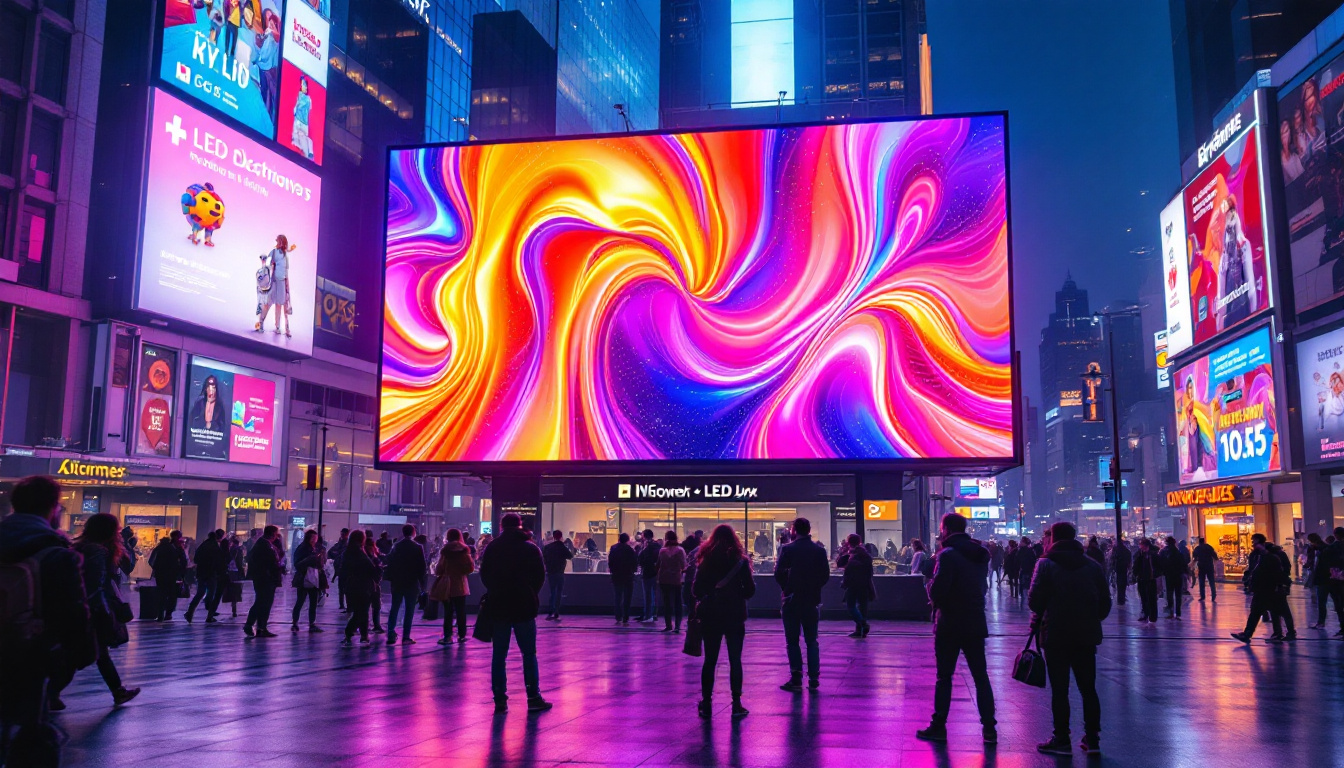
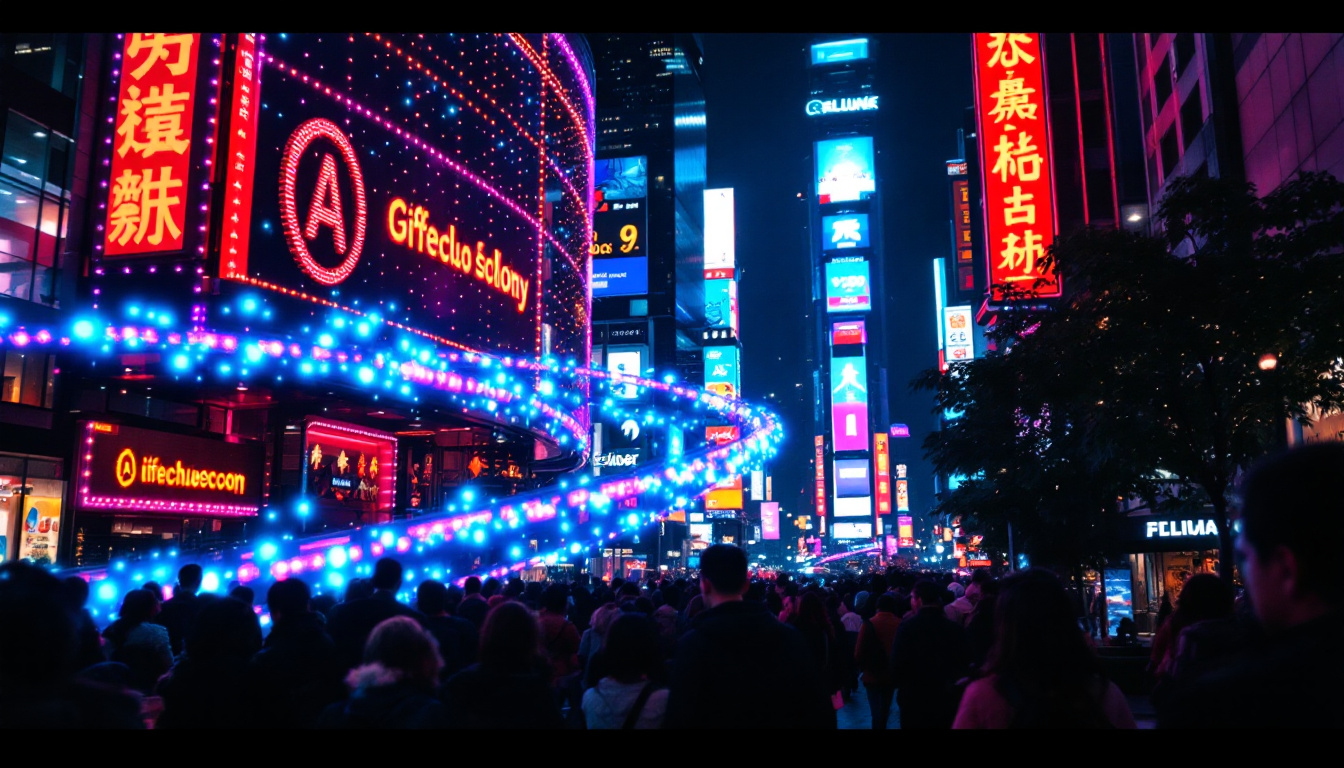
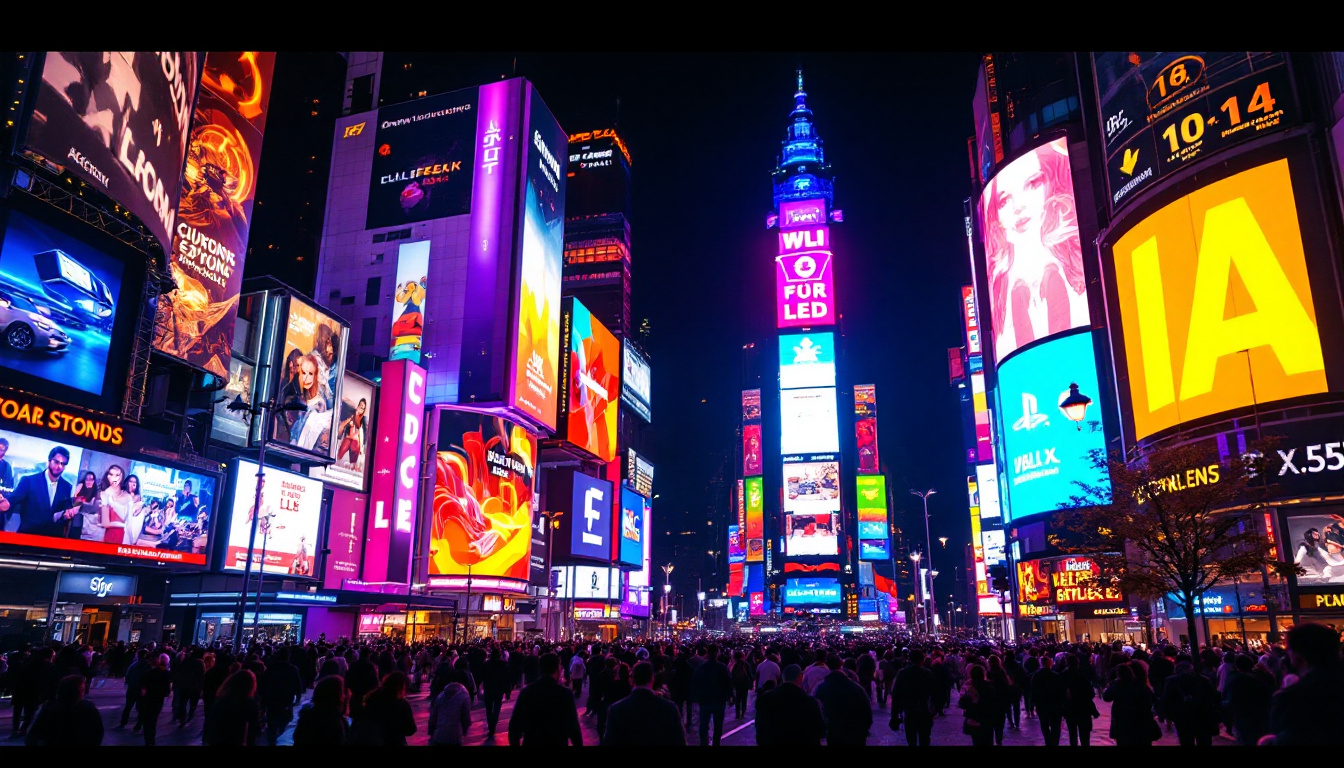
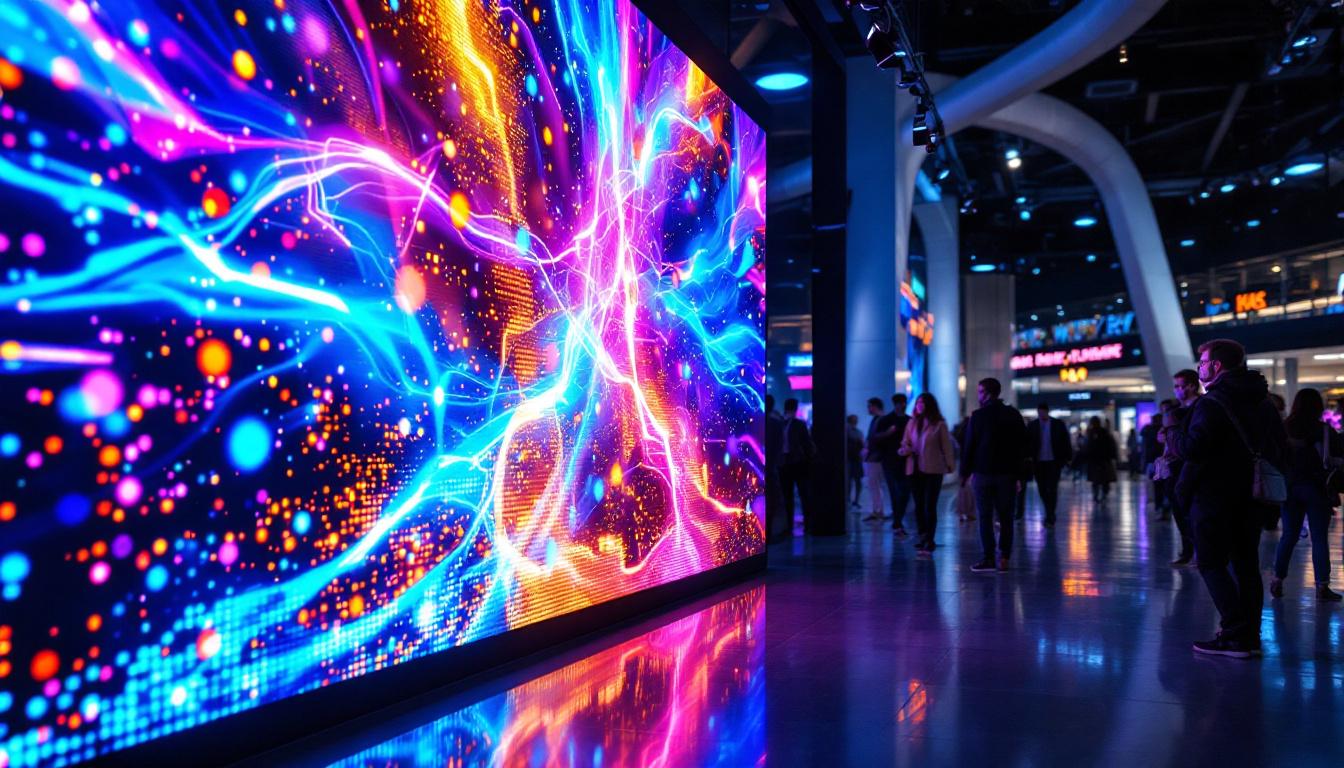
LED displays have revolutionized advertising by enabling dynamic, eye-catching digital signage. From Times Square in New York City to shopping malls worldwide, LED billboards attract attention with vibrant colors, motion graphics, and real-time content updates. Their durability and brightness make them ideal for both indoor and outdoor advertising campaigns.
Digital signage powered by LED displays allows businesses to tailor messages based on time of day, audience demographics, or special events, increasing engagement and conversion rates. According to a 2023 report by Grand View Research, the global digital signage market is expected to grow at a compound annual growth rate (CAGR) of 7.5% through 2030, driven largely by advancements in LED technology.
Sports and Entertainment Venues
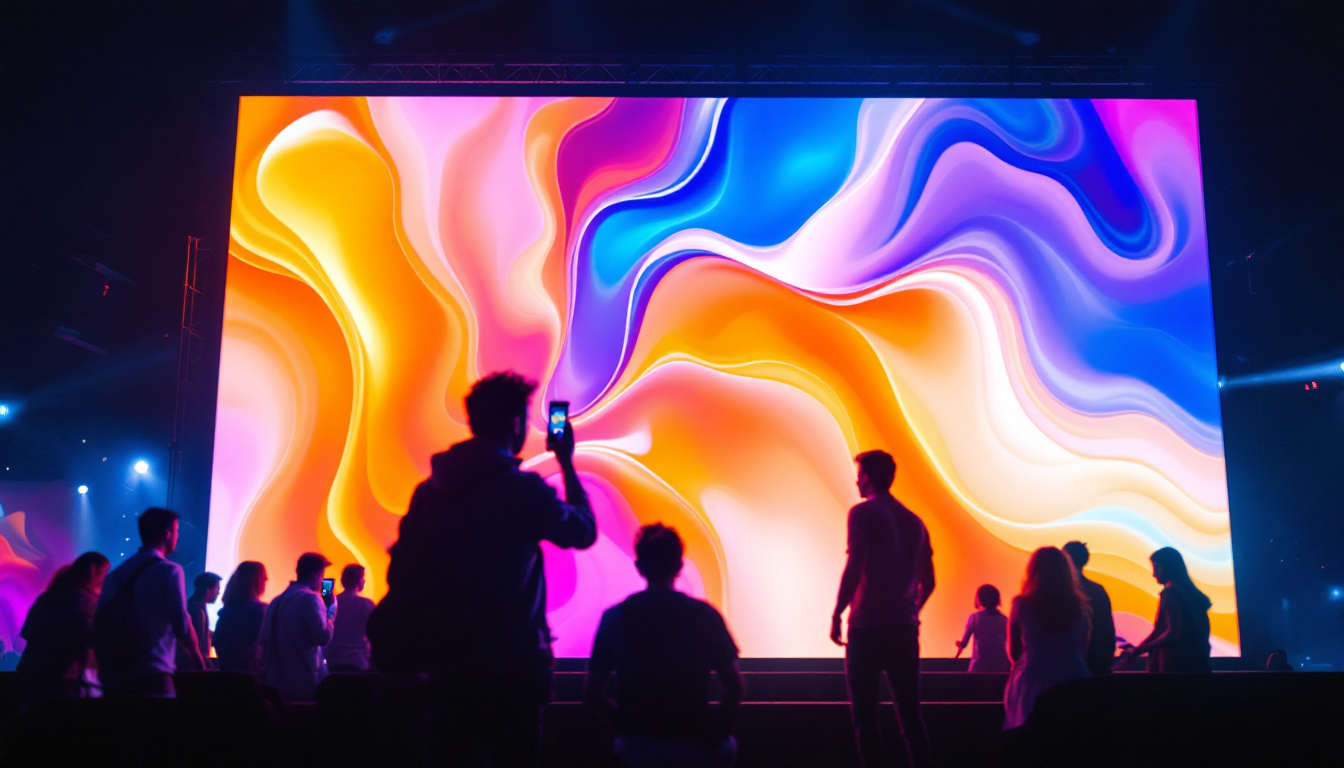
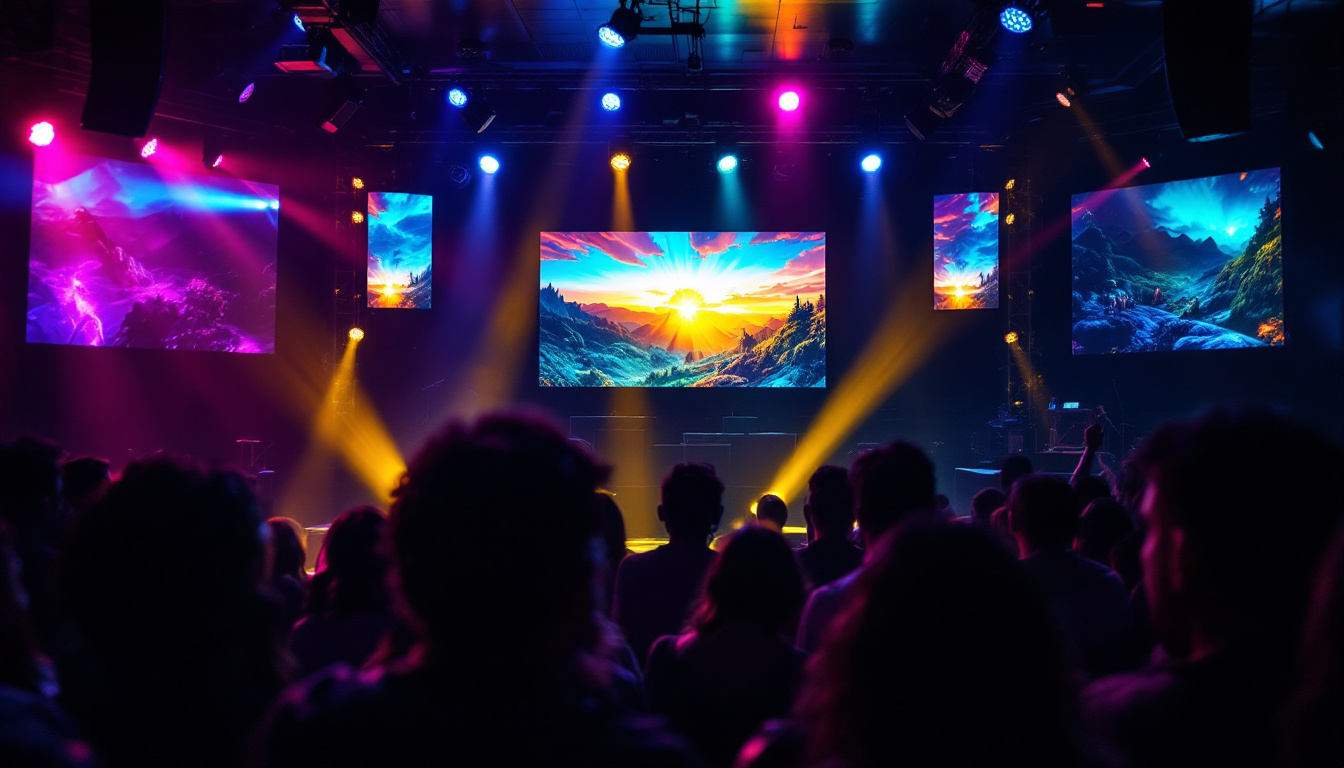
LED displays are ubiquitous in sports arenas, concert halls, and entertainment venues. Large-scale LED screens provide live video feeds, instant replays, scores, and interactive content to enhance the spectator experience. Their ability to deliver high brightness ensures visibility even under direct sunlight in outdoor stadiums.
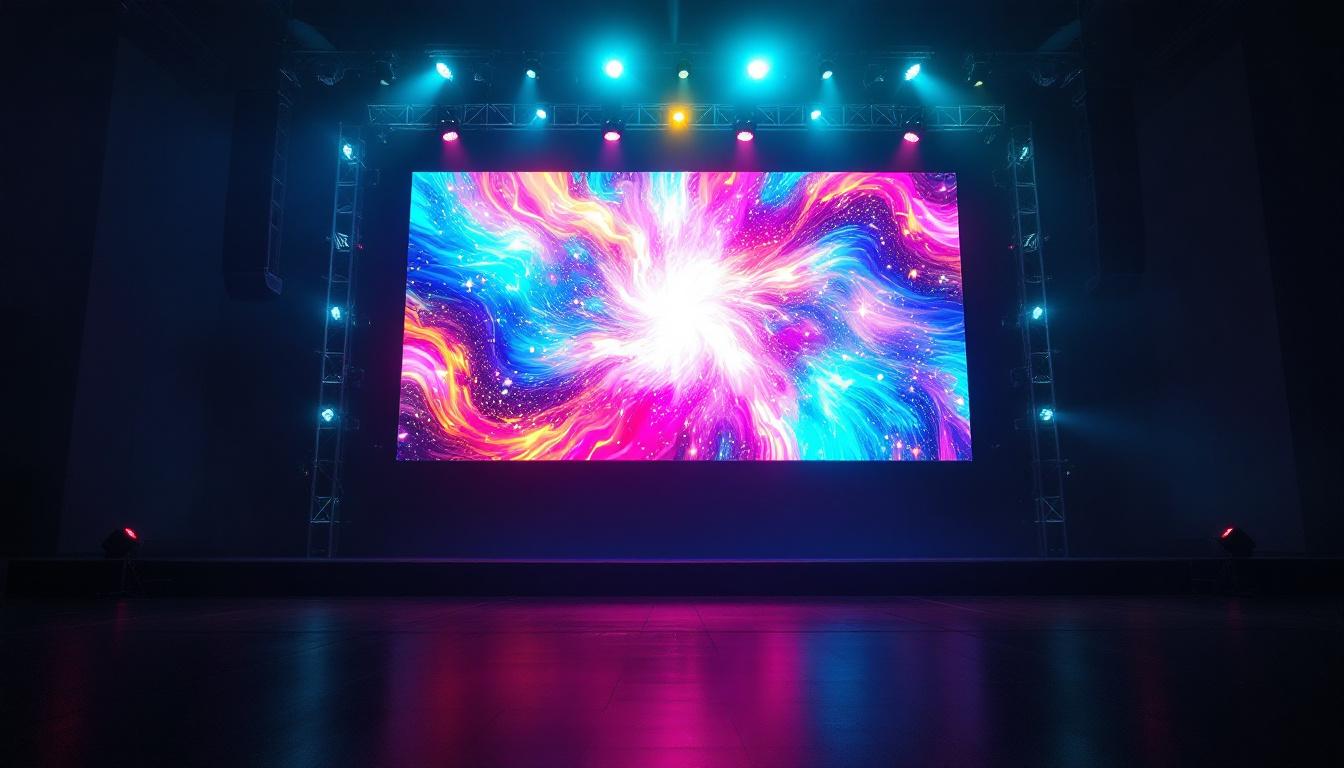
Additionally, LED displays are used in stage backdrops and immersive installations to create dynamic visual effects that complement performances. The flexibility and scalability of LED technology allow event organizers to customize screen sizes and shapes according to venue requirements.
Corporate and Educational Use
In corporate settings, LED displays are increasingly used for presentations, video conferencing, and digital whiteboards. Their high resolution and brightness improve visibility in brightly lit conference rooms, facilitating clearer communication and collaboration.
Educational institutions also benefit from LED displays for lecture halls, auditoriums, and interactive learning environments. The ability to display multimedia content in vivid detail enhances student engagement and knowledge retention.
Advantages of LED Displays
Brightness and Visibility
One of the most significant advantages of LED displays is their exceptional brightness. With brightness levels ranging from 1,000 to over 10,000 nits, LED screens can be seen clearly even in direct sunlight, making them ideal for outdoor applications. This high luminance also contributes to better contrast ratios, ensuring images remain sharp and vibrant.
Energy Efficiency and Longevity
LED technology is inherently energy-efficient compared to other display types like plasma or CCFL-backlit LCDs. LEDs consume less power while providing superior brightness, which reduces operational costs, especially for large-scale installations that run continuously.
Moreover, LEDs have a long operational lifespan, often exceeding 100,000 hours. This durability minimizes maintenance and replacement costs, making LED displays a cost-effective solution over time.
Design Flexibility and Scalability
LED displays offer unmatched design flexibility. They can be manufactured in various sizes, shapes, and resolutions to suit different needs. Modular LED panels allow for seamless scaling, enabling the creation of massive video walls or compact displays without compromising image quality.
The availability of flexible and transparent LED options further expands design possibilities, allowing integration into unconventional spaces and architectural elements.
Challenges and Considerations
Cost Factors
While LED displays offer many benefits, initial costs can be higher than alternative display technologies, particularly for high-resolution or large-format installations. The price of MicroLED and MiniLED displays remains relatively premium due to manufacturing complexities.
However, when considering total cost of ownership—including energy savings, maintenance, and lifespan—LED displays often prove to be a worthwhile investment.
Pixel Pitch and Viewing Distance
Choosing the correct pixel pitch is critical to ensuring optimal image quality. Smaller pixel pitches provide higher resolution and are suited for close viewing distances, such as indoor environments. Larger pixel pitches are more appropriate for outdoor displays viewed from afar.
Incorrect pixel pitch selection can result in pixelation or blurred images, detracting from the viewer experience.
Environmental Impact
LED displays are more environmentally friendly than many other display types due to their energy efficiency and longer lifespan. However, responsible disposal and recycling of LED components are essential to minimize electronic waste. Manufacturers and users alike are increasingly adopting sustainable practices to address these concerns.
Emerging Trends in LED Display Technology
Integration with AI and IoT
The convergence of LED displays with Artificial Intelligence (AI) and the Internet of Things (IoT) is transforming how digital signage and video displays operate. AI-powered content management systems can analyze audience behavior and environmental conditions to deliver personalized and context-aware content.
IoT connectivity enables remote monitoring and control of LED displays, optimizing performance and reducing downtime. These smart displays are becoming standard in advertising, retail, and public information systems.
Higher Resolutions and HDR Support
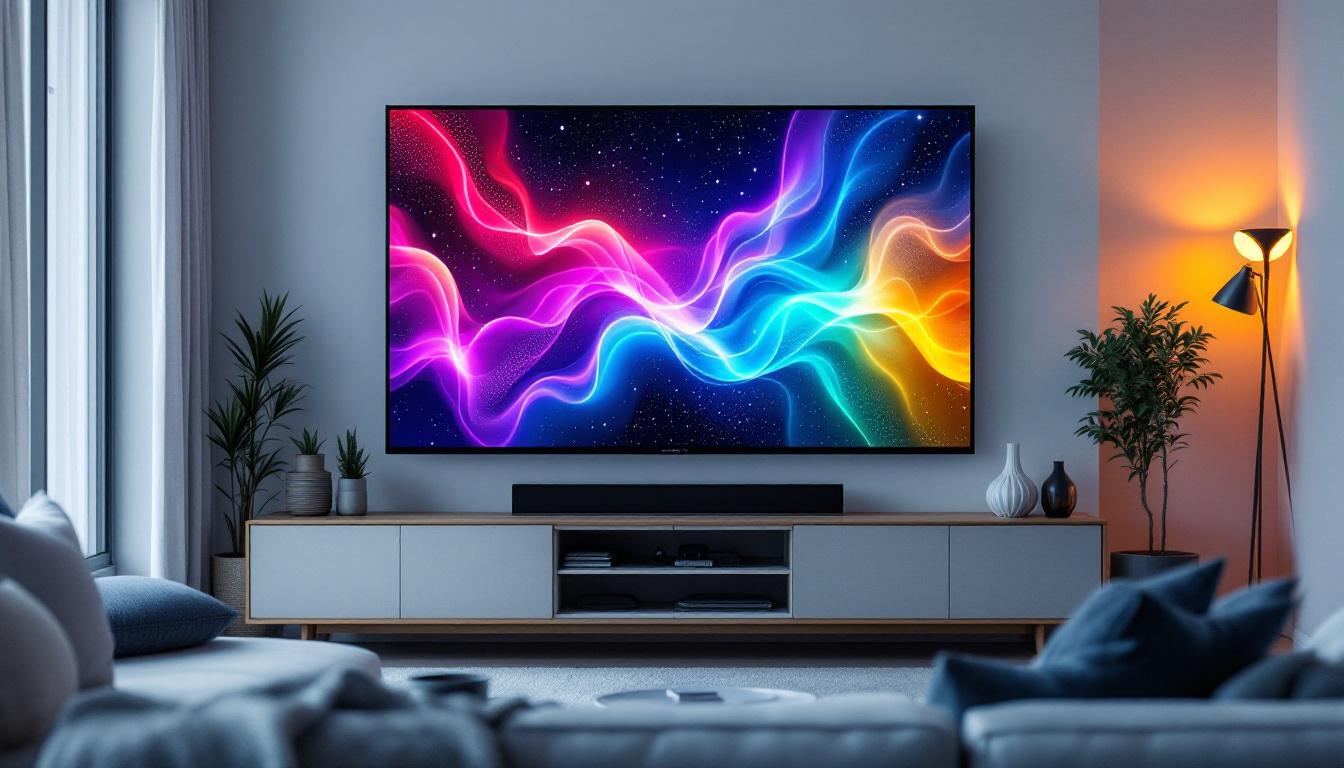
As consumer expectations for image quality rise, LED displays are evolving to support ultra-high-definition (UHD) resolutions and High Dynamic Range (HDR) content. These enhancements provide greater color depth, contrast, and detail, delivering a more immersive viewing experience.
Manufacturers continue to push the boundaries of pixel density and color accuracy, making LED displays competitive with OLED and other premium display technologies.
Energy Harvesting and Sustainability
Innovations in energy harvesting, such as integrating solar panels with outdoor LED displays, are emerging to reduce environmental impact further. Sustainable materials and manufacturing processes are also gaining traction, aligning with global efforts to reduce carbon footprints.
Conclusion
LED display technology has fundamentally changed the landscape of video screen displays, offering unparalleled brightness, versatility, and efficiency. From towering outdoor billboards to sleek indoor video walls, LED displays cater to a diverse range of applications, enhancing communication and visual experiences worldwide.
As technology advances, the integration of AI, improvements in resolution, and sustainable practices will continue to drive innovation in LED displays. For businesses, event organizers, and educators, understanding the capabilities and considerations of LED technology is essential for making informed decisions that maximize impact and value.
In a world increasingly reliant on visual media, LED displays remain at the forefront, illuminating the future of digital communication.
Discover LumenMatrix LED Display Solutions
Ready to elevate your visual experience with the latest in LED technology? LumenMatrix is at the cutting edge, offering a comprehensive range of LED display solutions tailored to your needs. From vibrant Indoor and Outdoor LED Wall Displays to innovative Vehicle and Sports LED Displays, our products are designed to captivate and engage your audience. Whether you’re looking for a Custom LED Display, an All-in-One solution, or the striking clarity of a Transparent LED Display, LumenMatrix has the expertise to bring your vision to life. Check out LumenMatrix LED Display Solutions today and see how we can transform your visual communication.