In today’s fast-paced digital landscape, video walls have emerged as a powerful medium for delivering impactful visual experiences. From corporate lobbies and retail environments to control rooms and entertainment venues, LED video walls are transforming how information and content are displayed. This article delves into the essentials of video wall design, focusing on LED display technology, its benefits, design considerations, and practical applications. Whether you’re a facility manager, AV integrator, or design professional, understanding the nuances of LED video walls will help you make informed decisions and create stunning visual installations.
Understanding LED Video Walls
What Is an LED Video Wall?
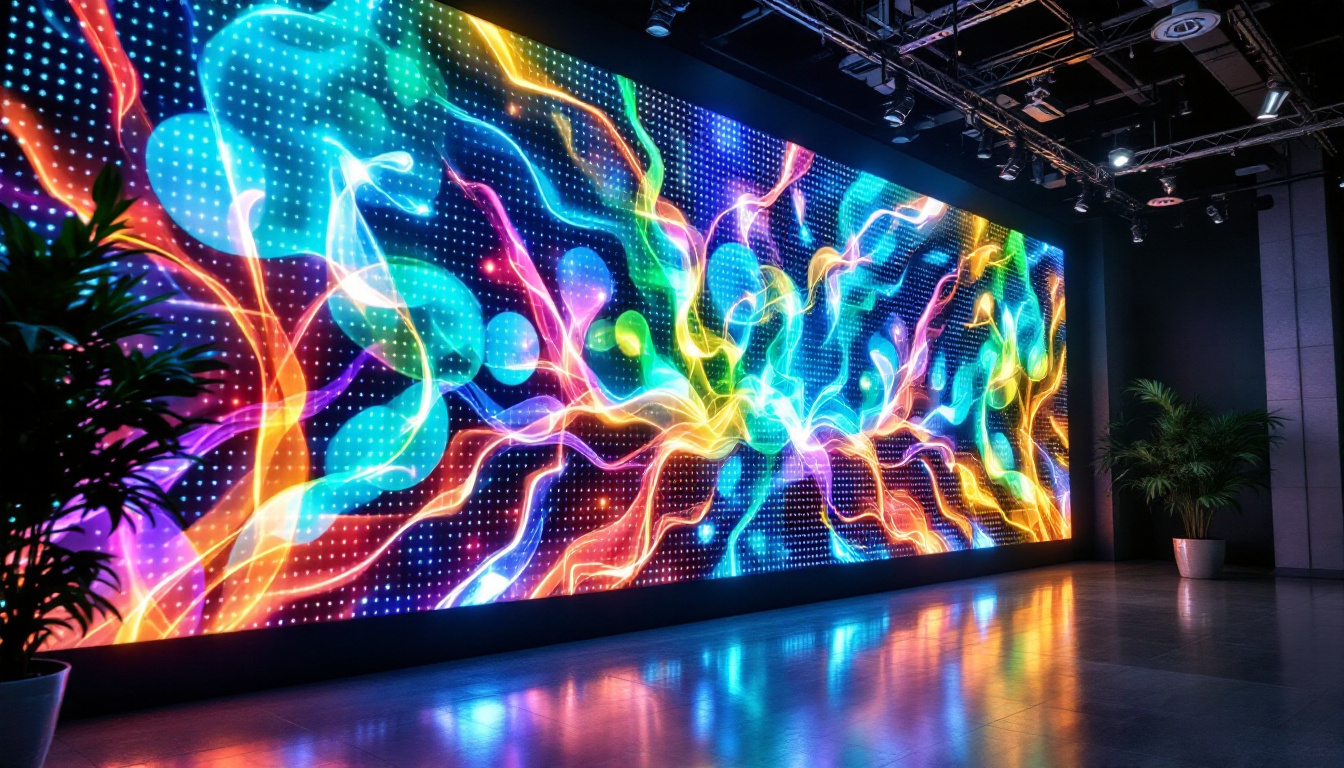
An LED video wall is a large-scale display composed of multiple LED panels seamlessly tiled together to form one continuous screen. Unlike traditional LCD screens, LED video walls use light-emitting diodes (LEDs) as the source of illumination, enabling higher brightness levels, better contrast ratios, and superior color accuracy.
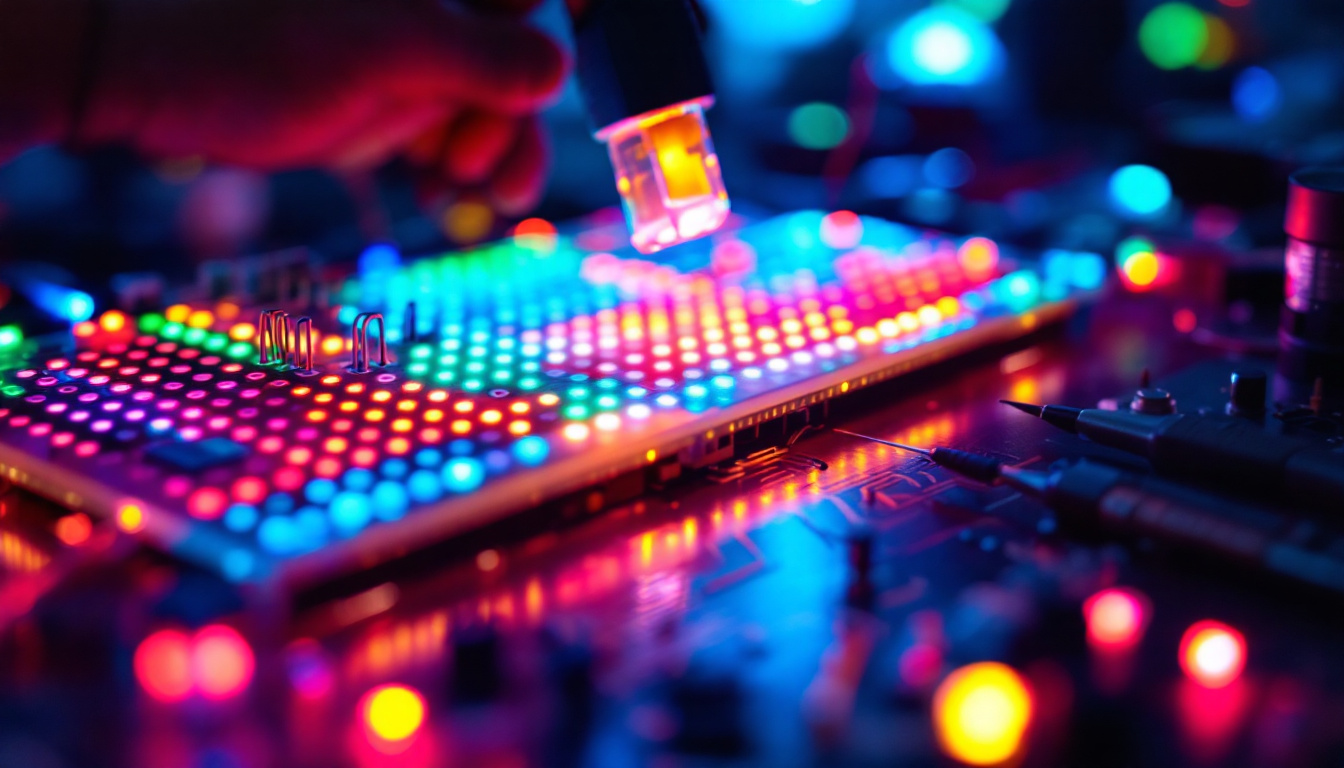
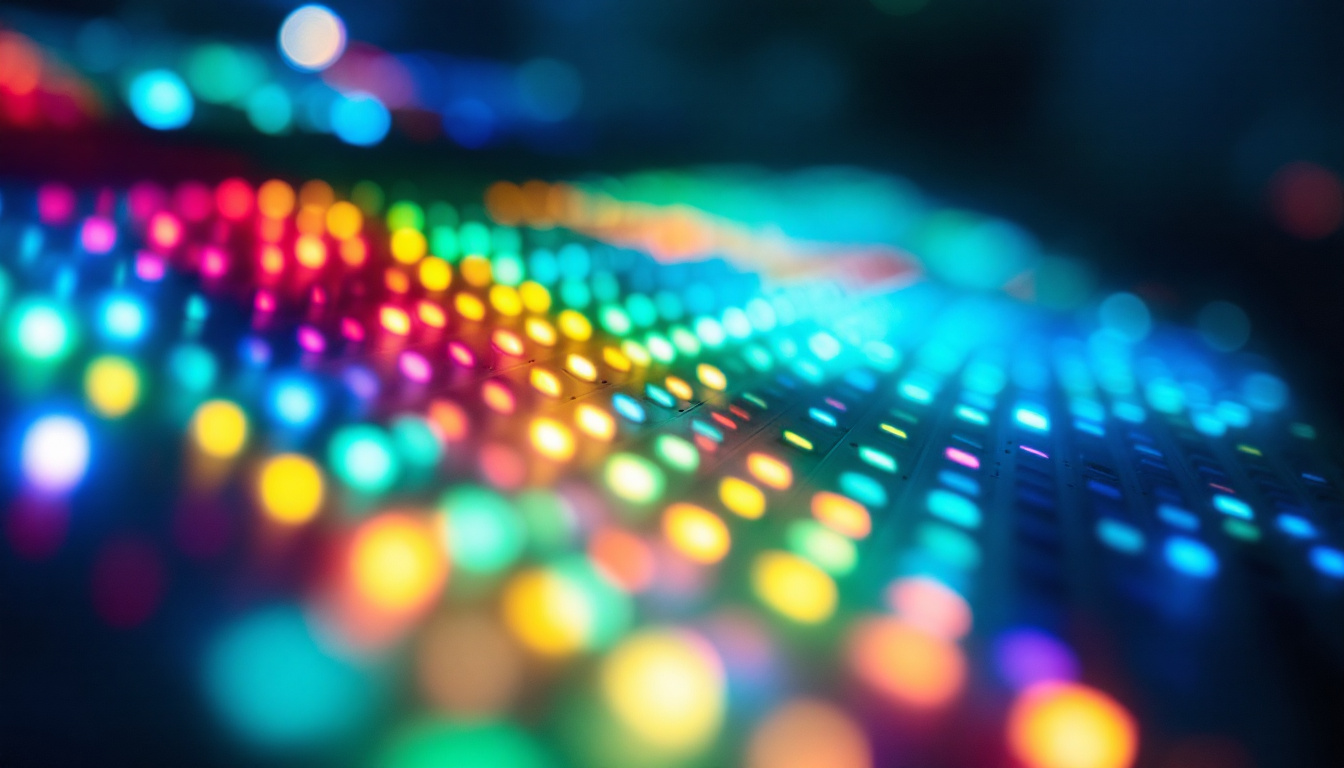
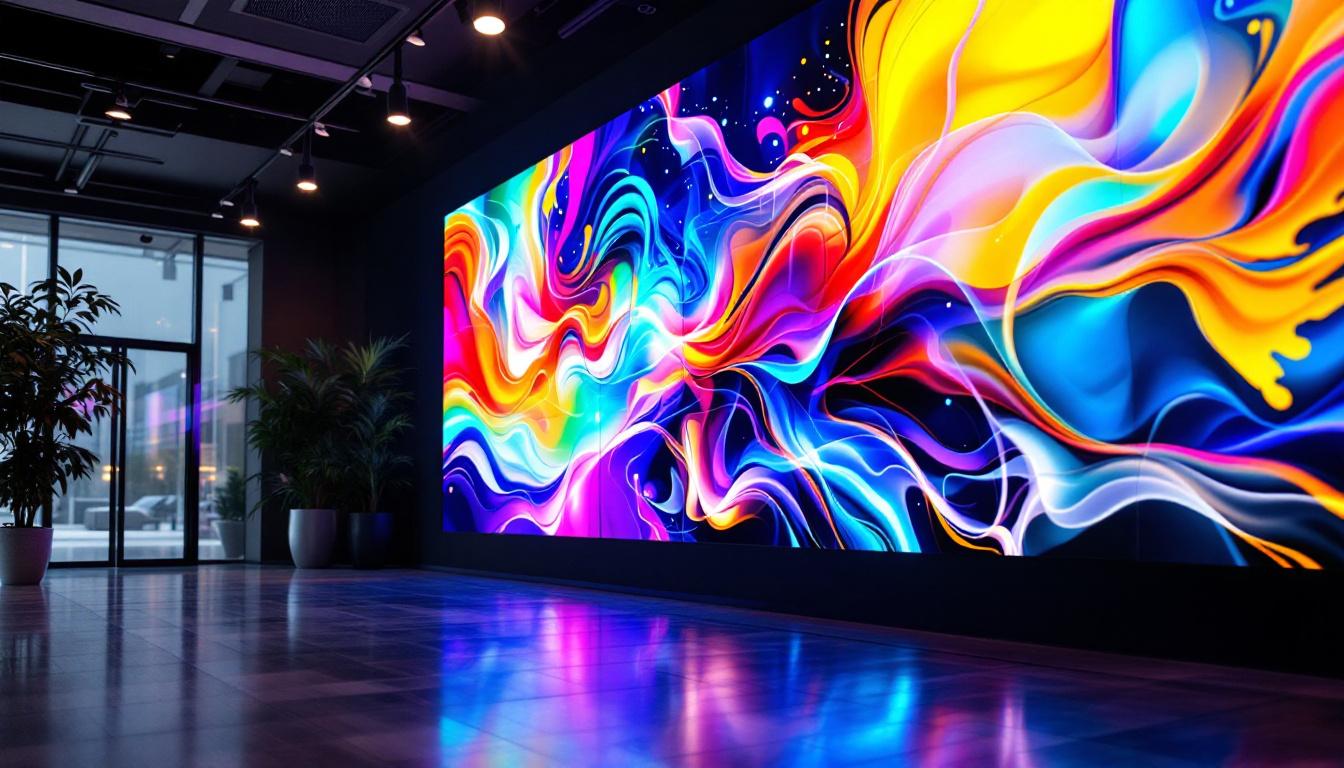
Each LED panel consists of thousands of tiny LEDs arranged in a matrix. These LEDs can be red, green, and blue (RGB), which combine to create a full spectrum of colors. The panels are designed to fit precisely edge-to-edge, minimizing bezels and creating an immersive viewing experience. This seamless integration not only enhances visual appeal but also allows for dynamic content display, making LED video walls a popular choice for events, exhibitions, and advertising.
Types of LED Video Walls
LED video walls come in various types based on pixel pitch, panel size, and intended use. The pixel pitch refers to the distance between the centers of two adjacent pixels and is measured in millimeters. A smaller pixel pitch means higher resolution and closer optimal viewing distance.
- Indoor LED Video Walls: These have a fine pixel pitch, typically ranging from 0.9mm to 4mm, making them suitable for close viewing distances such as conference rooms, retail stores, and broadcast studios.
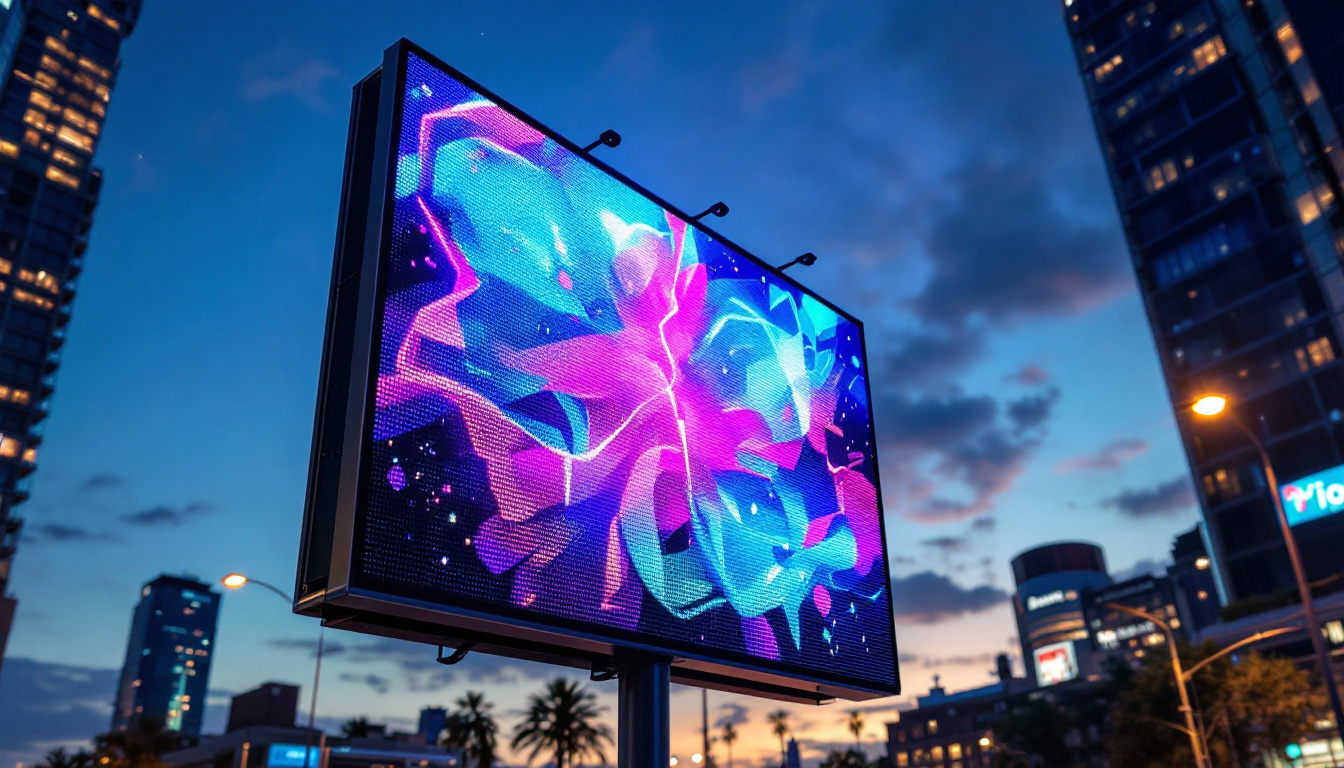
- Outdoor LED Video Walls: Designed to withstand harsh weather conditions, these have larger pixel pitches (4mm to 20mm or more) and higher brightness levels, ideal for stadiums, billboards, and public spaces.
- Transparent LED Screens: A newer innovation, these allow light to pass through the screen, making them perfect for storefront windows and architectural applications where visibility from both sides is desired.
In addition to these standard types, there are also specialized LED video walls designed for specific applications. For example, rental LED video walls are lightweight and modular, allowing for easy transport and setup at events such as concerts and trade shows. These systems often feature quick-lock mechanisms for rapid assembly and disassembly, catering to the fast-paced nature of live events. Furthermore, creative configurations like curved or spherical LED walls are becoming increasingly popular, offering unique visual experiences that can captivate audiences in ways traditional flat screens cannot.
Moreover, the technological advancements in LED video walls have led to the integration of smart features, such as remote monitoring and control, which allow operators to manage content and performance from anywhere. This capability is particularly beneficial for venues that host multiple events, as it enables quick updates and adjustments to the displayed content based on audience engagement or specific event requirements. As the market continues to evolve, the versatility and functionality of LED video walls are expected to expand, further solidifying their role as a vital tool in modern visual communication.
Advantages of LED Video Walls Over Other Display Technologies
Brightness and Visibility
One of the most significant advantages of LED video walls is their exceptional brightness. Indoor LED walls can reach brightness levels of 800 to 1,500 nits, while outdoor models can exceed 5,000 nits. This means content remains vibrant and visible even in brightly lit environments or direct sunlight, outperforming LCD and projection-based displays. The high brightness levels not only enhance visibility but also allow for a wider range of content to be displayed effectively, from dynamic video presentations to static images. This feature is particularly beneficial in outdoor advertising, where competing with natural light is essential for capturing the attention of passersby.
Moreover, the ability to adjust brightness levels dynamically ensures that content remains clear and engaging at all times. Advanced sensors can automatically calibrate brightness based on ambient light conditions, ensuring optimal visibility without manual intervention. This adaptability is crucial for venues that host a variety of events, as it allows for seamless transitions between different types of presentations, whether it be a corporate meeting during the day or a concert at night.
Color Accuracy and Contrast
LED technology offers superior color reproduction and contrast ratios. Since LEDs are self-emissive, they can achieve true blacks by turning off individual pixels, resulting in deeper contrast and more lifelike images. This capability is crucial for applications requiring high visual fidelity, such as digital signage and control rooms. The wide color gamut provided by LED technology allows for the display of a broader spectrum of colors, making images appear more vibrant and true to life. This is particularly important in fields like medical imaging, where accurate color representation can significantly impact diagnostics and patient care.
In addition to color accuracy, LED video walls can maintain consistent color performance across the entire display. This uniformity is essential for multi-panel setups, where color discrepancies can detract from the overall visual experience. Advanced calibration techniques and software ensure that each panel aligns perfectly in terms of color and brightness, providing a cohesive viewing experience that captivates audiences and enhances engagement.
Scalability and Customization
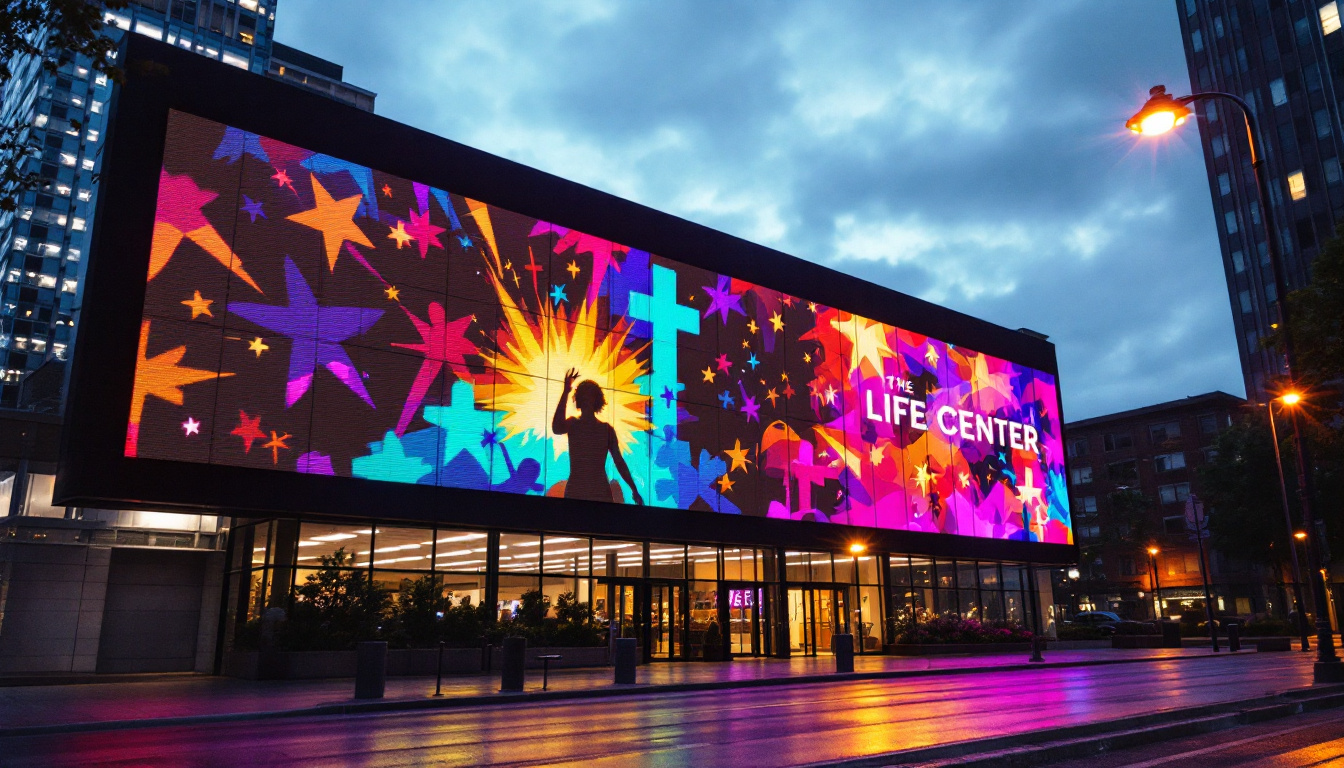
LED video walls are highly scalable and customizable. They can be assembled in virtually any size or shape, from small video walls in meeting rooms to massive installations covering entire building facades. This flexibility allows designers to tailor solutions to specific spatial and aesthetic requirements. Whether it’s a curved display that wraps around a corner or a large flat panel that dominates a lobby, the possibilities are nearly limitless. This adaptability makes LED video walls suitable for a wide range of applications, from retail environments to large-scale events.
Furthermore, the modular nature of LED panels means that they can be easily upgraded or expanded as needs change. Organizations can start with a smaller configuration and grow their display as their requirements evolve, making it a cost-effective solution in the long run. This scalability also extends to content management, as many LED video wall systems come equipped with advanced software that allows for easy content updates and scheduling, ensuring that the display remains fresh and relevant.
Durability and Longevity
LED panels are robust and have a long lifespan, often rated between 50,000 to 100,000 hours of operation. They are less prone to burn-in compared to OLED or plasma displays and can operate continuously with minimal maintenance, making them ideal for 24/7 applications. This durability is particularly advantageous for businesses that rely on constant visual communication, as it reduces the need for frequent replacements and repairs, ultimately saving costs over time.
Additionally, many LED video walls are designed to withstand harsh environmental conditions, including extreme temperatures and moisture. This resilience makes them suitable for both indoor and outdoor installations, ensuring that they can function effectively in a variety of settings, from bustling city streets to high-tech control rooms. The robust construction of LED panels also contributes to their safety, as they are less likely to shatter or break compared to traditional glass displays, providing peace of mind for operators and venue managers alike.
Key Design Considerations for LED Video Walls
Pixel Pitch and Viewing Distance
Choosing the appropriate pixel pitch is critical to ensuring a crisp and clear image. The general rule of thumb is that the optimal viewing distance (in meters) should be roughly equal to the pixel pitch (in millimeters) multiplied by 1.5 to 2. For example, a 2mm pixel pitch display is best viewed from approximately 3 to 4 meters away.
Designers must consider the primary audience and viewing environment. For close-up viewing, such as in control rooms, a fine pixel pitch is essential. Conversely, for large outdoor installations viewed from a distance, a coarser pixel pitch is more cost-effective and visually appropriate.
Resolution and Content Quality
The resolution of the video wall depends on the number of panels and their pixel pitch. Higher resolution walls allow for more detailed content, which is especially important for applications like data visualization and live broadcasts.
Content creators must produce or adapt media to match the resolution and aspect ratio of the video wall. Low-resolution content can appear pixelated or blurry when scaled up, detracting from the viewer experience.
Brightness and Ambient Light Conditions
Assessing ambient light conditions is vital for determining the required brightness level. Indoor environments with controlled lighting typically require lower brightness, while outdoor or brightly lit indoor spaces demand higher brightness to maintain visibility.
Some LED video walls come with ambient light sensors that automatically adjust brightness to optimize viewing comfort and reduce power consumption.
Installation and Maintenance
Proper installation is essential for achieving seamless panel alignment and minimizing visible bezels. Video walls often require specialized mounting structures and precise calibration to ensure uniform brightness and color across all panels.
Maintenance considerations include easy access to panels for repair or replacement, as well as monitoring systems to detect and address issues proactively. Modular designs facilitate quicker servicing and reduce downtime.
Heat Management and Power Consumption
LED video walls generate heat during operation, which must be managed to prevent performance degradation and extend lifespan. Effective ventilation, cooling systems, and heat-dissipating materials are integral to the design.
Power consumption varies depending on brightness, panel size, and usage patterns. Energy-efficient LED modules and power-saving features can help reduce operational costs, an important factor for large-scale or 24/7 installations.
Applications of LED Video Walls
Corporate and Commercial Spaces
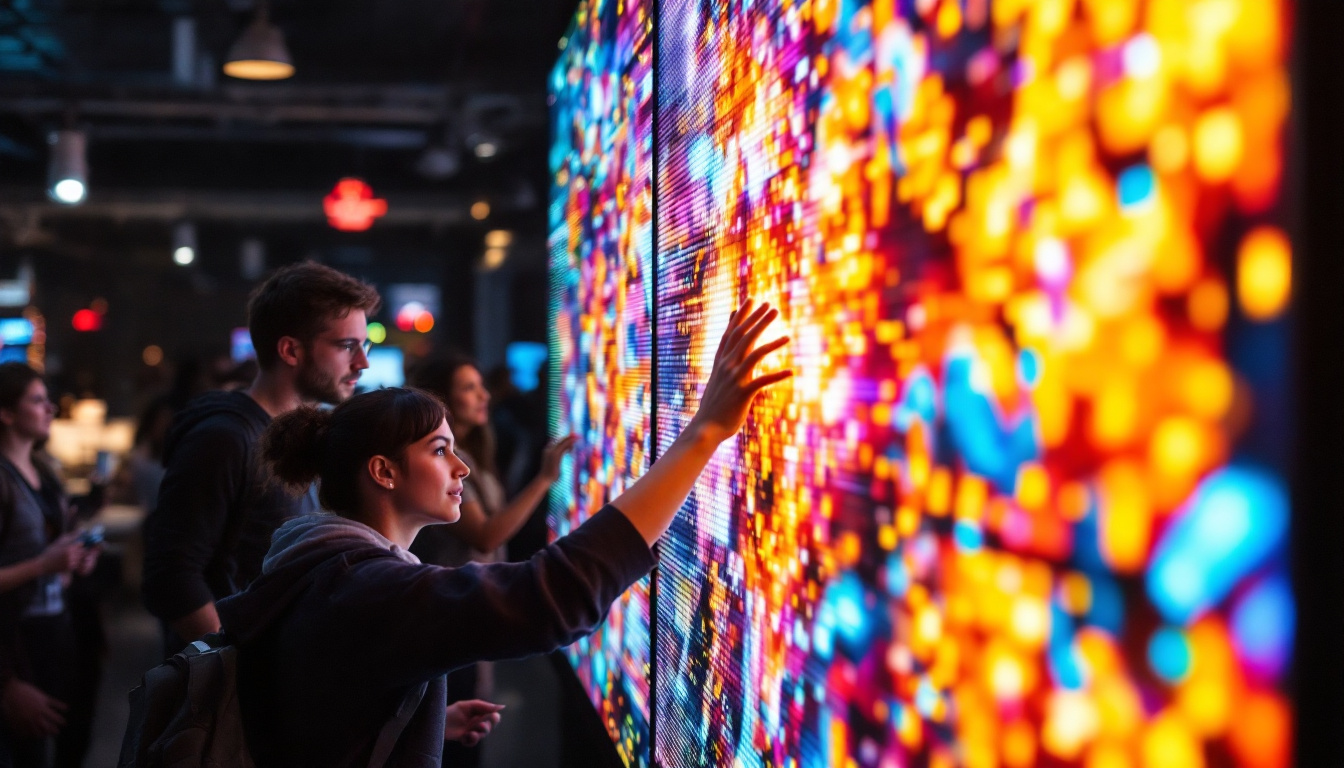
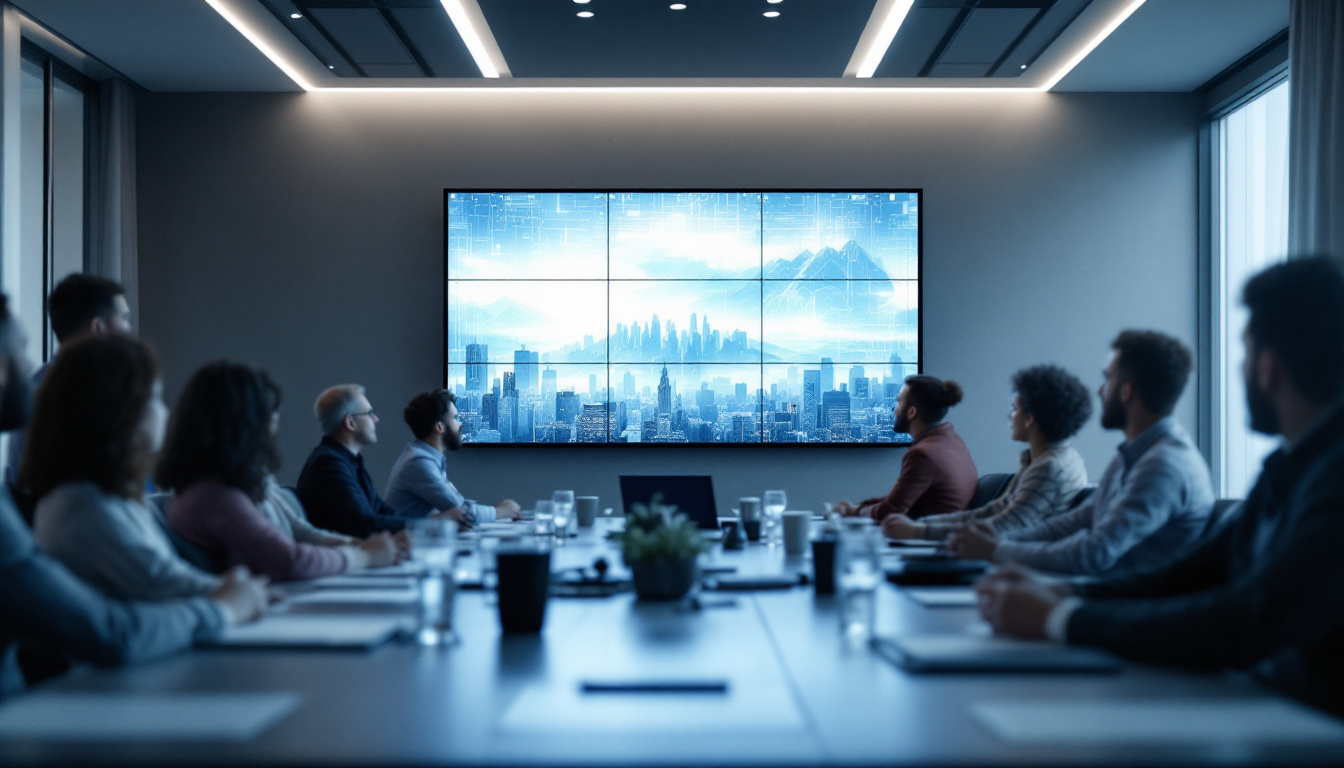
In corporate environments, LED video walls serve as dynamic communication tools in lobbies, conference rooms, and auditoriums. They enhance brand messaging, display real-time data, and facilitate engaging presentations.
Retailers use LED walls to create immersive shopping experiences, showcase promotions, and attract foot traffic. The ability to update content remotely and instantly adds to their appeal.
Control Rooms and Command Centers
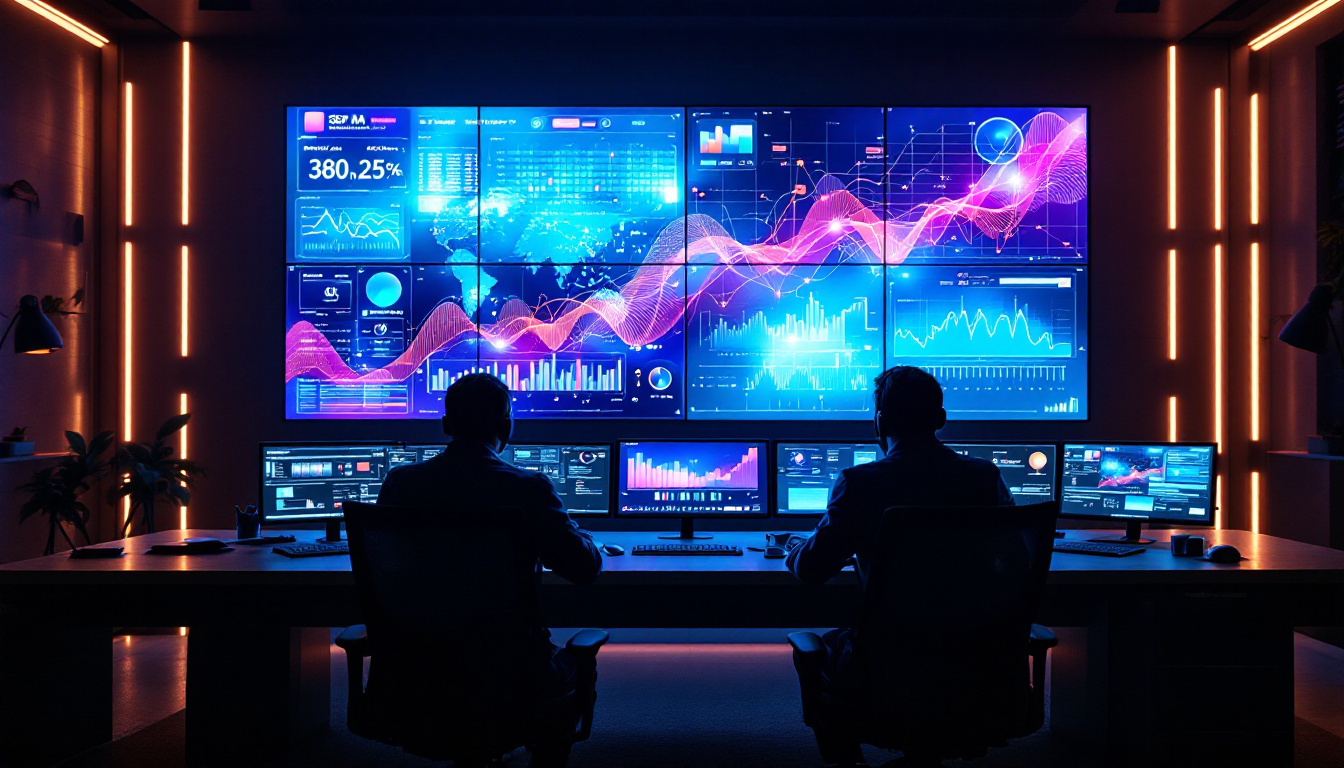
Control rooms benefit from the high resolution and reliability of LED video walls, which enable operators to monitor complex systems and respond swiftly to critical events. Examples include traffic management centers, utilities monitoring, and emergency response coordination.
Entertainment and Events
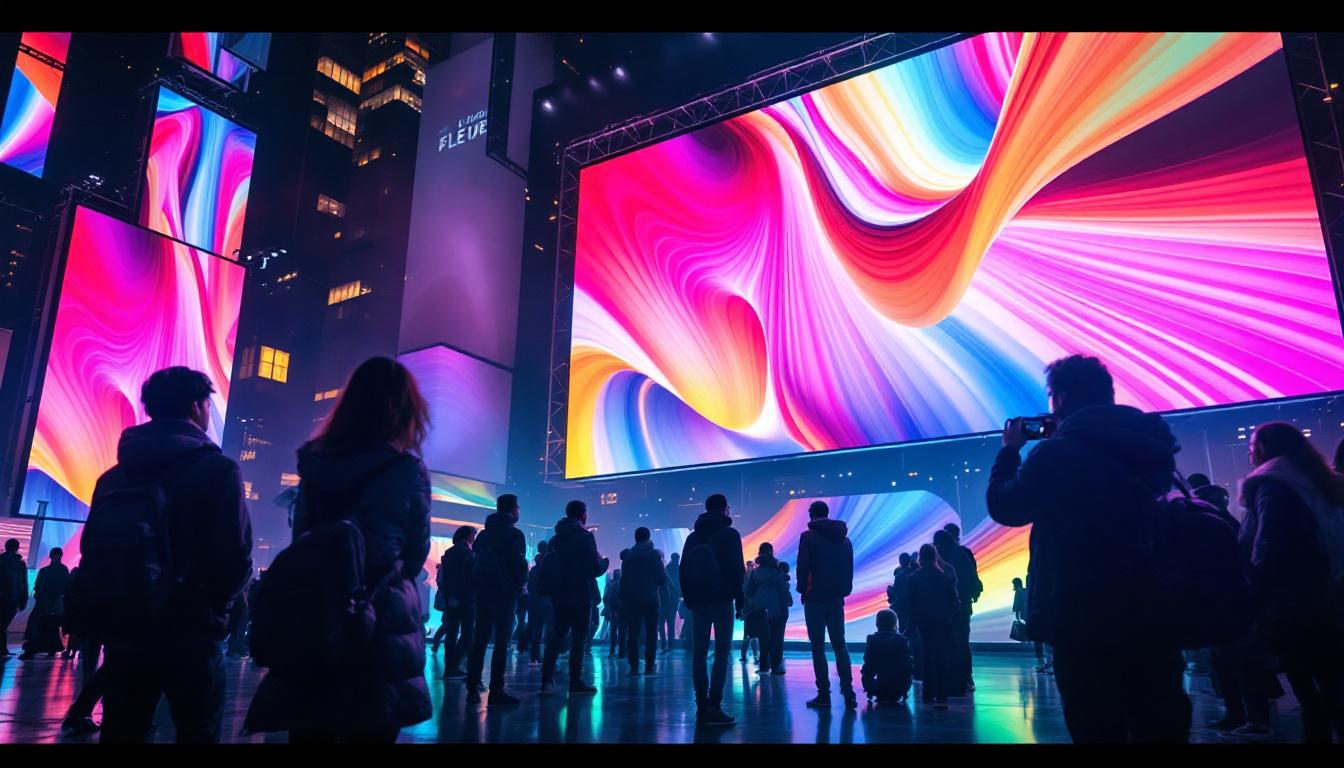
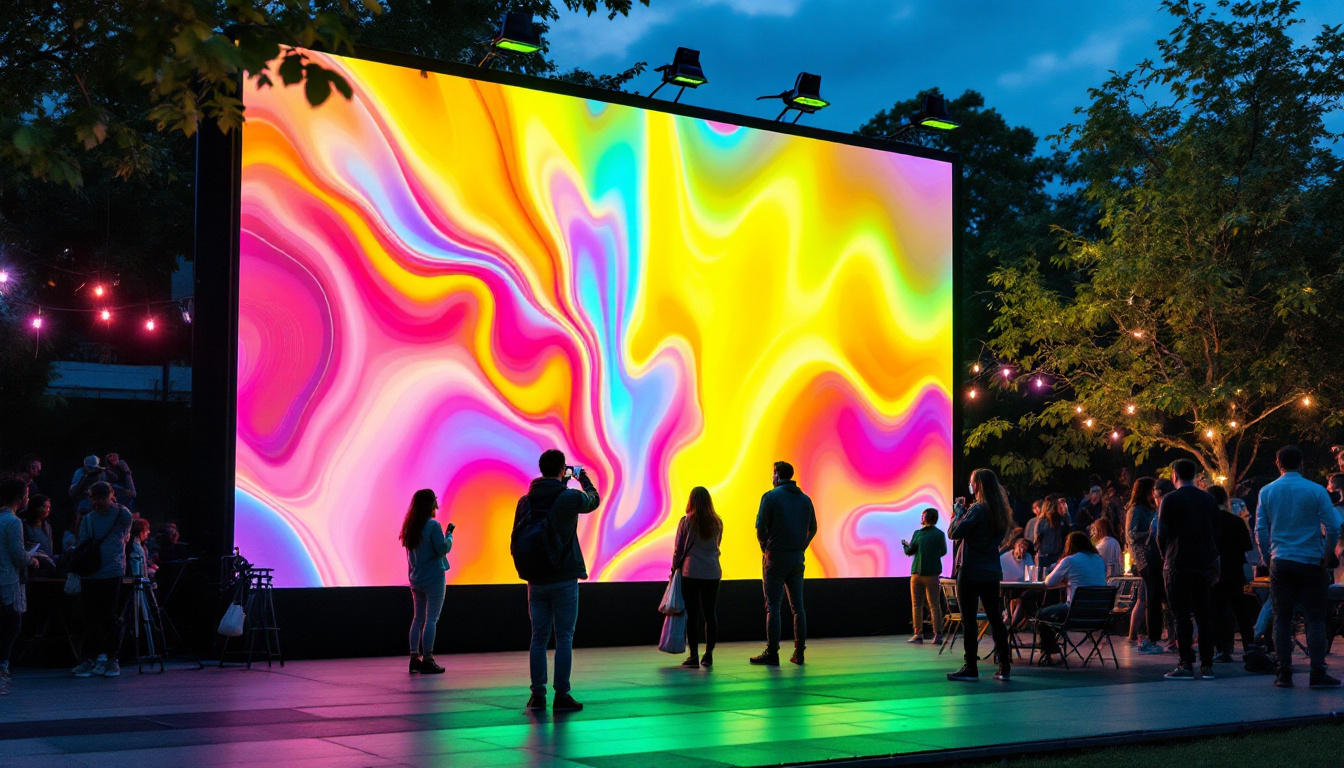
LED video walls have revolutionized live events, concerts, and sports arenas by providing large, bright, and flexible displays that enhance audience engagement. They can be configured into curved or irregular shapes to create unique visual effects.
Transportation Hubs and Public Spaces
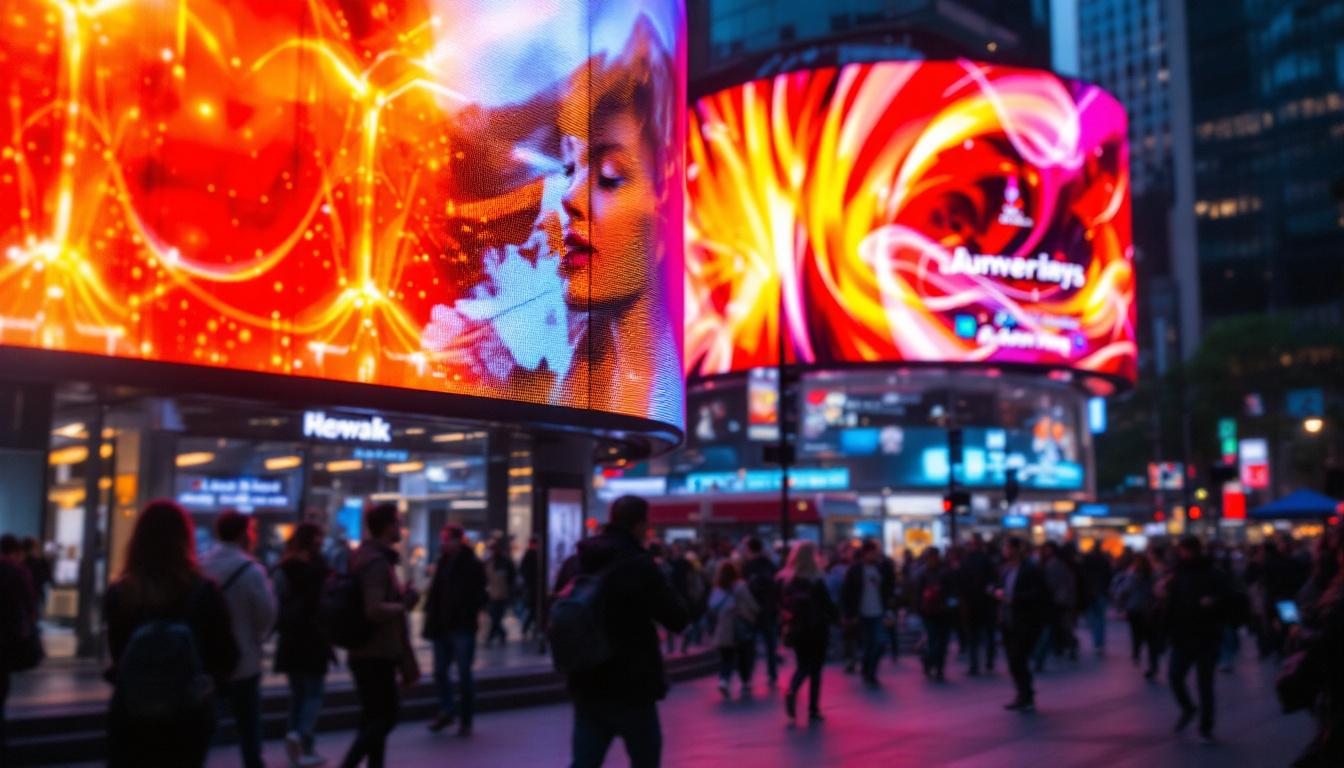
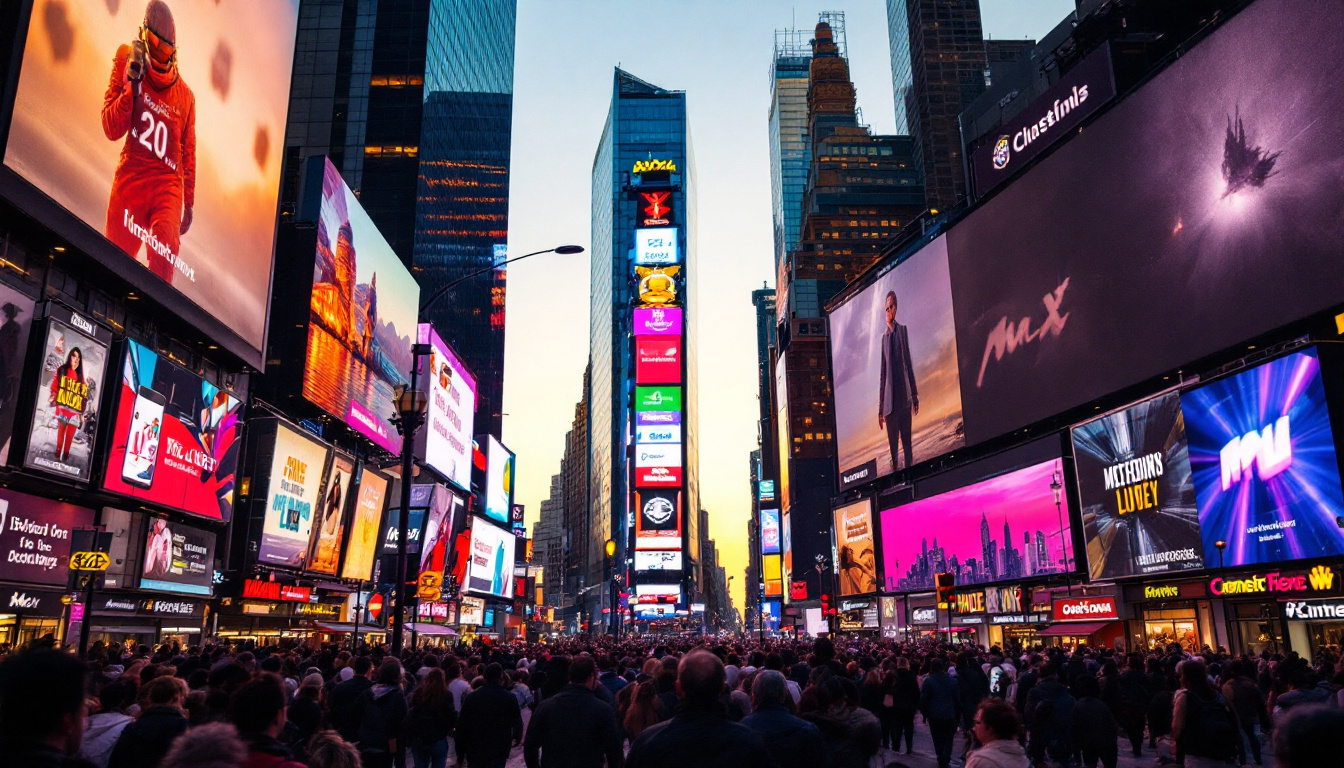
Airports, train stations, and public squares utilize LED video walls for wayfinding, advertising, and public information dissemination. Their durability and brightness make them well-suited for high-traffic, outdoor environments.
Future Trends in LED Video Wall Technology
MicroLED and MiniLED Innovations
Emerging technologies such as MicroLED and MiniLED promise even higher resolution, improved energy efficiency, and thinner form factors. MicroLED displays, in particular, offer near-OLED levels of contrast and color accuracy without the risk of burn-in.
Integration with AI and IoT
Artificial intelligence and Internet of Things (IoT) integration are enabling smarter video walls that can adapt content dynamically based on audience demographics, environmental conditions, and real-time data inputs. This enhances personalization and operational efficiency.
Flexible and Transparent Displays
Advancements in flexible LED panels are opening new possibilities for curved, foldable, and transparent video walls. These innovations expand creative design options and allow for seamless integration into architectural elements.
Conclusion
LED video walls represent a versatile and powerful display technology that continues to evolve rapidly. Their superior brightness, color accuracy, scalability, and durability make them an ideal choice for a wide range of applications. Successful video wall design requires careful consideration of pixel pitch, resolution, ambient conditions, and maintenance needs to maximize visual impact and operational reliability.
As technology advances, LED video walls will become even more immersive, intelligent, and adaptable, offering exciting opportunities for businesses, public spaces, and entertainment venues to captivate audiences and communicate effectively.
Discover LumenMatrix’s Innovative LED Display Solutions
Ready to elevate your space with the latest in LED display technology? LumenMatrix offers a comprehensive range of cutting-edge solutions tailored to meet your specific needs. From immersive Indoor and Outdoor LED Wall Displays to dynamic Vehicle and Sports LED Displays, our products are designed to captivate and engage your audience. Experience the future of visual communication with our Custom, All-in-One, and Transparent LED Displays. Don’t miss the opportunity to transform your brand’s visibility. Check out LumenMatrix LED Display Solutions today and bring your vision to life.