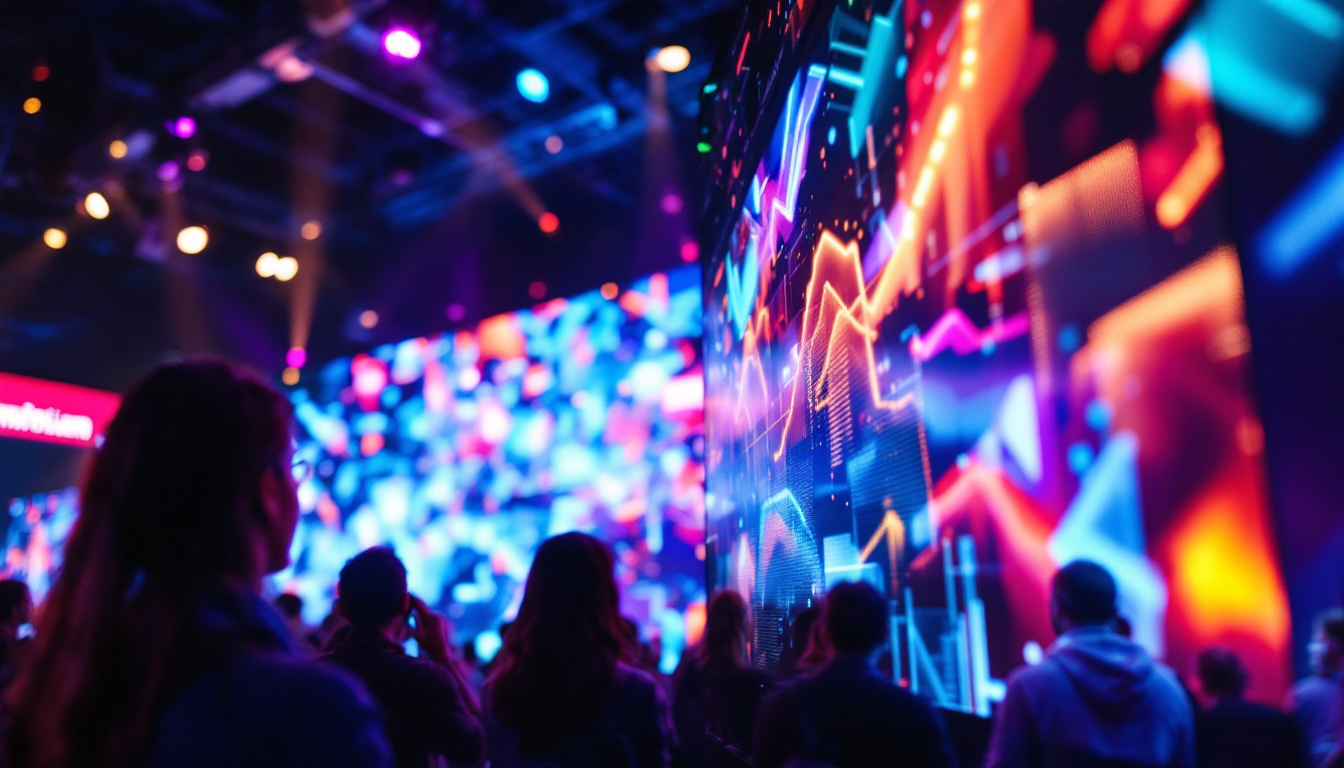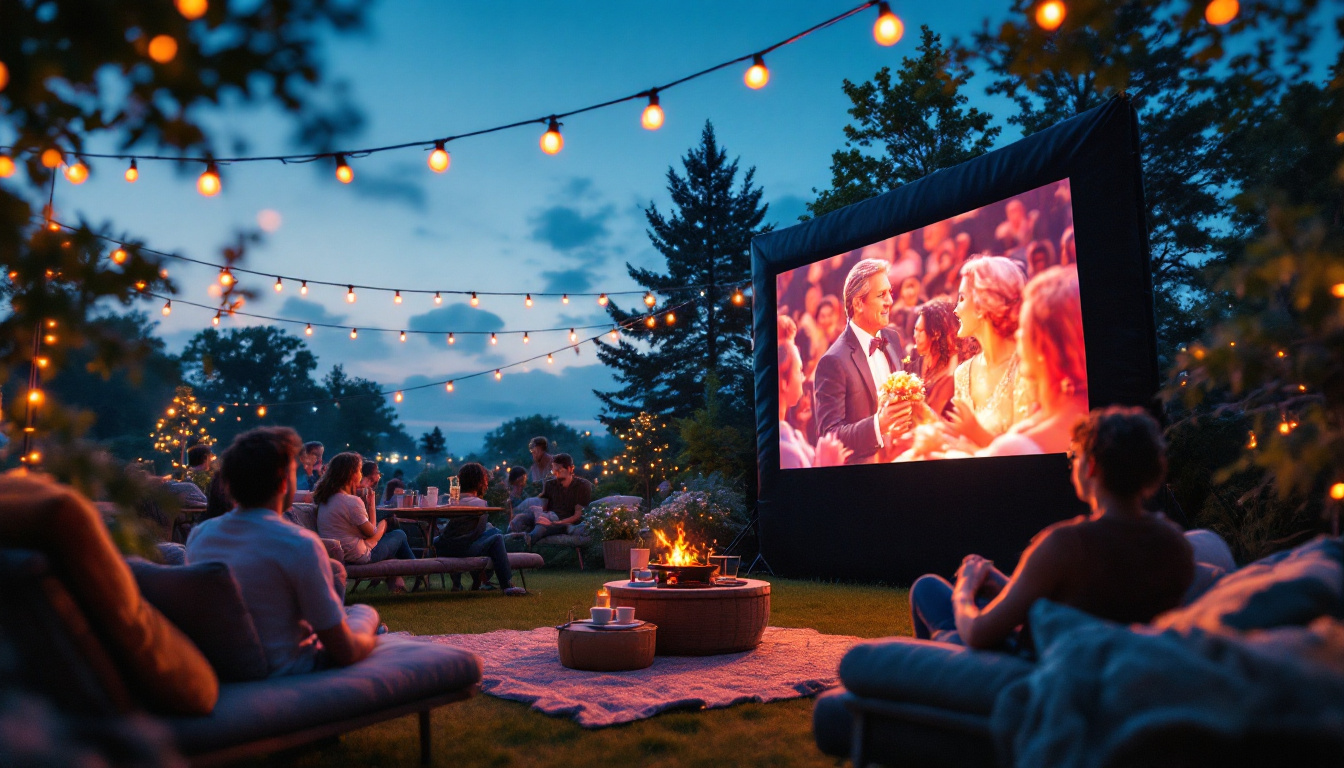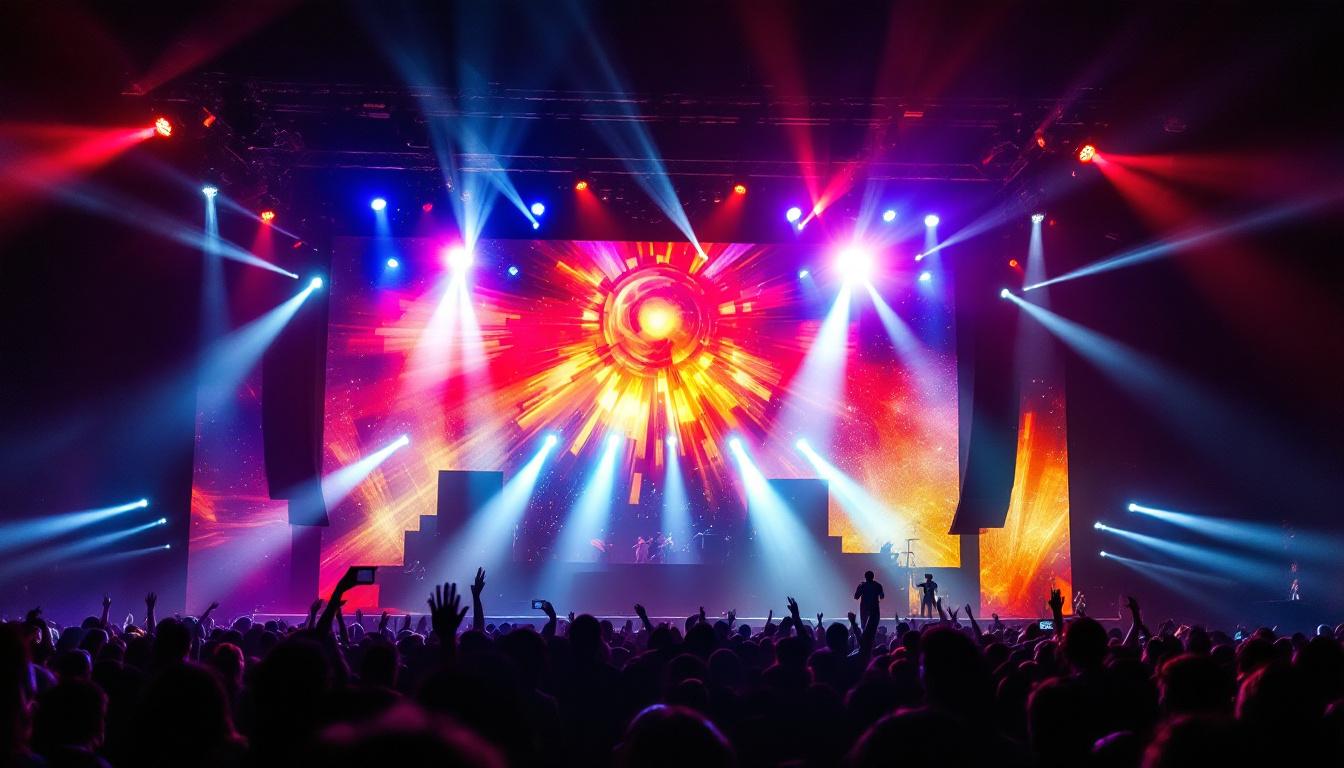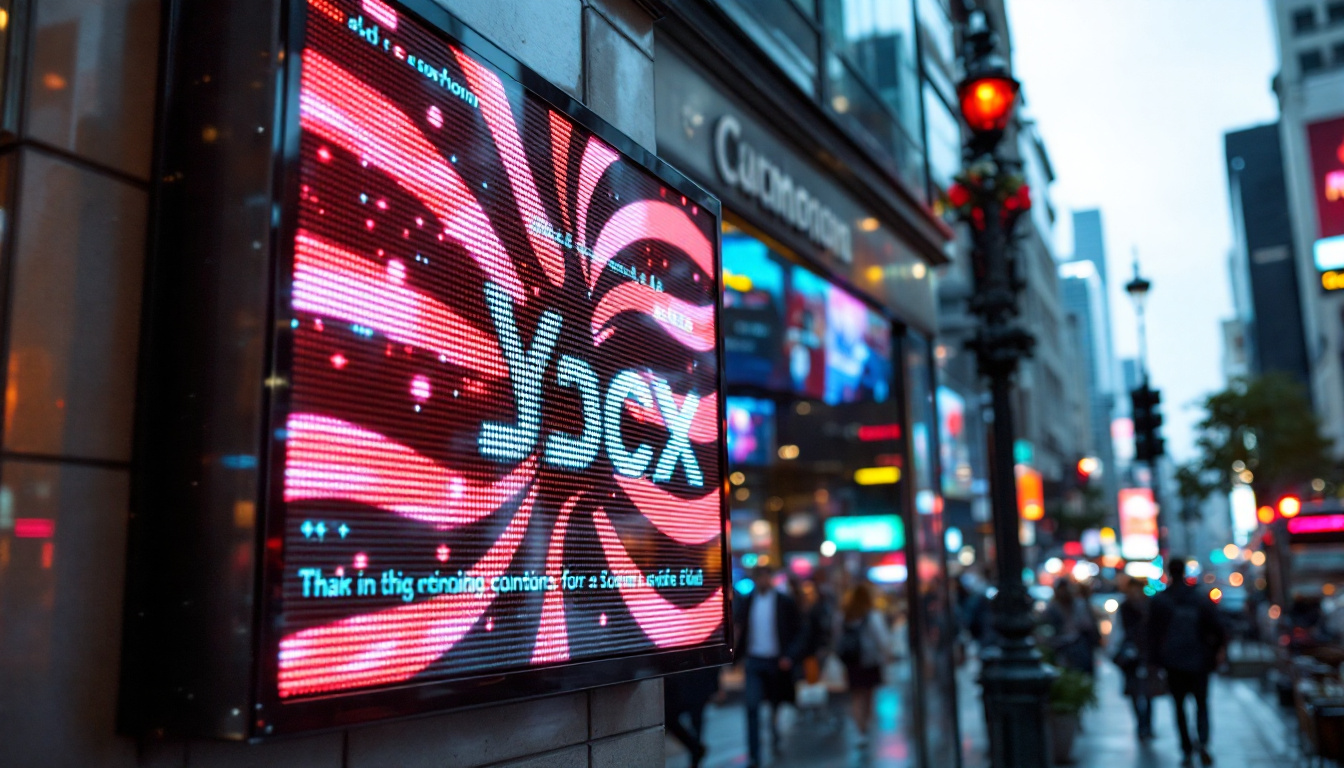
In the rapidly evolving world of digital signage and visual communications, LED displays have become a cornerstone technology. From stadiums and concert venues to retail storefronts and corporate lobbies, LED displays deliver vibrant, dynamic content that captures attention and conveys messages effectively. At the heart of these systems lies the video controller, a critical component that orchestrates the seamless display of images and videos across LED panels.
This article delves into the fundamentals of LED video controllers, explaining their role, types, features, and how they integrate with LED displays to produce stunning visual experiences. Whether you are a professional in the AV industry, a business owner considering an LED installation, or simply curious about the technology behind large-scale digital displays, this comprehensive guide will illuminate the key concepts and practical considerations.
Understanding LED Displays and Their Components
What is an LED Display?
LED (Light Emitting Diode) displays are screens composed of numerous tiny LED modules that emit light when electrically stimulated. Unlike LCD or projection technologies, LED displays generate their own light, resulting in higher brightness, better contrast, and superior viewing angles. This makes them ideal for both indoor and outdoor environments, where visibility under varying lighting conditions is crucial.
Modern LED displays can be configured in a variety of sizes and pixel pitches, allowing for customization based on viewing distance and resolution requirements. Pixel pitch, measured in millimeters, refers to the distance between the centers of two adjacent pixels and directly influences the image clarity and detail.
Key Components of an LED Display System
An LED display system consists of several integral parts:
- LED Modules: These are the building blocks of the display, containing clusters of red, green, and blue LEDs that combine to produce full-color images.
- Power Supply Units: Provide stable electrical power to the LED modules.
- Receiving Cards: Interface between the video controller and the LED modules, distributing video signals to the correct pixels.
- Video Controller: The brain of the system, managing input signals, processing video data, and controlling the output to the display.
- Control Software: Runs on a connected computer or embedded system, allowing operators to configure, schedule, and monitor content.
Among these, the video controller plays a pivotal role in ensuring that content is displayed accurately and smoothly, particularly in complex or large-scale installations.
The Role of Video Controllers in LED Displays
What Does a Video Controller Do?
A video controller acts as the intermediary between the source content (such as video players, computers, or live feeds) and the LED display panels. Its primary functions include:
- Signal Processing: Converting various input formats (HDMI, DVI, SDI, DisplayPort, etc.) into a format compatible with the LED display.
- Image Scaling and Mapping: Adjusting the resolution and mapping the content to the physical layout of the LED modules, ensuring images fit perfectly without distortion.
- Color Calibration: Managing color accuracy and brightness uniformity across the display to produce consistent and vibrant visuals.
- Synchronization: Coordinating multiple LED panels to display a unified image, especially important in video walls or large-scale setups.
- Content Management: Some advanced controllers include scheduling and switching capabilities to manage multiple content sources.
Without a capable video controller, even the highest-quality LED panels cannot deliver their full potential, as the content may appear distorted, out of sync, or poorly calibrated.
Why Video Controllers Matter for Different Applications
The importance of video controllers varies depending on the application:
- Live Events and Concerts: Controllers must support real-time video feeds, often from multiple cameras, with minimal latency and high reliability.
- Retail and Advertising: Controllers enable dynamic content scheduling, allowing businesses to target different audiences throughout the day.
- Sports Arenas and Stadiums: Controllers handle large, high-resolution displays that must synchronize perfectly for instant replays and live broadcasts.
- Corporate and Control Rooms: Controllers provide multi-window and multi-source display capabilities for monitoring and presentations.
Understanding the specific needs of each environment helps in selecting the right video controller to maximize the impact of the LED display.
Types of Video Controllers for LED Displays
Standalone vs. PC-Based Controllers
Video controllers generally fall into two main categories: standalone hardware units and PC-based software solutions.
- Standalone Controllers: These are dedicated hardware devices designed specifically for LED display control. They often feature multiple input ports, built-in processing power, and robust output interfaces. Standalone controllers are favored for their reliability, ease of use, and minimal latency, making them ideal for live events and permanent installations.
- PC-Based Controllers: These rely on software running on a standard or specialized computer to process and output video signals. They offer greater flexibility and scalability, with the ability to handle complex content management and integration with other systems. However, they may require more technical expertise to configure and maintain.
Choosing between these depends on factors such as installation complexity, budget, and the level of control required.
Sending Cards and Receiving Cards
Within the LED display ecosystem, sending cards and receiving cards work closely with the video controller:
- Sending Cards: Installed in the video controller or PC, sending cards convert video data into signals suitable for LED modules. They segment the image and distribute it to the correct receiving cards.
- Receiving Cards: Located within the LED modules, receiving cards decode the signals from sending cards and control the individual LEDs accordingly.
This division of labor ensures efficient data transmission and precise control over the display, especially in large-scale video walls.
Advanced Controller Features
Modern video controllers come equipped with a variety of advanced features to enhance performance and usability:
- Multi-Screen Splicing: Combining multiple LED panels into one large, seamless display.
- Edge Blending: Overlapping images from adjacent projectors or panels to create a continuous picture.
- 3D and HDR Support: Enabling richer, more immersive visual experiences.
- Remote Monitoring and Diagnostics: Allowing operators to monitor system health and troubleshoot issues remotely.
- Redundancy and Failover: Ensuring continuous operation by automatically switching to backup systems in case of failure.
How to Choose the Right Video Controller for Your LED Display
Assessing Your Display Requirements
Before selecting a video controller, it is essential to analyze your LED display’s specifications and intended use:
- Resolution and Size: Higher resolution and larger displays require controllers capable of handling greater data bandwidth and processing power.
- Input Sources: Identify the types and number of video inputs needed, such as HDMI, SDI, or DisplayPort, and whether live feeds or pre-recorded content will be used.
- Content Complexity: Consider whether you need multi-window layouts, dynamic content switching, or interactive capabilities.
- Installation Environment: Indoor vs. outdoor, fixed vs. mobile setups, and environmental conditions can influence controller choice.
Compatibility and Integration
Ensuring compatibility between the video controller and LED modules is critical. Factors to verify include:
- Pixel Pitch Support: Controllers must support the pixel pitch and resolution of the LED modules.
- Signal Protocols: Compatibility with sending and receiving cards, as well as input/output interfaces.
- Software Ecosystem: Availability of user-friendly control software and integration with existing content management systems.
Budget Considerations
Video controllers range widely in price, from affordable entry-level models to high-end professional units costing tens of thousands of dollars. Balancing budget with performance needs is crucial. Investing in a reliable, feature-rich controller can reduce maintenance costs and improve the longevity and effectiveness of the LED display.
Installation and Maintenance Best Practices
Proper Setup and Calibration
Installing a video controller requires careful attention to detail to ensure optimal performance:
- Signal Testing: Verify all input signals and connections before finalizing installation.
- Color Calibration: Use calibration tools and software to achieve uniform brightness and color accuracy across the display.
- Firmware Updates: Keep the controller’s firmware up to date to benefit from the latest features and security improvements.
Routine Maintenance and Troubleshooting
Regular maintenance helps prevent downtime and prolongs system life:
- Inspect cables and connectors for wear or damage.
- Monitor system performance using built-in diagnostics.
- Schedule periodic recalibration to maintain image quality.
- Keep backup configurations and firmware readily available.
Promptly addressing issues such as signal loss, flickering, or synchronization errors can save significant time and expense.
Future Trends in LED Video Controllers
Increased Integration with AI and IoT
Emerging technologies are transforming LED video controllers into smarter, more autonomous devices. Artificial intelligence (AI) algorithms can optimize color calibration dynamically, adjust brightness based on ambient light, and even analyze audience engagement to tailor content in real-time.
Integration with the Internet of Things (IoT) enables remote monitoring and predictive maintenance, reducing downtime and operational costs. These advancements promise to make LED display management more efficient and responsive.
Higher Resolutions and New Display Formats
As 4K and even 8K LED displays become more accessible, video controllers must evolve to handle exponentially larger data streams. Additionally, flexible and transparent LED panels are opening new possibilities for creative installations, requiring controllers with enhanced mapping and processing capabilities.
Cloud-Based Content Management
Cloud integration allows content to be managed, scheduled, and updated from anywhere in the world. Video controllers are increasingly supporting cloud-based workflows, enabling seamless collaboration and rapid content deployment across multiple locations.
Conclusion
Video controllers are indispensable components in the ecosystem of LED displays, translating raw video signals into breathtaking visual experiences. Understanding their functions, types, and features is essential for anyone involved in selecting, installing, or managing LED display systems.
By carefully assessing display requirements, ensuring compatibility, and embracing emerging technologies, businesses and event organizers can maximize the impact of their LED installations. As LED technology continues to advance, video controllers will remain at the forefront, driving innovation in digital visual communication.
Explore Cutting-Edge LED Display Solutions with LumenMatrix
Ready to elevate your visual communication with the latest in LED technology? Discover LumenMatrix’s comprehensive range of LED display solutions, from vibrant Indoor and Outdoor LED Wall Displays to innovative Vehicle and Floor LED Displays. Whether you’re looking to captivate your audience with a Custom LED Display or streamline your message with an All-in-One LED Display, LumenMatrix has the state-of-the-art modules to make your vision a reality. Experience the transformative power of LED Transparent Displays and LED Sports Displays designed to engage and inspire. Check out LumenMatrix LED Display Solutions today and join the revolution in digital signage excellence.