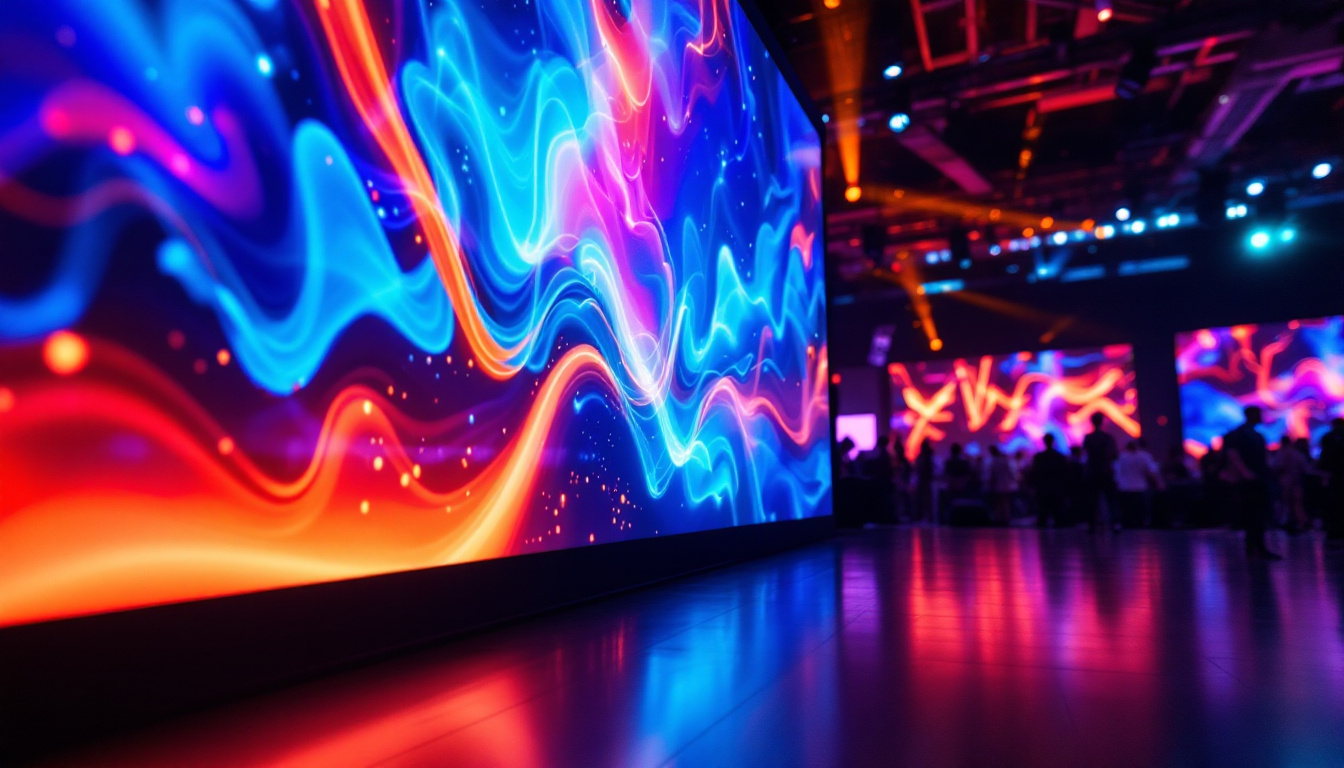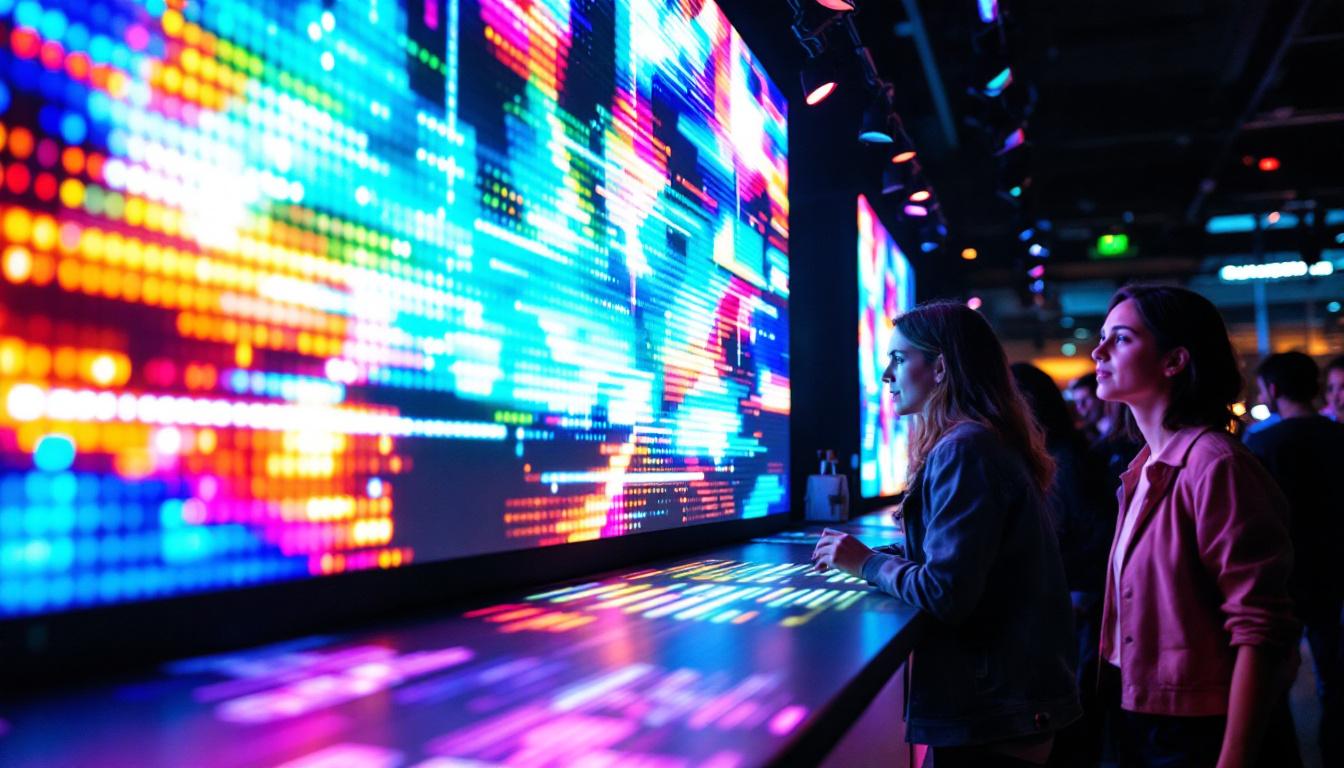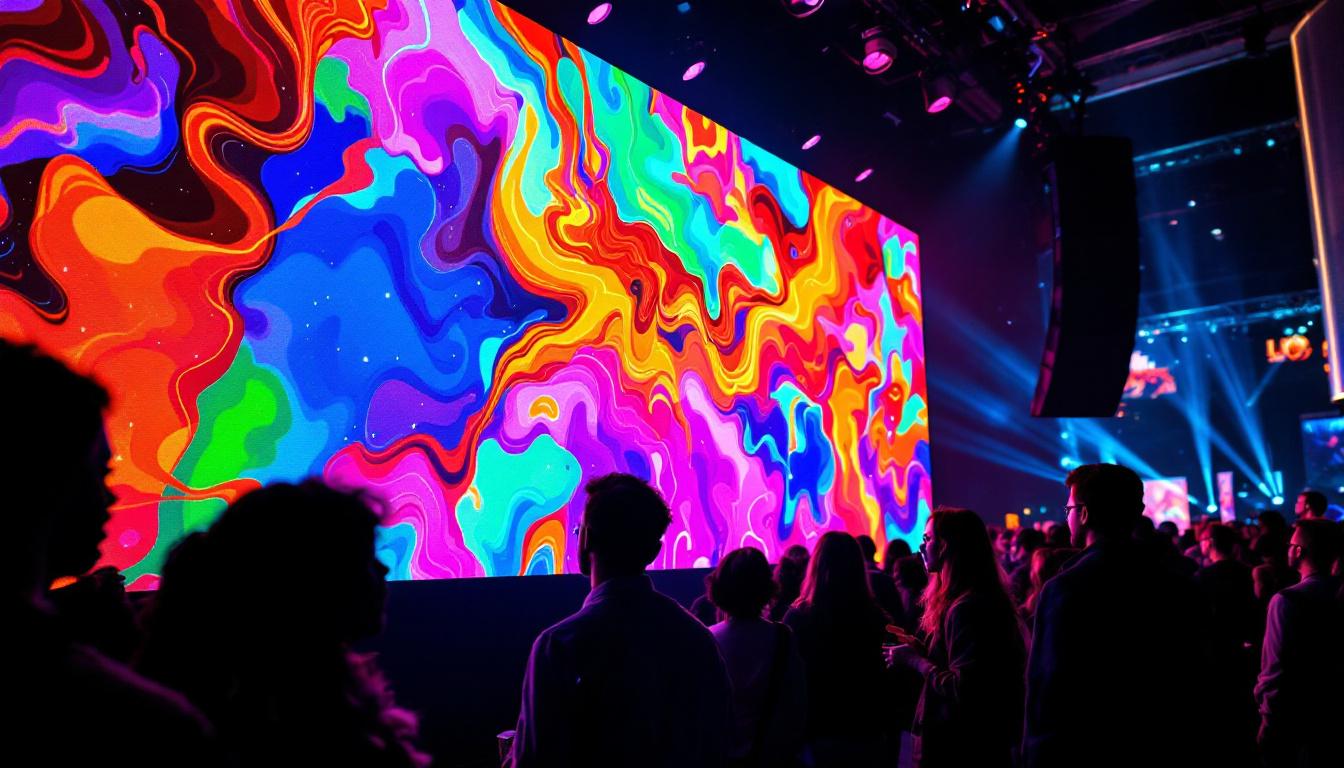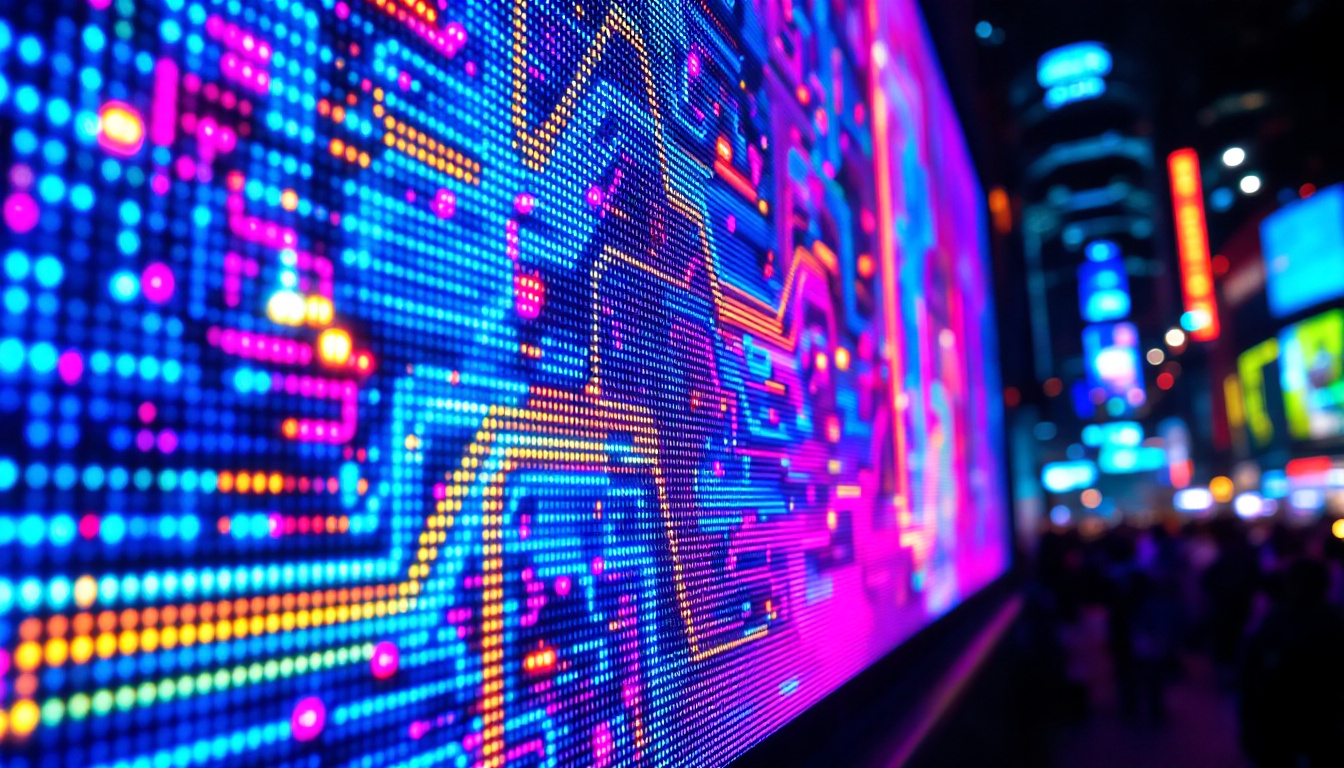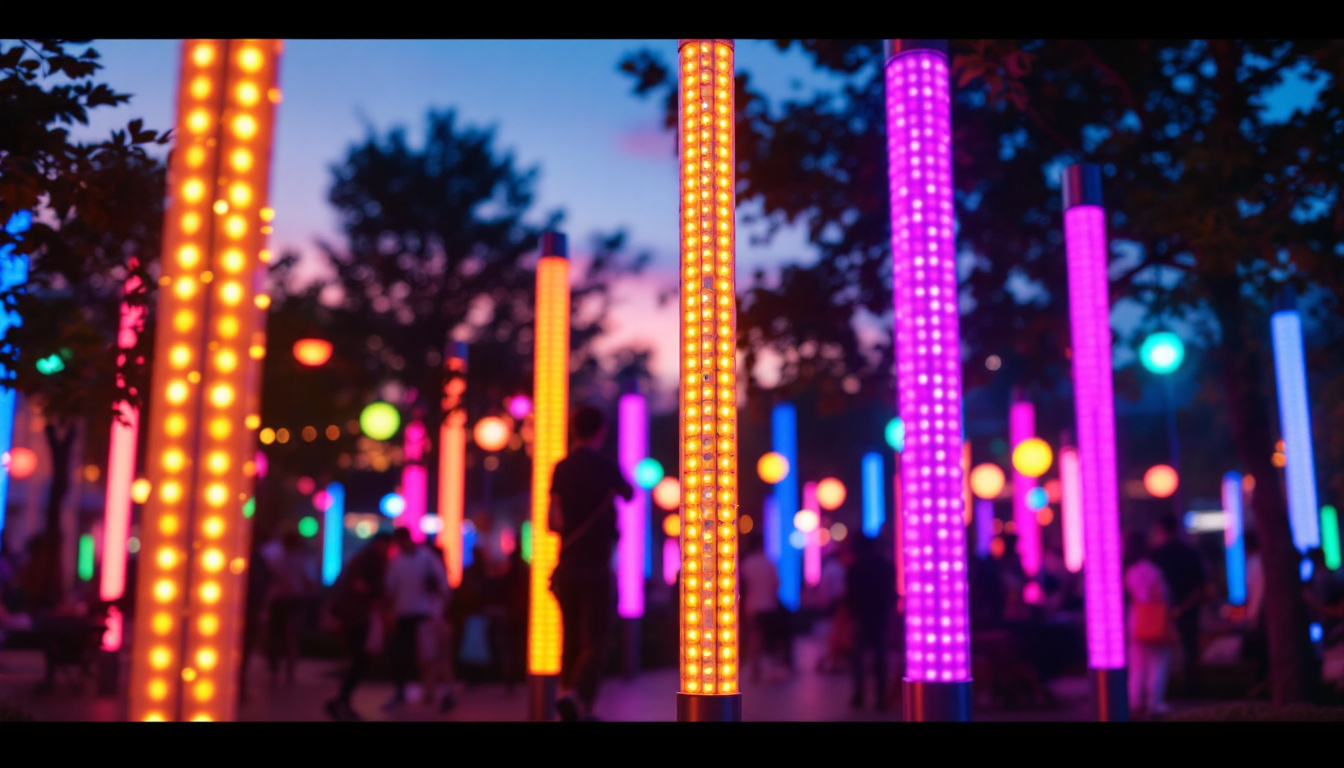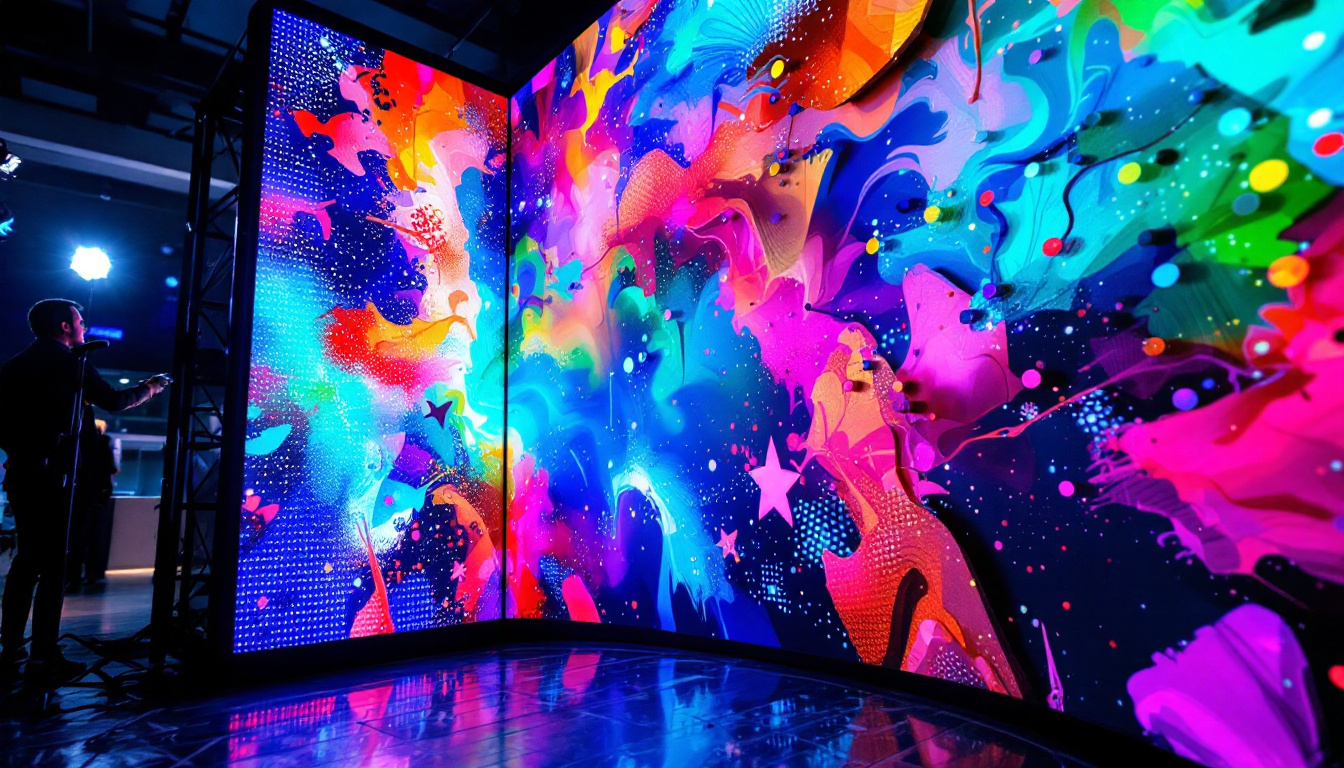
In today’s digital age, LED displays have become ubiquitous, transforming the way information is presented across various industries. From vibrant billboards in bustling city centers to the crisp screens of smartphones and televisions, LED technology is at the heart of modern visual communication. But what exactly is an LED display, and how does it work? This article delves into the intricacies of LED displays, exploring their definition, technology, types, and the reasons behind their widespread adoption.
Understanding LED Display Technology
What Is an LED Display?
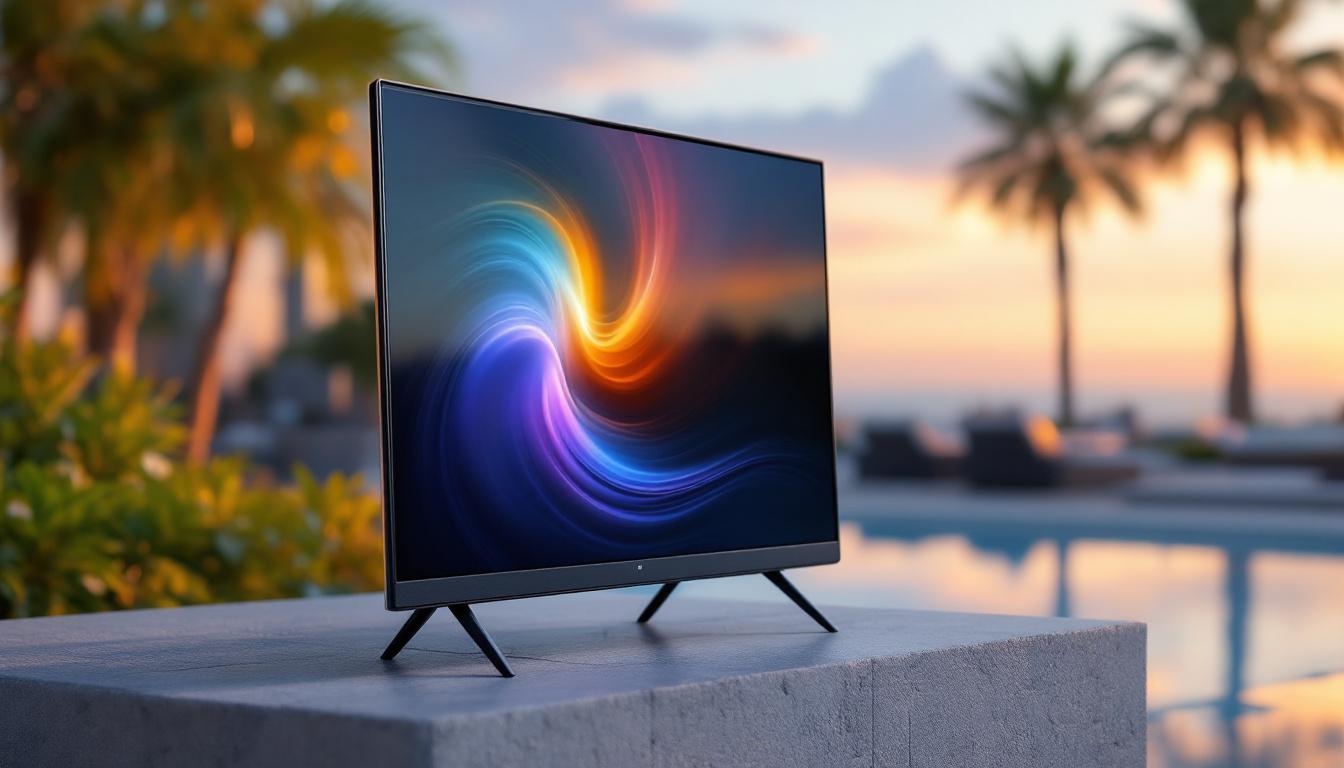
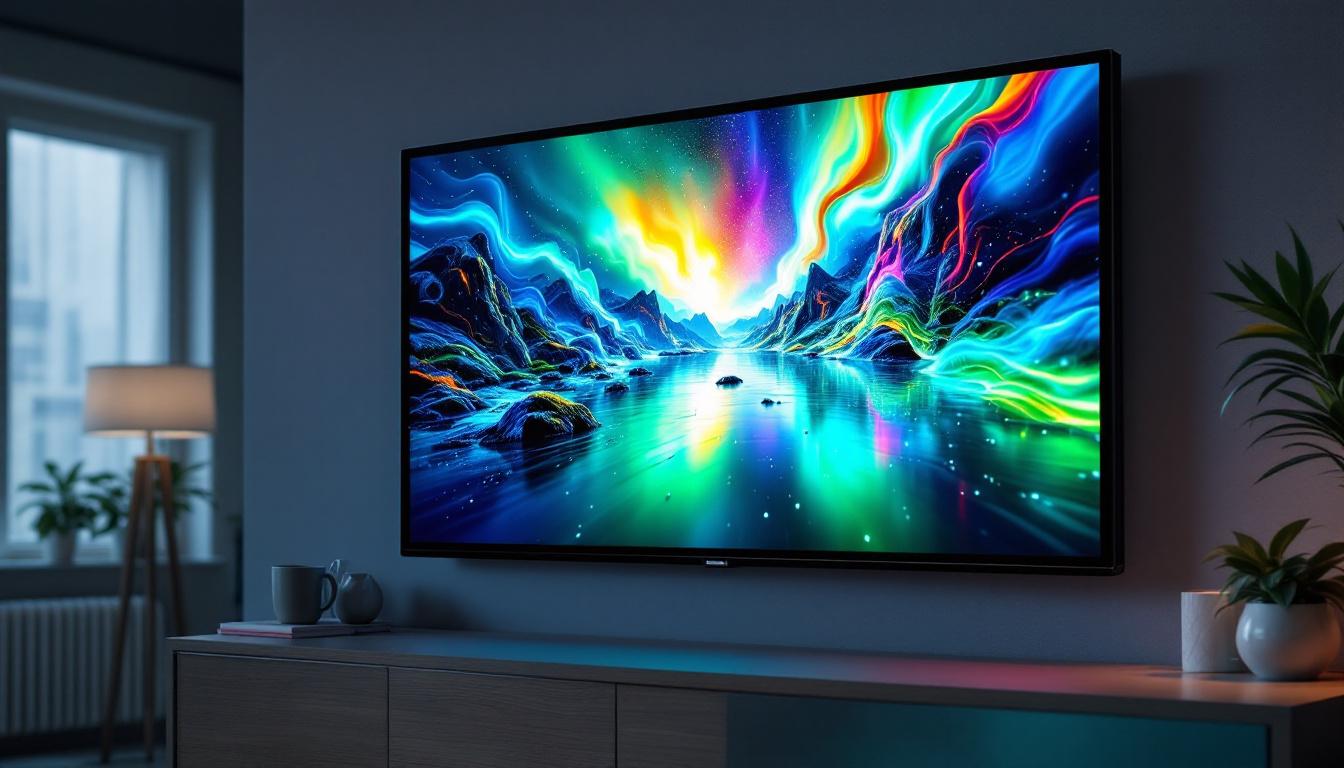
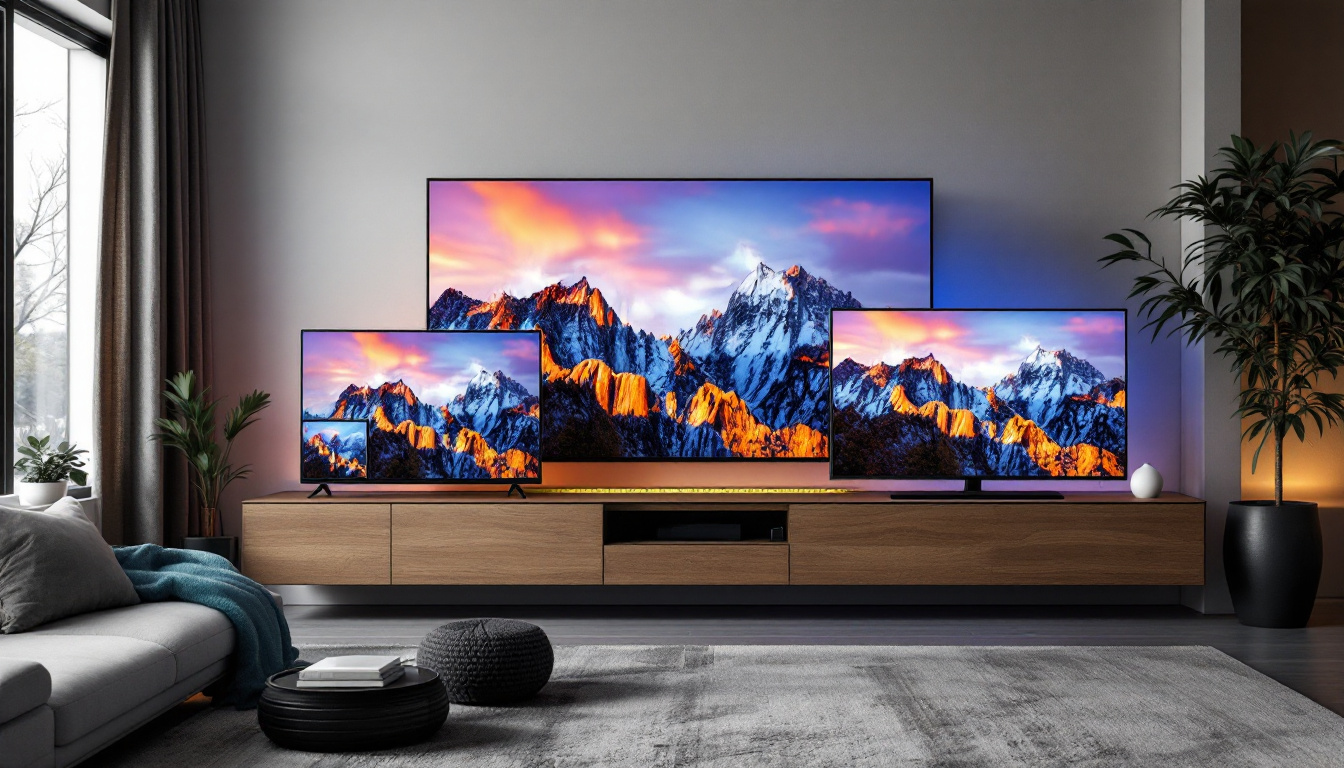
LED stands for Light Emitting Diode, a semiconductor device that emits light when an electric current passes through it. An LED display is a flat panel display that uses an array of these tiny light-emitting diodes as pixels to produce images, videos, and text. Unlike traditional display technologies such as LCD (Liquid Crystal Display) or plasma screens, LED displays rely on these diodes to generate light directly, offering superior brightness and energy efficiency.
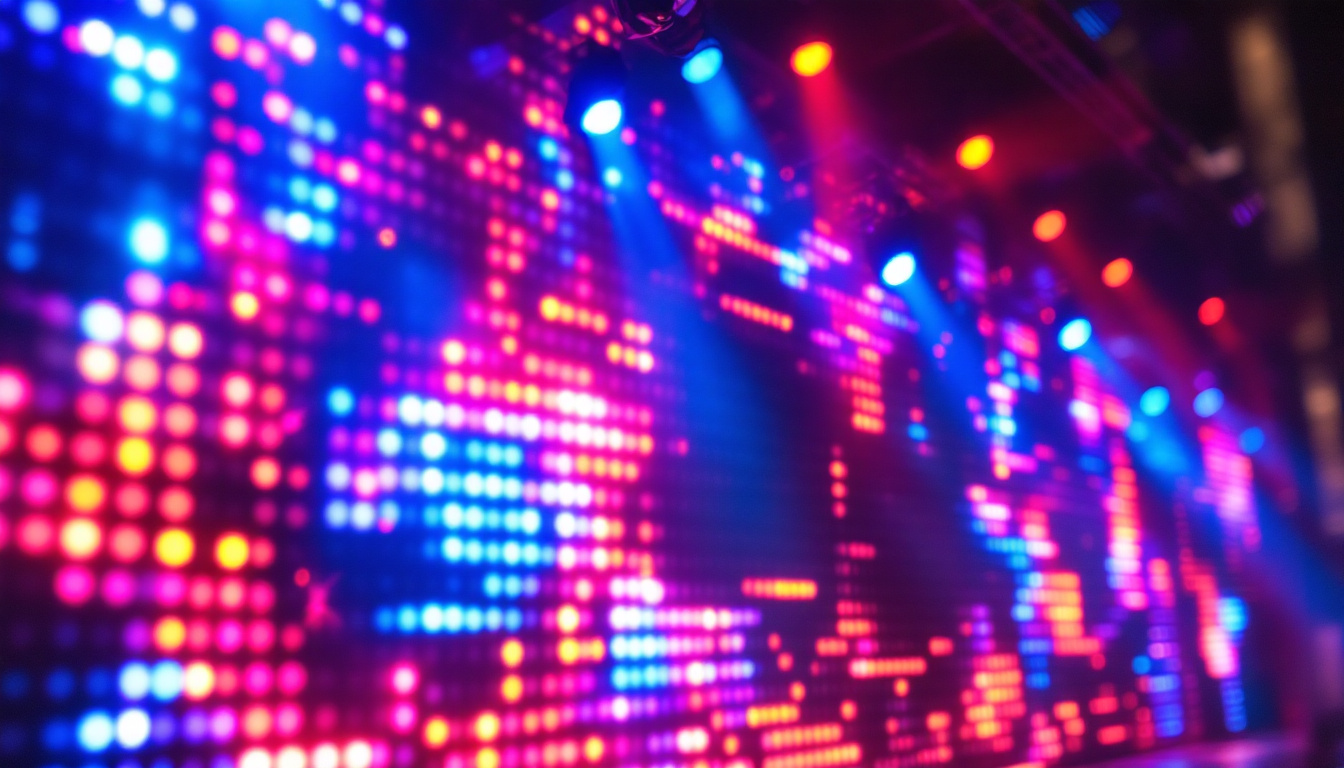
Each LED in the display acts as a single pixel or part of a pixel, and by controlling the intensity and color of each diode, the display can render detailed and vibrant images. The technology is scalable, meaning LED displays can range from small indicator lights to massive outdoor screens spanning thousands of square feet.
How Do LED Displays Work?
At the core of an LED display is the principle of electroluminescence — the emission of light in response to an electric current. When voltage is applied to the LED, electrons recombine with electron holes within the device, releasing energy in the form of photons. The color of the light depends on the semiconductor material used in the diode.
Modern LED displays often use red, green, and blue (RGB) diodes grouped together to create a full spectrum of colors. By adjusting the brightness of each color diode, the display can produce millions of colors and shades, enabling rich and dynamic visual content. This RGB approach is fundamental to most full-color LED displays, whether for indoor or outdoor use.
Types of LED Displays and Their Applications
Indoor vs. Outdoor LED Displays
LED displays are broadly categorized based on their intended environment: indoor and outdoor. Each type is designed to meet specific requirements related to brightness, durability, and viewing distance.
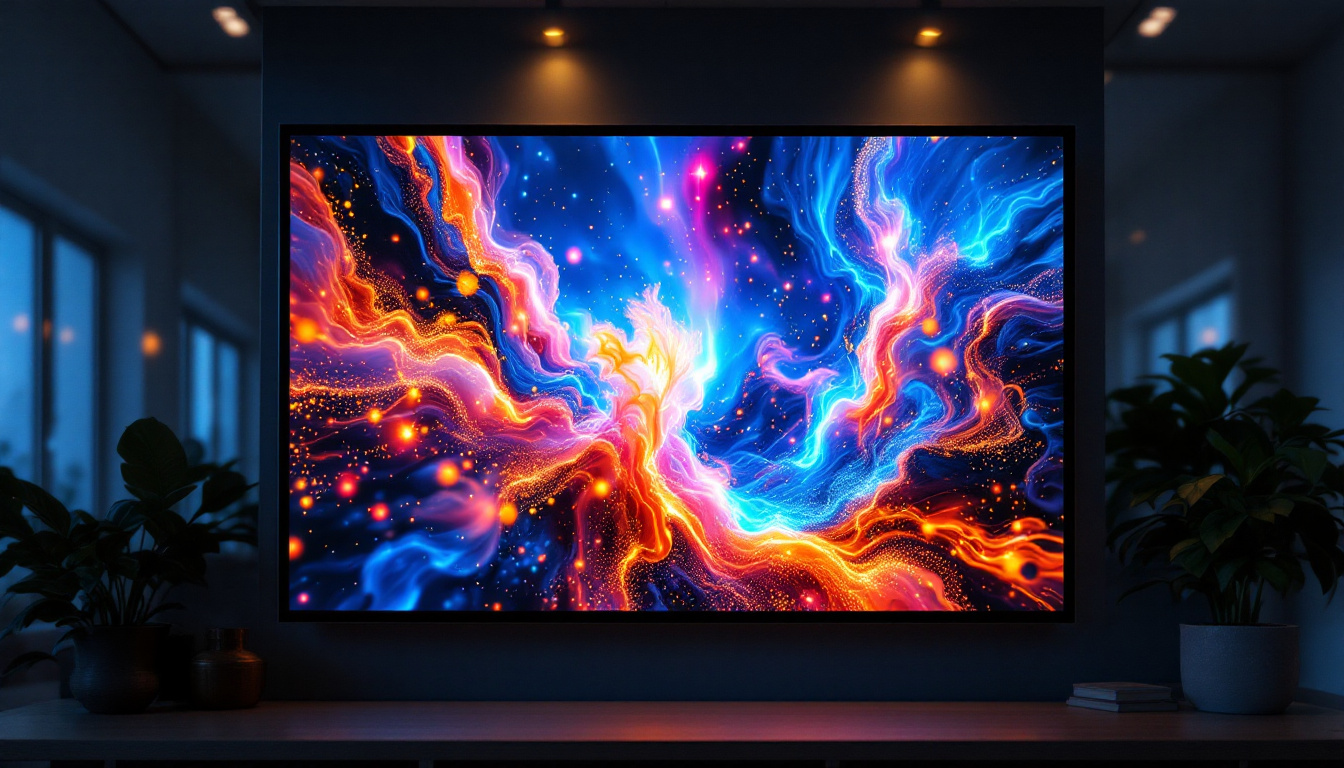
Indoor LED Displays are optimized for environments with controlled lighting. They typically have a lower brightness level, usually around 800 to 1,500 nits, which is sufficient for indoor visibility without causing eye strain. These displays are commonly found in conference rooms, retail stores, airports, and sports arenas, where high resolution and color accuracy are paramount.
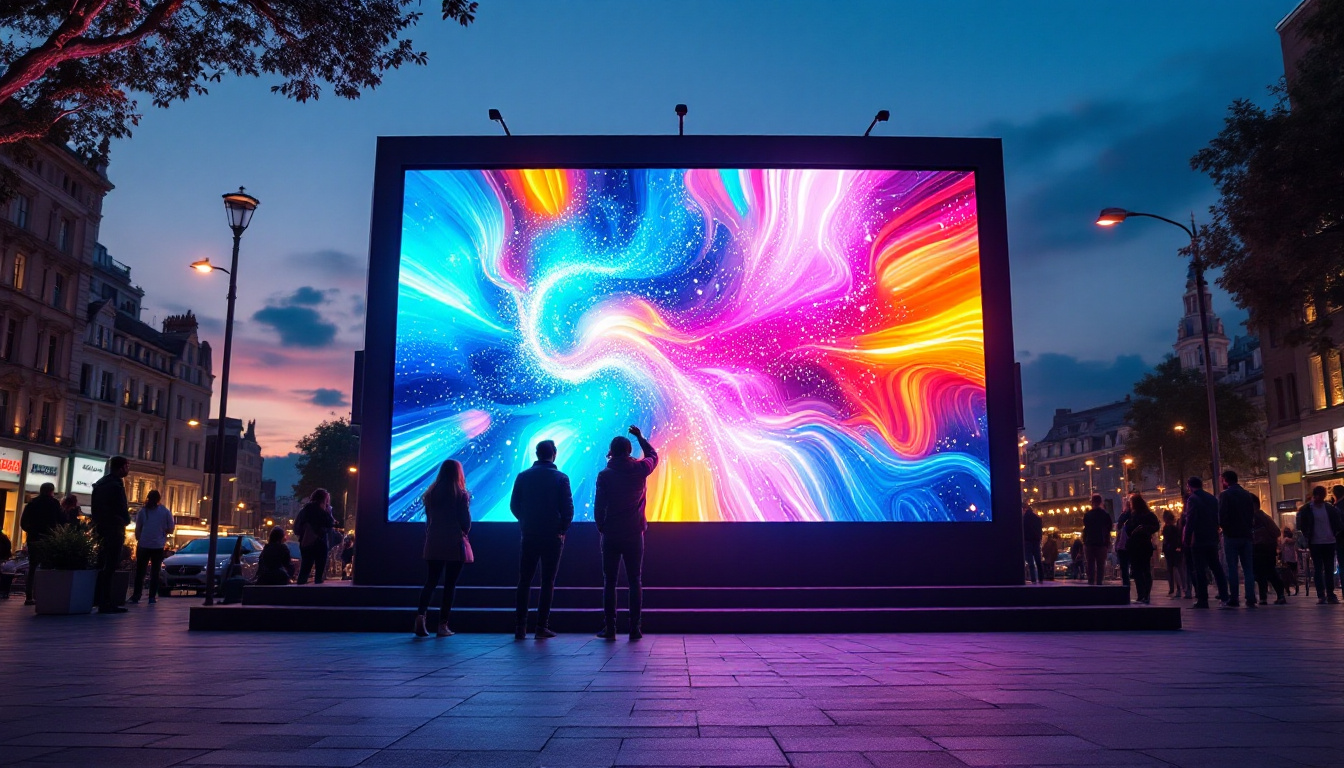
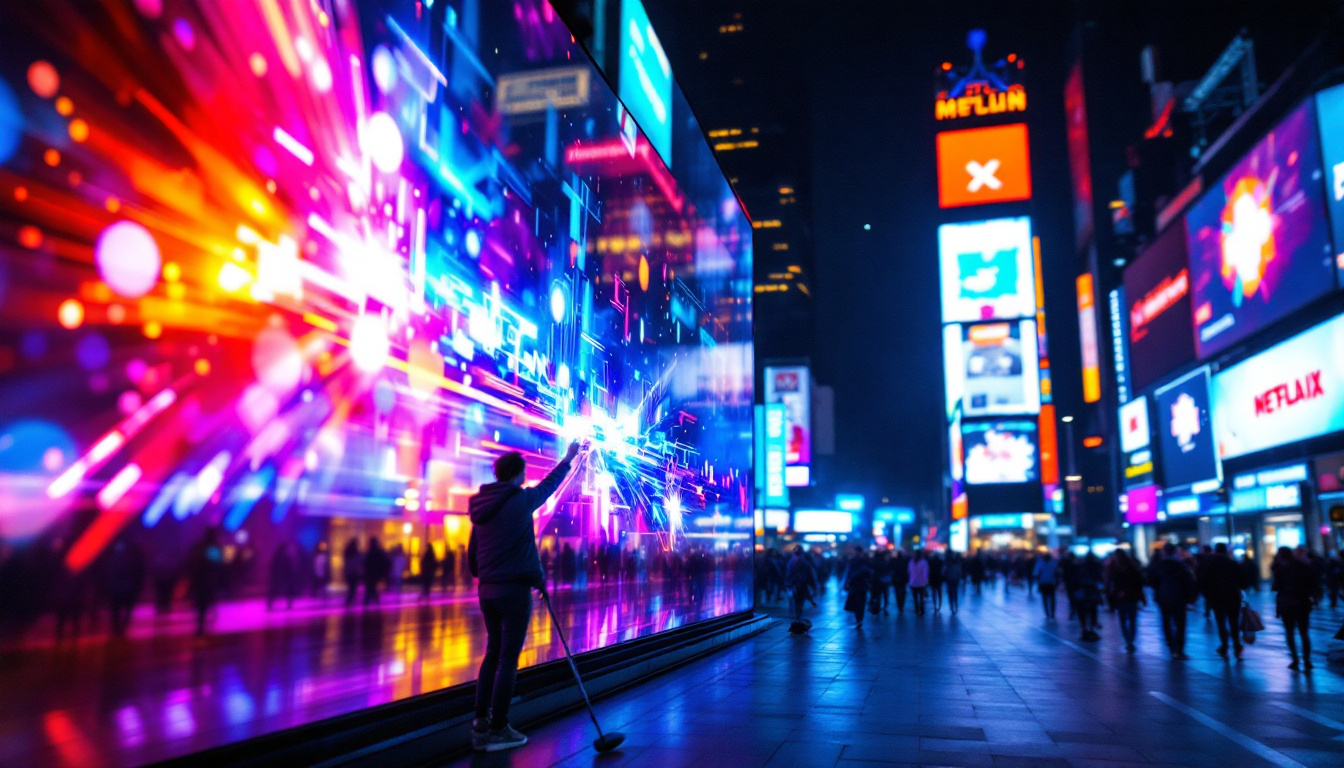
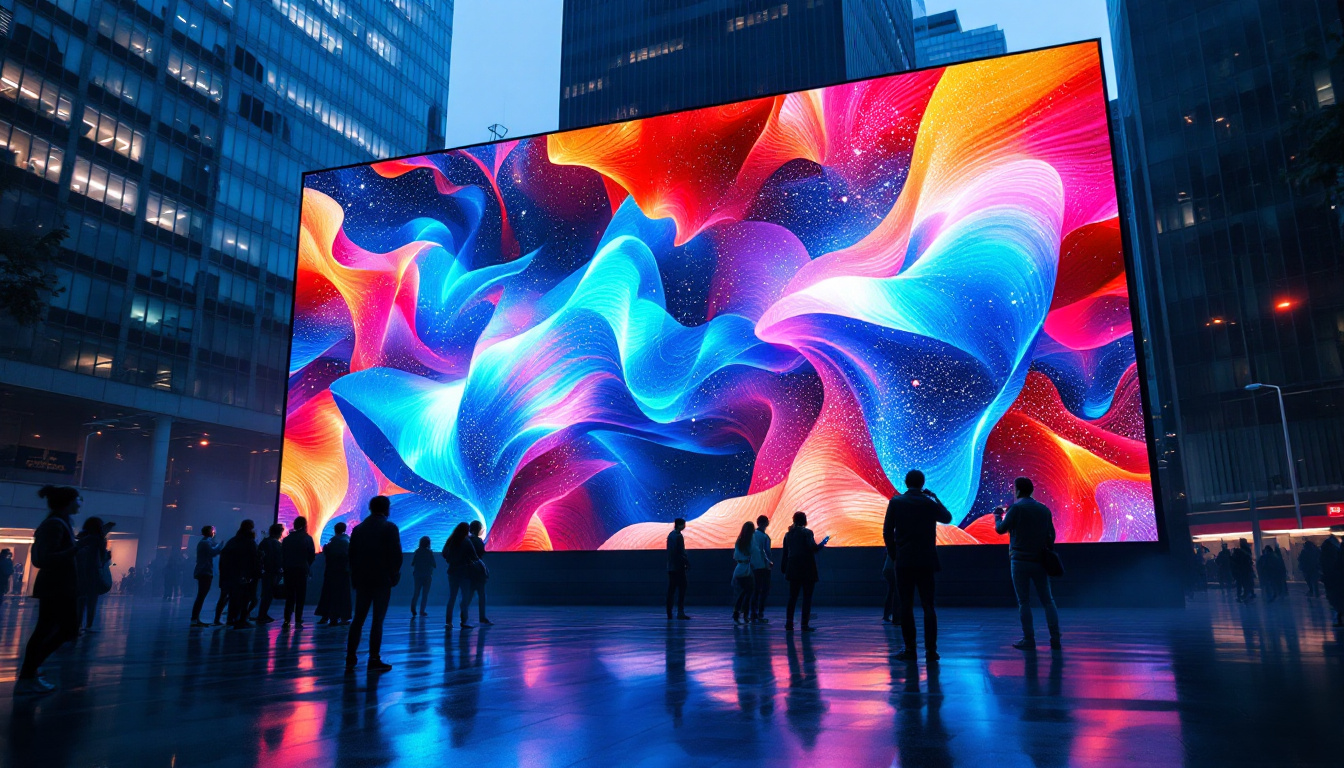
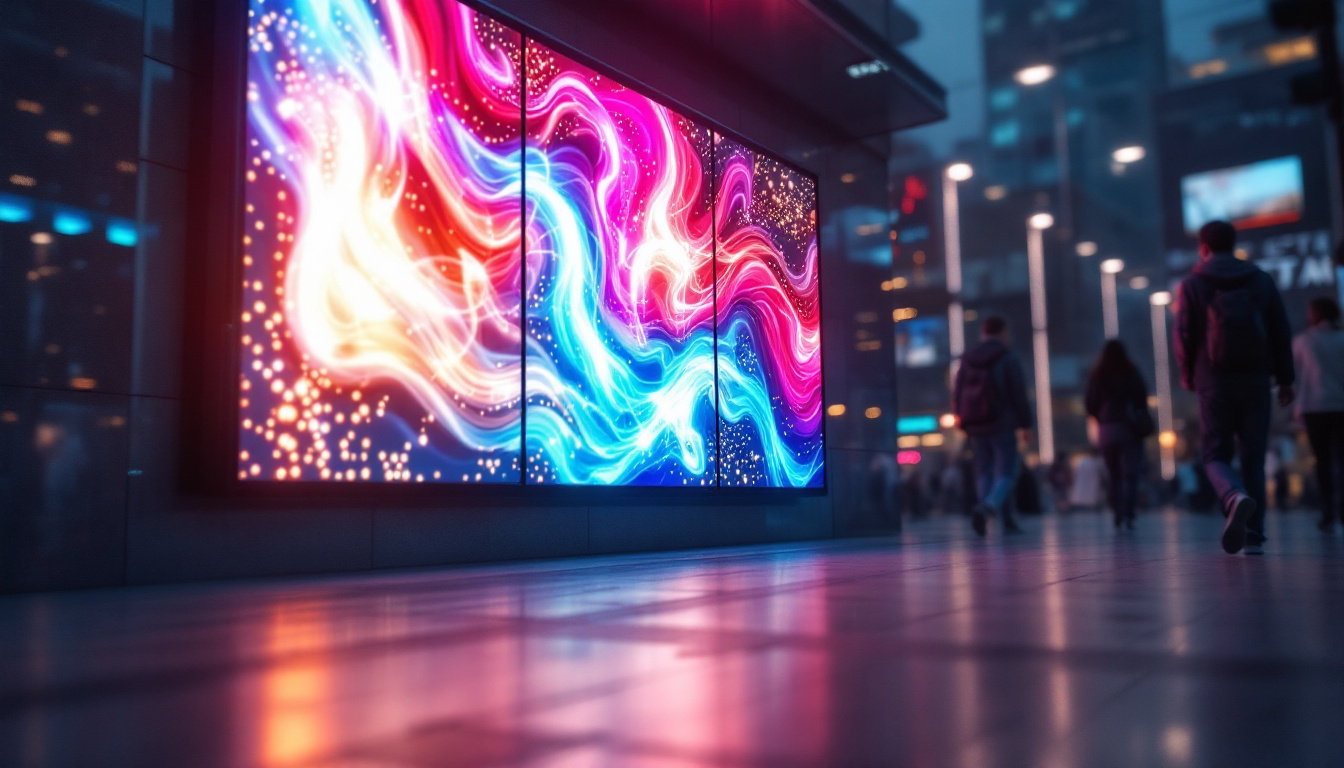
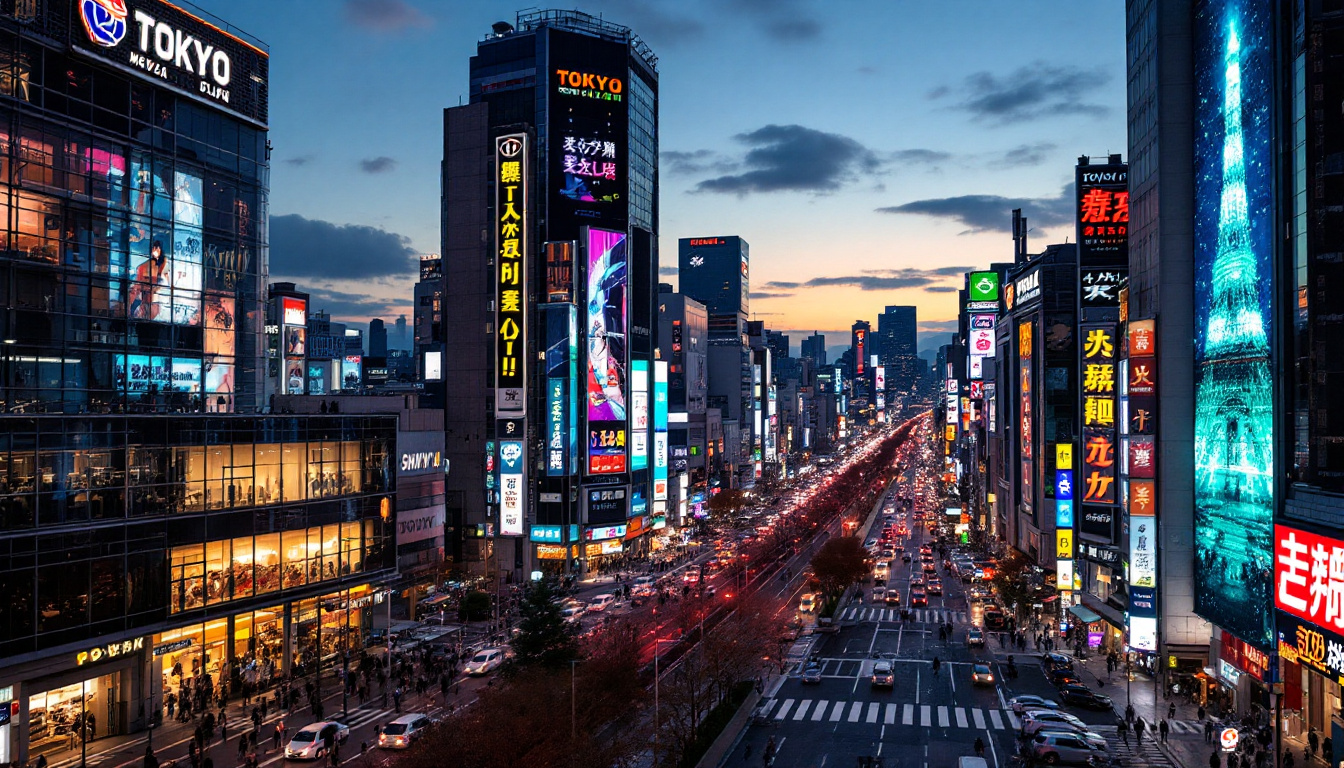
Outdoor LED Displays must contend with direct sunlight, weather conditions, and longer viewing distances. As a result, they are engineered to be much brighter, often exceeding 5,000 nits, to ensure visibility even in bright daylight. Outdoor LED screens are used for digital billboards, stadium scoreboards, transportation signage, and public information displays. Their rugged construction also includes weatherproofing and anti-glare features to maintain performance in harsh environments.
Direct View LED vs. LED-Backlit LCD
It’s important to distinguish between two common types of LED technology used in displays: direct view LED and LED-backlit LCD.
Direct View LED Displays use LEDs as the actual pixels that emit light and form images. This technology allows for extremely high brightness, wide viewing angles, and excellent color reproduction. These displays are modular, meaning they can be assembled into large-scale video walls or curved screens. They are ideal for applications requiring large format and high impact visuals.
LED-Backlit LCD Displays use LEDs as a backlight source behind an LCD panel. The LCD layer controls the light passing through to create images. While these displays benefit from the energy efficiency and slim profile of LED backlighting, they do not achieve the same brightness or contrast levels as direct view LED displays. This technology is prevalent in consumer electronics such as televisions, computer monitors, and smartphones.
Key Features and Benefits of LED Displays
Brightness and Visibility
One of the defining advantages of LED displays is their exceptional brightness. Outdoor LED billboards, for example, can reach brightness levels of up to 10,000 nits, making them clearly visible even under direct sunlight. This feature is critical for advertising and public safety messaging, where visibility can directly impact effectiveness.
Additionally, LED displays offer wide viewing angles, often exceeding 160 degrees horizontally and vertically. This means that viewers can see consistent, vibrant images from almost any angle without color distortion or loss of brightness.
Energy Efficiency and Longevity
Compared to older display technologies such as incandescent or fluorescent lighting, LEDs consume significantly less power. This energy efficiency translates into lower operating costs, especially for large-scale installations that run continuously.
Furthermore, LED displays have a long operational lifespan, often rated between 50,000 to 100,000 hours. This durability reduces maintenance and replacement costs, making LEDs a cost-effective solution over the long term. Advances in LED materials and manufacturing processes continue to improve these metrics, pushing the boundaries of performance and reliability.
Color Accuracy and Image Quality
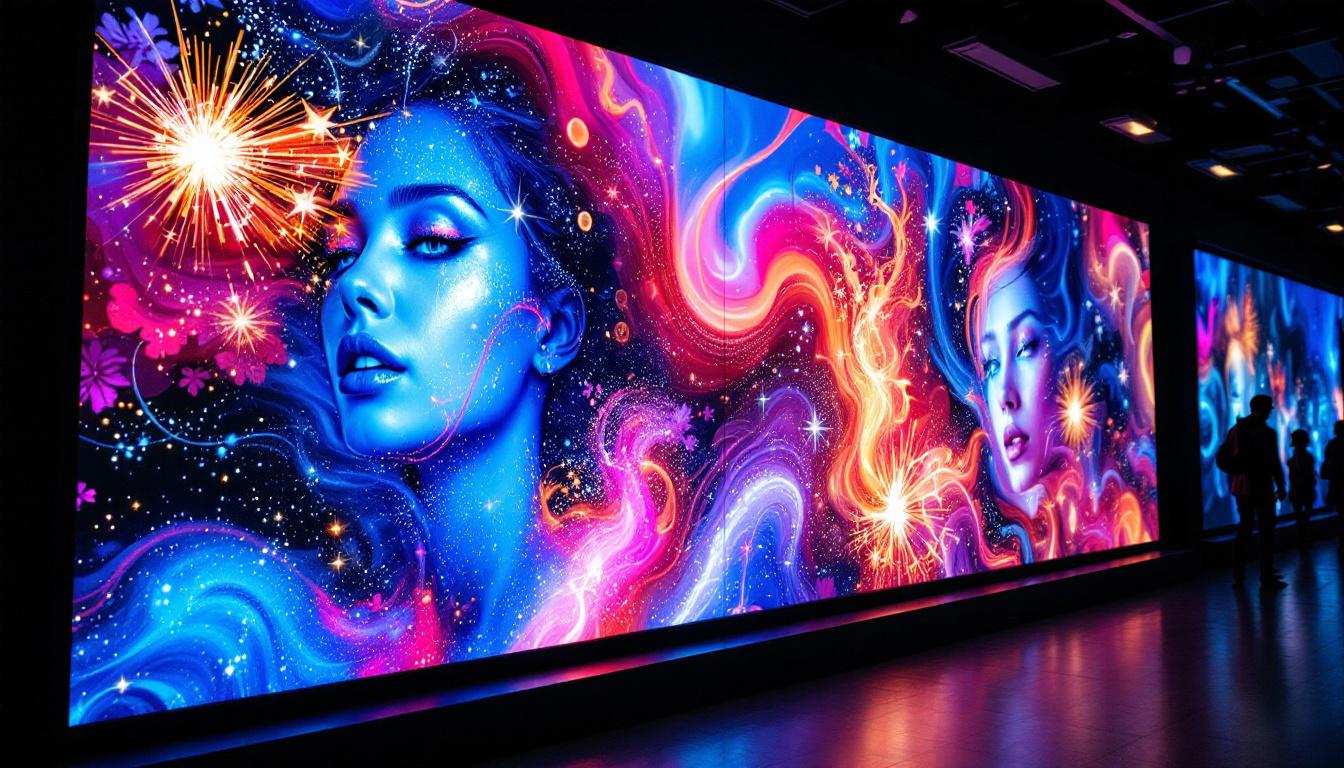
LED displays excel in delivering vibrant colors and deep contrasts. The ability to control individual diodes allows for precise color calibration, resulting in images that are bright, sharp, and true to life. This makes LED technology particularly suited for applications where image quality is critical, such as broadcasting, digital art installations, and high-end retail displays.
Moreover, LED displays support high refresh rates and fast response times, reducing motion blur and flicker. This enhances the viewing experience for dynamic content such as video playback and interactive presentations.
Emerging Trends and Innovations in LED Display Technology
MicroLED and MiniLED Technologies
Recent advancements in LED technology have led to the development of MicroLED and MiniLED displays, which offer significant improvements in image quality and form factor.
MicroLED displays use microscopic LEDs that are much smaller than traditional LEDs, allowing for higher pixel density and superior resolution. This technology combines the best features of OLED and LED displays, including high brightness, excellent contrast, and long lifespan, without the burn-in issues associated with OLEDs. Although currently expensive, MicroLED is poised to revolutionize premium display markets such as TVs, smartphones, and augmented reality devices.
MiniLED technology, on the other hand, uses smaller LEDs as backlighting units for LCD panels. This enables more precise local dimming, resulting in better contrast and deeper blacks compared to conventional LED-backlit LCDs. MiniLED displays are becoming increasingly popular in high-end laptops, monitors, and televisions, offering a cost-effective way to enhance picture quality.
Flexible and Transparent LED Displays
Innovation is also driving the development of flexible and transparent LED displays, expanding the possibilities for creative and functional applications.
Flexible LED panels can bend and curve without compromising performance, enabling seamless integration into irregular surfaces such as vehicle exteriors, wearable devices, and architectural elements. This adaptability opens new avenues for immersive advertising and interactive environments.
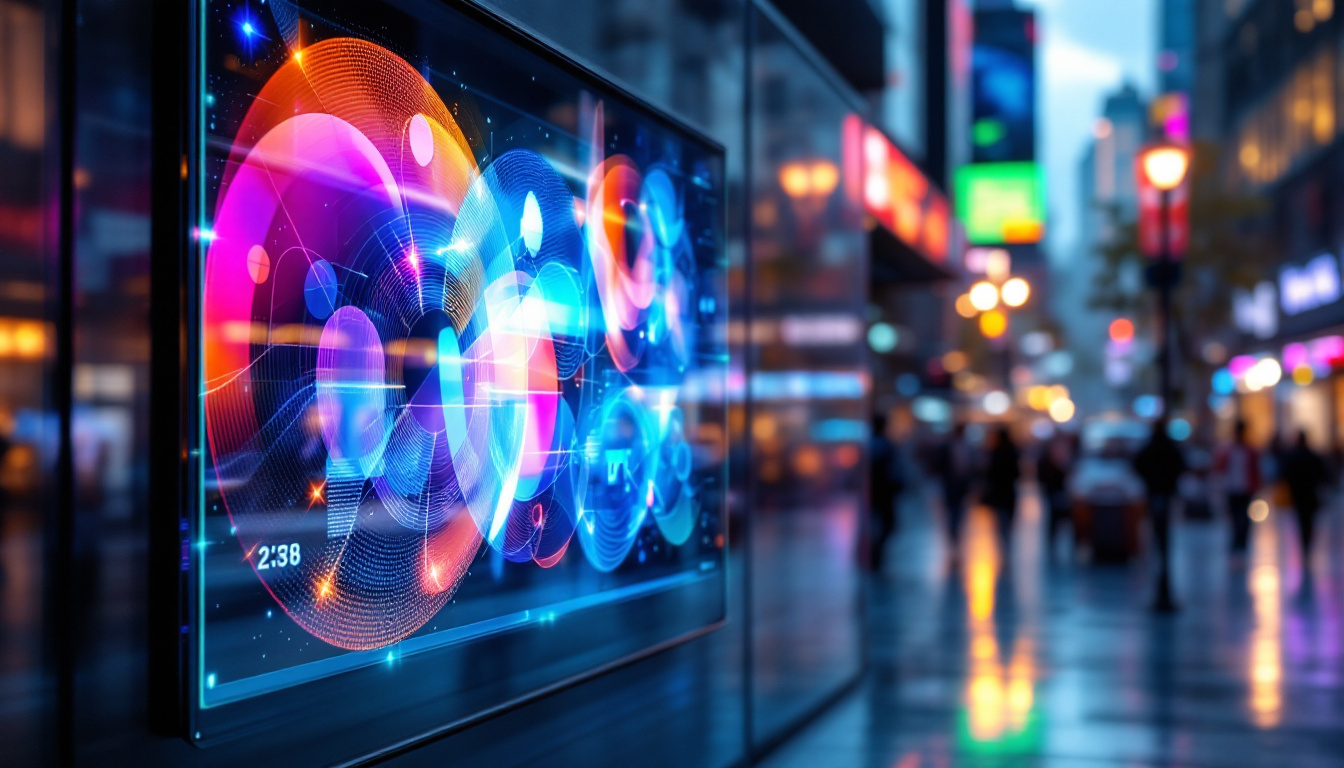
Transparent LED displays allow viewers to see through the screen while displaying digital content. These are particularly useful for retail storefronts, museum exhibits, and automotive heads-up displays, where blending digital information with the physical environment enhances user engagement.
Choosing the Right LED Display for Your Needs
Factors to Consider
Selecting the appropriate LED display depends on several factors, including the intended application, viewing distance, ambient lighting conditions, and budget.
- Pixel Pitch: This refers to the distance between the centers of adjacent LEDs. Smaller pixel pitch means higher resolution and better image clarity at close viewing distances, making it ideal for indoor displays. Larger pixel pitch is suitable for outdoor displays viewed from afar.
- Brightness Requirements: Consider the environment where the display will be installed. Outdoor displays require higher brightness levels to combat sunlight, while indoor displays can operate at lower brightness for better eye comfort.
- Durability and Weather Resistance: For outdoor installations, ensure the display has appropriate IP ratings for water and dust resistance, as well as protection against temperature extremes.
- Installation and Maintenance: Modular LED panels simplify installation and maintenance, allowing for easy replacement of faulty sections without dismantling the entire display.
Cost Considerations
While LED displays have become more affordable over the years, costs can vary widely based on size, resolution, and features. Outdoor LED billboards, for instance, can range from tens of thousands to several hundred thousand dollars depending on scale and complexity. Indoor displays tend to be less expensive but still require investment in quality to ensure longevity and performance.
It is advisable to work with reputable manufacturers and integrators who can provide tailored solutions and support. Additionally, factoring in energy consumption and maintenance costs over the display’s lifespan will provide a more comprehensive understanding of total cost of ownership.
Conclusion: The Impact of LED Displays on Modern Viewing Experiences
LED displays have fundamentally reshaped the landscape of visual communication, offering unparalleled brightness, color fidelity, and versatility. Their applications span advertising, entertainment, information dissemination, and beyond, making them an indispensable tool in both commercial and public sectors.
As technology continues to evolve, innovations such as MicroLED, flexible panels, and transparent displays promise to unlock new creative possibilities and enhance user engagement. Understanding the core principles and options available empowers businesses and consumers alike to make informed decisions when selecting LED display solutions.
In essence, LED displays are not just screens; they are dynamic canvases that bring digital content to life, captivating audiences and driving impactful messages across the globe.
Discover the Future of Visual Engagement with LumenMatrix
Ready to elevate your visual communication and create experiences that resonate with your audience? LumenMatrix is at the forefront of LED display innovation, offering a comprehensive range of solutions tailored to your needs. From Indoor and Outdoor LED Wall Displays to specialized options like Vehicle, Sports, and Floor LED Displays, our technology is designed to captivate and engage. Explore our Custom, All-in-One, and Transparent LED Displays and see how we can transform your space into a dynamic canvas. Check out LumenMatrix LED Display Solutions today and join the revolution in high-impact visual storytelling.