Virtual production has revolutionized the way films, television shows, and commercials are created, blending real-time computer graphics with live-action footage. At the heart of this transformation lies the LED display, a powerful tool that enables immersive environments and dynamic storytelling. This article explores the technology behind LED displays, their role in virtual production, and why they are becoming indispensable in modern filmmaking.
Understanding LED Displays in Virtual Production
What Is an LED Display?
LED stands for Light Emitting Diode, a semiconductor device that emits light when an electric current passes through it. LED displays consist of an array of these diodes, which together form a screen capable of displaying high-resolution images and videos. Unlike traditional LCD or projection screens, LED displays emit their own light, resulting in brighter, more vibrant visuals with better contrast.
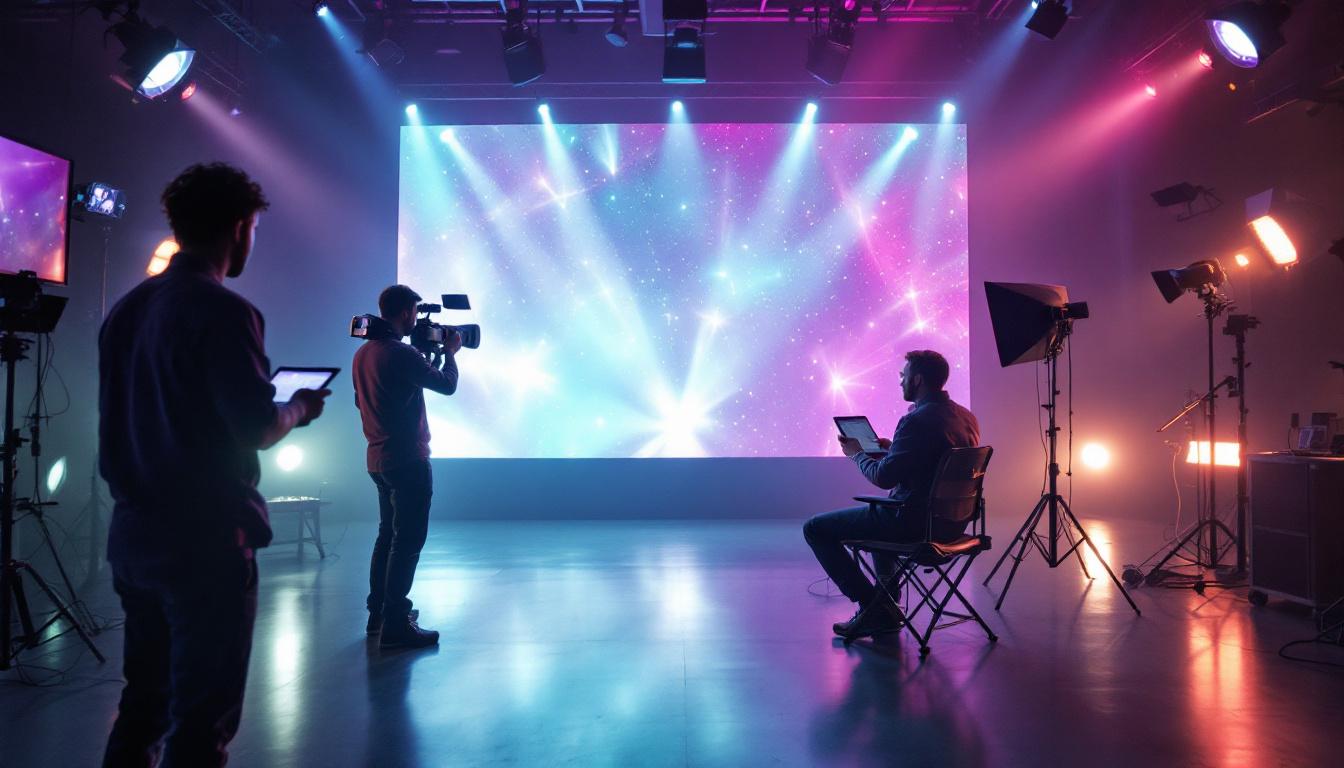
In virtual production, LED displays serve as dynamic backdrops that can show computer-generated environments in real time. This capability allows filmmakers to capture live-action footage with digital backgrounds integrated seamlessly, reducing the need for green screens and extensive post-production compositing. The technology behind LED displays has evolved significantly, with advancements in pixel pitch and refresh rates, enabling even more detailed and immersive experiences. As a result, filmmakers can create stunning visuals that transport audiences to fantastical worlds with remarkable realism.
How LED Displays Differ from Traditional Green Screens
Green screens have been a staple in visual effects for decades, enabling filmmakers to replace backgrounds during post-production. However, they come with limitations such as lighting challenges, reflections, and actor interaction difficulties. LED displays address many of these issues by providing actual light sources and realistic reflections on actors and set pieces. The ability to control the lighting emitted from the LED screens allows for a more cohesive look between the foreground and the background, which is crucial for maintaining the illusion of depth and space in a scene.
Moreover, LED displays allow for real-time adjustments of the background environment, enabling directors and cinematographers to see the final composite live on set. This immediate feedback enhances creative control and reduces costly reshoots or extensive editing. Additionally, the flexibility of LED technology means that filmmakers can easily switch between different environments or scenes with minimal setup time, making it an invaluable tool for productions with tight schedules. As the industry continues to embrace this innovative technology, we can expect to see even more creative uses of LED displays in storytelling, pushing the boundaries of what is possible in visual effects and immersive filmmaking.
Key Components of LED Displays in Virtual Production
Pixel Pitch and Resolution
Pixel pitch refers to the distance between individual LED pixels on a display, typically measured in millimeters. A smaller pixel pitch means higher resolution and sharper images, which is crucial for close-up shots and detailed environments. In virtual production, displays with pixel pitches ranging from 1.2mm to 2.5mm are common, balancing clarity with cost and size.
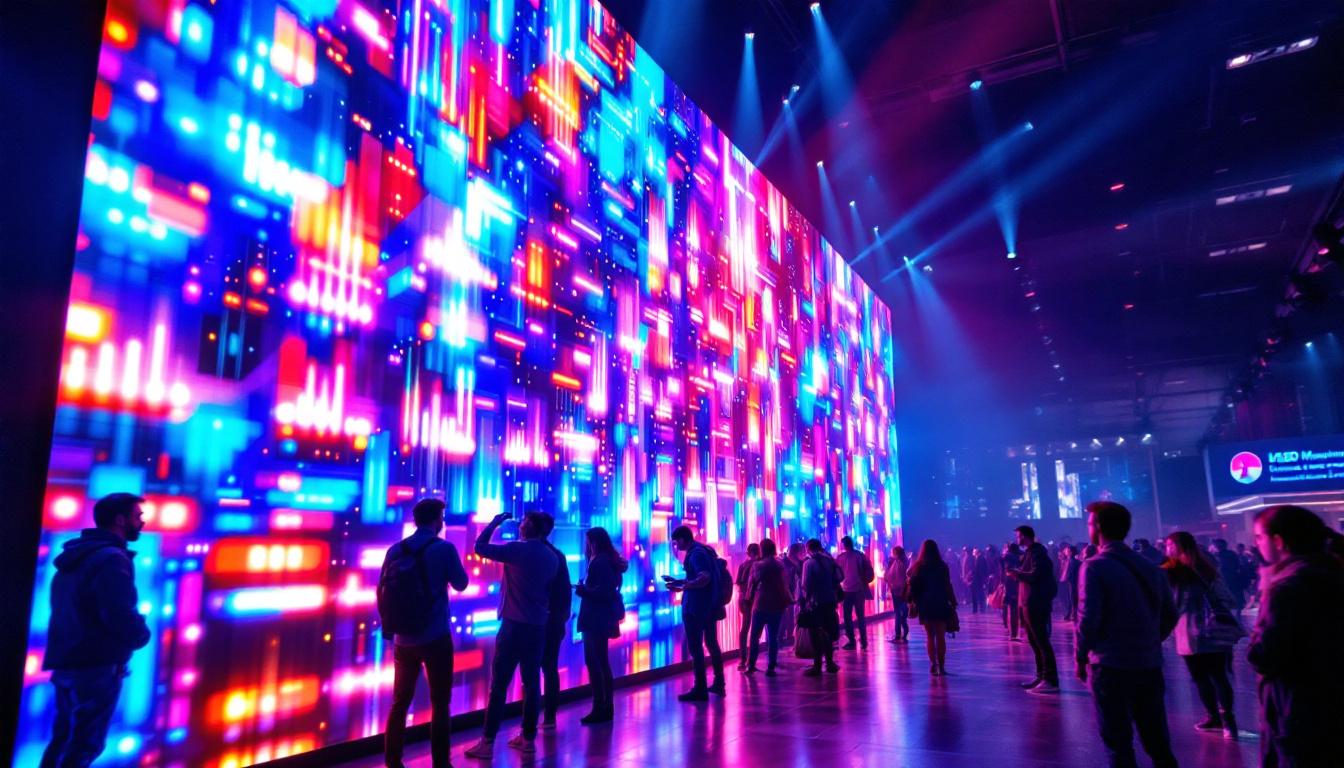
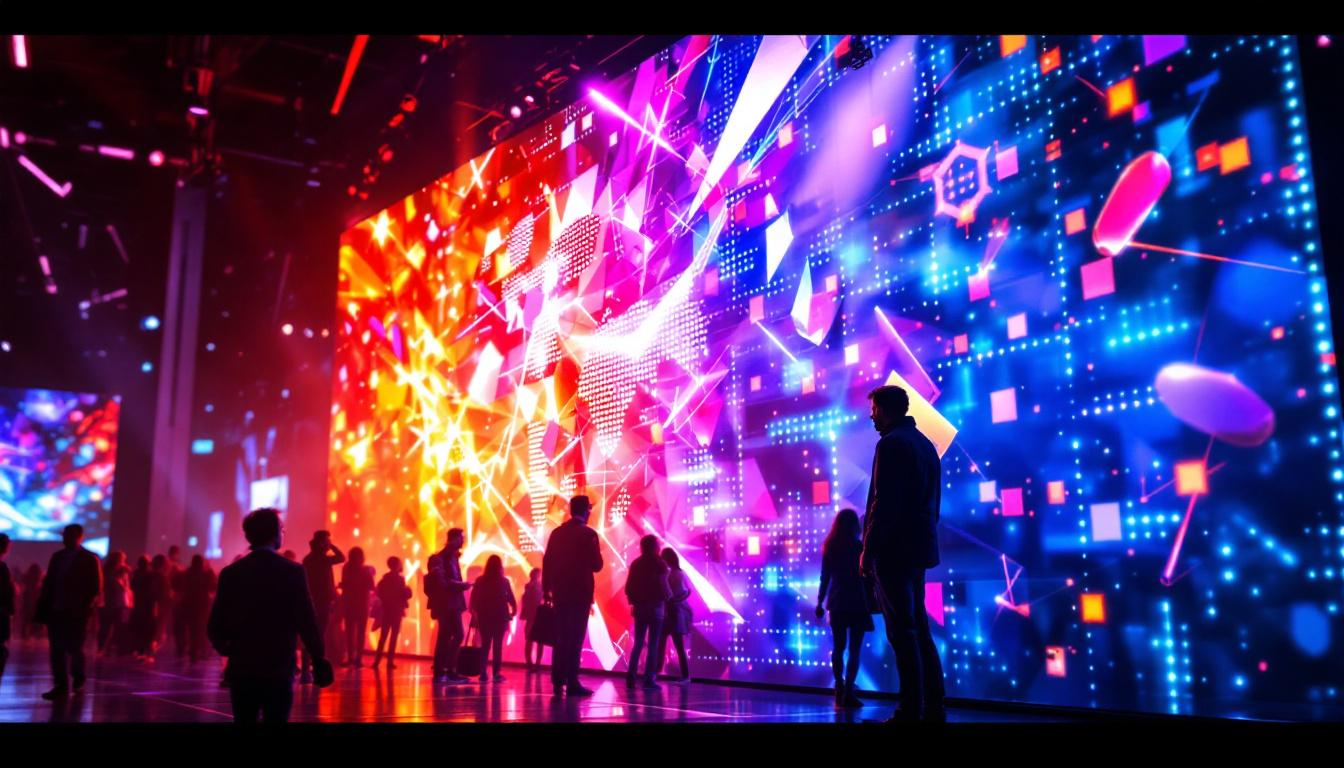
High-resolution LED walls can span tens of meters, creating expansive, immersive backgrounds. For example, the LED volume used in productions like “The Mandalorian” features walls over 20 meters wide with pixel pitches around 2.5mm, delivering stunning visuals that blend seamlessly with live action. This technology not only enhances the visual storytelling but also allows for real-time adjustments to lighting and scenery, providing directors and cinematographers with unprecedented flexibility during filming.
Brightness and Color Accuracy
Brightness is a critical factor, especially when shooting with cameras that require specific lighting conditions. LED displays can achieve brightness levels exceeding 1,000 nits, ensuring that the digital background remains vivid even under intense studio lighting. This capability is particularly beneficial in outdoor scenes where natural light can wash out colors, allowing filmmakers to maintain a consistent aesthetic.
Color accuracy is equally important to maintain realism. Modern LED panels employ advanced calibration techniques and high-quality diodes to reproduce a wide color gamut, matching the colors seen in natural environments. This fidelity helps actors and crew immerse themselves in the scene and ensures the final footage looks natural. Furthermore, the ability to adjust color temperatures dynamically allows for seamless integration with practical effects and lighting setups, enhancing the overall production quality.
Refresh Rate and Motion Handling
In virtual production, the LED display must synchronize with the camera’s shutter speed and frame rate to avoid flickering or artifacts. Refresh rates of 120Hz or higher are common, providing smooth motion and eliminating visual disturbances that could distract viewers or complicate post-production. This synchronization is particularly vital in fast-paced action sequences where quick camera movements are prevalent, ensuring that the audience remains engaged without any visual interruptions.
Additionally, LED displays are designed to handle fast camera movements and changes in perspective, maintaining image stability and realism. This capability is essential for dynamic scenes and complex camera work. The integration of advanced motion tracking systems further enhances this feature, allowing the virtual environment to respond in real-time to the camera’s position and movement. As a result, filmmakers can create breathtaking sequences that feel authentic and immersive, drawing viewers deeper into the narrative.
Applications of LED Displays in Virtual Production
Creating Immersive Environments
LED walls enable filmmakers to build immersive virtual environments that actors can interact with naturally. Whether it’s a futuristic cityscape, a fantasy forest, or an alien planet, these digital backdrops can be rendered in real time and adjusted on the fly to suit creative needs.
This approach has been used extensively in high-profile productions. For instance, “The Mandalorian” utilized LED volumes to create the planet Nevarro’s desert landscapes and otherworldly interiors, allowing actors to perform within the actual environment instead of imagining it against a green screen.
Reducing Production Costs and Time
By integrating LED displays into the filming process, productions can significantly reduce the need for location shoots, physical set builds, and post-production compositing. This consolidation results in lower costs and faster turnaround times.
Moreover, the ability to visualize scenes in real time helps directors make informed decisions on set, minimizing reshoots and ensuring the footage aligns with the creative vision from the outset.
Enhancing Actor Performance and Interaction
Actors benefit from the presence of tangible environments, which can improve performance quality. Instead of imagining a scene or reacting to a blank green screen, performers can see and respond to the digital world around them, leading to more authentic interactions.
Lighting from the LED displays also casts natural reflections and shadows on actors and props, further integrating live-action elements with the virtual environment.
Technical Challenges and Considerations
Managing Parallax and Perspective
One of the technical challenges in using LED displays is ensuring that the background perspective shifts correctly with camera movement. This effect, known as parallax, is crucial for maintaining the illusion of depth and realism.
To address this, virtual production setups use real-time rendering engines coupled with camera tracking systems. These technologies adjust the content on the LED wall dynamically, matching the camera’s position and angle to create a convincing 3D environment.
Heat and Power Consumption
Large LED walls consume significant power and generate heat, which must be managed to maintain performance and safety on set. Proper ventilation, cooling systems, and power distribution are essential components of the production design.
Advancements in LED technology continue to improve energy efficiency, but productions still need to plan carefully to accommodate these requirements.
Cost and Accessibility
While LED displays offer numerous advantages, they represent a substantial investment. High-resolution LED volumes can cost millions of dollars to build and maintain, making them more accessible to large studios and high-budget productions.
However, as technology advances and costs decrease, smaller-scale LED setups are becoming available to independent filmmakers and smaller studios, democratizing access to virtual production tools.
The Future of LED Displays in Virtual Production
Advancements in MicroLED and MiniLED Technologies
Emerging technologies like MicroLED and MiniLED promise even higher resolution, better color accuracy, and improved energy efficiency. These developments will enhance the quality and versatility of LED displays, enabling more detailed and realistic virtual environments.
MicroLED, in particular, offers the potential for thinner, lighter panels with superior brightness and contrast, which could expand the applications of LED walls beyond current limitations.
Integration with Augmented Reality and AI
Future virtual production workflows are likely to integrate LED displays with augmented reality (AR) and artificial intelligence (AI) to create even more interactive and adaptive environments. AI-driven content generation could allow for dynamic scene changes based on actor performance or director input in real time.
Such integration would push the boundaries of storytelling, enabling filmmakers to craft experiences that respond fluidly to creative impulses and audience engagement.
Expanding Use Beyond Film and TV
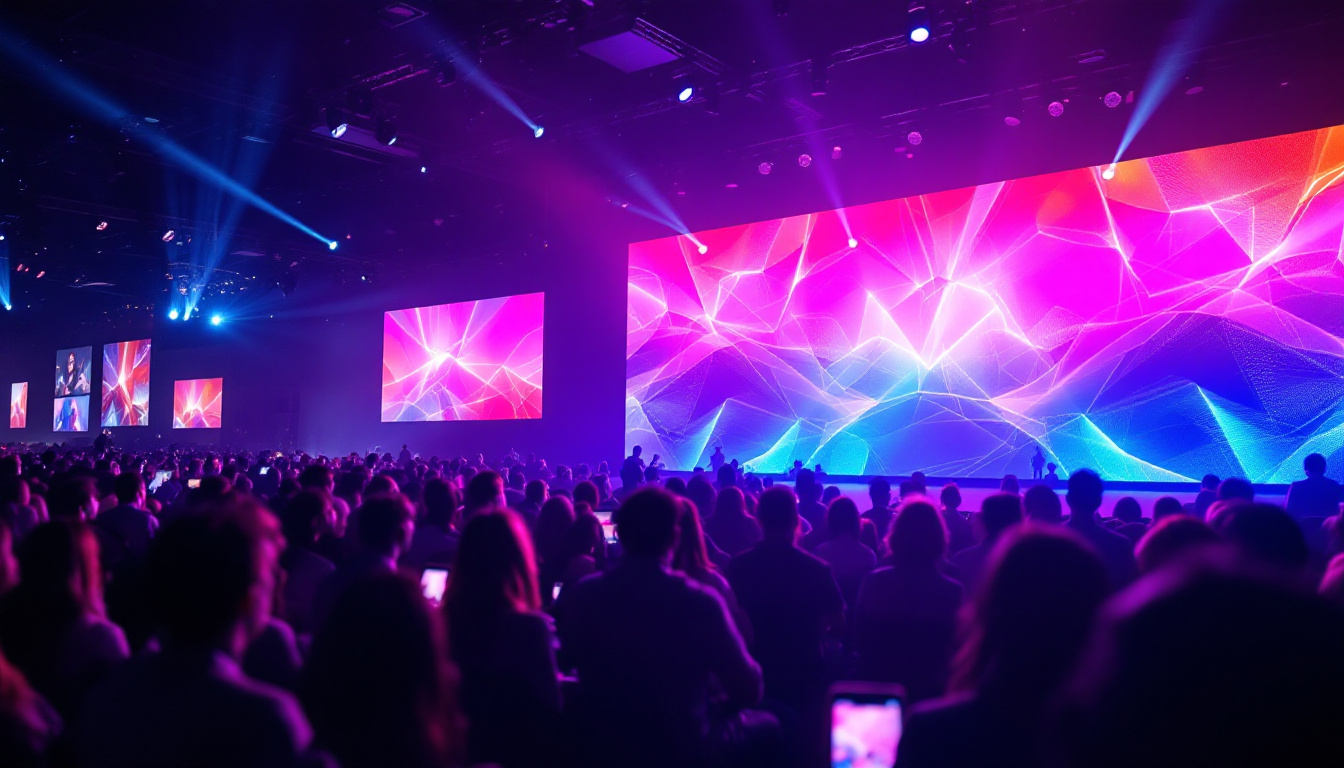
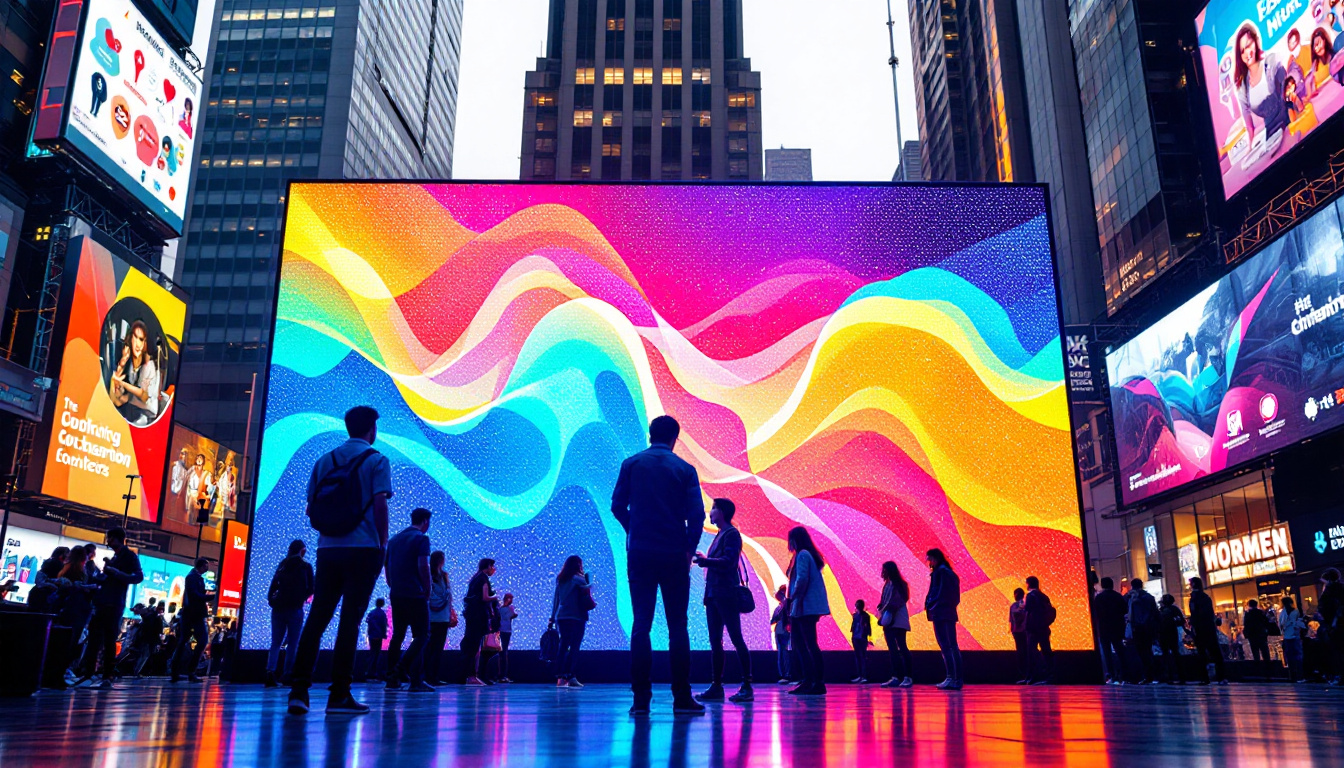
LED displays in virtual production are finding applications beyond traditional filmmaking. Live events, virtual concerts, architectural visualization, and immersive training simulations are increasingly adopting LED volumes to create compelling experiences.
This broadening scope underscores the versatility and transformative potential of LED display technology across multiple industries.
Conclusion
LED displays have become a cornerstone of virtual production, offering filmmakers unprecedented control, realism, and creative freedom. By combining cutting-edge display technology with real-time rendering and camera tracking, LED walls enable immersive environments that enhance storytelling and streamline production workflows.
As the technology continues to evolve, LED displays will play an even more significant role in shaping the future of visual storytelling, making virtual production accessible to a wider range of creators and transforming how audiences experience stories on screen.
Discover the Future of Visual Storytelling with LumenMatrix
Ready to elevate your production with the cutting-edge technology that’s reshaping the industry? LumenMatrix is at the forefront of LED display innovation, offering a wide array of solutions that bring your creative visions to life. From Indoor and Outdoor LED Wall Displays to specialized options like Vehicle, Sports, and Floor LED Displays, our products are designed to captivate and engage. Embrace the future of virtual production and create unforgettable visual experiences with our Custom, All-in-One, and Transparent LED Displays. Check out LumenMatrix LED Display Solutions today and transform the way you tell stories.