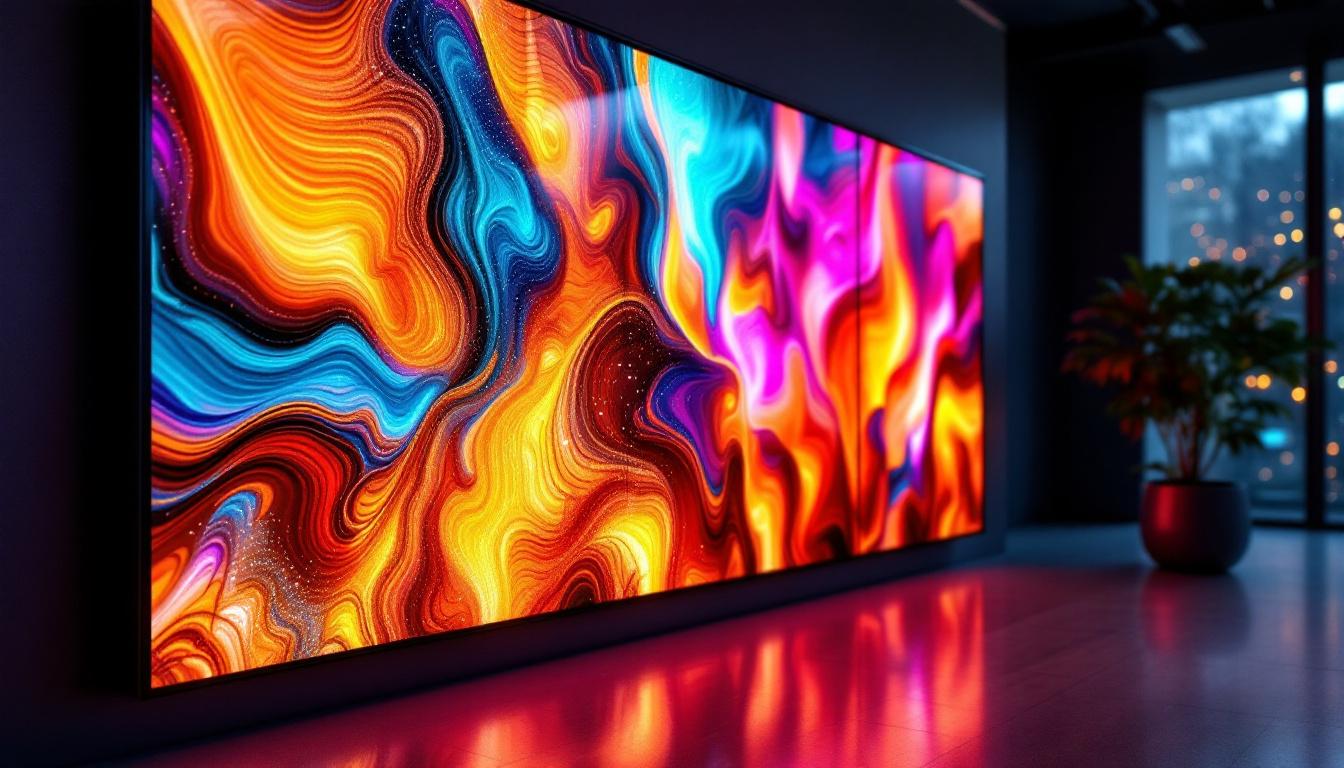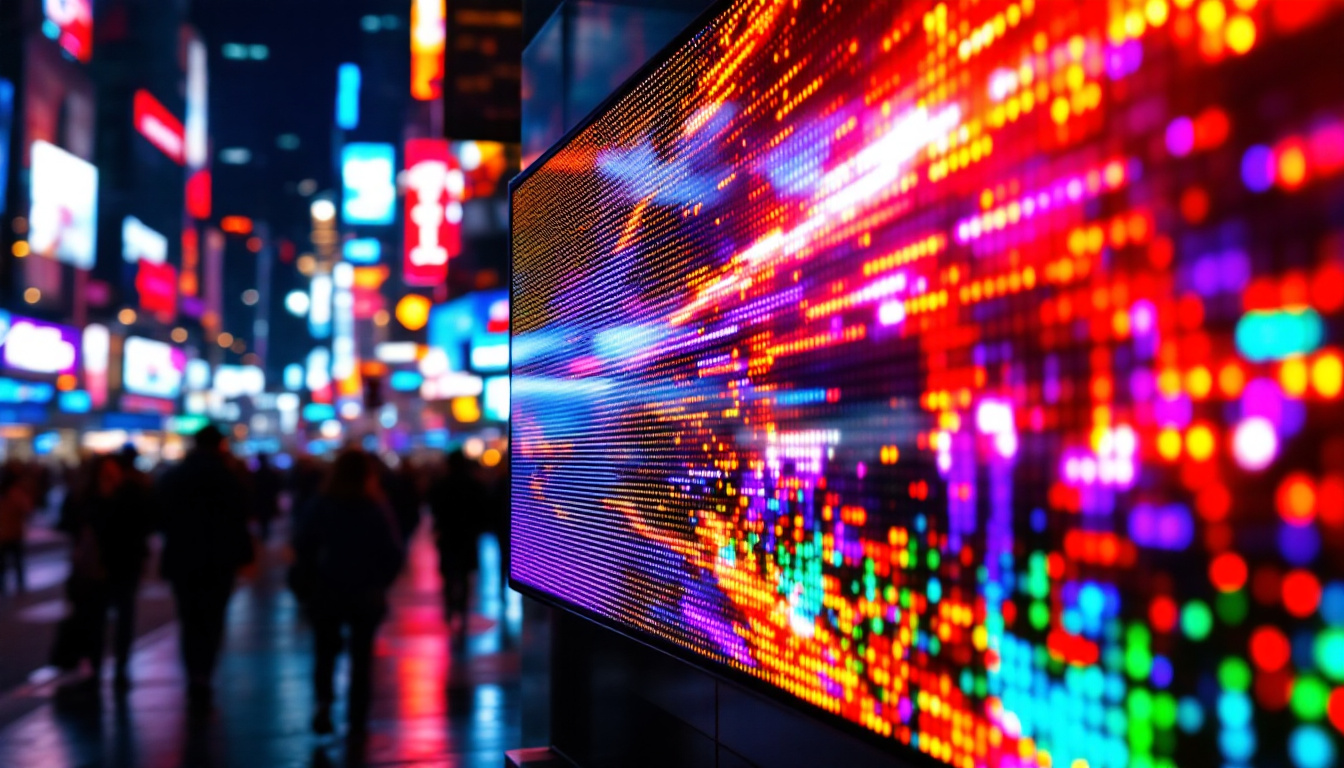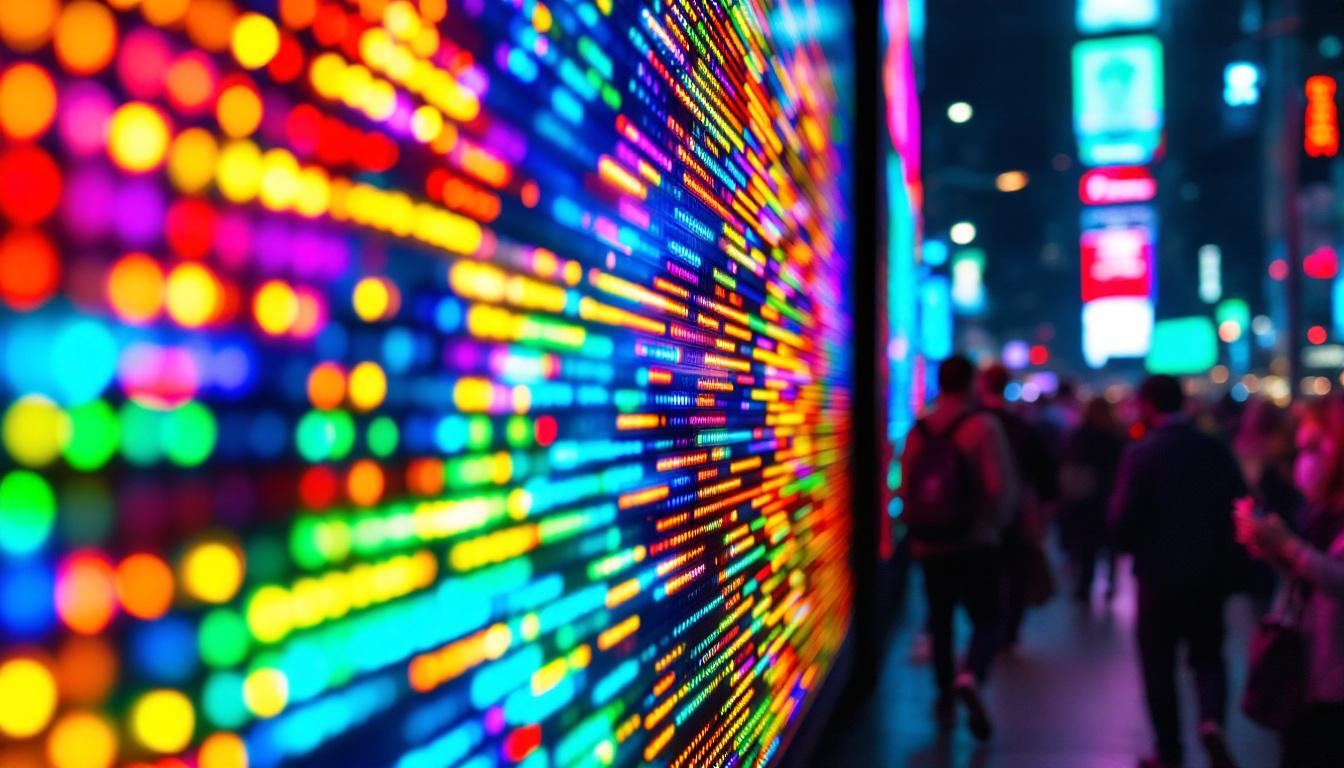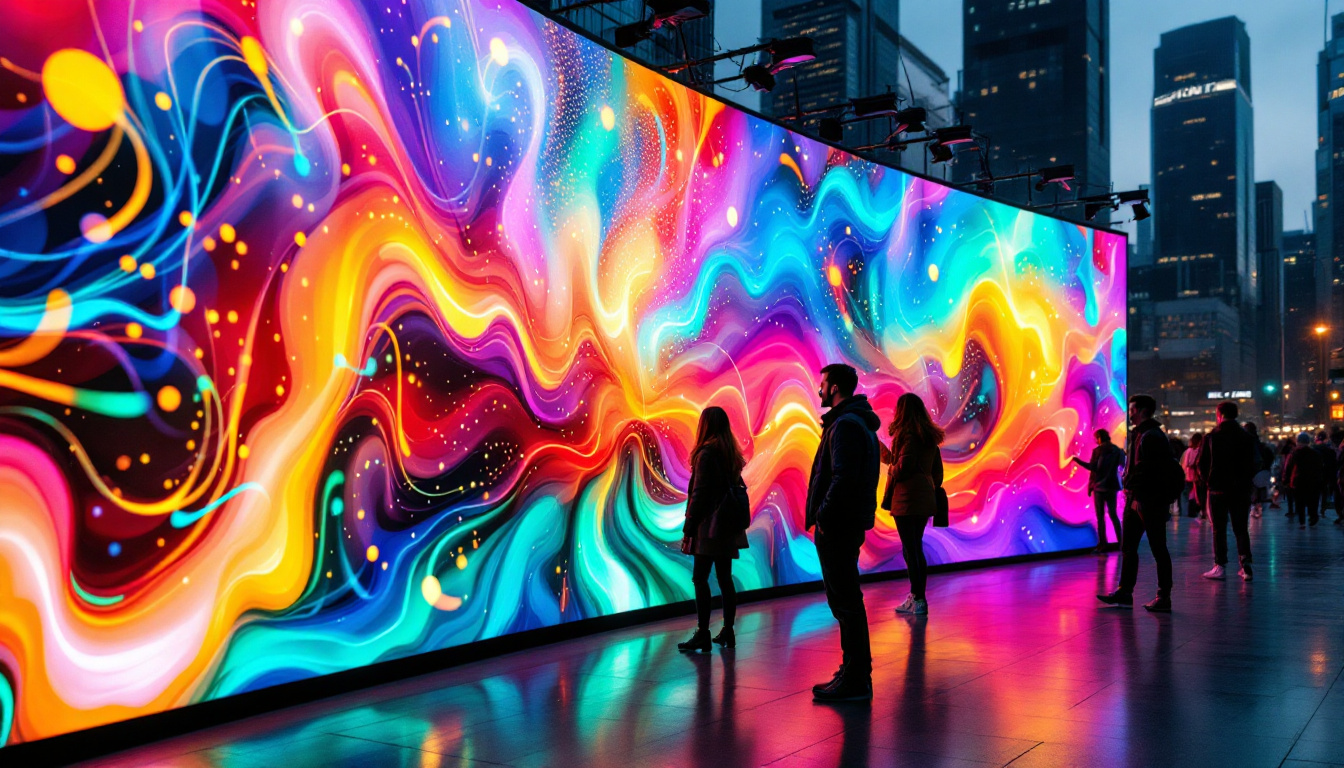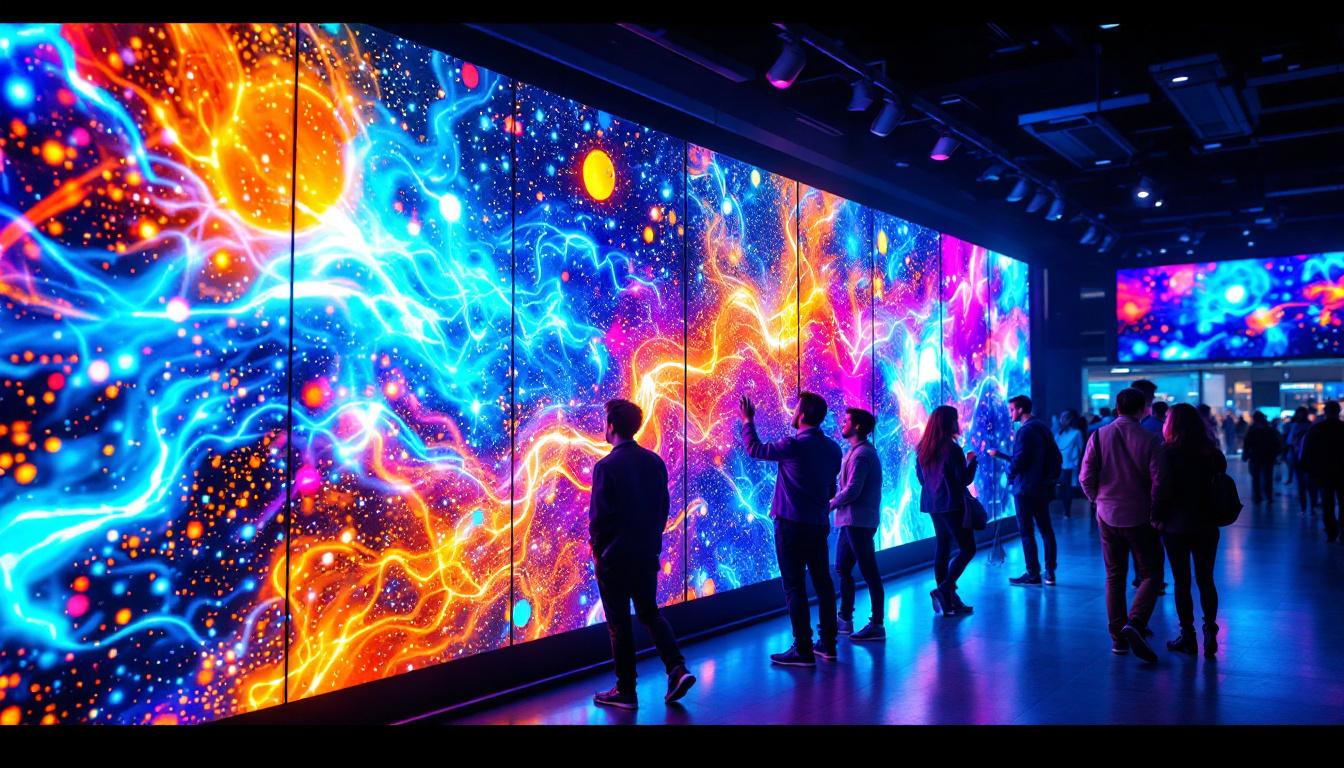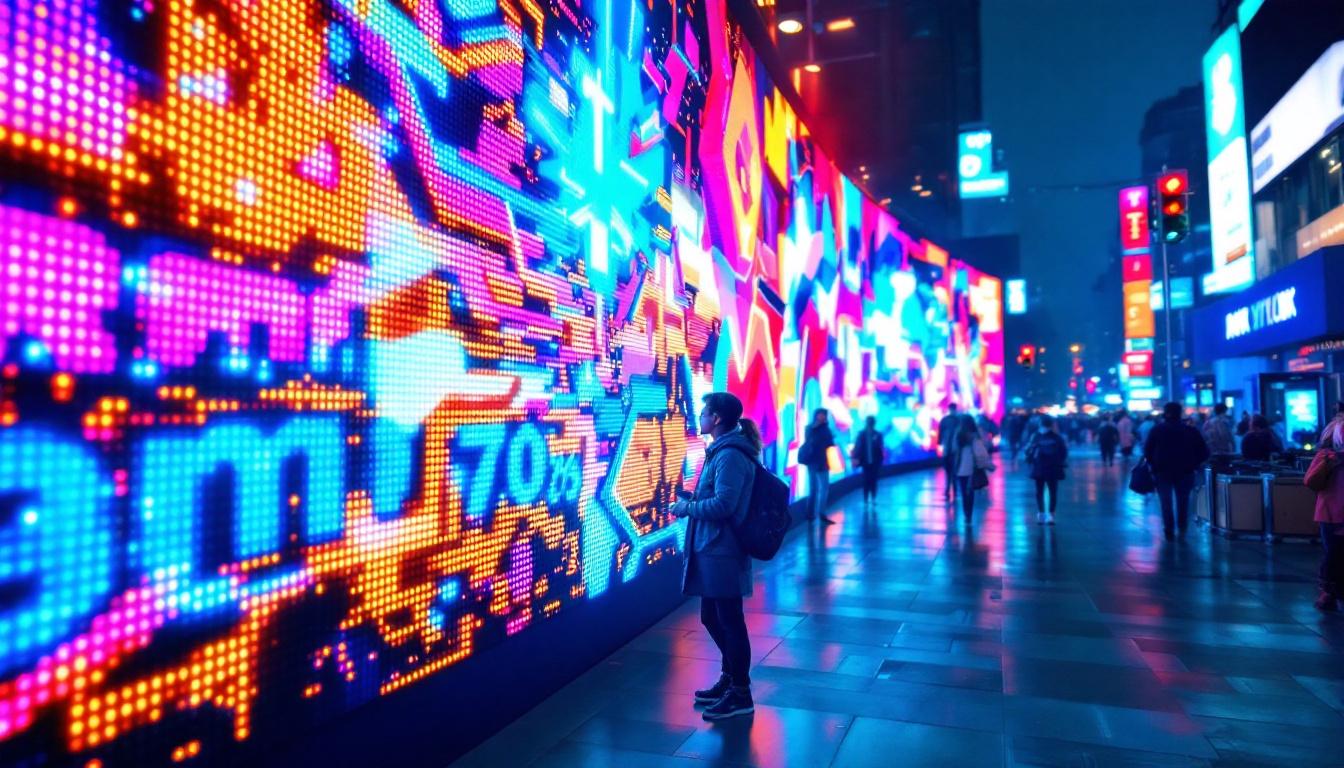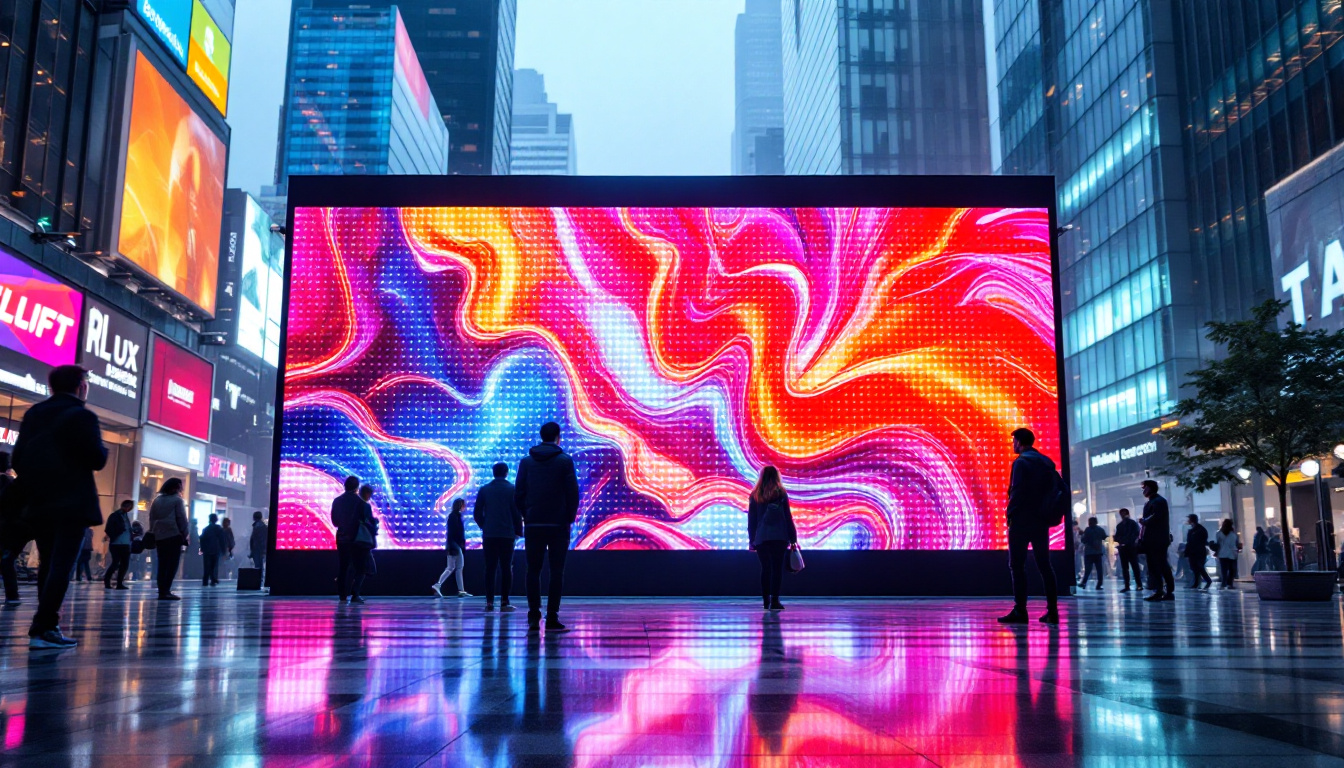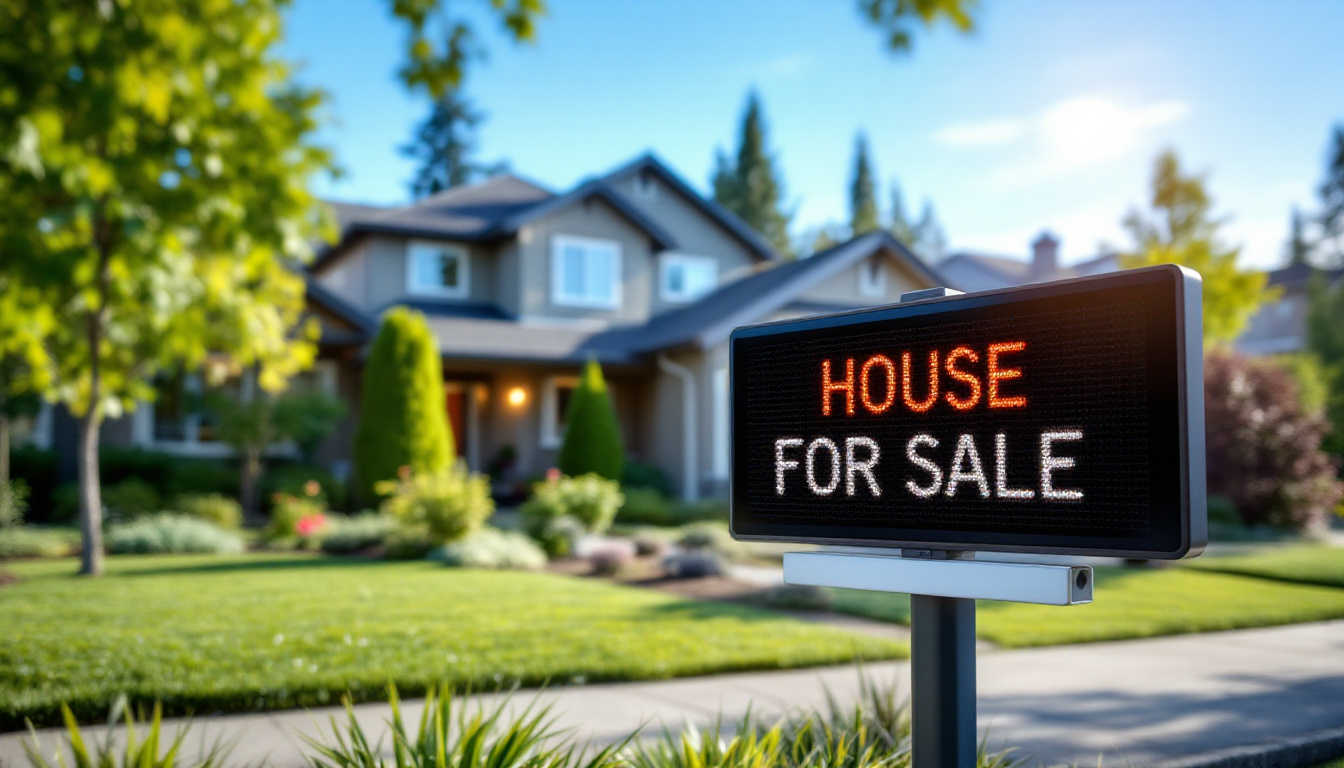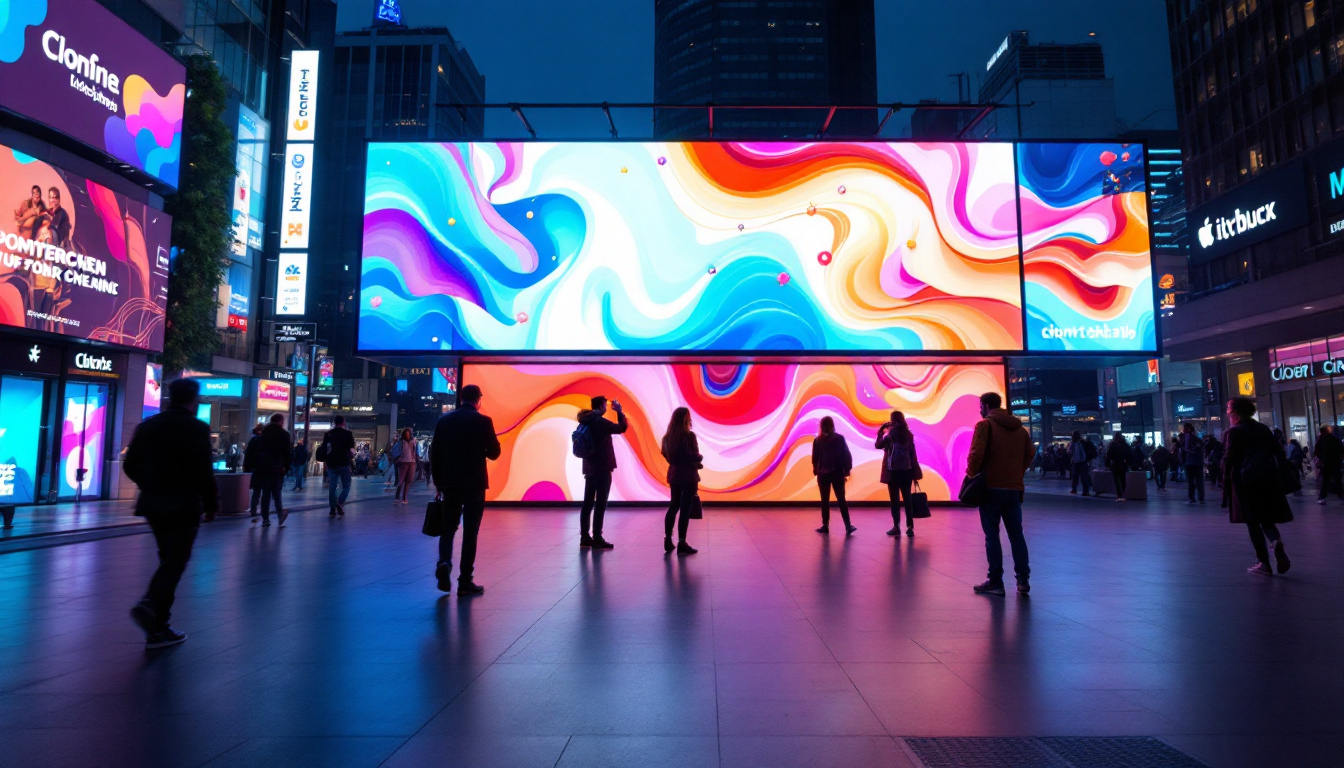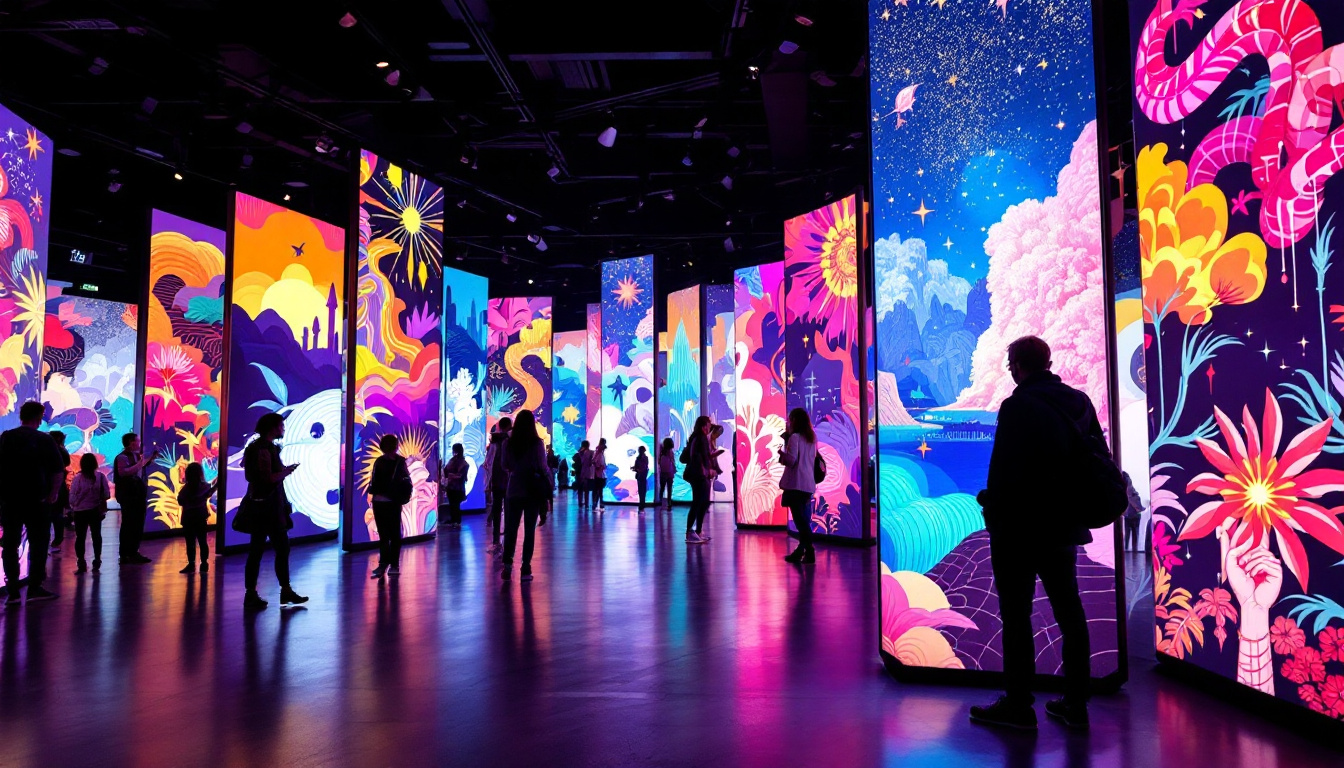
In today’s digital age, the way we present visual content has evolved dramatically. One of the most striking and versatile methods to display vibrant images and videos is through LED displays used as wall background pictures. These installations are transforming environments in commercial spaces, homes, events, and public venues by offering dynamic, high-resolution visuals that captivate audiences and enhance ambiance.
This article delves into the world of LED displays as wall background pictures, exploring their technology, types, benefits, and practical applications. Whether you are a business owner considering a digital facelift for your storefront or an event planner aiming to create immersive experiences, understanding LED wall backgrounds is essential.
Understanding LED Display Technology
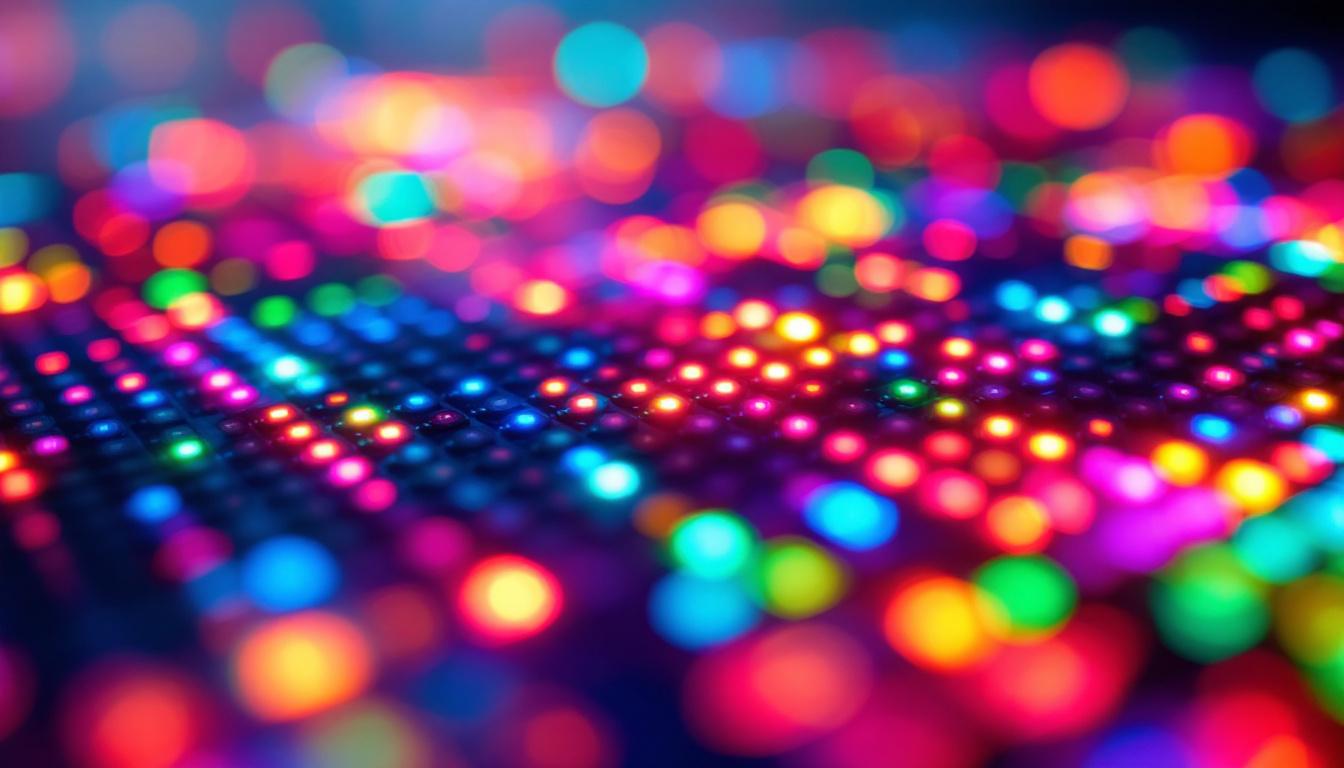
LED, or Light Emitting Diode, technology underpins the vibrant and energy-efficient displays that have become ubiquitous in modern visual media. At its core, an LED display is composed of numerous tiny light-emitting diodes arranged in a grid to form images and videos.
Unlike traditional LCD screens that rely on backlighting, LEDs emit their own light, resulting in better brightness, contrast, and color accuracy. This self-illumination allows LED displays to perform exceptionally well in various lighting conditions, including direct sunlight.
How LED Displays Work
Each pixel on an LED display consists of one or more diodes that produce red, green, and blue light. By adjusting the intensity of these colors, the display can render millions of colors with remarkable precision. The pixels are controlled by sophisticated electronics that manage image rendering, refresh rates, and synchronization.
Modern LED displays use surface-mounted device (SMD) technology, where LEDs are mounted directly onto a circuit board. This design enables higher pixel density, resulting in sharper images and smoother video playback, even when viewed up close.
Key Technical Specifications
When evaluating LED wall backgrounds, several technical specifications are critical:
- Pixel Pitch: The distance between the centers of two adjacent pixels, typically measured in millimeters. Smaller pixel pitch means higher resolution and better image clarity, especially for close viewing distances.
- Brightness: Measured in nits (cd/m²), brightness levels can range from 500 nits for indoor use to over 5,000 nits for outdoor displays, ensuring visibility in various lighting environments.
- Refresh Rate: The frequency at which the display updates the image, usually measured in hertz (Hz). Higher refresh rates reduce flicker and improve video smoothness.
- Viewing Angle: The maximum angle at which the display can be viewed without significant color or brightness degradation. Wide viewing angles are essential for wall backgrounds to be effective from multiple perspectives.
Types of LED Wall Background Displays
LED wall backgrounds come in various forms, each suited for different applications and environments. Understanding the distinctions helps in selecting the right solution for your needs.
Indoor LED Displays
Indoor LED displays are designed for controlled lighting environments such as offices, retail stores, conference rooms, and homes. They typically have a smaller pixel pitch, ranging from 1.2mm to 4mm, allowing for high-resolution images that look sharp even at close range.
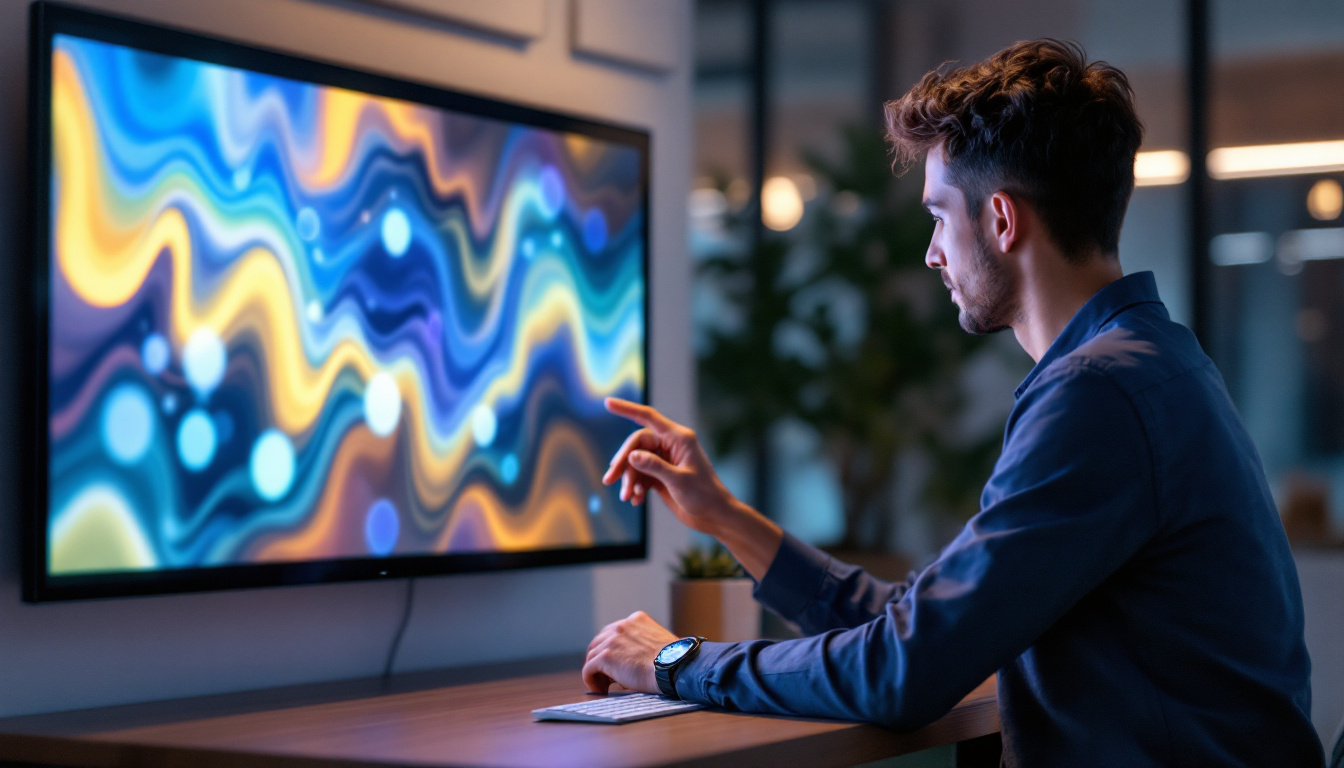
These displays are often used as digital wallpapers, video walls, or interactive backgrounds. Their brightness levels are optimized to prevent eye strain while maintaining vivid colors and contrast.
Outdoor LED Displays
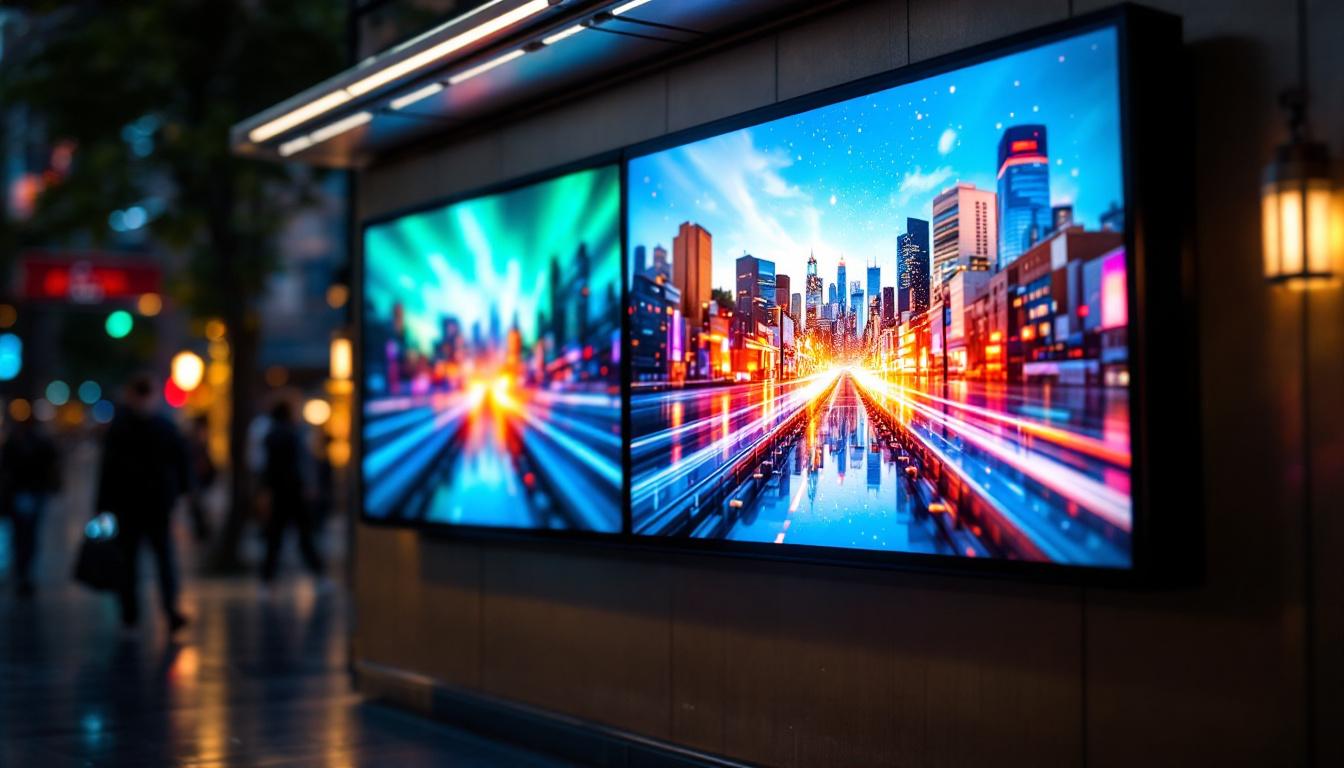
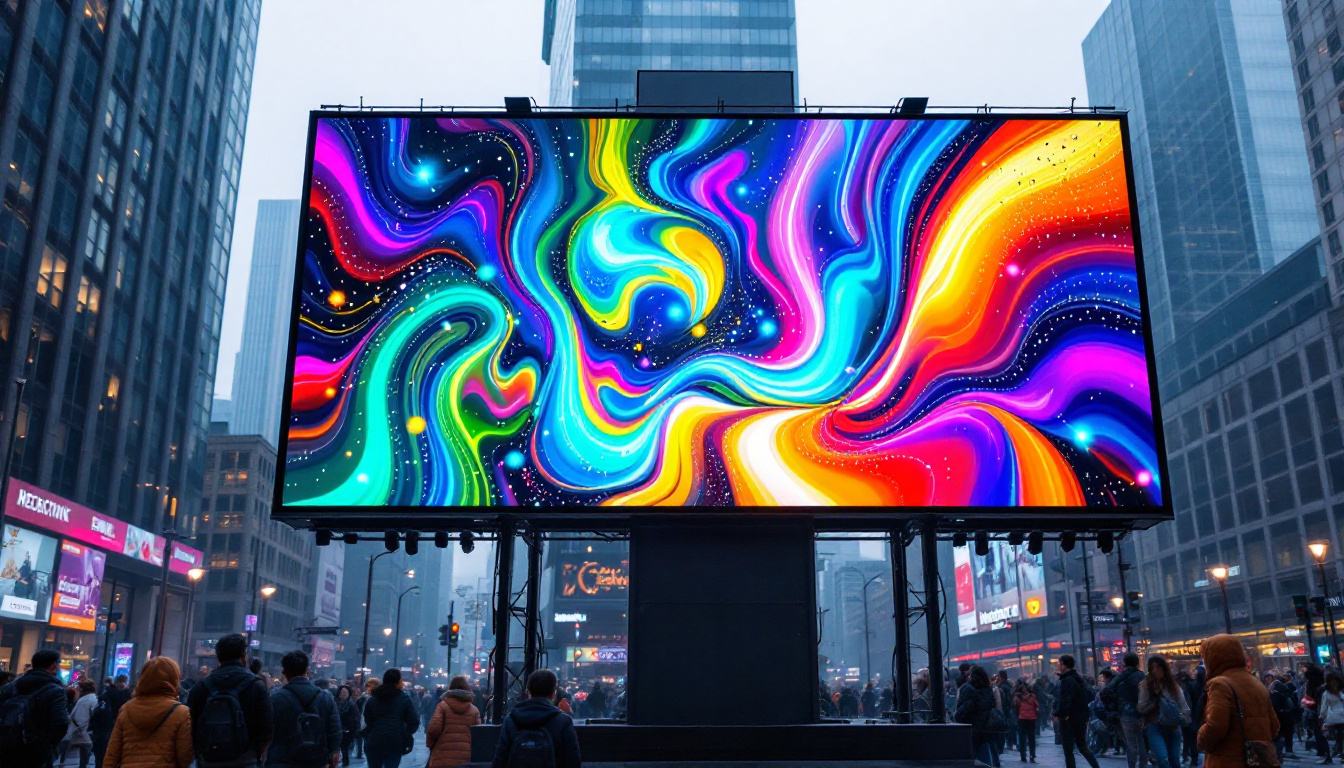
Outdoor LED wall backgrounds are built to withstand harsh weather conditions, including rain, dust, and extreme temperatures. They feature higher brightness levels—often exceeding 5,000 nits—to remain visible in direct sunlight.
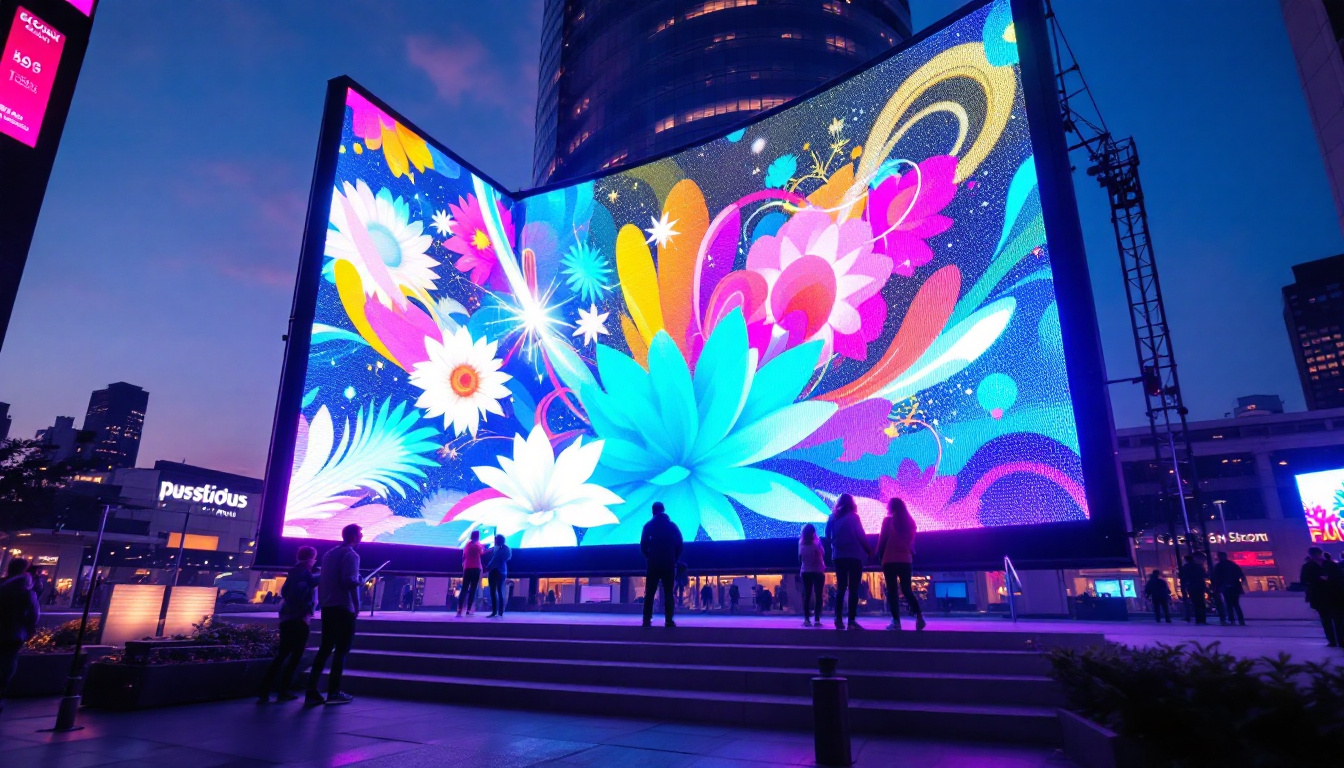
Pixel pitches for outdoor displays are generally larger (4mm to 20mm), as viewers tend to observe these screens from a greater distance. These are commonly used for billboards, stadium screens, and building facades.
Transparent LED Displays
Transparent LED displays represent a cutting-edge innovation, allowing for see-through digital screens that can be integrated into glass walls or windows. These displays maintain transparency while projecting vibrant images, making them ideal for retail storefronts and architectural installations.
This technology enables businesses to showcase dynamic content without obstructing natural light or the view outside, creating a futuristic and engaging visual experience.
Benefits of Using LED Displays as Wall Background Pictures
LED displays offer a multitude of advantages over traditional static wall backgrounds such as printed wallpapers or painted murals. These benefits extend to aesthetics, functionality, and cost-effectiveness.
Dynamic and Customizable Content
One of the most significant advantages is the ability to change content instantly. Whether displaying promotional videos, ambient visuals, or interactive media, LED wall backgrounds can be updated in real-time without physical alterations.
This flexibility allows businesses to tailor their messaging to different times of day, special events, or target audiences, enhancing engagement and brand presence.
Superior Visual Quality
LED displays deliver bright, vivid colors with high contrast ratios, making images and videos stand out. Their wide viewing angles ensure consistent quality from various positions within a room or venue.
Additionally, LED technology supports high refresh rates, reducing flicker and motion blur, which is essential for smooth video playback and comfortable viewing.
Energy Efficiency and Longevity
Compared to other display technologies, LEDs consume less power, contributing to lower operational costs and a smaller environmental footprint. Their long lifespan—often exceeding 100,000 hours—means less frequent replacements and maintenance.
Modern LED displays also incorporate heat dissipation designs that enhance durability and performance stability over time.
Space-Saving and Seamless Integration
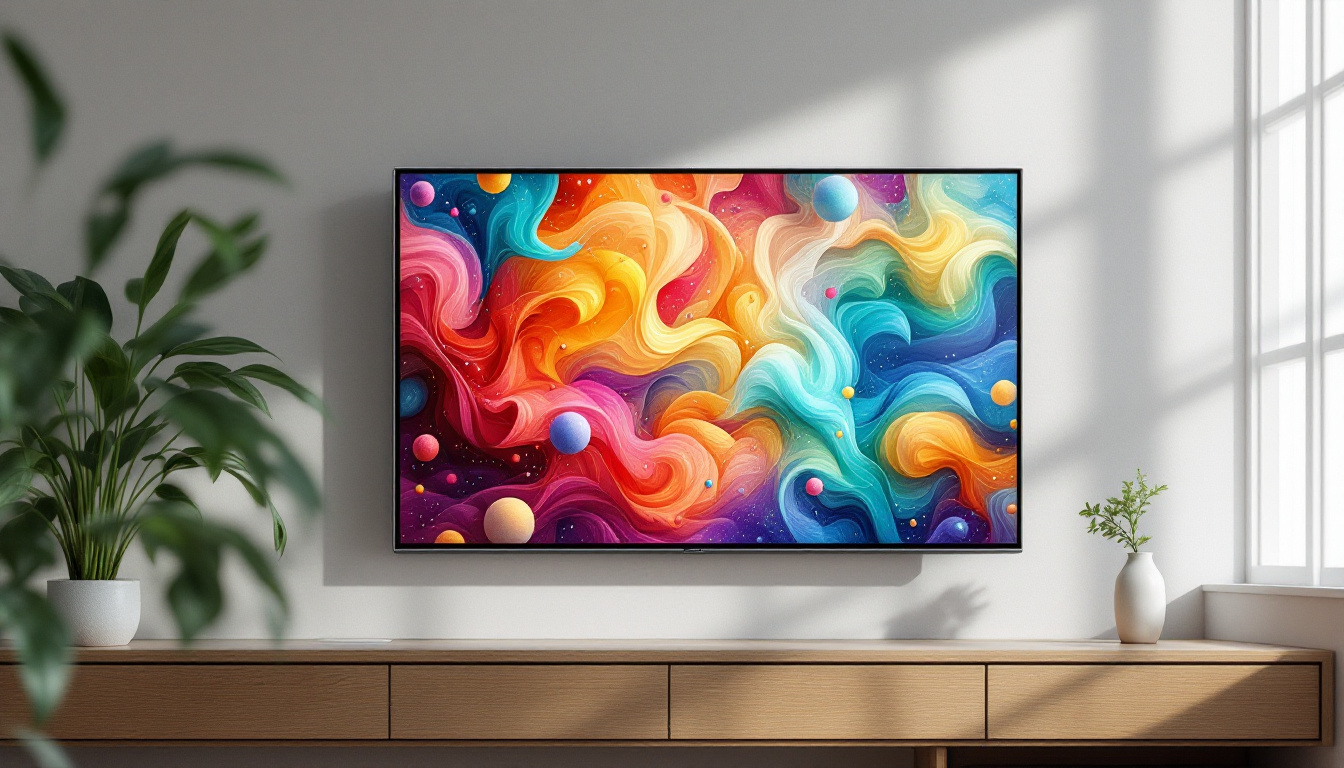
LED wall backgrounds can be installed flush with walls or integrated into architectural elements, saving space and creating a sleek, modern aesthetic. Modular designs allow for custom sizes and shapes, accommodating unique spatial requirements.
The absence of bulky frames or bezels in advanced models ensures a seamless visual experience that transforms any wall into a captivating digital canvas.
Practical Applications of LED Wall Background Displays
The versatility of LED wall backgrounds makes them suitable for a wide range of settings, from commercial to residential and public spaces.
Retail and Advertising
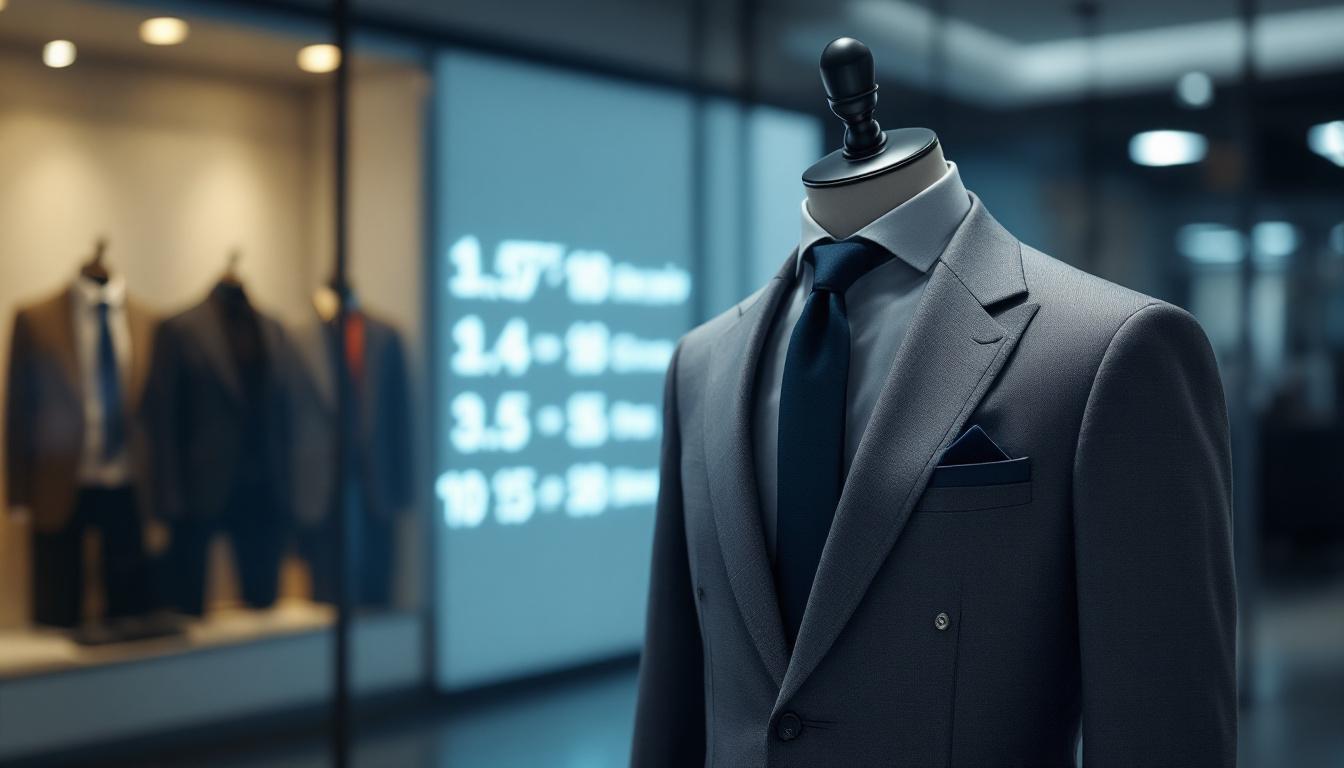
Retailers use LED wall backgrounds to create eye-catching window displays and in-store visuals that attract customers and promote products. Digital signage with LED walls can deliver targeted advertisements, seasonal promotions, and interactive content that enhances the shopping experience.
According to recent market research, digital signage revenue worldwide is expected to reach over $30 billion by 2025, underscoring the growing importance of LED displays in advertising strategies.
Corporate and Hospitality Environments
In corporate offices and hotels, LED wall backgrounds serve as dynamic backdrops for lobbies, conference rooms, and event spaces. They can display company branding, welcome messages, or immersive environments that elevate the ambiance.
Hotels, in particular, leverage LED walls to create memorable guest experiences, from digital art installations to interactive concierge services.
Entertainment and Events
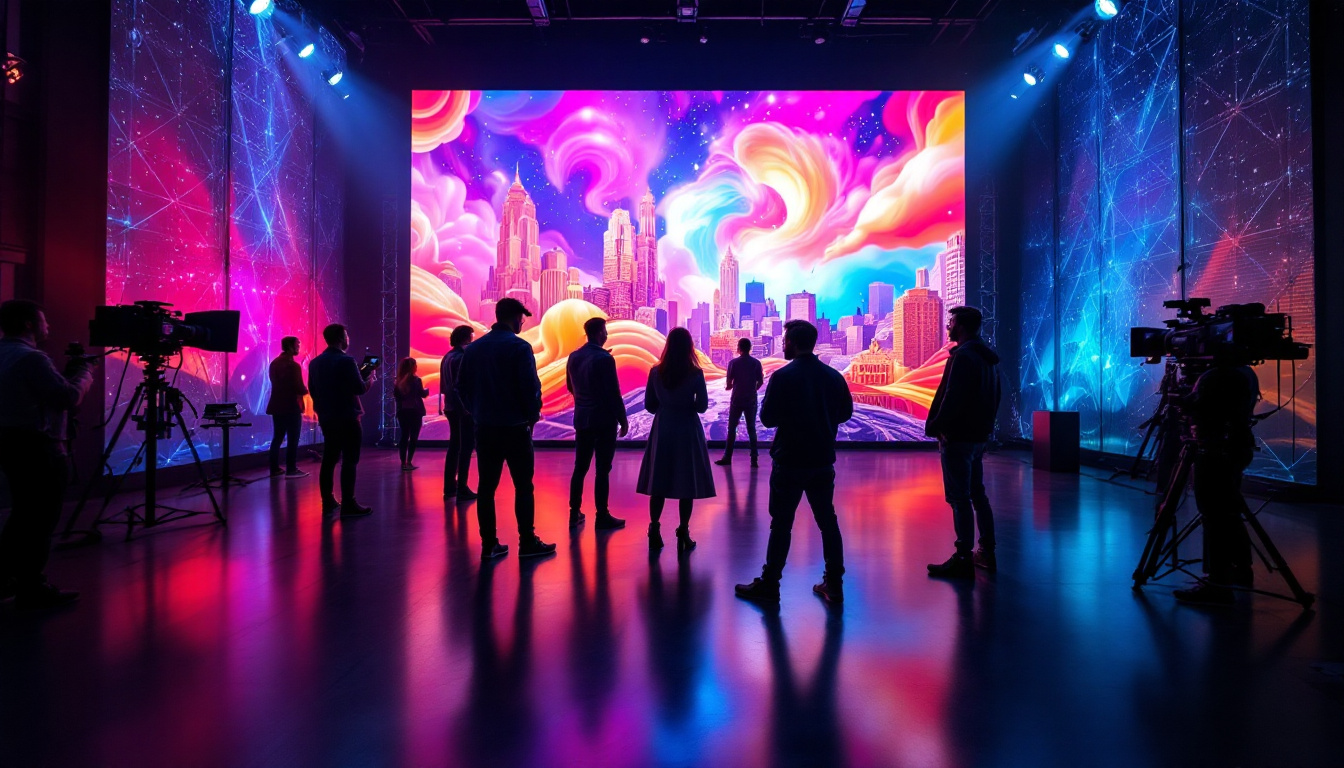
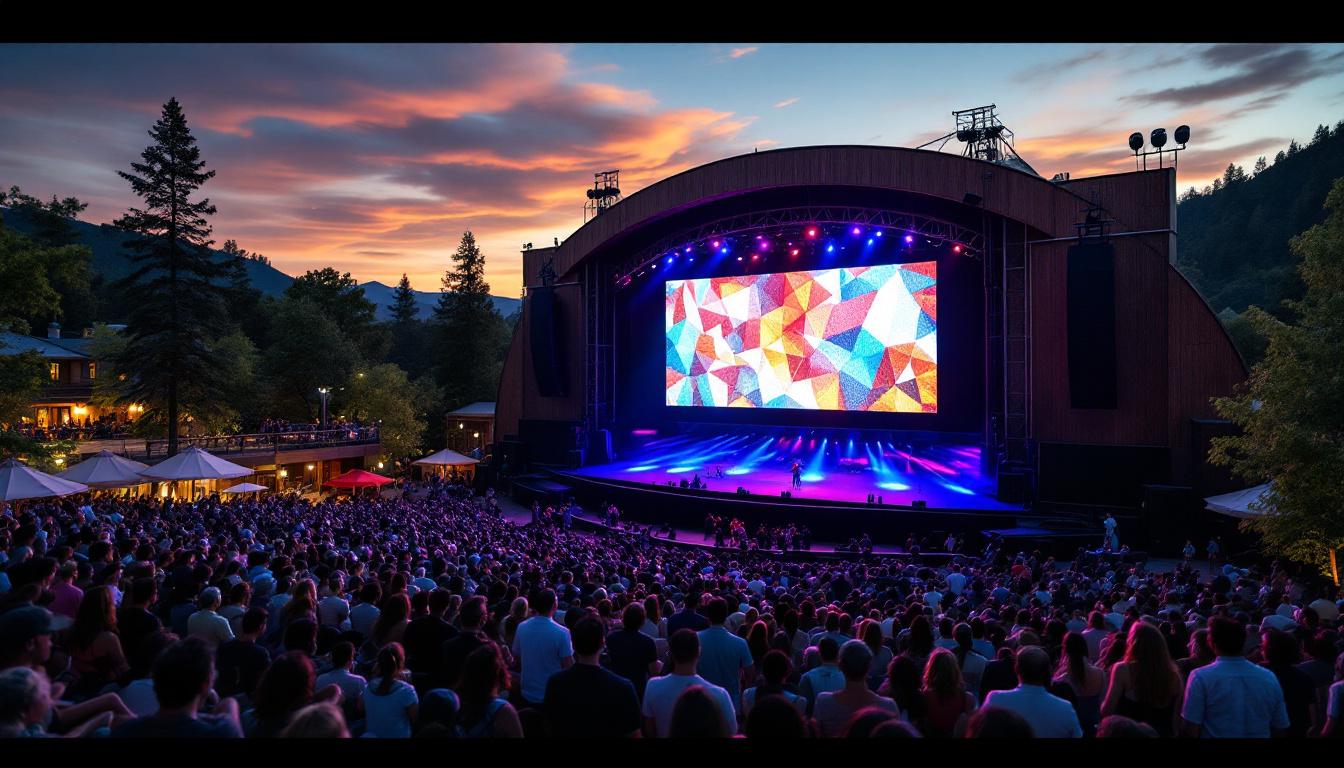
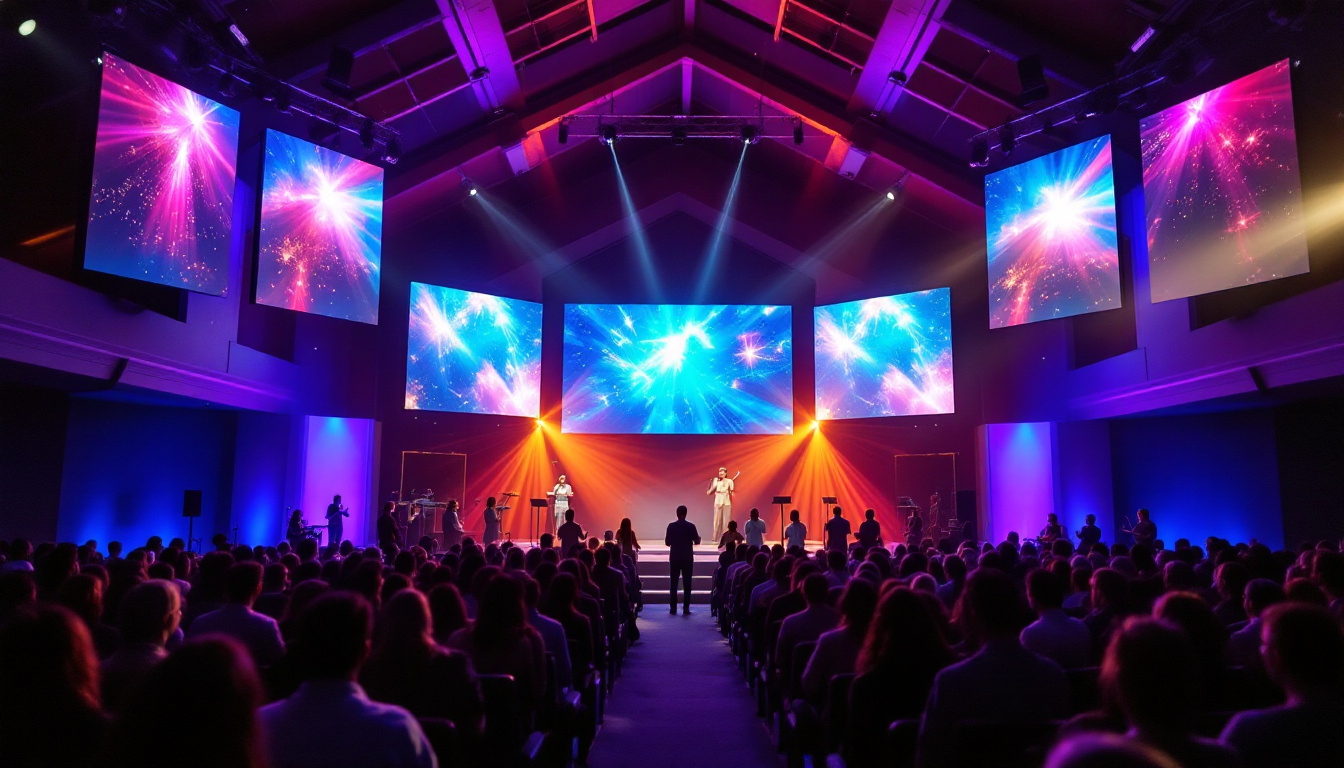
Concerts, theaters, and exhibitions increasingly rely on LED wall backgrounds to deliver immersive visual storytelling. Large-scale LED walls can adapt to various stage designs, providing dynamic scenery and special effects that enhance performances.
Sports venues use massive LED displays to engage fans with live action replays, scores, and advertisements, contributing to the overall excitement and atmosphere.
Residential Use
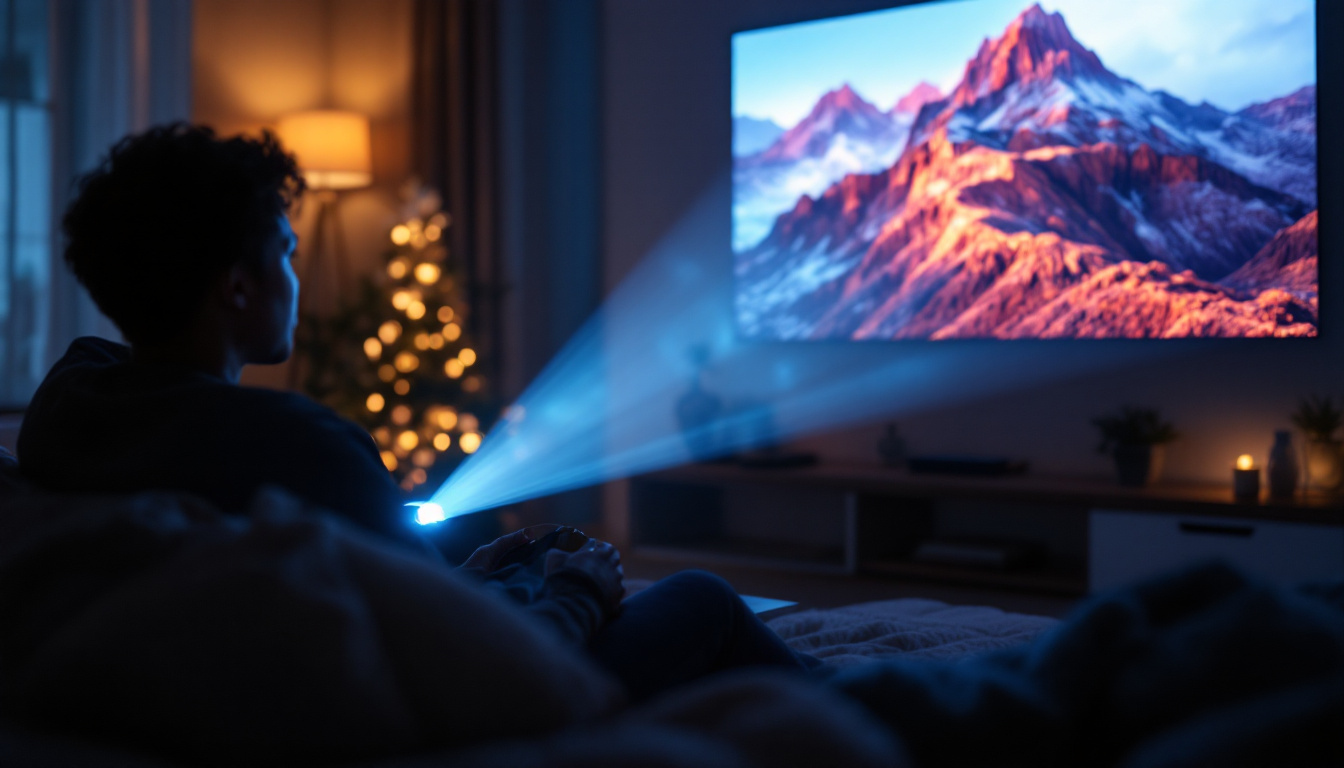
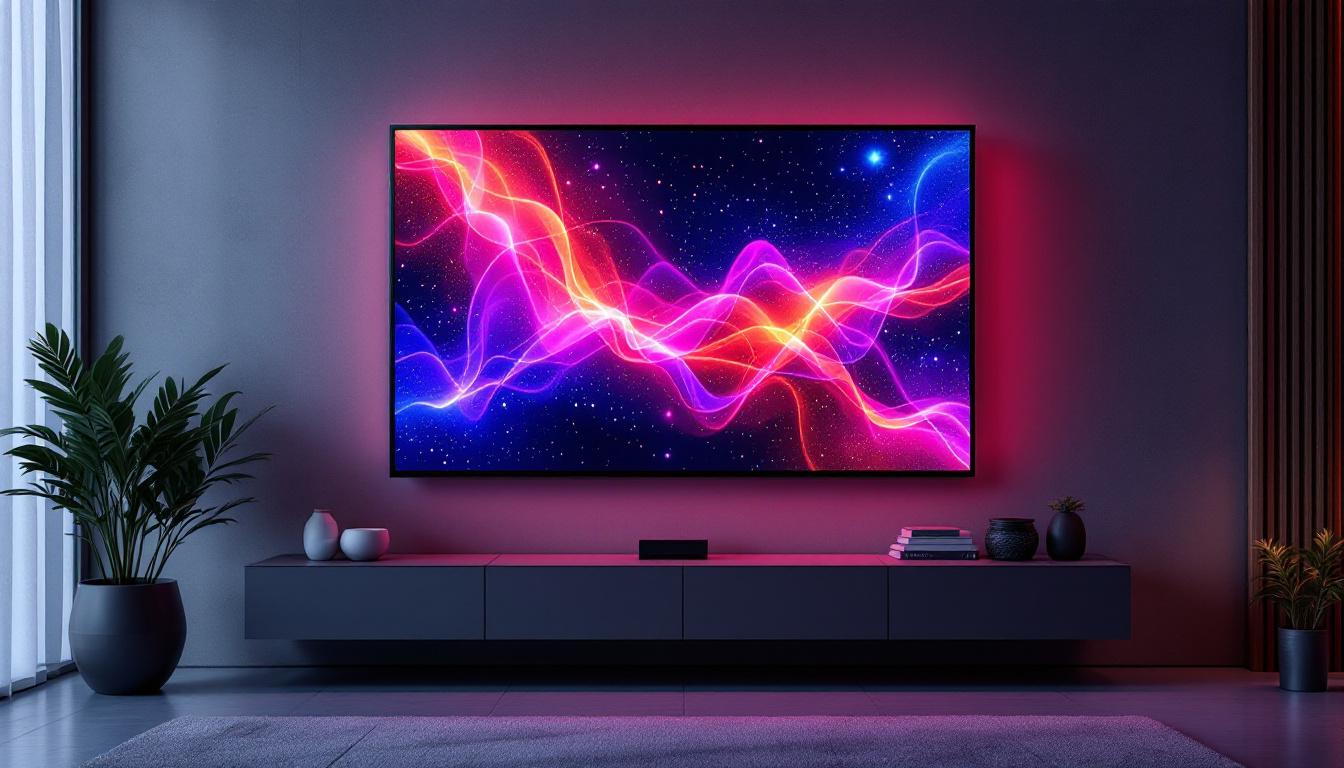
High-end residential installations are embracing LED wall backgrounds as a new form of interior decoration. Homeowners can enjoy customizable digital art, ambient lighting effects, or even virtual windows displaying scenic views, all controlled via smart home systems.
While traditionally costly, advancements in manufacturing and technology are making LED wall backgrounds more accessible to private consumers.
Considerations When Choosing an LED Wall Background
Selecting the right LED display for a wall background involves careful consideration of several factors to ensure optimal performance and value.
Viewing Distance and Pixel Pitch
The intended viewing distance is perhaps the most critical factor. For close-up viewing, such as in homes or retail interiors, a smaller pixel pitch is necessary to avoid visible pixelation. Conversely, larger pixel pitches are acceptable for displays viewed from afar, such as outdoor billboards.
Environmental Conditions
Indoor and outdoor environments impose different requirements. Outdoor displays must be weatherproof and have higher brightness levels, while indoor displays prioritize color accuracy and lower brightness to reduce glare and eye strain.
Installation and Maintenance
Modular LED panels simplify installation and future maintenance. It’s important to consider access for repairs and cleaning, as well as the structural support needed for large installations.
Content Management Systems (CMS)
Effective content management is essential for maximizing the potential of LED wall backgrounds. Many displays come with proprietary or third-party CMS solutions that allow users to schedule, update, and monitor content remotely.
Choosing a user-friendly CMS with robust features can significantly enhance the ease of operation and versatility of the display.
Future Trends in LED Wall Background Technology
The LED display industry is continuously evolving, driven by innovations that promise even more immersive and efficient visual experiences.
MicroLED and MiniLED Advancements
Emerging MicroLED and MiniLED technologies offer higher pixel densities and improved brightness control, enabling ultra-high-definition displays with exceptional color fidelity. These advancements will further blur the lines between digital and physical environments.
Flexible and Curved LED Displays
Flexible LED panels allow for curved and irregularly shaped installations, expanding creative possibilities for designers and architects. This flexibility facilitates more organic and engaging visual experiences.
Integration with Augmented Reality (AR) and Artificial Intelligence (AI)
Future LED wall backgrounds may integrate AR and AI to deliver interactive and personalized content. For example, facial recognition could tailor advertisements or information based on viewer demographics, enhancing relevance and engagement.
Conclusion
LED displays as wall background pictures represent a powerful fusion of technology and design, offering dynamic, high-quality visuals that can transform any space. Their versatility across indoor and outdoor environments, combined with energy efficiency and ease of content customization, makes them a compelling choice for businesses and individuals alike.
As LED technology continues to advance, the potential applications and creative possibilities will only expand, making LED wall backgrounds an increasingly vital element in modern visual communication.
Discover LumenMatrix’s Innovative LED Display Solutions
Ready to elevate your space with the dynamic and high-quality visuals of LED displays? LumenMatrix, a leader in LED display technology, offers a comprehensive range of solutions tailored to your needs. From Indoor and Outdoor LED Wall Displays to specialized options like Vehicle, Sports, and Floor LED Displays, we have the cutting-edge modules to bring your vision to life. Embrace the future of visual communication with our Custom, All-in-One, and Transparent LED Displays. Check out LumenMatrix LED Display Solutions today and transform your brand visibility and audience engagement.