In the rapidly evolving world of digital signage and outdoor advertising, LED displays have become a cornerstone technology. Among the various applications, wall cover outdoor LED displays stand out for their versatility, brightness, and ability to transform ordinary building facades into dynamic communication canvases. This article delves into the fundamentals of wall cover outdoor LED displays, exploring their technology, benefits, applications, and considerations for implementation.
Understanding Wall Cover Outdoor LED Displays
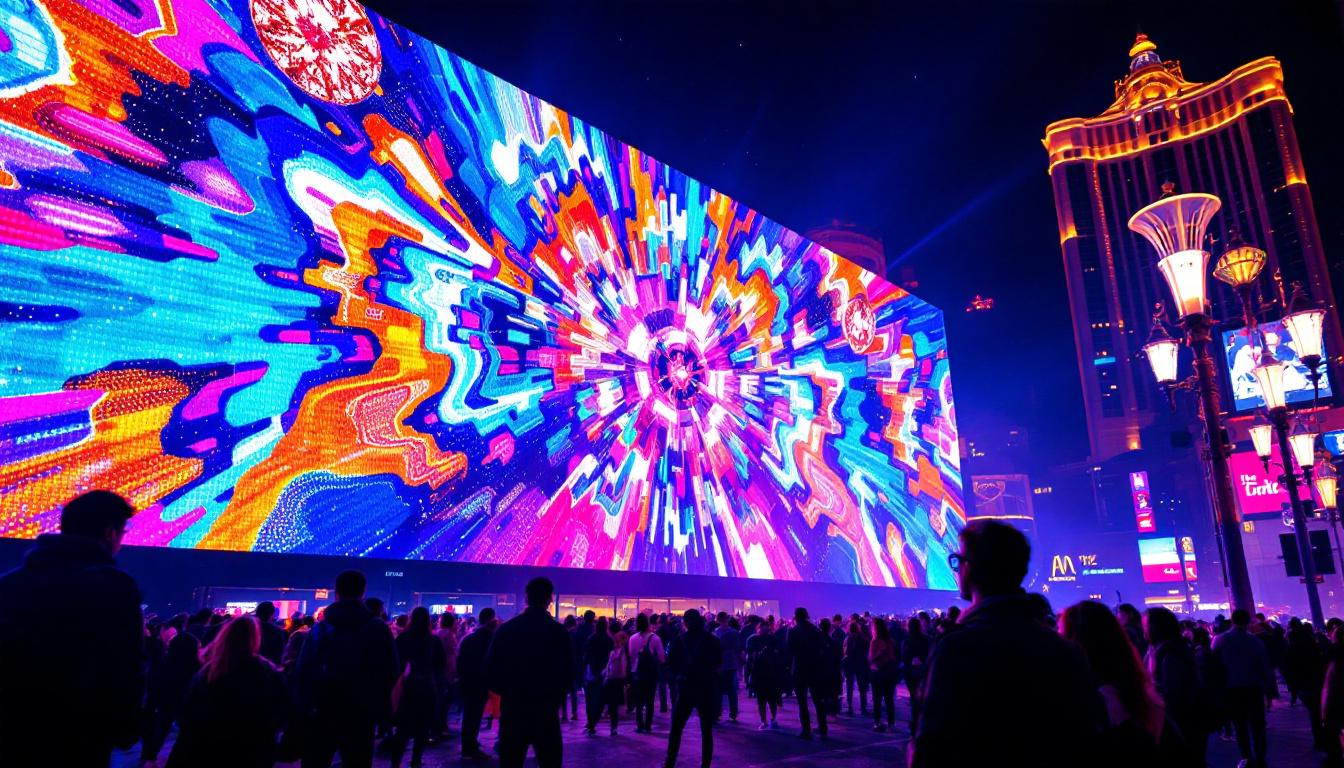
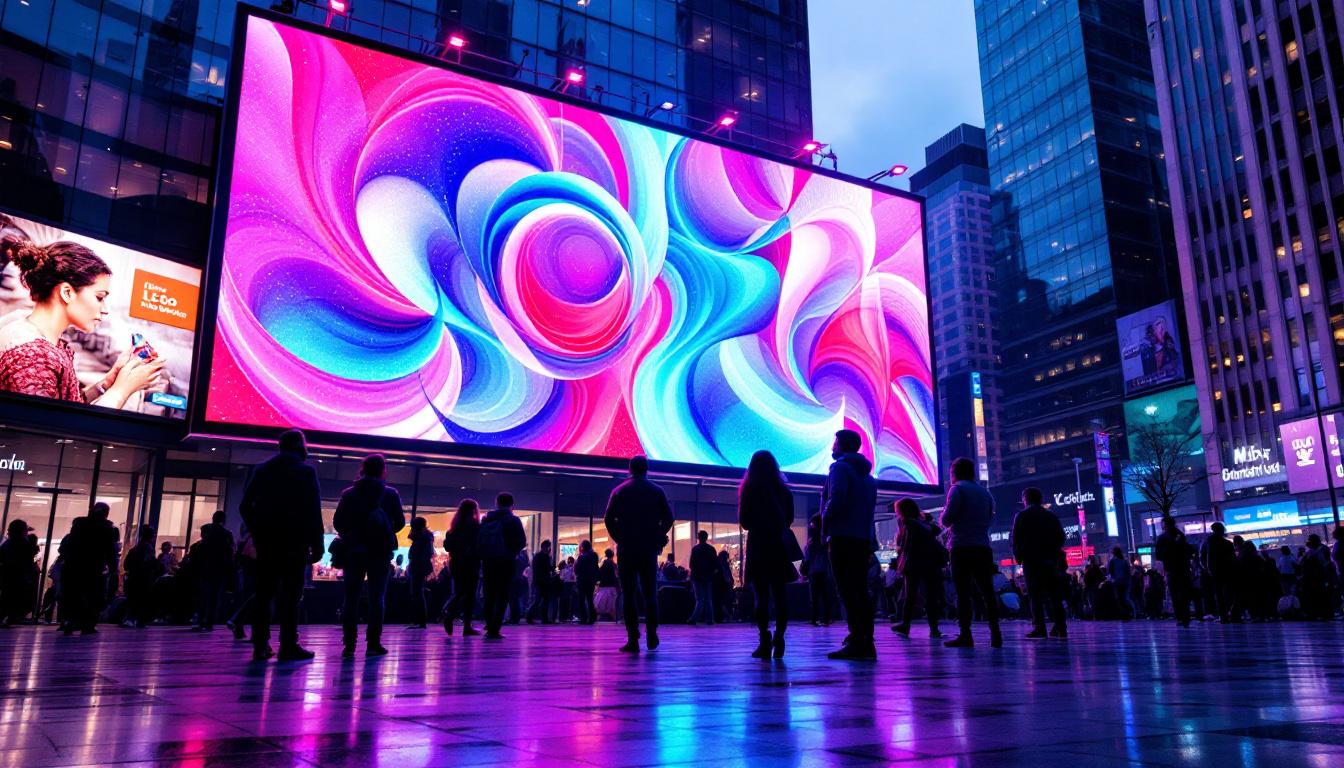
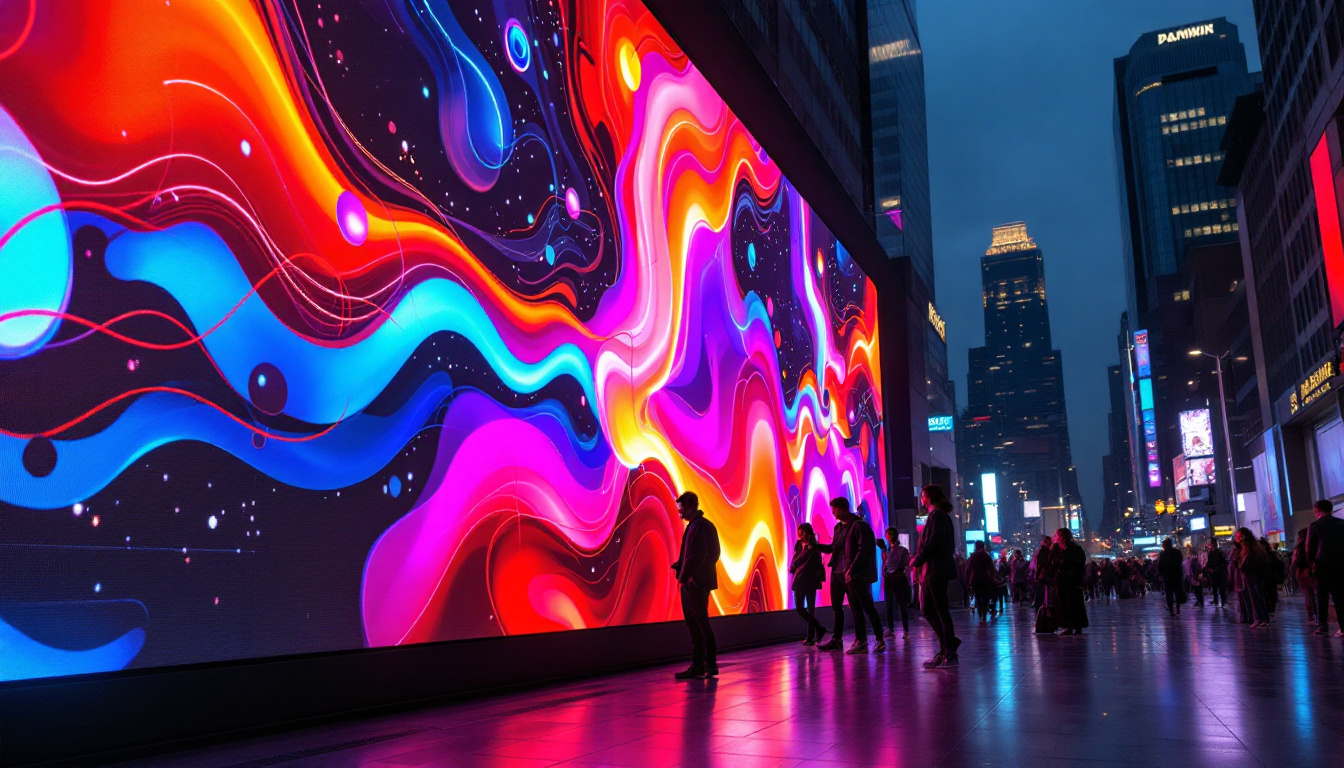
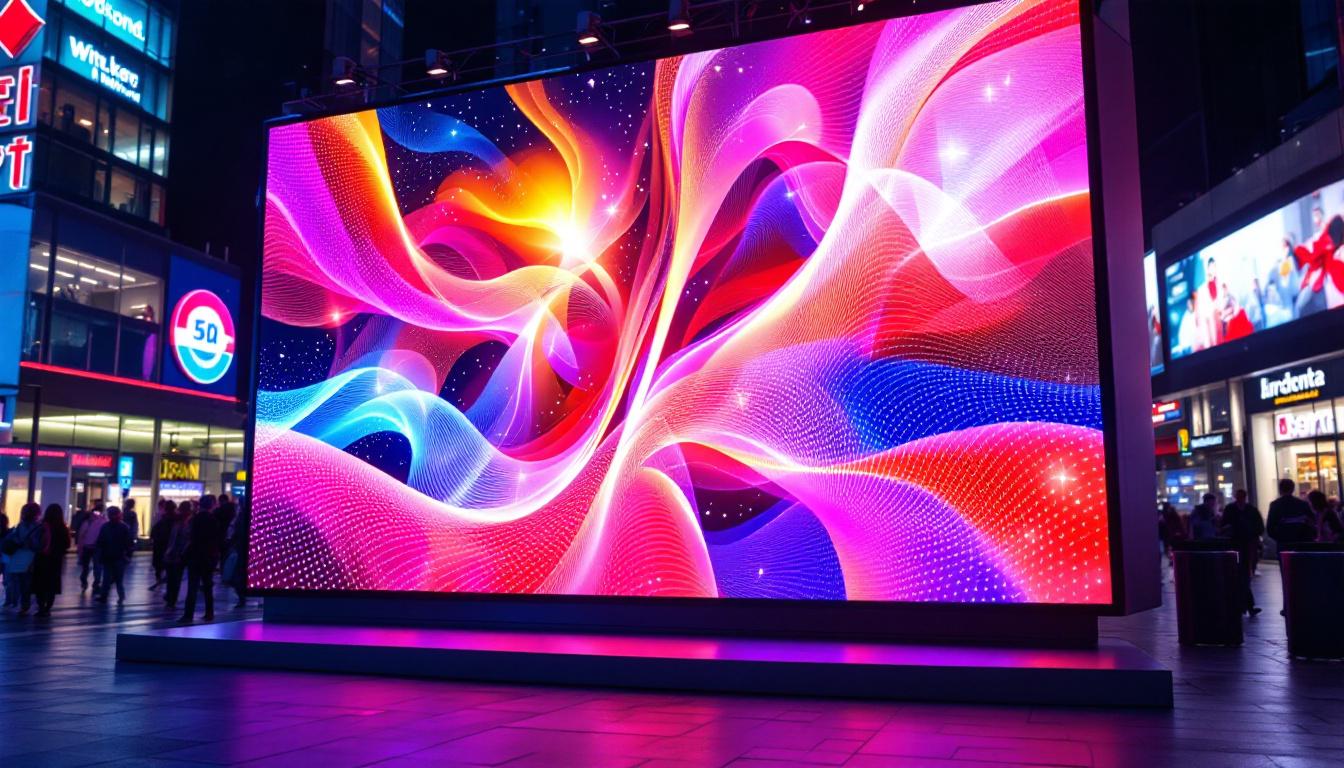
Wall cover outdoor LED displays refer to large-scale LED panels designed to be mounted on the exterior walls of buildings or structures. These displays cover significant surface areas, effectively turning entire walls into vibrant digital screens that can showcase images, videos, animations, and real-time data.
The key to their popularity lies in their ability to deliver high visibility content even under direct sunlight, making them ideal for outdoor environments where traditional signage might fail. Unlike conventional billboards or printed banners, these LED walls offer dynamic content flexibility, enabling businesses and municipalities to update messaging instantly and engage audiences with eye-catching visuals. This adaptability is particularly beneficial for events, promotions, or public announcements, allowing for timely and relevant communication that resonates with viewers.
Technical Composition of LED Wall Covers
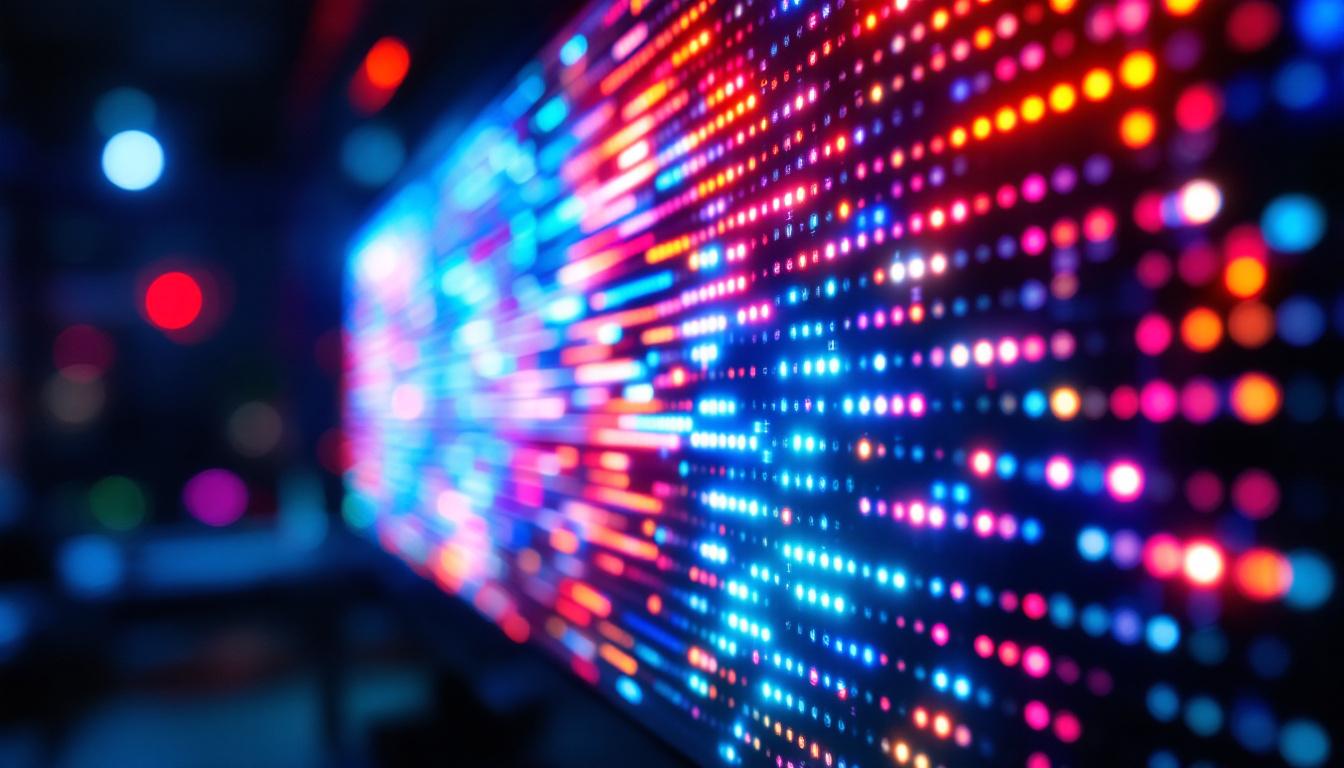
At the core of these displays are Light Emitting Diodes (LEDs), tiny semiconductor devices that emit light when an electric current passes through them. These LEDs are arranged in modules or panels, which are then assembled to form the full display surface. The resolution and image quality depend on the pixel pitch—the distance between the centers of two adjacent LEDs. Smaller pixel pitches provide higher resolution and finer image detail, which is crucial for displays viewed at close range. This technology allows for stunning visual effects and can even support high-definition video playback, making them an attractive option for entertainment venues and advertising agencies alike.
Outdoor LED displays are engineered to withstand harsh weather conditions. They typically feature robust, weatherproof enclosures with high ingress protection (IP) ratings, ensuring resistance to rain, dust, and extreme temperatures. Additionally, advanced brightness control systems adjust the display’s luminance based on ambient light, optimizing visibility while conserving energy. These displays often incorporate thermal management systems to prevent overheating, ensuring consistent performance during prolonged use. Furthermore, many modern LED displays are equipped with smart technology, allowing for remote monitoring and control, which enhances operational efficiency and reduces maintenance costs.
Key Advantages of Wall Cover Outdoor LED Displays
Wall cover outdoor LED displays offer numerous benefits that make them a preferred choice for advertisers, event organizers, and urban planners alike. Understanding these advantages helps explain their growing adoption worldwide.
Superior Visibility and Brightness
One of the most significant advantages of LED wall covers is their exceptional brightness, often exceeding 5,000 nits. This level of luminance ensures that content remains clear and vibrant even in direct sunlight, a critical factor for outdoor applications. Unlike LCD or projection-based displays, LEDs maintain consistent visibility regardless of ambient lighting conditions, making them effective for 24/7 operation. Furthermore, the ability to adjust brightness levels based on environmental conditions enhances viewer comfort and reduces energy consumption during nighttime hours, ensuring that the displays are both effective and eco-friendly.
Dynamic and Flexible Content
Unlike static billboards, LED wall covers allow for dynamic content changes in real time. This flexibility enables advertisers to tailor messages based on time of day, special events, or audience demographics. For example, a retail store can promote different products throughout the day, or a city can display emergency alerts and public service announcements instantly. This adaptability not only maximizes advertising impact but also fosters community engagement, as local events and announcements can be highlighted, creating a sense of connection among residents and visitors alike.
Energy Efficiency and Longevity
Modern LED technology is highly energy efficient compared to traditional lighting and display methods. Advances in LED chip design and power management have reduced energy consumption significantly, making large-scale outdoor displays more sustainable. Additionally, LEDs have a long operational lifespan, often exceeding 100,000 hours, which translates to lower maintenance and replacement costs over time. This longevity not only benefits the environment by reducing waste but also allows businesses to allocate resources more effectively, investing in further innovations rather than frequent replacements.
Creative Architectural Integration
Wall cover LED displays can be customized to fit various architectural styles and surfaces, enabling creative integration into building designs. This capability transforms buildings into iconic landmarks and interactive public spaces, enhancing urban aesthetics and attracting tourism and business opportunities. Moreover, the versatility of these displays allows for artistic expressions, such as light shows or animated graphics, which can turn a mundane structure into a vibrant canvas that captivates passersby. As cities continue to evolve, these displays can serve as a bridge between technology and art, fostering a sense of community pride and cultural identity.
Applications of Wall Cover Outdoor LED Displays
The versatility of wall cover outdoor LED displays has led to their adoption across diverse sectors. Their ability to communicate visually on a grand scale opens up numerous possibilities.
Advertising and Branding
Outdoor advertising is one of the most prominent uses of wall cover LED displays. Brands leverage these massive digital canvases to capture attention in high-traffic areas such as city centers, shopping districts, and transportation hubs. The ability to display vibrant, moving content helps increase engagement and recall compared to static signage.
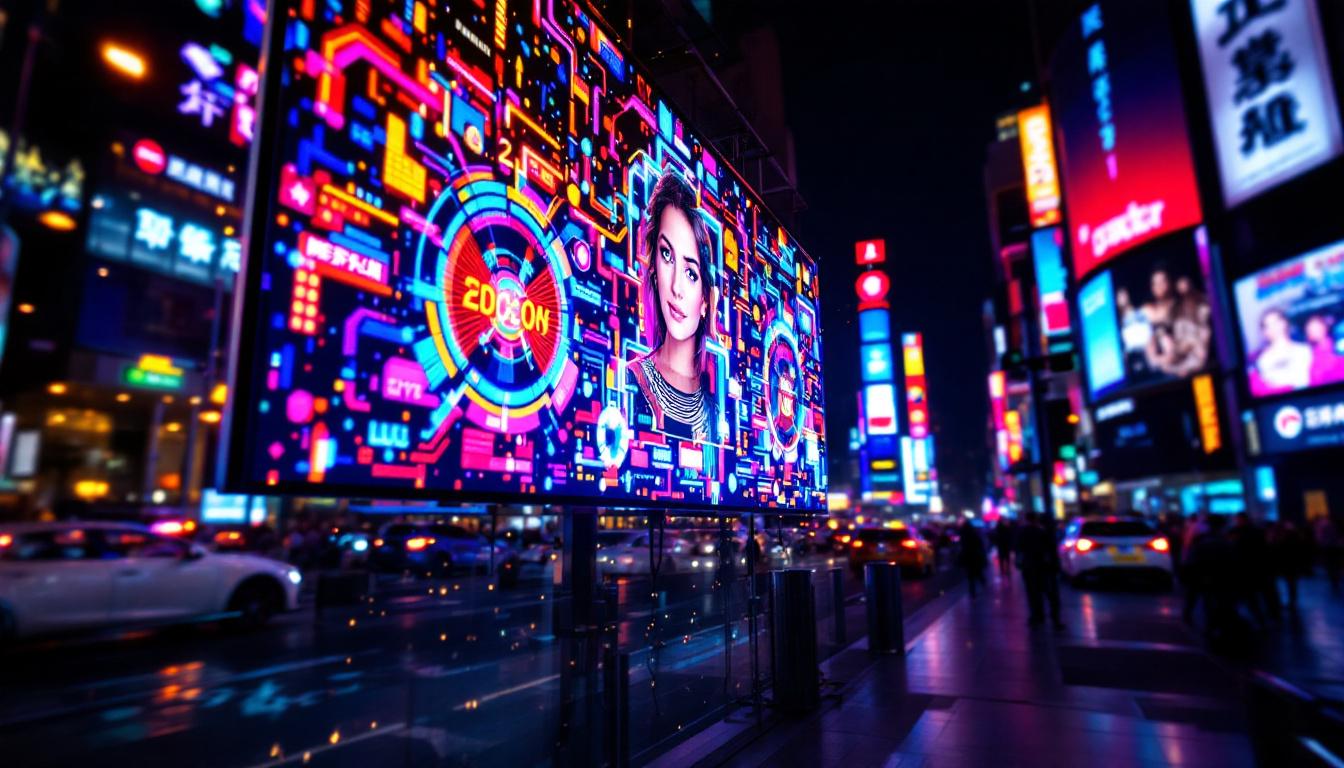
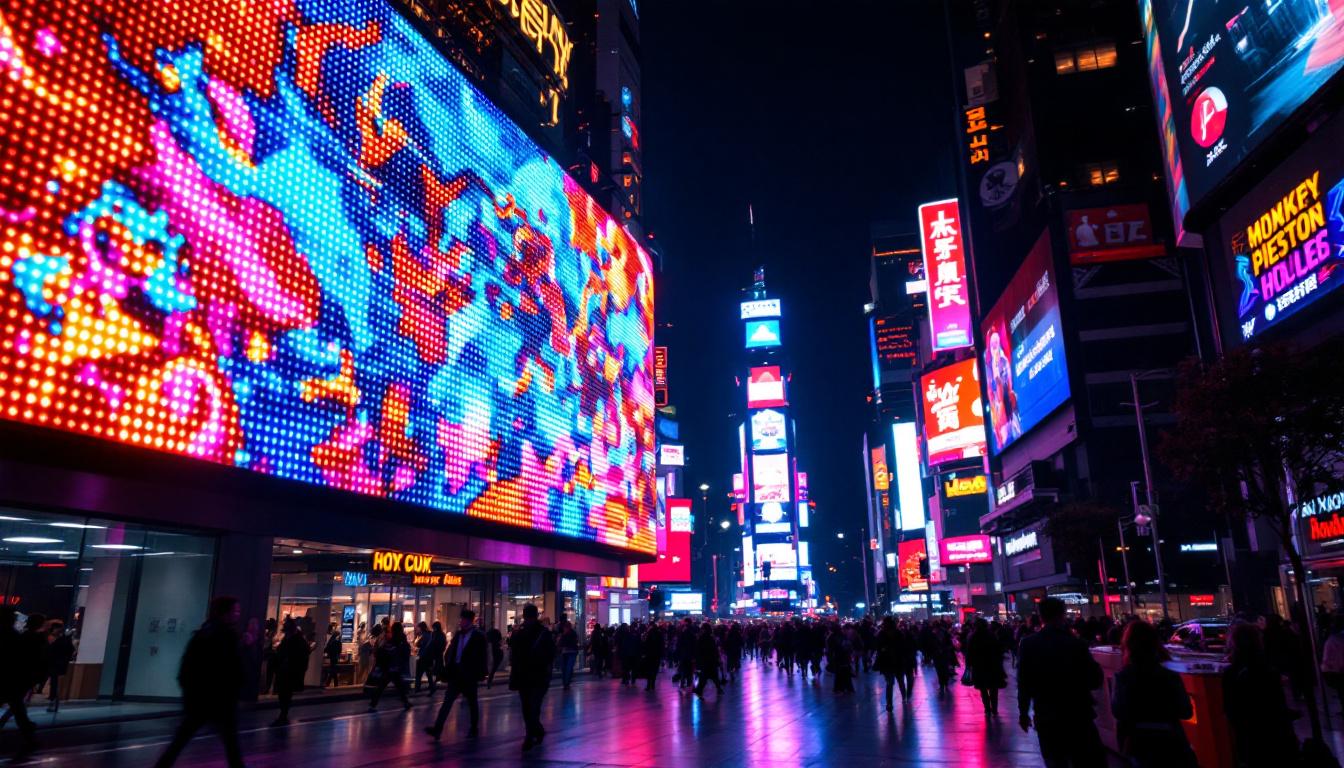
For instance, Times Square in New York City is renowned for its extensive use of LED wall displays, creating a dynamic advertising environment that draws millions of visitors annually. Similar installations in cities worldwide demonstrate the effectiveness of LED walls in brand promotion. Moreover, the technology allows for real-time updates and targeted advertising, enabling brands to tailor their messages based on audience demographics and time of day, thus maximizing their impact.
Public Information and Safety
Municipalities utilize wall cover LED displays to disseminate important public information, including weather alerts, traffic updates, and emergency notifications. The immediacy and visibility of these displays make them invaluable tools for enhancing public safety and awareness. In addition to routine announcements, these screens can be programmed to display crucial information during crises, such as natural disasters or public health emergencies, ensuring that communities remain informed and prepared.
Furthermore, the integration of interactive features, such as touch screens or QR codes, allows citizens to engage directly with the information being presented. This interactivity not only fosters a sense of community involvement but also encourages individuals to take proactive measures based on the information displayed, thereby enhancing overall public safety.
Event and Entertainment Venues
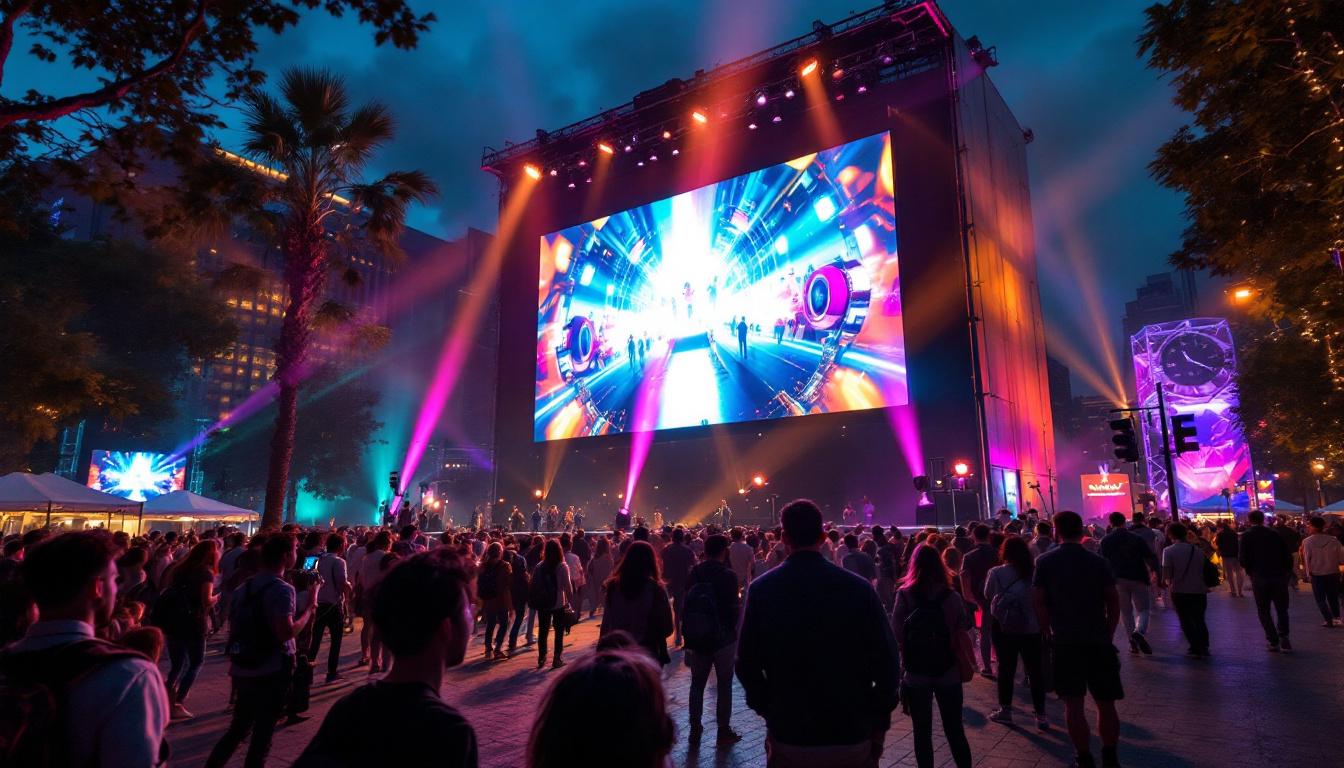
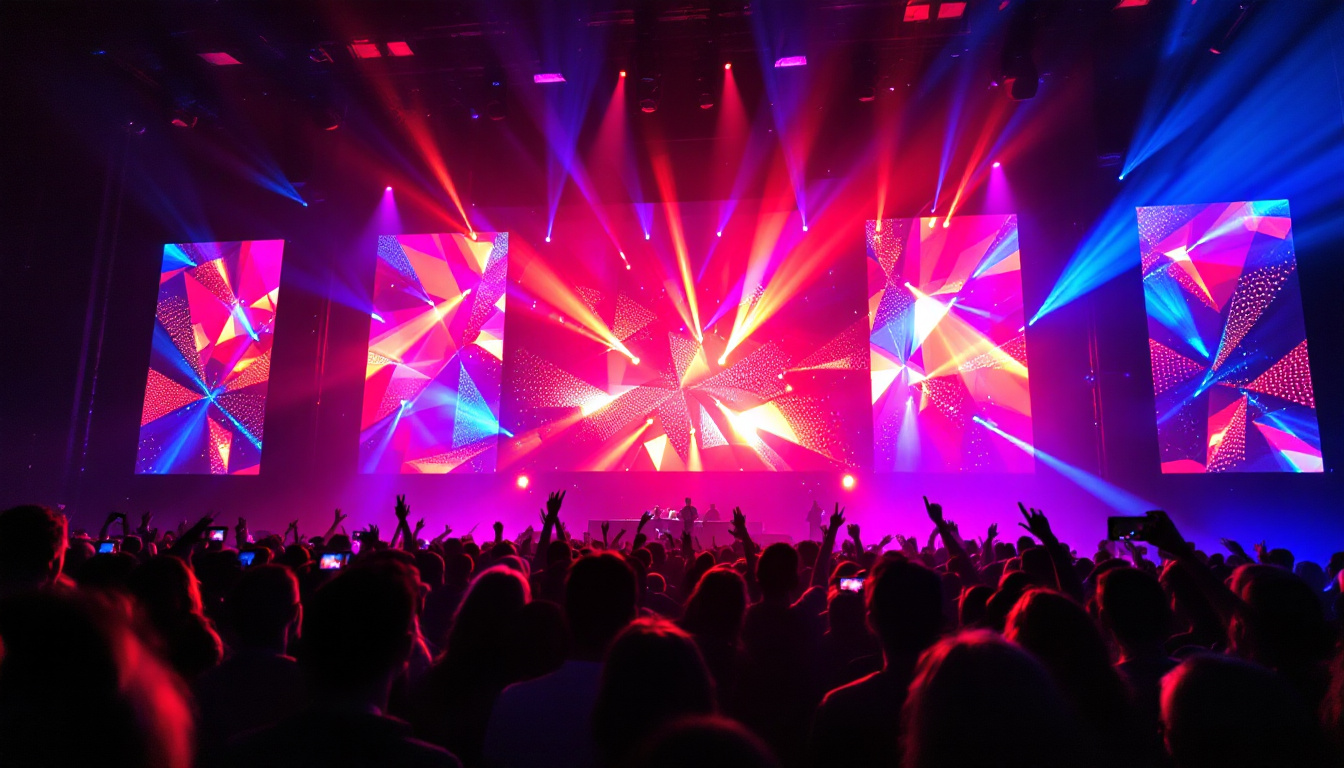
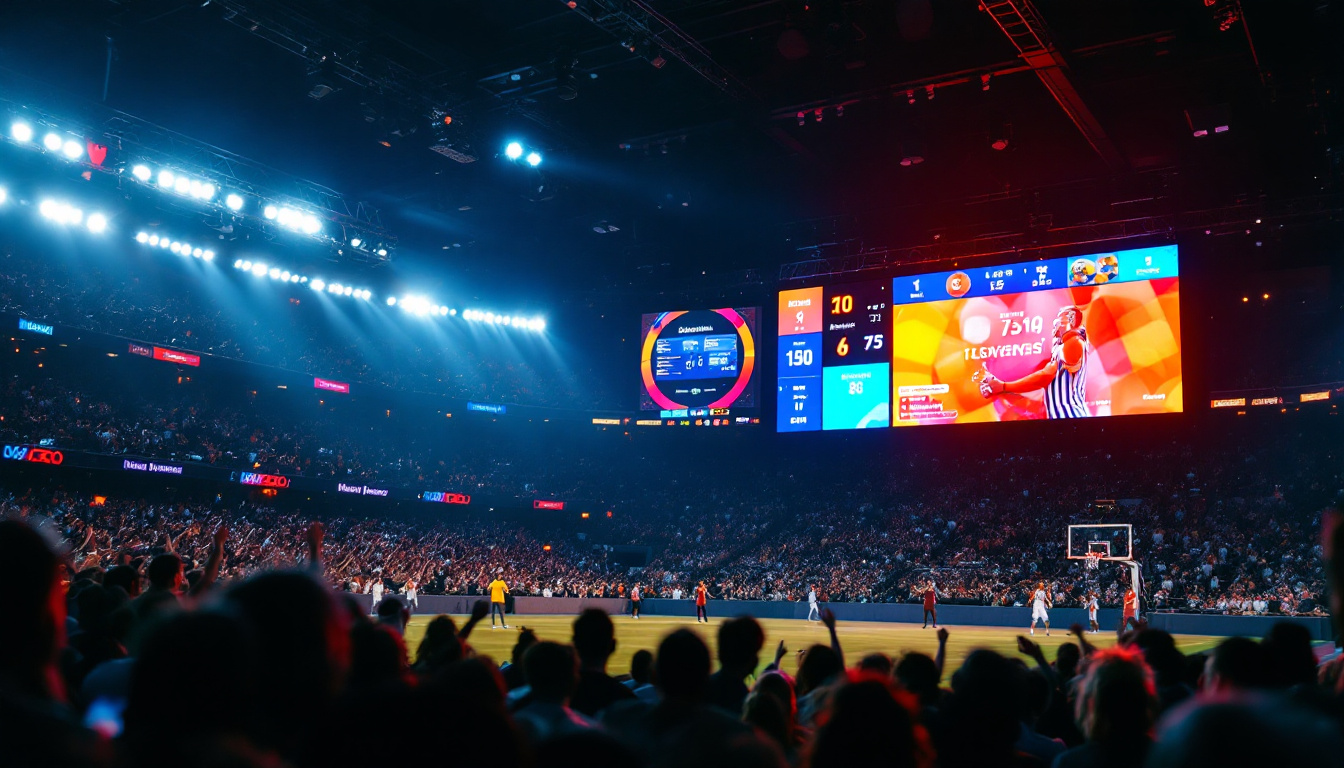
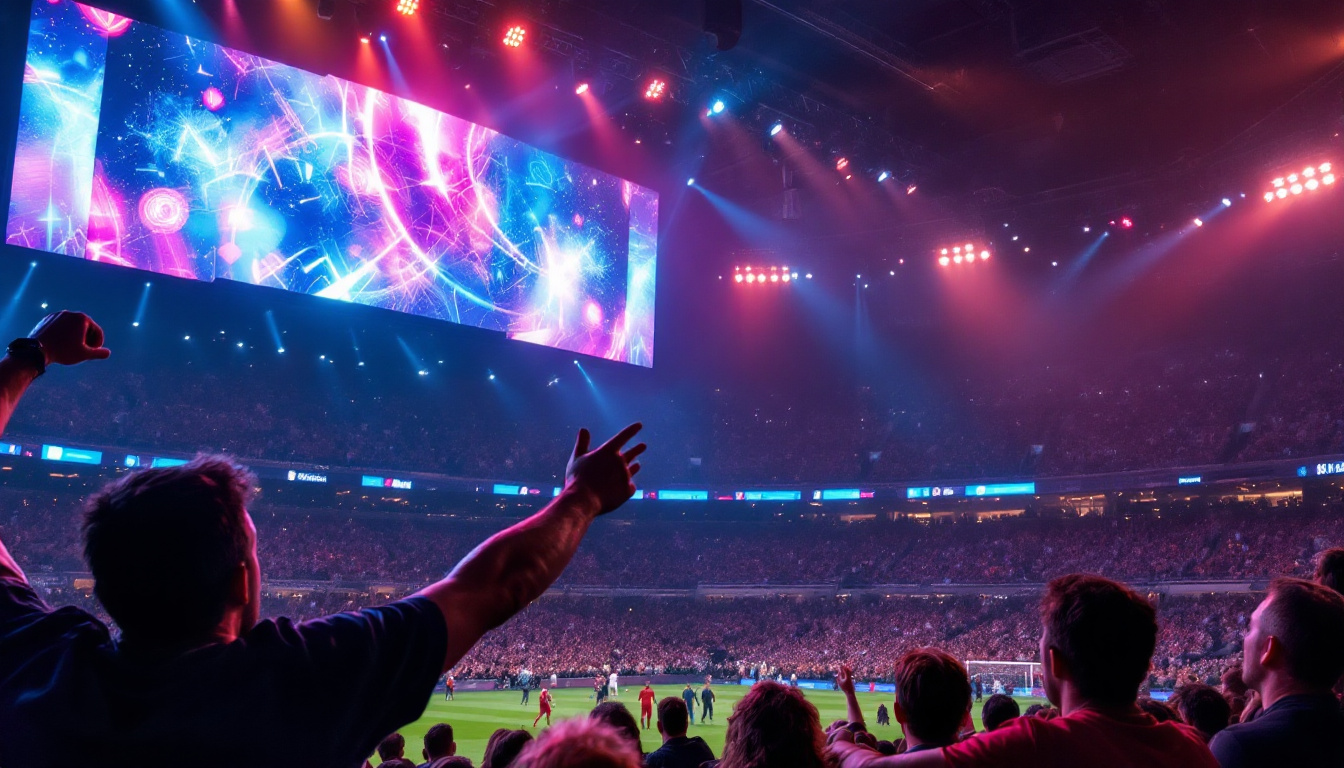
Stadiums, concert halls, and outdoor event spaces incorporate LED wall covers to enhance the spectator experience. These displays provide live event feeds, advertisements, and interactive content, contributing to immersive environments that engage audiences. By showcasing instant replays, player statistics, and fan interactions, these screens elevate the overall enjoyment of live events.
Additionally, LED displays can be synchronized with sound systems to create a cohesive audio-visual experience. During concerts, for example, visual effects can be choreographed with the music, transforming the venue into a vibrant spectacle that captivates attendees. This synergy between audio and visual elements not only enhances entertainment value but also helps in creating memorable experiences that resonate with audiences long after the event has concluded.
Architectural and Artistic Installations
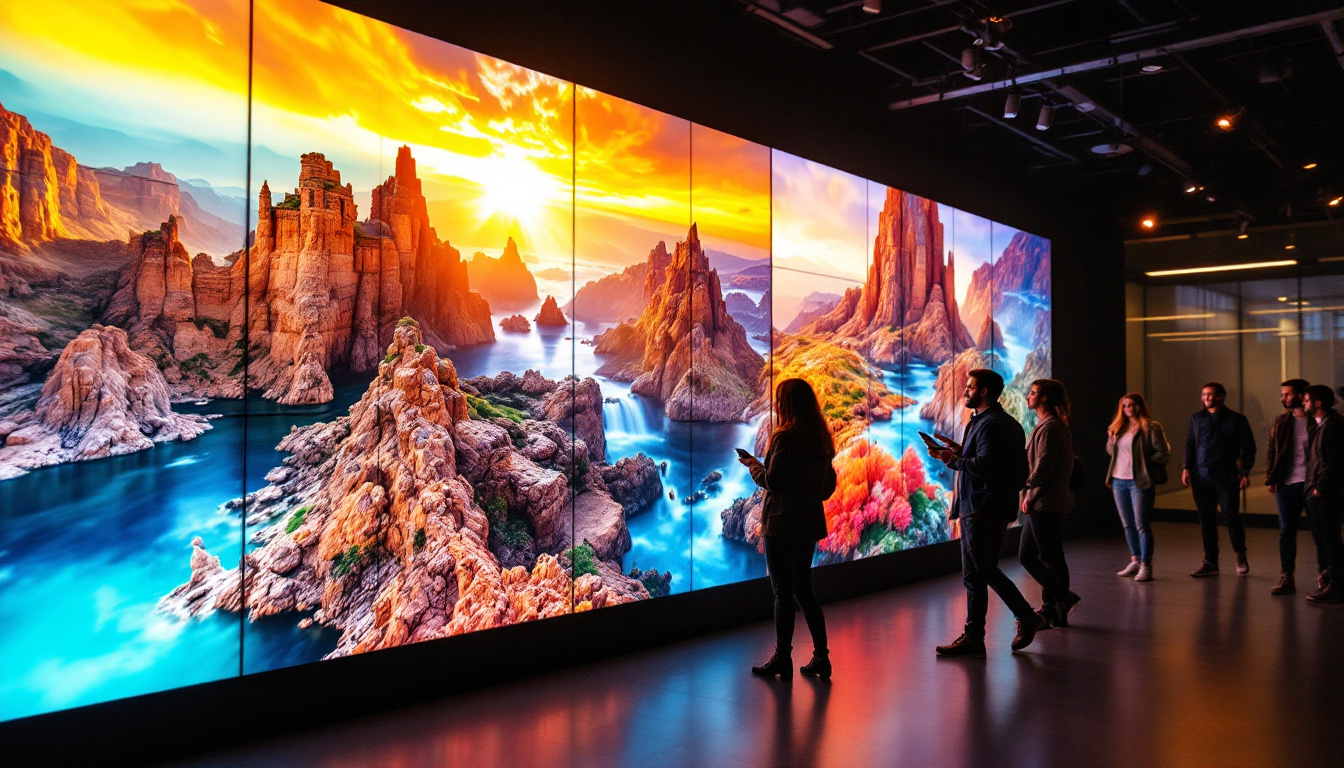
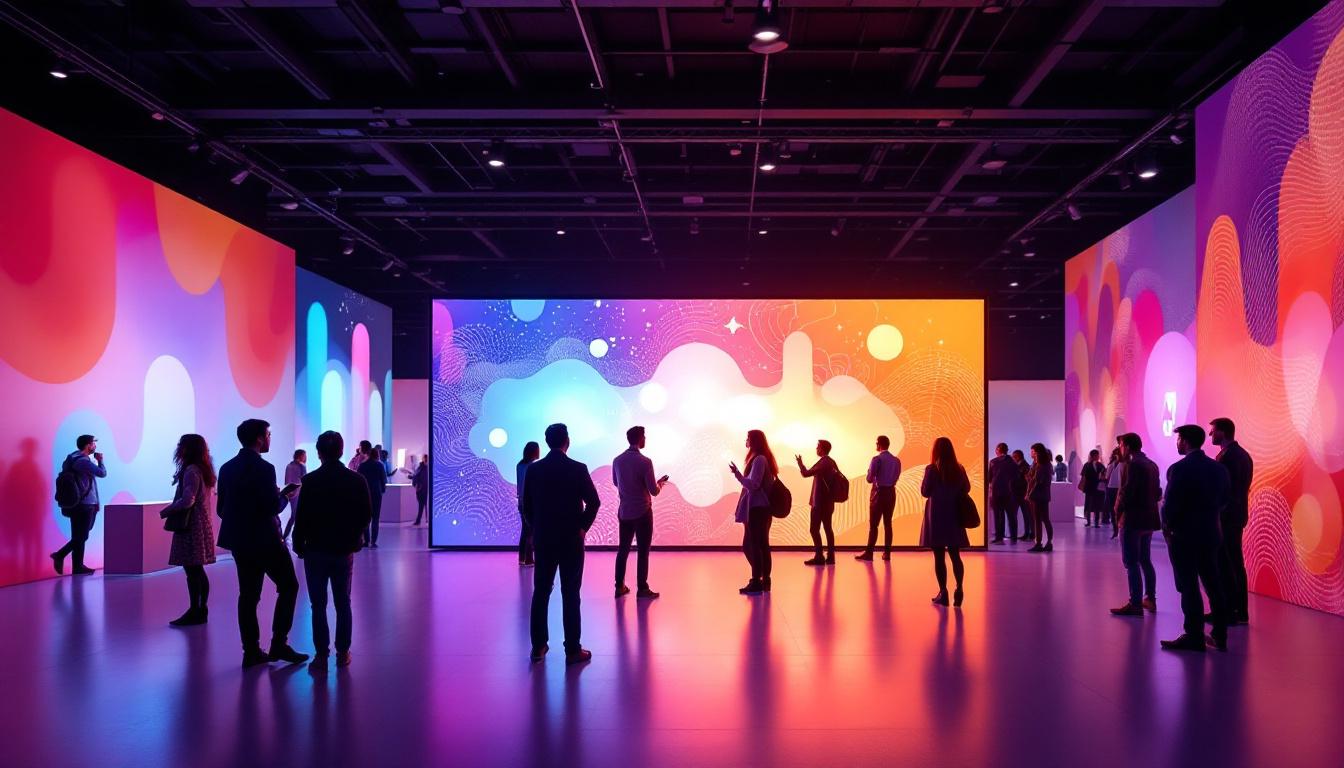
Beyond commercial uses, LED wall covers serve as mediums for digital art and architectural expression. Artists and designers use these displays to create dynamic installations that respond to environmental stimuli or audience interaction, enriching cultural landscapes. This innovative use of technology allows for the creation of ever-changing art pieces that can adapt to different contexts, seasons, or even the time of day.
Moreover, the ability to project large-scale artwork onto buildings or public spaces democratizes art, making it accessible to a wider audience. This trend has led to the emergence of digital art festivals and exhibitions that celebrate the fusion of technology and creativity, inviting artists from around the globe to showcase their work on monumental scales. As a result, cities are increasingly becoming canvases for artistic expression, transforming urban environments into vibrant galleries that inspire and engage the public.
Considerations for Implementing Wall Cover Outdoor LED Displays
While the benefits of wall cover outdoor LED displays are compelling, successful implementation requires careful planning and consideration of several factors.
Site Assessment and Structural Integrity
Before installation, a thorough site assessment is essential. The building’s structural capacity must be evaluated to ensure it can support the weight and mounting requirements of the LED panels. Wind load, seismic activity, and local building codes also influence installation design and safety measures.
Resolution and Viewing Distance
Choosing the appropriate pixel pitch and resolution depends on the typical viewing distance. Larger pixel pitches are suitable for displays viewed from afar, while smaller pixel pitches are necessary for close-up visibility. Misjudging this can result in poor image quality or unnecessarily high costs.
Power and Connectivity Infrastructure
LED wall covers require reliable power sources and data connectivity for content management. Planning for electrical load, backup power options, and network access is crucial to ensure uninterrupted operation. Additionally, remote content management systems simplify updates and monitoring.
Environmental and Regulatory Compliance
Compliance with local regulations regarding brightness levels, light pollution, and advertising content is mandatory. Environmental considerations include minimizing energy consumption and ensuring that the display does not negatively impact nearby residents or wildlife.
Maintenance and Serviceability
Regular maintenance is necessary to preserve display performance and longevity. Selecting LED panels with easy access for repairs and cleaning reduces downtime and operational costs. Establishing a maintenance schedule and having technical support arrangements are best practices.
Future Trends in Wall Cover Outdoor LED Displays
The LED display industry continues to innovate, and several emerging trends are shaping the future of wall cover outdoor applications.
Higher Resolution and MicroLED Technology
Advancements in MicroLED technology promise even higher resolution and improved energy efficiency. MicroLEDs are smaller and more precise, enabling ultra-fine pixel pitches that bring near-retina quality to large-scale outdoor displays.
Interactive and Smart Displays
Integration of sensors and AI-driven content management is enabling interactive LED walls that respond to audience behavior or environmental conditions. This interactivity enhances engagement and allows for personalized messaging.
Energy Harvesting and Sustainability
Innovations in energy harvesting, such as integrating solar panels with LED displays, aim to reduce reliance on grid power. Sustainable materials and recycling programs are also becoming priorities in manufacturing and deployment.
Conclusion
Wall cover outdoor LED displays represent a powerful fusion of technology, design, and communication. Their ability to deliver bright, dynamic content on a grand scale makes them indispensable tools for advertising, public information, entertainment, and artistic expression. As technology advances and integration with smart systems grows, these displays will continue to redefine how cities and businesses engage with their audiences.
For organizations considering wall cover outdoor LED displays, understanding the technical aspects, benefits, applications, and implementation challenges is crucial for maximizing their impact and return on investment. With careful planning and execution, these digital walls can transform ordinary spaces into extraordinary visual experiences.
Transform Your Space with LumenMatrix
Ready to elevate your outdoor space with unparalleled brightness and dynamic content? LumenMatrix is at the forefront of LED display innovation, offering a wide array of solutions that cater to your unique needs. From Outdoor LED Wall Displays that make your facade stand out, to Custom LED Displays tailored to your creative vision, our technology is designed to captivate and engage. Discover how LumenMatrix can transform your visual communication and bring your message to life with clarity and impact. Check out LumenMatrix LED Display Solutions and start your journey towards a more vibrant and interactive environment today.