Shenzhen, often dubbed the “Silicon Valley of Hardware,” has become a global hub for LED technology, particularly LED displays. The city’s rapid industrial growth, innovative spirit, and vast manufacturing ecosystem have positioned it at the forefront of LED display production and development. This article explores the fundamentals of LED displays, their applications, technological advancements, and why Shenzhen plays a pivotal role in this dynamic industry.
Understanding LED Displays: The Basics
What is an LED Display?
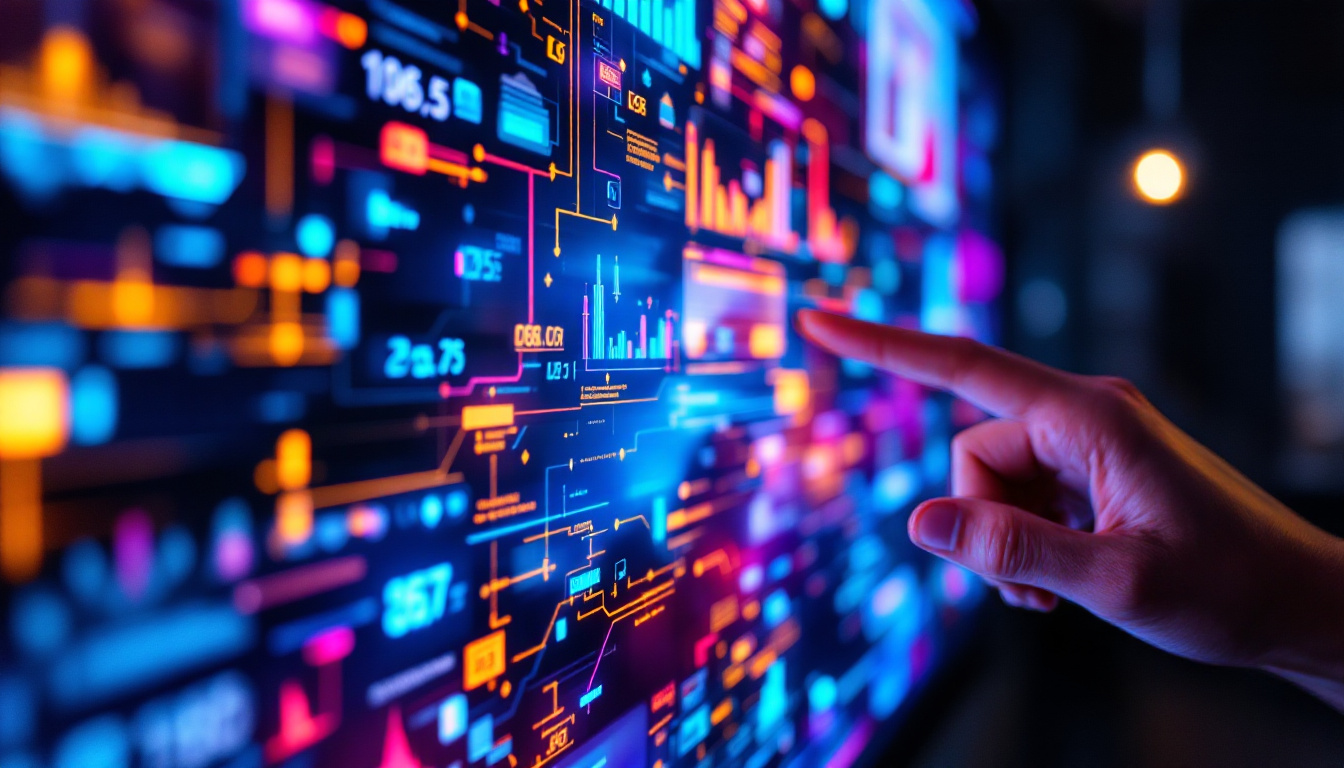
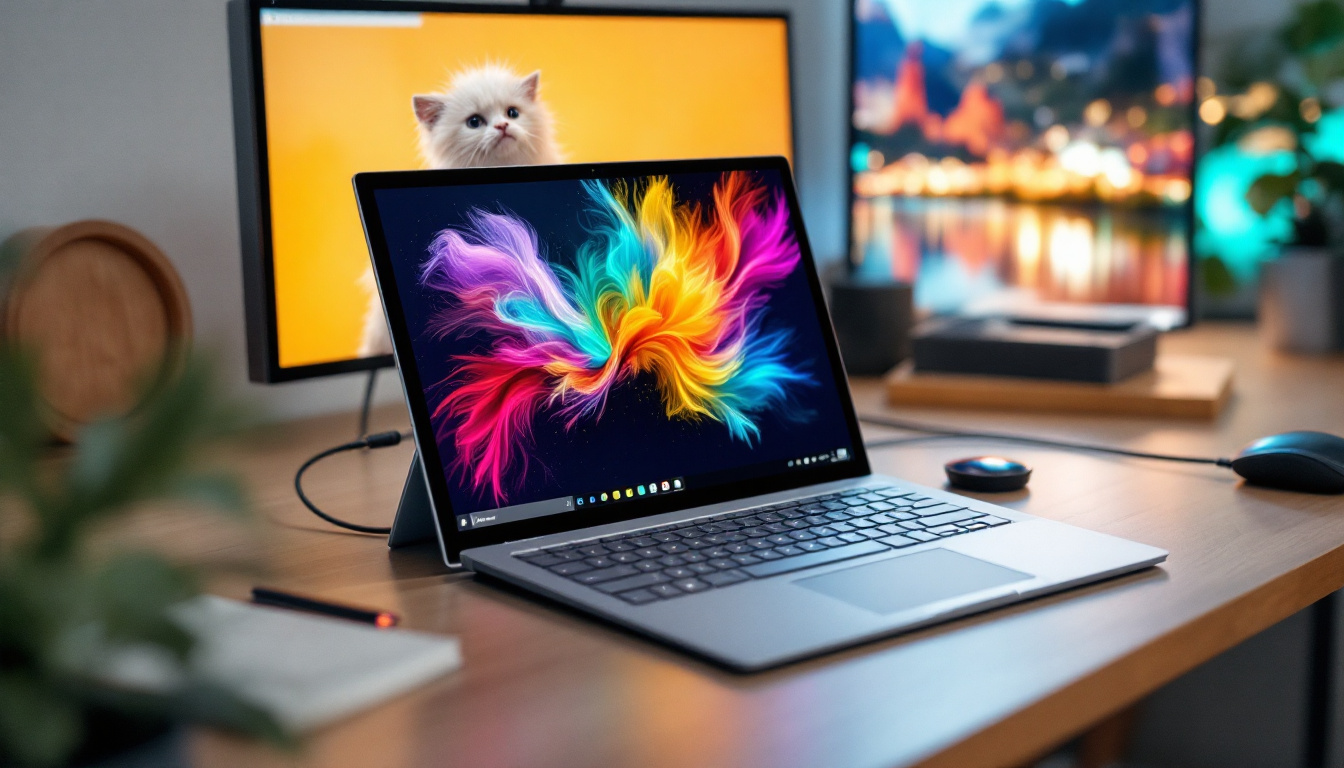
An LED display is a flat panel display technology that uses light-emitting diodes (LEDs) as pixels to create images and videos. Unlike traditional LCD or plasma screens, LED displays rely on tiny semiconductor devices that emit light when an electric current passes through them. This technology allows for vibrant colors, high brightness, and excellent energy efficiency. The advancements in LED technology have made it possible for displays to be thinner and lighter than ever before, making them ideal for a wide range of applications, from personal devices to large-scale advertising.
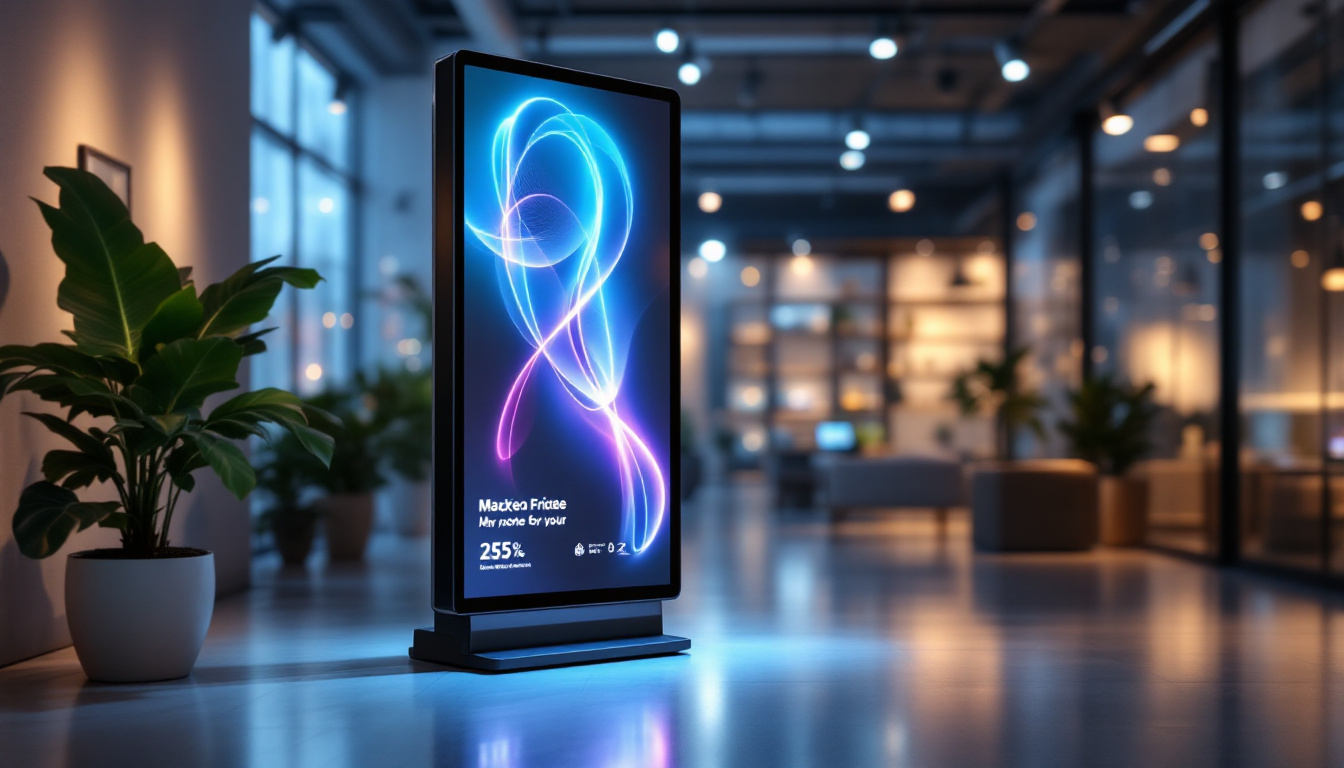
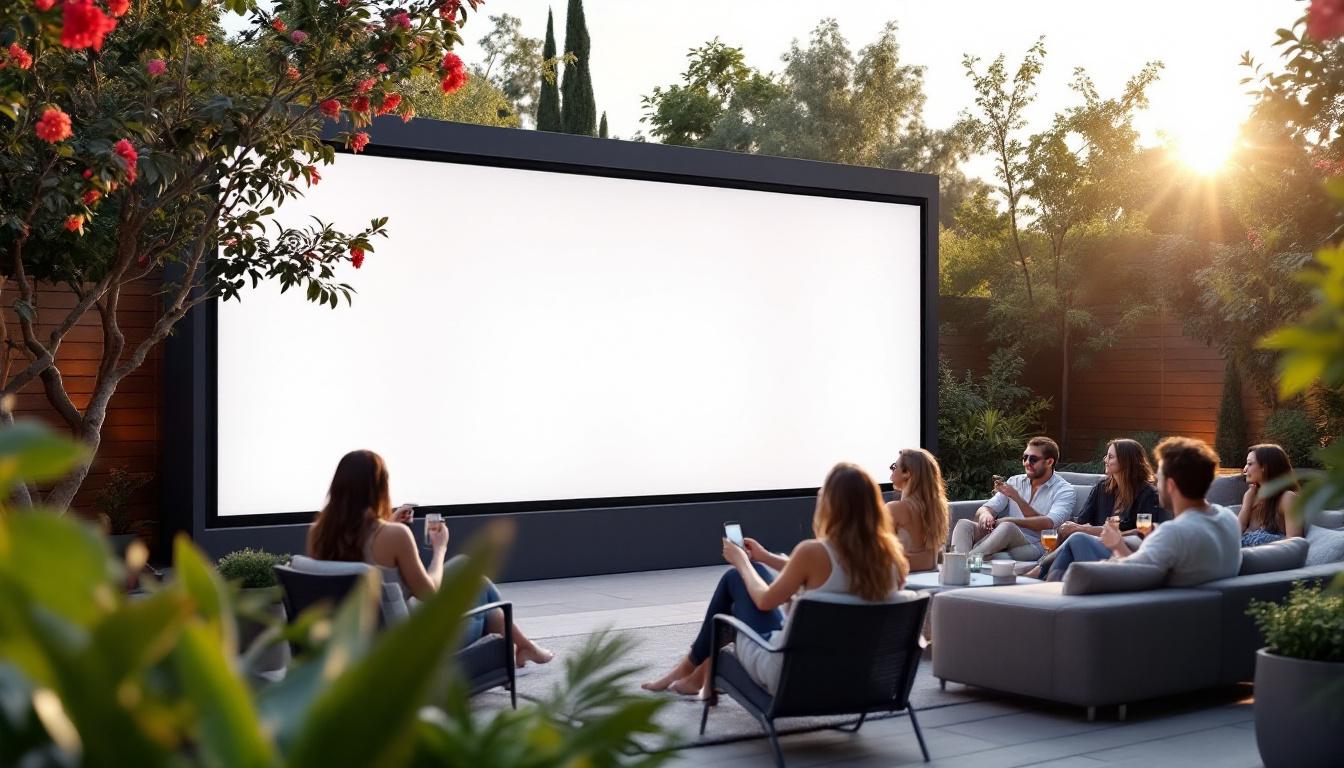
LED displays come in various forms, including indoor and outdoor screens, flexible panels, and transparent displays. Their sizes range from small digital signage to massive video walls used in stadiums and public squares. The versatility of LED displays is one of their greatest strengths, as they can be utilized in diverse environments, such as retail stores, concert venues, and even in art installations. This adaptability has led to a surge in their popularity, as businesses and artists alike seek innovative ways to engage their audiences.
Key Components of LED Displays
At the core, an LED display consists of:
- LED Modules: These are the building blocks made up of clusters of LEDs arranged in a matrix.
- Driver ICs: Integrated circuits that control the lighting and color of each LED pixel.
- Control System: Hardware and software that process input signals and manage the display output.
- Power Supply: Provides the necessary voltage and current to operate the LEDs efficiently.
Each pixel in an LED display can be a single LED or a combination of red, green, and blue LEDs (RGB) that mix to produce a full spectrum of colors. The precision in controlling these pixels determines the display’s resolution and image quality. Additionally, the refresh rate of an LED display plays a crucial role in how smoothly motion is rendered, making it essential for applications like gaming and video playback. High refresh rates reduce flicker and enhance the viewing experience, particularly in fast-paced content.
Moreover, LED displays often incorporate advanced technologies such as HDR (High Dynamic Range) and local dimming, which significantly enhance contrast and color accuracy. HDR allows for a wider range of brightness levels, making bright areas more luminous and dark areas deeper, while local dimming improves the overall picture quality by adjusting the brightness of specific zones on the screen. These features contribute to a more immersive viewing experience, whether for entertainment, advertising, or information dissemination.
Applications of LED Displays
Commercial and Advertising Uses
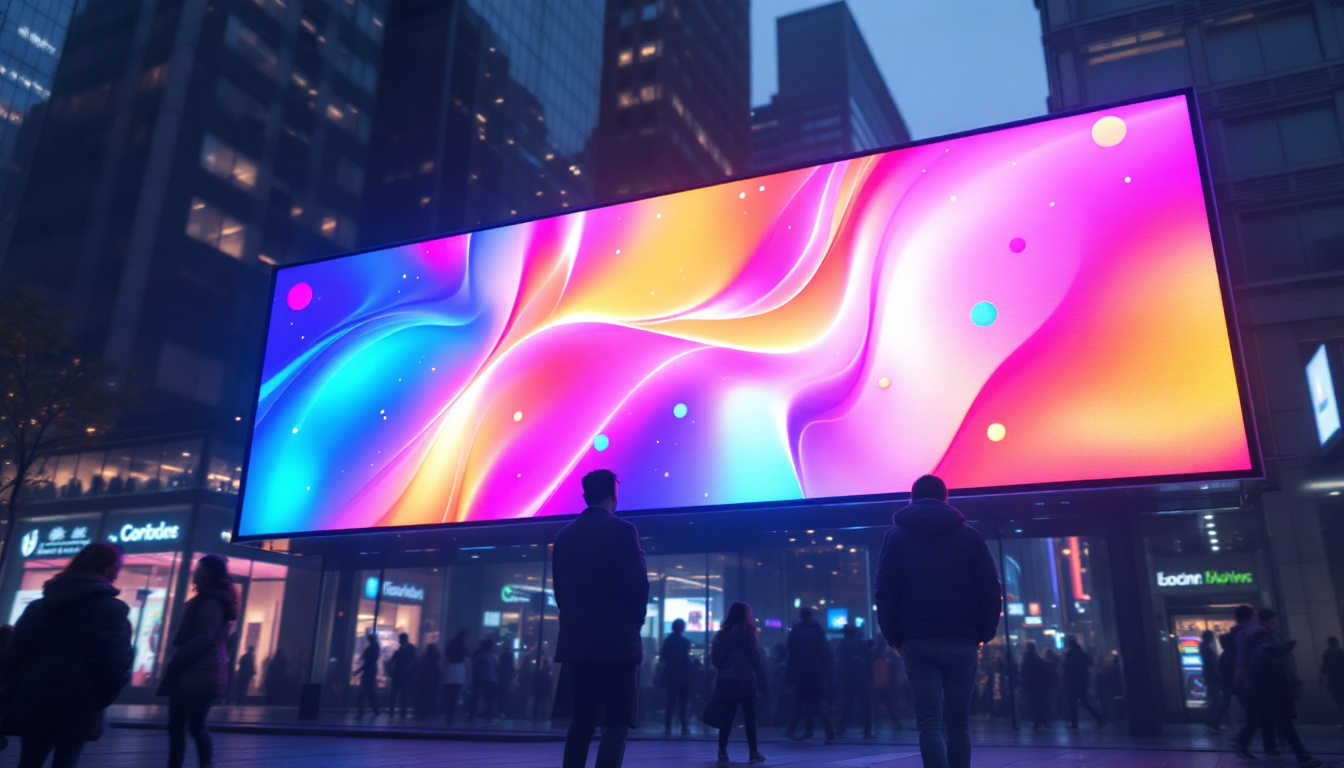
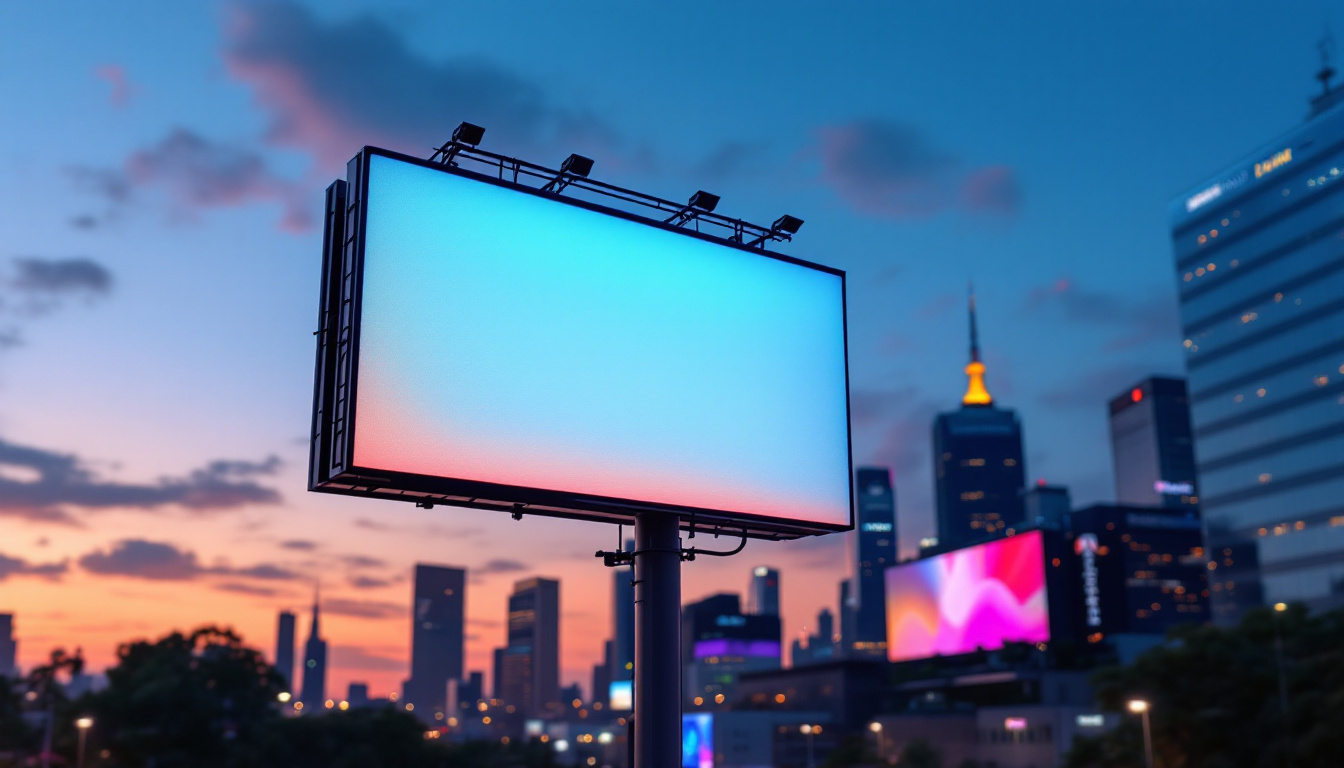
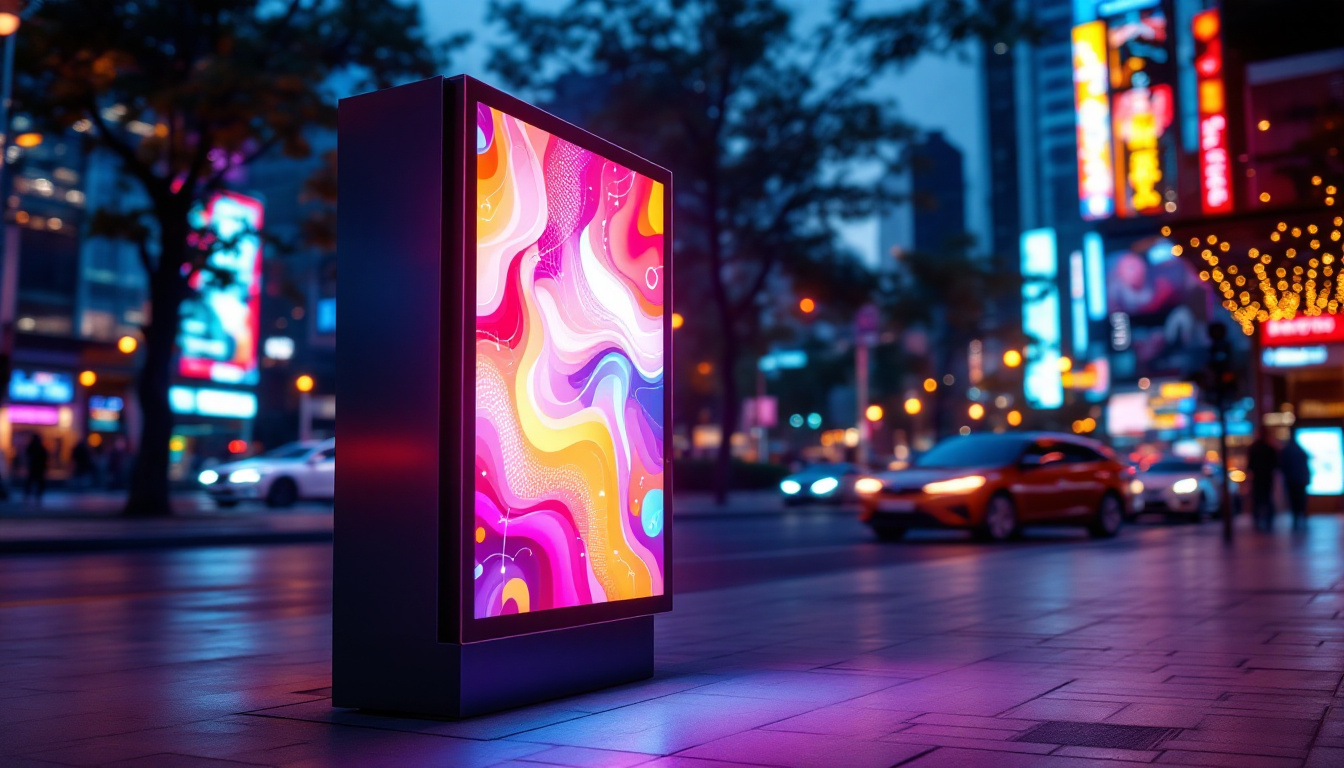
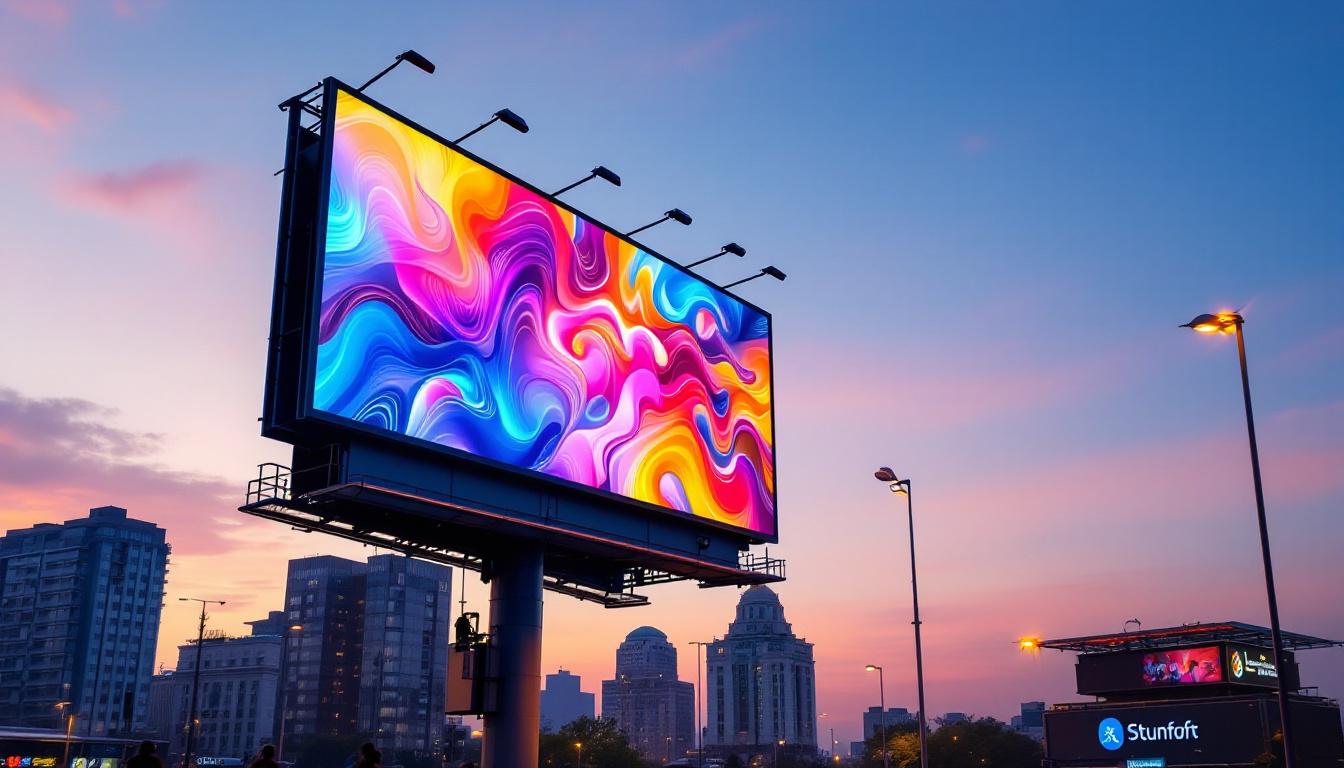
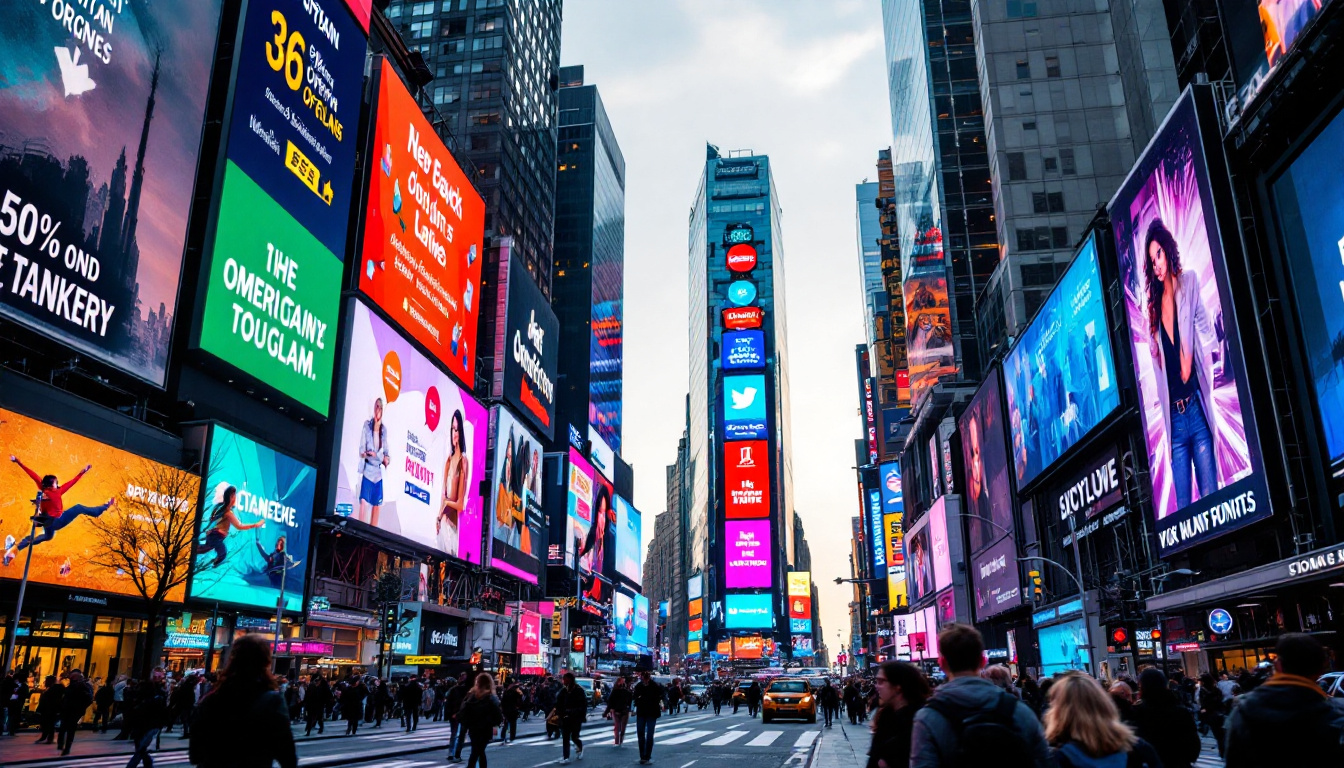
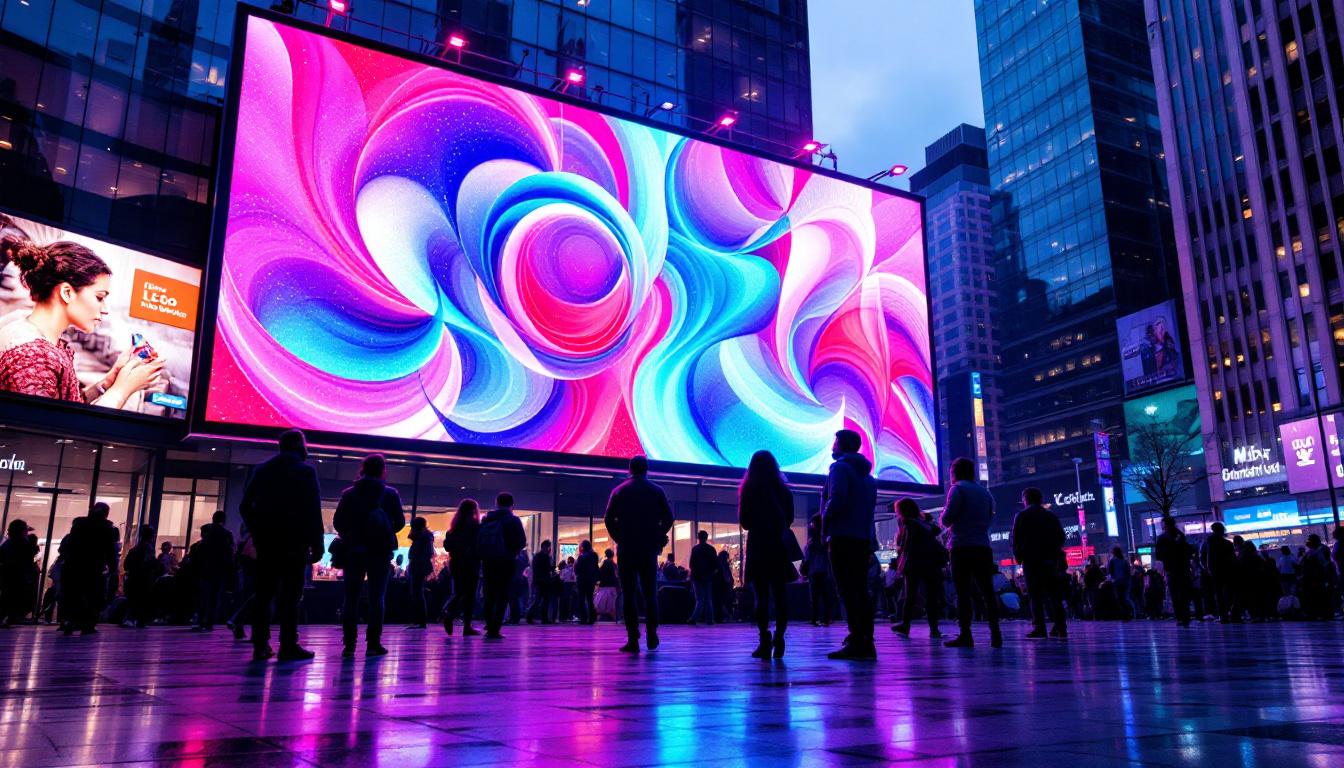
One of the most common uses of LED displays is in advertising. Billboards, retail storefronts, and shopping malls utilize LED screens to capture consumer attention with bright, dynamic content. LED displays offer flexibility in content changes, allowing businesses to update promotions instantly without the cost of printing new materials.
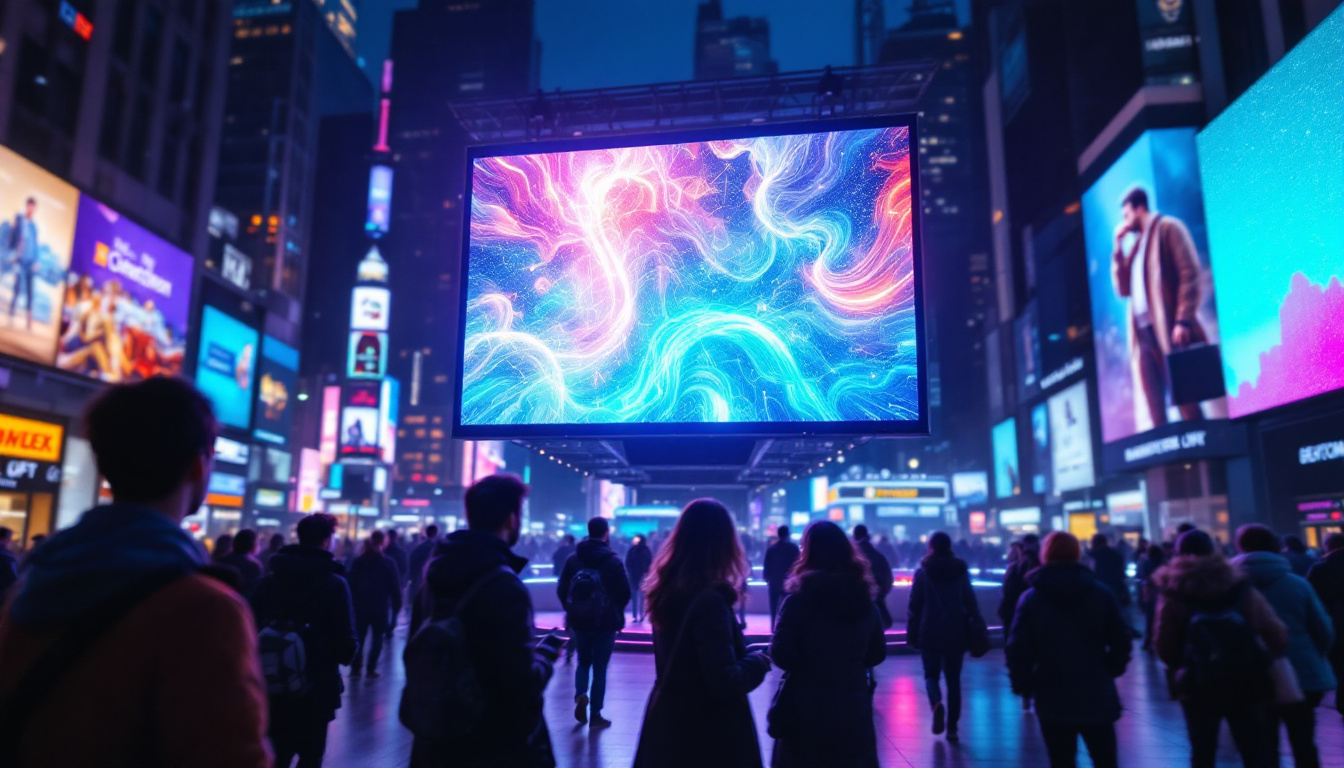
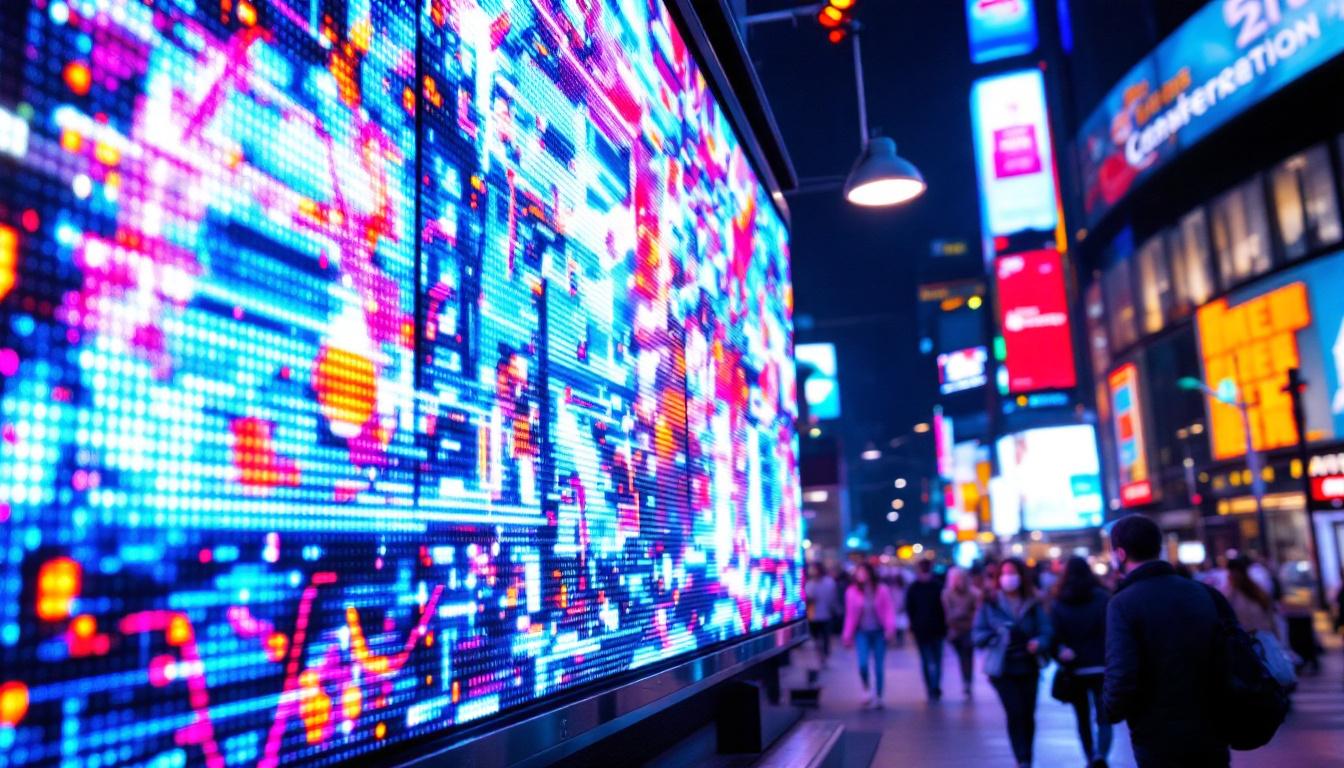
In Shenzhen, LED advertising displays are ubiquitous, from Times Square-style digital billboards to smaller in-store screens. The city’s manufacturers provide a wide range of customizable options, enabling brands to tailor their messaging to specific audiences. This adaptability not only enhances customer engagement but also allows for targeted advertising strategies that can change based on time of day, season, or even local events. For instance, a coffee shop might display morning promotions on its LED screen to attract commuters, while showcasing dessert specials in the evening. The ability to rotate content dynamically means that businesses can maximize their advertising impact throughout the day.
Entertainment and Events
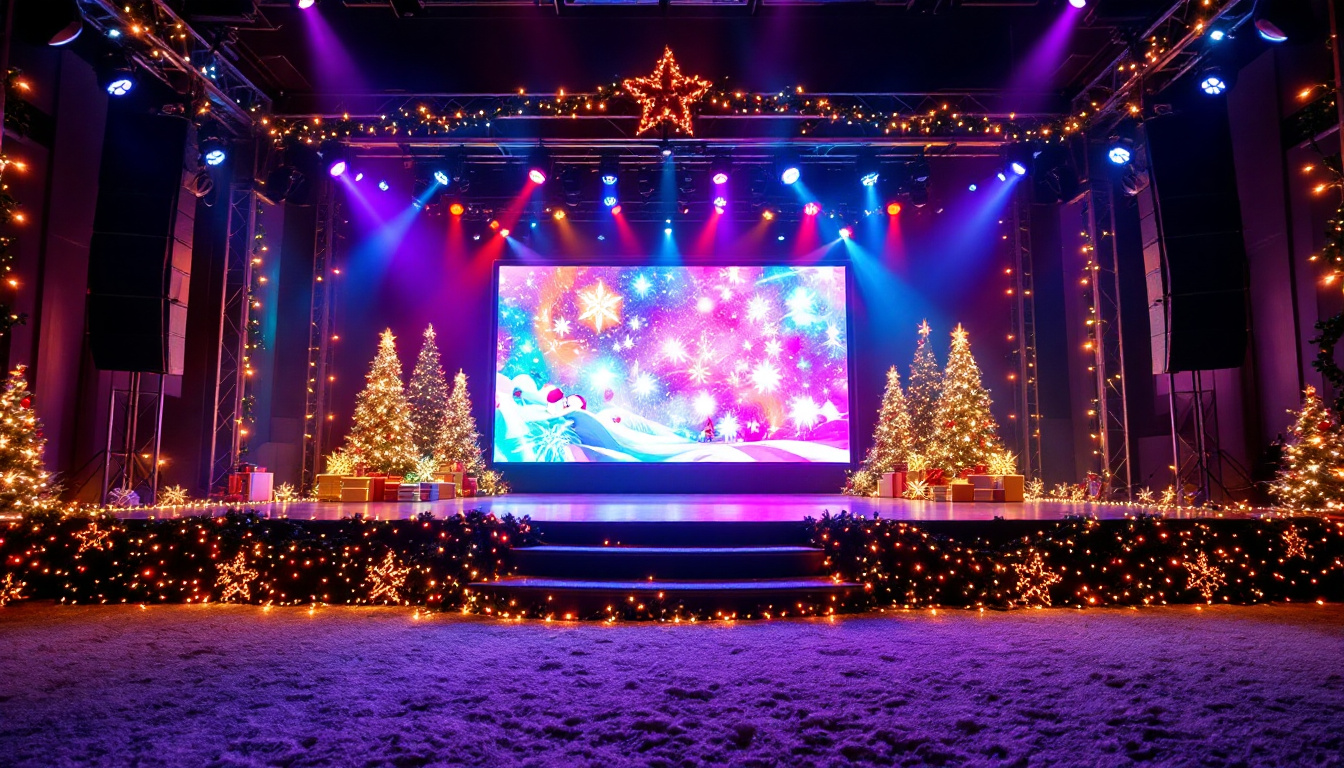
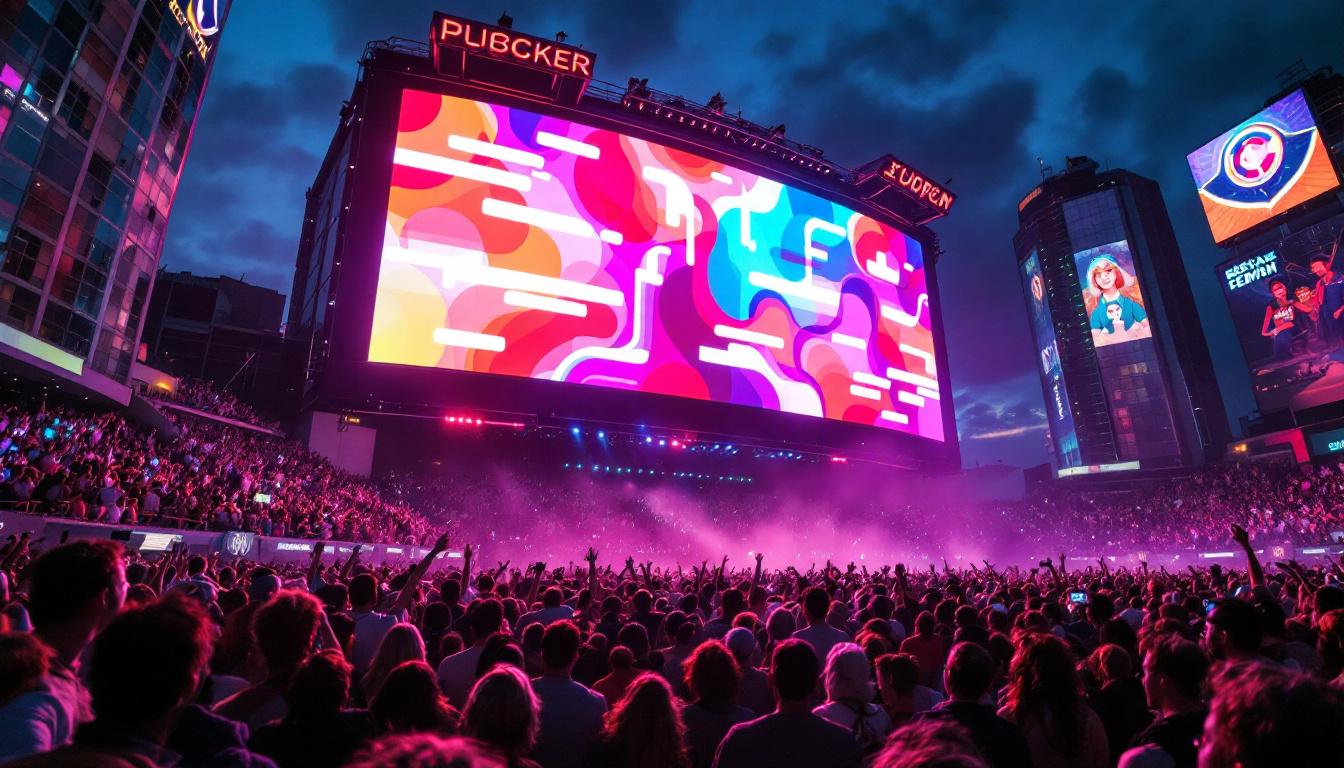
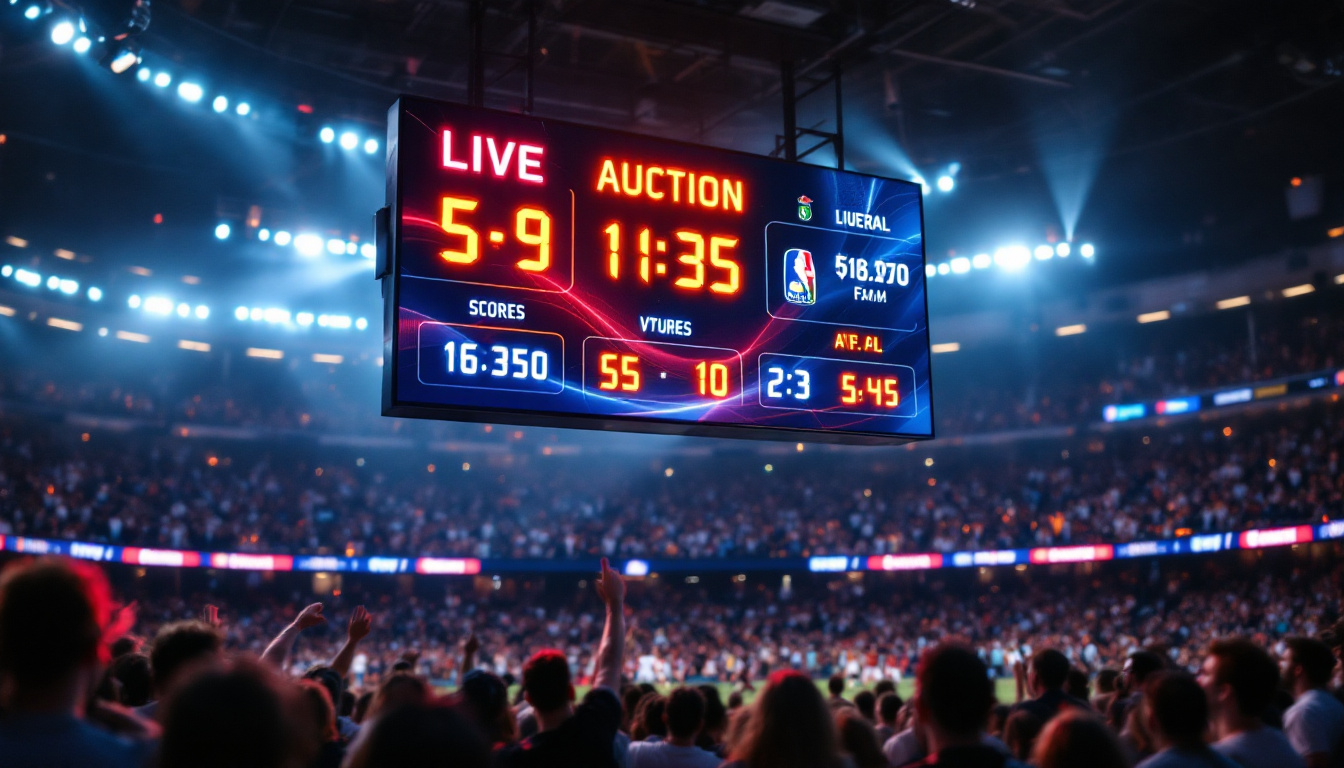
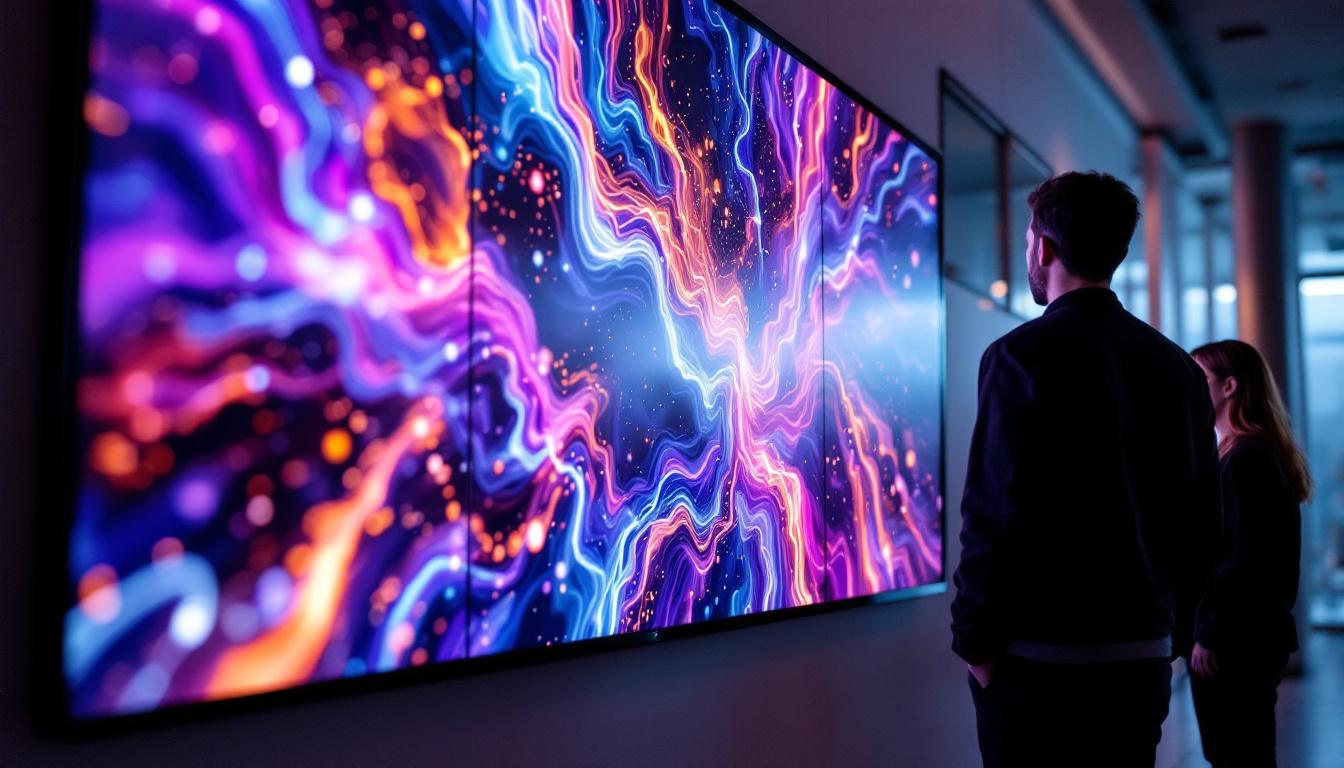
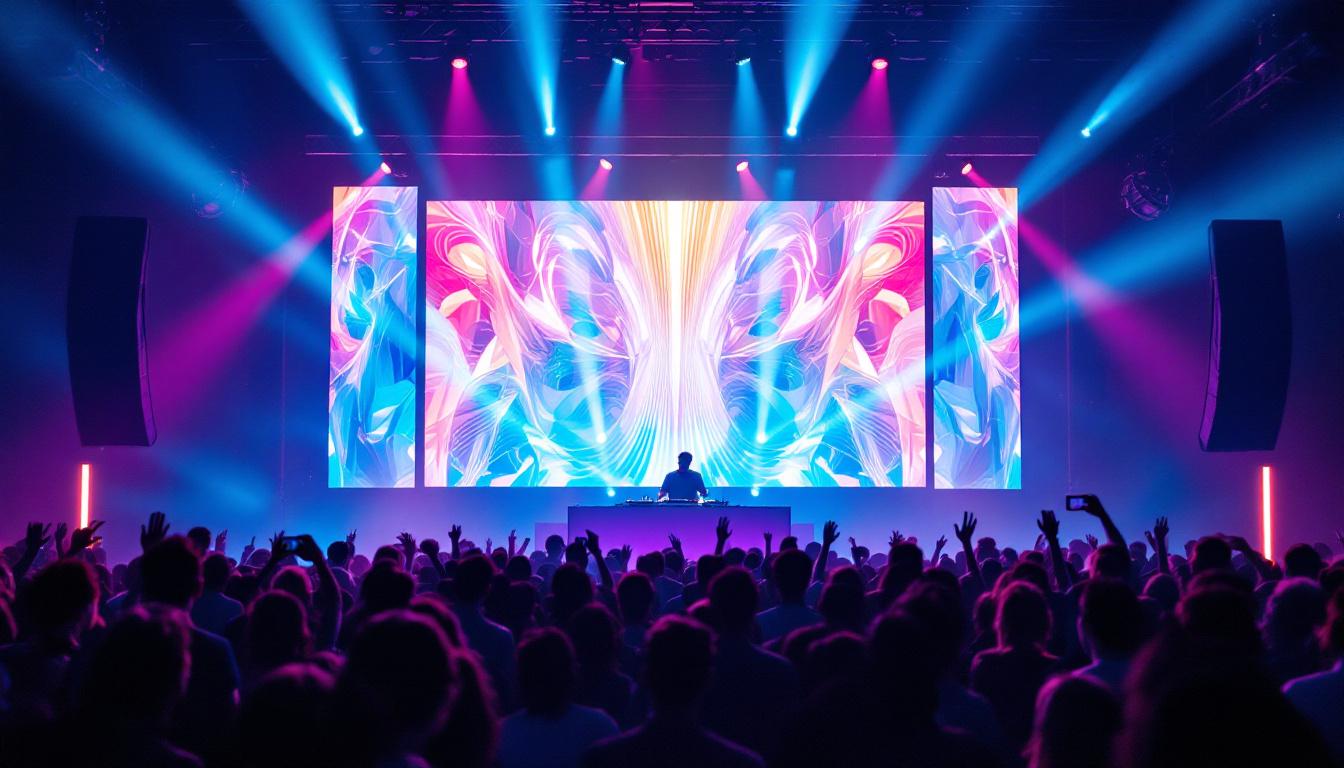
Concerts, sports arenas, and festivals increasingly rely on large-scale LED video walls for immersive visual experiences. These displays provide high brightness and clarity, ensuring visibility even in daylight or large venues. Shenzhen’s LED manufacturers have developed modular, lightweight panels that facilitate quick installation and transportation, essential for touring events. The versatility of these panels allows for creative configurations, enabling event organizers to design unique visual backdrops that enhance the overall atmosphere of the performance.
Moreover, LED displays in entertainment settings often integrate with sound systems and lighting to create a cohesive multimedia experience. For example, during a live concert, synchronized visuals can amplify the music, making the event more engaging for the audience. This synergy between audio and visual elements has transformed how performances are experienced, pushing the boundaries of traditional entertainment and creating memorable moments for attendees.
Transportation and Public Information
LED displays are also critical in transportation hubs such as airports, train stations, and bus terminals. They deliver real-time information like schedules, alerts, and directions. Shenzhen’s expertise in producing durable, weather-resistant outdoor LED screens ensures reliable performance in various environmental conditions. These screens not only improve the flow of information but also enhance passenger experience by providing timely updates, which is vital in high-traffic areas where clarity and speed are essential.
In addition to schedules, LED displays can be used for advertising and public service announcements, providing a dual function that maximizes their utility. For instance, an airport might display flight information alongside local tourism ads, offering travelers insights into attractions and services available in the area. This integration of information and advertising not only keeps passengers informed but also promotes local businesses, creating a win-win situation for both travelers and the local economy.
Technological Innovations in Shenzhen’s LED Industry
Mini and Micro LED Technologies
Shenzhen has been a leader in advancing mini LED and micro LED technologies. These innovations involve shrinking the size of individual LEDs, allowing for higher pixel density and improved image quality. Mini LEDs are often used as backlighting for LCD displays, enhancing contrast and color accuracy, while micro LEDs enable self-emissive displays with superior brightness and energy efficiency.
Companies in Shenzhen are investing heavily in research and development to commercialize these technologies, which are expected to revolutionize displays in smartphones, televisions, and augmented reality devices.
Flexible and Transparent LED Displays
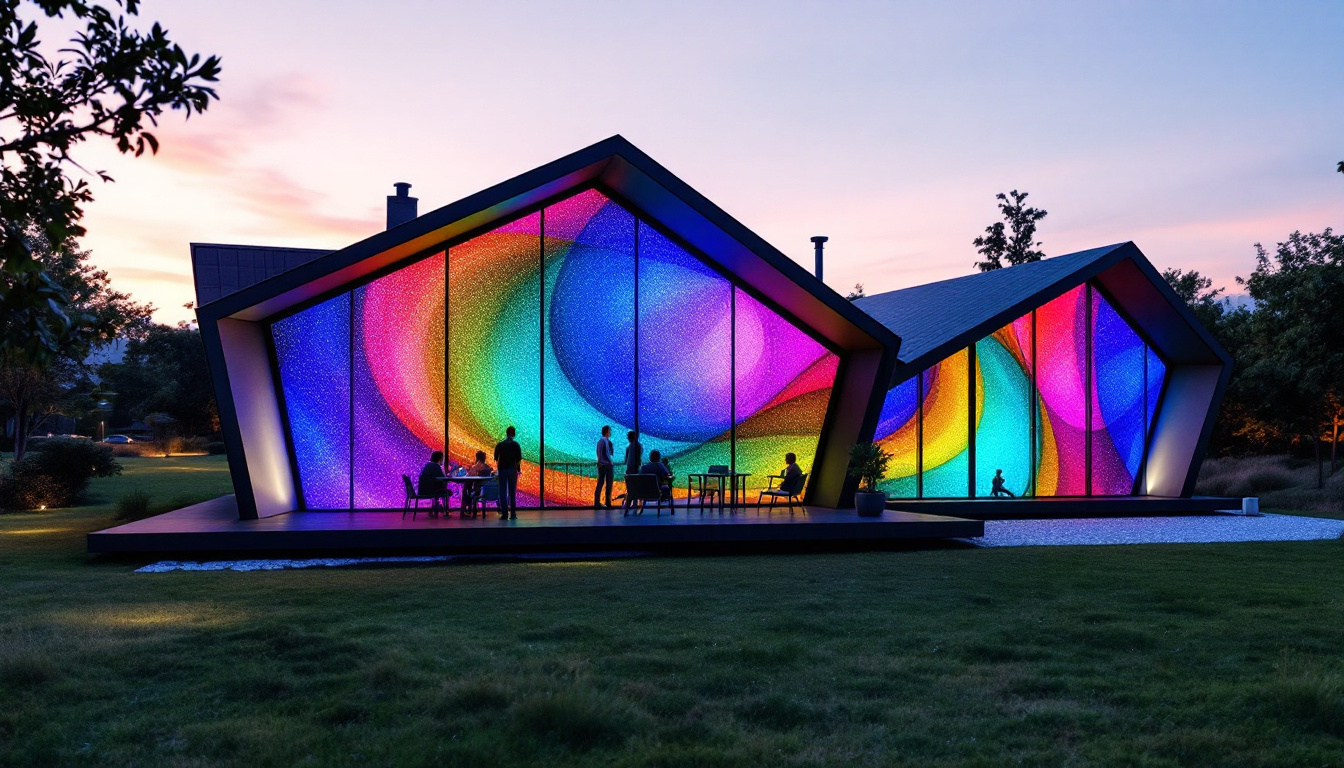
Another area of innovation is flexible and transparent LED displays. Flexible screens can bend or curve, opening new possibilities for creative installations and wearable devices. Transparent LED panels allow viewers to see through the display while still showing vivid images, ideal for retail windows and architectural applications.
Shenzhen’s manufacturing capabilities allow for mass production of these advanced displays, making them more accessible to global markets.
Energy Efficiency and Sustainability
With growing environmental concerns, Shenzhen’s LED industry emphasizes energy-efficient designs and sustainable manufacturing practices. LED displays consume significantly less power compared to traditional lighting and display technologies, reducing operational costs and carbon footprints.
Manufacturers in Shenzhen are also adopting eco-friendly materials and recycling programs to minimize waste, aligning with global sustainability goals.
Why Shenzhen is the Epicenter of LED Display Manufacturing
Robust Supply Chain and Manufacturing Ecosystem
Shenzhen’s strength lies in its comprehensive supply chain, which integrates raw materials, components, assembly, and logistics within a compact geographic area. This ecosystem enables rapid prototyping, cost-effective production, and swift delivery, giving Shenzhen-based companies a competitive edge.
The city hosts thousands of factories specializing in LED chips, modules, driver ICs, and control systems, facilitating seamless collaboration and innovation.
Skilled Workforce and Innovation Culture
Shenzhen attracts a highly skilled workforce, including engineers, designers, and technicians specializing in optoelectronics and display technologies. The city fosters a culture of innovation through government support, incubators, and partnerships with universities and research institutions.
This environment encourages continuous improvement and the development of cutting-edge LED display solutions.
Global Reach and Export Capabilities
Shenzhen’s LED displays are exported worldwide, serving markets in North America, Europe, Asia, and beyond. The city’s strategic location with access to major ports and airports facilitates efficient international shipping.
Moreover, Shenzhen manufacturers often provide comprehensive after-sales support, installation services, and customization options, making them preferred partners for global clients.
Choosing the Right LED Display: Factors to Consider
Resolution and Pixel Pitch
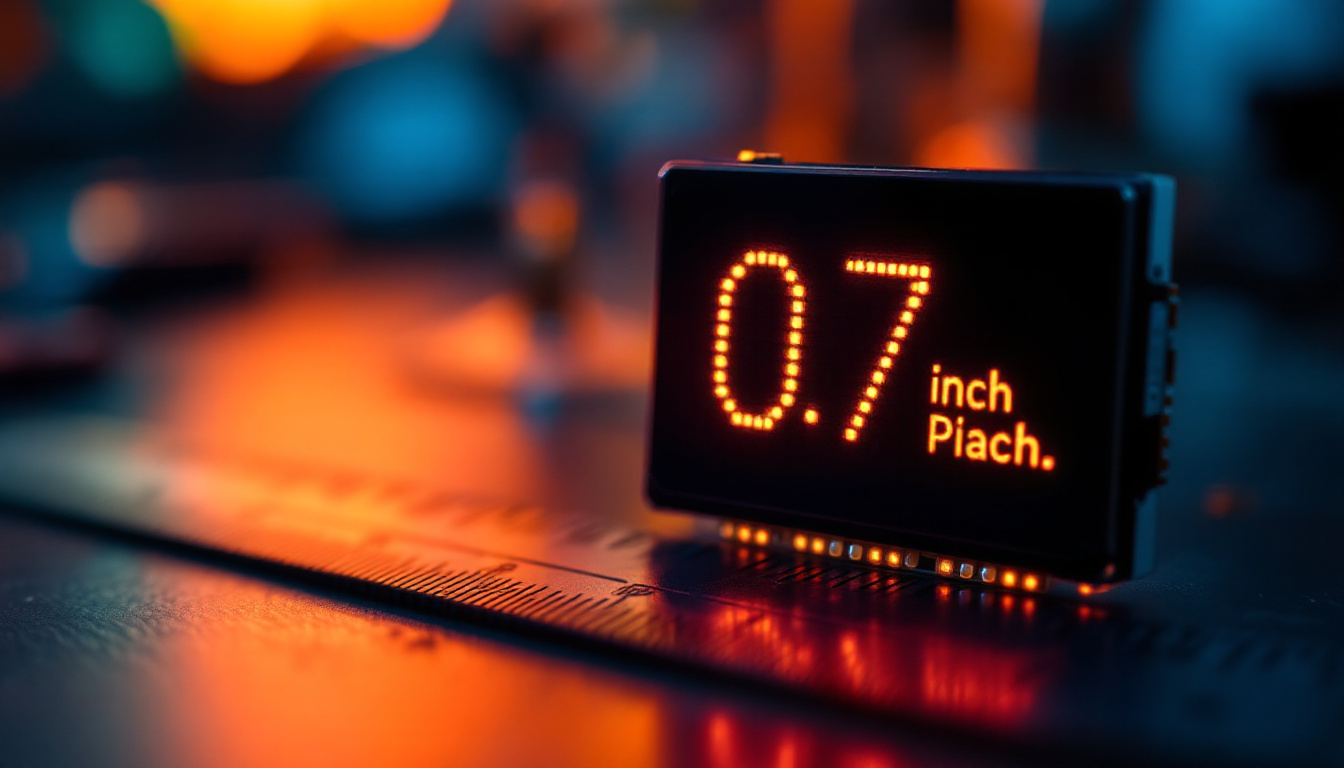
Resolution refers to the number of pixels on the display, while pixel pitch is the distance between the centers of adjacent pixels. A smaller pixel pitch means higher resolution and sharper images, which is crucial for close-viewing applications like indoor screens.
For outdoor or large venue displays, a larger pixel pitch may be acceptable due to greater viewing distances, balancing cost and performance.
Brightness and Contrast Ratio
Brightness, measured in nits, determines how well the display performs in various lighting conditions. Outdoor LED displays typically require brightness levels of 5,000 nits or more to remain visible in direct sunlight.
Contrast ratio affects image depth and color richness. High contrast ratios enhance the viewing experience, especially for video content.
Durability and Weather Resistance
For outdoor installations, LED displays must withstand rain, dust, temperature fluctuations, and UV exposure. Shenzhen manufacturers produce displays with robust IP ratings (Ingress Protection) to ensure longevity and reliable operation.
Control Systems and Software Compatibility
The ease of content management is essential for dynamic LED displays. Choosing displays compatible with versatile control systems and user-friendly software allows for seamless content updates and integration with other digital platforms.
The Future of LED Displays in Shenzhen and Beyond
Integration with AI and IoT
Emerging trends include integrating LED displays with artificial intelligence (AI) and the Internet of Things (IoT). Smart LED displays can adapt content based on audience demographics, environmental conditions, or real-time data, enhancing engagement and efficiency.
Shenzhen’s tech ecosystem supports these developments, combining hardware expertise with software innovation.
Expanding into New Markets
Beyond traditional advertising and entertainment, LED displays are finding applications in healthcare, education, automotive heads-up displays, and smart city infrastructure. Shenzhen companies are exploring these sectors, leveraging their technological capabilities to diversify offerings.
Continued Emphasis on Sustainability
As global demand for sustainable technology grows, Shenzhen’s LED industry is expected to lead in producing eco-friendly, energy-efficient displays. Innovations in materials science and recycling will play a crucial role in minimizing environmental impact.
Conclusion
LED displays have transformed the way information and entertainment are delivered worldwide. Shenzhen’s unique combination of manufacturing prowess, innovation culture, and global connectivity makes it a critical player in this evolving industry. Understanding the technology, applications, and market dynamics of LED displays provides valuable insights for businesses, designers, and consumers looking to harness the power of LED lighting and display solutions.
Whether for advertising, entertainment, or public information, Shenzhen’s LED displays continue to set benchmarks in quality, innovation, and sustainability, illuminating the future of digital visual communication.
Discover Cutting-Edge LED Display Solutions with LumenMatrix
Ready to elevate your visual communication? LumenMatrix is at the forefront of LED display innovation, offering a wide array of solutions that bring your brand to life. From Indoor and Outdoor LED Wall Displays to specialized options like Vehicle, Sports, and Floor LED Displays, our products are designed to captivate and engage your audience. Experience the future of digital signage with our Custom, All-in-One, and Transparent LED Displays. Don’t miss the opportunity to transform your message into an unforgettable visual experience. Check out LumenMatrix LED Display Solutions today and see the difference for yourself.