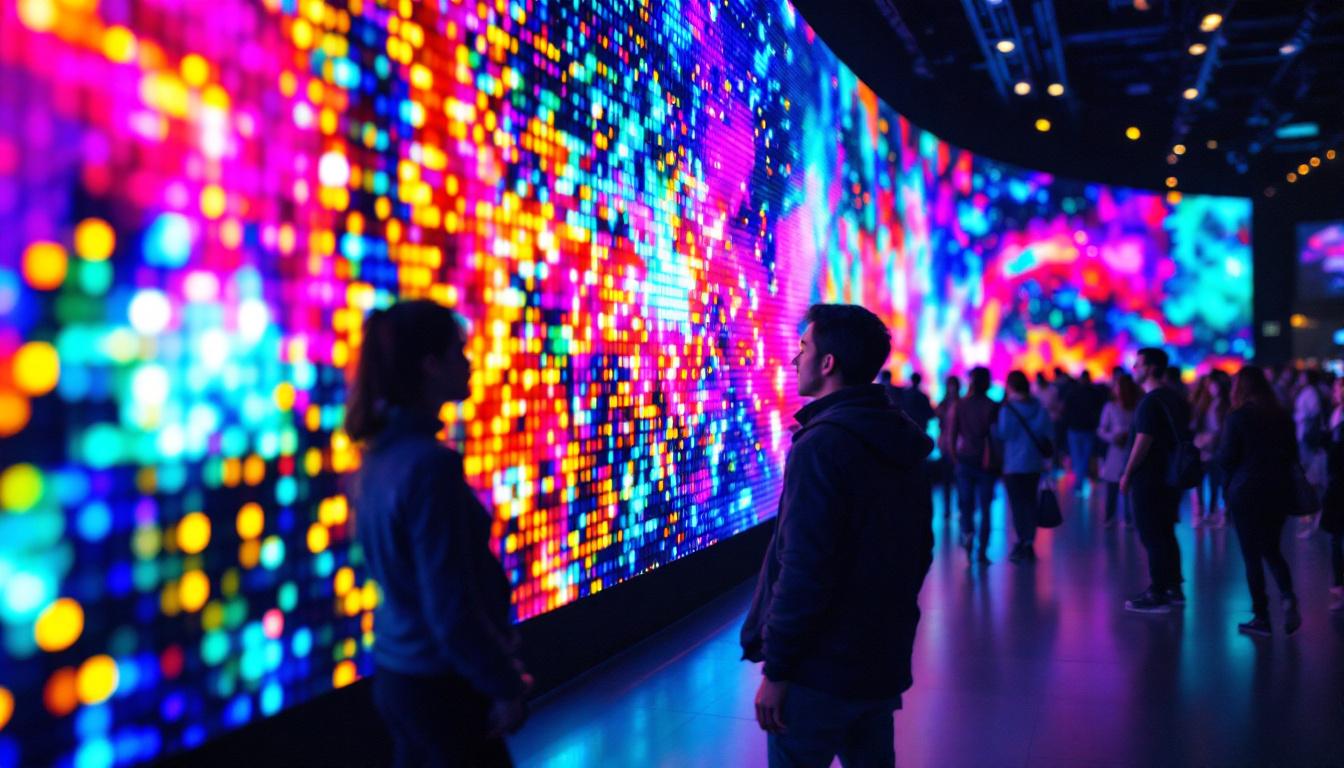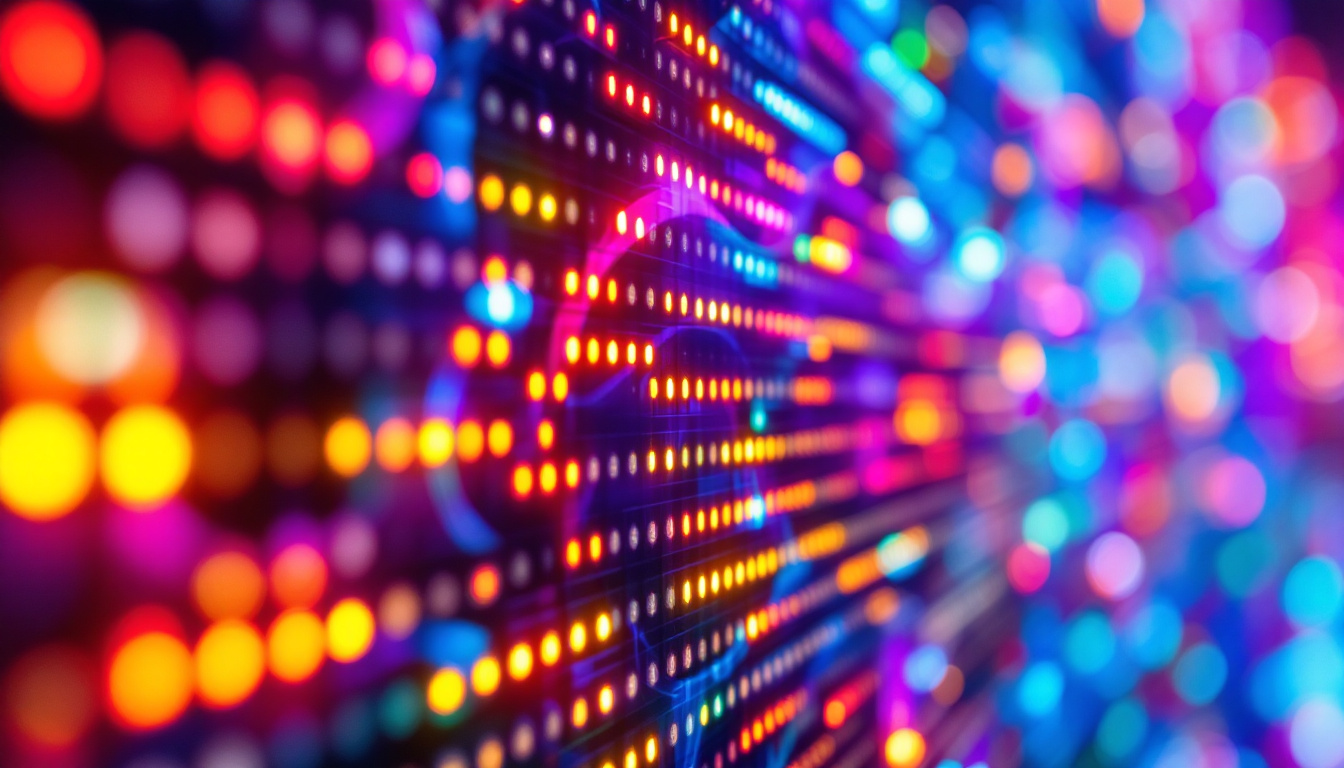
In today’s fast-paced digital world, visual communication plays a crucial role in capturing attention and conveying information effectively. Wall display screens, particularly LED displays, have become a cornerstone technology in various industries—from advertising and entertainment to corporate environments and public information systems. This article delves into the fundamentals of LED wall displays, exploring their technology, applications, advantages, and considerations for choosing the right display solution.
Understanding LED Display Technology
What is an LED Display?
LED, or Light Emitting Diode, displays use tiny semiconductor devices that emit light when an electric current passes through them. Unlike traditional LCD or projection screens, LED displays generate their own light, resulting in brighter images and superior contrast. This self-illumination capability makes LED displays ideal for environments with varying lighting conditions, including outdoor settings. The energy efficiency of LED technology also contributes to its growing popularity, as it consumes significantly less power than traditional display technologies, leading to lower operational costs over time.
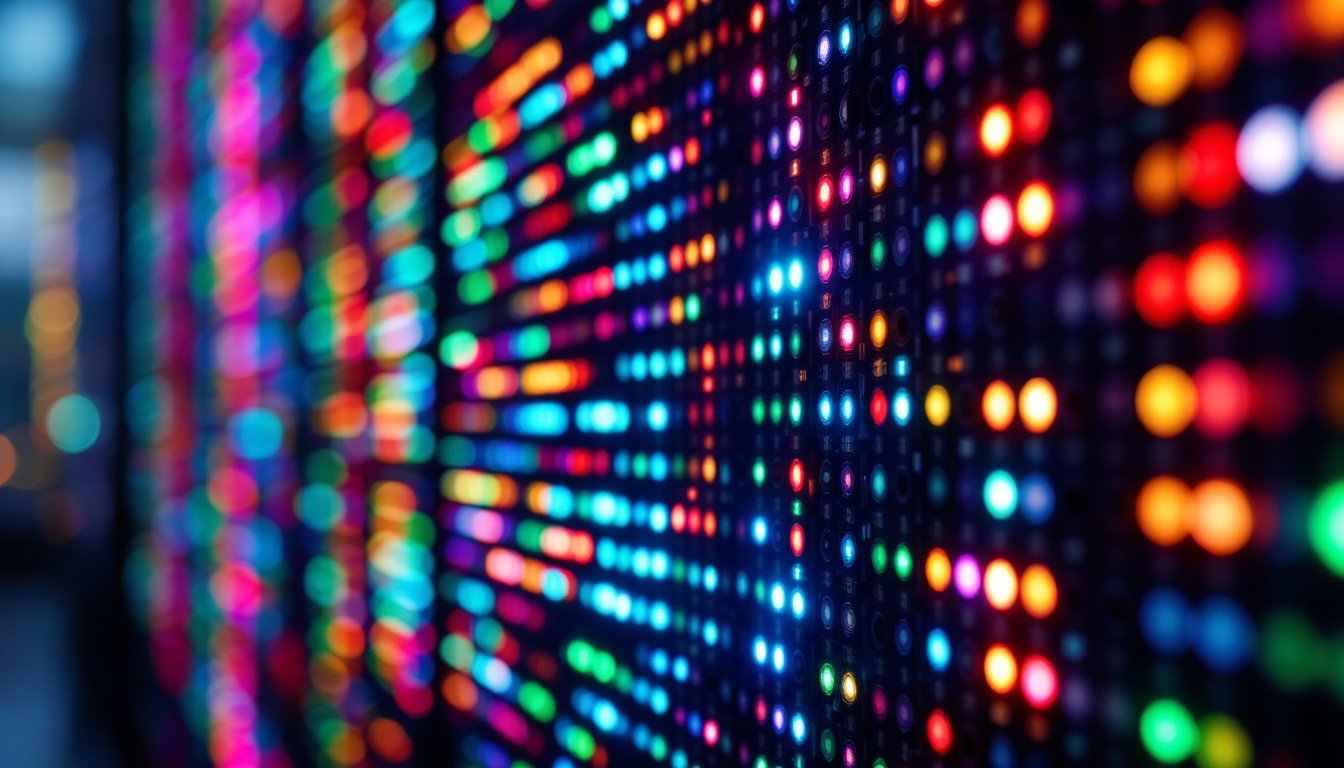
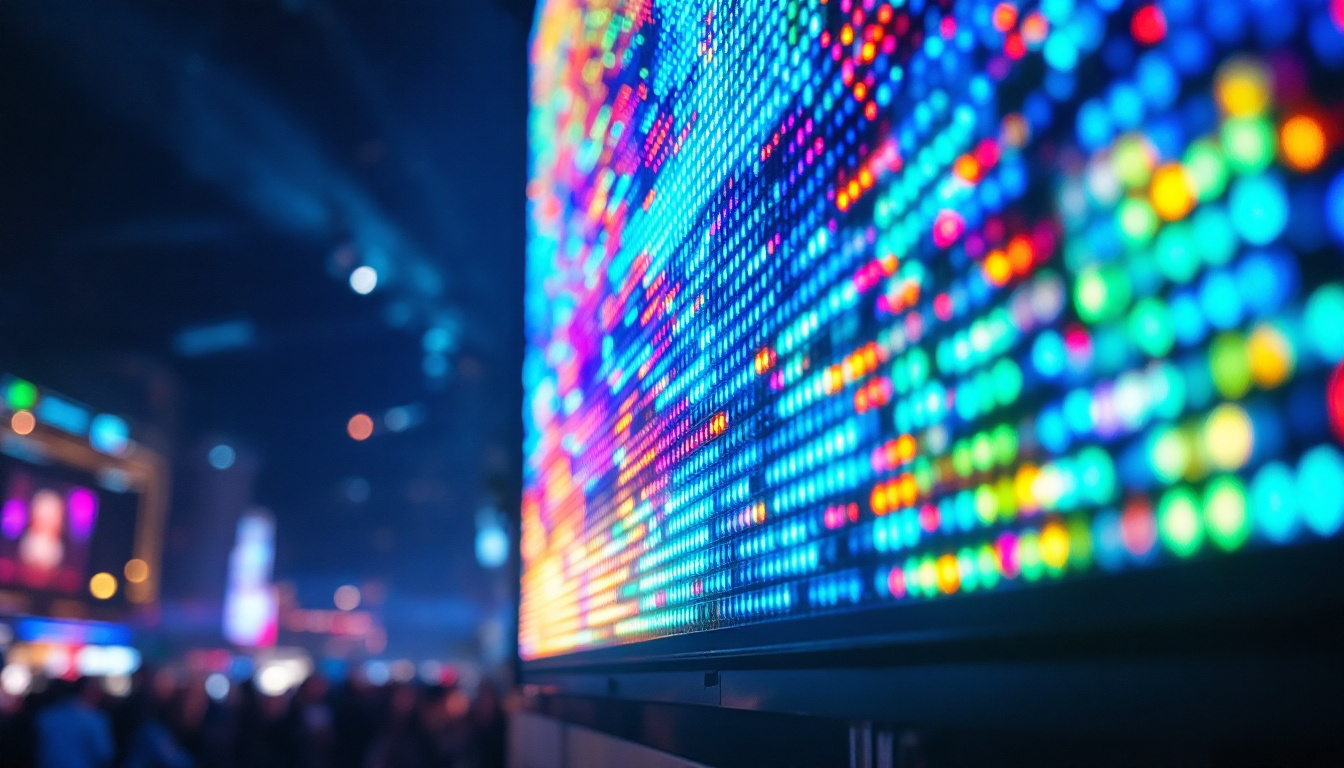
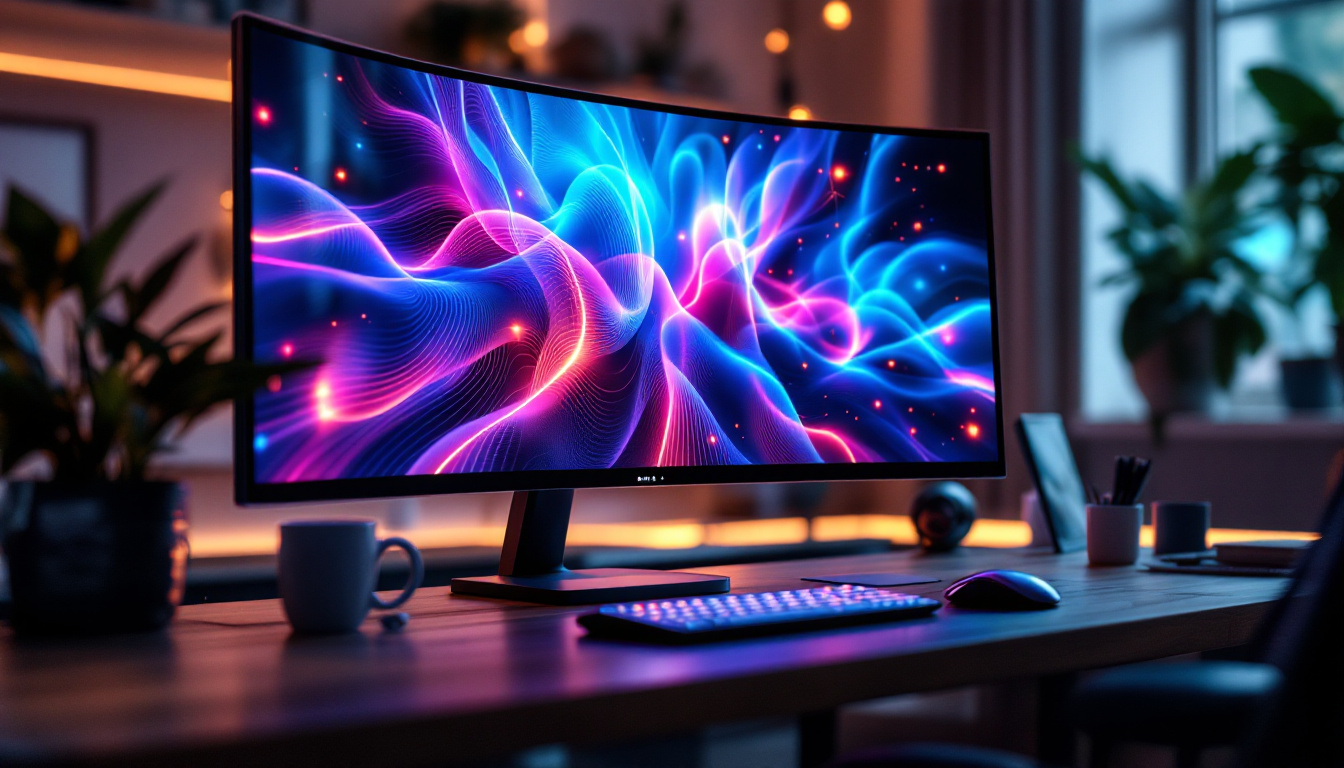
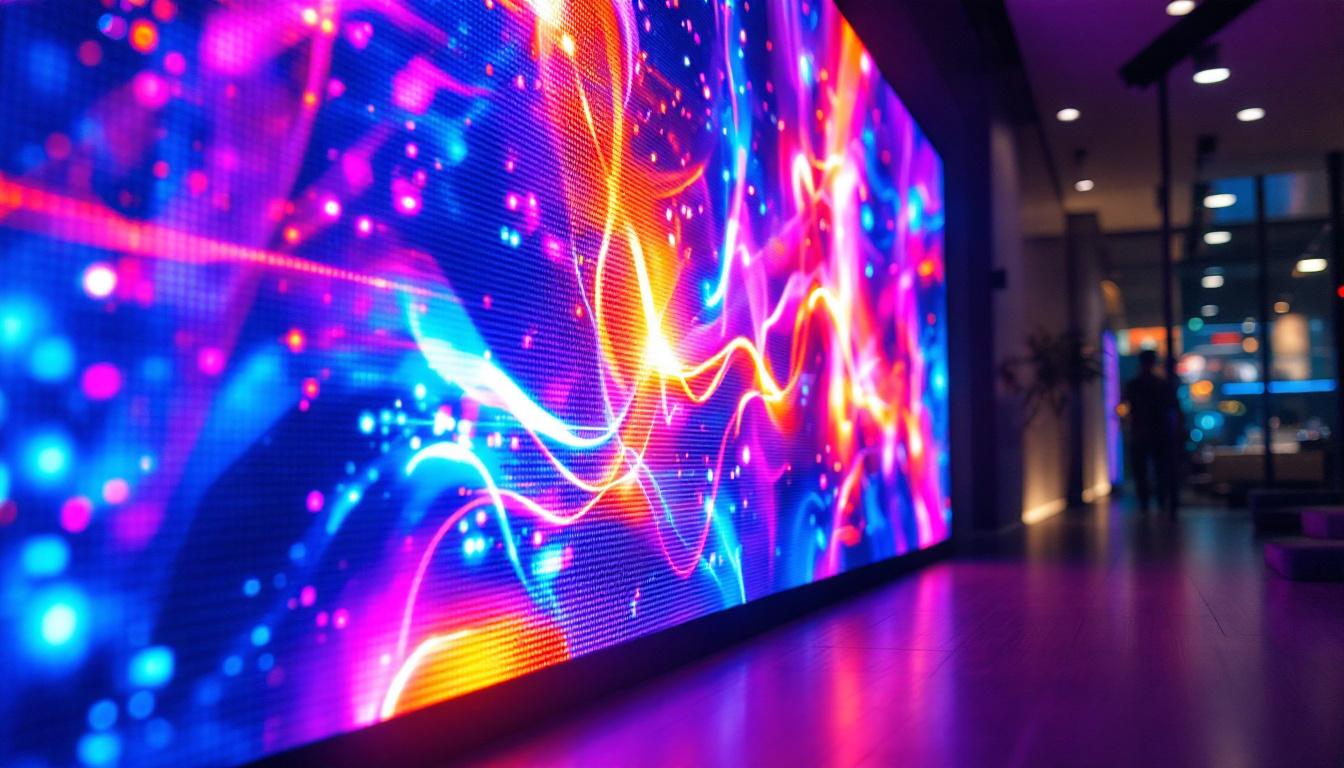
LED wall displays are essentially large-scale screens composed of many individual LED modules arranged in a grid. Each module contains numerous LEDs, typically red, green, and blue (RGB), which combine to produce a full spectrum of colors. The resolution and image quality depend largely on the pixel pitch—the distance between the centers of adjacent pixels. Smaller pixel pitches yield higher resolution and finer detail, which is essential for close viewing distances. Additionally, advancements in LED technology have led to improved color accuracy and wider viewing angles, making these displays suitable for a variety of applications, from advertising to live event broadcasting.
Types of LED Displays
LED displays come in several forms, each tailored to different use cases:
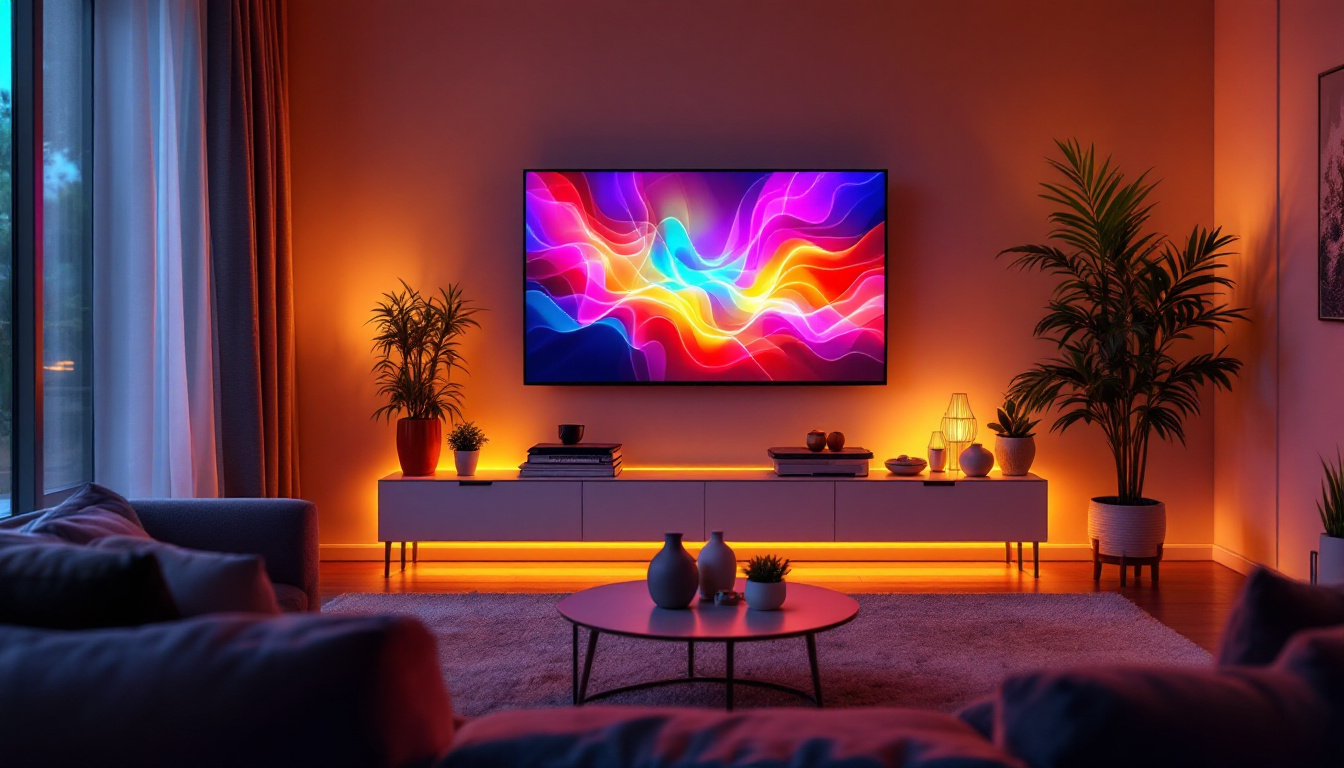
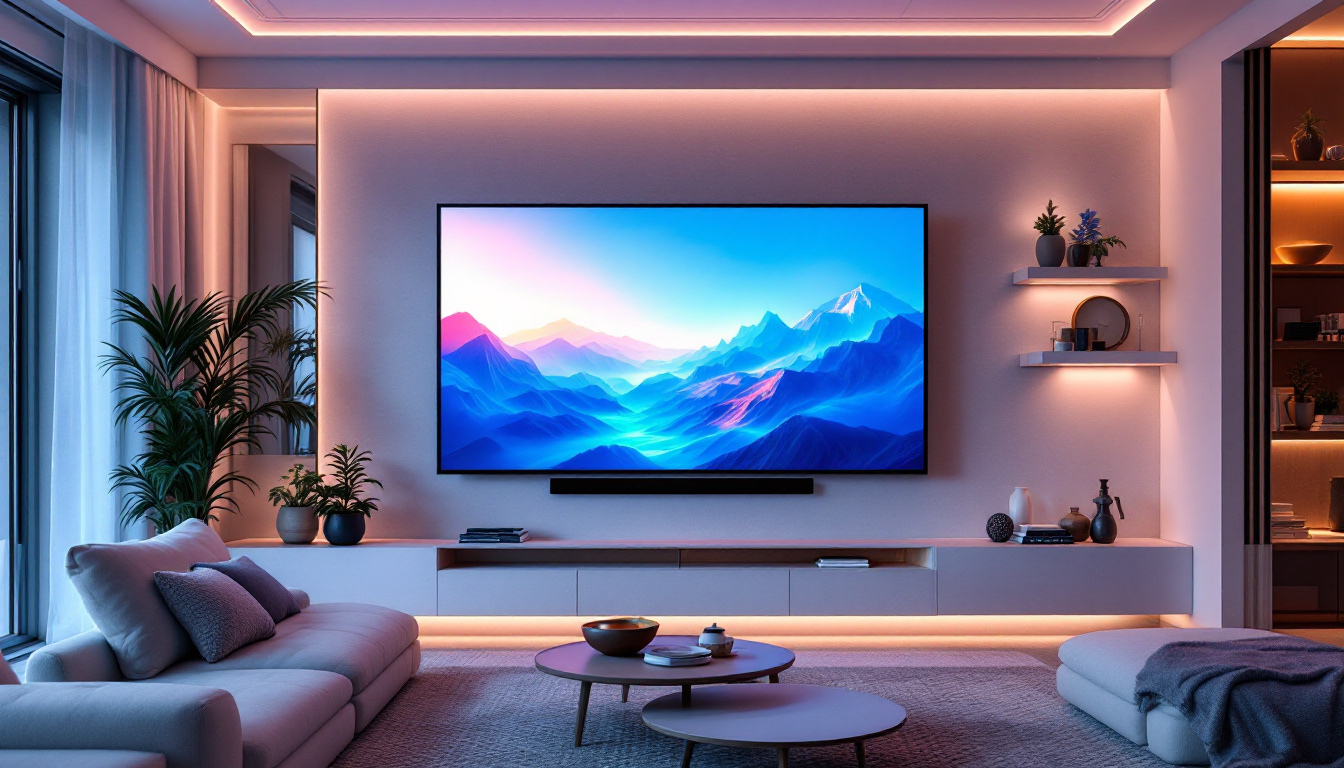
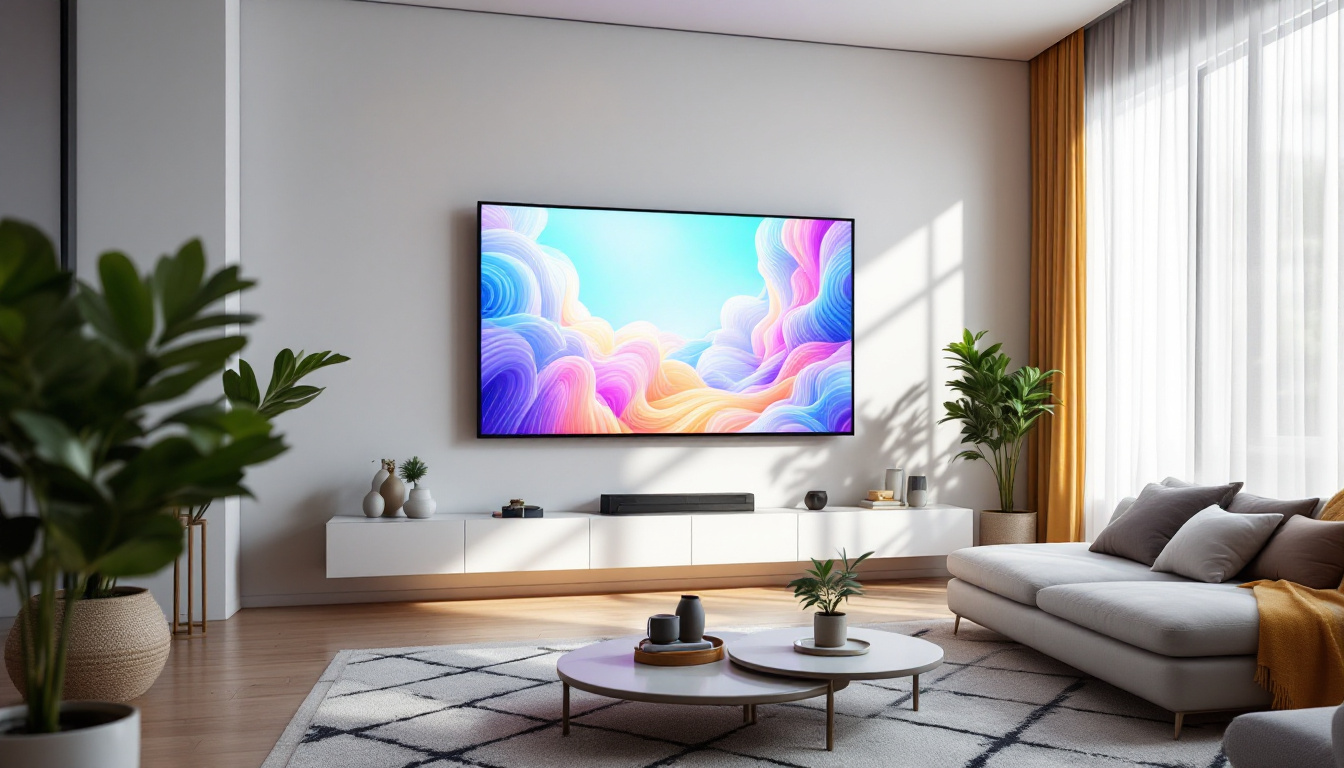
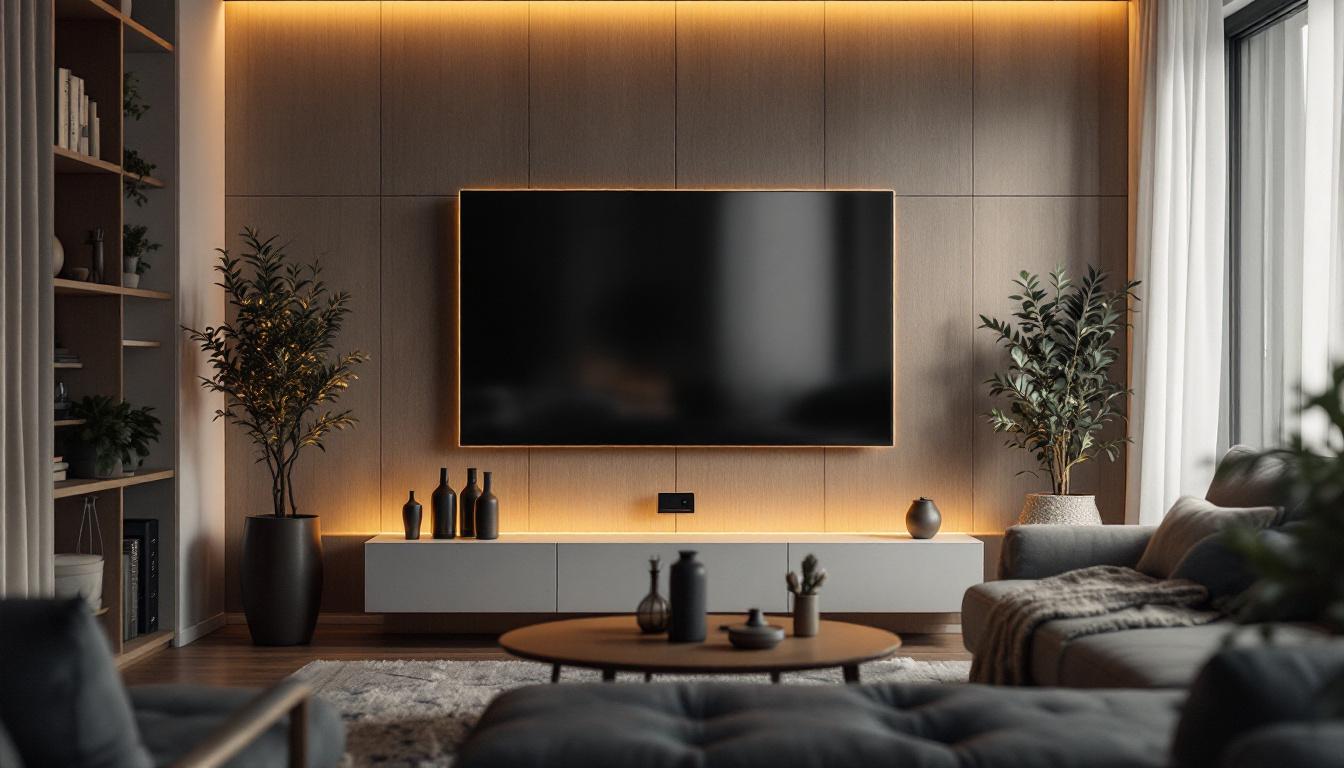
- Indoor LED Displays: Designed for controlled lighting environments, these displays have smaller pixel pitches (often less than 2.5mm) to deliver crisp images at close range. They are commonly found in conference rooms, retail stores, and event venues. The versatility of indoor LED displays also allows for seamless integration into various architectural designs, enhancing the aesthetic appeal of the space while providing dynamic content.
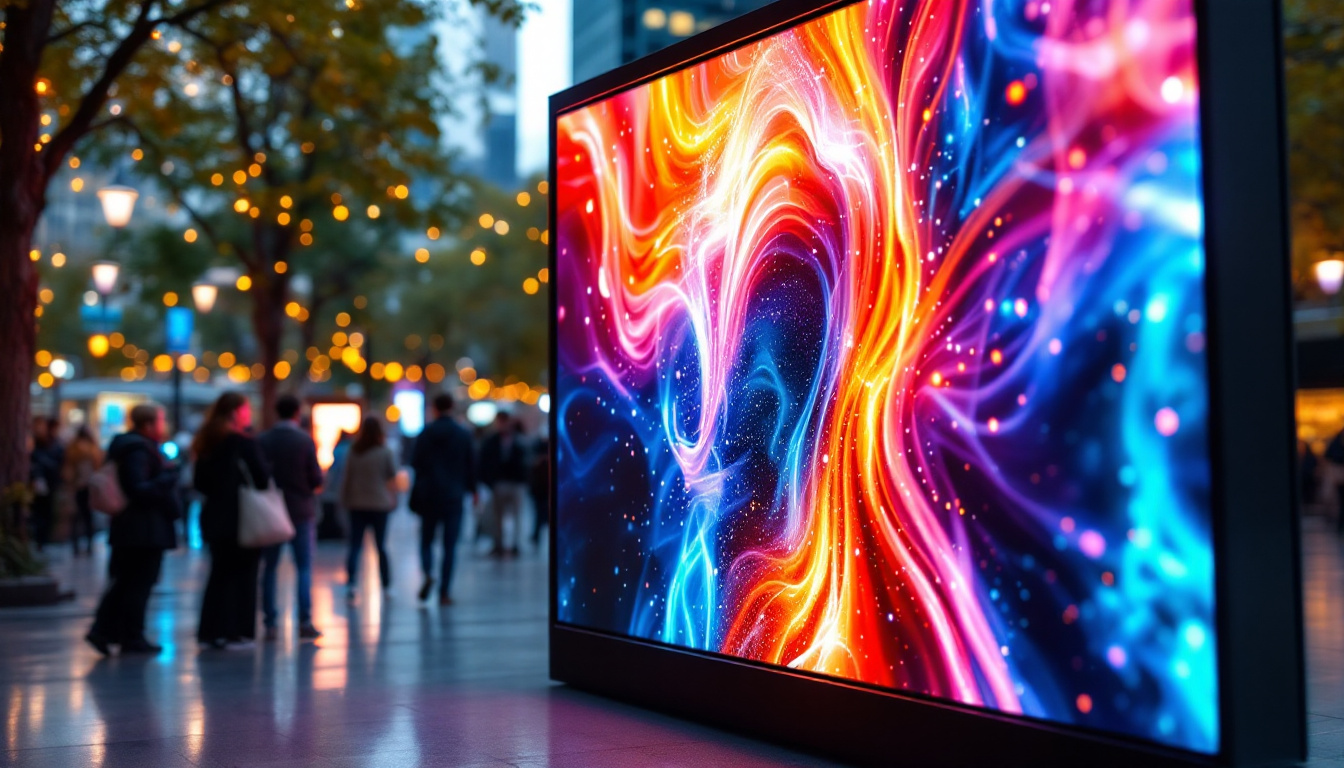
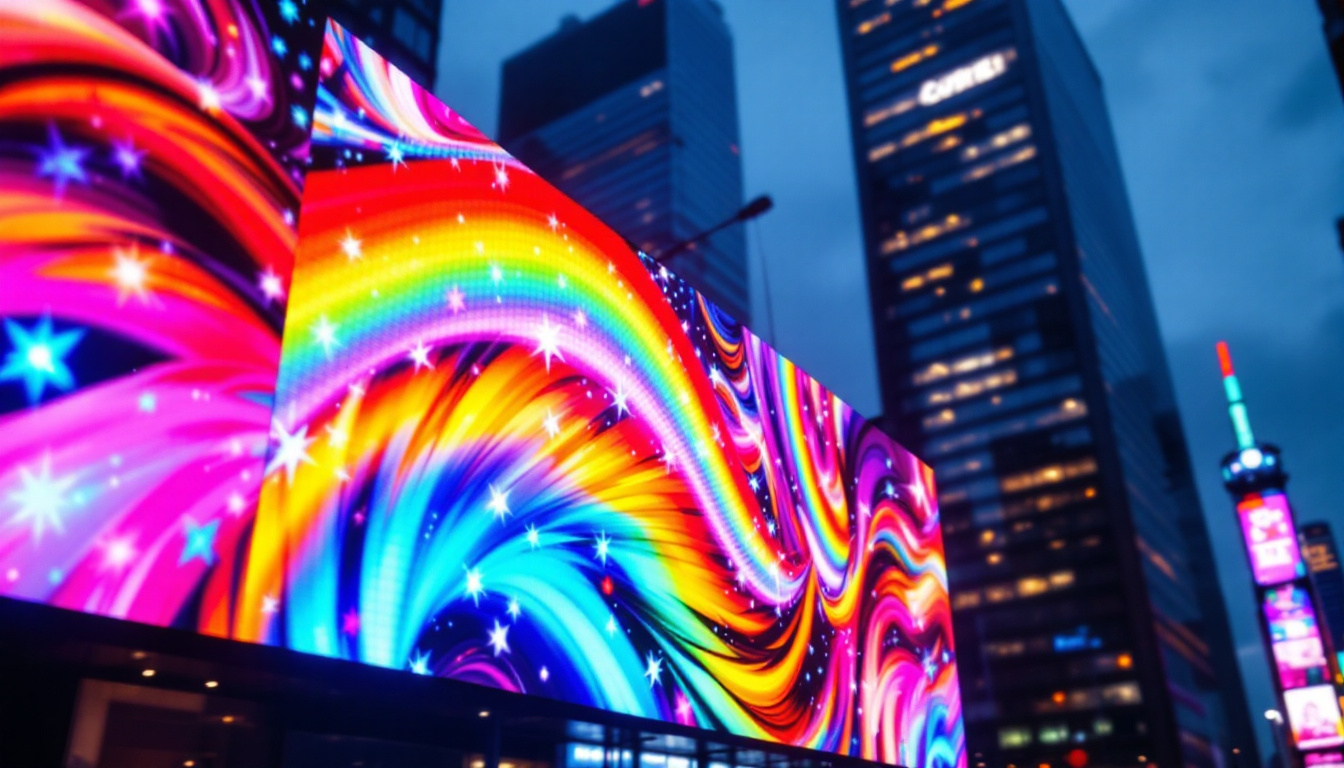
- Outdoor LED Displays: Built to withstand weather elements, these displays have higher brightness levels (up to 7,000 nits or more) to remain visible under direct sunlight. Their pixel pitches are generally larger (4mm and above) since viewers tend to be farther away. Outdoor displays are often used for advertising billboards, sports arenas, and public information systems, where visibility and durability are paramount.
- Transparent LED Displays: These innovative panels allow light to pass through, making them suitable for glass walls or windows. They enable dynamic content display without obstructing visibility, providing a unique solution for retail environments where product visibility is essential. Transparent displays can also enhance the user experience in museums and exhibitions, allowing for interactive storytelling while maintaining the integrity of the physical space.
- Flexible and Curved LED Displays: Utilizing bendable substrates, these displays can conform to curved surfaces or creative shapes, expanding design possibilities in architectural and entertainment settings. Their adaptability allows for the creation of immersive environments, such as curved screens in theaters or unique installations in art galleries, where traditional flat displays would be impractical.
As technology continues to evolve, the applications of LED displays are becoming increasingly diverse. Innovations such as microLED and miniLED technologies are pushing the boundaries of display capabilities, offering even higher resolutions and improved performance in terms of brightness and color reproduction. These advancements are paving the way for new possibilities in virtual reality, augmented reality, and interactive installations, where the lines between the digital and physical worlds are becoming increasingly blurred.
Applications of LED Wall Displays
Advertising and Digital Signage
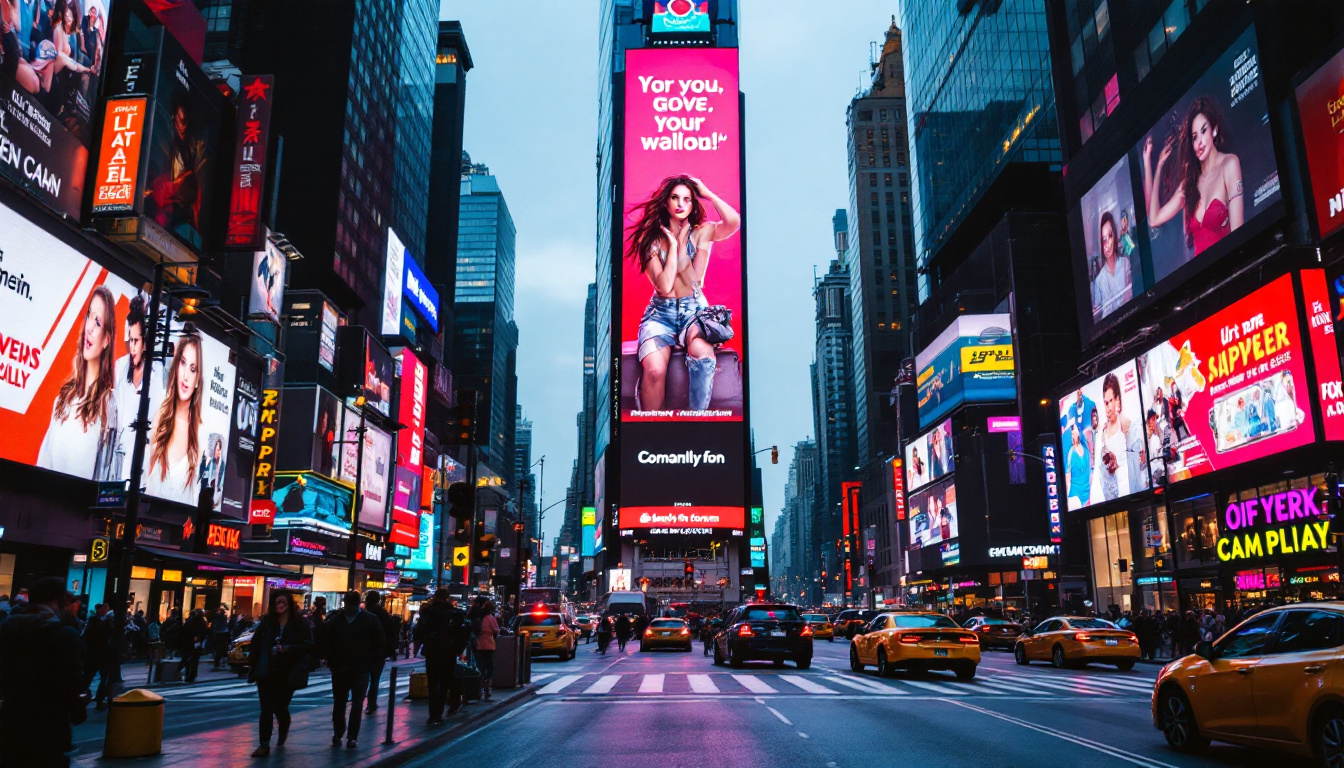
One of the most prevalent uses of LED wall displays is in advertising. High-traffic urban areas such as Times Square in New York or Shibuya Crossing in Tokyo feature massive LED billboards that captivate millions daily. The ability to display vibrant, dynamic content attracts advertisers seeking to engage audiences more effectively than static posters or traditional signage.
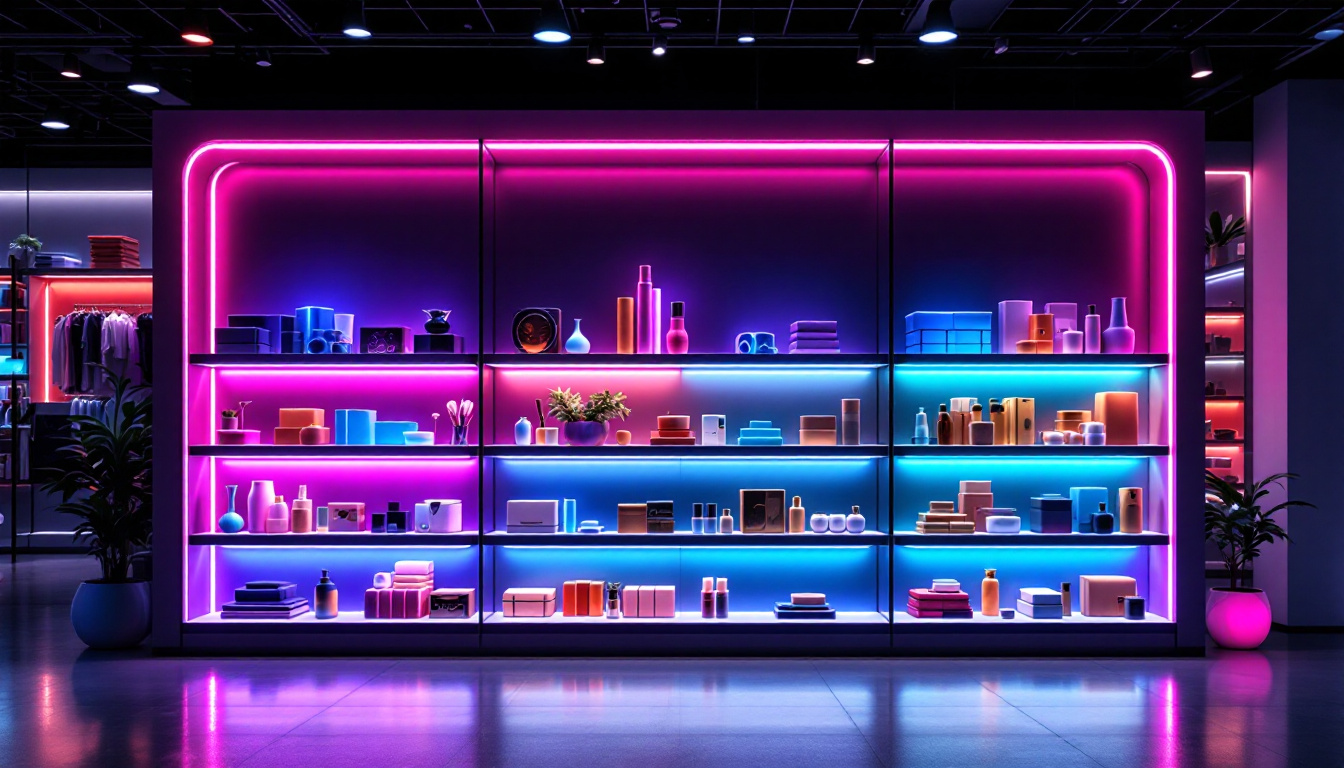
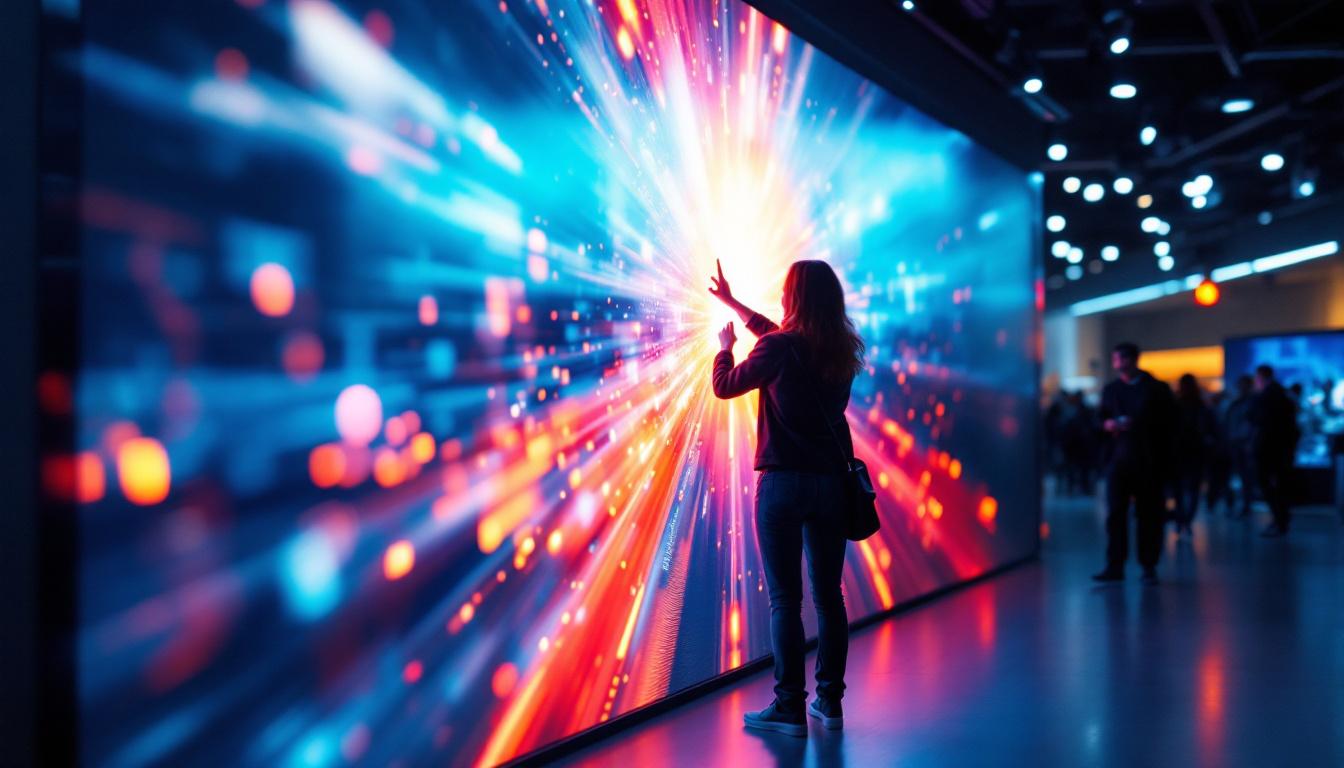
Digital signage powered by LED walls also enables real-time updates, targeted messaging, and interactive experiences. Retailers use these displays to promote products, announce sales, or provide wayfinding assistance, enhancing customer engagement and driving sales.
Corporate and Event Environments
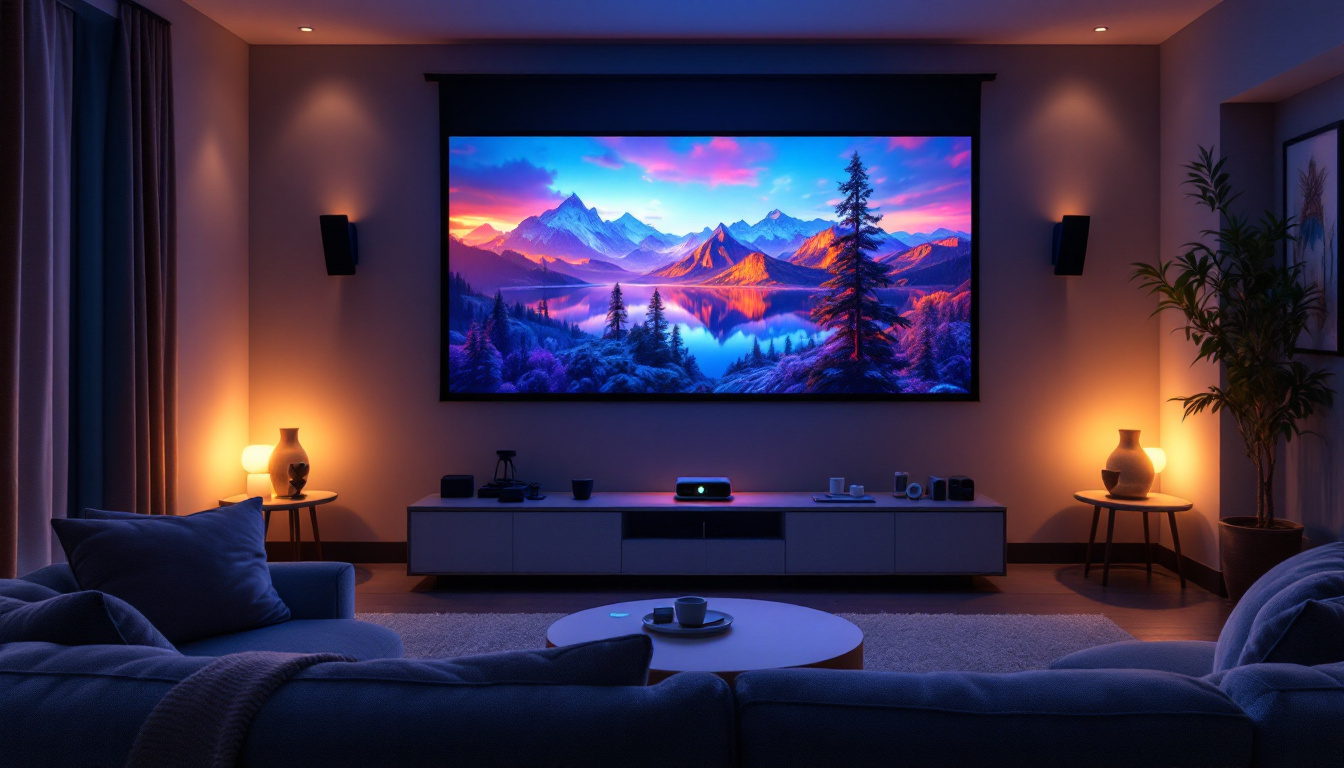
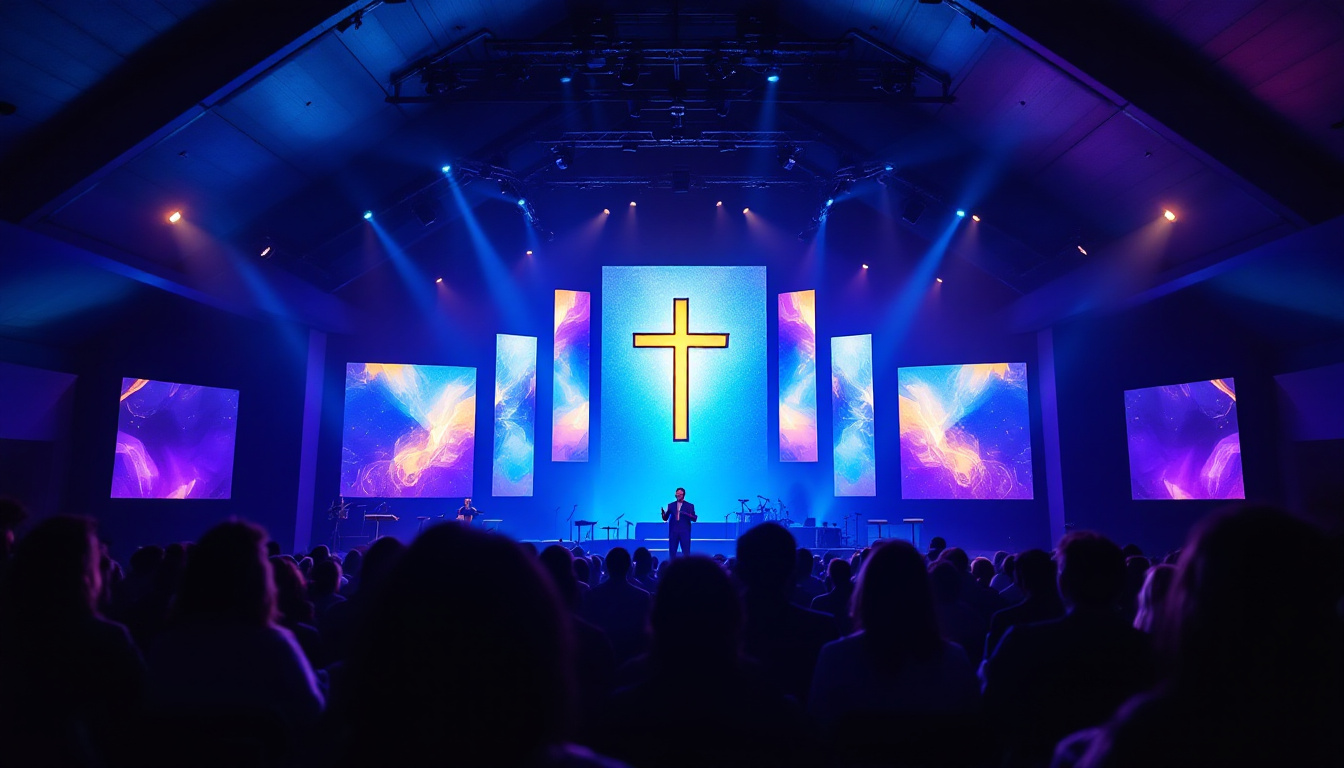
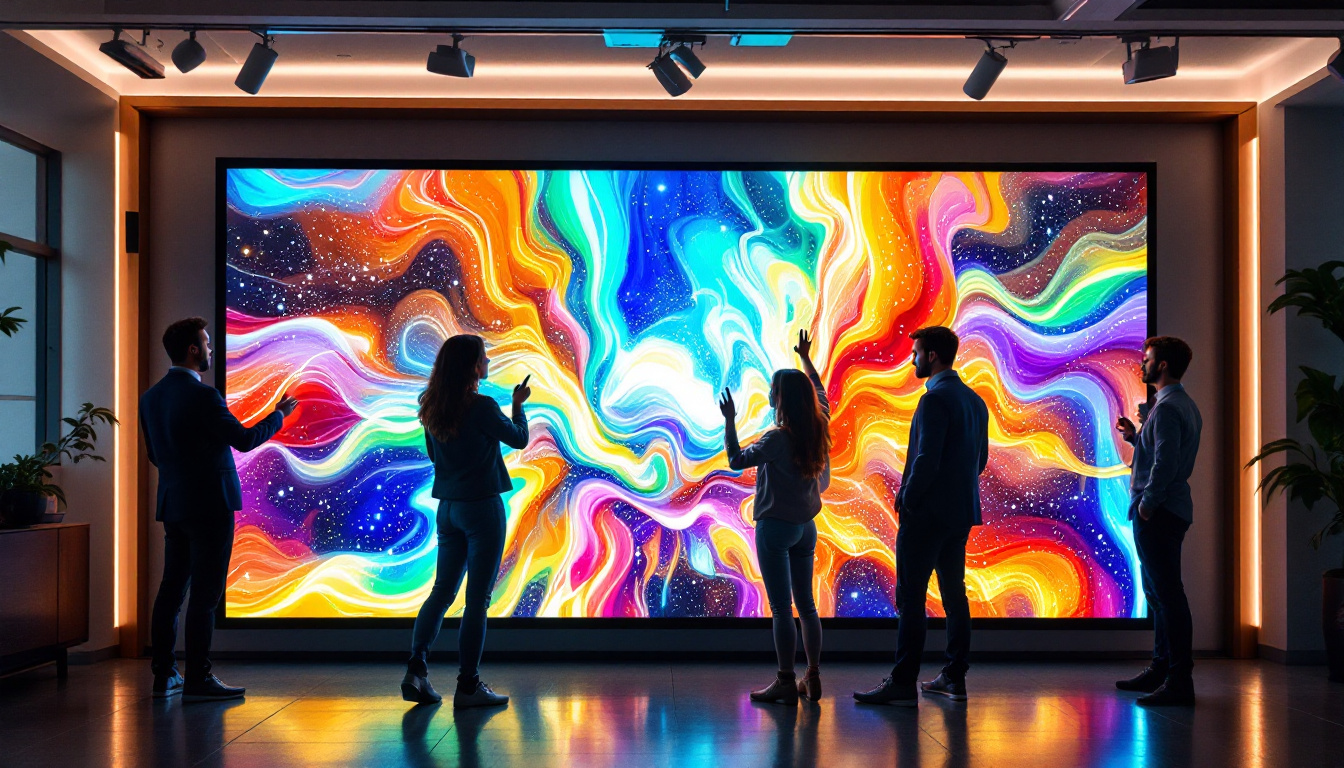
In corporate settings, LED wall displays serve multiple purposes—from enhancing presentations and video conferencing to creating immersive brand experiences during product launches or conferences. Their large size and high resolution ensure that visuals are clear and impactful, even in large auditoriums or open office spaces.
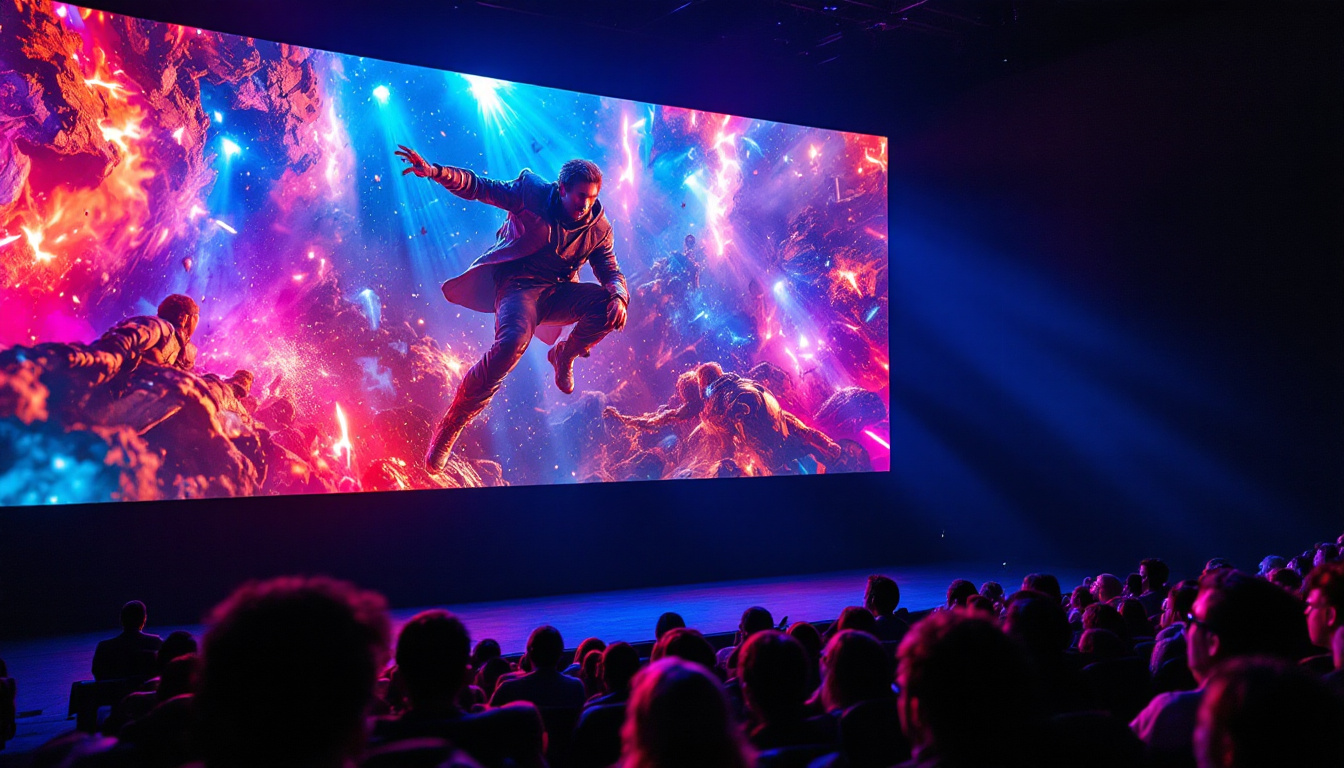
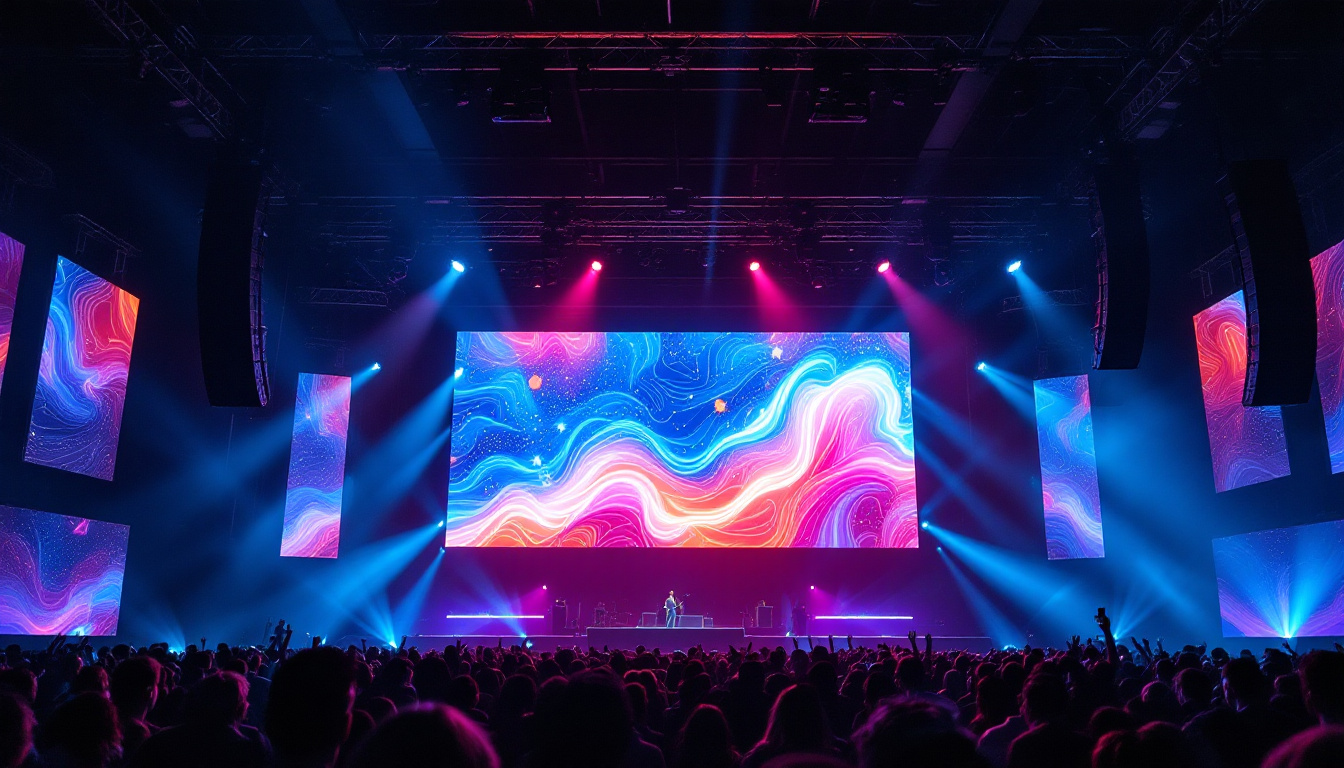
Events such as concerts, sports games, and exhibitions rely heavily on LED walls to deliver live feeds, graphics, and information to audiences. The modular nature of LED displays allows for customization of screen size and shape, adapting to venue requirements and creative visions.
Public Information and Transportation Hubs
Airports, train stations, and bus terminals utilize LED displays to provide travelers with real-time information including schedules, alerts, and directions. The brightness and clarity of LED screens ensure visibility in diverse lighting conditions, improving passenger experience and operational efficiency.
Advantages of LED Wall Displays
Superior Brightness and Visibility
LED displays can achieve brightness levels far exceeding those of LCD or projection screens, often reaching 1,000 to 7,000 nits. This capability ensures clear visibility even in direct sunlight or brightly lit indoor environments. For outdoor advertising and public displays, this feature is indispensable.
Energy Efficiency and Longevity
Modern LEDs are highly energy-efficient compared to older display technologies. They consume less power while delivering brighter images, which translates to lower operational costs over time. Additionally, LED displays boast a long lifespan, often exceeding 100,000 hours of use before significant brightness degradation occurs.
Flexible Design and Scalability
The modular design of LED wall displays allows for virtually unlimited screen sizes and configurations. Whether it’s a small video wall in a retail store or a massive outdoor billboard, LED modules can be combined to meet specific spatial and design requirements. This flexibility also facilitates easy maintenance and upgrades, as individual modules can be replaced without dismantling the entire display.
High Contrast and Wide Viewing Angles
Because LEDs emit light directly, LED displays offer excellent contrast ratios, producing deep blacks and vibrant colors. This results in more lifelike images and enhanced visual appeal. Furthermore, LED walls maintain consistent image quality across wide viewing angles, ensuring that content is visible and clear from various positions within a space.
Key Considerations When Choosing an LED Wall Display
Pixel Pitch and Viewing Distance
One of the most critical factors in selecting an LED display is pixel pitch. A smaller pixel pitch means higher resolution and finer image detail, which is essential for applications where viewers are close to the screen. Conversely, larger pixel pitches are suitable for displays viewed from greater distances, where the human eye cannot discern individual pixels.
For example, an indoor conference room display might require a pixel pitch of 1.5mm to 2.5mm, while an outdoor billboard viewed from hundreds of feet away could use a pixel pitch of 10mm or more. Understanding the typical viewing distance helps optimize cost and performance.
Brightness and Environmental Conditions
Assessing the ambient lighting conditions where the display will be installed is vital. Indoor environments usually require lower brightness levels (around 800 to 1,500 nits), while outdoor installations demand much higher brightness to combat sunlight glare. Additionally, outdoor LED displays must have weatherproofing features such as IP65 or higher ratings to resist dust and moisture.
Resolution and Content Type
The type of content intended for display influences the choice of resolution. High-definition videos, detailed graphics, and text-heavy information benefit from higher resolution screens. Conversely, simple animations or static images may not require ultra-high resolution, allowing for cost savings.
Installation and Maintenance
Consideration should also be given to the installation environment and maintenance requirements. Wall-mounted LED displays need secure mounting structures and access for servicing. Modular designs facilitate easier repairs, but planning for power supply, data connectivity, and ventilation is equally important to ensure long-term reliability.
Future Trends in LED Wall Display Technology
Mini-LED and Micro-LED Innovations
Emerging technologies like Mini-LED and Micro-LED promise to revolutionize LED displays by offering even higher resolution, better color accuracy, and improved energy efficiency. These advancements involve using smaller LEDs, allowing for tighter pixel pitches and enhanced image quality, especially for indoor applications.
Integration with Smart Technologies
LED wall displays are increasingly being integrated with smart systems, including AI-driven content management and interactive capabilities. This integration enables dynamic content personalization, real-time analytics, and seamless synchronization with other digital platforms, enhancing user engagement and operational efficiency.
Sustainability and Eco-Friendly Solutions
As environmental concerns grow, manufacturers are focusing on developing LED displays with reduced energy consumption, recyclable materials, and longer lifespans. These sustainable innovations not only lower operational costs but also align with corporate social responsibility goals.
Conclusion
LED wall displays have transformed the way businesses, organizations, and public spaces communicate visually. Their versatility, brightness, and scalability make them an indispensable tool for delivering impactful messages and immersive experiences. By understanding the underlying technology, applications, and key selection criteria, stakeholders can make informed decisions to harness the full potential of LED displays.
Whether for advertising, corporate communication, or public information, LED wall displays continue to evolve, driven by technological advancements and changing user needs. Investing in the right LED display solution can significantly enhance visibility, engagement, and overall effectiveness in today’s visually driven landscape.
Discover LumenMatrix’s Innovative LED Display Solutions
Ready to elevate your visual communication strategy with the latest in LED technology? Look no further than LumenMatrix, a pioneer in crafting exceptional LED display modules that bring your brand to life. From vibrant Indoor and Outdoor LED Wall Displays to dynamic Vehicle and Sports LED Displays, LumenMatrix offers a comprehensive range of solutions tailored to your unique needs. Experience the power of LED Poster Displays, Floor LED Displays, Custom LED Displays, All-in-One LED Displays, and LED Transparent Displays. Join the revolution in visual storytelling and captivate your audience like never before. Check out LumenMatrix LED Display Solutions today and transform your space into a canvas of endless possibilities.