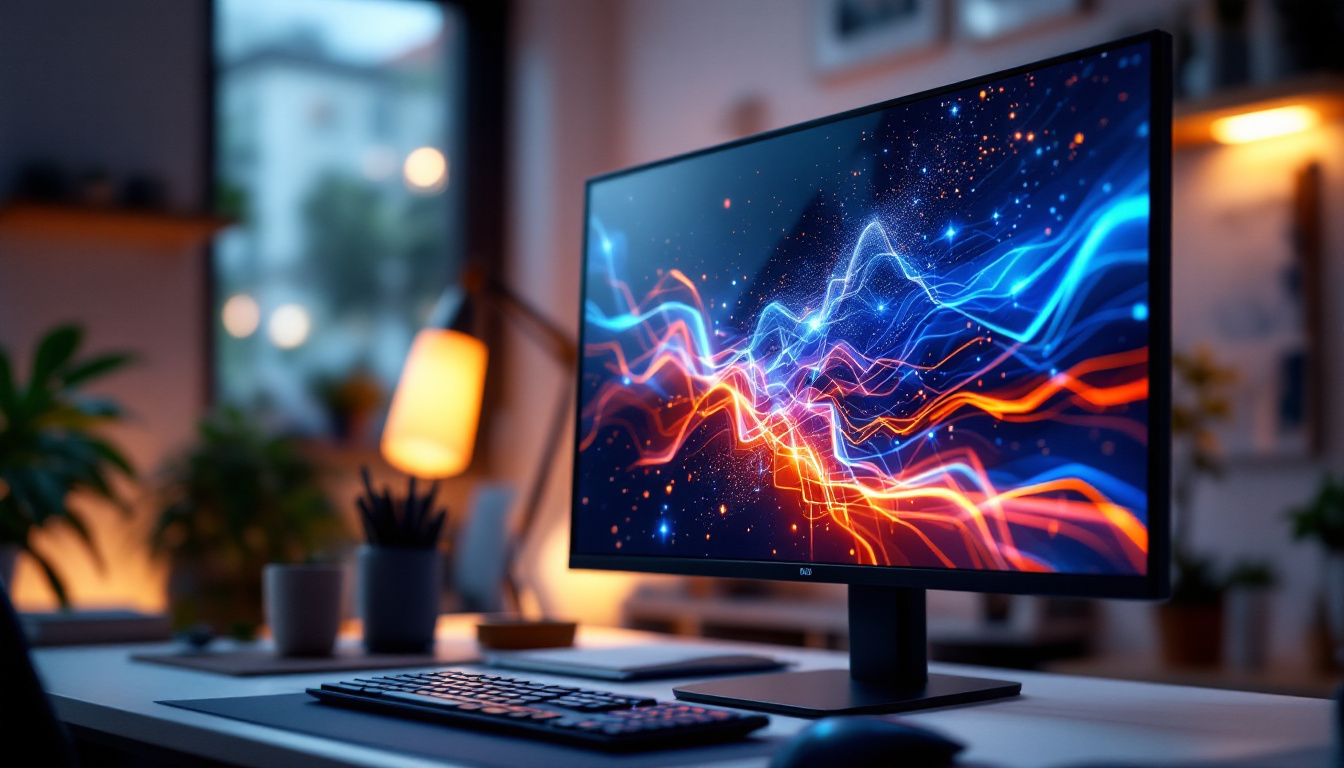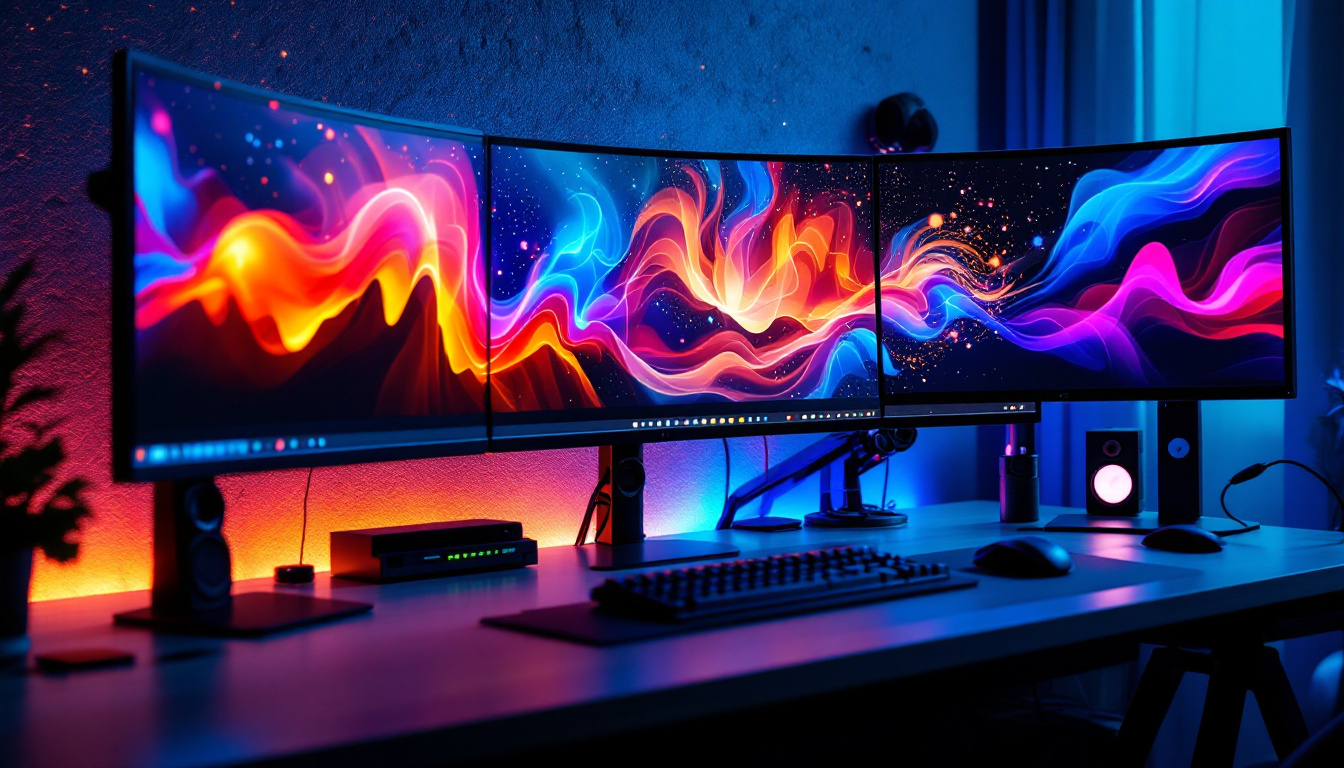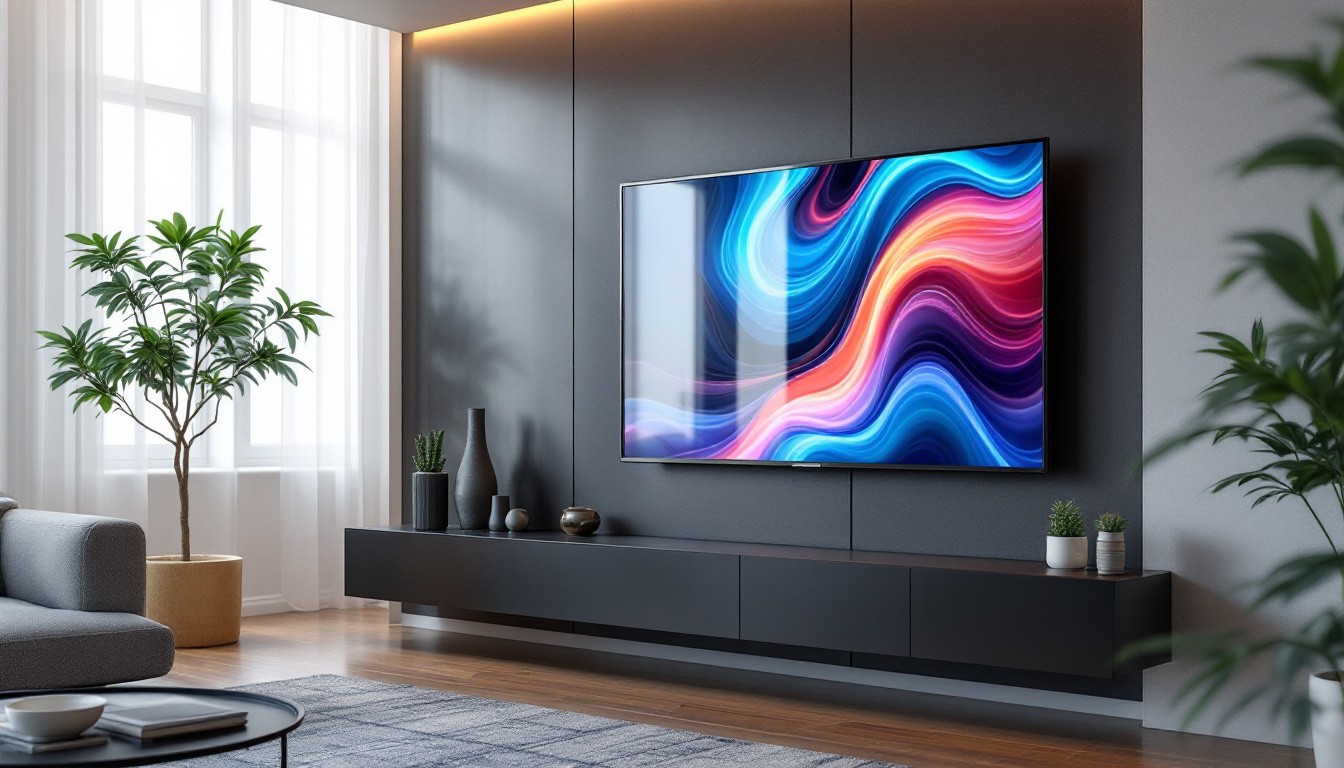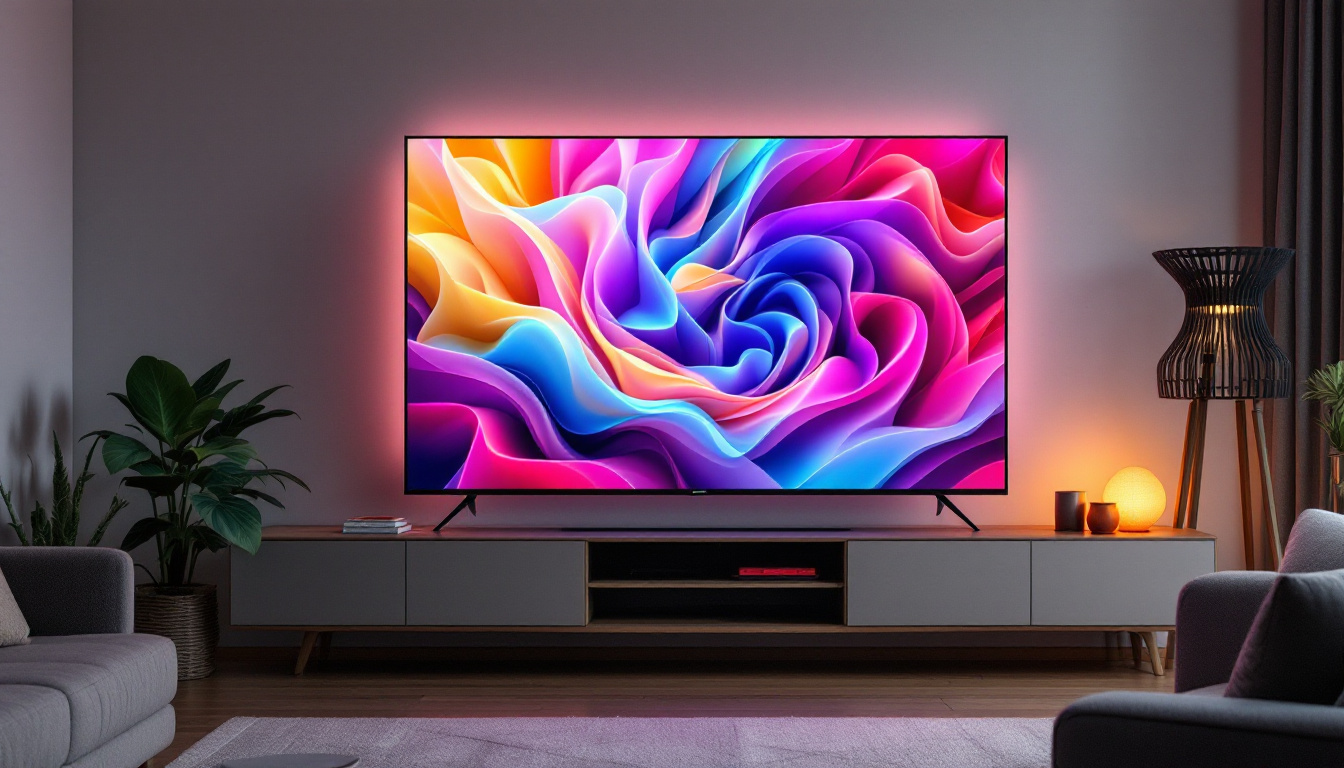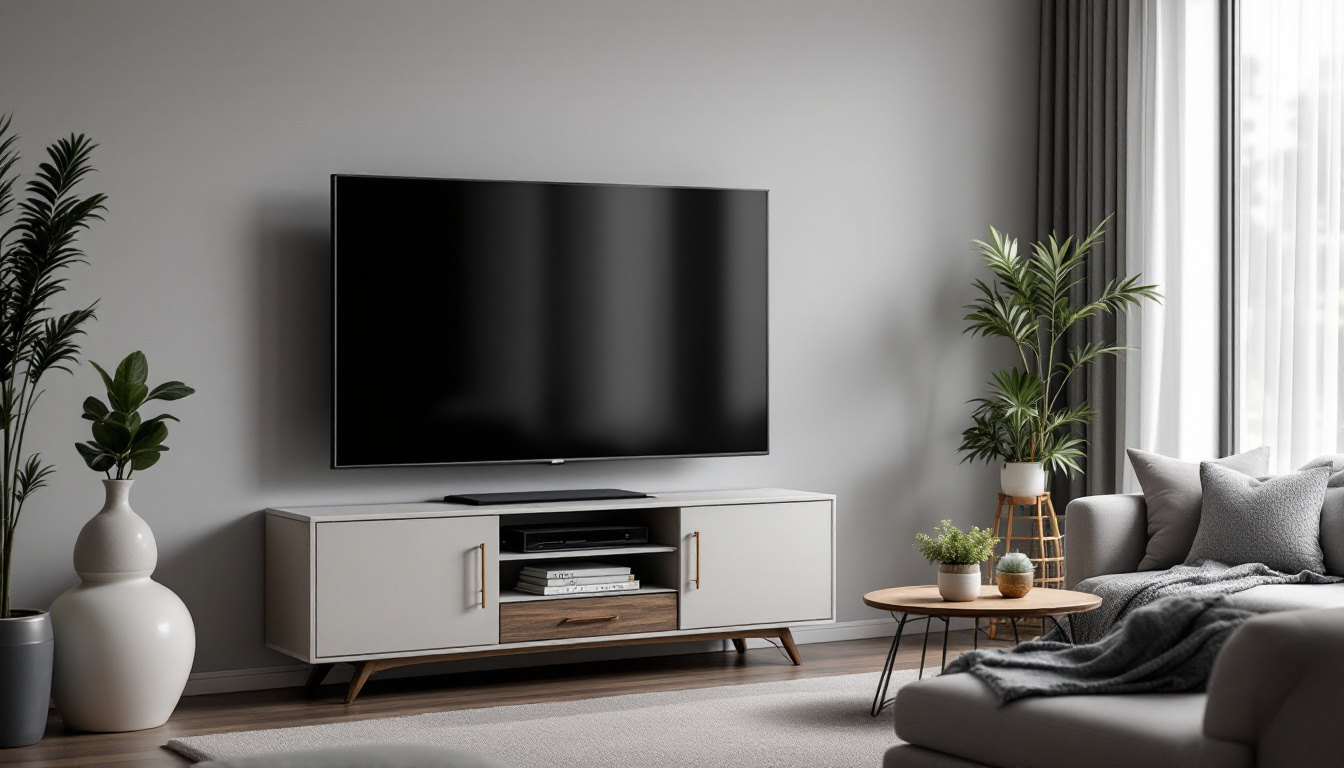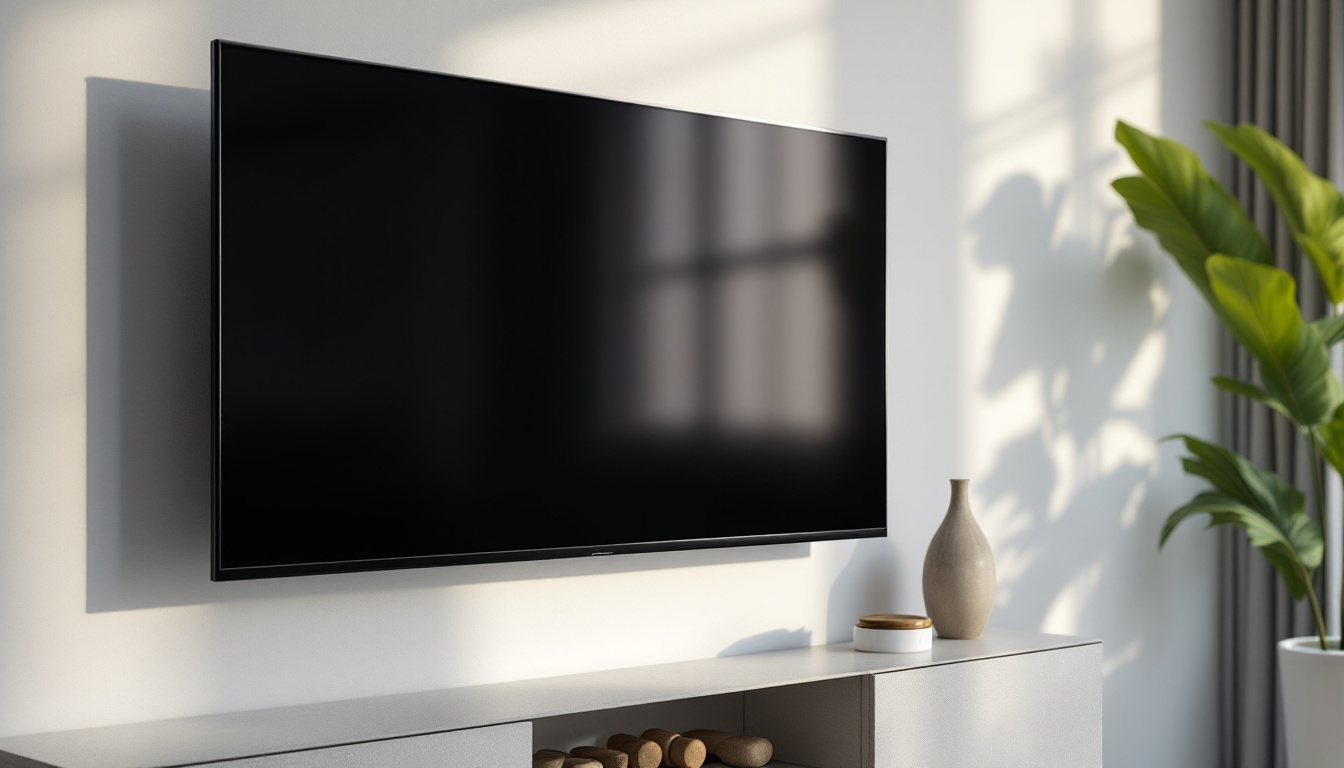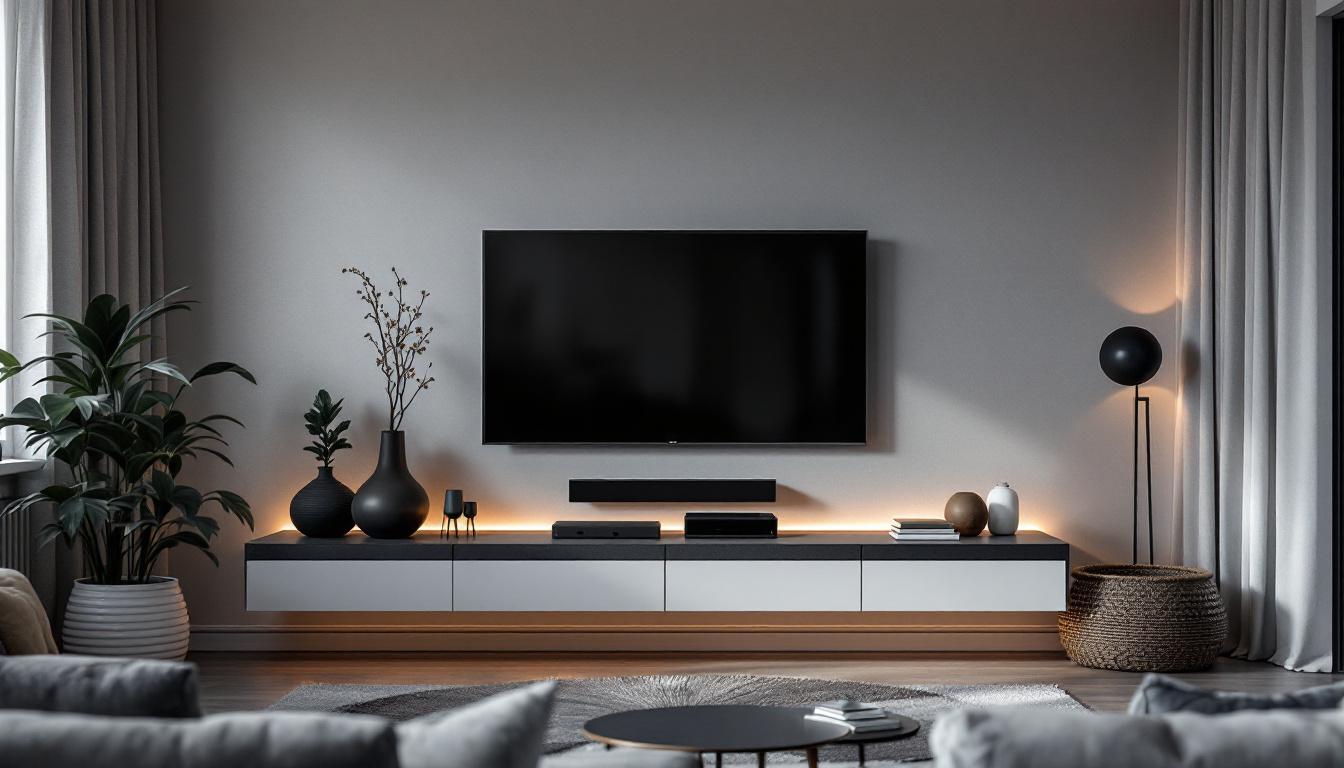
In today’s fast-evolving home entertainment landscape, wall mount entertainment units paired with LED displays have become a popular choice for homeowners seeking a sleek, modern aesthetic combined with cutting-edge technology. Understanding the nuances of LED displays and how they integrate with wall mount units is essential for making informed decisions that enhance both the visual experience and the functionality of your living space.
Understanding Wall Mount Entertainment Units
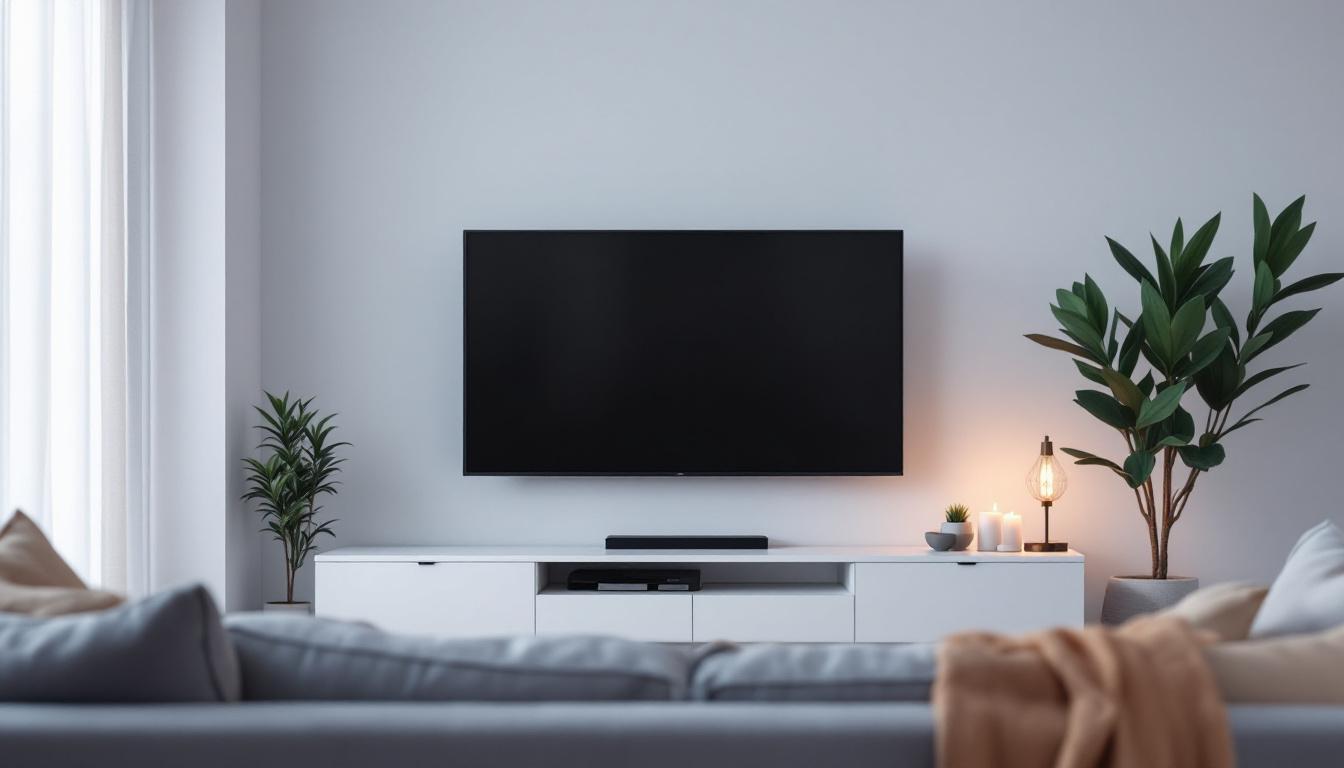
Wall mount entertainment units are designed to hold and showcase your television and related media devices in a way that maximizes space and style. Unlike traditional entertainment centers that occupy floor space, these units are affixed to the wall, creating a clean, streamlined look. This not only elevates the visual appeal of your living space but also allows for a more flexible arrangement of furniture, enabling you to create a cozy and inviting atmosphere.
These units often come with built-in shelves, cable management systems, and compartments for gaming consoles, sound systems, and streaming devices. Their design not only enhances the room’s aesthetics but also improves accessibility and organization. Many models feature adjustable shelving, allowing you to customize the height and arrangement of your devices, which can be particularly beneficial for accommodating future upgrades or changes in technology.
Benefits of Wall Mount Entertainment Units
One of the primary advantages is space-saving. In smaller living rooms or apartments, wall-mounted units free up floor space, making the room feel larger and less cluttered. Additionally, mounting your television at eye level reduces neck strain and provides an optimal viewing angle. This ergonomic benefit is especially important for families who enjoy movie nights or gaming sessions, as it ensures comfort during extended periods of use.
Another benefit is improved safety, especially in homes with children or pets. Securing the TV and devices to the wall minimizes the risk of accidental tipping or damage. Moreover, many wall mount units are designed with rounded edges and safety features that further enhance their child-friendly appeal. This thoughtful design consideration allows parents to create a stylish media area without compromising on safety.
Choosing the Right Wall Mount Unit
When selecting a wall mount entertainment unit, consider the size and weight of your LED display, the layout of your room, and your storage needs. Units made from durable materials such as solid wood or metal offer longevity and stability. Additionally, look for models with integrated cable management to keep wires hidden and organized. A well-designed cable management system not only enhances the aesthetic of your setup but also simplifies the process of connecting and disconnecting devices, making it easier to adapt your setup as technology evolves.
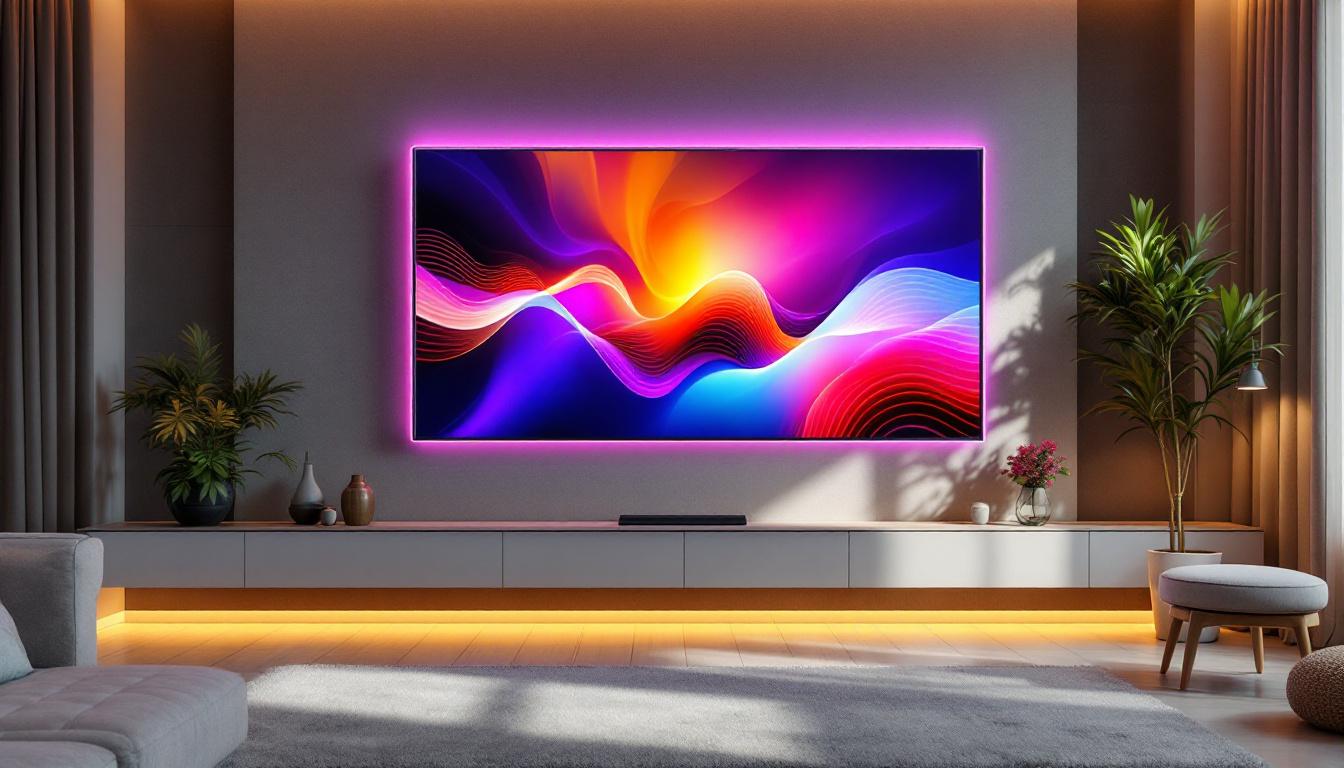
Furthermore, think about the overall style of your room. Wall mount units come in a variety of designs, from sleek and modern to rustic and traditional, allowing you to find one that complements your existing decor. Some units even incorporate LED lighting, which can create a stunning focal point in your living space while providing ambient lighting for movie nights. By carefully considering both functionality and style, you can choose a wall mount entertainment unit that not only meets your practical needs but also enhances the overall ambiance of your home.
LED Displays: The Heart of Modern Entertainment
Light Emitting Diode (LED) displays have revolutionized the way we consume visual content. They offer vibrant colors, sharp images, and energy efficiency that surpass older display technologies like LCD and plasma.
How LED Displays Work
LED displays use tiny light-emitting diodes to illuminate pixels on the screen. These diodes can be arranged in various configurations, such as edge-lit or full-array backlighting, to enhance brightness and contrast. Unlike traditional LCDs that rely on fluorescent backlights, LEDs provide more precise control over lighting, resulting in deeper blacks and more vivid colors.
Types of LED Displays
There are several types of LED displays commonly used in home entertainment:
- Edge-Lit LED: LEDs are positioned around the edges of the screen, allowing for thinner panels but sometimes causing uneven brightness.
- Full-Array LED: LEDs are distributed evenly behind the screen, offering better contrast and local dimming capabilities.
- Mini-LED: A newer technology featuring smaller LEDs that provide even finer control over lighting and improved HDR performance.
- Micro-LED: An emerging technology that promises OLED-level contrast with higher brightness and durability.
Integrating LED Displays with Wall Mount Entertainment Units
The synergy between LED displays and wall mount entertainment units is crucial for creating an immersive and aesthetically pleasing entertainment setup. Proper integration ensures that the display is securely mounted, optimally positioned, and complemented by the unit’s storage and cable management features.
Mounting Considerations
When mounting an LED display, the weight and size of the TV must match the wall mount unit’s specifications. Most modern units support a range of VESA (Video Electronics Standards Association) mounting patterns, which standardize the placement of mounting holes on the back of TVs. Ensuring compatibility prevents installation issues and guarantees stability.
Additionally, consider the wall material—drywall, brick, or concrete—to select the appropriate anchors and mounting hardware. Professional installation is recommended for heavier displays to avoid damage or injury.
Optimizing Viewing Experience
Positioning the LED display at eye level when seated provides the most comfortable viewing angle. The distance between the viewer and the screen should also be considered; for 4K LED TVs, sitting closer is possible without loss of image clarity due to higher pixel density. A general guideline is to sit at a distance of 1.5 to 2.5 times the diagonal screen size.
Cable Management and Connectivity
Wall mount entertainment units often feature built-in cable management systems that conceal HDMI, power, and audio cables, maintaining a clean look. With the increasing number of devices connected to LED displays—such as gaming consoles, streaming devices, soundbars, and Blu-ray players—organizing cables is essential to prevent clutter and maintain airflow around electronic components.
Technological Features to Look For in LED Displays
Choosing the right LED display involves understanding the key technological features that impact picture quality, performance, and user experience.
Resolution and Screen Size
4K UHD (3840 x 2160 pixels) has become the standard resolution for most LED TVs, offering four times the detail of Full HD. For larger screen sizes, 4K ensures crisp and detailed images, especially important for wall-mounted units where the display often becomes a focal point of the room.
8K displays are emerging but remain niche due to limited content availability and high costs. For most consumers, 4K strikes the best balance between price and performance.
High Dynamic Range (HDR)
HDR enhances the contrast and color range of LED displays, delivering more lifelike images. Popular HDR formats include HDR10, Dolby Vision, and HLG. When paired with a wall mount entertainment unit, HDR-capable displays can transform movie nights and gaming sessions into immersive experiences.
Refresh Rate and Response Time
A higher refresh rate (measured in Hz) results in smoother motion, which is particularly beneficial for fast-paced content like sports and video games. Most LED TVs offer 60Hz or 120Hz refresh rates, with some high-end models reaching 240Hz.
Response time, the speed at which pixels change color, affects motion blur. Lower response times are preferable for gaming and action-packed content.
Smart TV Capabilities
Modern LED displays often come equipped with smart functionality, allowing users to stream content directly from platforms like Netflix, Amazon Prime, and YouTube without additional devices. Integration with voice assistants such as Alexa, Google Assistant, or Siri further enhances convenience.
Design Trends and Aesthetic Considerations
The design of wall mount entertainment units and LED displays plays a significant role in shaping the ambiance of a living space. Trends in both areas reflect a move toward minimalism, customization, and seamless integration.
Minimalist and Floating Designs
Floating wall mount units with hidden brackets create the illusion that the TV and shelves are suspended in mid-air. This design reduces visual clutter and emphasizes clean lines, complementing the slim profiles of modern LED displays.
Material and Finish Choices
Materials such as matte black metal, natural wood veneers, and tempered glass are popular for entertainment units, offering durability and style. Coordinating the finish of the unit with the TV’s bezel and the room’s decor creates a cohesive look.
Customization and Modular Options
Many manufacturers offer modular wall mount units that allow users to customize shelf sizes, colors, and configurations. This flexibility enables homeowners to tailor the setup to their specific needs, whether for media storage, decorative displays, or sound system integration.
Maintenance and Longevity of LED Displays and Wall Mount Units
Proper care extends the life of both your LED display and wall mount entertainment unit, ensuring sustained performance and appearance.
Cleaning and Dust Management
Regular dusting of the LED screen with a microfiber cloth prevents buildup that can affect picture quality. Avoid harsh chemicals; instead, use screen-safe cleaning solutions if necessary.
The wall mount unit’s shelves and compartments should also be cleaned periodically to prevent dust accumulation, which can impact electronic devices stored within.
Temperature and Ventilation
LED displays generate heat, and proper ventilation is critical to prevent overheating. Ensure that the wall mount unit does not obstruct air vents on the TV or other devices. Avoid placing the unit in direct sunlight or near heat sources.
Inspecting Mounting Hardware
Over time, check the mounting brackets and screws for signs of loosening or wear. Tightening hardware as needed maintains safety and stability, especially in households with active children or pets.
Conclusion: Elevating Home Entertainment with Wall Mount Units and LED Displays
Wall mount entertainment units combined with advanced LED displays offer a compelling solution for modern home entertainment setups. They provide aesthetic appeal, space efficiency, and technological sophistication that enhance the viewing experience.
By understanding the features and considerations involved—from mounting and cable management to display technology and design trends—homeowners can create an entertainment environment that is both functional and visually striking. Investing in quality components and proper installation ensures enjoyment and reliability for years to come.
Discover the Future of Home Entertainment with LumenMatrix
Ready to transform your home entertainment experience? LumenMatrix is at the forefront of LED display innovation, offering an extensive range of solutions tailored to bring your viewing to life. From immersive Indoor LED Wall Displays to dynamic Outdoor LED Wall Displays, our technology is designed to captivate and engage. Elevate your space with our cutting-edge LED displays and enjoy unparalleled clarity and impact. Don’t wait to upgrade your home cinema or gaming setup. Check out LumenMatrix LED Display Solutions today and step into the future of visual excellence.