Wall Mounting TVs: LED Display Explained
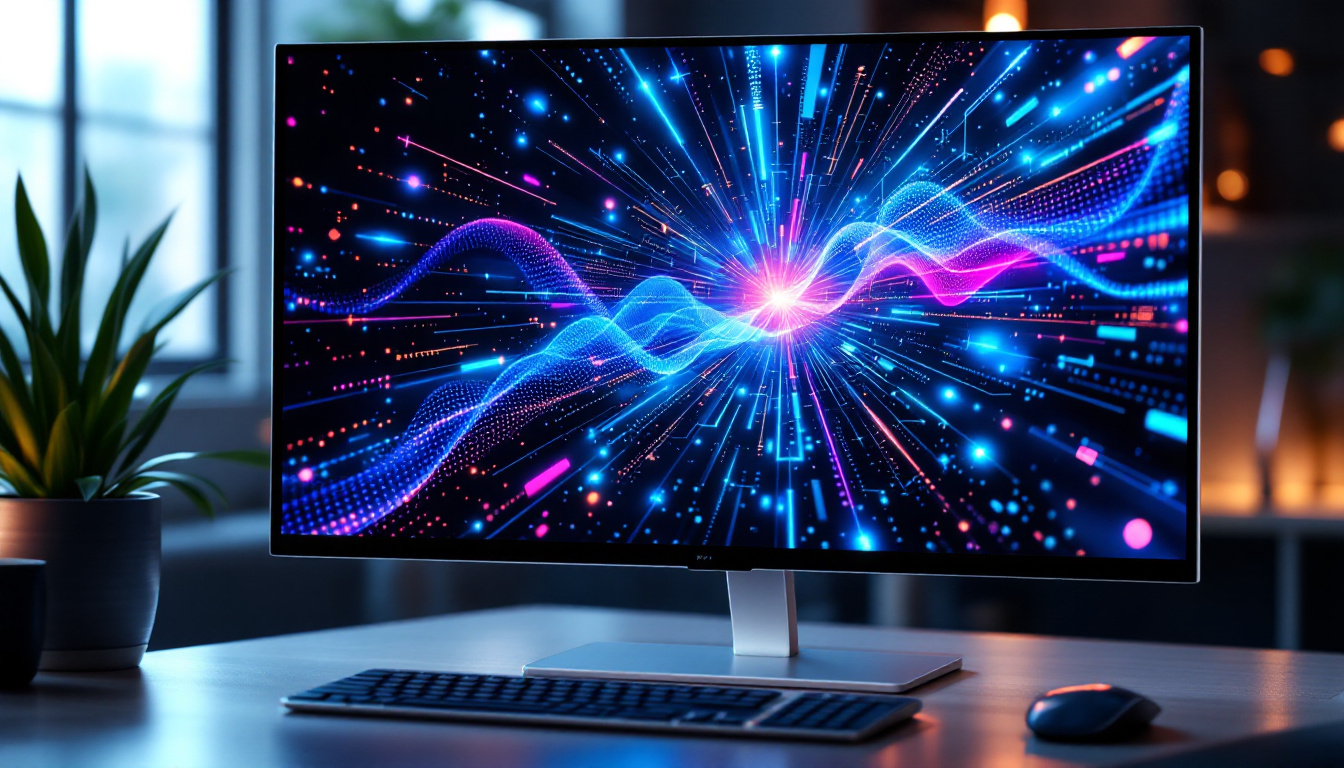
Wall mounting a TV has become a popular choice for homeowners and businesses alike, offering a sleek, modern look while saving valuable floor space. Among the various types of televisions available today, LED displays stand out for their vibrant picture quality, energy efficiency, and slim profiles—making them ideal candidates for wall mounting. This article delves into the essentials of wall mounting LED TVs, exploring the technology behind LED displays, the benefits of wall mounting, installation considerations, and tips to optimize your viewing experience.
Understanding LED Display Technology
What is an LED TV?
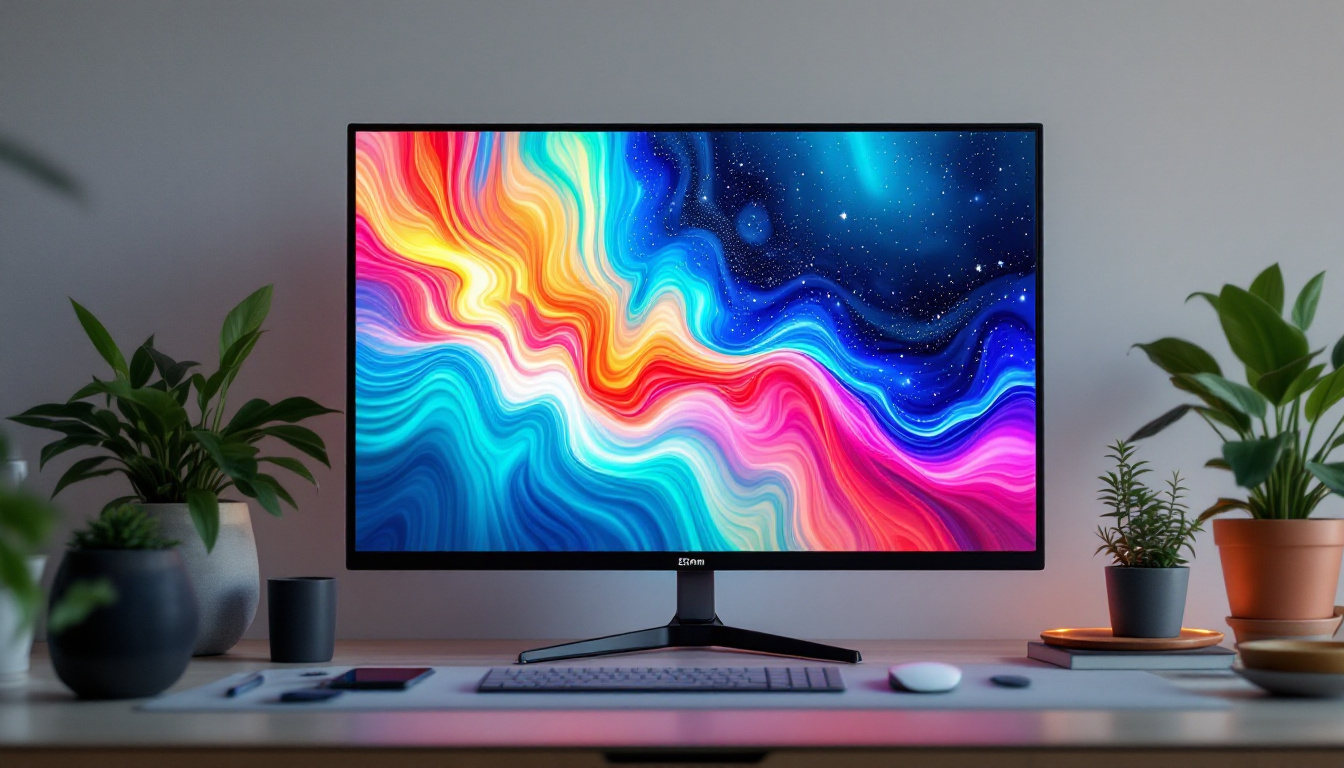
LED TVs are a type of LCD (Liquid Crystal Display) television that use Light Emitting Diodes (LEDs) as their backlighting source. Unlike traditional LCD TVs that use cold cathode fluorescent lamps (CCFLs), LED TVs utilize LEDs which provide more precise control over brightness and contrast. This results in sharper images, deeper blacks, and more vivid colors.
There are two main types of LED backlighting: edge-lit and full-array. Edge-lit LED TVs have LEDs placed around the edges of the screen, allowing for thinner panels but sometimes less uniform brightness. Full-array LED TVs have LEDs spread evenly behind the entire screen, enabling local dimming zones that enhance contrast and picture quality. The choice between these two types can significantly impact the viewing experience, especially in darker environments where full-array models can deliver superior performance by dimming specific areas of the screen to create a more immersive picture.
Additionally, many modern LED TVs incorporate advanced technologies such as Quantum Dot or OLED enhancements, which further improve color accuracy and brightness. Quantum Dot technology uses tiny semiconductor particles that emit specific colors when illuminated, resulting in a broader color spectrum and more realistic images. On the other hand, OLED (Organic Light Emitting Diode) technology, while not strictly LED, is often compared to LED TVs due to its superior contrast and color capabilities, as each pixel emits its own light, allowing for true blacks and vibrant colors.
Advantages of LED Displays Over Other Technologies
Compared to older technologies such as plasma or CCFL-backlit LCDs, LED TVs offer several advantages:
- Energy Efficiency: LEDs consume less power, making LED TVs more environmentally friendly and cost-effective to run.
- Slim Design: The compact size of LEDs allows manufacturers to produce ultra-thin TV panels, perfect for wall mounting.
- Improved Brightness and Contrast: LED backlighting can achieve higher brightness levels and better contrast ratios, enhancing the viewing experience.
- Longer Lifespan: LEDs generally have a longer operational life compared to CCFLs, reducing the need for replacements.
Moreover, LED TVs are less susceptible to screen burn-in, a common issue with plasma displays where static images can leave a permanent mark on the screen. This makes LED TVs a more versatile option for varied content, whether it’s watching movies, playing video games, or streaming live sports. The rapid response time of LEDs also contributes to smoother motion handling, which is particularly beneficial for fast-paced action scenes or sports broadcasts. As technology continues to evolve, LED displays are also becoming increasingly integrated with smart features, allowing users to access streaming services, browse the internet, and connect with other smart home devices seamlessly.
The Benefits of Wall Mounting Your LED TV
Space Saving and Aesthetics
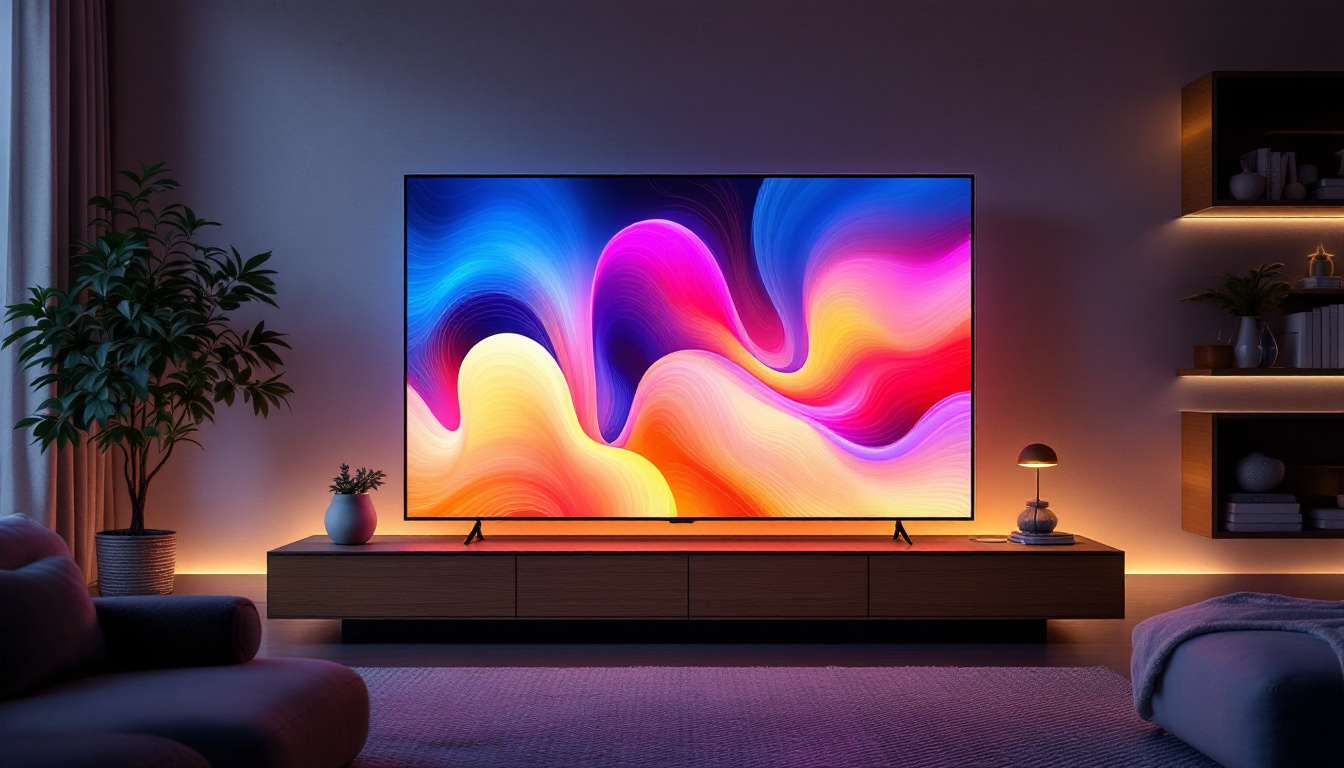
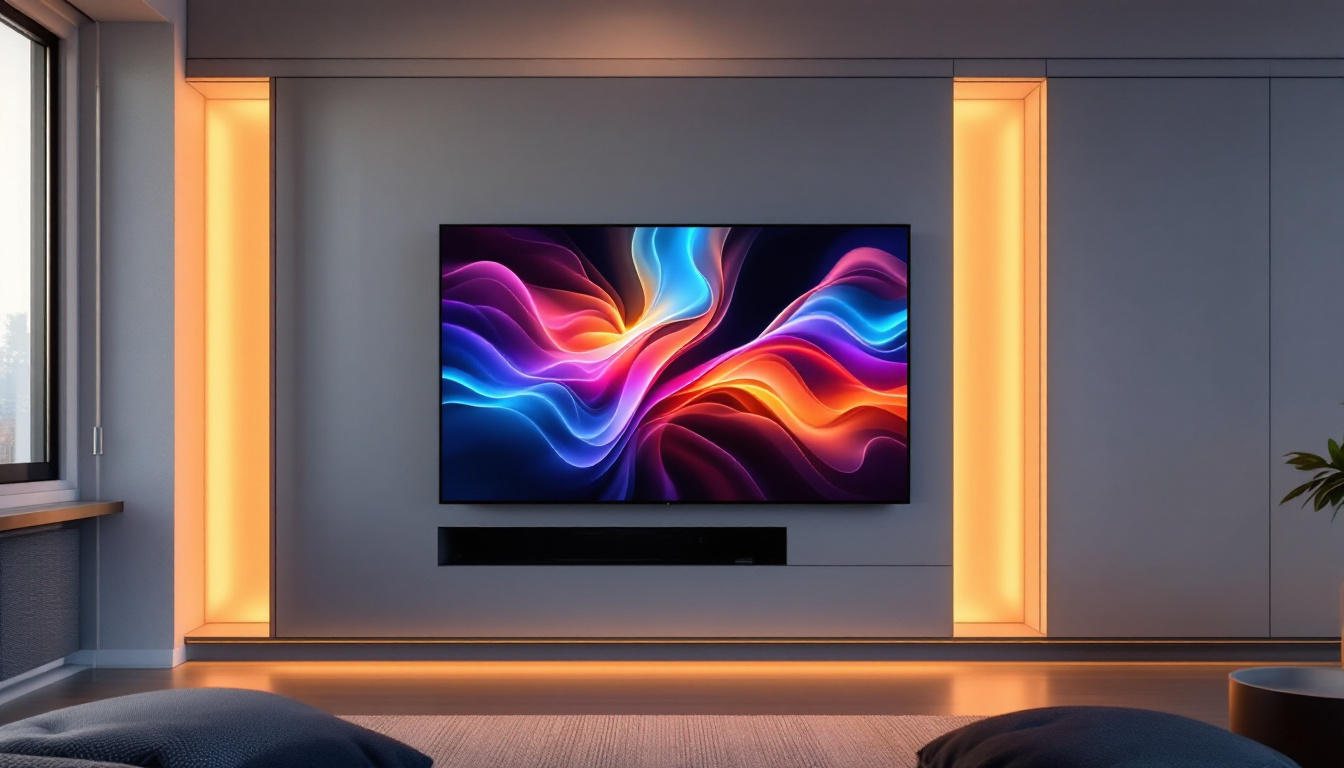
One of the most compelling reasons to wall mount an LED TV is the significant space savings. By eliminating the need for bulky TV stands or entertainment centers, wall mounting frees up floor space, making rooms appear larger and less cluttered. This is especially valuable in smaller living rooms, apartments, or commercial settings like conference rooms and retail environments.
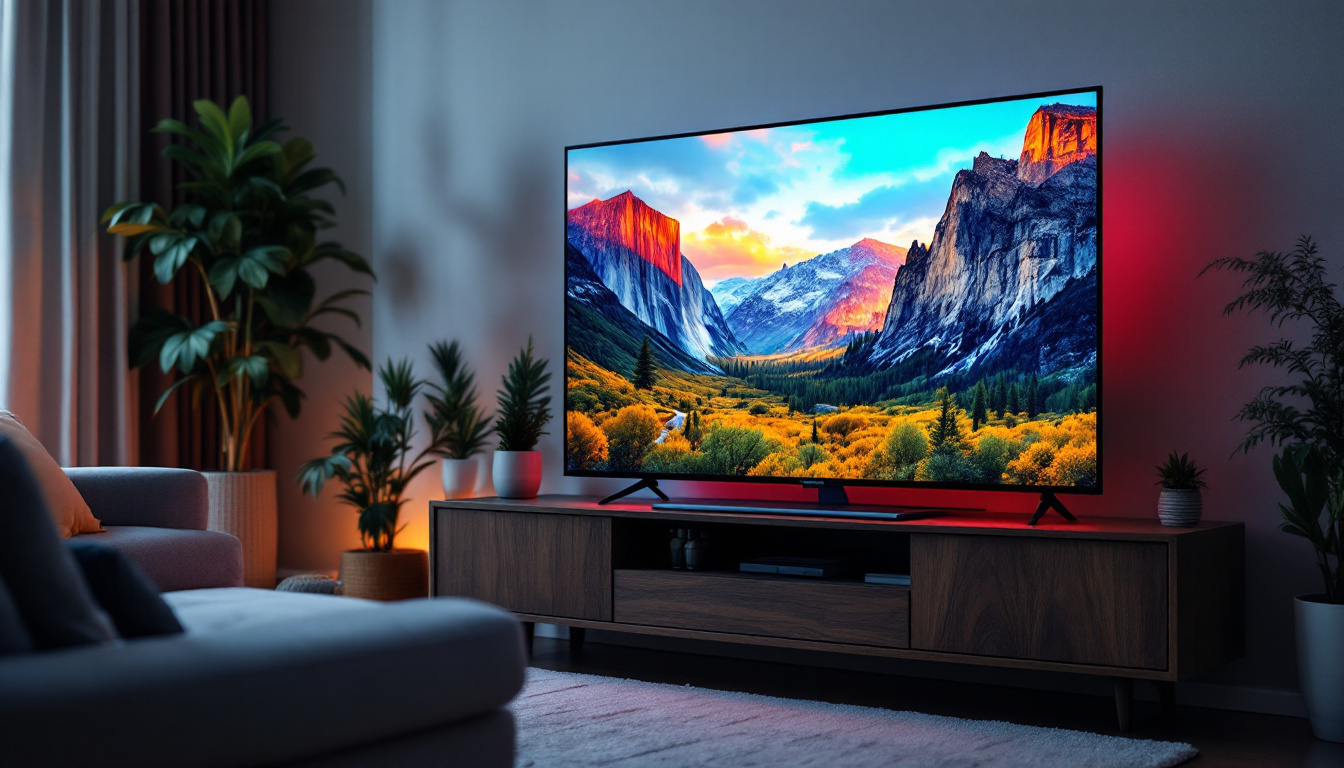
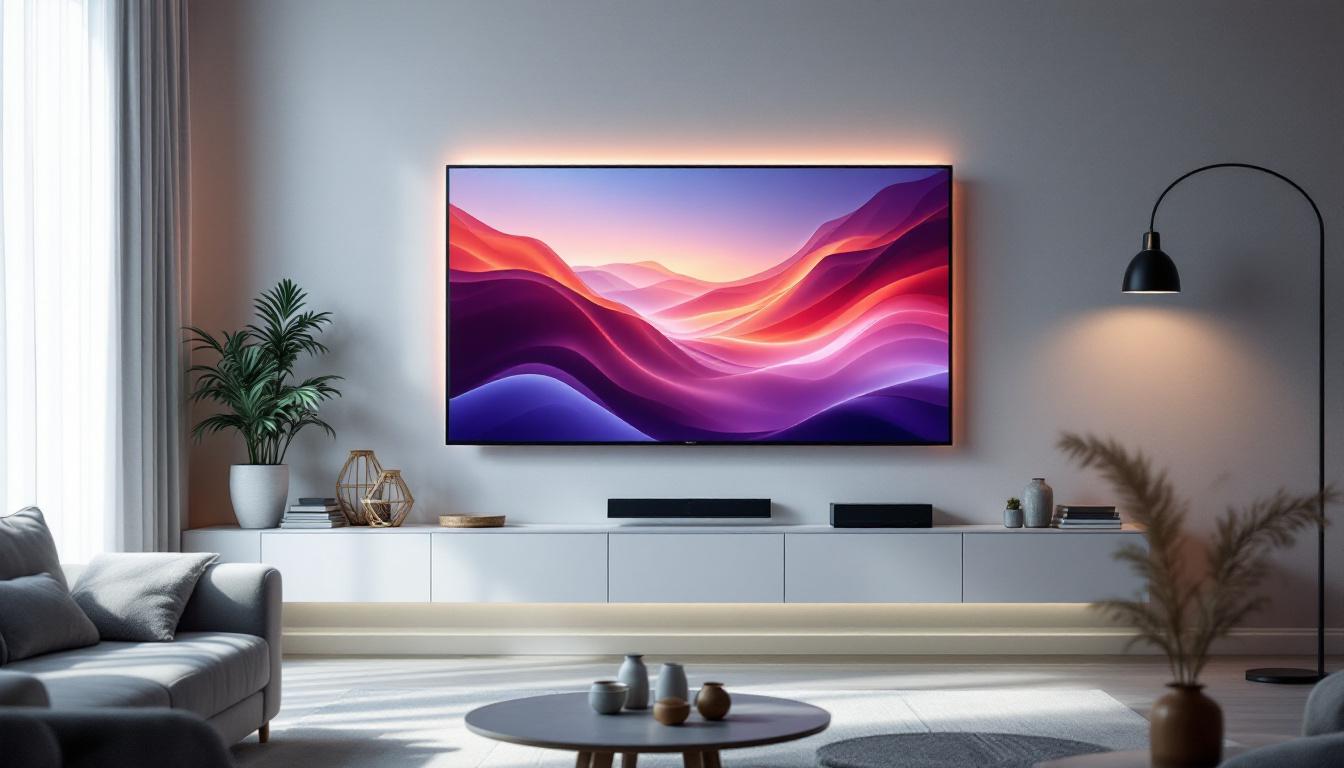
From an aesthetic perspective, a wall-mounted LED TV provides a clean, modern look. It can serve as a focal point in the room, seamlessly blending with décor when installed at the optimal height and location. Many wall mounts also allow for tilting or swiveling, enabling users to adjust the TV’s angle for the best viewing experience without compromising style.
Enhanced Viewing Experience
Properly mounting an LED TV on the wall can improve the viewing angle and reduce glare. Positioning the TV at eye level when seated helps prevent neck strain and ensures comfortable, prolonged viewing sessions. Additionally, wall mounting can help reduce reflections from windows or lights by allowing flexible placement options.
For households with children or pets, wall mounting also offers safety benefits by reducing the risk of accidental tipping or damage to the TV.
Key Considerations Before Wall Mounting an LED TV
Choosing the Right Wall Mount
Wall mounts come in various types, each suited to different needs and TV sizes:
- Fixed Mounts: Keep the TV flush against the wall with no movement. Ideal for minimalist setups and when the viewing angle is fixed.
- Tilting Mounts: Allow the TV to tilt vertically, reducing glare and improving viewing angles from different seating positions.
- Full-Motion or Articulating Mounts: Offer the most flexibility, enabling the TV to swivel, extend, and tilt for optimal positioning.
When selecting a mount, it is crucial to check the VESA (Video Electronics Standards Association) pattern compatibility, which refers to the standardized hole pattern on the back of the TV for mounting. Ensuring the mount supports your TV’s size and weight is essential for safety and stability.
Wall Type and Structural Integrity
Not all walls are created equal when it comes to supporting a mounted TV. Drywall alone cannot hold the weight of an LED TV and its mount; the wall mount must be anchored into studs—vertical wooden or metal framing behind the drywall. Using a stud finder to locate these studs is a critical step before installation.
For concrete or brick walls, specialized anchors and drill bits are required. Consulting with a professional installer or following manufacturer guidelines ensures that the mount is securely fastened, preventing accidents and damage.
Cable Management
One common challenge with wall-mounted TVs is managing cables for power, HDMI, audio, and other connections. Visible cables can detract from the clean look that wall mounting aims to achieve.
Solutions include:
- Using in-wall cable management kits to conceal wires within the wall cavity.
- Employing cable raceways or covers that match the wall color.
- Opting for wireless accessories where possible, such as Bluetooth speakers or Wi-Fi streaming devices.
Installation Tips for a Successful Wall Mount
Preparation and Tools Needed
Before beginning the installation, gather all necessary tools and materials. Commonly required items include a stud finder, drill, level, screwdriver, measuring tape, pencil, and the mounting hardware provided with the wall mount.
It is advisable to have a helper during installation, especially for larger TVs, to hold the TV securely while attaching it to the mount.
Step-by-Step Installation Process
While specific instructions vary by mount and TV model, the general installation process involves:
- Locate the studs: Use the stud finder to mark the center of the studs where the mount will be attached.
- Measure and mark: Determine the desired height for the TV and mark the drill points on the wall, ensuring the mount will be level.
- Drill pilot holes: Drill holes into the studs at the marked locations to prepare for mounting screws.
- Attach the mount to the wall: Secure the wall plate using heavy-duty screws and a drill or screwdriver.
- Attach mounting brackets to the TV: Screw the brackets onto the back of the TV, aligning with the VESA pattern.
- Hang the TV on the wall mount: With assistance, carefully lift and hook the TV onto the wall plate, securing it as per the mount’s instructions.
- Connect cables and manage wires: Plug in all necessary cables and arrange them neatly using cable management solutions.
Safety Precautions
Ensuring the mount is securely fastened and compatible with the TV’s weight is critical to prevent accidents. Avoid mounting the TV too high or in locations exposed to excessive heat or moisture, which can damage the display over time.
If unsure about any step, consulting a professional installer is recommended, especially for large or expensive LED TVs.
Optimizing Your LED TV Viewing Experience
Ideal Viewing Distance and Height
The optimal viewing distance depends on the size and resolution of your LED TV. For 4K Ultra HD TVs, sitting closer to the screen is possible without noticing pixelation. A general guideline is to sit at a distance approximately 1.5 times the diagonal screen size for 4K TVs, and 2.5 times for 1080p HD TVs.
Mounting the TV so that the center of the screen is at eye level when seated reduces neck strain and provides the most comfortable viewing angle. This is typically about 42 to 48 inches from the floor, but can vary based on seating height.
Lighting and Glare Reduction
LED TVs are bright and vibrant, but ambient lighting can cause reflections and glare that diminish picture quality. Positioning the TV perpendicular to windows or using curtains and blinds can help control natural light. Additionally, adjustable wall mounts allow tilting the TV to reduce glare from overhead lights.
Sound Considerations
Wall mounting can sometimes affect the TV’s built-in speakers, especially if the TV is flush against the wall. To enhance audio quality, consider external soundbars or home theater systems. Many modern soundbars are designed to complement wall-mounted TVs and can be mounted directly below the screen.
Conclusion
Wall mounting an LED TV combines the benefits of cutting-edge display technology with practical space-saving and aesthetic advantages. Understanding the fundamentals of LED displays, selecting the appropriate mount, and following proper installation techniques are key to achieving a safe, attractive, and enjoyable setup.
Whether upgrading a home entertainment system or outfitting a commercial space, wall mounting an LED TV can transform the viewing experience, making it more immersive and visually appealing. With careful planning and attention to detail, the sleek design and superior picture quality of LED TVs can be showcased to their fullest potential.
Discover the Future of Visual Display with LumenMatrix
Ready to elevate your space with the latest in LED technology? LumenMatrix is at the forefront of innovative LED display solutions, offering a wide array of products from Indoor and Outdoor LED Wall Displays to specialized options like Vehicle and Sports LED Displays. Embrace the future of visual communication with our captivating and energy-efficient LED modules that promise to transform any environment. Whether for home entertainment or commercial impact, our displays are designed to deliver unparalleled clarity and engagement. Check out LumenMatrix LED Display Solutions today and experience the revolution in LED technology.