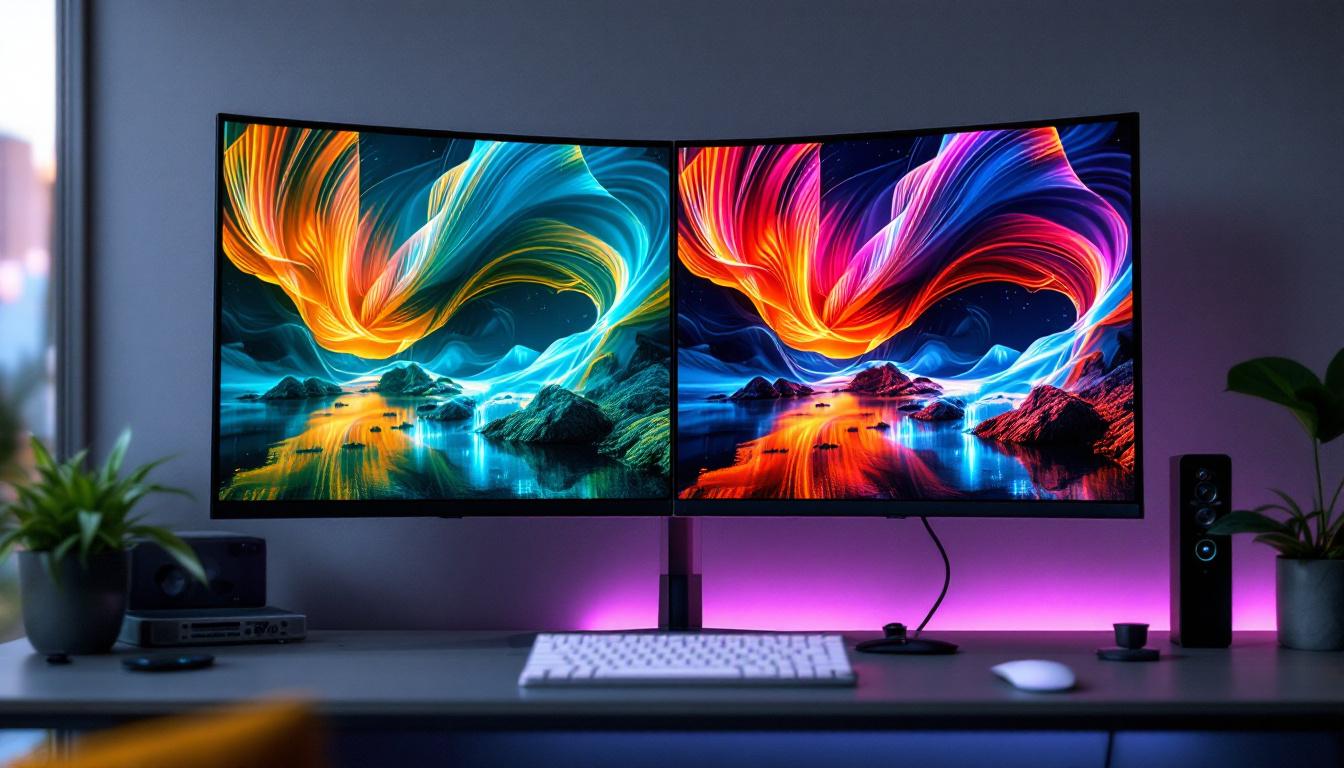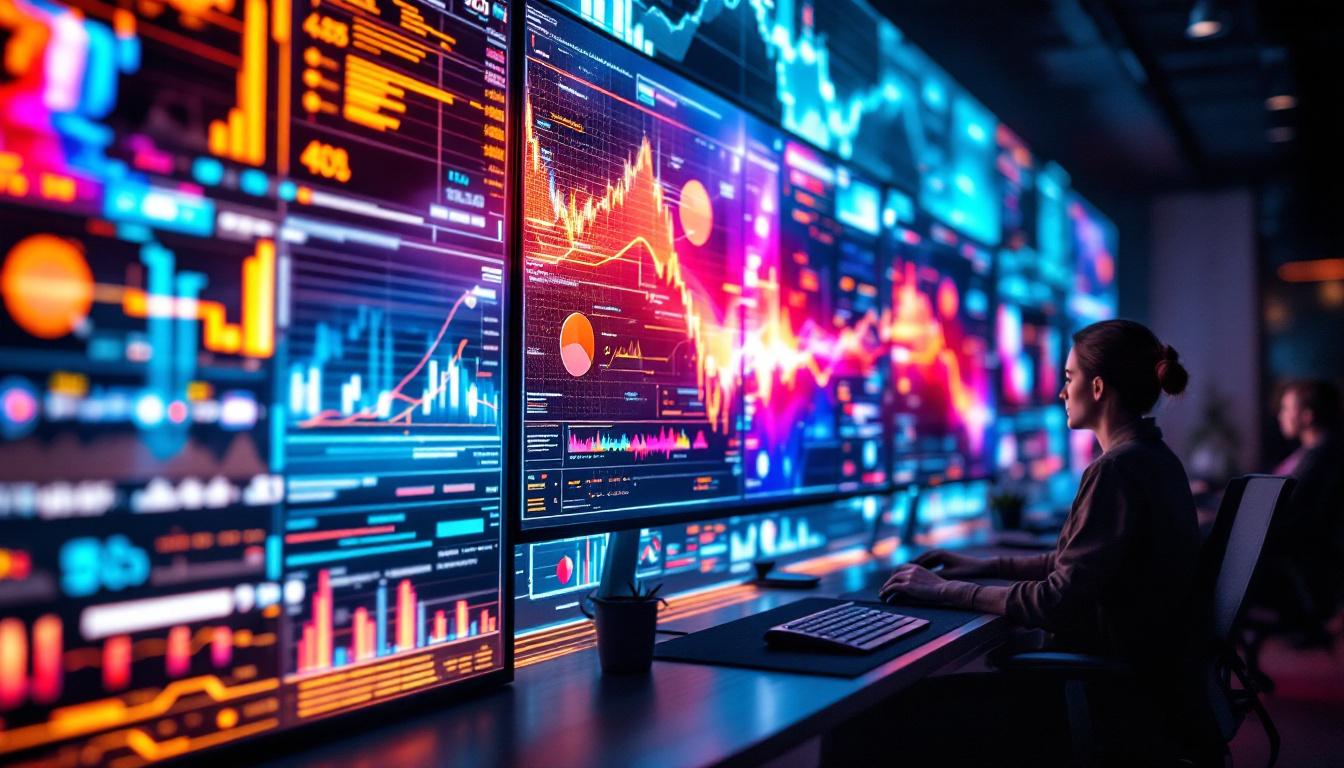
In today’s digital age, walls of computer screens have become a common sight in control rooms, corporate lobbies, retail environments, and even home entertainment setups. These impressive arrays, often referred to as LED video walls or LED display walls, combine multiple screens to create a single, expansive visual canvas. But what exactly goes into making these walls, and why has LED technology become the preferred choice for large-scale displays? This article delves into the world of LED displays, exploring their technology, benefits, applications, and future trends.
Understanding LED Display Technology
What is an LED Display?
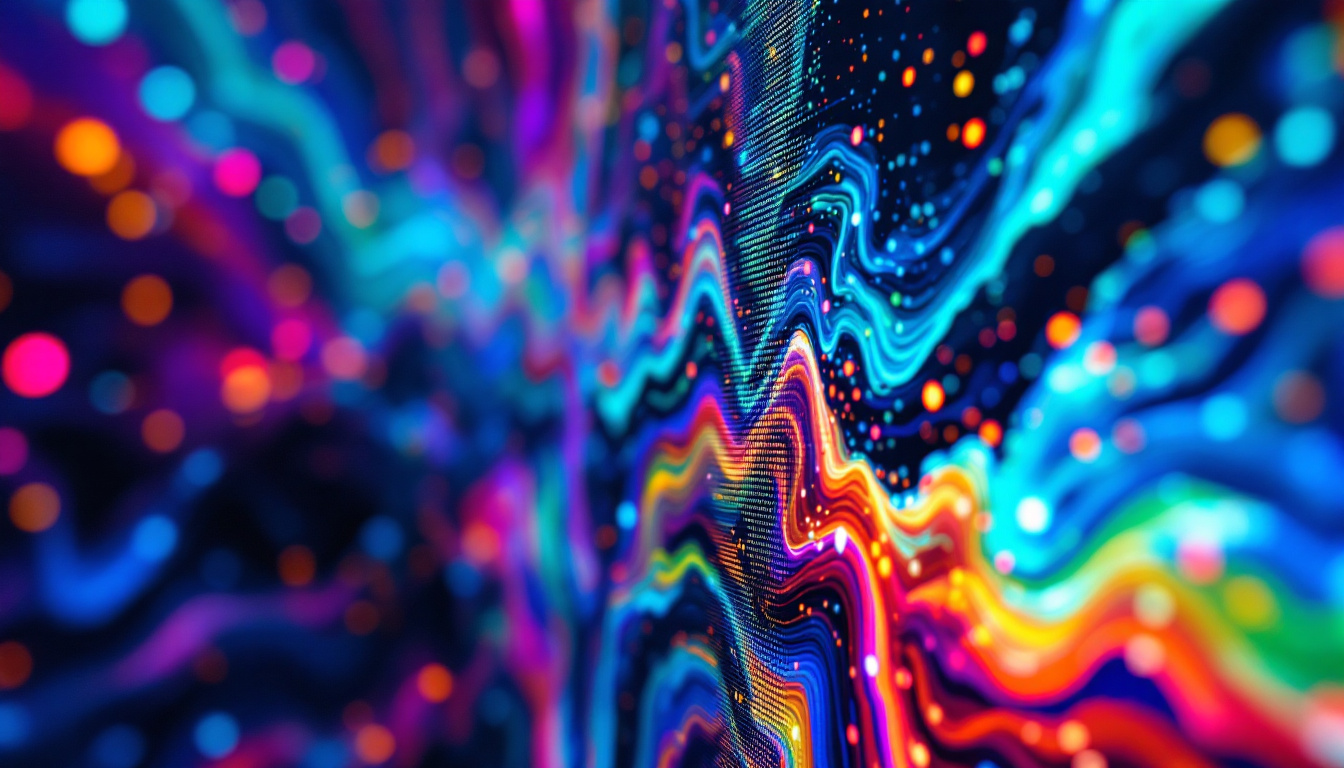
LED stands for Light Emitting Diode, a semiconductor device that emits light when an electric current passes through it. An LED display comprises thousands or millions of these tiny diodes arranged in a grid to form pixels. Each pixel can emit light in different colors, typically red, green, and blue (RGB), which combine to create a full spectrum of colors.
Unlike traditional LCD screens that rely on backlighting, LED displays generate their own light, which allows for higher brightness levels and better contrast ratios. This self-illumination capability is a key reason why LED technology is favored for large-scale and outdoor displays. Additionally, LED displays are more energy-efficient than their predecessors, consuming less power while providing superior performance, making them an environmentally friendly choice for businesses and consumers alike.
Types of LED Displays
LED displays come in various forms, primarily categorized by the size and pitch of the LEDs:
- Direct View LED (DVLED): These displays consist of LEDs that are directly visible to the viewer, forming the image without any intervening layers. They are commonly used in large video walls and outdoor billboards, often seen at sports arenas and concerts, where vibrant visuals are crucial for audience engagement.
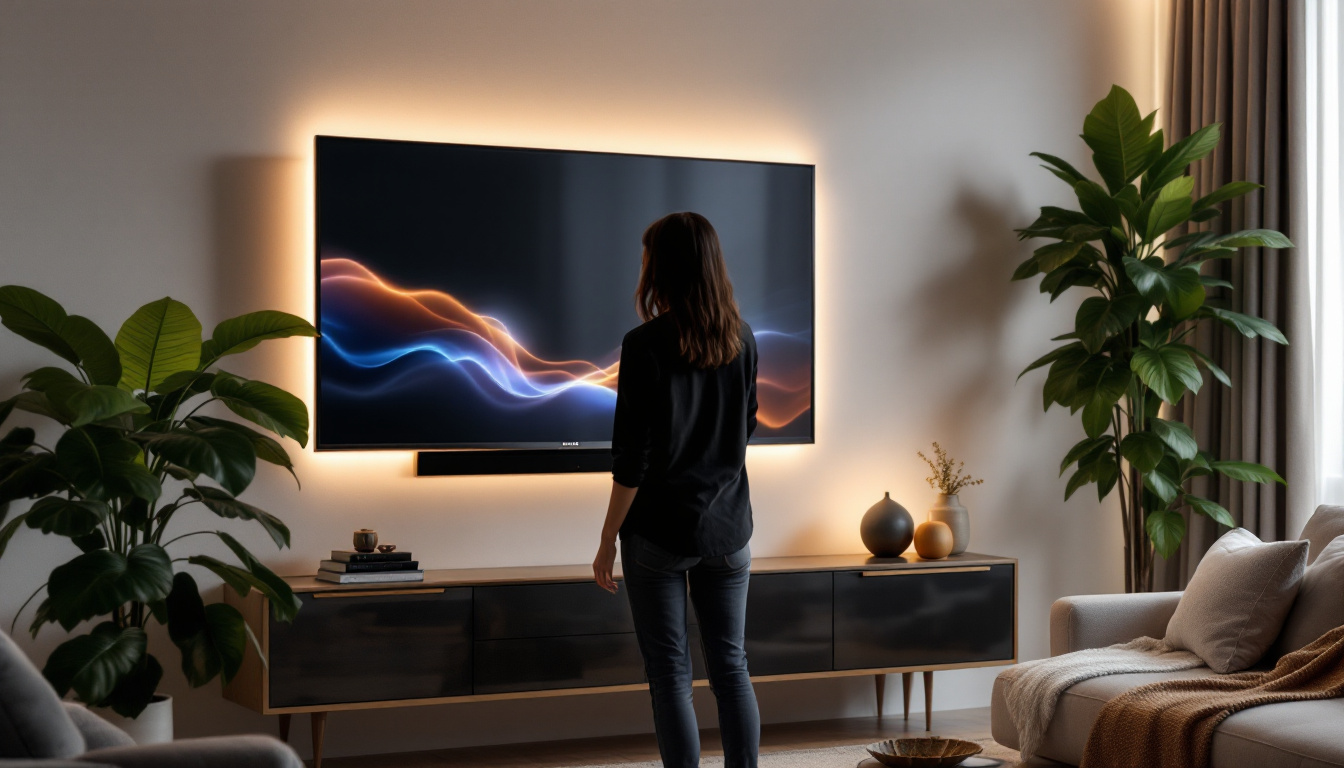
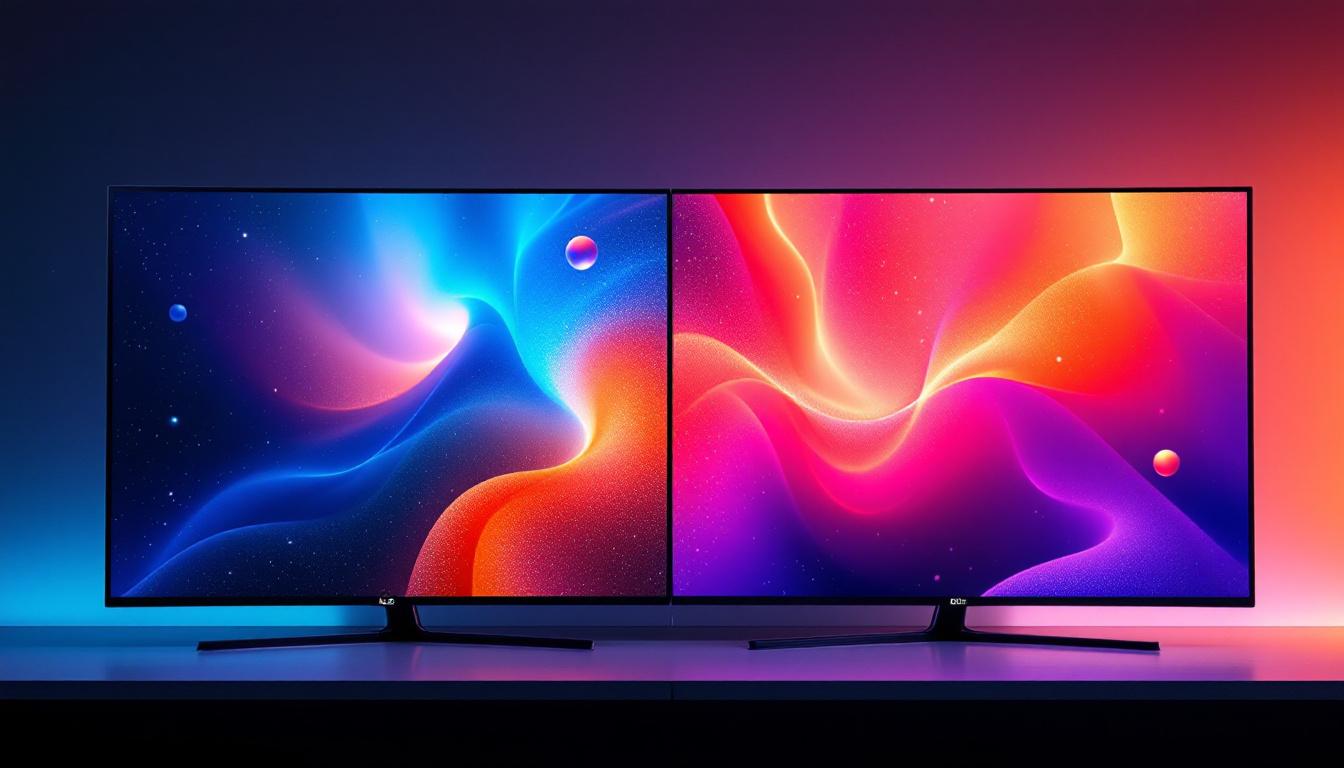
- LED-backlit LCD: This technology uses LEDs as a backlight source behind an LCD panel. These are typical in consumer televisions and monitors but differ from direct view LED walls. The combination of LED backlighting with LCD technology allows for thinner screens and improved color accuracy, making them a popular choice for home entertainment systems.
- MicroLED: An emerging technology that uses microscopic LEDs to create displays with exceptional brightness, contrast, and energy efficiency. MicroLEDs promise to revolutionize display technology but are still in early stages of commercial deployment. Their potential for modularity allows for custom screen sizes and shapes, paving the way for innovative applications in both residential and commercial environments.
Pixel Pitch and Resolution
One of the most critical specifications in LED displays is the pixel pitch, which is the distance between the centers of two adjacent pixels, measured in millimeters. A smaller pixel pitch means higher pixel density, resulting in sharper images and finer detail. For example, a pixel pitch of 1.2mm is considered ultra-fine and suitable for close viewing distances, while 10mm or more is typical for large outdoor displays viewed from afar. This characteristic is particularly important in venues where viewers are positioned at varying distances from the screen, ensuring that everyone has an optimal viewing experience.
Resolution is directly related to pixel pitch and the physical size of the display. A wall of computer screens with a high resolution and small pixel pitch can deliver stunning visuals that rival or exceed traditional monitors. Furthermore, advancements in processing technology have enabled LED displays to handle higher resolutions and refresh rates, making them ideal for applications such as gaming, live broadcasts, and immersive experiences. As the demand for high-quality visual content continues to grow, the importance of understanding pixel pitch and resolution becomes increasingly critical for consumers and professionals alike.
Advantages of LED Display Walls
Superior Brightness and Contrast
LED displays are renowned for their brightness, often reaching 1,000 nits or more for indoor models, and up to 5,000 nits or higher for outdoor versions. This brightness ensures visibility even in brightly lit environments or direct sunlight, a significant advantage over LCD and projection-based systems.
Moreover, because LEDs emit light directly, they can achieve true blacks by turning off individual pixels, resulting in exceptional contrast ratios. This feature enhances image depth and color vibrancy, making content more engaging and easier to view.
Scalability and Flexibility
One of the most compelling reasons organizations invest in LED video walls is their scalability. Individual LED panels can be tiled seamlessly to create displays of virtually any size and shape, from a modest 2×2 array to massive multi-story installations. This flexibility allows for creative designs tailored to specific spaces and applications.
Additionally, modular LED panels simplify maintenance and upgrades. If a single panel malfunctions, it can be replaced without dismantling the entire wall, reducing downtime and service costs.
Energy Efficiency and Longevity
Compared to older display technologies, LED walls consume less power, especially when displaying darker content due to their ability to turn off individual pixels. This efficiency translates into lower operational costs and a smaller environmental footprint.
LED displays also boast a long lifespan, often exceeding 100,000 hours of use before brightness diminishes significantly. This durability makes them a cost-effective investment over time, particularly in commercial settings where displays run continuously.
Common Applications of LED Video Walls
Corporate and Control Room Environments
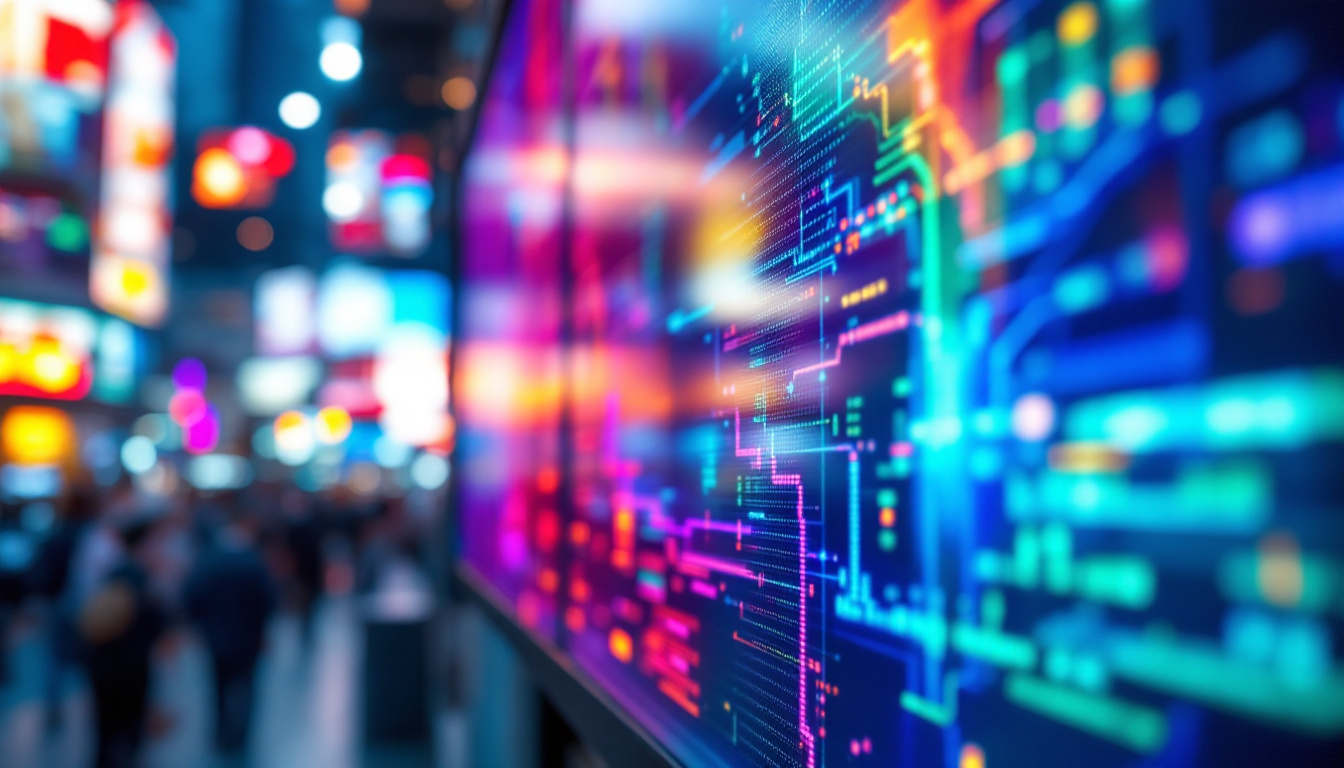
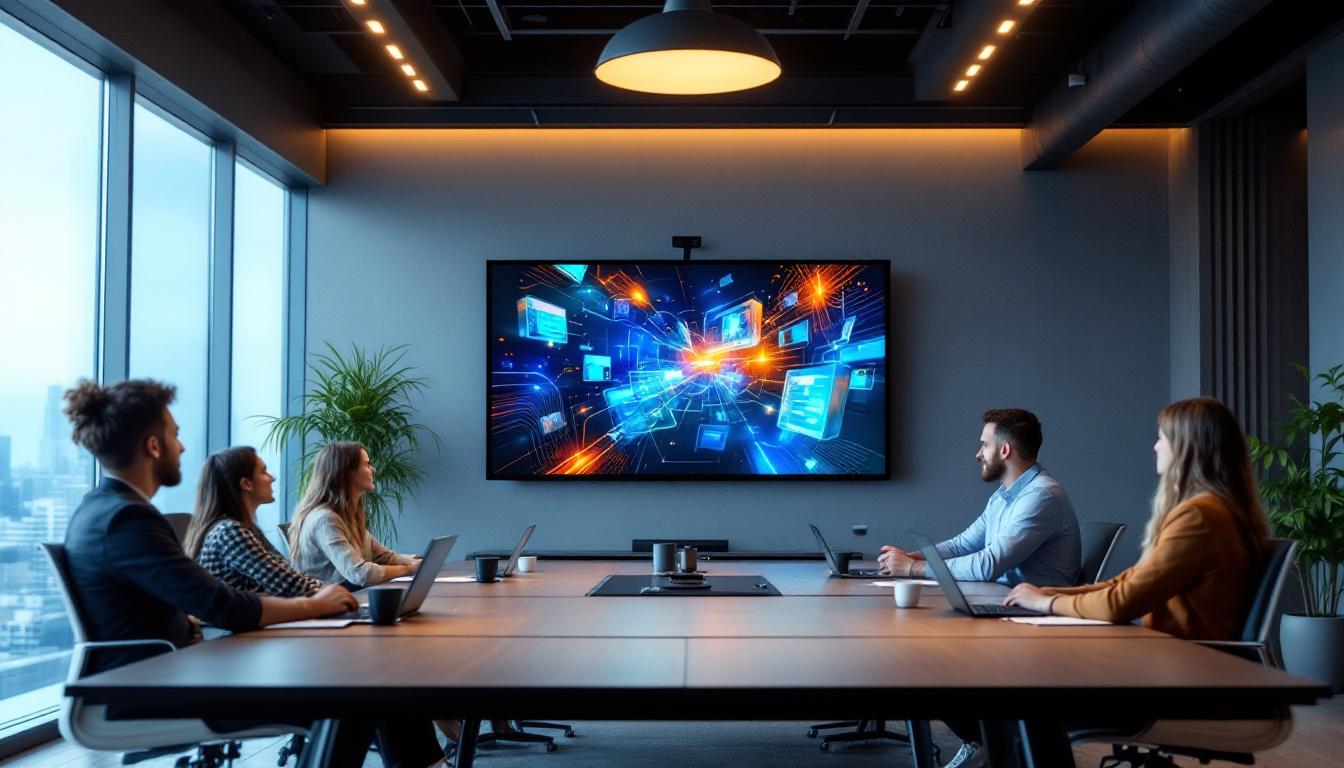
In corporate settings, LED video walls serve as dynamic communication tools. They display real-time data, dashboards, video conferencing feeds, and promotional content. Control rooms in industries such as transportation, utilities, and emergency services rely on LED walls for monitoring multiple information sources simultaneously, enabling faster decision-making.
For example, a traffic management center might use a large LED wall to monitor live feeds from hundreds of cameras, displaying maps, alerts, and analytics in one cohesive interface.
Retail and Advertising
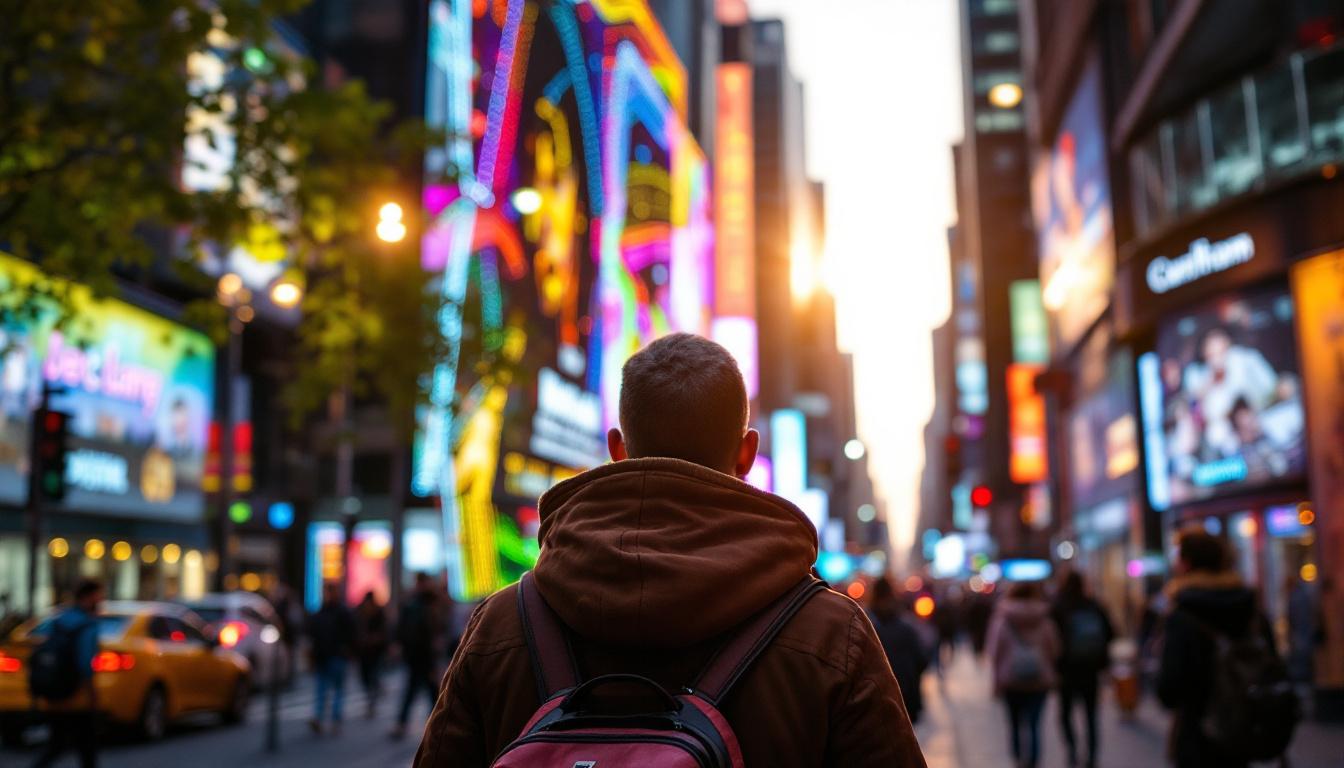
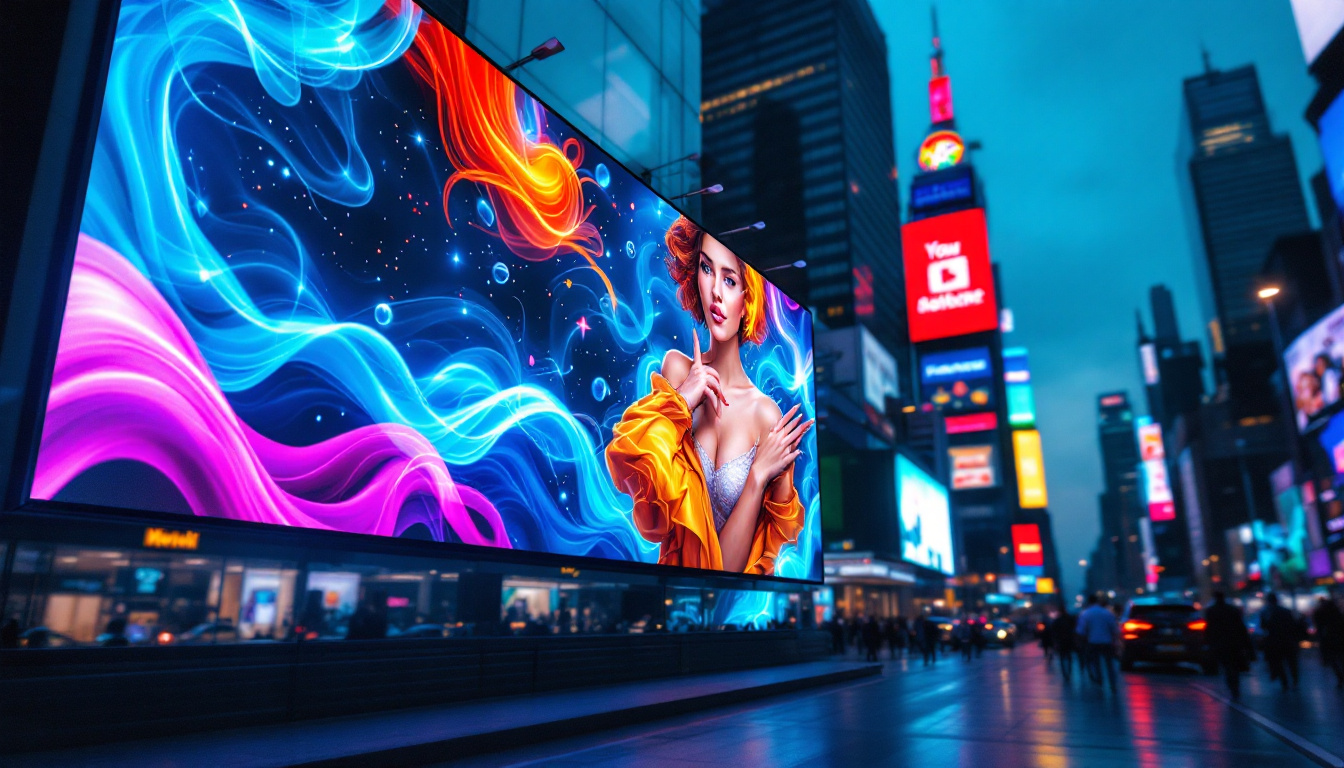
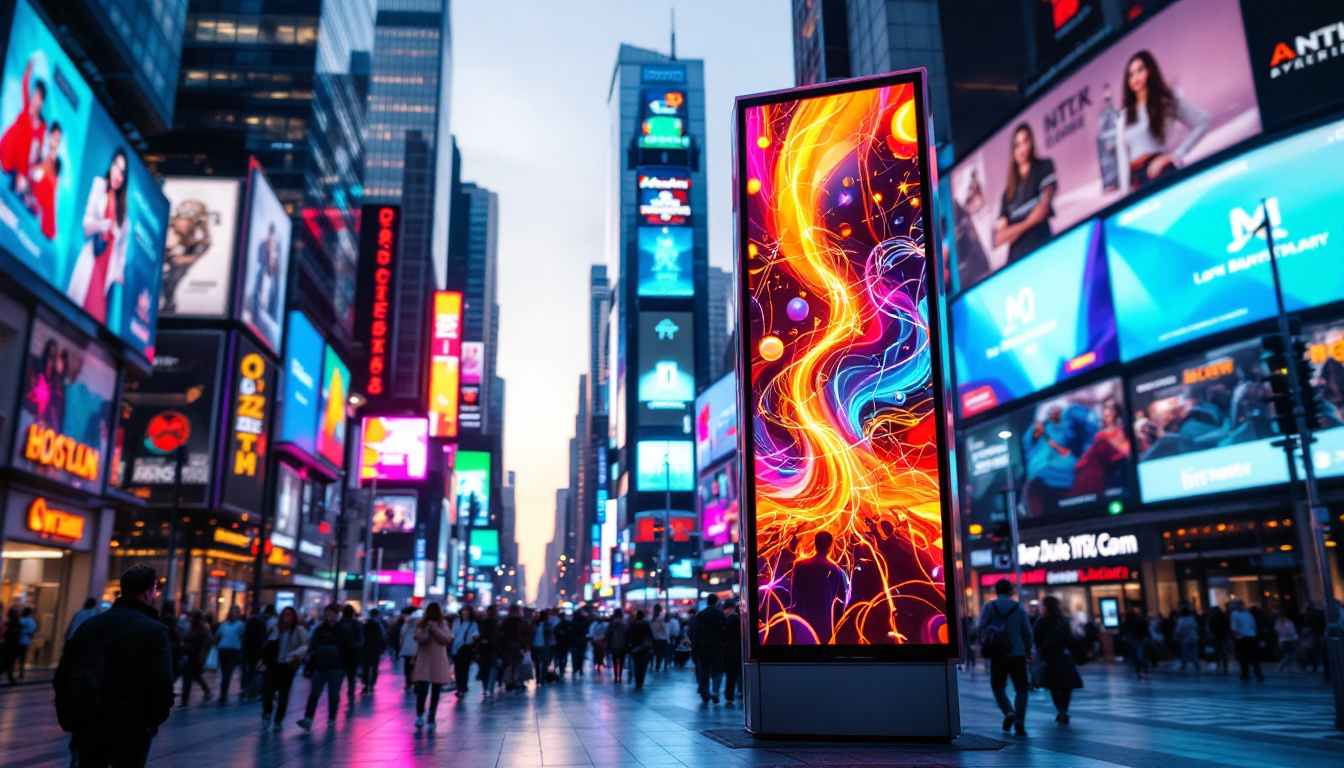
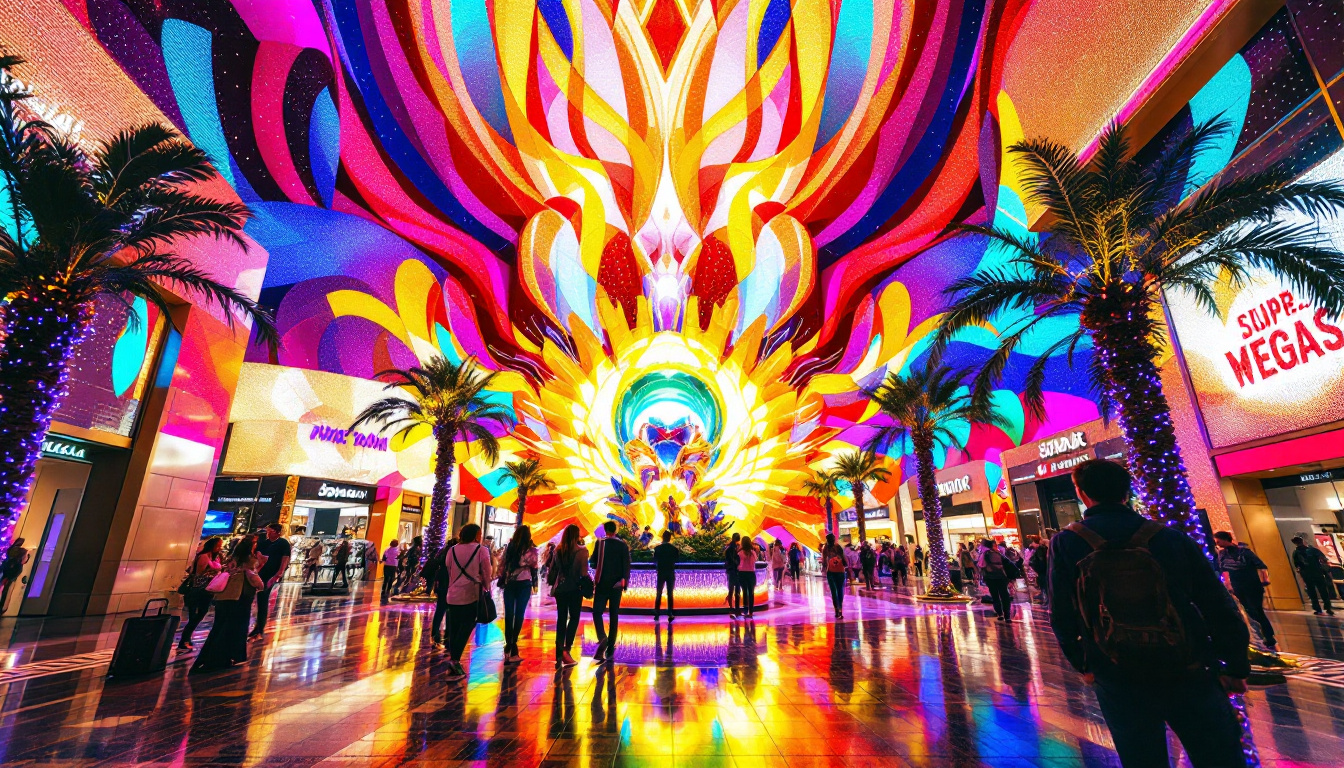
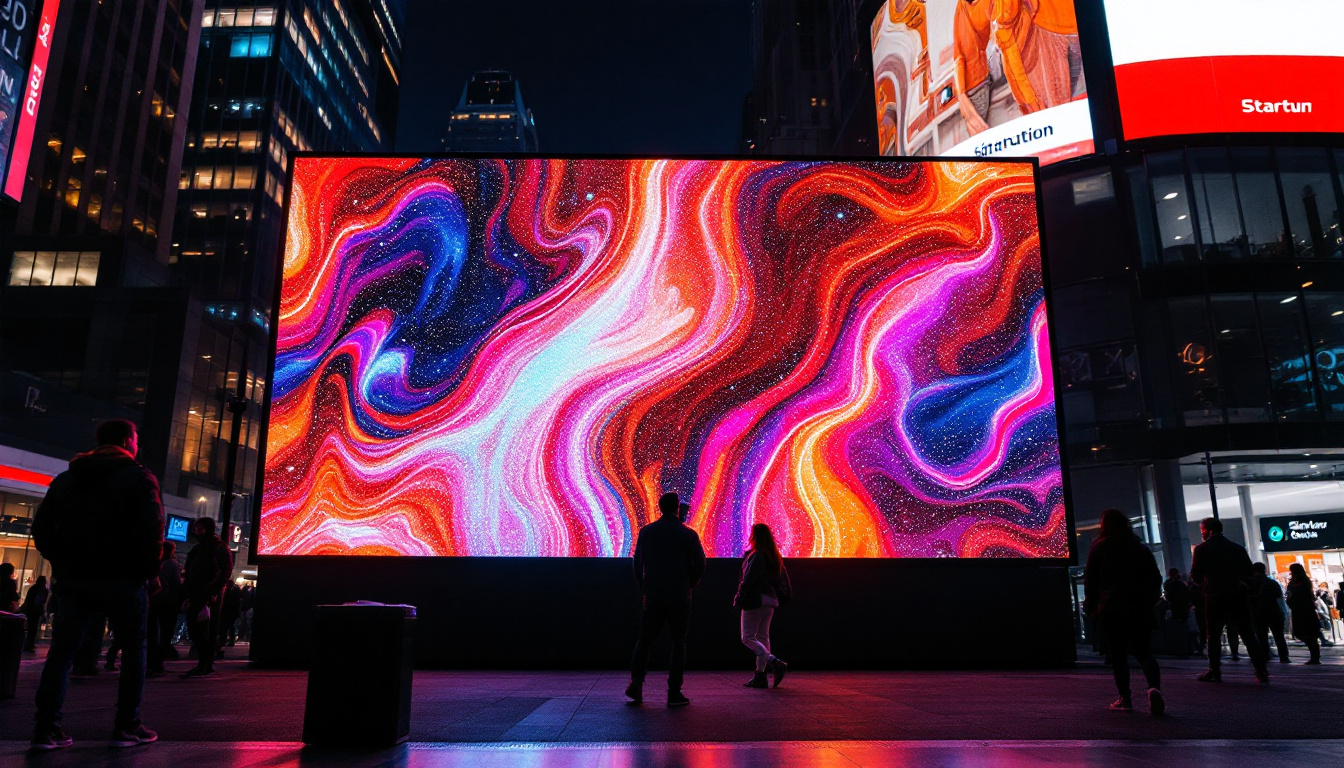
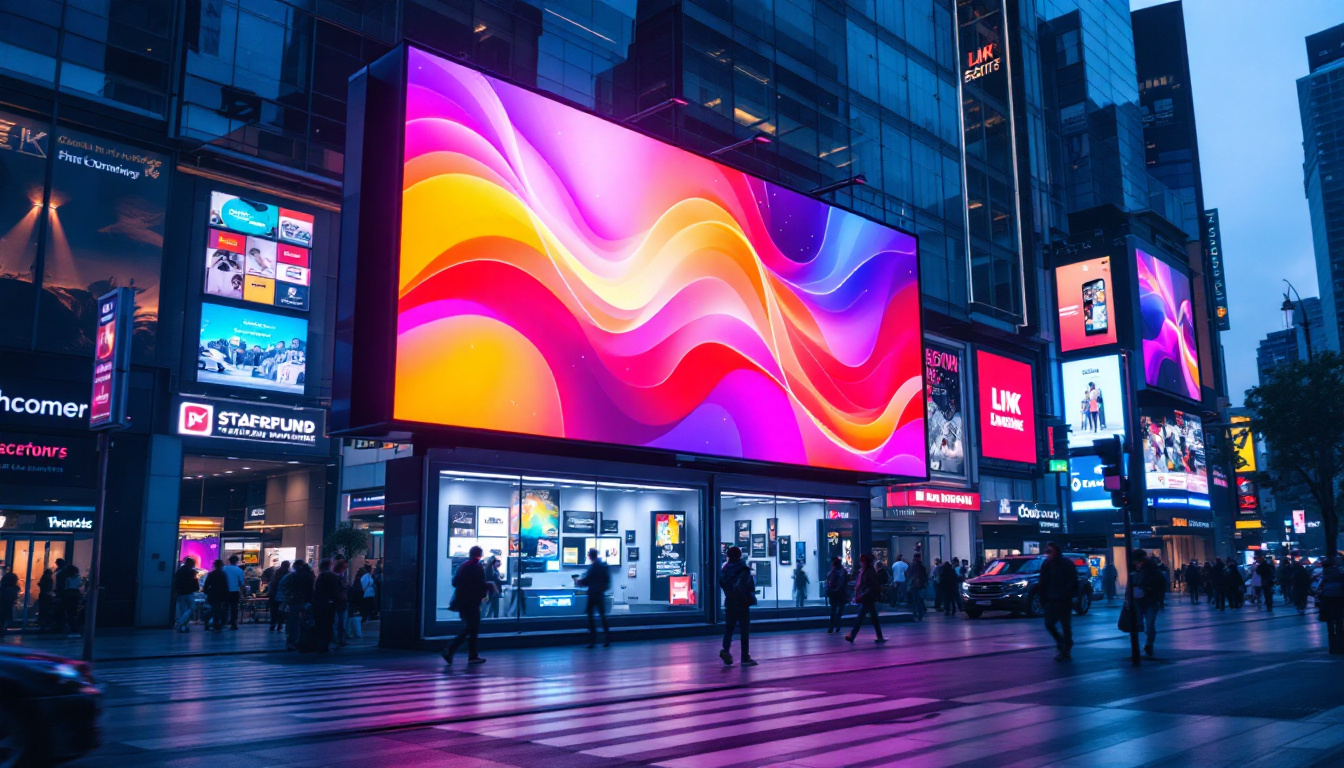
Retailers leverage LED walls to create immersive shopping experiences. Large-format LED displays can showcase vibrant advertisements, promotional videos, and interactive content that attract and engage customers. Outdoor LED billboards have become a staple of modern advertising due to their visibility and ability to deliver dynamic, targeted messages.
According to a 2023 report by the Digital Signage Federation, digital out-of-home advertising, which includes LED billboards, is projected to grow by 12% annually, underscoring the importance of LED technology in marketing strategies.
Entertainment and Events
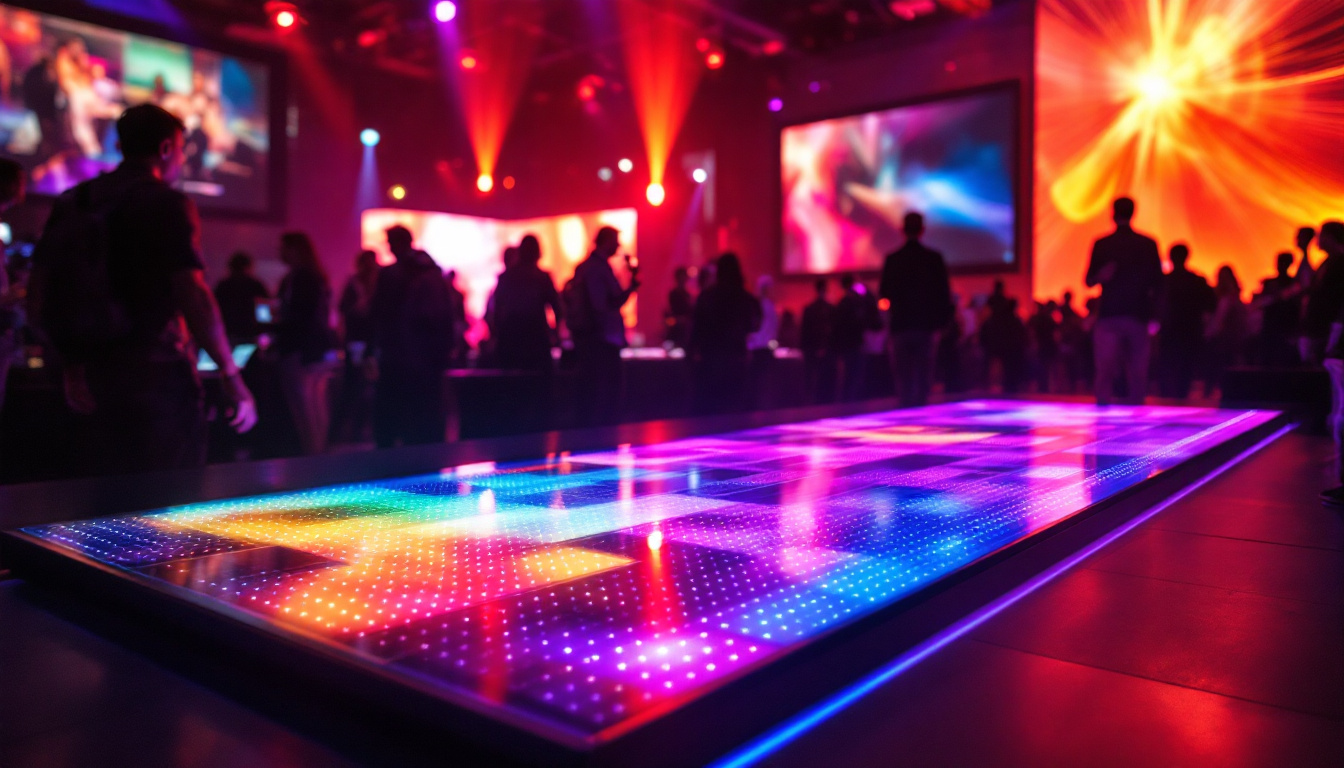
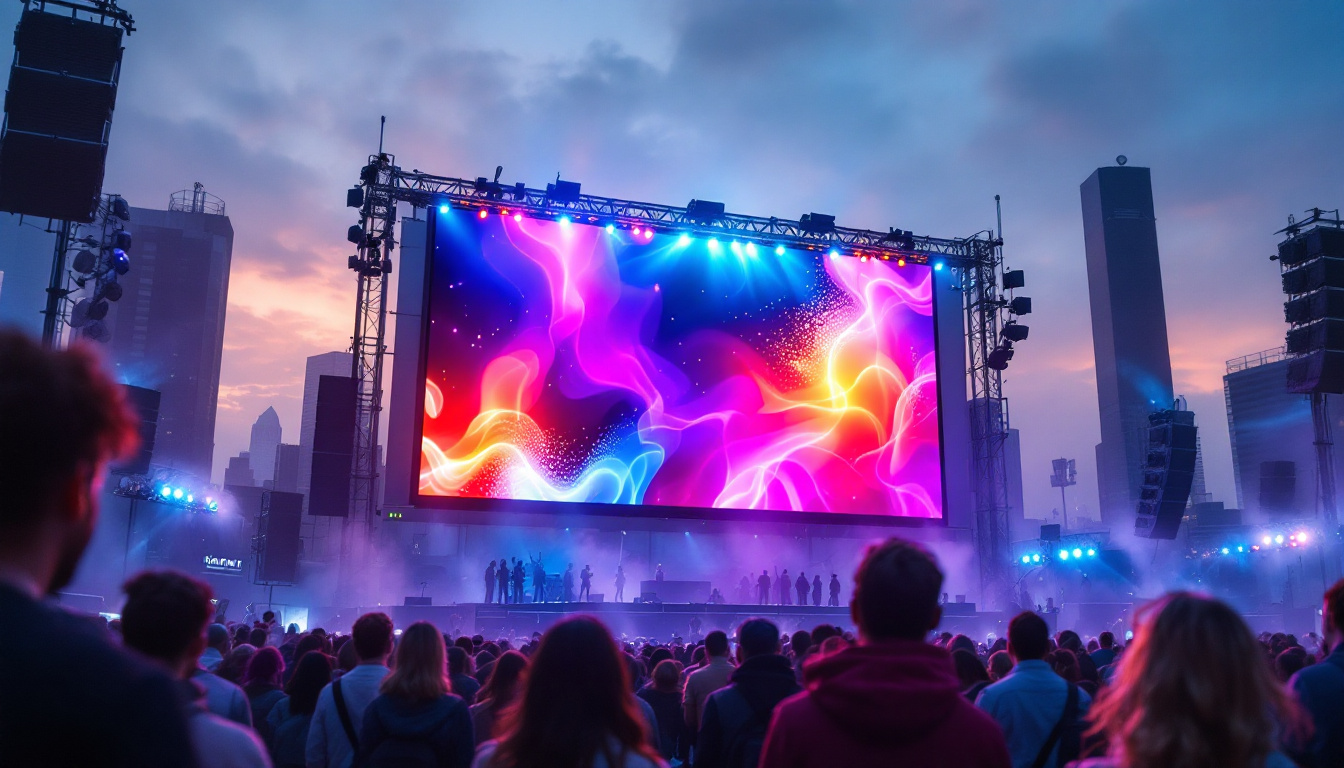
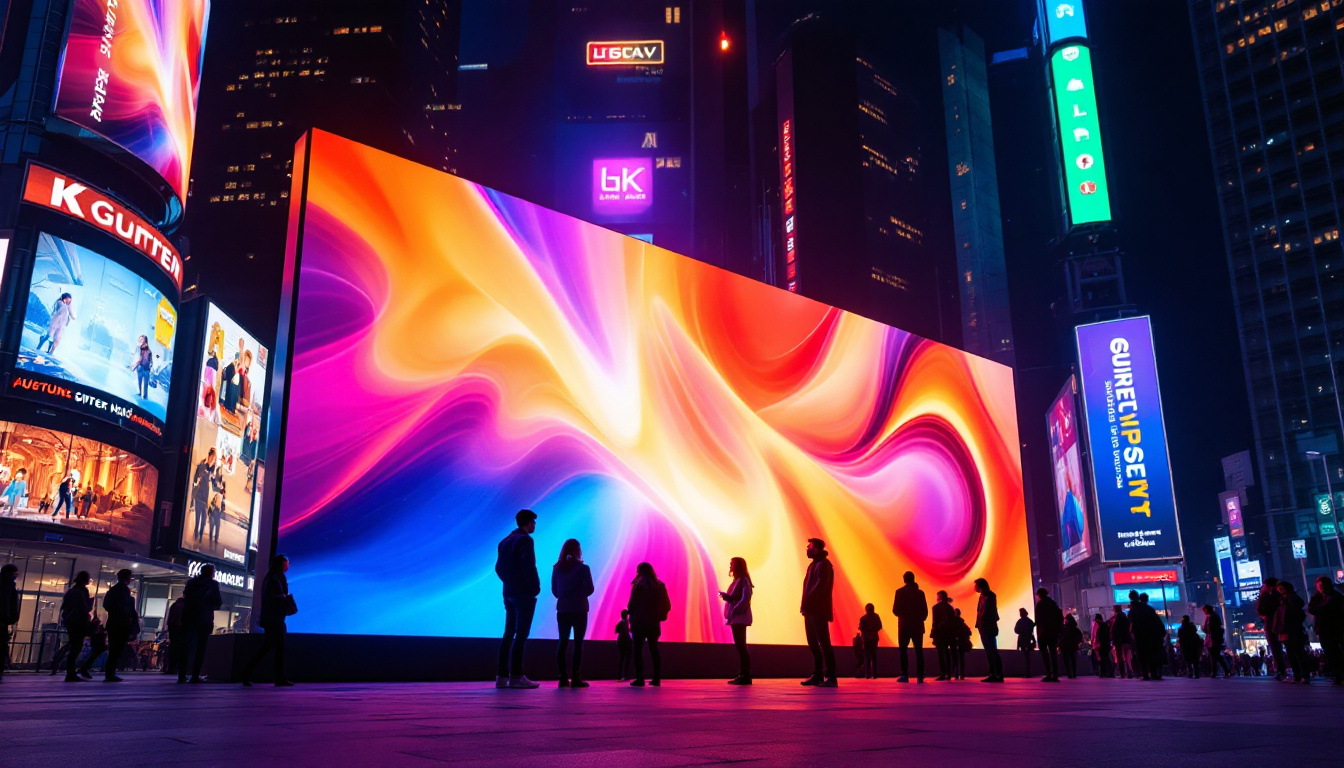
Concerts, sports arenas, and theaters utilize LED walls to enhance audience experiences. These displays provide large-scale visuals, instant replays, and interactive content that amplify the atmosphere. The modularity of LED panels allows for custom shapes and curved surfaces, adding creative possibilities for event designers.
At major events like the Super Bowl or Coachella, LED video walls are integral to delivering immersive visuals that captivate tens of thousands of attendees and millions of viewers worldwide.
Education and Public Spaces
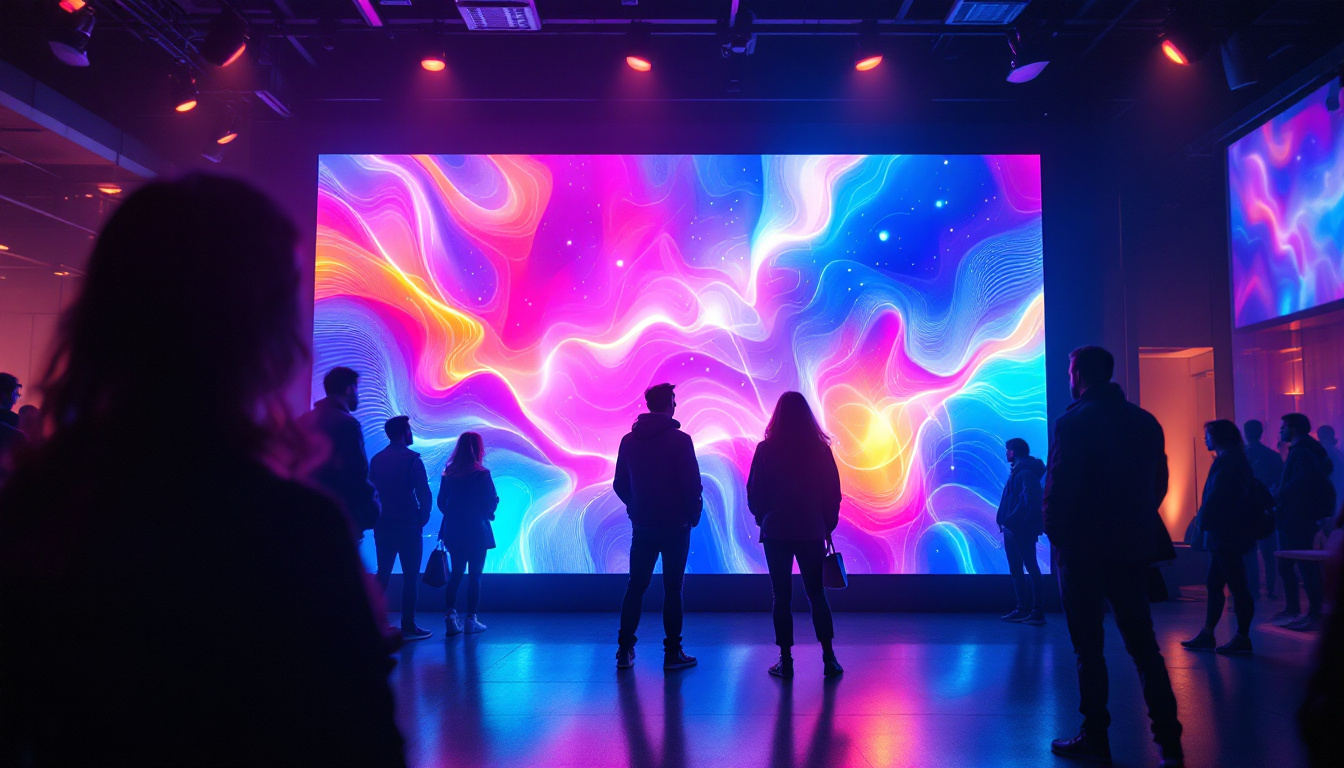
Universities and museums use LED walls for informational displays, interactive exhibits, and virtual tours. Public transportation hubs employ them for real-time scheduling updates and wayfinding. The ability to deliver clear, bright, and engaging content makes LED displays ideal for these high-traffic environments.
Technical Considerations When Choosing an LED Display Wall
Viewing Distance and Environment
Determining the optimal pixel pitch and screen size depends heavily on the typical viewing distance. For close-up viewing, such as in a conference room, a fine pixel pitch (under 2mm) is essential to avoid visible pixelation. For outdoor or large venue installations, a wider pixel pitch is acceptable and more cost-effective.
The environment also influences the choice of LED display. Outdoor installations require weatherproof enclosures, higher brightness levels, and protection against dust and moisture. Indoor displays prioritize color accuracy and viewing angles.
Resolution and Content Type
The resolution must align with the content being displayed. High-definition video, detailed graphics, and text require higher resolution to maintain clarity. Conversely, simple signage or branding may not necessitate ultra-high resolution, allowing for cost savings.
Content management systems (CMS) that support LED walls should be considered as well. These platforms enable scheduling, remote control, and integration with other digital assets, enhancing the utility of the display.
Installation and Maintenance
Proper installation is critical to ensure seamless image quality and structural safety. LED panels must be aligned precisely to avoid visible seams and color inconsistencies. Professional installation services often include calibration and color matching to achieve uniformity across the entire wall.
Maintenance considerations include ease of access for repairs, availability of replacement parts, and technical support. Choosing a reputable manufacturer with a strong service network can mitigate potential issues.
The Future of LED Display Walls
Advancements in MicroLED and Flexible Displays
MicroLED technology is poised to transform LED displays by offering even higher resolution, improved energy efficiency, and thinner form factors. Unlike traditional LEDs, microLEDs are microscopic and can be integrated into flexible substrates, enabling curved or foldable video walls.
These advancements will open new possibilities in design and application, from wearable displays to architectural installations that blend seamlessly with building facades.
Integration with Artificial Intelligence and IoT
Smart LED walls integrated with AI and Internet of Things (IoT) technologies will enable dynamic content adaptation based on audience behavior, environmental conditions, and real-time data. For instance, retail displays could modify advertisements based on customer demographics detected through sensors, enhancing personalization and engagement.
Sustainability and Energy Innovations
As sustainability becomes a priority, LED manufacturers are focusing on reducing the environmental impact of their products. Innovations include the use of recyclable materials, energy harvesting technologies, and improved power management systems that minimize electricity consumption without compromising performance.
Conclusion
Walls of computer screens powered by LED technology represent a remarkable fusion of engineering, design, and communication. Their superior brightness, scalability, and versatility make them indispensable across industries ranging from corporate to entertainment. As technology continues to evolve, LED display walls will become even more immersive, intelligent, and sustainable, shaping the future of visual communication.
Whether planning a control room upgrade, a retail digital signage solution, or an event display, understanding the fundamentals of LED displays is crucial for making informed decisions that maximize impact and value.
Explore Cutting-Edge LED Display Solutions with LumenMatrix
Ready to elevate your visual communication with the latest in LED technology? LumenMatrix is at the forefront of creating immersive and dynamic environments through a diverse range of LED display solutions. From Indoor and Outdoor LED Walls to innovative options like Vehicle, Sports, and Floor LED Displays, our products are designed to captivate and engage. Discover how our Custom, All-in-One, and Transparent LED Displays can transform your space and bring your vision to life. Check out LumenMatrix LED Display Solutions today and step into the future of digital signage.