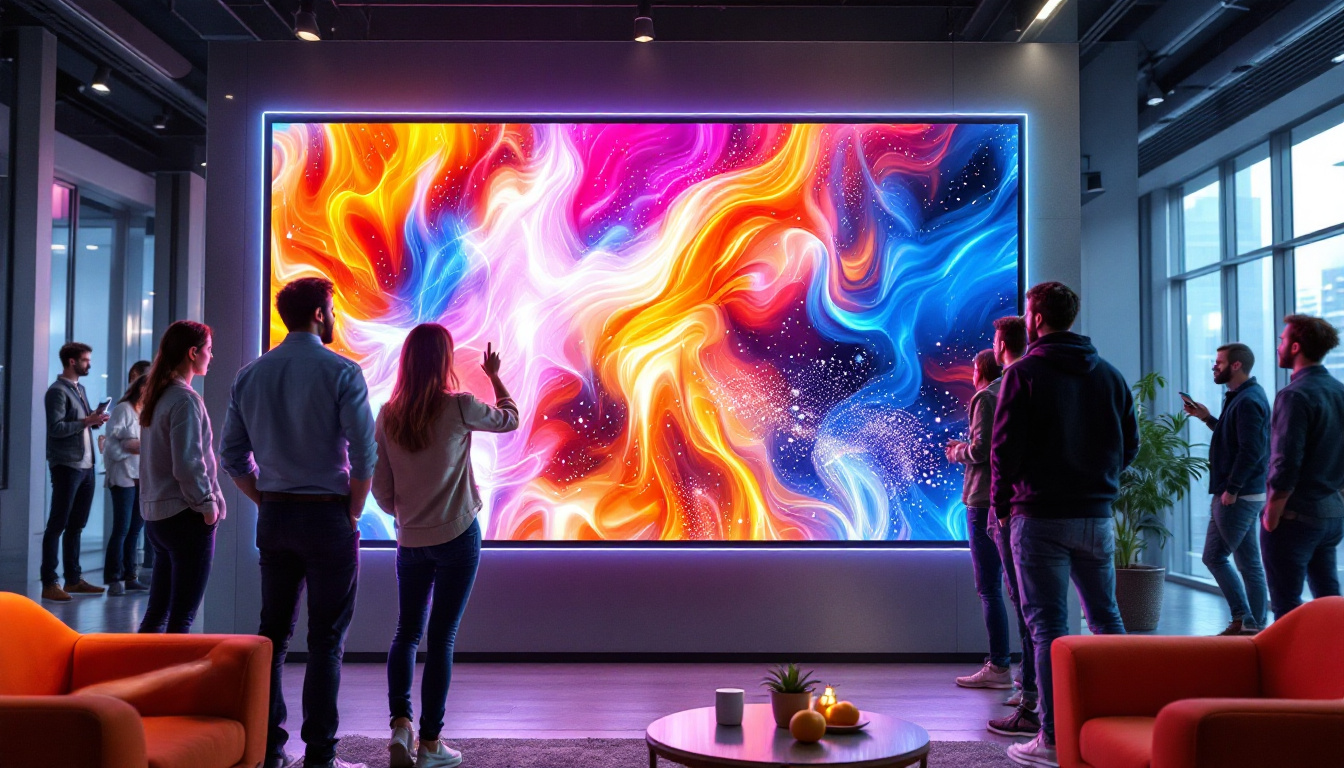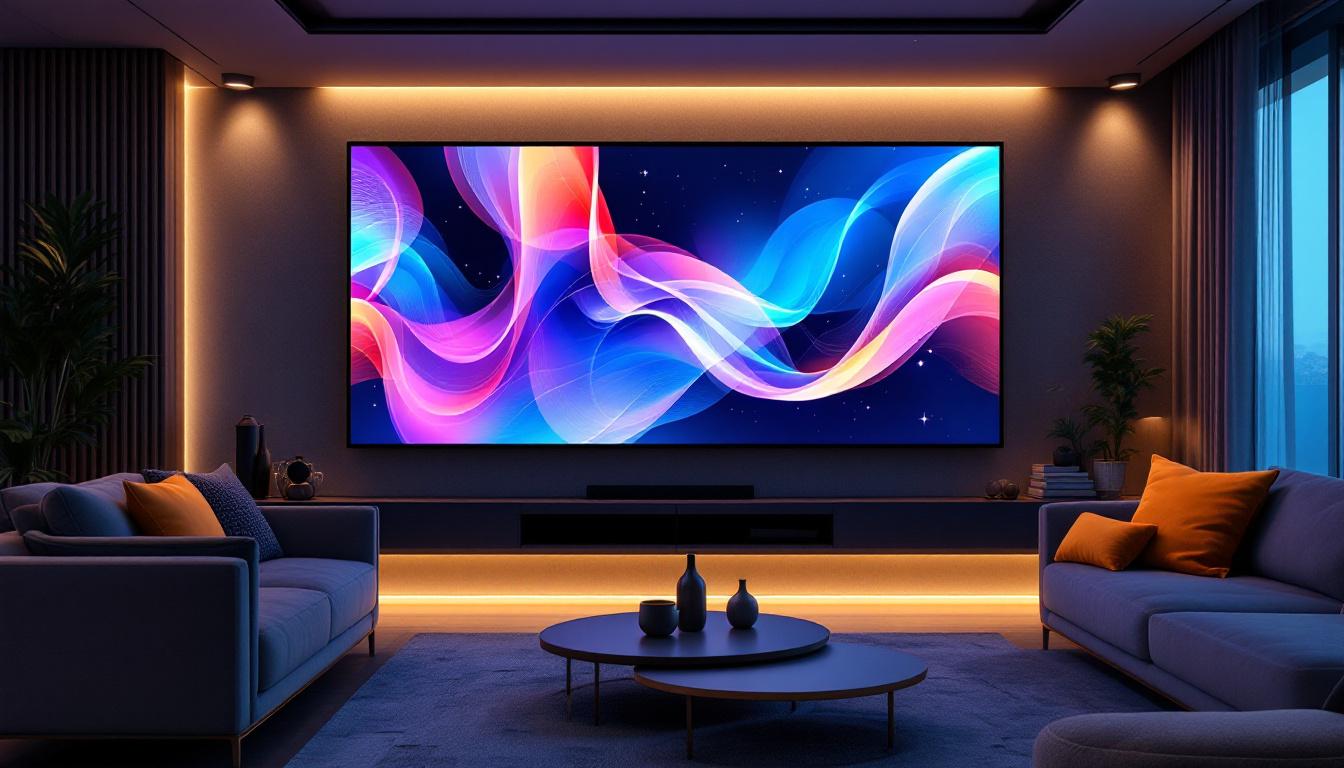
In modern architectural design and interior decoration, privacy solutions have evolved far beyond traditional curtains and blinds. Among the most innovative options available today are wall privacy screens integrated with LED displays. These systems blend functionality with technology, offering privacy, aesthetic appeal, and interactive capabilities all in one.
This article explores the concept of wall privacy screens featuring LED displays, detailing their technology, applications, benefits, and considerations for installation. Whether you are an architect, interior designer, business owner, or homeowner, understanding this technology can help you make informed decisions about privacy solutions that also enhance your space’s visual and functional appeal.
Understanding Wall Privacy Screens with LED Displays
What Is a Wall Privacy Screen?
A wall privacy screen is a physical partition designed to block or obscure visibility between spaces, providing privacy without necessarily closing off an area completely. Traditionally, these screens are made from wood, metal, fabric, or glass, and are used in offices, homes, restaurants, and outdoor spaces. They serve as a versatile solution for creating intimate settings, whether it’s for a cozy nook in a café or a focused workspace in a bustling office environment.
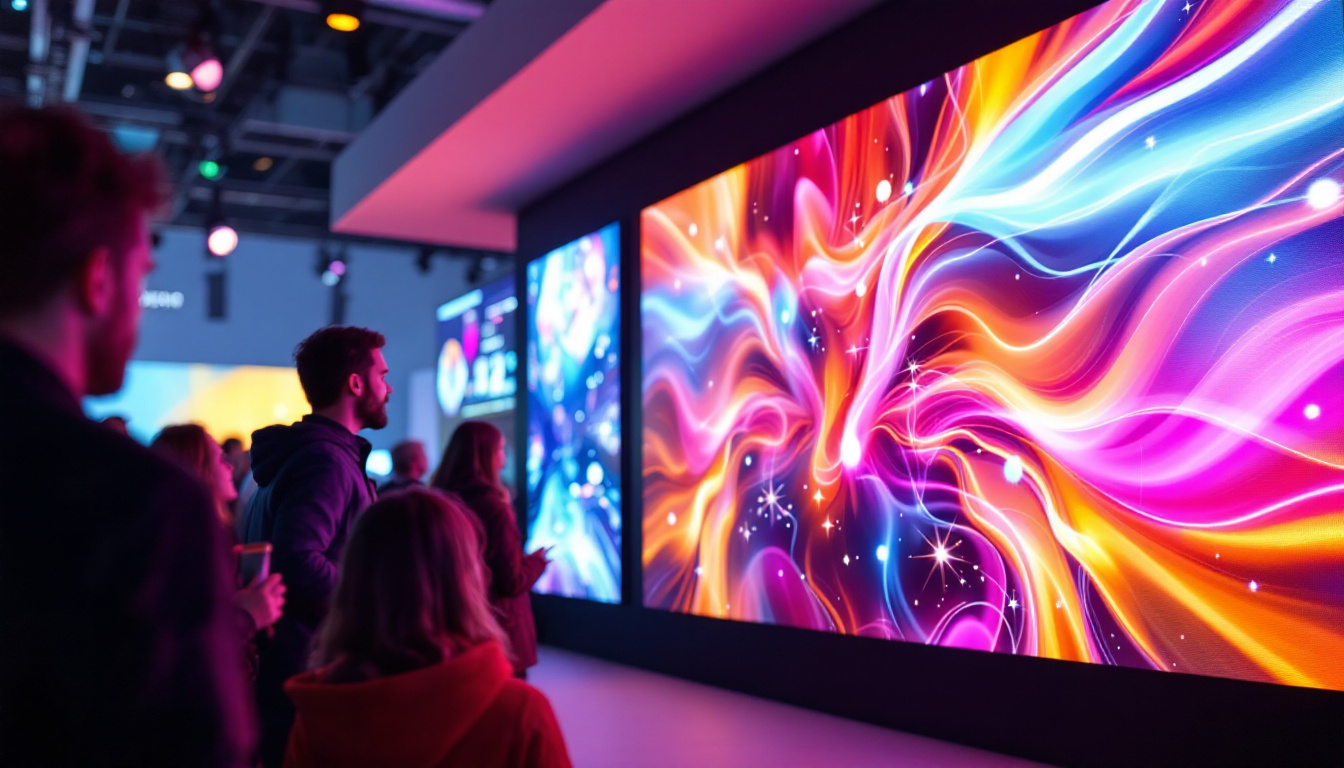
When combined with LED display technology, these screens become dynamic surfaces capable of displaying images, videos, or information, transforming a simple privacy barrier into an interactive or decorative feature. This integration opens up a world of possibilities for customization, allowing businesses and homeowners alike to tailor their environments to reflect personal style or brand identity. For instance, a restaurant might showcase its menu or special promotions through vibrant visuals on a privacy screen, enhancing the dining experience while maintaining an inviting atmosphere.
How LED Displays Work in Privacy Screens
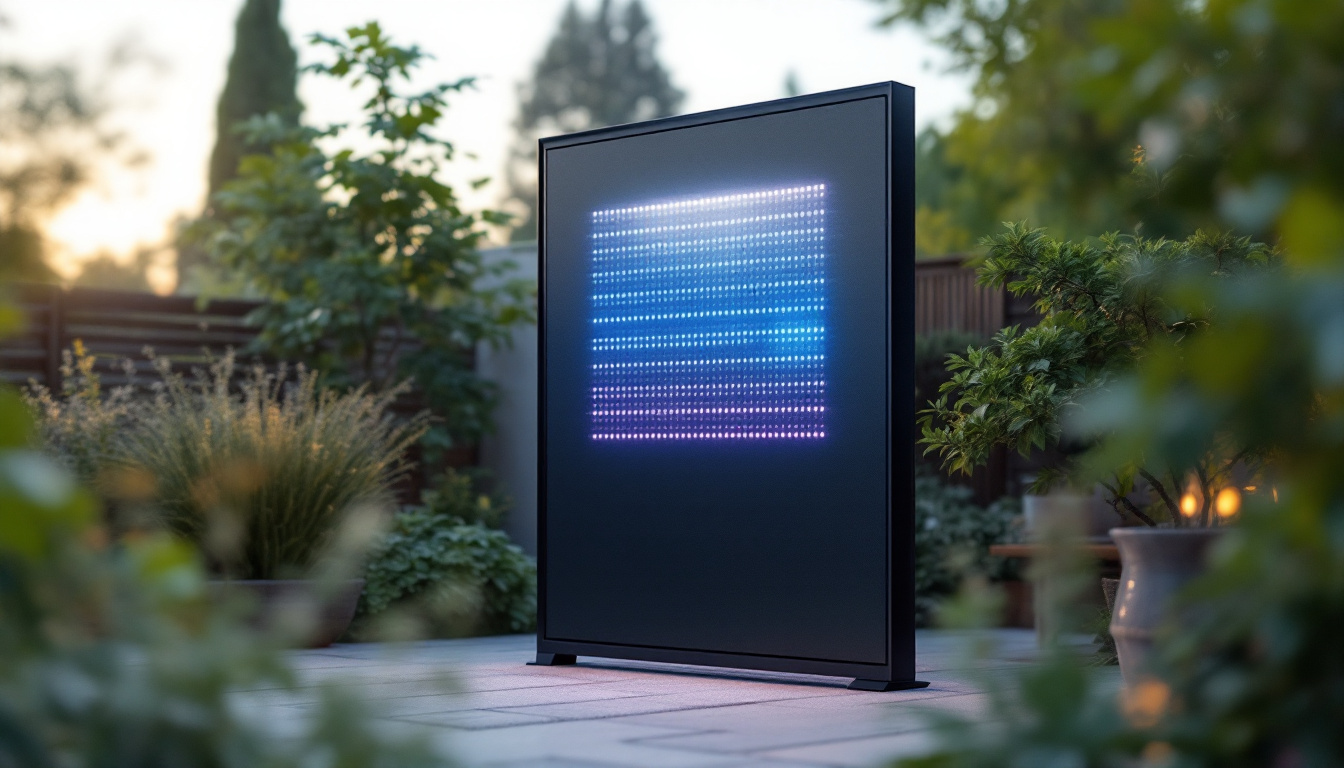
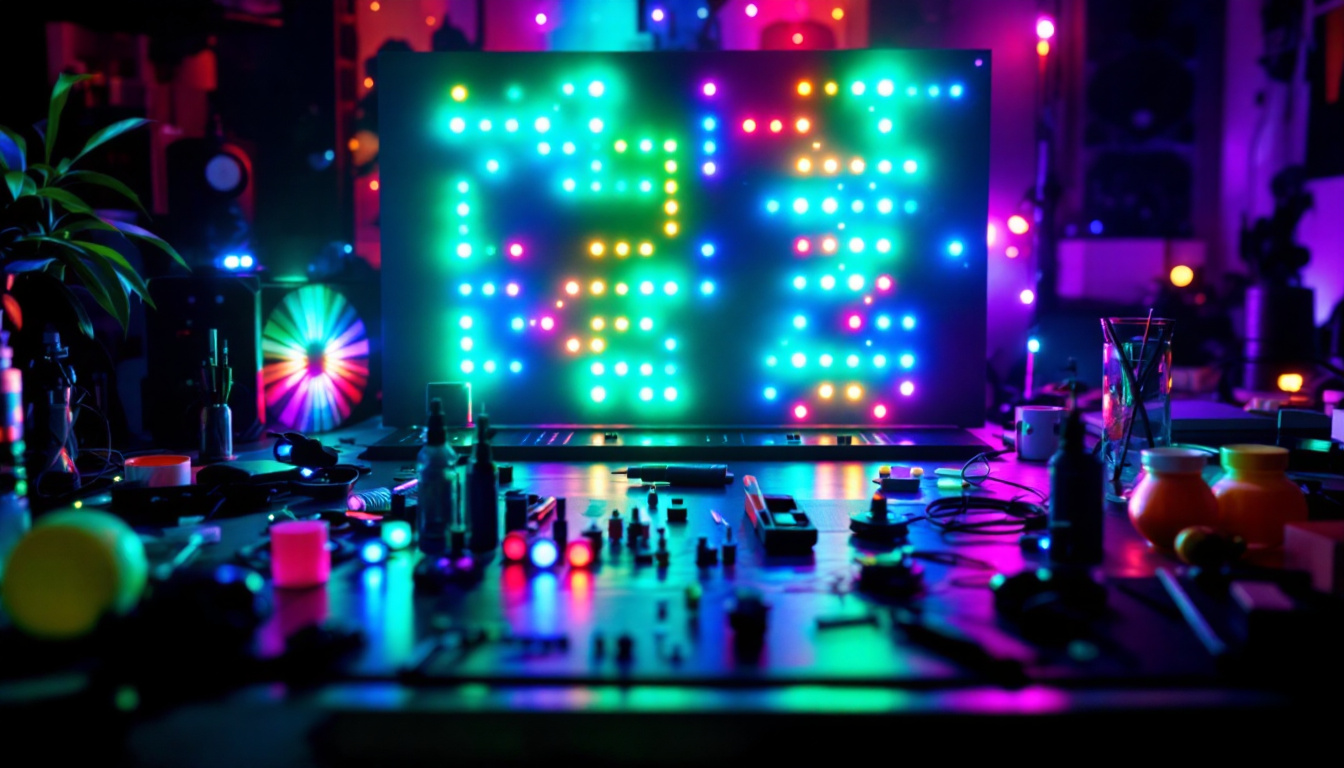
LED (Light Emitting Diode) displays consist of numerous tiny light sources arranged in a matrix that can emit light in various colors and intensities. When integrated into a privacy screen, the LED panel is typically embedded within or mounted onto the screen’s surface, allowing it to serve dual purposes:
- Privacy: The LED panel can obscure the view behind the screen, acting as a visual barrier.
- Display: It can show custom content such as patterns, branding, or ambient visuals.
Modern LED displays use energy-efficient diodes and advanced control systems to ensure high brightness, excellent color accuracy, and durability, even in varying lighting conditions. This means that whether it’s a bright sunny day or a dimly lit evening, the content displayed remains vibrant and engaging. Additionally, many LED privacy screens come equipped with smart technology, allowing users to change the displayed content remotely via apps or software, making them ideal for dynamic environments where information needs to be updated frequently.
Furthermore, the design of these screens can be tailored to fit various aesthetic preferences and functional requirements. For instance, some privacy screens feature a sleek, minimalist design that blends seamlessly into modern interiors, while others may incorporate artistic elements or textures that enhance the visual appeal of a space. This adaptability not only enhances the functionality of the screen but also contributes to the overall ambiance of the area, making it a focal point rather than just a utilitarian object.
Applications of LED Wall Privacy Screens
Corporate and Office Environments
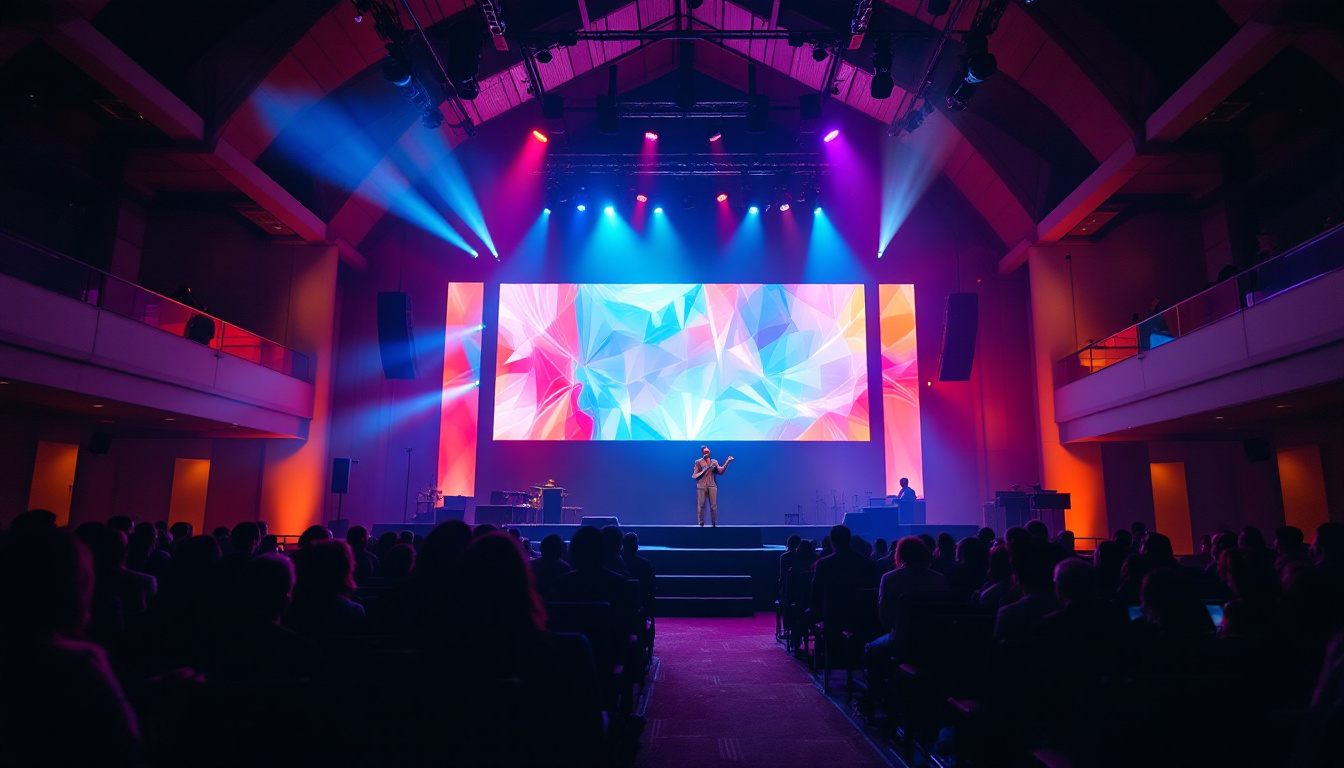
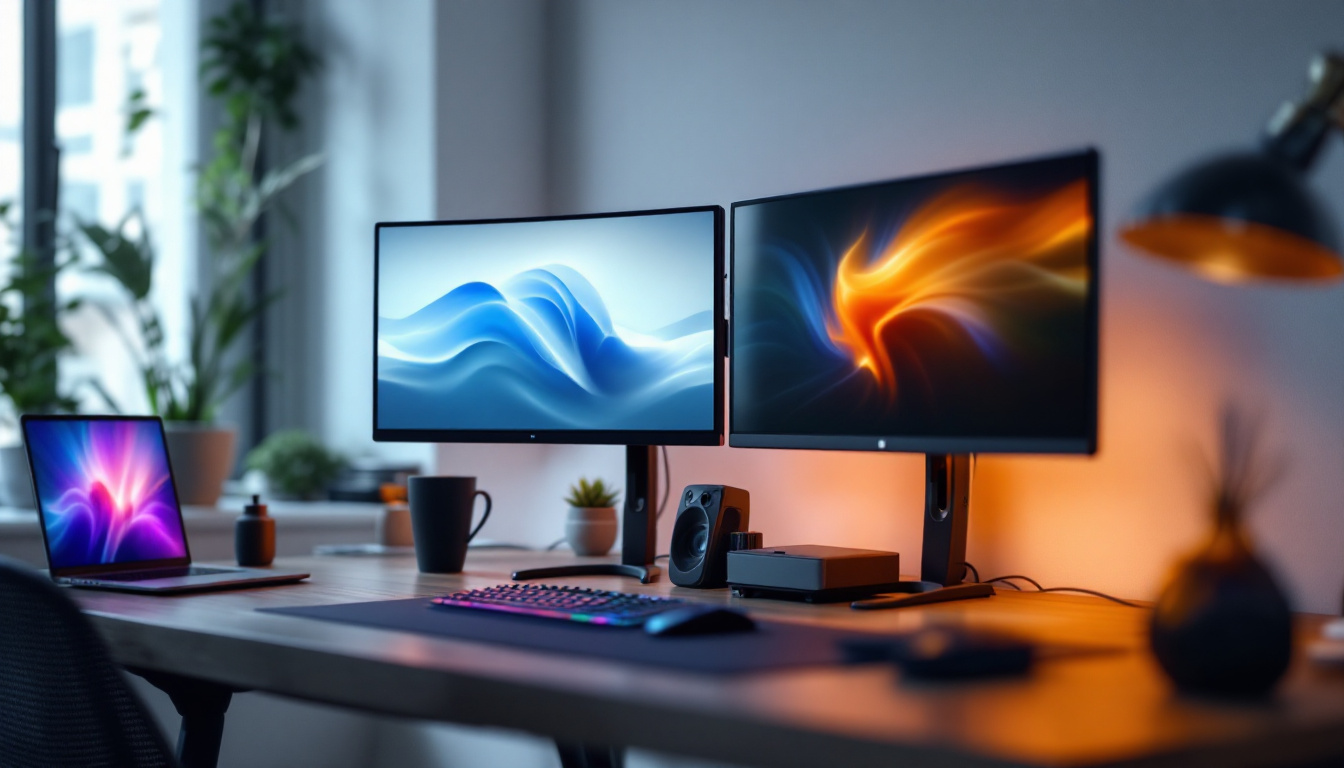
In offices, privacy screens are essential for creating focused workspaces and confidential meeting areas. LED-integrated screens add an extra layer of functionality by displaying company branding, meeting schedules, or motivational content, enhancing both privacy and corporate identity.
According to a 2023 survey by the International Facility Management Association, 68% of offices adopting digital privacy screens reported increased employee satisfaction due to improved aesthetics and functionality. Furthermore, these screens can be programmed to display real-time data, such as project timelines or team achievements, fostering a culture of transparency and collaboration among employees.
Additionally, the use of LED privacy screens can significantly reduce noise levels in open-plan offices. By incorporating sound-absorbing materials alongside these screens, companies can create a more serene work environment, which has been shown to enhance productivity and reduce stress levels among employees. This dual functionality makes LED privacy screens an innovative solution for modern corporate design.
Hospitality and Retail Spaces
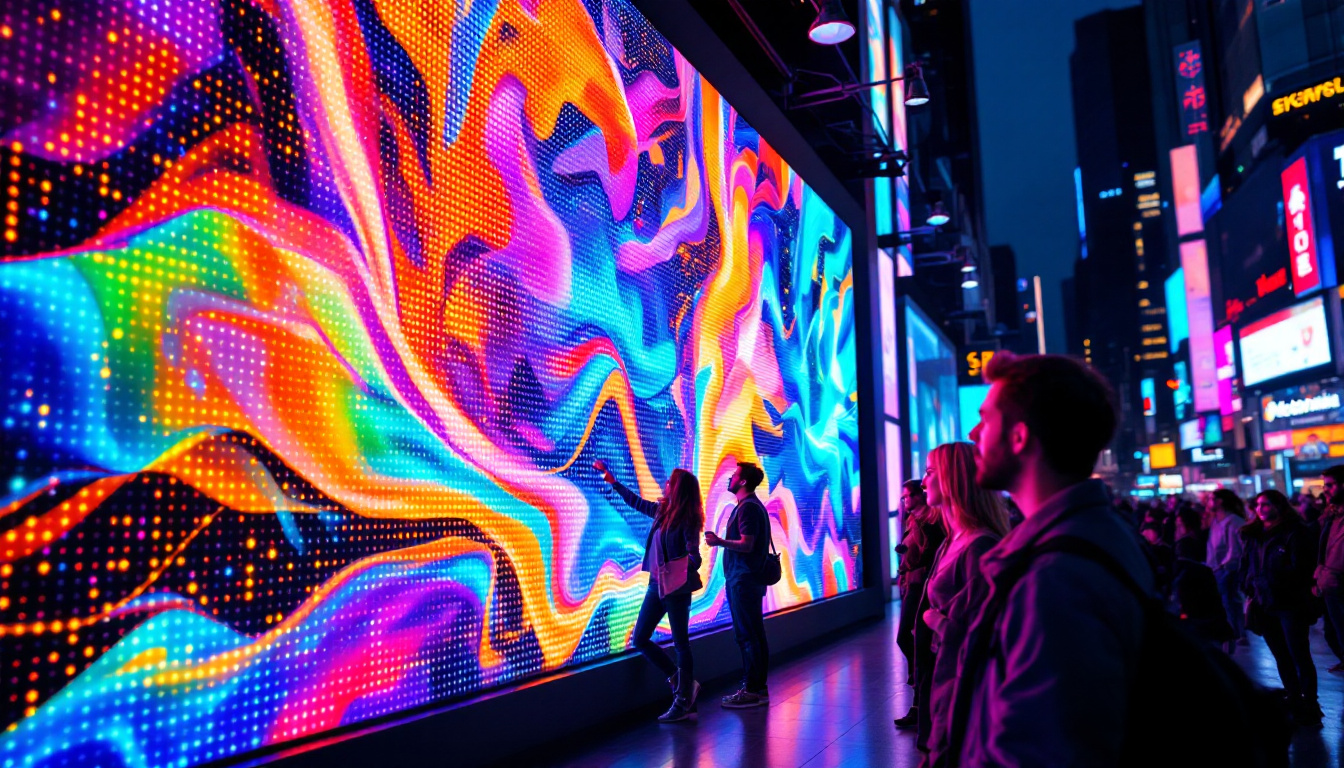
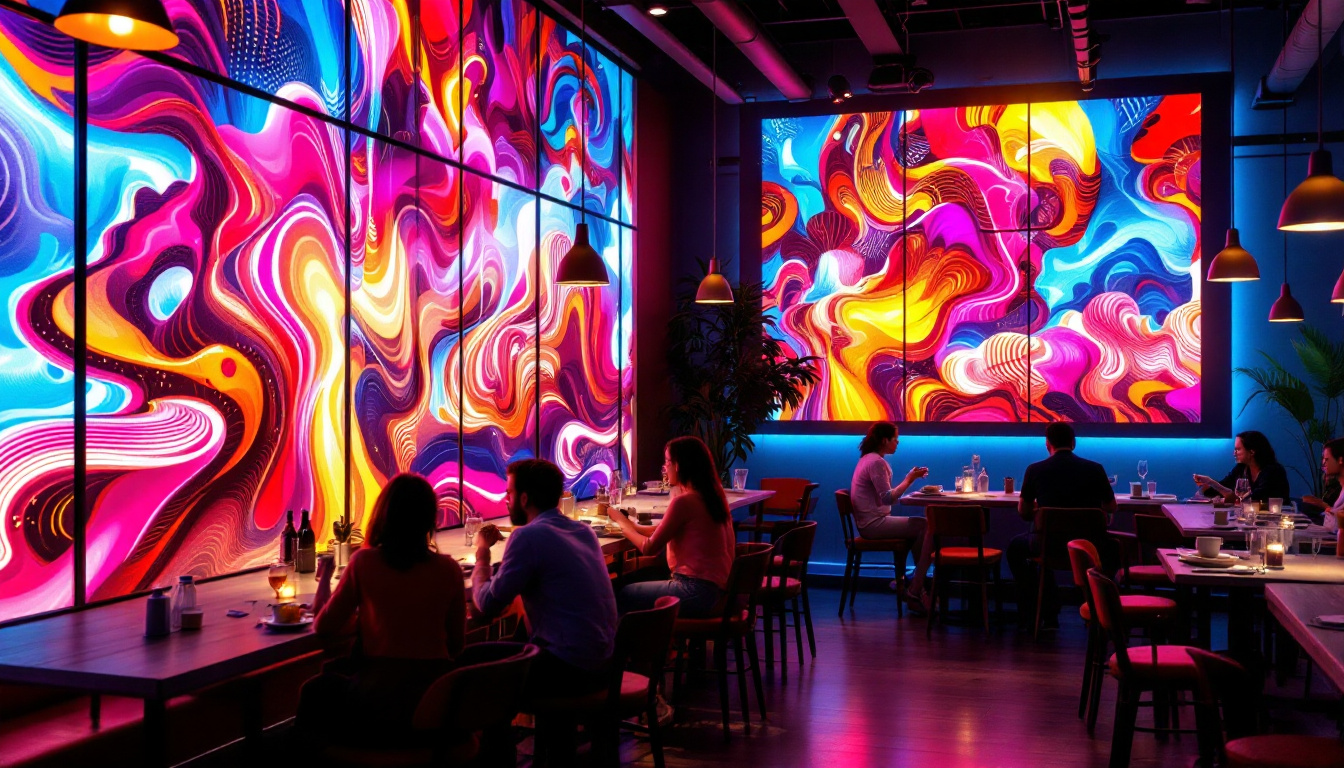
Restaurants, hotels, and retail stores benefit from LED privacy screens by using them as dynamic decor elements that can change according to seasons, promotions, or events. These screens can also guide customers, display menus, or create intimate dining areas without permanent walls.
For example, a high-end restaurant in New York integrated LED privacy screens to separate dining sections, which allowed them to adjust ambiance lighting and display artistic visuals, leading to a 15% increase in customer dwell time, according to their management report. This adaptability not only enhances the dining experience but also allows businesses to quickly pivot their branding and messaging to align with current trends or special occasions.
Moreover, in retail environments, LED privacy screens can be utilized to create immersive shopping experiences. By projecting interactive content that engages customers, stores can transform traditional retail spaces into dynamic environments where shoppers can explore products in a more captivating manner. This innovative approach not only attracts foot traffic but also encourages longer visits, ultimately boosting sales and customer loyalty.
Residential Use
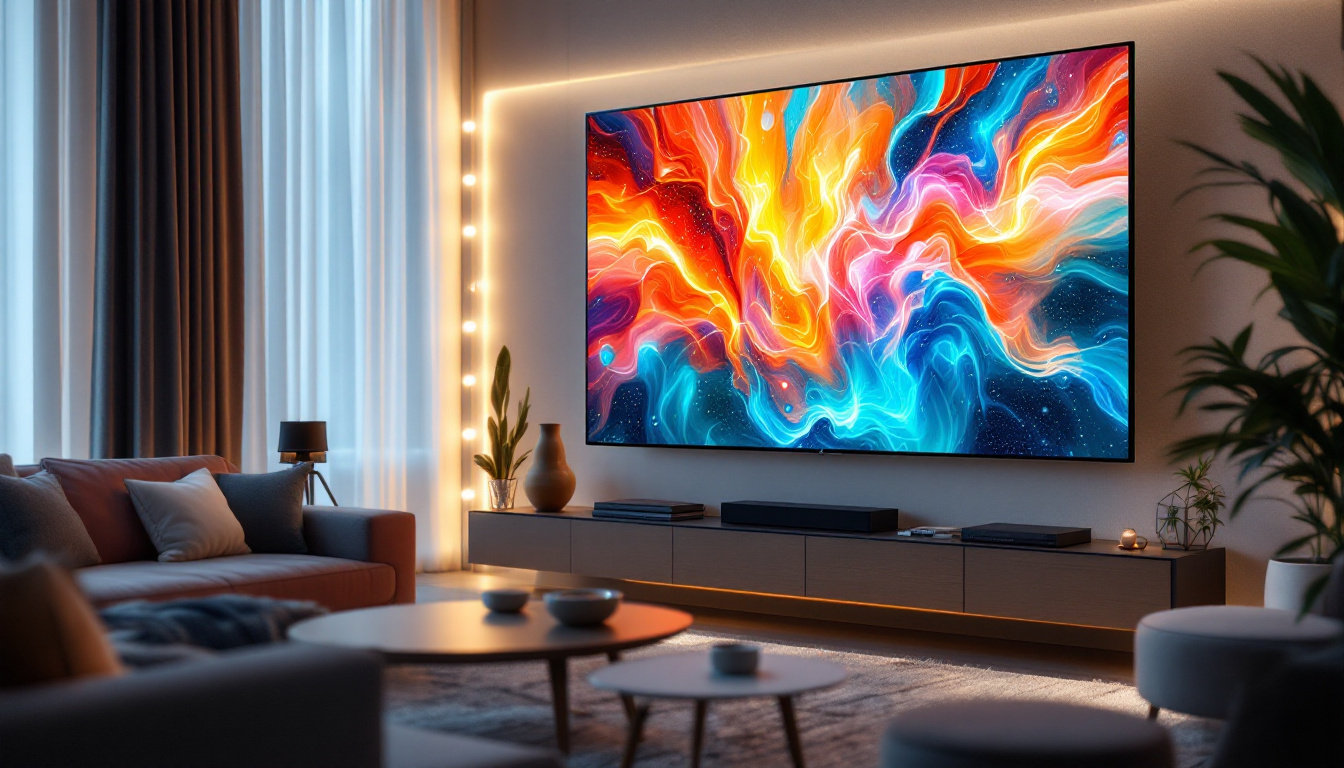
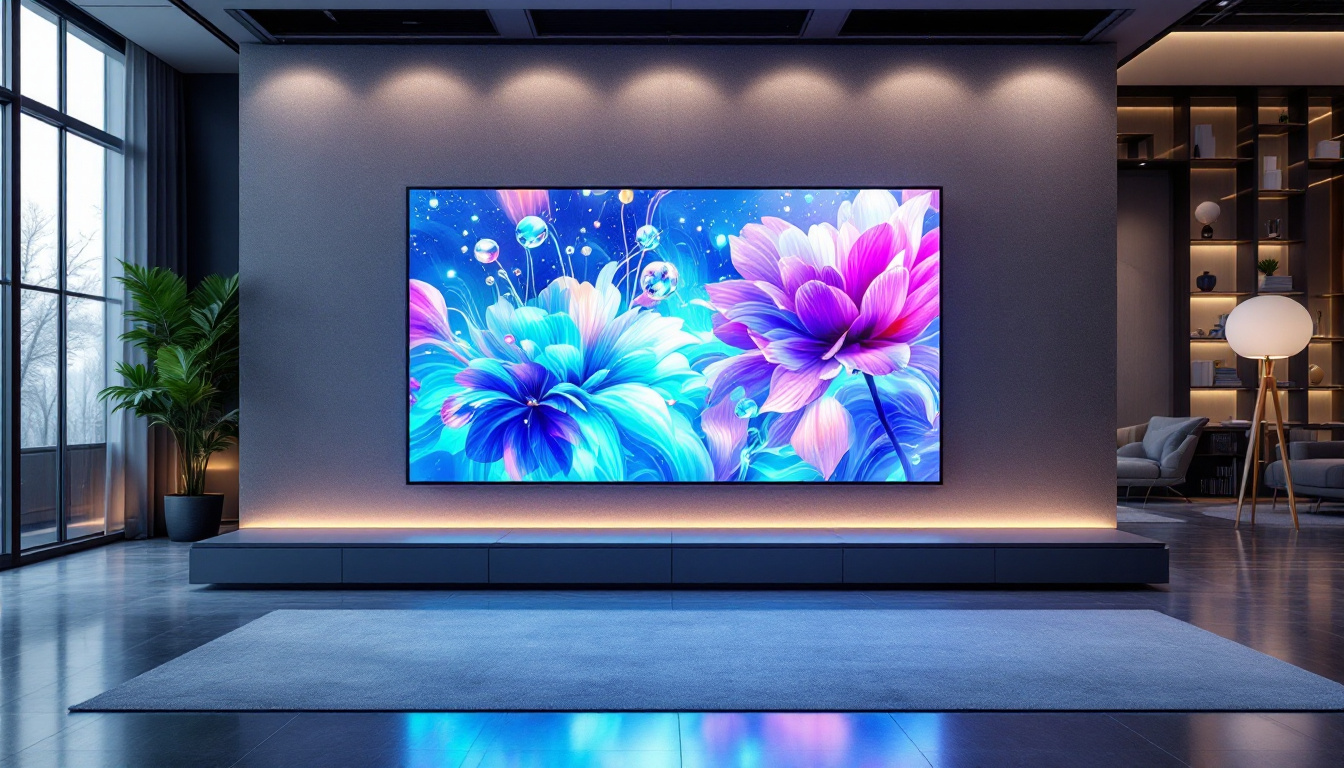
Homeowners are increasingly incorporating LED privacy screens in living rooms, patios, or home offices. These screens serve as stylish room dividers that can display family photos, ambient scenes, or even interactive art, enhancing the living space’s versatility and personalization.
In addition to their aesthetic appeal, LED privacy screens can also serve practical purposes in residential settings. For instance, they can be programmed to provide privacy at certain times of the day, such as during evening gatherings or while working from home, without the need for physical barriers. This flexibility allows homeowners to maintain an open-concept feel while still enjoying the benefits of privacy when needed.
Furthermore, with advancements in smart home technology, these screens can be integrated with home automation systems, allowing users to control them via voice commands or mobile apps. This level of convenience and customization not only enhances the functionality of living spaces but also contributes to a modern lifestyle that embraces both comfort and innovation.
Benefits of LED Wall Privacy Screens
Enhanced Privacy with Style
Unlike traditional screens, LED privacy walls offer a modern and sleek aesthetic. They provide privacy without sacrificing design, allowing spaces to feel open yet secluded. The ability to change displayed content means the privacy screen can adapt to different moods or functions throughout the day.
Energy Efficiency and Sustainability
LED technology is known for its low energy consumption and long lifespan. Many LED privacy screens use advanced materials and power-saving modes, making them an environmentally friendly choice compared to other electronic displays or lighting solutions.
Customization and Interactivity
One of the most compelling advantages is the ability to customize content. Businesses can display advertisements, announcements, or brand messages, while homeowners can enjoy personalized visuals. Some advanced systems also support touch interactivity, enabling users to engage directly with the screen for information or entertainment.
Technical Considerations for Installation
Screen Resolution and Pixel Pitch
The resolution of an LED privacy screen determines the clarity and detail of the displayed content. Pixel pitch—the distance between the centers of two adjacent pixels—is a critical factor; smaller pixel pitches mean higher resolution and sharper images.
For privacy screens, a balance is necessary. Too high a resolution may increase costs unnecessarily, while too low may reduce visual appeal. Typical pixel pitches for indoor privacy screens range from 1.5mm to 4mm, depending on viewing distance and content type.
Brightness and Ambient Light Adaptation
Brightness levels must be sufficient to ensure visibility of content without overwhelming the space or causing glare. Many LED privacy screens feature sensors that adjust brightness automatically based on ambient light, optimizing visibility and energy use.
Installation and Maintenance
Installing an LED privacy screen requires careful planning regarding mounting, power supply, and connectivity. Maintenance considerations include cleaning, software updates, and occasional hardware servicing. Choosing modular designs can simplify repairs and upgrades.
Challenges and Limitations
Cost Considerations
LED privacy screens are generally more expensive than traditional screens due to the technology involved. Initial investment includes hardware, installation, and software integration. However, the multifunctional benefits often justify the cost for commercial applications.
Privacy vs. Transparency Trade-Off
While LED screens provide privacy, the level of opacity depends on the screen design and content displayed. Some designs may allow partial visibility, which might not be suitable for highly confidential areas. It’s important to assess privacy requirements carefully.
Technical Complexity
Integrating LED technology into privacy screens introduces technical complexity that requires professional installation and ongoing management. Users must be prepared for potential troubleshooting and software management.
Future Trends in LED Privacy Screens
Integration with Smart Building Systems
As smart building technologies advance, LED privacy screens are increasingly integrated with IoT (Internet of Things) systems. This allows for automated content changes based on occupancy, time of day, or environmental conditions, enhancing user experience and energy efficiency.
Flexible and Transparent LED Screens
Emerging technologies include flexible LED panels that can curve or fold, expanding design possibilities. Transparent LED screens offer privacy while maintaining some degree of visibility, ideal for retail windows or office partitions.
Augmented Reality and Interactive Features
Future LED privacy screens may incorporate augmented reality (AR) elements, enabling immersive experiences. Interactive touch and gesture controls will further transform these screens from passive barriers into engaging interfaces.
Conclusion
Wall privacy screens featuring LED displays represent a convergence of privacy, technology, and design innovation. They provide versatile solutions for a variety of environments, combining effective space division with dynamic visual communication. While there are considerations regarding cost and technical complexity, the benefits in aesthetics, functionality, and customization make LED privacy screens a compelling choice for modern spaces.
As technology continues to evolve, these screens will become even more integral to architectural and interior design, offering smarter, more adaptable ways to balance openness and privacy in both commercial and residential settings.
Discover LumenMatrix’s Innovative LED Solutions
Ready to elevate your space with the latest in LED display technology? LumenMatrix offers a wide array of cutting-edge solutions tailored to meet your needs. From enhancing brand visibility to creating immersive environments, our Indoor and Outdoor LED Wall Displays, Vehicle LED Displays, and more are designed to captivate and engage. Experience the future of visual communication with LumenMatrix and transform your space into a dynamic, interactive experience. Check out LumenMatrix LED Display Solutions today and see the difference innovation can make.