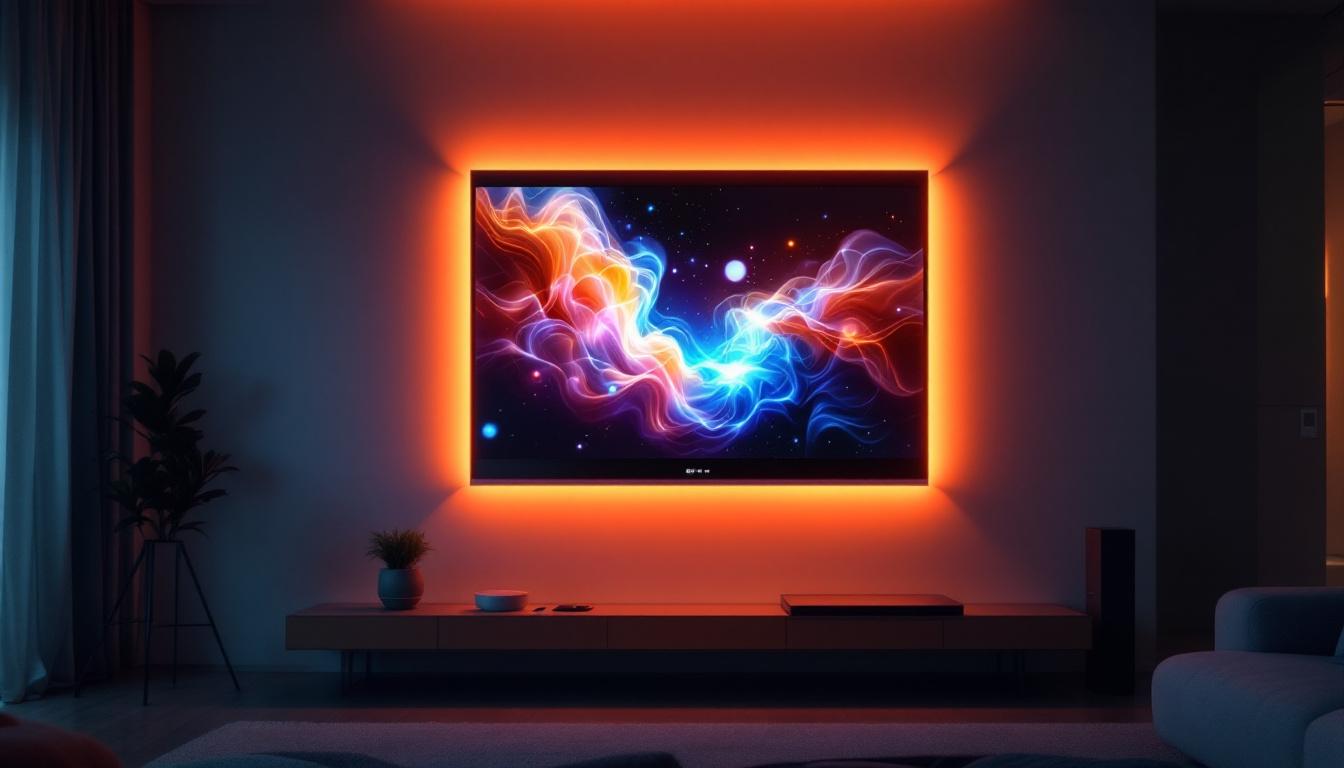
In the rapidly evolving world of visual technology, the terms “wall screen projector” and “LED display” often come up, sometimes interchangeably, yet they represent distinct approaches to large-scale visual presentations. Whether for corporate environments, entertainment venues, or public installations, understanding the nuances between these technologies is essential for making informed decisions. This article delves into the fundamentals of wall screen projectors and LED displays, exploring their technology, advantages, applications, and future trends.
Understanding Wall Screen Projectors
What Is a Wall Screen Projector?
A wall screen projector is a device that projects images or videos onto a flat surface, typically a wall or dedicated screen. Using a light source combined with lenses and mirrors, the projector casts a large-scale image that can be viewed by an audience. This technology has been a staple in classrooms, conference rooms, and home theaters for decades.
Modern projectors have evolved significantly, incorporating advanced features such as 4K resolution, laser light sources, and smart connectivity. These improvements have enhanced image clarity, brightness, and color accuracy, making projectors viable for larger venues and more demanding applications. The integration of wireless technology allows users to connect their devices seamlessly, enabling presentations and media playback without the clutter of cables. Furthermore, many projectors now come equipped with built-in speakers, enhancing the overall viewing experience by eliminating the need for external audio systems.
Types of Projectors Suitable for Wall Screens
Projectors come in various types, each with unique characteristics:
- DLP (Digital Light Processing): Uses microscopic mirrors to reflect light and create images. Known for sharp images and good contrast.
- LCD (Liquid Crystal Display): Passes light through liquid crystal panels to produce images. Offers vibrant colors but can suffer from lower contrast.
- Laser Projectors: Utilize laser light sources for brighter images and longer lifespan compared to traditional lamps.
For wall screen applications, laser projectors are increasingly preferred due to their brightness and maintenance advantages, especially in environments with ambient light. Additionally, the longevity of laser projectors means that users can enjoy years of high-quality performance without the frequent bulb replacements required by traditional lamp-based projectors. This makes them a cost-effective choice in the long run. Moreover, some models offer features like keystone correction and lens shift, which allow for greater flexibility in installation and ensure that the projected image remains perfectly aligned and undistorted, regardless of the projector’s placement.
Furthermore, the rise of ultra-short throw projectors has revolutionized the way we think about space and projection. These projectors can be placed just inches away from the wall, eliminating the need for long throw distances and making them ideal for smaller rooms. This innovation not only saves space but also minimizes shadows cast by people moving in front of the projector, ensuring a seamless viewing experience. As technology continues to advance, the possibilities for wall screen projectors expand, catering to a wide range of applications from educational settings to immersive home theater experiences.
What Is an LED Display?
LED Display Technology Explained
LED displays are composed of thousands to millions of tiny light-emitting diodes (LEDs) arranged in a grid to form a screen. Each LED acts as a pixel, emitting its own light, which allows for vibrant colors and high contrast ratios. Unlike projectors, LED displays do not rely on external light sources or projection surfaces. This inherent capability not only enhances image quality but also contributes to their energy efficiency, making them a popular choice for both commercial and residential use.
LED technology has seen remarkable advancements, enabling the creation of ultra-thin, flexible, and even transparent displays. These characteristics make LED displays highly versatile for various applications, from advertising billboards to immersive stage backdrops. Furthermore, the integration of smart technology into LED displays has transformed them into interactive platforms, allowing users to engage with content in real-time. This innovation has opened new avenues for marketing, education, and entertainment, where dynamic visuals can be tailored to specific audiences or events.
Types of LED Displays
LED displays vary based on pixel pitch (distance between LEDs), size, and configuration:
- Indoor LED Displays: Designed for close viewing distances with smaller pixel pitches (as low as 0.9mm), delivering crisp images and text. These displays are commonly used in conference rooms, retail environments, and control centers, where clarity and detail are paramount.
- Outdoor LED Displays: Built to withstand weather conditions with higher brightness levels and larger pixel pitches (typically 4mm and above). These robust displays are ideal for stadiums, public transportation hubs, and large-scale events, ensuring visibility even in direct sunlight.
- MicroLED and MiniLED: Emerging technologies offering superior brightness, contrast, and energy efficiency, often used in premium displays. MicroLEDs, in particular, promise to revolutionize the industry by providing self-emissive capabilities that allow for even thinner designs and greater flexibility in screen shapes and sizes.
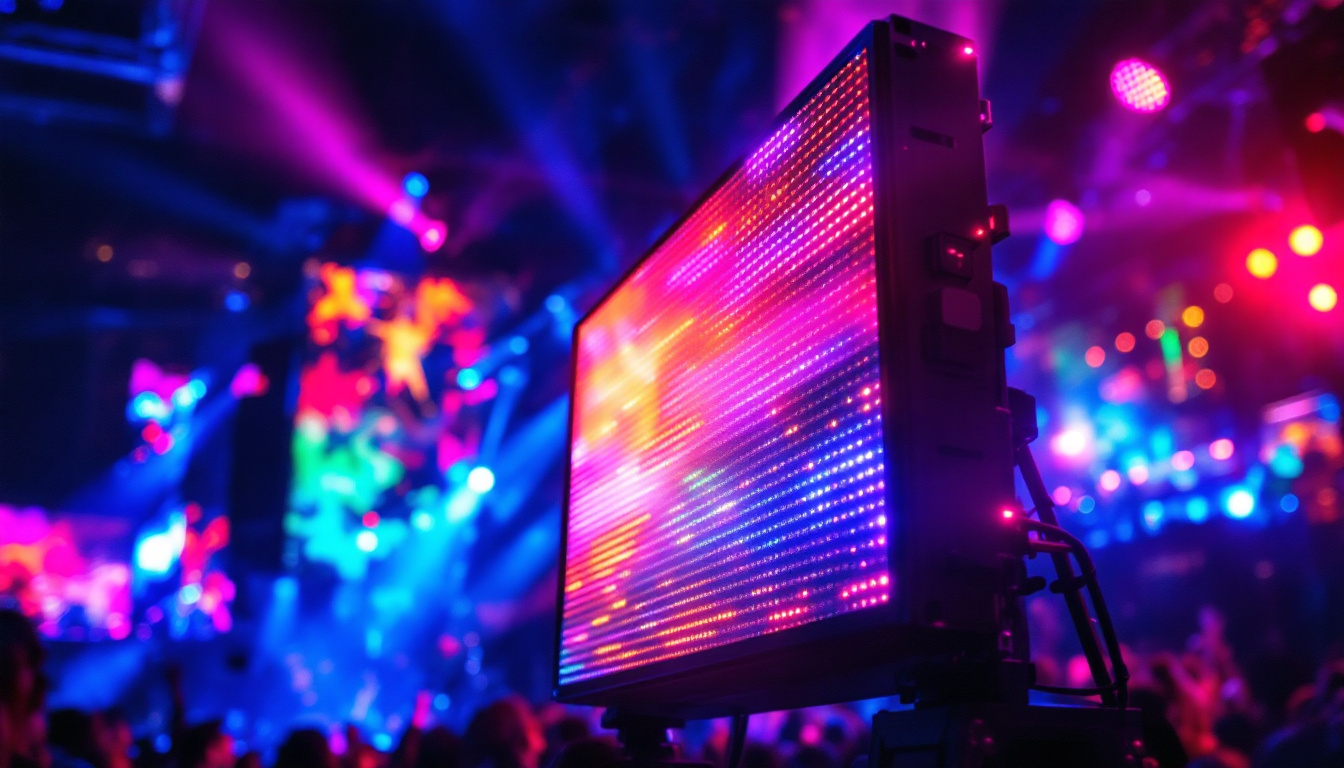
In addition to these categories, LED displays can also be classified by their application. For instance, digital signage has become increasingly prevalent in retail, where businesses utilize LED screens to showcase promotions and engage customers. Similarly, in the entertainment industry, LED walls are frequently employed in concerts and festivals to create stunning visual experiences that captivate audiences. The adaptability of LED technology continues to inspire innovative uses, pushing the boundaries of how we perceive and interact with visual information.
Comparing Wall Screen Projectors and LED Displays
Brightness and Image Quality
Brightness is a critical factor when choosing between a wall screen projector and an LED display. Projectors, especially those using traditional lamps, can struggle in brightly lit environments. Laser projectors have improved brightness but still face limitations compared to LED displays.
LED displays emit their own light, allowing them to achieve brightness levels exceeding 5,000 nits, which is ideal for outdoor or well-lit indoor spaces. Additionally, LED displays offer superior contrast ratios and color accuracy because each pixel can be individually controlled.
Installation and Maintenance
Projectors require careful placement to avoid image distortion, and the projection surface must be smooth and properly prepared. They also need periodic maintenance such as lamp replacement and cleaning.
LED displays, while often more expensive upfront, are modular and easier to install in various configurations, including curved or irregular shapes. They require less maintenance, with longer lifespans and lower power consumption in many cases.
Cost Considerations
Initial costs for projectors are generally lower than those for LED displays, making them attractive for budget-conscious users. However, ongoing costs such as lamp replacements, maintenance, and potential screen upgrades can add up over time.
LED displays involve higher upfront investment but can offer better total cost of ownership due to durability, energy efficiency, and reduced maintenance needs. For large-scale or permanent installations, LED displays often provide better value.
Applications of Wall Screen Projectors and LED Displays
Corporate and Educational Settings
Wall screen projectors remain popular in classrooms and meeting rooms due to their affordability and ease of use. They allow for flexible screen sizes and can be integrated with interactive whiteboards for enhanced learning experiences.
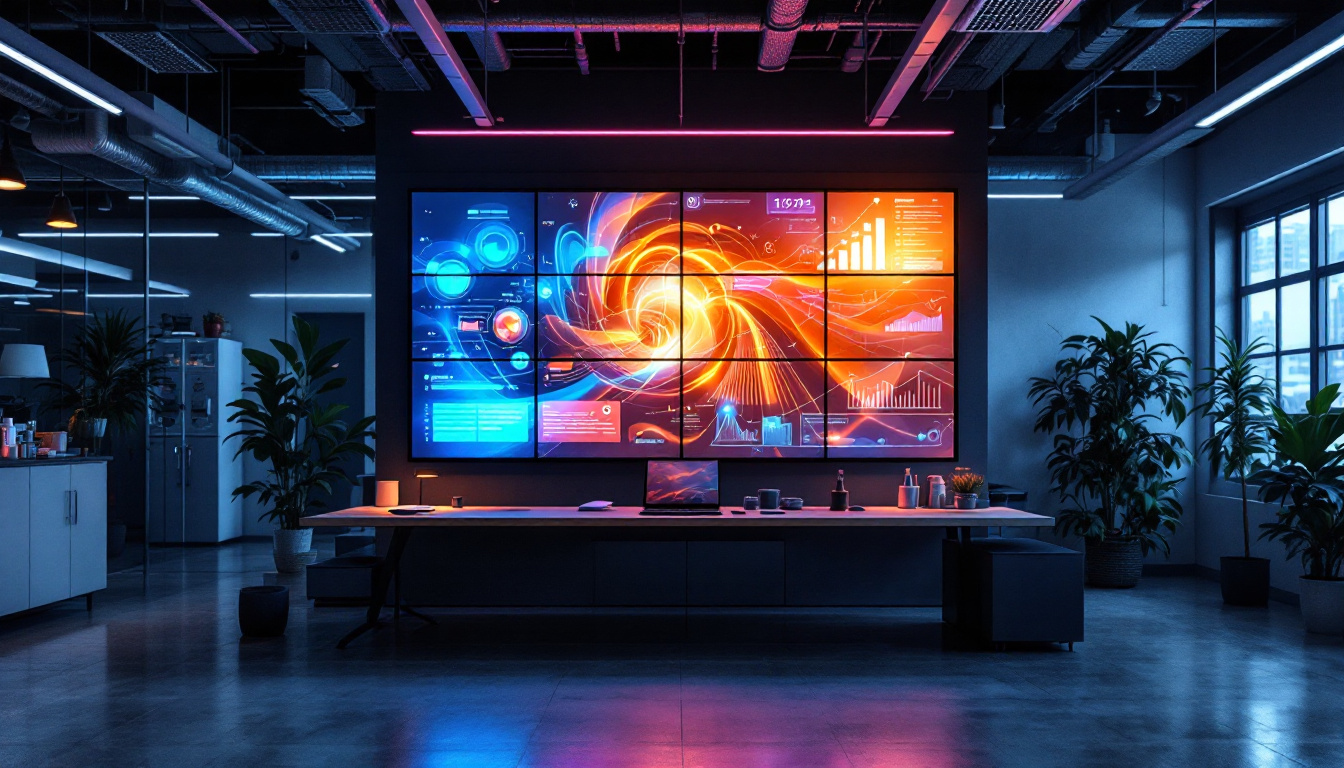
LED displays are increasingly used in corporate lobbies, conference centers, and auditoriums where high-impact visuals and reliability are paramount. Their ability to display dynamic content with vivid colors makes them ideal for branding and presentations.
Entertainment and Events
In the entertainment industry, projectors are often used for temporary setups such as concerts, theater productions, and film screenings. Their portability and adaptability make them suitable for diverse venues.
LED displays dominate large-scale events and stadiums, where brightness and visibility are crucial. For example, many sports arenas use massive LED screens to enhance spectator experience with replays, advertisements, and live feeds.
Advertising and Public Spaces
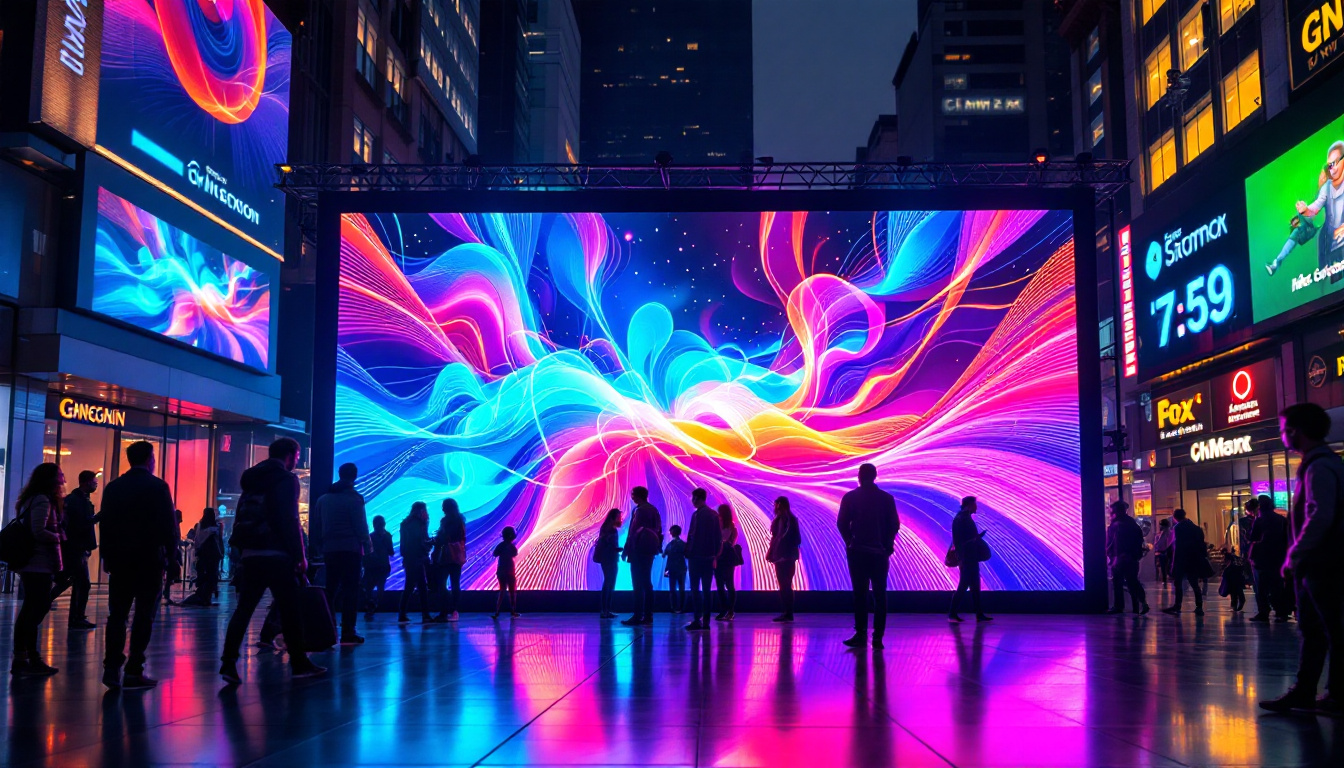
Outdoor advertising has embraced LED displays due to their ability to operate in various weather conditions and deliver eye-catching visuals at any time of day. Digital billboards and signage utilize LED technology to engage audiences effectively.
Projectors are less common in outdoor advertising but can be used creatively for projection mapping on building facades during special events or promotions.
Future Trends in Wall Screen Projection and LED Displays
Advancements in Projection Technology
The future of wall screen projectors lies in laser and hybrid light sources that promise higher brightness, better color accuracy, and longer lifespans. Additionally, ultra-short-throw projectors are gaining popularity, allowing large images to be projected from minimal distances, reducing installation complexity.
Integration with augmented reality (AR) and interactive technologies is also on the horizon, enabling immersive experiences in education, retail, and entertainment.
Innovations in LED Display Technology
MicroLED technology is poised to revolutionize LED displays by offering even finer pixel pitches, higher brightness, and improved energy efficiency. This will enable seamless, ultra-high-definition displays suitable for close viewing distances.
Flexible and transparent LED displays are expanding design possibilities, allowing screens to blend into architectural elements or be worn as part of wearable technology.
Choosing the Right Solution for Your Needs
Assessing Your Environment and Use Case
Choosing between a wall screen projector and an LED display depends largely on the intended environment and application. For spaces with controlled lighting and budget constraints, projectors remain a practical choice.
Conversely, for high-visibility areas requiring durability and vibrant visuals, LED displays are often the superior option despite the higher initial cost.
Consulting with Experts
Given the technical nuances and rapid advancements in both technologies, consulting with audiovisual professionals can ensure the selection of the most suitable solution. They can provide insights on installation requirements, content management, and integration with existing systems.
Conclusion
Wall screen projectors and LED displays each offer unique benefits and challenges. Understanding their underlying technologies, performance characteristics, and ideal applications is crucial for making informed decisions that align with your visual communication goals.
As technology continues to advance, both projectors and LED displays will become more capable, affordable, and versatile, opening new possibilities for immersive and impactful visual experiences.
Discover LumenMatrix’s Advanced LED Display Solutions
Ready to elevate your visual experience with the latest in LED technology? Look no further than LumenMatrix, a pioneer in crafting LED display modules that transform spaces and captivate audiences. From vibrant Indoor and Outdoor LED Wall Displays to innovative solutions like Vehicle, Sports, and Floor LED Displays, our offerings are designed to meet your unique needs. Embrace the future of visual communication with our Custom, All-in-One, and Transparent LED Displays. Check out LumenMatrix LED Display Solutions today and see how we can help you make a lasting impression with exceptional clarity and impact.