In the rapidly evolving world of visual technology, LED displays have become a cornerstone for both commercial and personal applications. From towering billboards in Times Square to sleek video walls in corporate boardrooms, LED displays offer unparalleled brightness, clarity, and versatility. This article delves into the fundamentals of LED display technology, exploring how it works, its advantages, and the key considerations when selecting and installing these vibrant visual tools.
Understanding LED Display Technology
What is an LED Display?
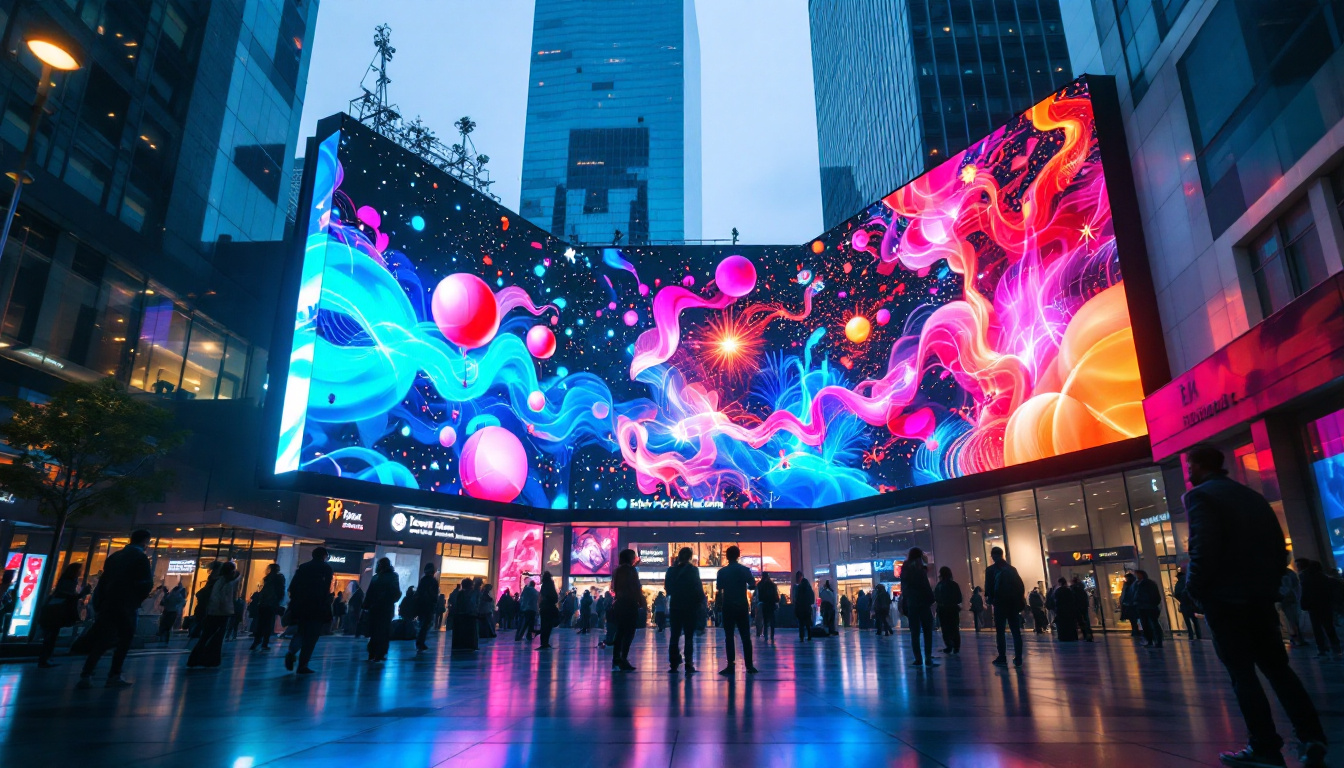
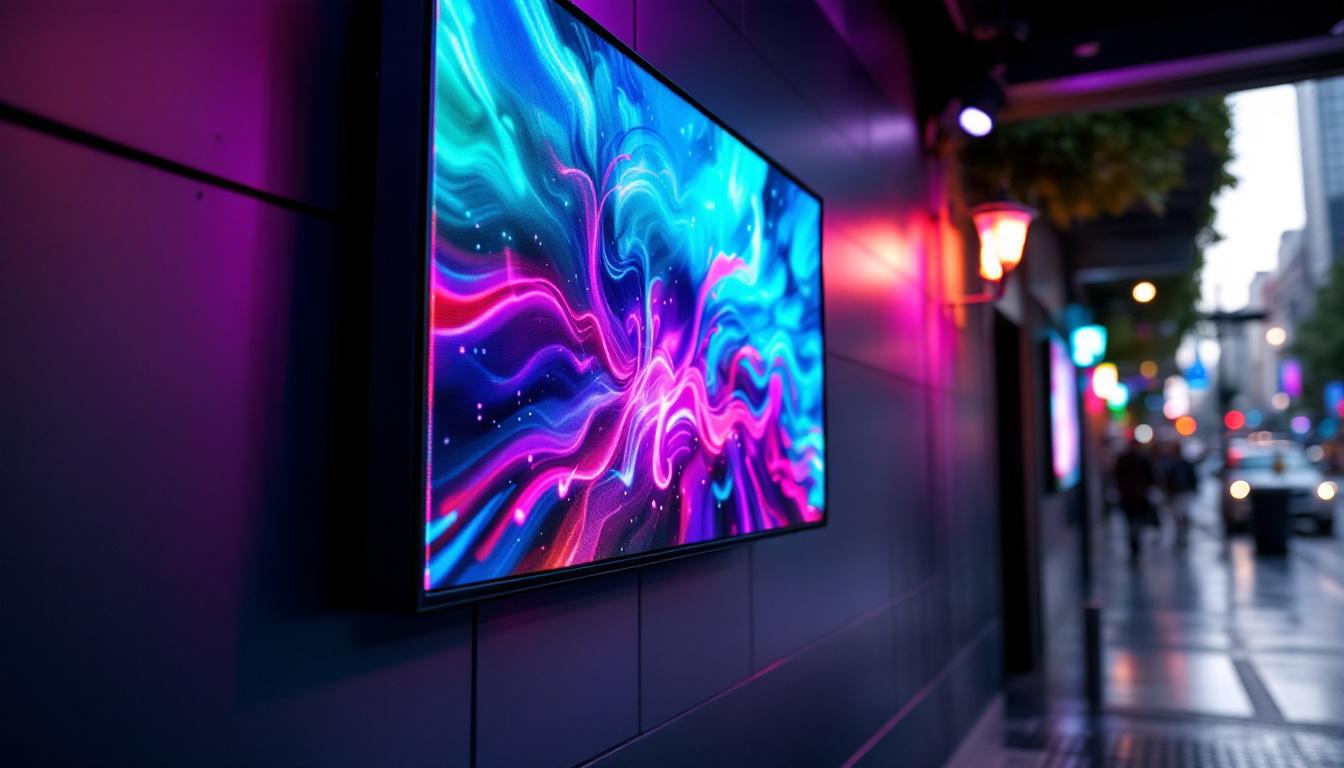
An LED display is a flat panel display that uses light-emitting diodes (LEDs) as pixels to present images, videos, or data. Unlike traditional LCD screens that rely on backlighting, LED displays utilize individual LEDs to emit light directly, resulting in brighter and more vivid visuals. These displays can range from small indoor panels to massive outdoor video walls.
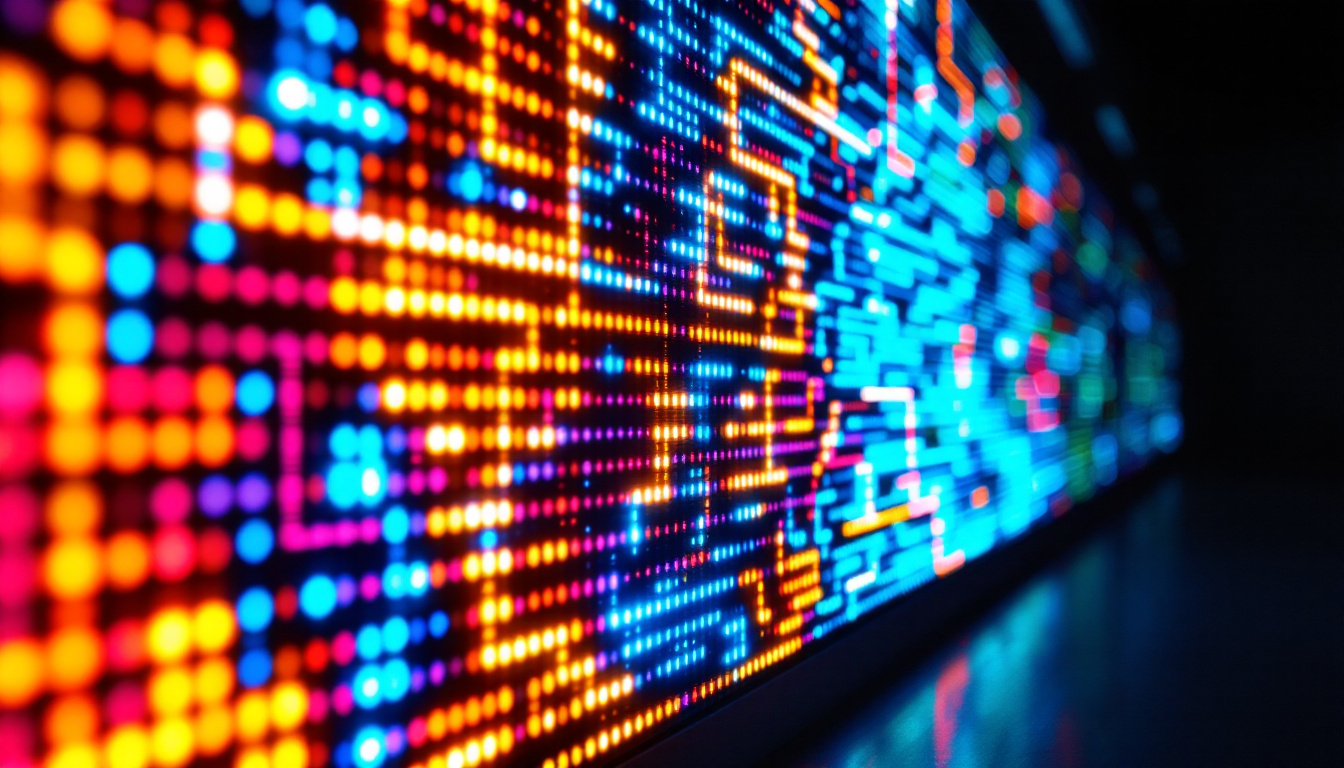
The core component of an LED display is the LED module, which consists of clusters of red, green, and blue LEDs. By adjusting the intensity of each color, the display can produce a full spectrum of colors, creating sharp and dynamic images. This direct emission of light contributes to the high contrast ratios and excellent visibility even in bright daylight conditions. Furthermore, LED technology is energy-efficient, consuming less power compared to conventional display technologies, which not only reduces operational costs but also makes it a more environmentally friendly option.
Types of LED Displays
LED displays come in various forms, primarily categorized by their pixel pitch, which is the distance between the centers of two adjacent LEDs. This measurement significantly impacts the resolution and viewing distance of the display.
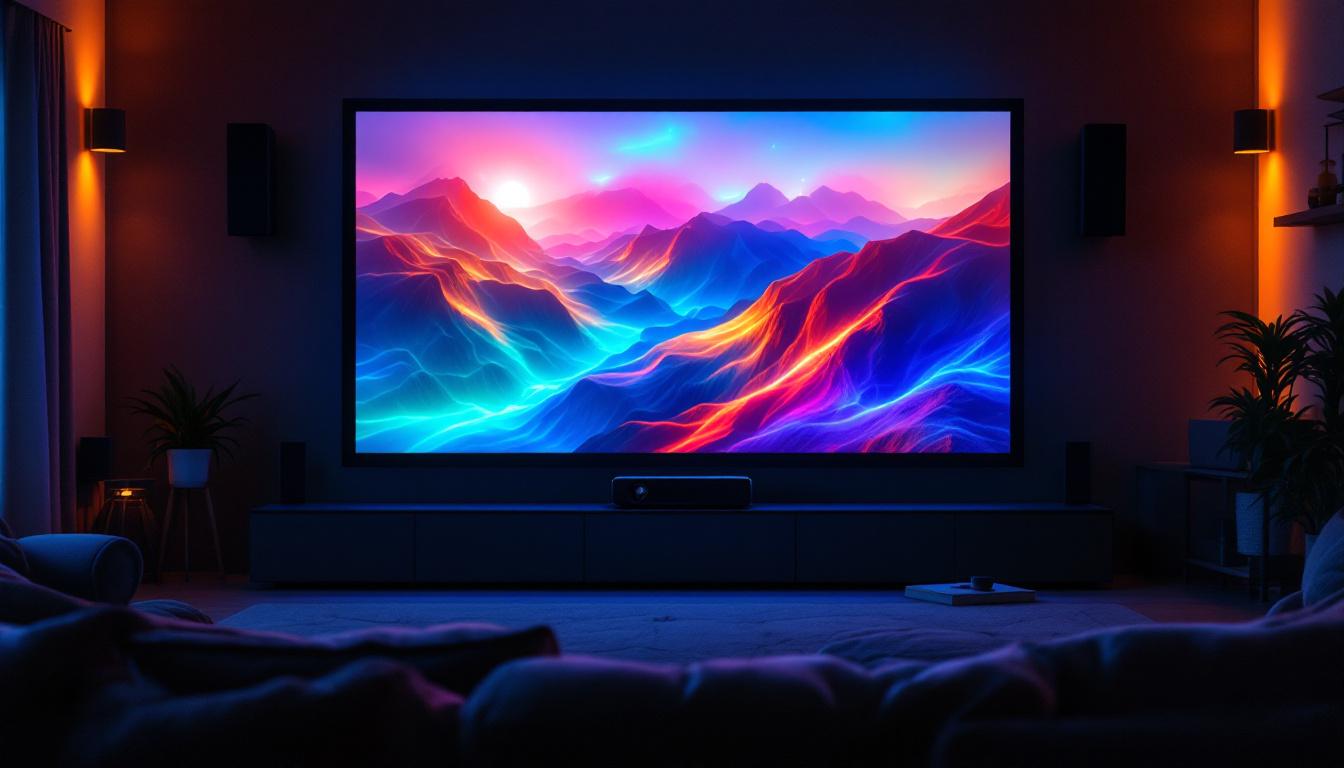
- Indoor LED Displays: These typically have a smaller pixel pitch (ranging from 0.9mm to 4mm), offering high resolution suitable for close viewing distances. They are commonly used in retail stores, conference rooms, and entertainment venues. The vibrant colors and sharp images they produce make them ideal for showcasing promotional content or live events, enhancing customer engagement and experience.
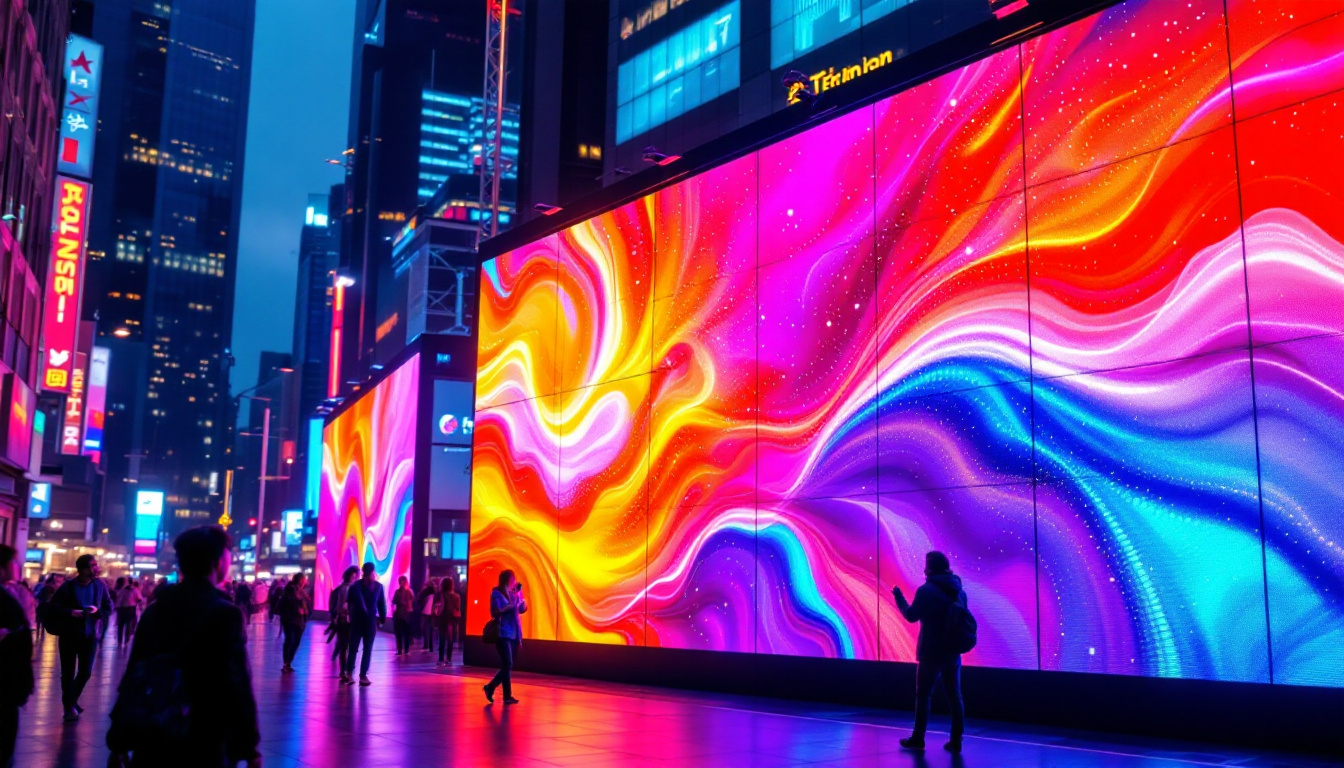
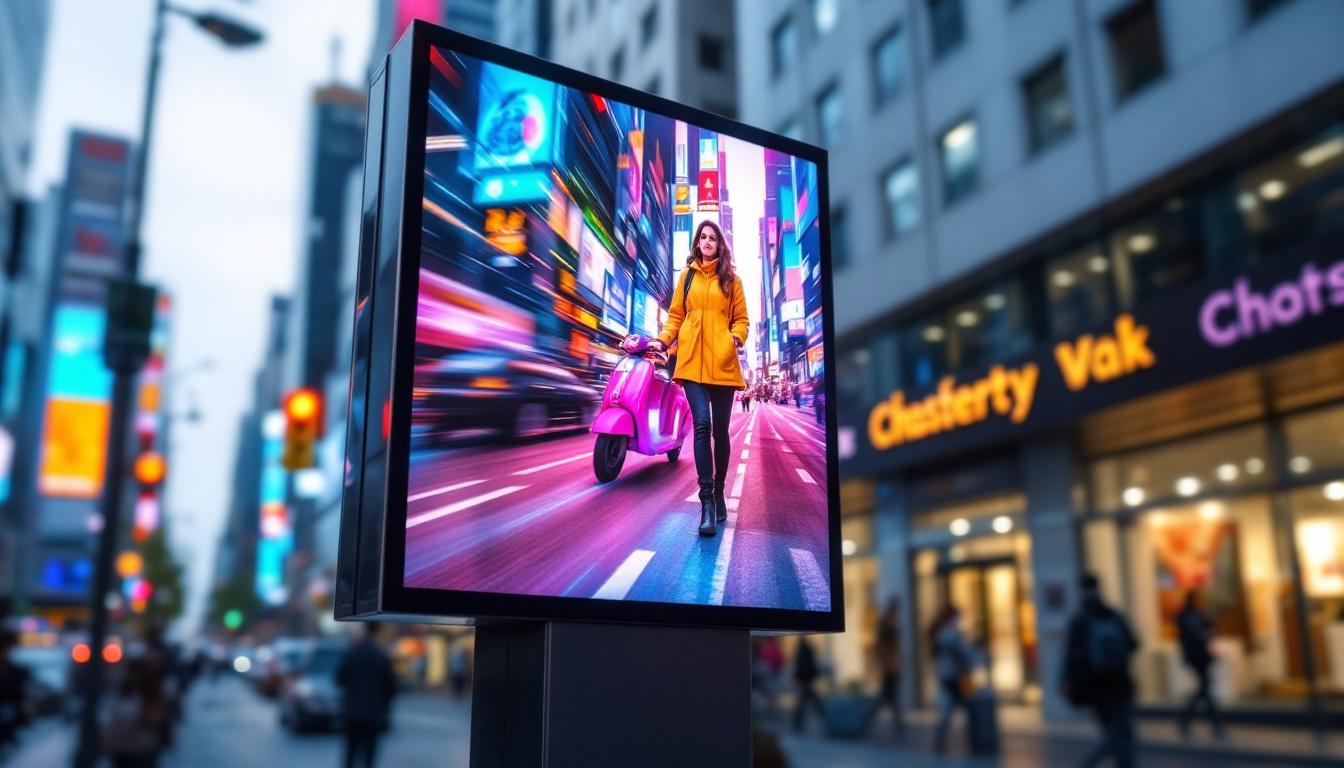
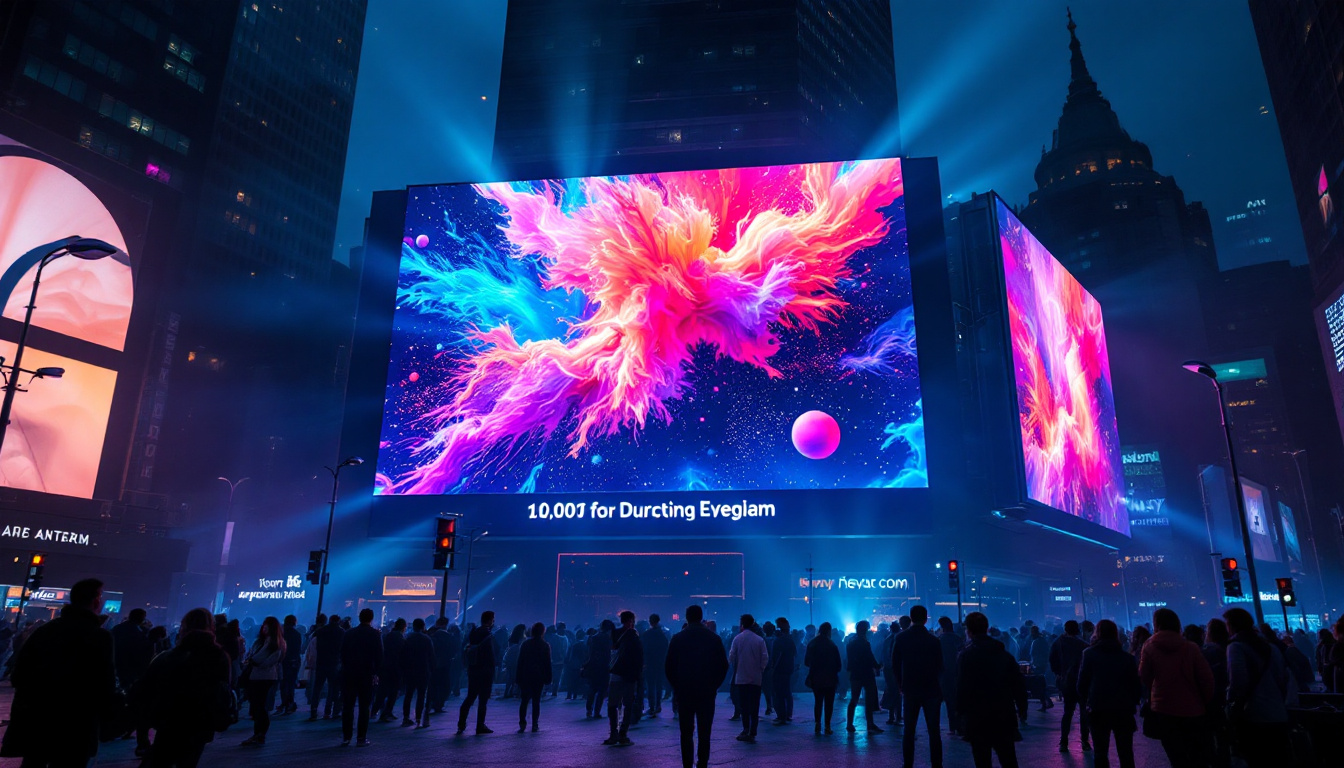
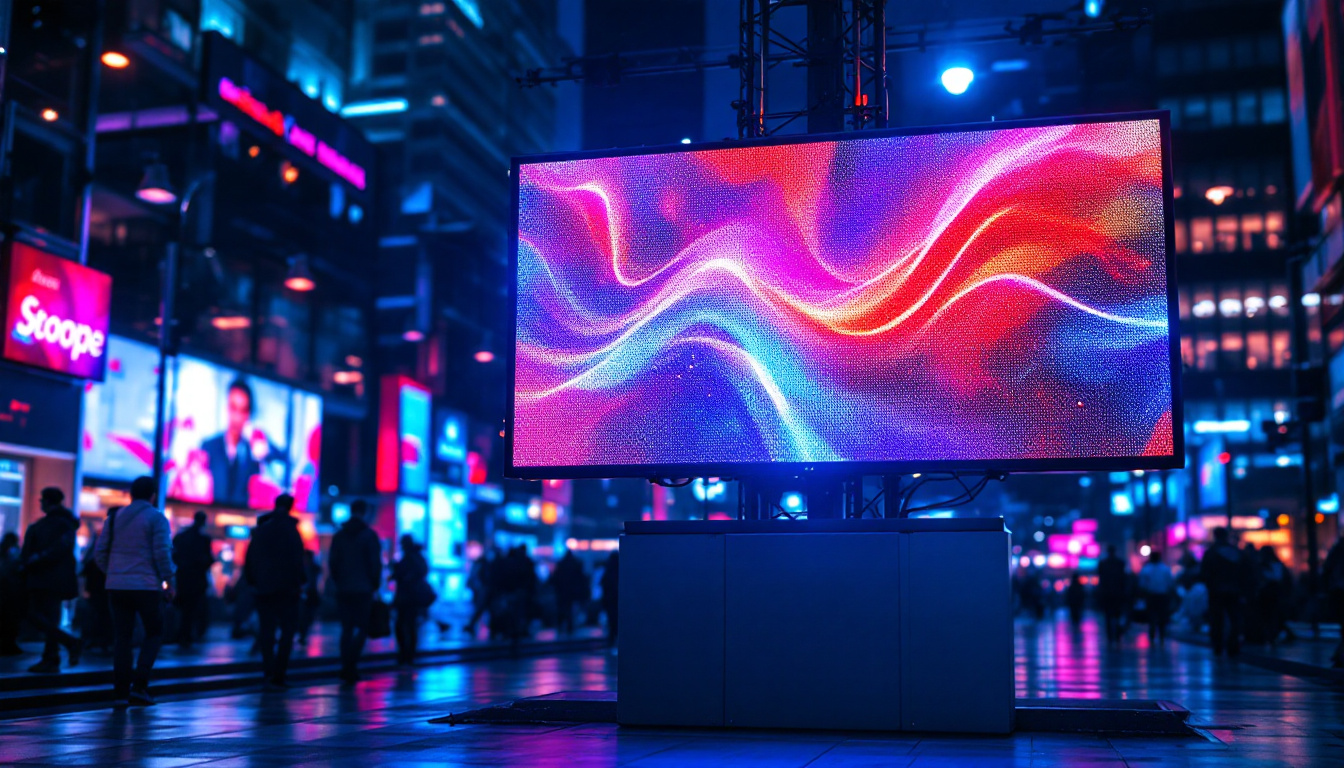
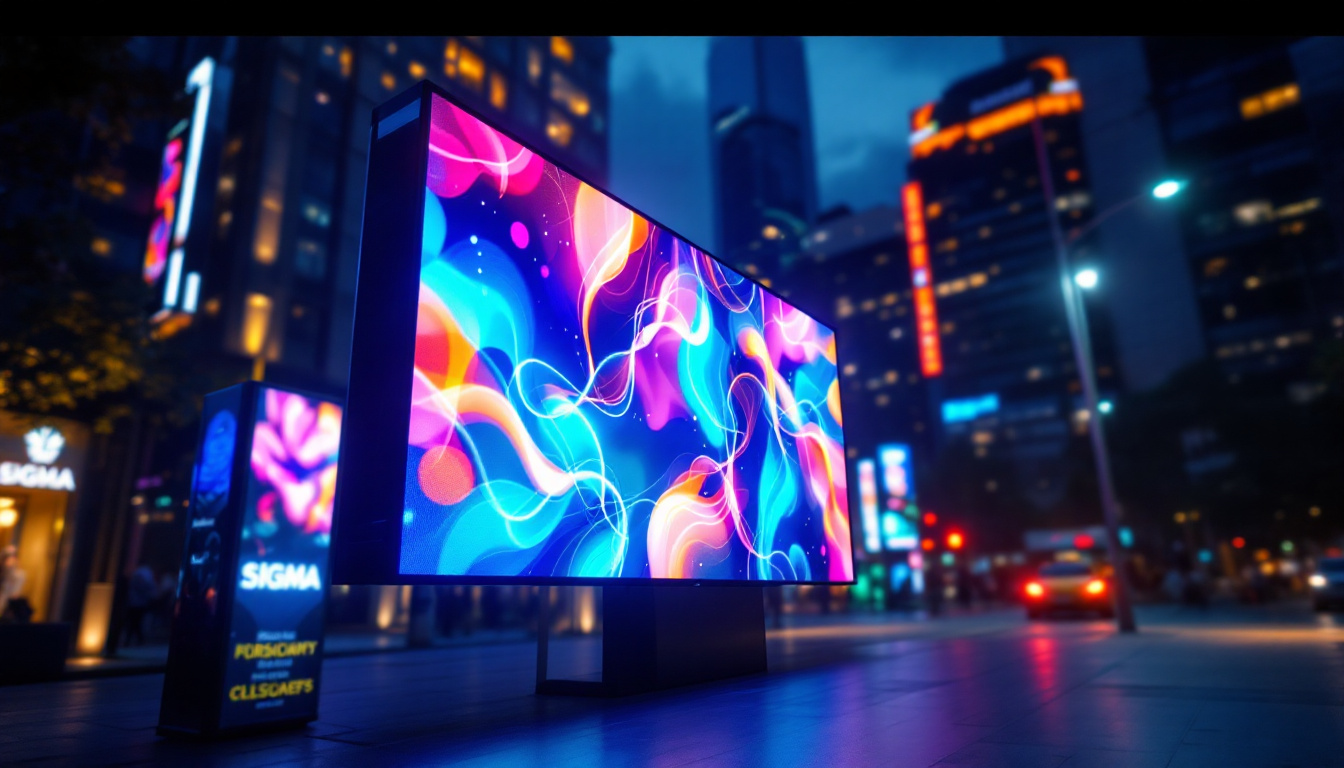
- Outdoor LED Displays: With a larger pixel pitch (often between 4mm and 20mm), outdoor displays prioritize brightness and durability to withstand weather conditions. They are ideal for billboards, stadium screens, and public information displays. These displays often incorporate advanced technologies such as automatic brightness adjustment to ensure visibility in varying light conditions, making them effective for advertising and information dissemination in bustling urban environments.
- Flexible and Transparent LED Displays: Innovations have led to flexible LED panels that can curve around surfaces and transparent LED displays that allow light to pass through, opening new creative possibilities in architecture and design. These types of displays are increasingly being utilized in modern retail environments, allowing for immersive advertising experiences that blend seamlessly into the surroundings, while also maintaining the functionality of the space.
Advantages of LED Displays Over Other Technologies
Brightness and Visibility
One of the most significant benefits of LED displays is their exceptional brightness. LEDs can achieve brightness levels exceeding 5,000 nits, making them visible even in direct sunlight. This feature is especially crucial for outdoor advertising and public information systems where ambient light can be intense. In fact, many cities have begun to adopt LED displays for traffic signals and informational signage, as their visibility can enhance safety and communication in bustling urban environments.
Compared to LCD and projection-based systems, LED displays maintain consistent brightness and color accuracy over time, ensuring that messages remain clear and impactful regardless of environmental conditions. This reliability is particularly important for live events, where the need for real-time updates and vibrant visuals can significantly influence audience engagement. Moreover, the rapid response time of LEDs allows for seamless transitions and animations, further enhancing the viewer’s experience.
Energy Efficiency and Longevity
LED technology is known for its energy efficiency. LEDs consume significantly less power than traditional lighting and display technologies, which translates to lower operating costs. For businesses and municipalities managing large-scale displays, this efficiency can lead to substantial savings. In addition to cost savings, the reduced energy consumption contributes to a smaller carbon footprint, aligning with the growing emphasis on sustainability in modern business practices.
Additionally, LEDs have a long lifespan, often rated between 50,000 to 100,000 hours. This durability reduces maintenance frequency and costs, making LED displays a cost-effective investment over the long term. The extended lifespan also means fewer replacements, which not only saves money but also minimizes waste, making LED technology a more environmentally friendly option. As organizations increasingly prioritize eco-conscious solutions, the longevity of LED displays positions them as a leading choice in the market.
Design Flexibility and Scalability
LED displays can be configured in virtually any size or shape, from small digital signs to massive video walls spanning entire building facades. Their modular design allows for easy scalability, enabling users to expand or reconfigure displays as needed without replacing the entire system. This adaptability is particularly beneficial for businesses that may experience growth or seasonal changes in demand, allowing them to adjust their visual communication strategies effortlessly.
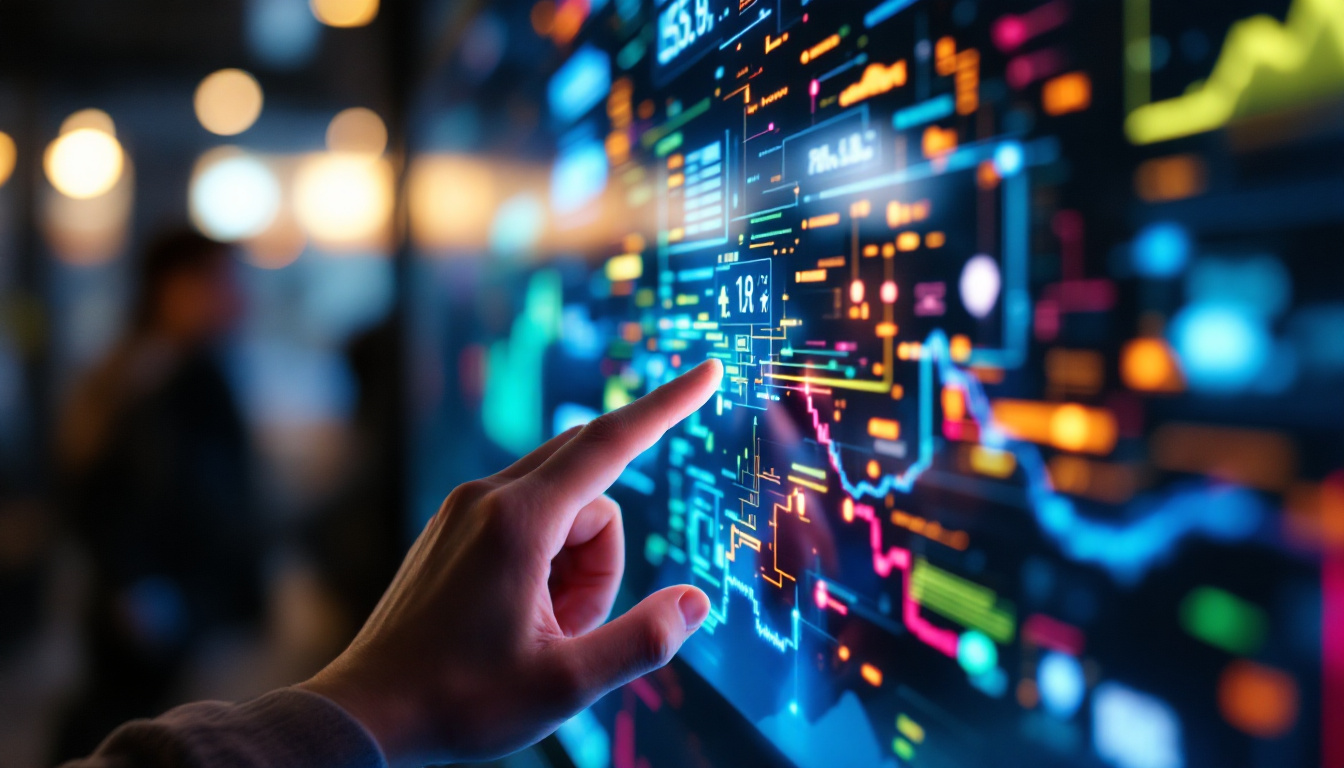
This flexibility is invaluable in environments that require dynamic content presentation or frequent updates, such as retail spaces, transportation hubs, and event venues. The ability to create custom shapes and sizes means that LED displays can fit into unique architectural designs, enhancing the aesthetic appeal of a space while delivering impactful messaging. Furthermore, with advancements in technology, many LED displays now support interactive features, enabling users to engage with content in innovative ways, such as touch screens or augmented reality applications, further enhancing the viewer’s experience and interaction with the display.
Key Considerations When Choosing an LED Display
Pixel Pitch and Resolution
Pixel pitch is arguably the most critical factor in determining the quality of an LED display. A smaller pixel pitch means higher resolution and sharper images, which is essential for indoor displays viewed at close range. Conversely, larger pixel pitches are acceptable for outdoor displays where viewers are farther away.
For example, a pixel pitch of 1.5mm is ideal for indoor applications like control rooms or broadcast studios, while a 10mm pitch might be sufficient for an outdoor billboard viewed from several meters away.
Brightness and Environmental Suitability
The intended environment dictates the required brightness level. Indoor displays usually operate at 800 to 1,500 nits, which is adequate for controlled lighting conditions. Outdoor displays, however, need to reach brightness levels of 5,000 nits or more to remain visible under direct sunlight.
Environmental factors such as temperature extremes, humidity, and exposure to dust or rain also influence the choice of LED display. Outdoor models typically feature weatherproof enclosures and robust cooling systems to ensure reliable operation.
Installation and Maintenance
Proper installation is vital for optimal performance and longevity. LED displays require precise alignment of modules to avoid visual distortions. Additionally, considerations such as mounting structures, access for maintenance, and power supply must be planned carefully.
Maintenance strategies vary depending on the display type and location. Front-access LED panels facilitate easier servicing in tight spaces, while rear-access designs might be preferable for installations with ample backroom space.
Content Management and Control Systems
Modern LED displays are often integrated with sophisticated content management systems (CMS) that allow users to schedule, update, and monitor content remotely. These systems support various media formats and can be programmed to display dynamic content such as live feeds, social media updates, or interactive elements.
Choosing a display with compatible and user-friendly control software enhances operational efficiency and maximizes the display’s impact.
Applications of LED Displays in Various Industries
Advertising and Marketing
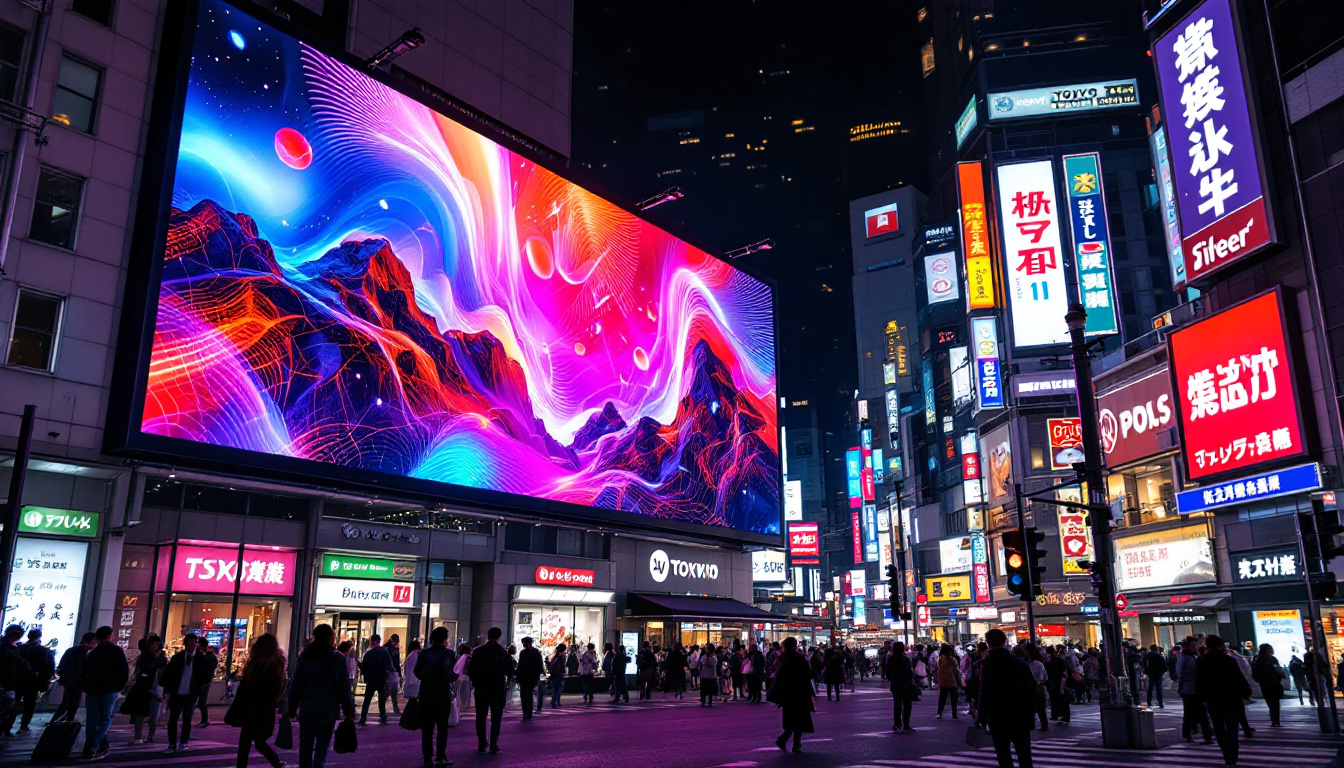
LED billboards and digital signage have revolutionized outdoor advertising by enabling dynamic, eye-catching content that can be updated in real-time. Brands leverage LED displays to capture attention in high-traffic areas, tailoring messages to specific times of day or audience demographics.
According to a 2023 report by Grand View Research, the global digital signage market is projected to reach $31.71 billion by 2028, driven largely by the adoption of LED technology in advertising.
Corporate and Event Spaces
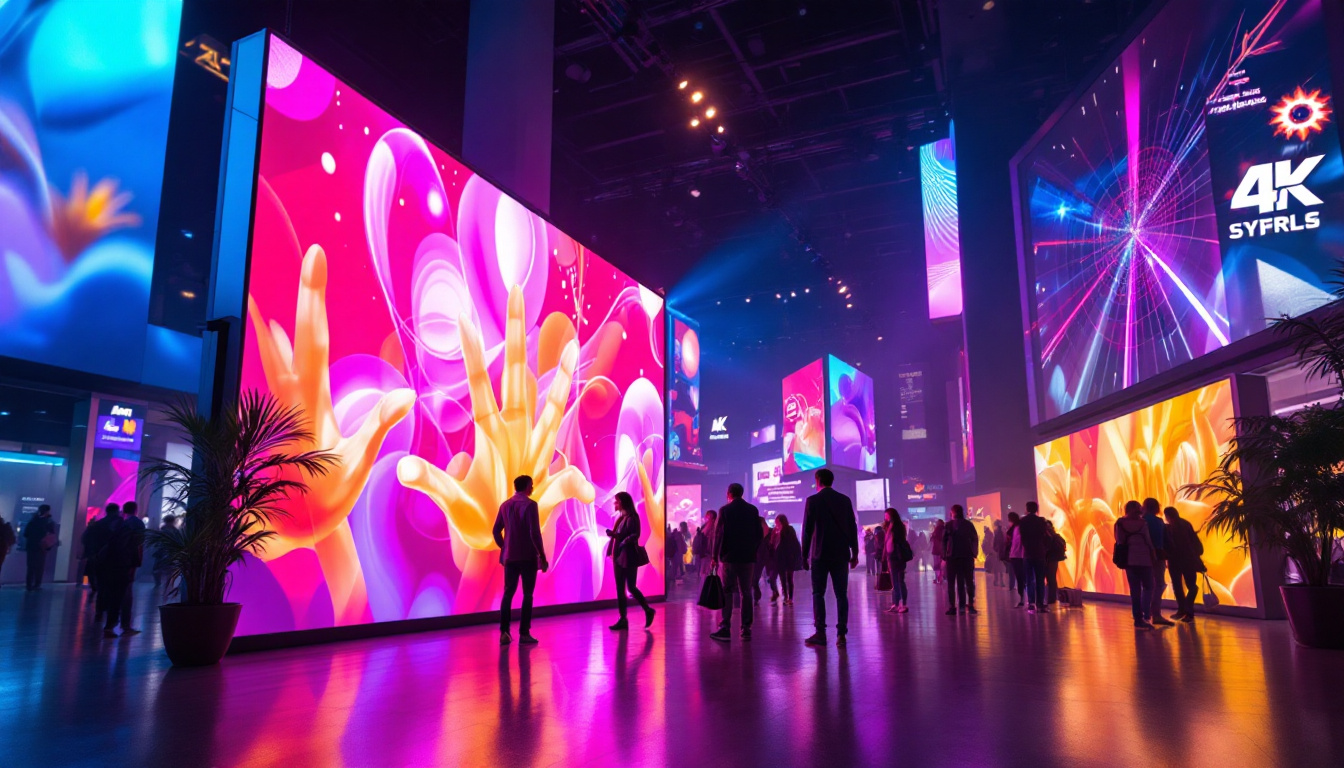
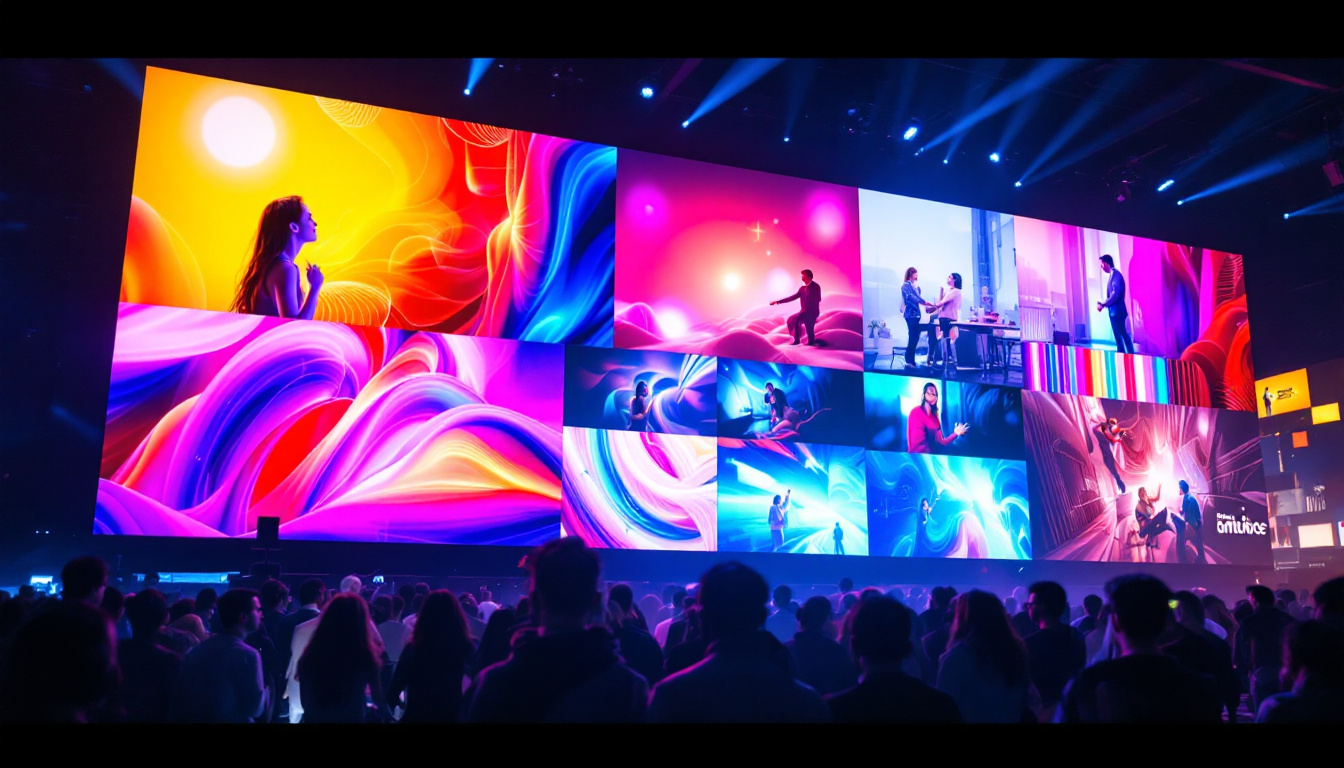
In corporate environments, LED video walls are used for presentations, video conferencing, and immersive experiences. Their high resolution and seamless image quality make them ideal for boardrooms, lobbies, and trade shows.
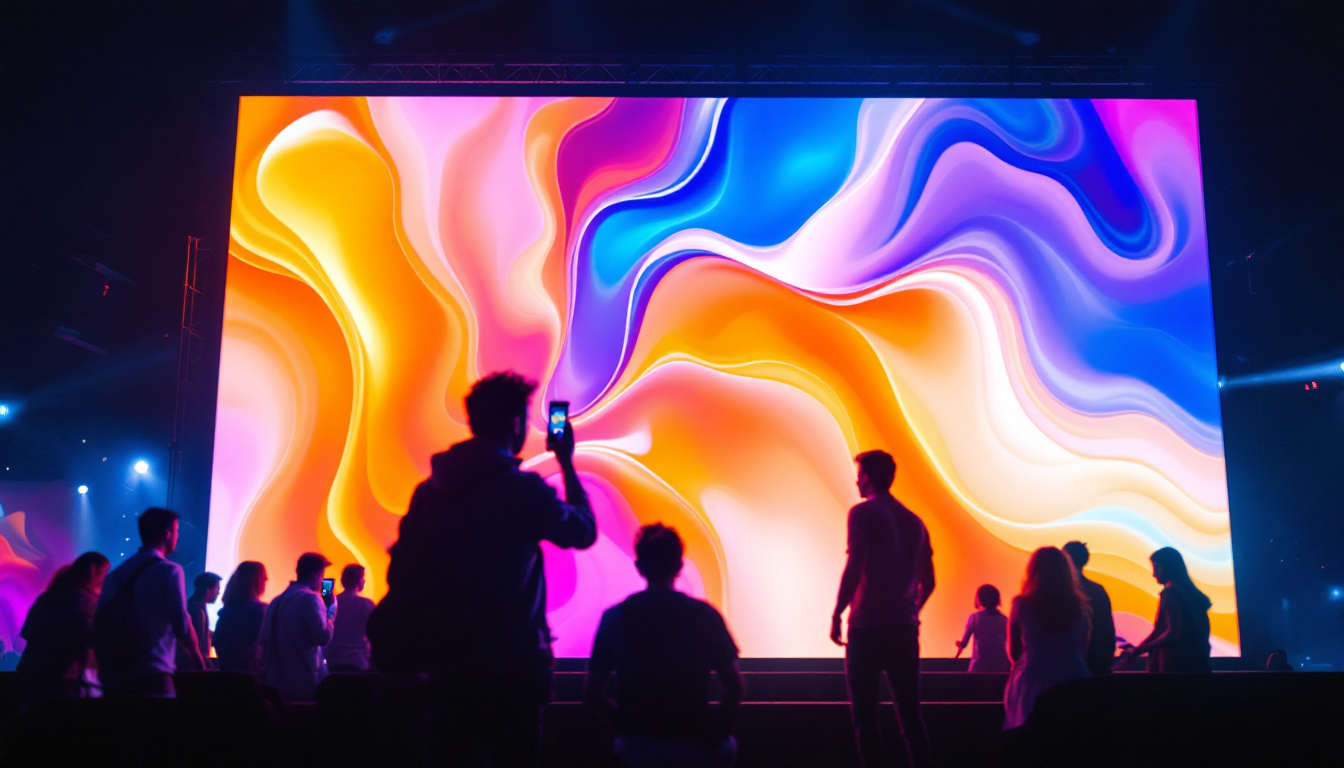
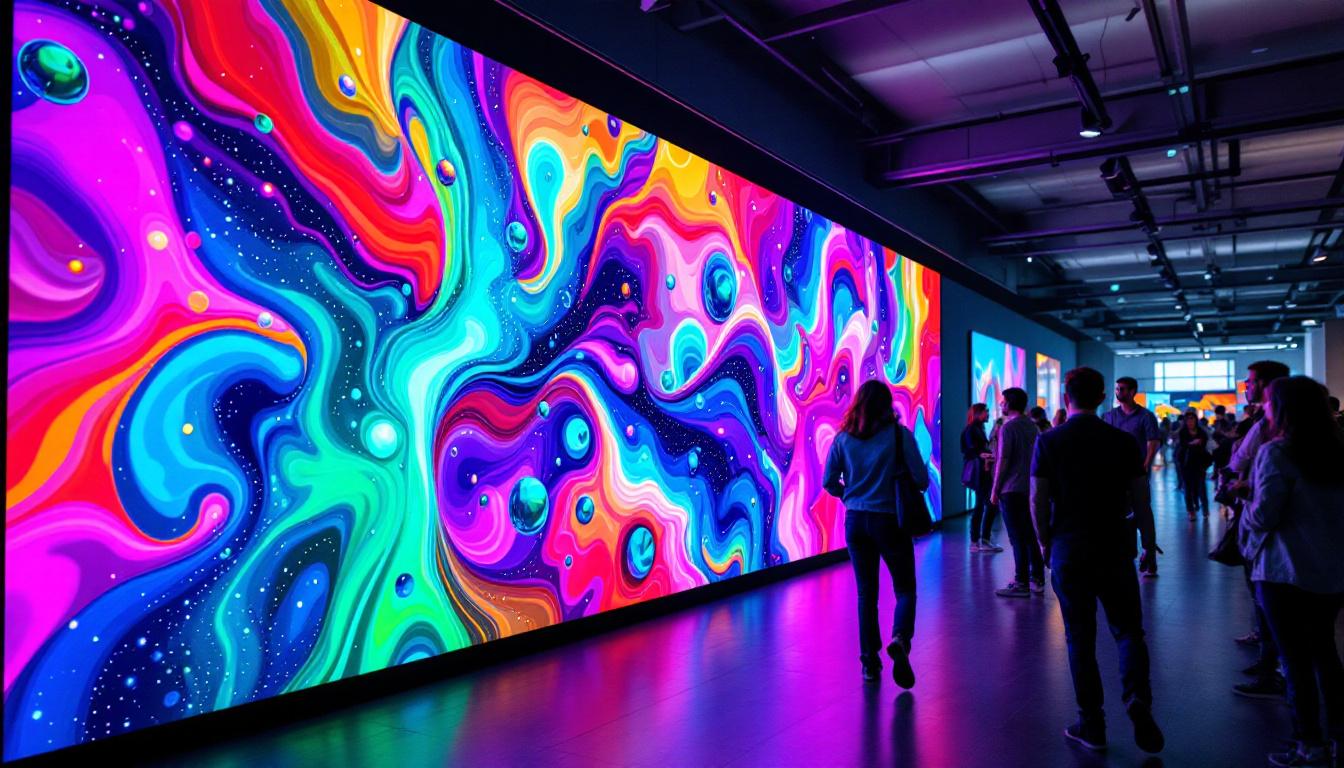
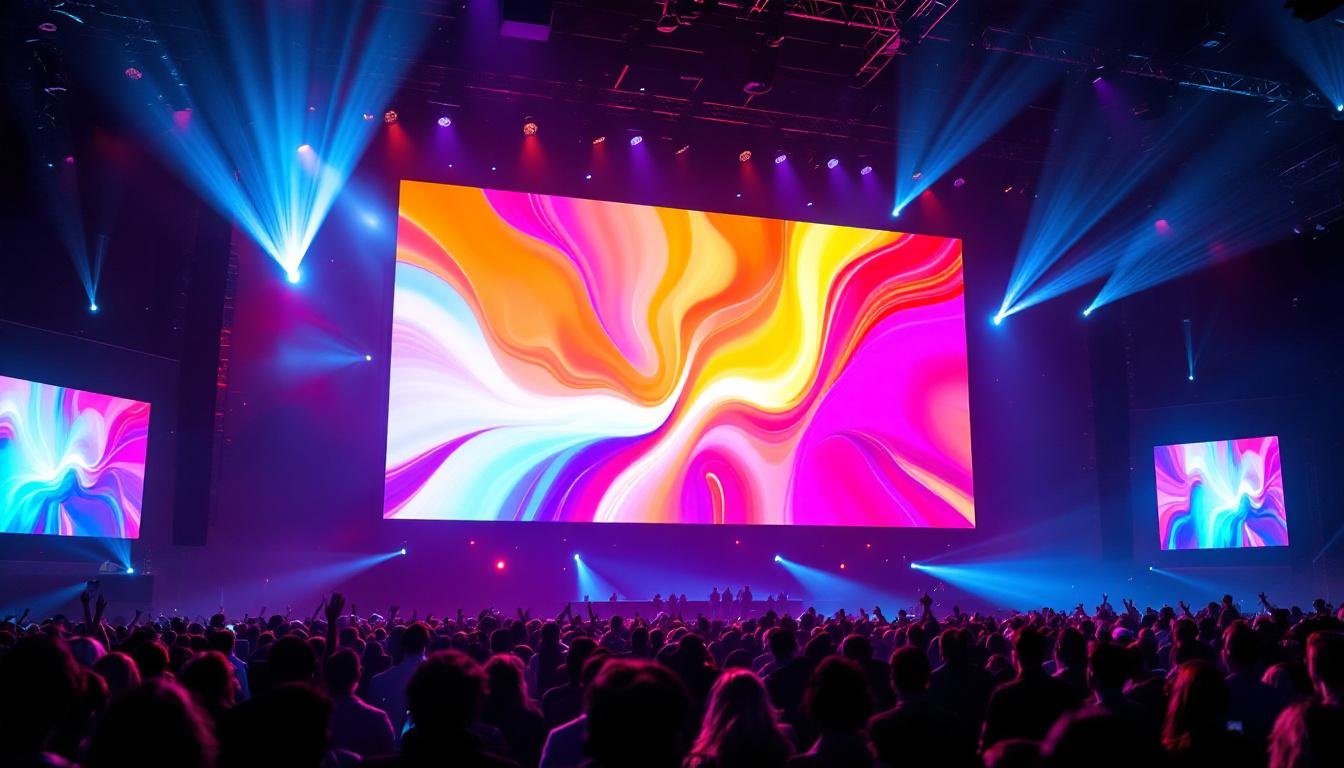
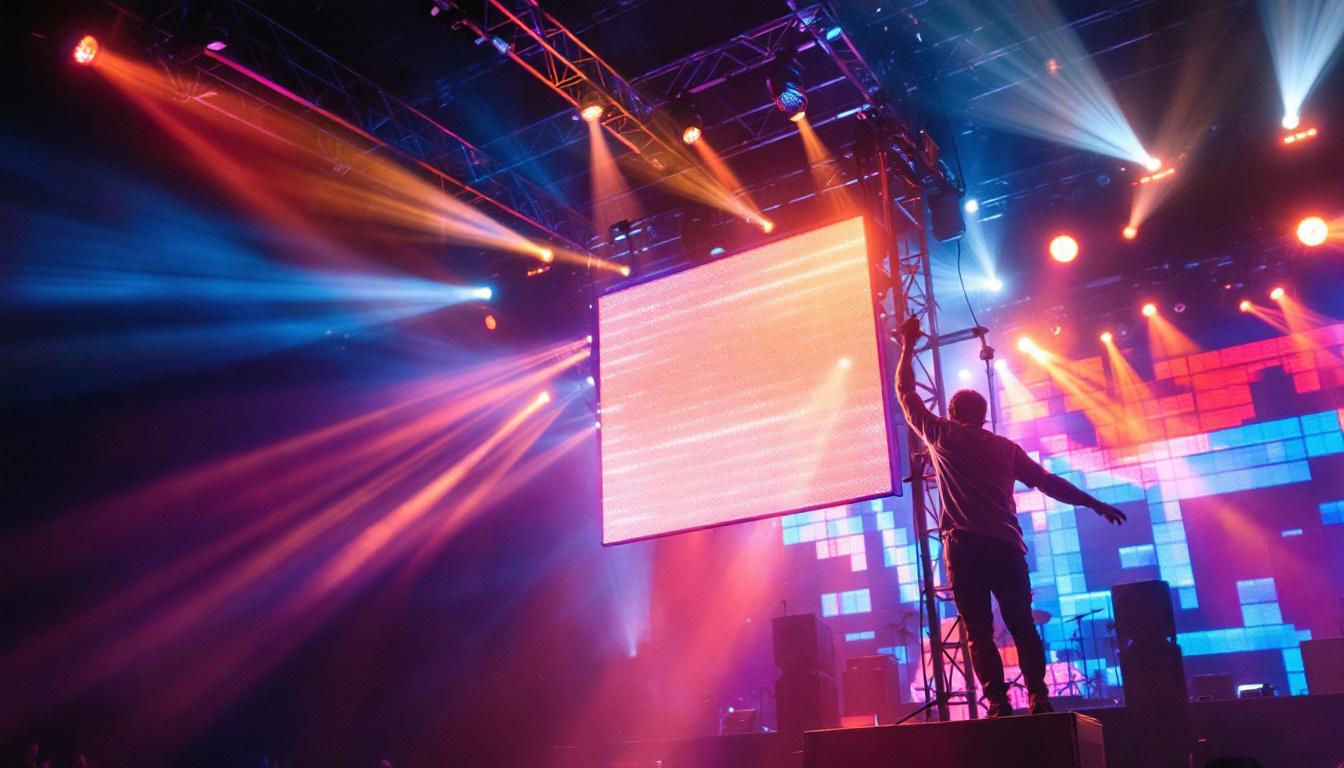
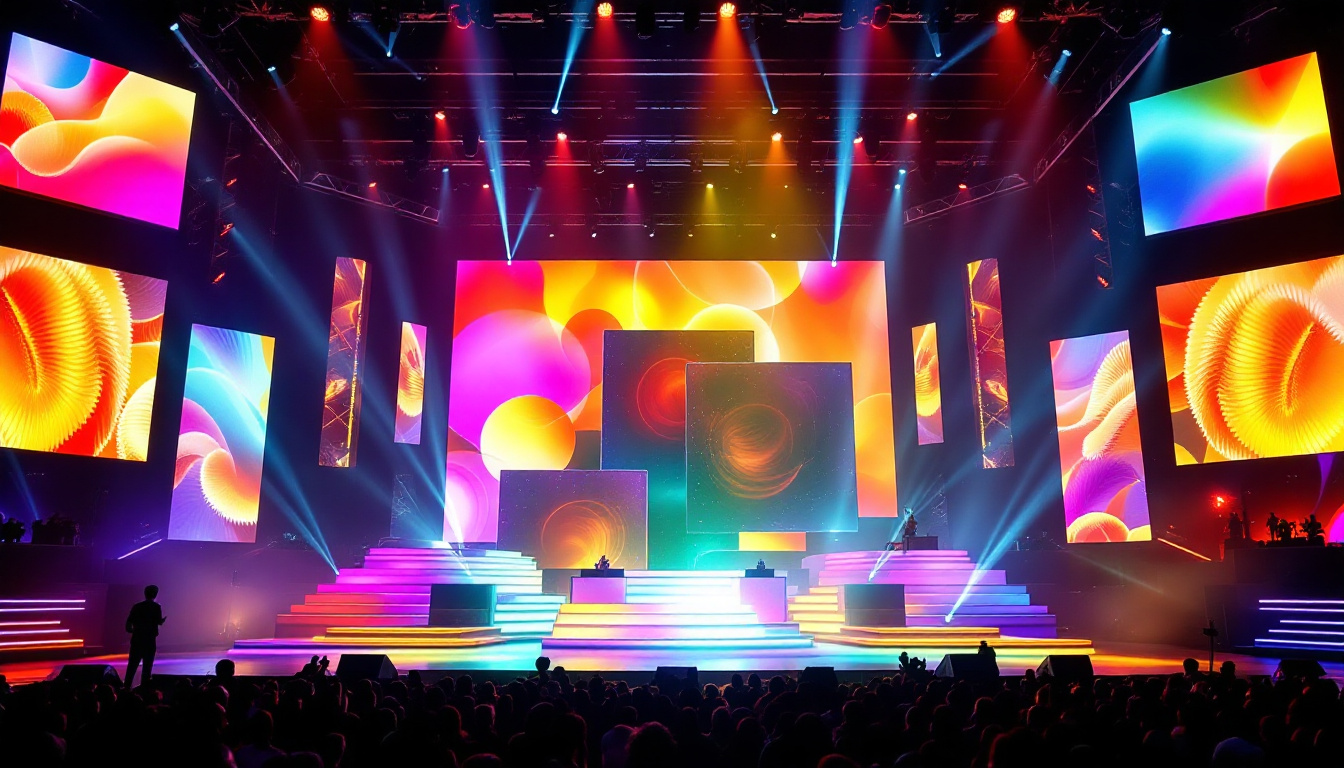
Event organizers utilize LED displays for concerts, sports arenas, and exhibitions to provide large-scale visual content that enhances audience engagement and delivers real-time information.
Transportation and Public Information
Airports, train stations, and bus terminals employ LED displays to convey schedules, alerts, and advertisements. The clarity and brightness of LED technology ensure that critical information is accessible to travelers regardless of lighting conditions.
Smart city initiatives also incorporate LED displays for public safety messages, traffic updates, and community announcements, contributing to more connected and informed urban environments.
Retail and Hospitality
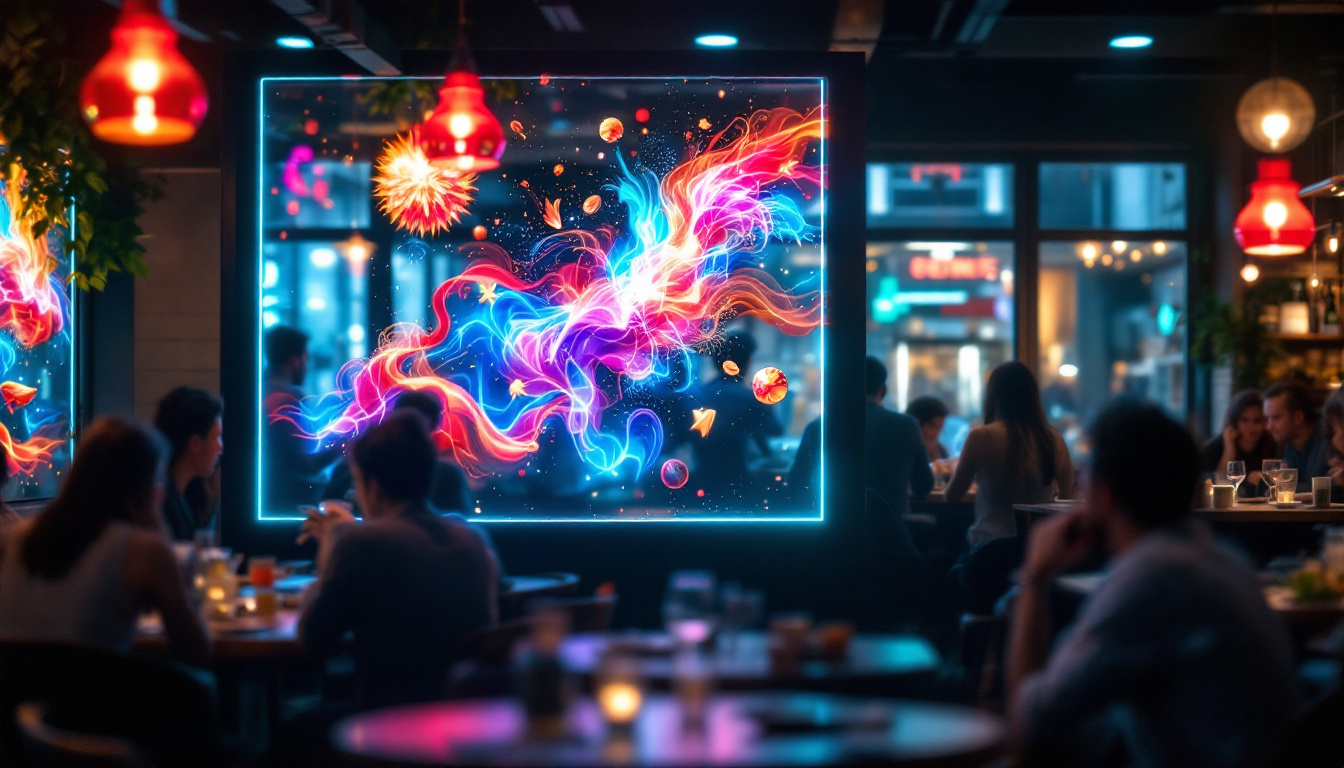
Retailers use LED displays to create dynamic window displays and in-store promotions that attract customers and enhance the shopping experience. Hotels and restaurants deploy LED screens for digital menus, event announcements, and ambient visuals that elevate ambiance.
Future Trends in LED Display Technology
Mini-LED and Micro-LED Innovations
Emerging technologies like Mini-LED and Micro-LED promise even greater resolution, contrast, and energy efficiency. Mini-LEDs use thousands of tiny LEDs for backlighting, improving brightness and color accuracy in LCD displays. Micro-LEDs, on the other hand, are self-emissive like traditional LEDs but on a microscopic scale, enabling ultra-high-definition displays with exceptional durability.
These advancements are expected to drive the next generation of LED displays across consumer electronics, automotive dashboards, and large-scale installations.
Integration with IoT and AI
Integration with Internet of Things (IoT) devices and artificial intelligence (AI) is transforming LED displays into smart, interactive platforms. AI-powered content management can optimize display content based on audience behavior, time of day, or environmental conditions, enhancing relevance and engagement.
IoT connectivity enables remote diagnostics and predictive maintenance, reducing downtime and operational costs.
Sustainability and Eco-Friendly Designs
As environmental concerns grow, manufacturers are focusing on sustainable LED display solutions. This includes using recyclable materials, reducing power consumption, and designing displays for easier disassembly and recycling at the end of their lifecycle.
Energy-efficient LED technology aligns well with corporate social responsibility goals and regulatory requirements aimed at reducing carbon footprints.
Conclusion
LED displays have transformed the way businesses, governments, and individuals communicate visually. Their superior brightness, flexibility, and energy efficiency make them the preferred choice for a wide range of applications. Understanding the technical aspects, advantages, and practical considerations of LED displays is essential for making informed decisions that maximize their impact and return on investment.
As technology continues to advance, LED displays will become even more integrated, intelligent, and sustainable, opening new horizons for visual communication and engagement.
Discover LumenMatrix’s Innovative LED Display Solutions
Ready to elevate your visual communication strategy with superior LED technology? LumenMatrix offers a comprehensive range of LED display solutions tailored to meet your needs. Whether you’re looking for Indoor LED Wall Displays, Outdoor LED Wall Displays, or specialized options like Vehicle LED Displays, LED Sports Displays, and Custom LED Displays, LumenMatrix has the cutting-edge products to bring your vision to life. Experience the future of digital signage with our All-in-One LED Displays and LED Transparent Displays, designed to captivate your audience and amplify your message. Check out LumenMatrix LED Display Solutions today and see how we can transform your space with clarity and impact.