Wall With TV Design: LED Display Explained
In the modern world of interior design and home entertainment, the integration of television screens into living spaces has evolved far beyond simply mounting a TV on the wall. The rise of LED display technology has transformed how we think about wall-mounted TVs, offering sleek, customizable, and immersive viewing experiences. This article explores the nuances of wall with TV design, focusing on LED displays — what they are, why they matter, and how they can be seamlessly incorporated into contemporary interiors.
Understanding LED Display Technology
LED, or Light Emitting Diode, displays have become the standard for high-quality television screens and digital signage. Unlike traditional LCD panels that rely on fluorescent backlighting, LED TVs use tiny light-emitting diodes to illuminate the screen, resulting in brighter images, better contrast, and improved energy efficiency.
One of the key advantages of LED displays is their ability to produce vibrant colors and deep blacks, which significantly enhances picture quality. This is especially important in home theater setups or living rooms where image clarity and color accuracy are paramount. Additionally, LED technology supports various resolutions, including 4K and even 8K, catering to the growing demand for ultra-high-definition content. The transition to LED displays also coincides with advancements in content creation, as filmmakers and game developers increasingly produce content that takes full advantage of these high-resolution capabilities, leading to a more immersive viewing experience for audiences.
Types of LED Displays Used in TVs
There are several types of LED display technologies used in TVs, each with unique characteristics:
- Edge-Lit LED: LEDs are positioned around the edges of the screen, allowing for thinner panels but sometimes resulting in uneven brightness.
- Full-Array LED: LEDs are placed directly behind the screen in a grid, providing more uniform backlighting and better contrast control.
- Mini-LED: A newer innovation where thousands of tiny LEDs replace traditional backlights, offering superior local dimming and enhanced HDR performance.
- Micro-LED: An emerging technology that uses microscopic LEDs to form individual pixels, promising exceptional brightness and color accuracy with longer lifespan.
Understanding these variations helps consumers and designers choose the right LED display for their specific needs and design goals. Furthermore, as the technology continues to evolve, we see the introduction of features such as smart connectivity and integration with home automation systems, allowing users to control their displays seamlessly with voice commands or mobile apps. This integration not only enhances user experience but also opens up new possibilities for interactive advertising and dynamic content delivery in commercial settings, making LED displays a versatile choice for both personal and professional use.
The Role of LED Displays in Wall-Mounted TV Design
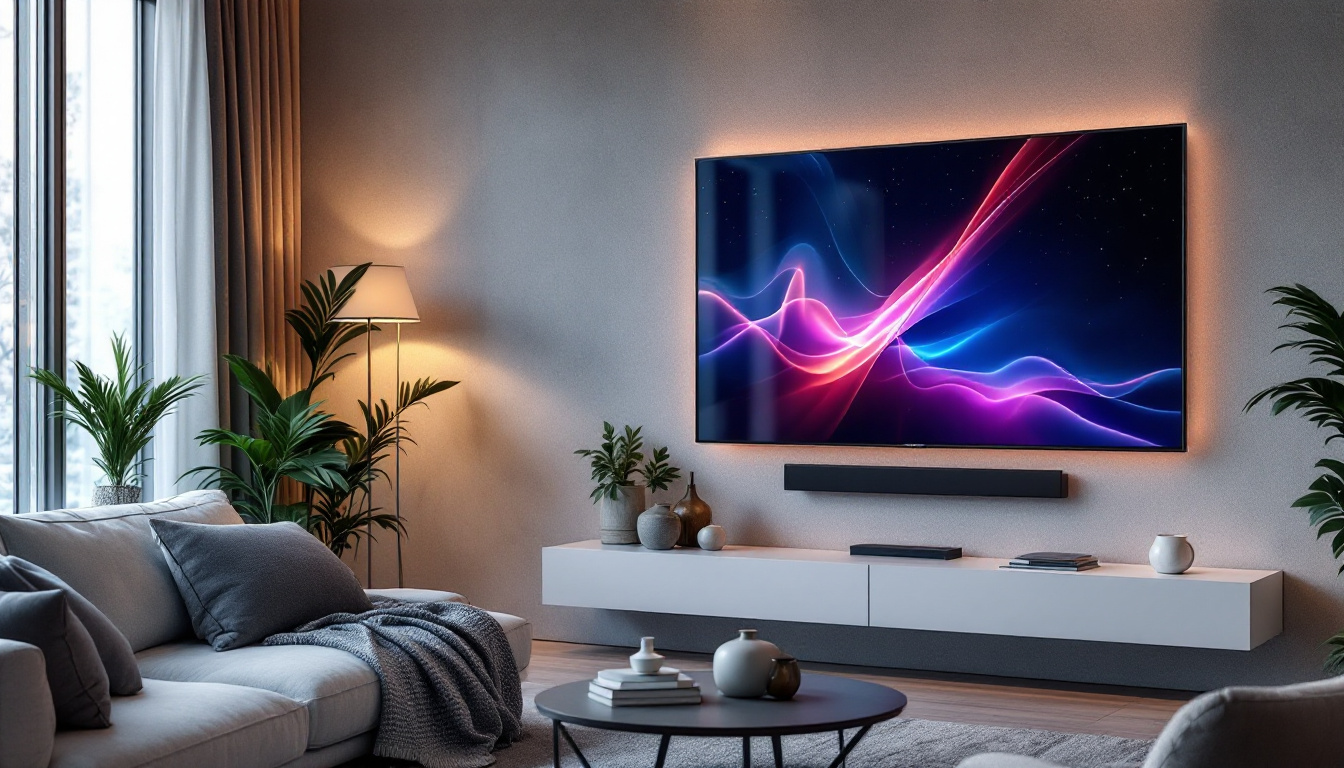
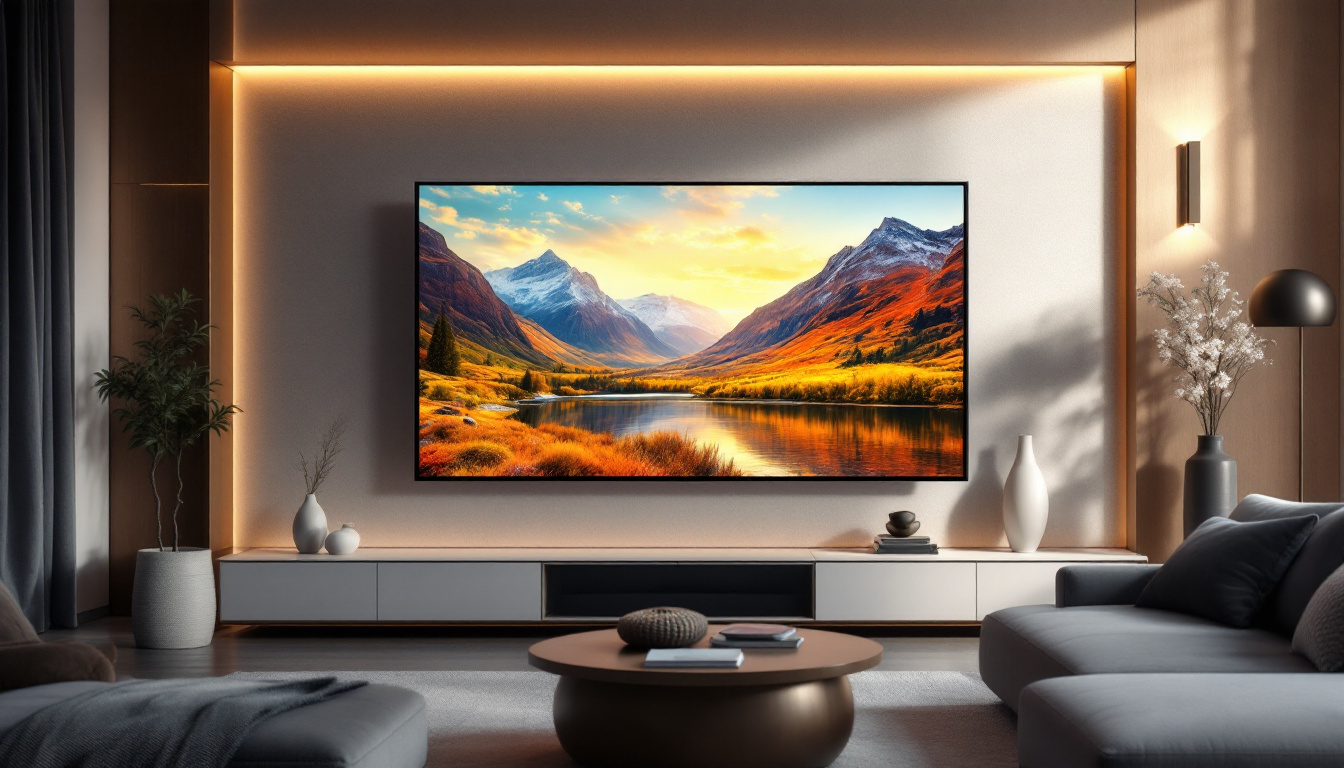
Wall-mounted TVs have become a staple in modern homes, not only for their space-saving benefits but also for their aesthetic appeal. LED displays complement this trend perfectly due to their slim profiles and versatile installation options.
When integrating an LED TV into a wall design, several factors come into play:
1. Slim and Sleek Profiles
LED TVs are notably thinner than older plasma or LCD models, allowing them to sit flush against the wall. This creates a minimalist look that blends seamlessly with various interior styles, from contemporary to industrial. The slim design also reduces the need for bulky cabinetry or stands, freeing up space and enhancing room flow. Furthermore, the lightweight nature of LED displays makes installation easier and less invasive, allowing homeowners to enjoy their entertainment setup without the hassle of heavy lifting or complex mounting systems.
2. Customizable Screen Sizes and Shapes
LED technology enables manufacturers to produce screens in a wide range of sizes, from compact 32-inch models suitable for bedrooms to massive 85-inch displays ideal for home theaters. Some brands even offer modular LED panels that can be configured into custom shapes and sizes, opening new possibilities for creative wall designs. This adaptability allows homeowners to tailor their viewing experience to their specific needs, whether they prefer a traditional rectangular screen or a more avant-garde arrangement that fits their unique space. Additionally, the ability to create a multi-screen setup can enhance entertainment options, making it perfect for gaming or sports viewing parties.
3. Enhanced Viewing Angles and Brightness
LED displays generally provide wide viewing angles and high brightness levels, making them suitable for rooms with varying lighting conditions. This ensures that the TV remains visible and vibrant whether the room is dimly lit or flooded with natural light. The technology behind LED displays also minimizes glare, allowing viewers to enjoy their favorite shows and movies without distraction. Moreover, advancements in LED technology, such as local dimming and HDR (High Dynamic Range), further enhance picture quality, delivering deeper blacks and brighter whites that create a more immersive viewing experience. As a result, LED TVs not only serve as a focal point in a room but also elevate the overall ambiance and enjoyment of the space.
Design Considerations for Wall With TV Featuring LED Displays
Integrating an LED TV into a wall design requires thoughtful planning to optimize both functionality and aesthetics. Several design elements should be considered to create a harmonious and practical setup.
Wall Material and Mounting Solutions
The type of wall material—whether drywall, concrete, or brick—affects the mounting hardware and installation process. LED TVs are lightweight compared to older models, but securely anchoring the mount is essential to prevent accidents. Professional installation is often recommended to ensure safety and proper alignment.
Concealing Cables and Components
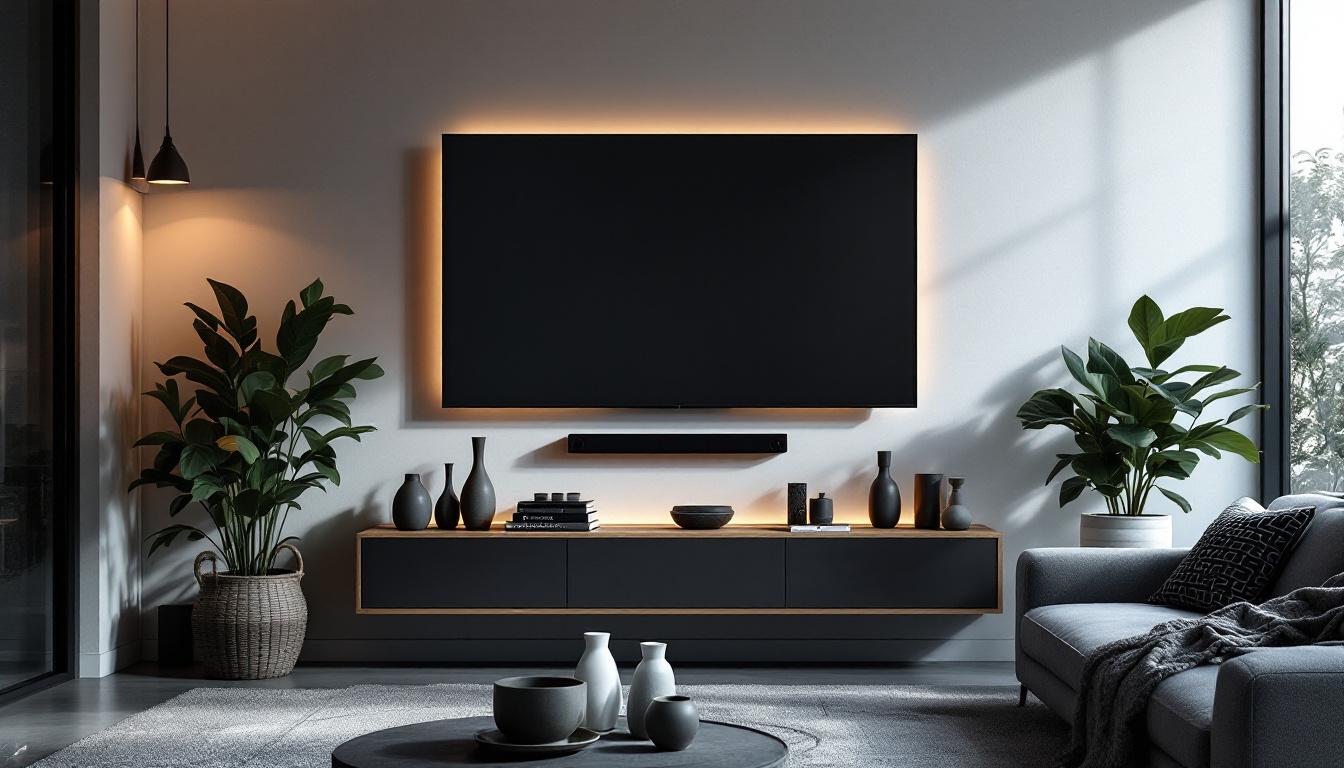
One of the biggest challenges in wall-mounted TV design is hiding unsightly cables, power cords, and peripheral devices such as soundbars or streaming boxes. Modern LED TV setups often incorporate in-wall cable management systems or use decorative panels and cabinetry to keep everything tidy. Wireless solutions for audio and streaming can also reduce clutter.
Lighting Integration
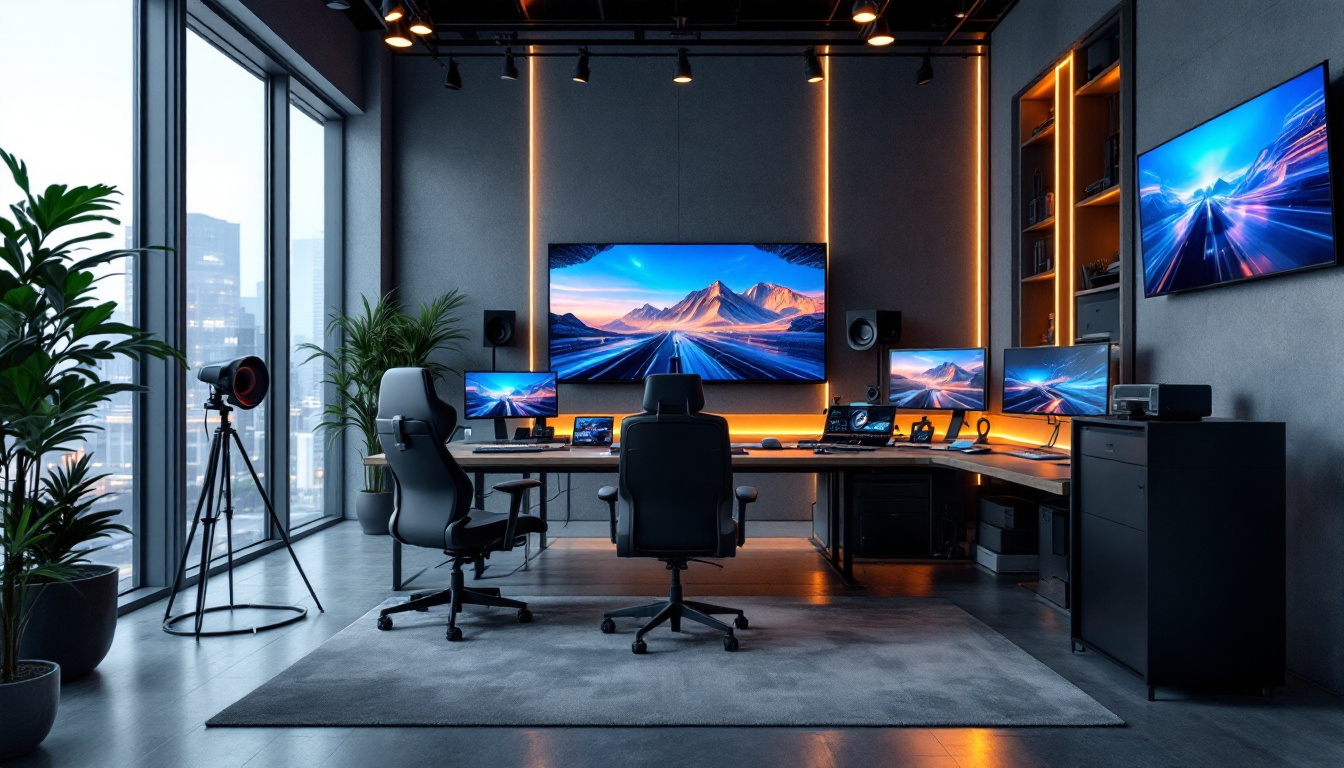
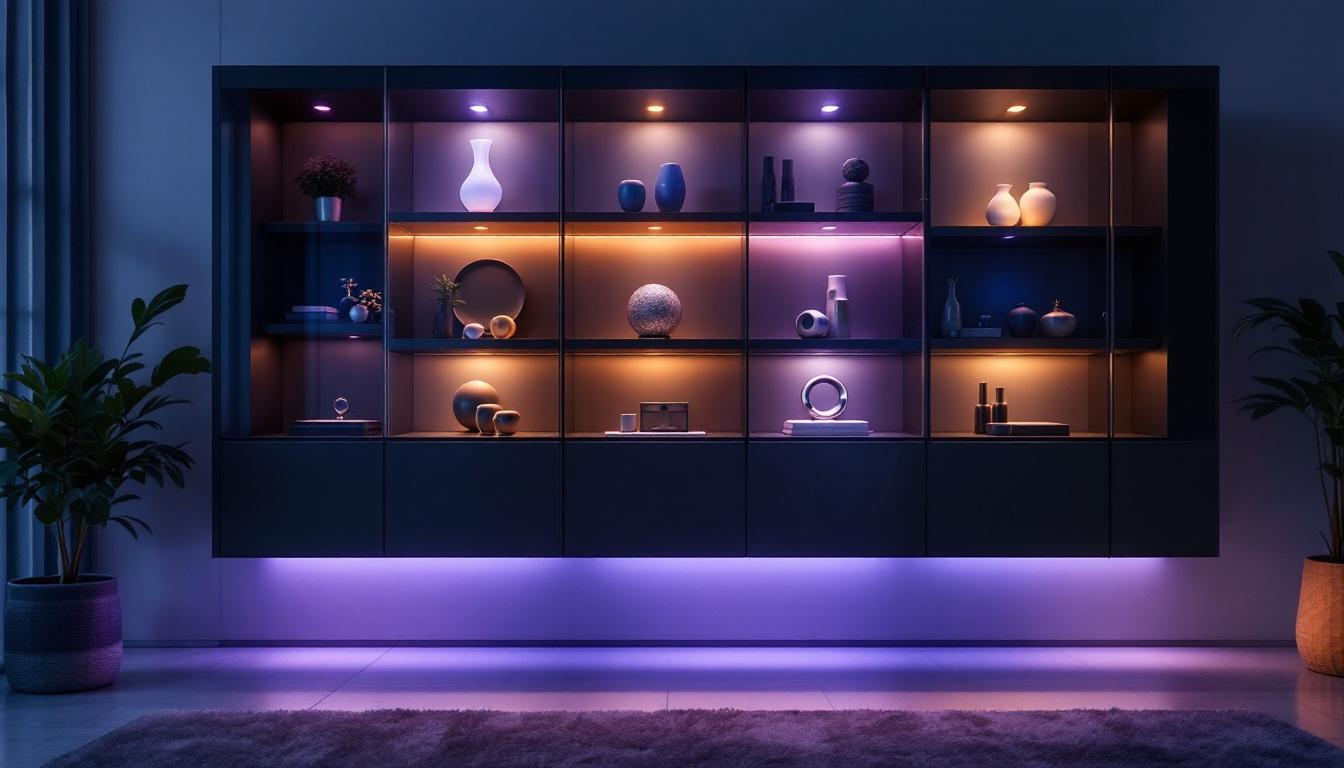
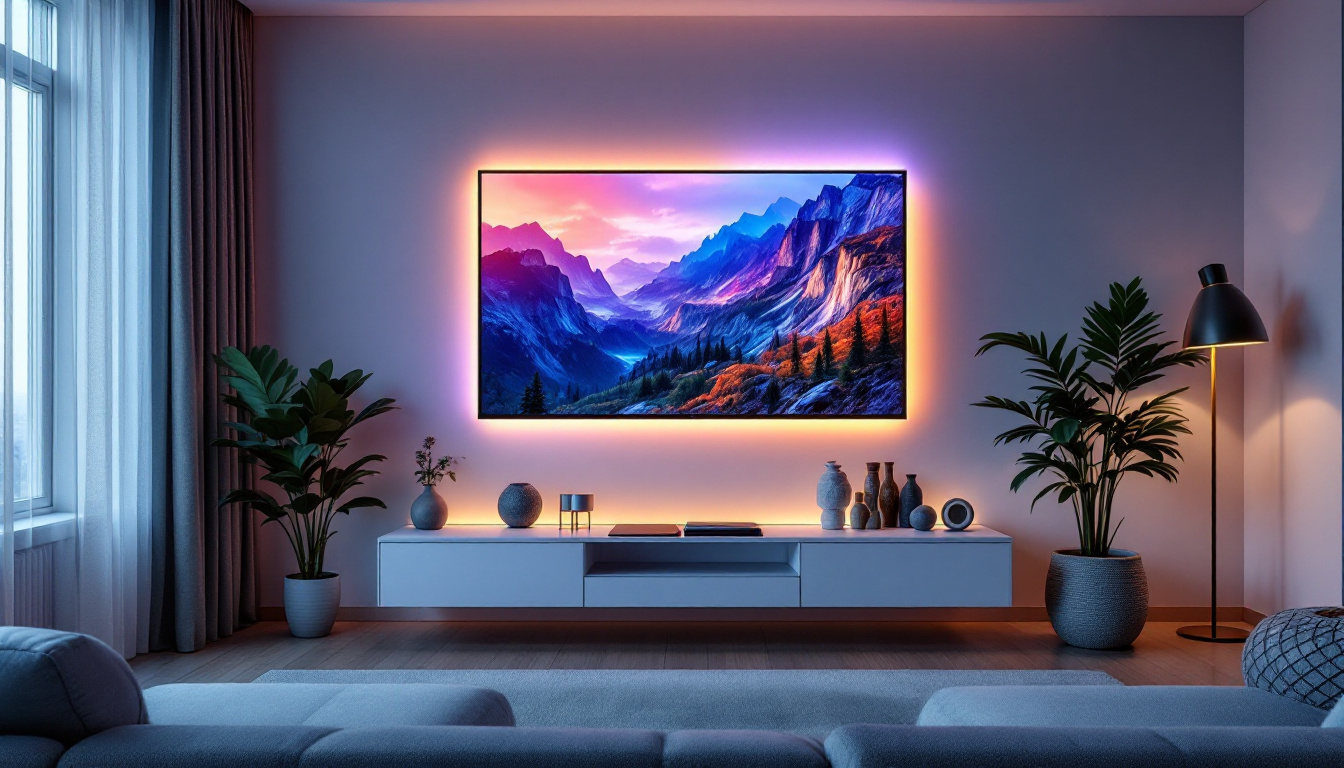
Ambient lighting around the TV can enhance the viewing experience and add a dramatic effect to the wall design. LED strip lights installed behind the TV or within shelving units can provide bias lighting that reduces eye strain and accentuates the TV as a focal point. Smart lighting systems can even synchronize with the content on the screen for immersive effects.
Complementary Furniture and Decor
The wall with TV design should harmonize with the room’s overall decor. Floating shelves, media consoles, and built-in cabinetry can provide storage and display space without overwhelming the sleekness of the LED TV. Materials like wood, metal, or glass can be chosen to complement the screen’s finish and the room’s color palette.
Innovative LED Display Applications Beyond Traditional TVs
LED technology is not limited to conventional television screens. Its versatility has led to innovative applications that redefine how TVs are integrated into walls and living spaces.
Video Walls and Modular LED Panels
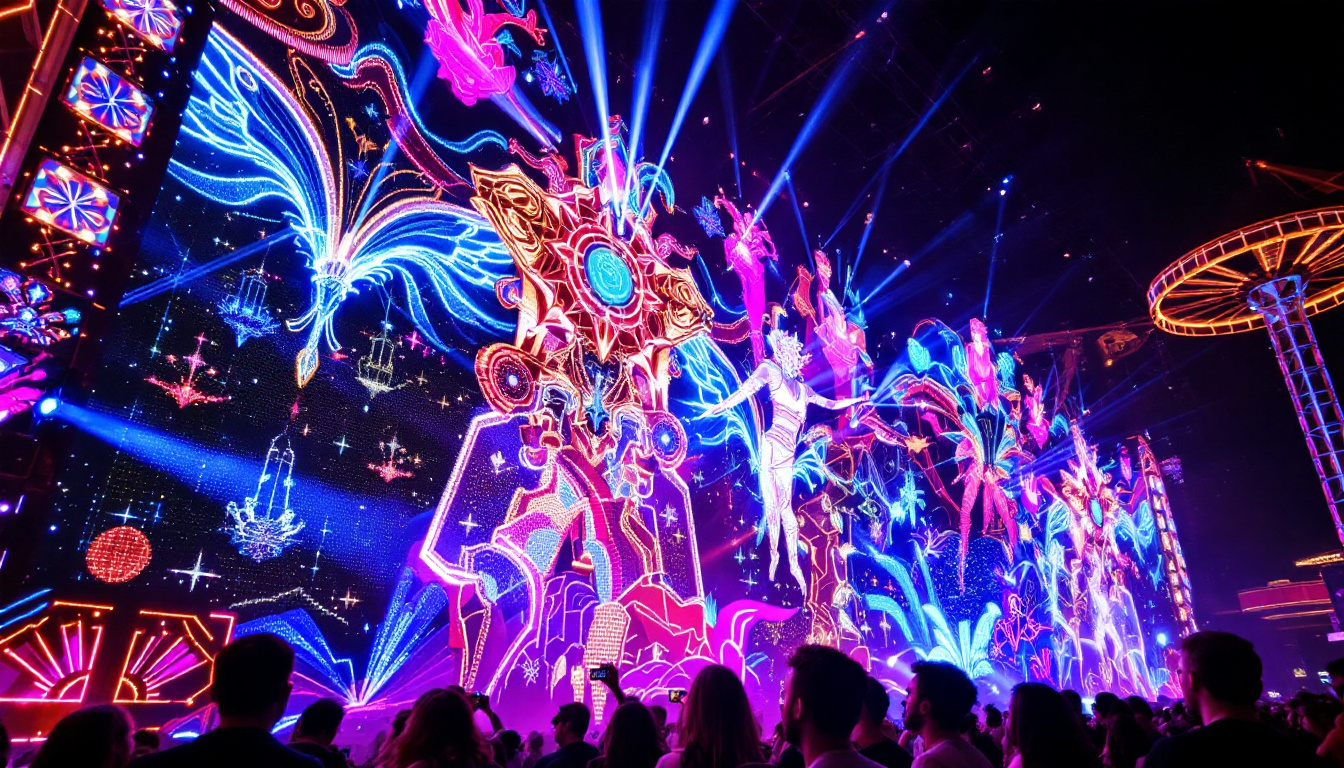
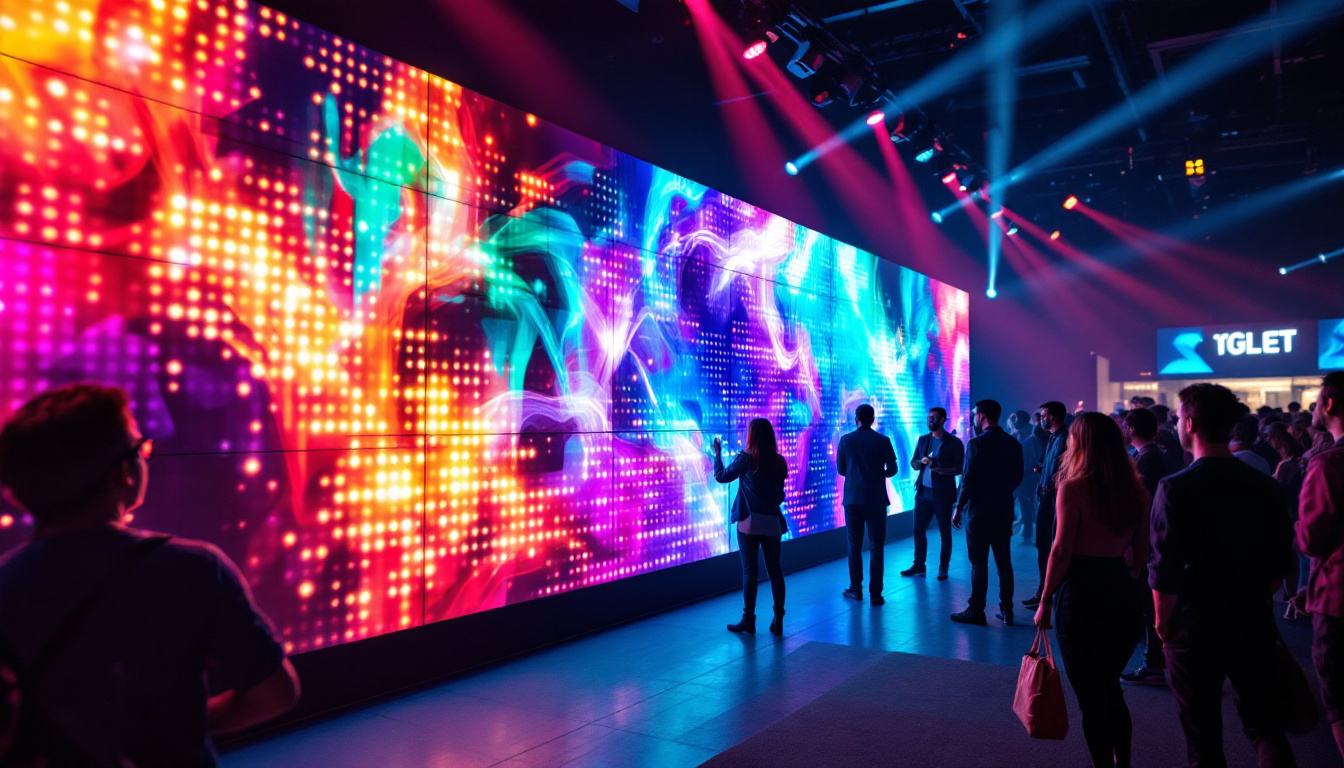
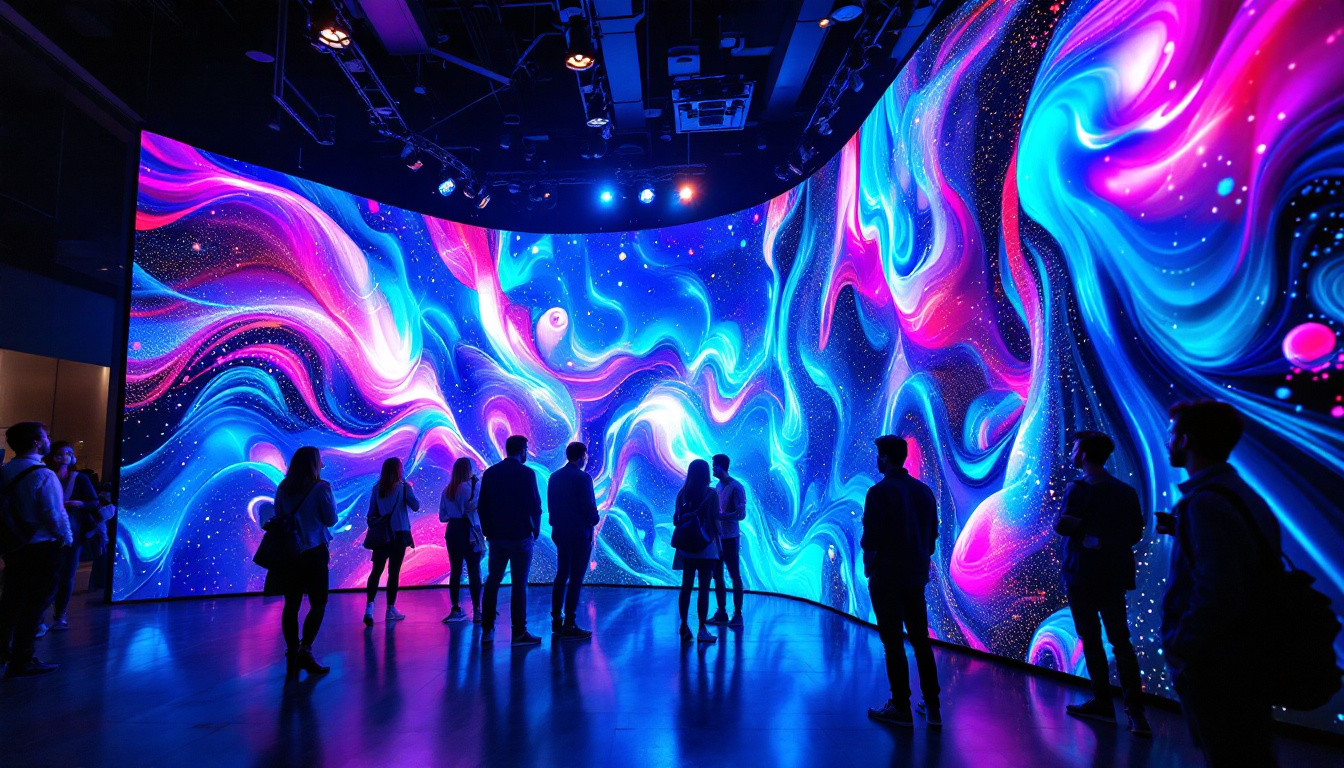
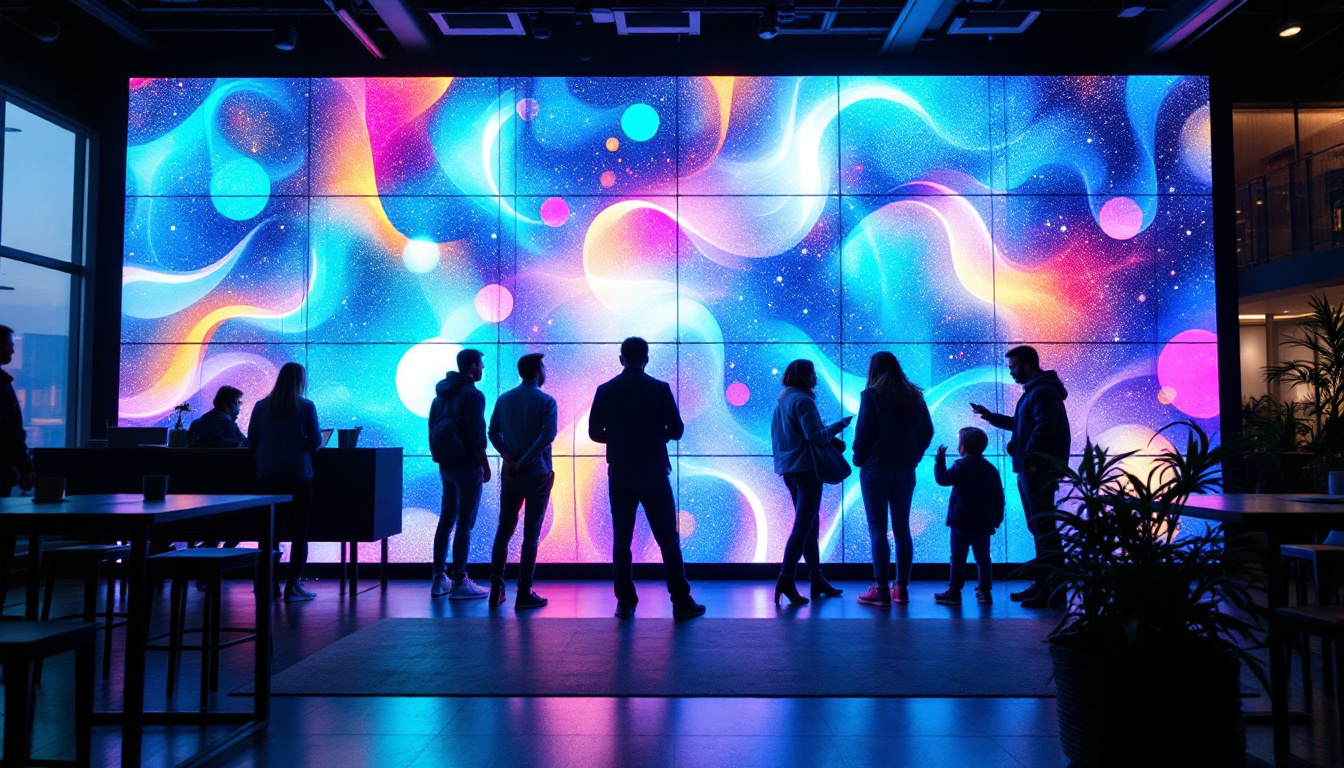
Video walls consist of multiple LED panels tiled together to create a large, continuous display. This technology is increasingly popular in commercial settings but is also making its way into luxury home theaters and media rooms. Modular LED panels allow for custom shapes and sizes, enabling designers to create unique visual statements that serve both entertainment and artistic purposes.
Transparent and Flexible LED Displays
Emerging LED technologies include transparent and flexible displays that can be embedded into glass walls or curved surfaces. These innovations open new possibilities for integrating TVs into architectural elements without compromising natural light or spatial openness.
Smart and Interactive LED Walls
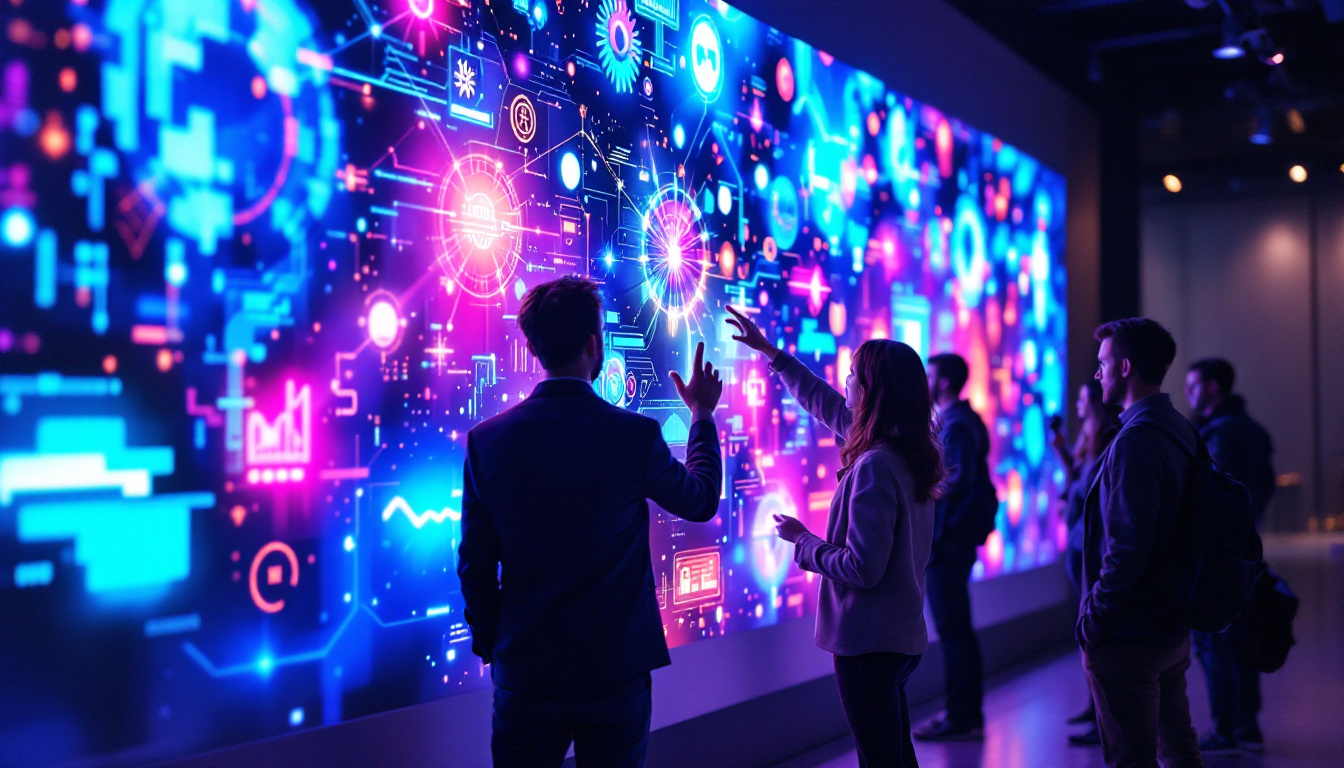
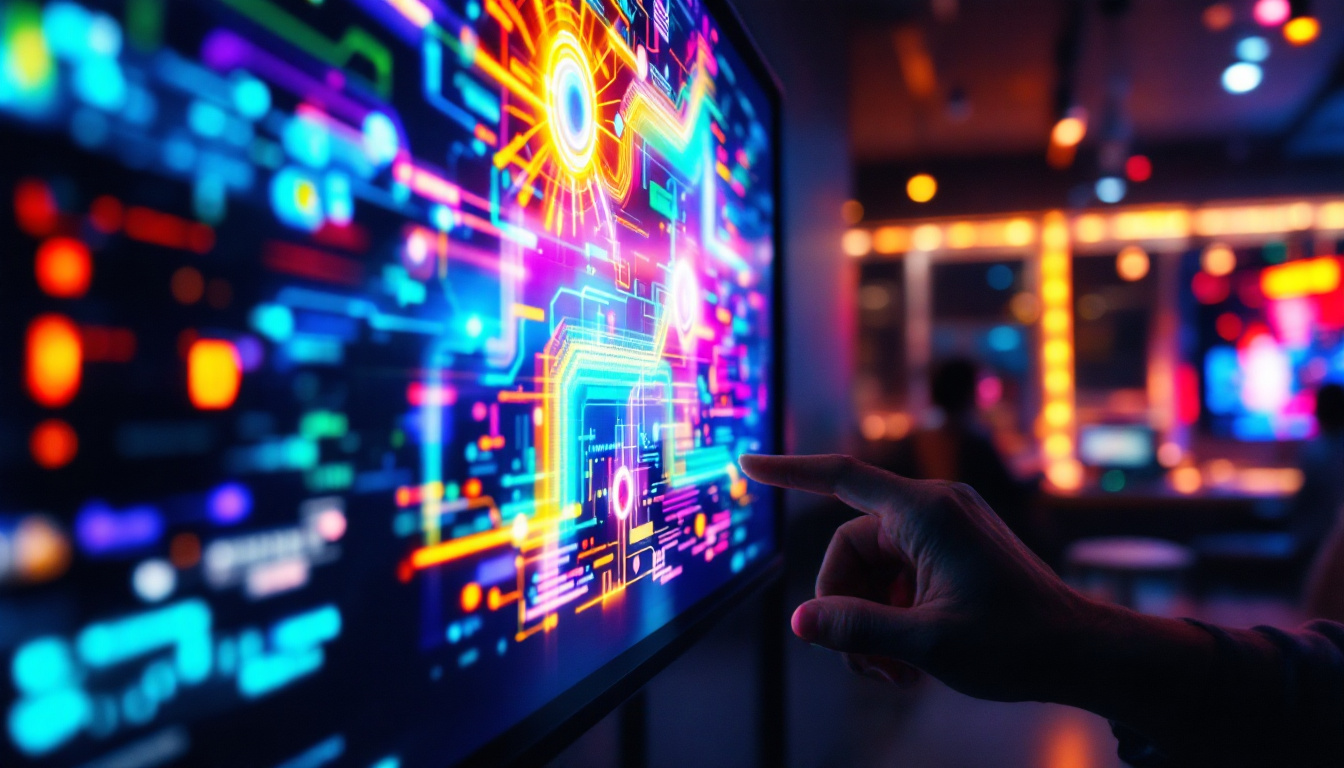
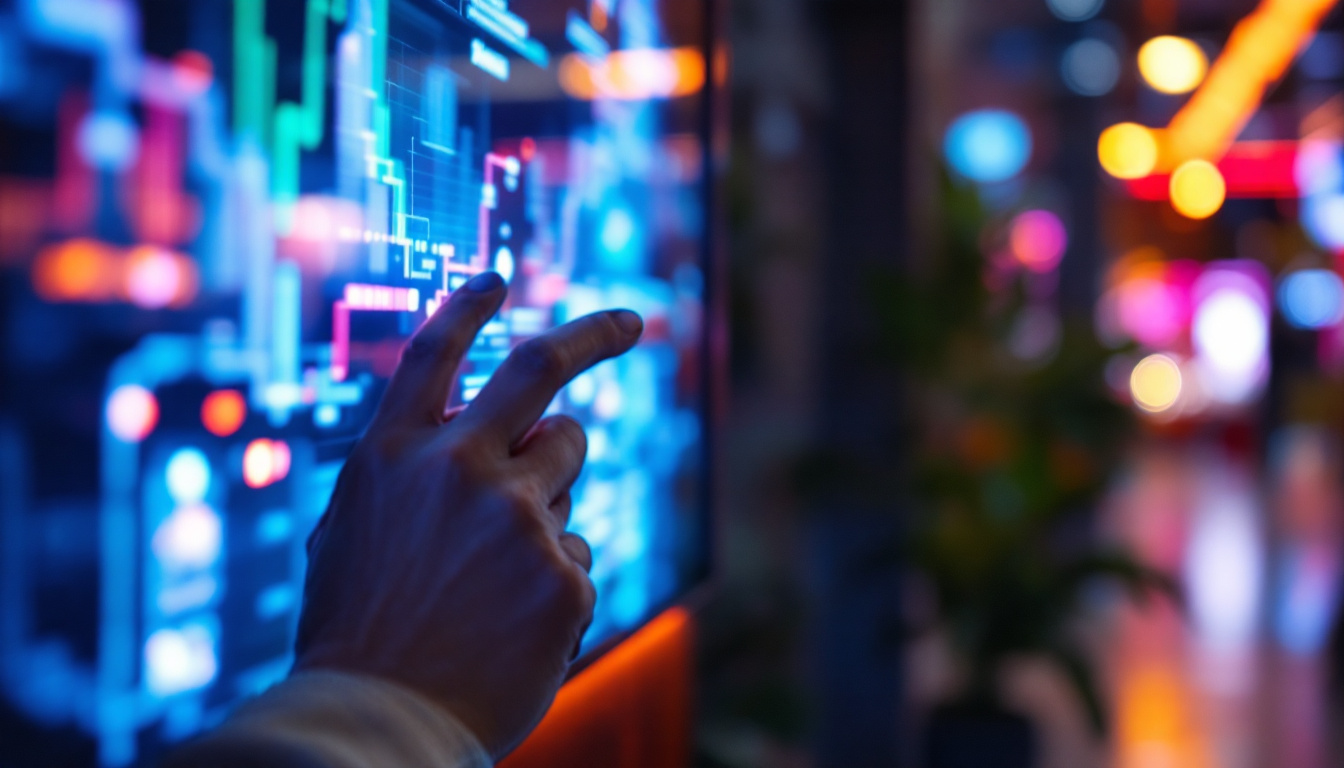
Interactive LED walls equipped with touch sensors and smart controls are gaining traction in both residential and commercial environments. These walls can function as giant touchscreens for gaming, presentations, or home automation control, blending entertainment with utility.
Energy Efficiency and Environmental Impact of LED TVs
Energy consumption is an important consideration for modern electronics, and LED TVs generally outperform older technologies in this regard. According to the U.S. Department of Energy, LED TVs consume approximately 30-40% less energy than plasma TVs and about 10-15% less than traditional LCD TVs with CCFL backlighting.
This efficiency translates to lower electricity bills and a reduced environmental footprint. Additionally, many LED TVs are designed with eco-friendly materials and comply with energy certification standards such as ENERGY STAR.
Consumers are increasingly aware of sustainability, making energy-efficient LED TVs an attractive option not only for performance but also for responsible living.
Future Trends in Wall With TV Design and LED Displays
The evolution of LED display technology continues to influence how TVs are integrated into living spaces. Several trends are shaping the future of wall with TV design:
1. Ultra-Thin and Bezel-Less Designs
Manufacturers are pushing the boundaries of slimness and screen-to-body ratio, creating TVs with virtually no bezels. This design enhances immersion and allows the screen to blend more naturally into the wall, almost like a digital window.
2. Integration with Smart Home Systems
LED TVs are becoming central hubs in smart homes, interfacing with voice assistants, lighting, security, and climate control. Wall designs are evolving to accommodate these multifunctional roles, often incorporating hidden sensors and control panels.
3. Advanced Display Technologies
Technologies such as OLED, Micro-LED, and Quantum Dot are converging with LED displays to deliver unprecedented picture quality. These advancements will further influence how TVs are designed and installed within walls, emphasizing customization and user experience.
4. Sustainable and Modular Design
As consumers demand longer-lasting and upgradeable electronics, modular LED TVs that allow component replacement or screen expansion are gaining interest. This approach supports sustainability by reducing electronic waste and extending product lifecycles.
Conclusion
Wall with TV design has entered a new era, driven largely by the advancements in LED display technology. From improved picture quality and sleek aesthetics to innovative applications and energy efficiency, LED TVs offer unparalleled opportunities to enhance home entertainment and interior design.
Whether opting for a minimalist living room setup, a custom video wall, or an interactive smart display, understanding the capabilities and design considerations of LED displays is essential. As technology continues to evolve, the integration of TVs into walls will become even more seamless, immersive, and tailored to individual lifestyles.
For homeowners, designers, and technology enthusiasts alike, embracing LED display technology in wall-mounted TV designs represents a fusion of art, science, and practical living that defines modern home entertainment.
Discover the Future of Home Entertainment with LumenMatrix
Ready to elevate your home entertainment experience with the latest in LED display technology? LumenMatrix is at the forefront of innovation, offering a diverse range of LED display modules designed to bring your viewing experience to life. Whether you’re looking for an Indoor LED Wall Display, a dynamic Outdoor LED Wall Display, or specialized solutions like Vehicle LED Displays and LED Sports Displays, LumenMatrix has the cutting-edge technology to transform your space. Embrace the art of visual storytelling and create immersive environments with our Custom LED Displays, All-in-One LED Displays, and LED Transparent Displays. Check out LumenMatrix LED Display Solutions today and join the revolution in visual communication.