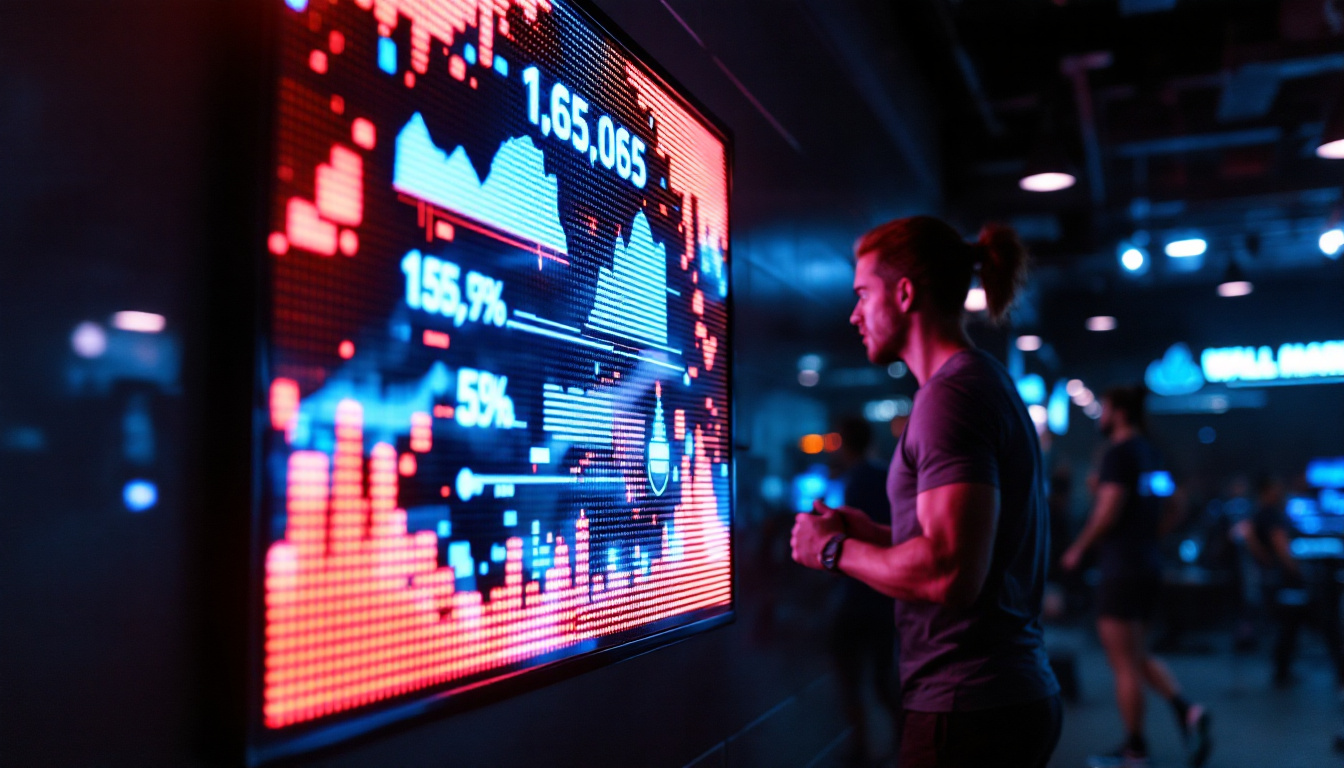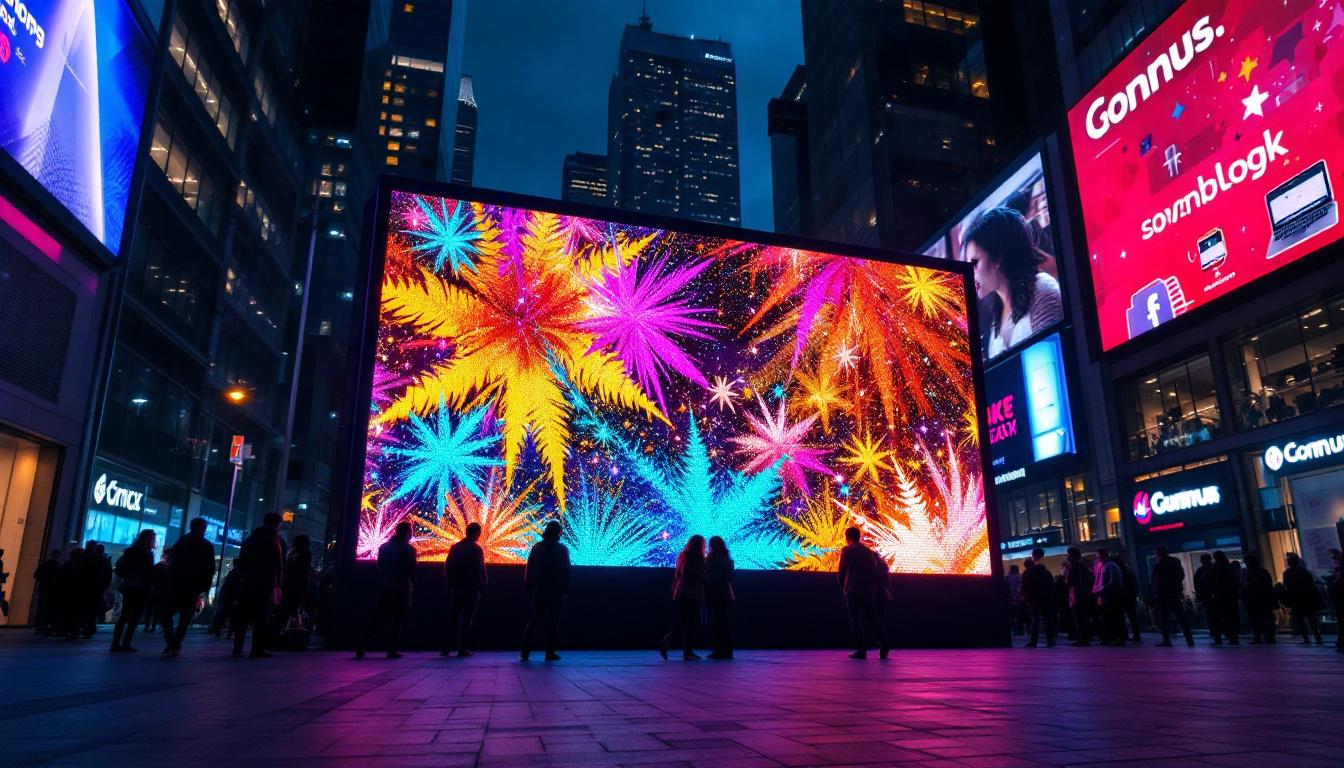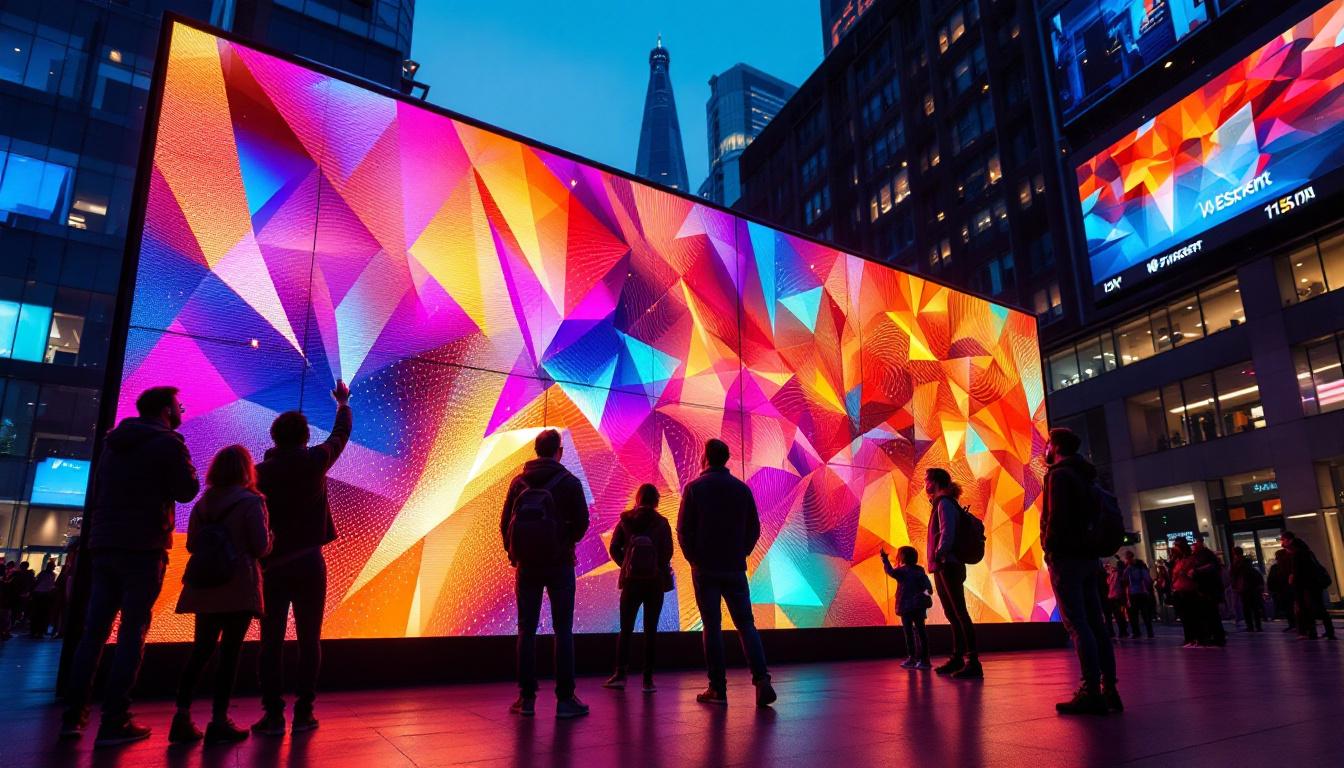
In recent years, LED display technology has revolutionized the way businesses, event organizers, and advertisers communicate with their audiences. From vibrant digital billboards to immersive video walls, LED displays offer unparalleled brightness, flexibility, and visual impact. As demand for these dynamic walls continues to surge, understanding what LED displays are, how they work, and their practical applications is essential for anyone considering investing in this technology.
What Is an LED Display Wall?
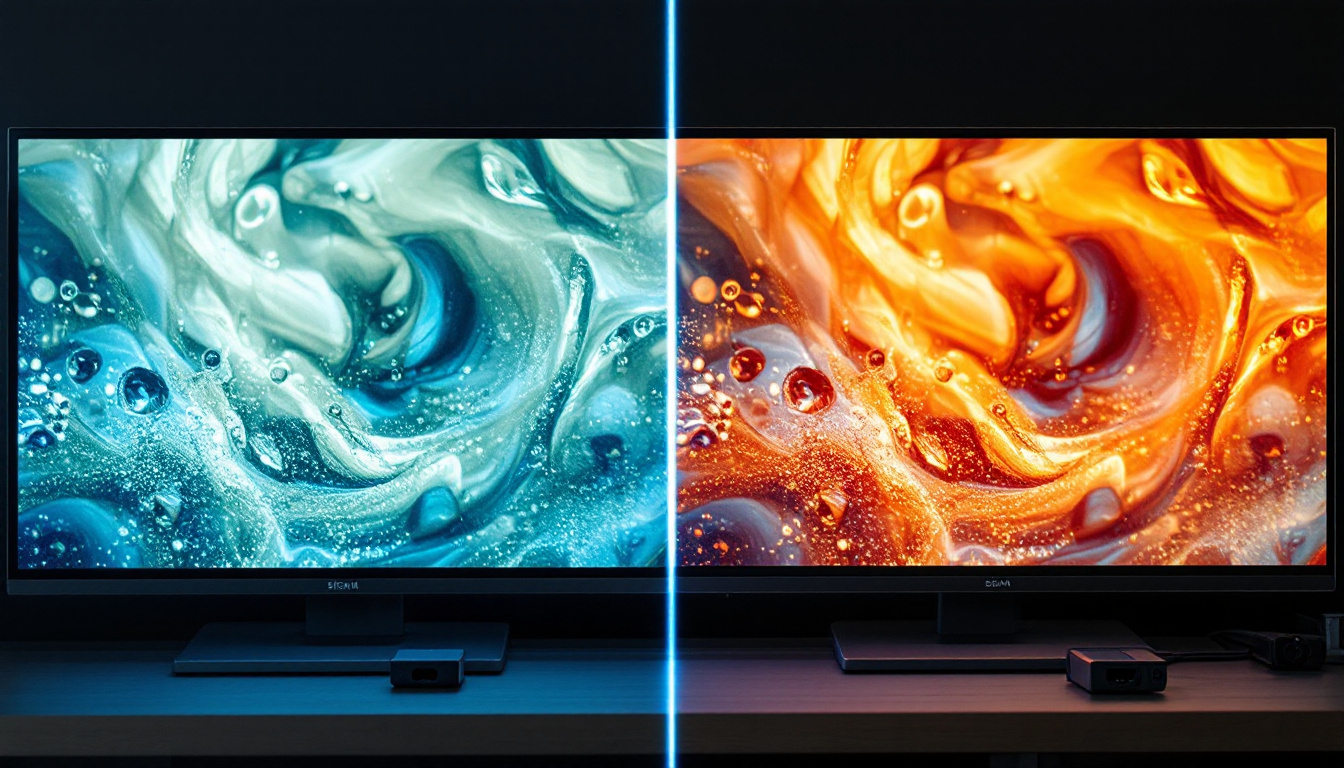
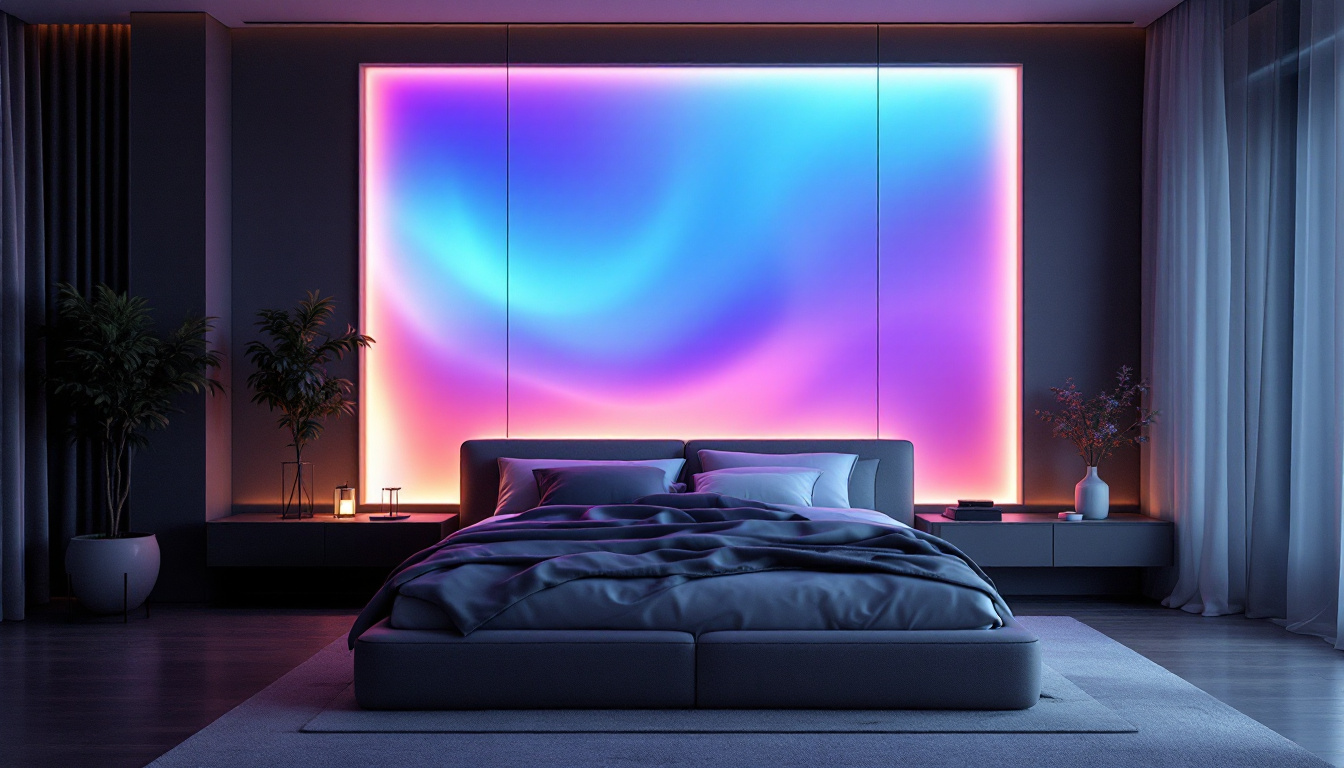
An LED display wall is a large-scale digital screen composed of numerous light-emitting diodes (LEDs) arranged in a grid. These diodes emit light in various colors, combining to create vivid images and videos that can be seen clearly even in bright daylight. Unlike traditional LCD or projection screens, LED walls are self-illuminating, meaning each pixel produces its own light, resulting in higher brightness and contrast levels.
Typically, LED walls are modular, made up of multiple panels or tiles that can be assembled to form screens of virtually any size or shape. This modularity allows for customization according to the installation environment, whether it’s a retail storefront, concert stage, sports arena, or corporate lobby. The versatility of LED display walls makes them a popular choice for a wide range of applications, from advertising and branding to artistic installations and immersive experiences. With the ability to create dynamic content that can be updated in real-time, businesses and event organizers can engage their audiences more effectively than ever before.
The Technology Behind LED Walls
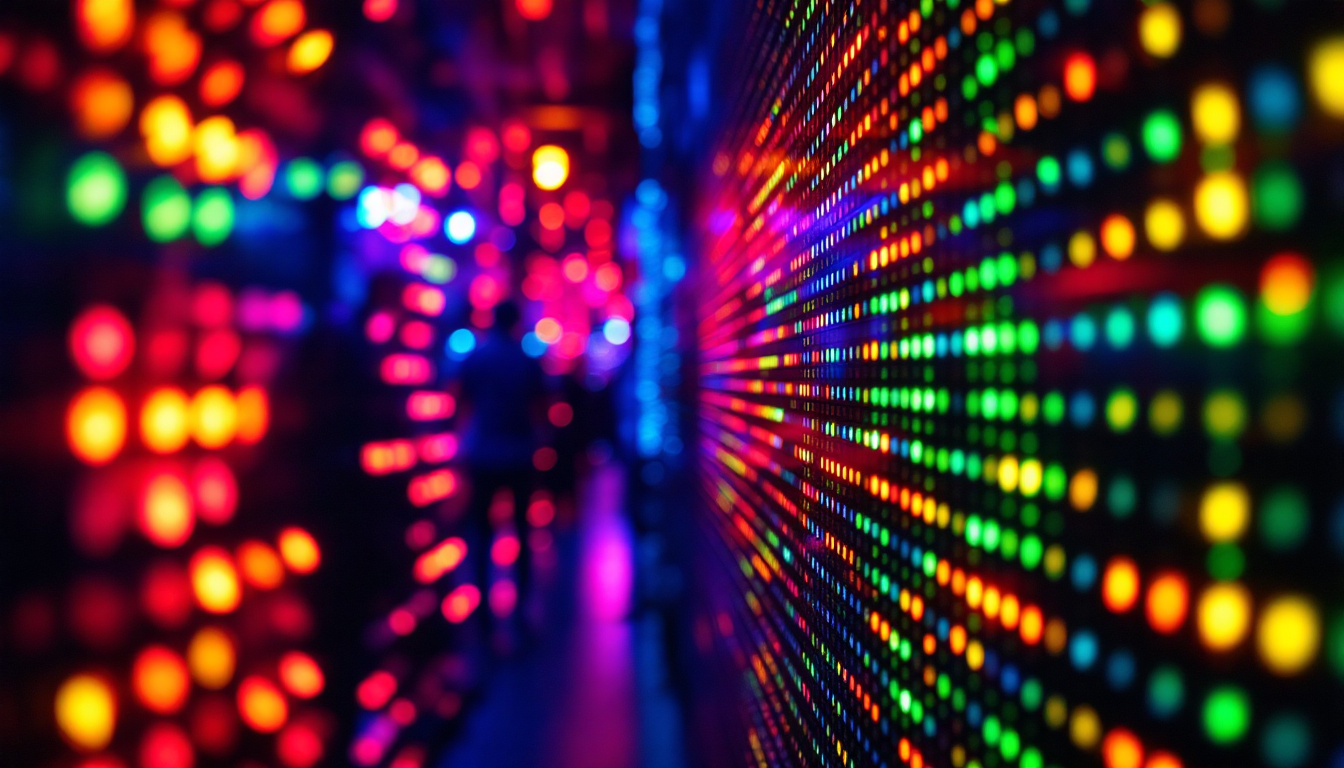
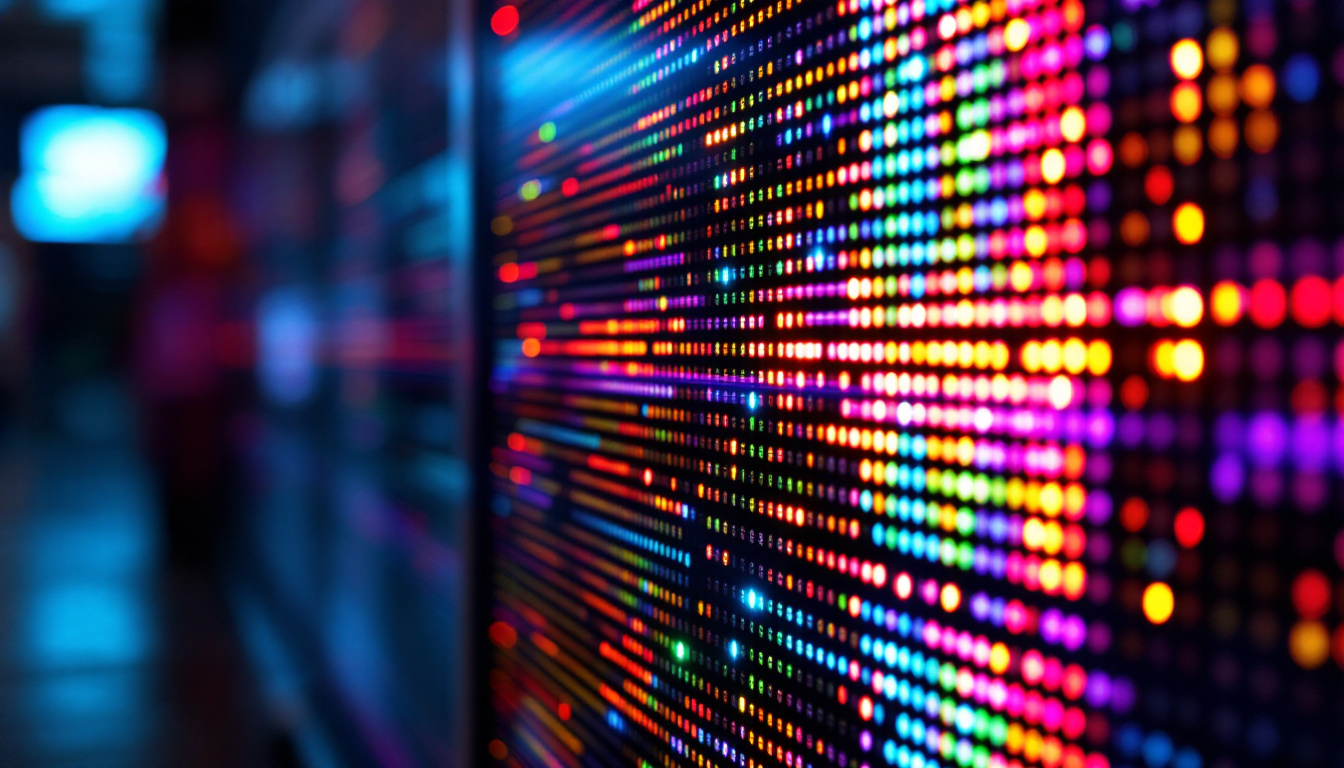
Each pixel in an LED display consists of three tiny diodes: red, green, and blue (RGB). By varying the intensity of these diodes, the display can produce millions of colors. The resolution of the wall depends on the pixel pitch, which is the distance between the centers of two adjacent pixels. A smaller pixel pitch means higher resolution and sharper images, which is especially important for close viewing distances. This capability is crucial in environments where viewers are positioned closely to the screen, such as in retail spaces or at trade shows, where detailed visuals can significantly enhance customer engagement.
Modern LED walls also incorporate advanced processing technologies to enhance image quality. Features such as HDR (High Dynamic Range) support, high refresh rates, and color calibration ensure that visuals remain crisp and vibrant under various lighting conditions. Additionally, many LED displays are equipped with intelligent software that allows for seamless integration with content management systems, enabling users to schedule and control what is displayed on the wall remotely. This level of control not only streamlines the operation of the display but also allows for creative flexibility, as users can easily switch between different types of content, from promotional videos to live feeds, depending on their audience and objectives.
Why Choose LED Display Walls Over Other Display Technologies?
LED walls have become the preferred choice for many applications due to their unique advantages over other display types like LCD, OLED, or projection screens. Understanding these benefits helps clarify why LED walls are often the best investment for large-scale digital signage and immersive visual experiences.
Superior Brightness and Visibility
One of the most significant advantages of LED walls is their exceptional brightness. LED displays can reach brightness levels exceeding 5,000 nits, making them easily viewable even in direct sunlight. This makes LED walls ideal for outdoor advertising, stadiums, and public spaces where ambient light conditions can vary dramatically.
In comparison, LCD and projection screens often struggle with glare and reduced visibility in bright environments. LED’s self-emissive nature means no external light source is required, ensuring consistent image quality regardless of the surroundings.
Durability and Longevity
LED walls are designed for long-term use and can operate continuously for tens of thousands of hours without significant degradation. Many commercial-grade LED panels are rated for up to 100,000 hours of operation, which translates to over 11 years of continuous use.
Additionally, LED displays are robust and resistant to environmental factors such as moisture, dust, and temperature fluctuations. This durability makes them suitable for both indoor and outdoor installations, reducing maintenance costs and downtime.
Flexibility and Customization
Because LED walls are modular, they can be customized to fit unusual spaces or creative designs. Curved, cylindrical, or even irregularly shaped displays are possible, enabling architects and designers to integrate digital content seamlessly into their projects.
Furthermore, LED walls support a wide range of content formats and interactive features, from static images and videos to live feeds and real-time data visualization. This versatility allows businesses to tailor their messaging dynamically, enhancing audience engagement.
Applications of LED Display Walls
The versatility of LED walls has led to their adoption across numerous industries and use cases. Here are some of the most prominent applications where LED display walls have made a significant impact.
Advertising and Digital Signage
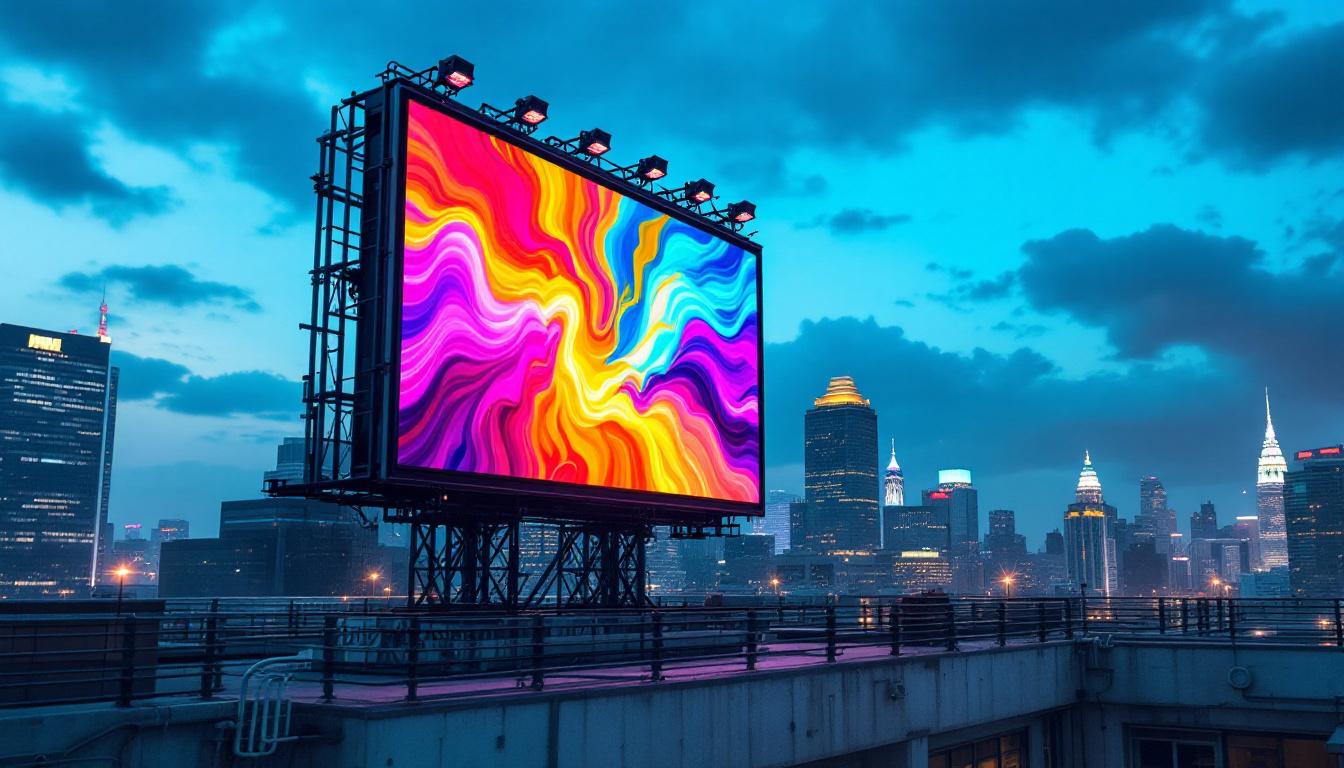
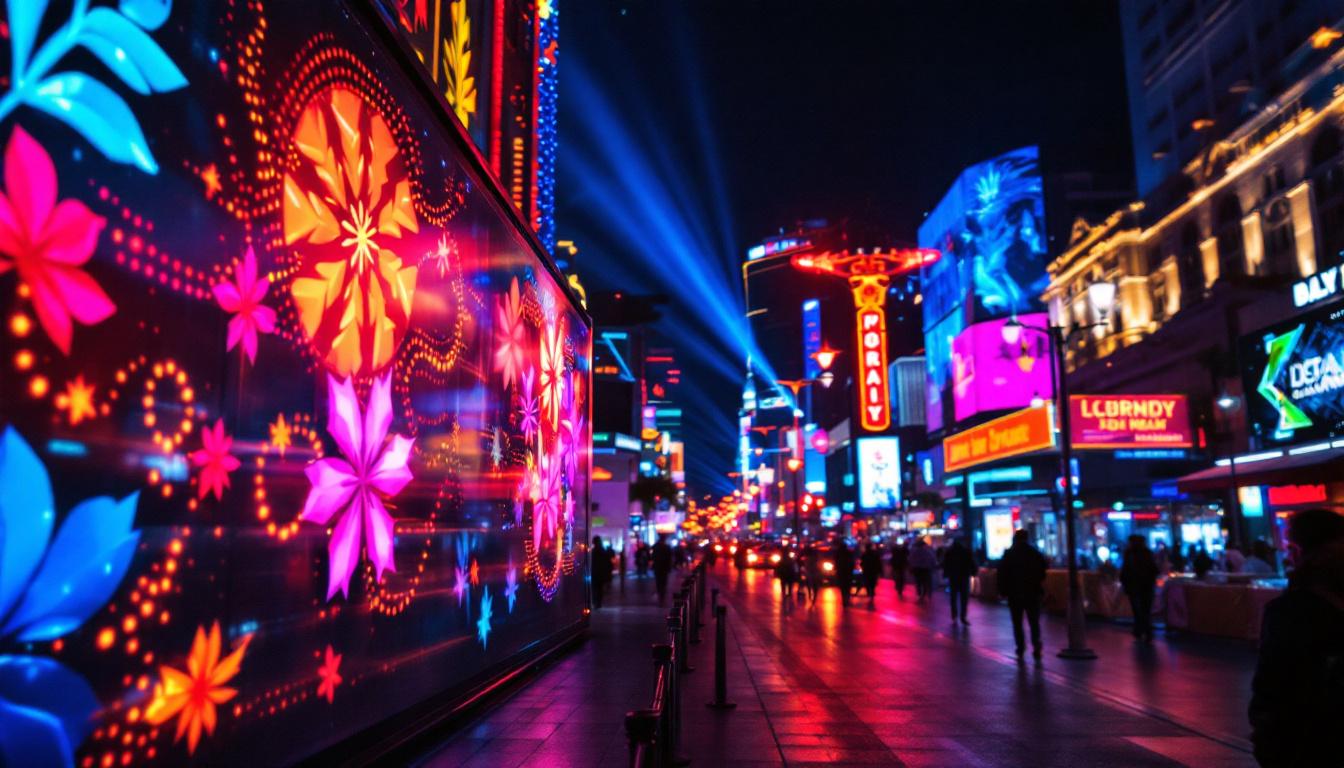
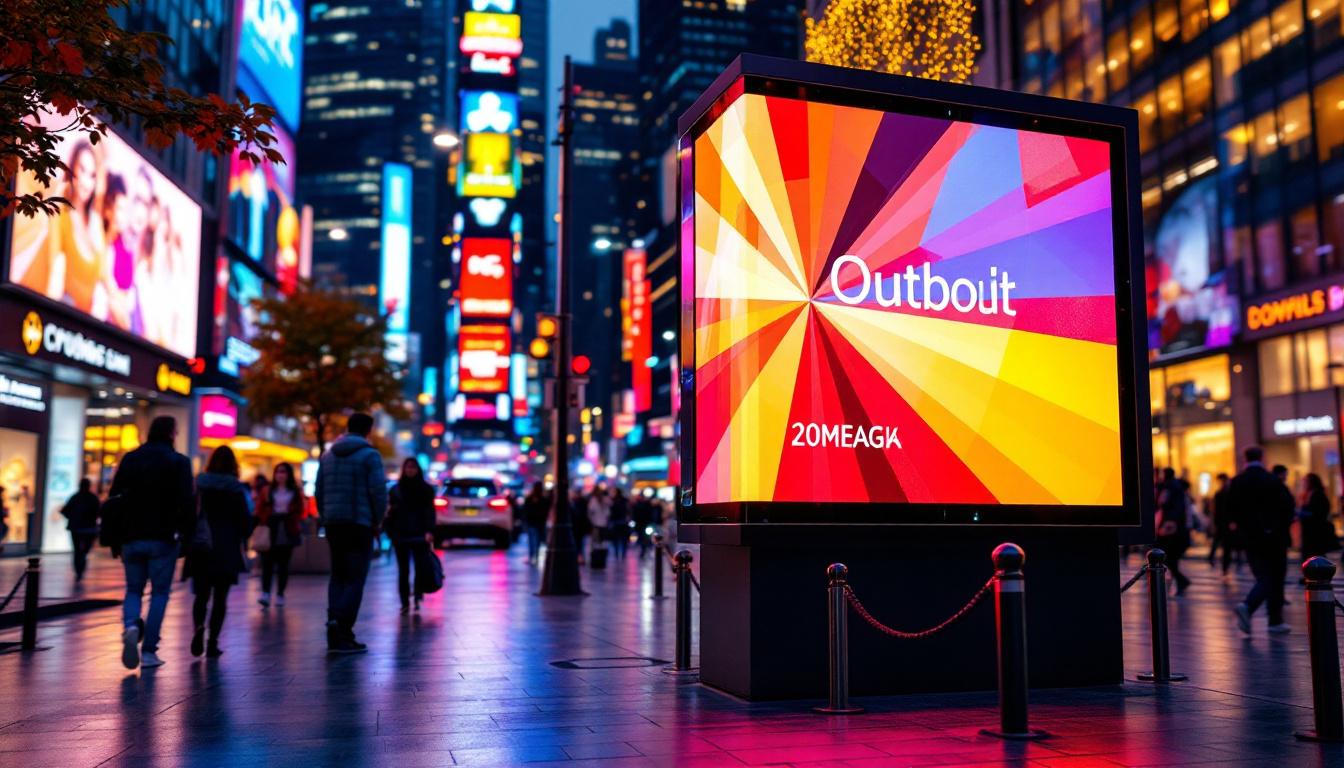
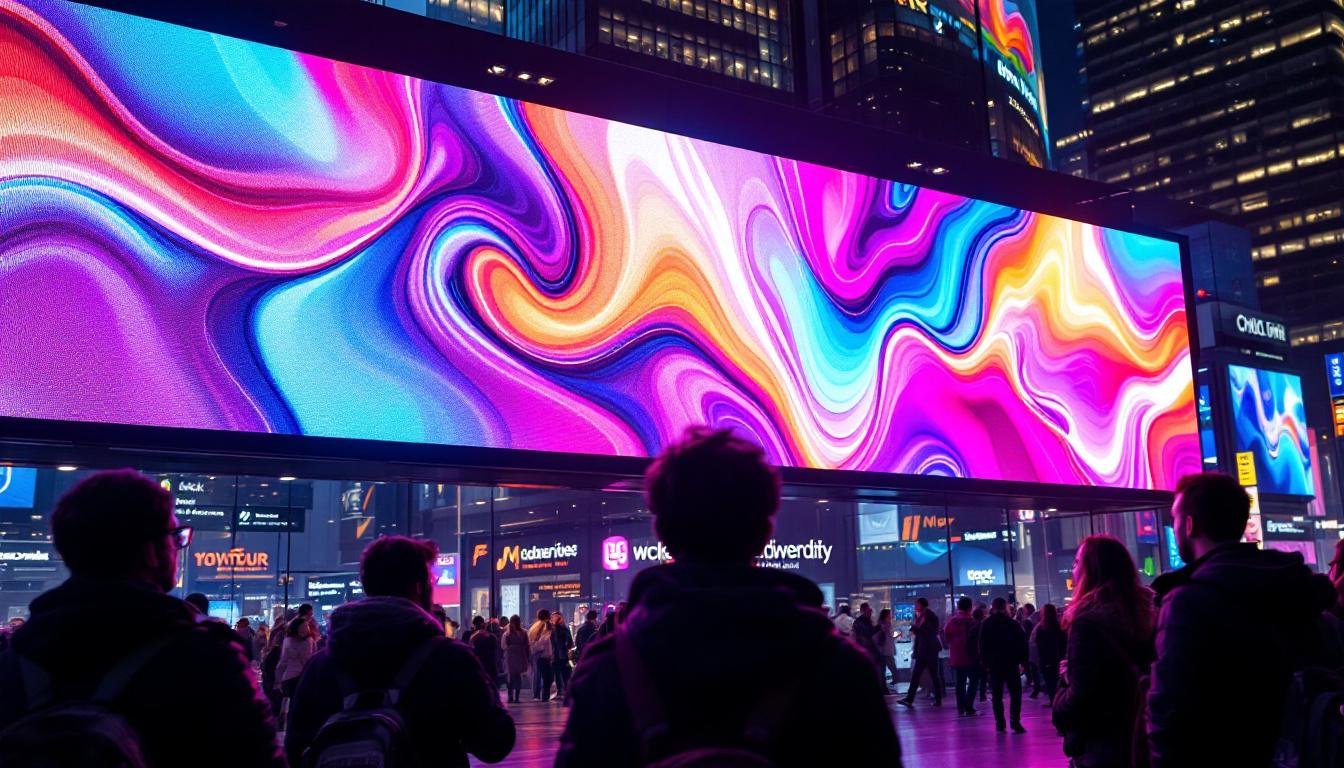
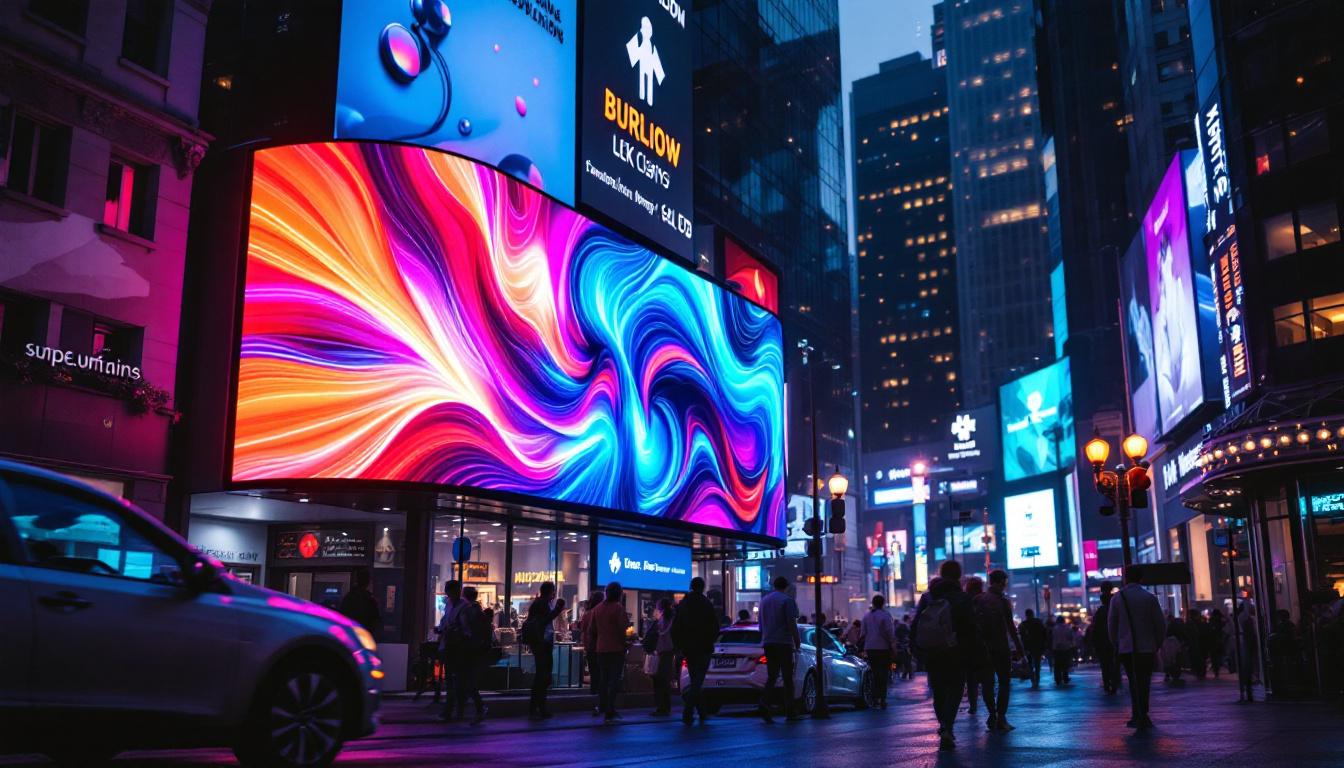
Outdoor LED billboards and digital signage are among the most visible uses of LED walls. According to a 2023 report by Grand View Research, the global digital signage market is expected to reach $32.84 billion by 2028, growing at a CAGR of 8.4%. LED walls play a critical role in this growth due to their ability to deliver eye-catching, high-impact advertisements.
Retailers use LED walls to showcase promotions, new products, and brand messaging in real time. The dynamic nature of LED displays allows for quick content updates, enabling targeted marketing campaigns that respond to customer behavior and trends.
Entertainment and Events
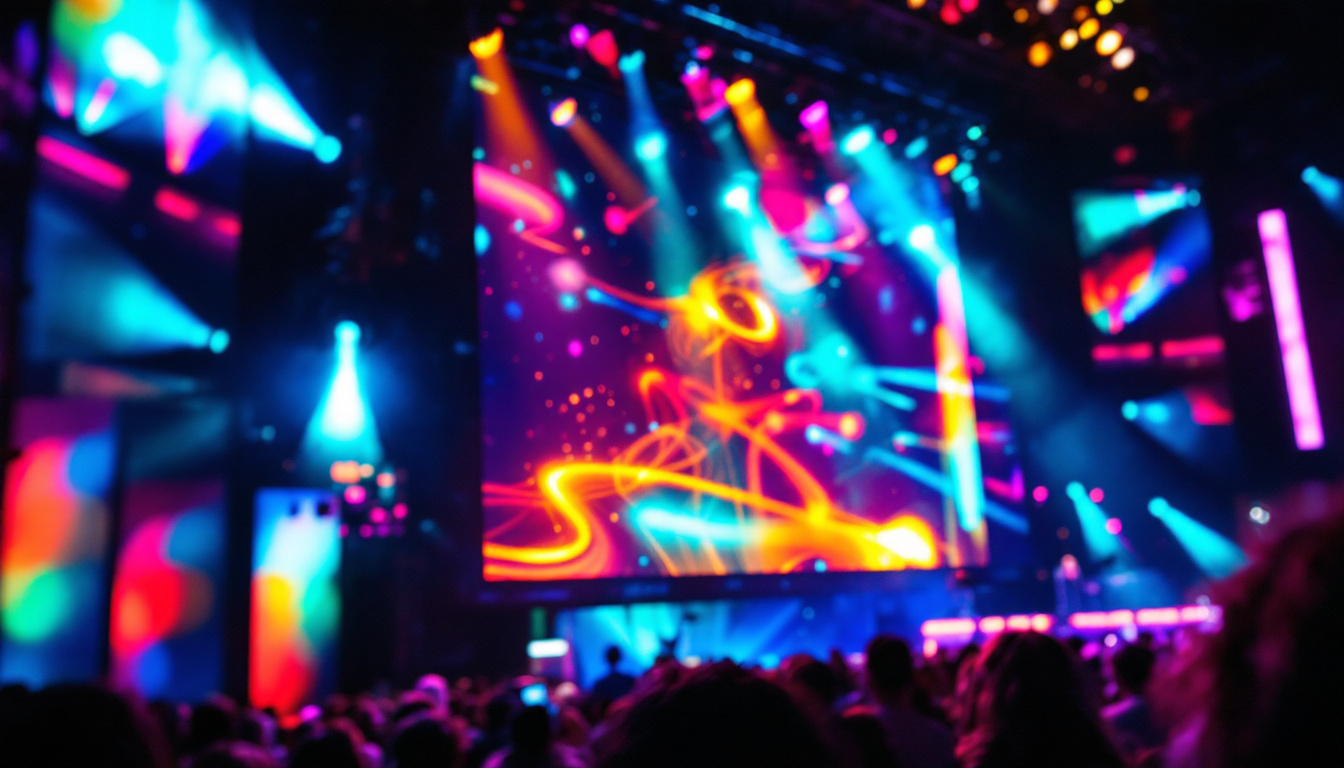
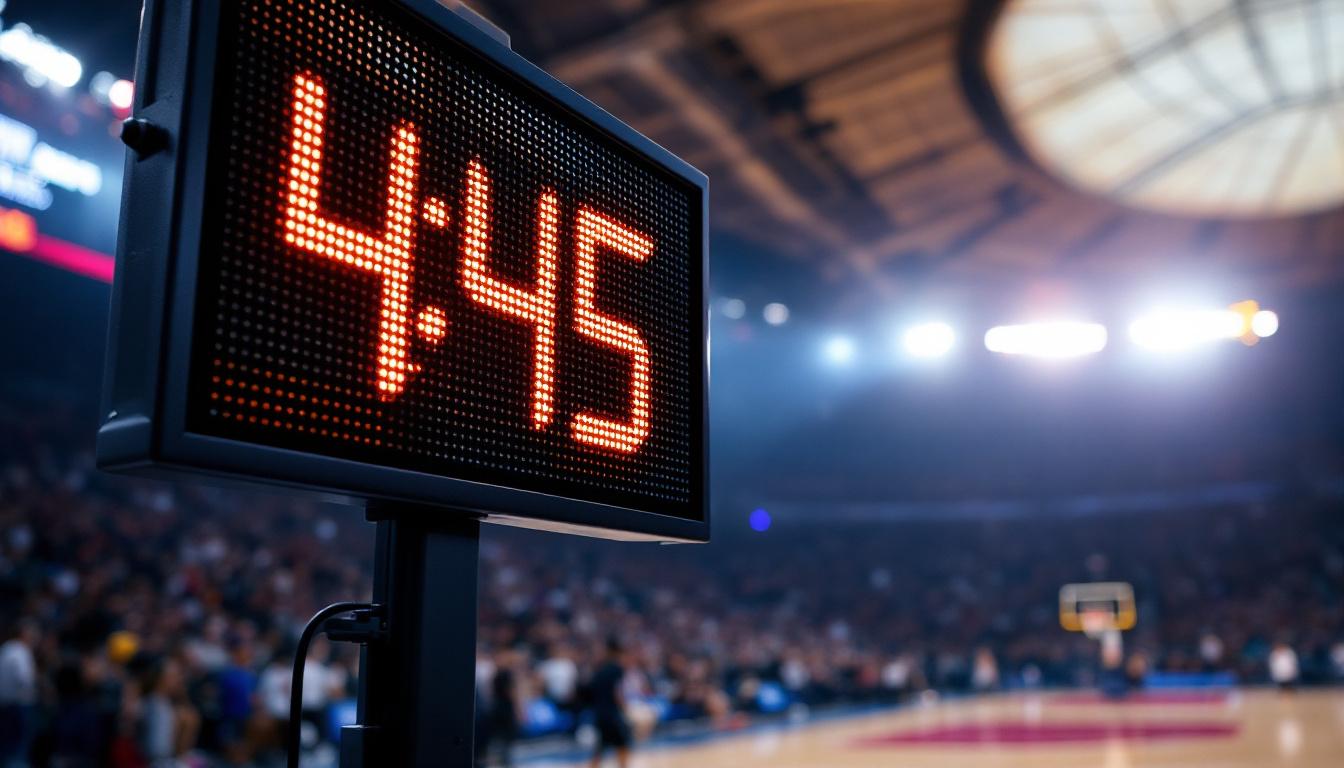
Concerts, festivals, and sports events frequently employ LED walls to enhance the spectator experience. Large-scale video walls behind performers or around stadiums provide immersive visuals, live camera feeds, and interactive content that captivate audiences.
For example, the Super Bowl halftime shows have utilized massive LED walls to create stunning visual effects that complement the performances. Similarly, music festivals like Coachella use LED walls to transform stages into dynamic art installations.
Corporate and Educational Environments
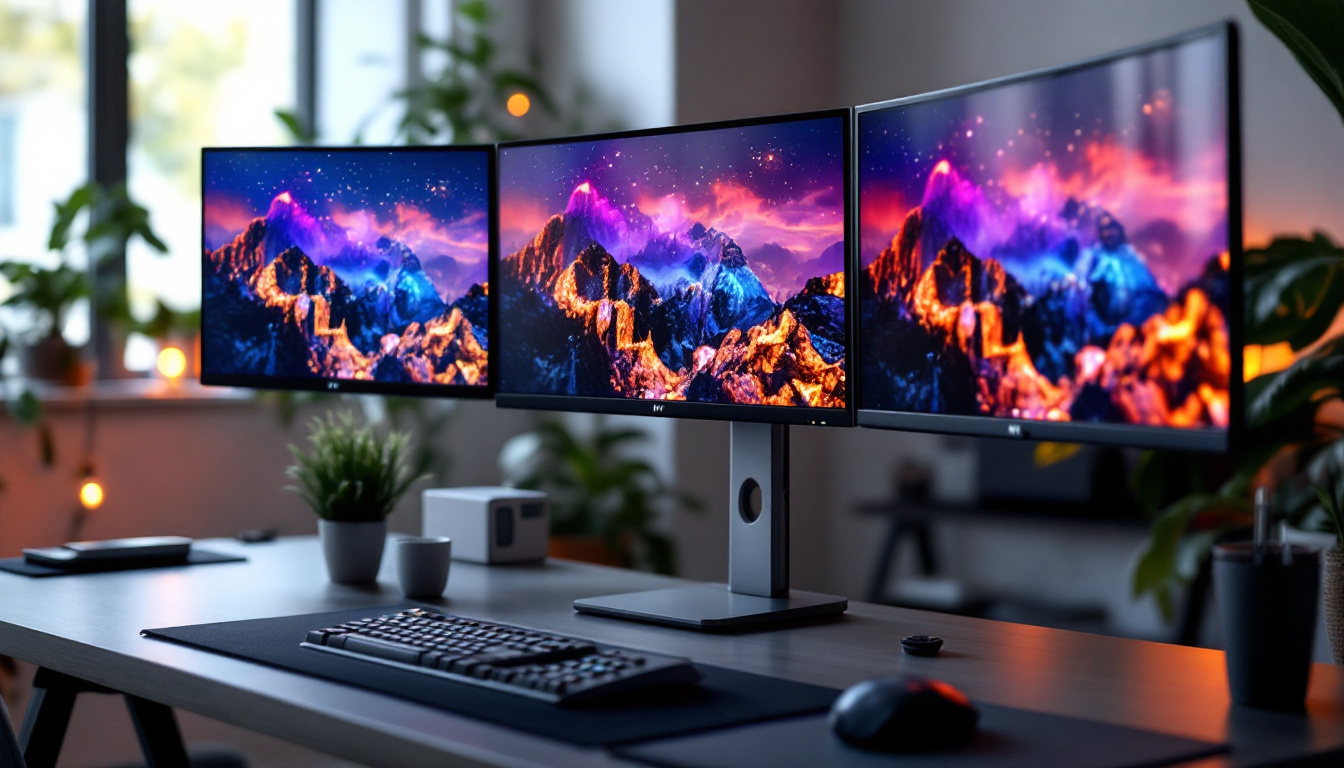
In corporate settings, LED walls serve as impressive video conferencing backdrops, digital whiteboards, and presentation tools. Their high resolution and brightness ensure that content is clear and engaging, even in large meeting rooms or auditoriums.
Educational institutions are also adopting LED walls for lecture halls and interactive learning spaces. The ability to display detailed graphics, videos, and live data enhances teaching effectiveness and student participation.
Key Considerations When Purchasing an LED Display Wall
Investing in an LED display wall requires careful planning and evaluation of several factors to ensure the final product meets the intended needs and budget. Here are some critical considerations to keep in mind.
Pixel Pitch and Resolution
As mentioned earlier, pixel pitch determines the resolution and clarity of the display. For installations viewed from a distance of more than 10 meters (33 feet), a pixel pitch of 10mm or higher may suffice. However, for close-up viewing in retail or corporate environments, pixel pitches as low as 1.2mm are available, offering near-retina quality visuals.
Choosing the right pixel pitch balances image quality with cost, as smaller pixel pitches generally increase the price of the LED panels.
Brightness and Environmental Suitability
Consider the ambient lighting conditions where the LED wall will be installed. Outdoor displays require higher brightness levels (typically 5,000 to 7,000 nits) to combat sunlight, while indoor walls may only need 800 to 1,500 nits.
Additionally, ensure the LED panels have appropriate ingress protection (IP) ratings for dust and water resistance if the installation is outdoors or in harsh environments.
Installation and Maintenance
Modular LED walls can be complex to install, often requiring professional assistance to ensure proper alignment, calibration, and structural support. It’s essential to assess the installation site’s infrastructure, including power supply, mounting options, and ventilation.
Maintenance accessibility is another important factor. Panels should be designed for easy removal and replacement to minimize downtime during repairs or upgrades.
Content Management and Connectivity
Modern LED walls rely on sophisticated content management systems (CMS) that allow users to schedule, update, and monitor content remotely. Compatibility with various input sources (HDMI, DisplayPort, wireless streaming) and integration with software platforms can significantly enhance usability.
Some LED walls also support interactive features such as touch sensitivity or integration with sensors, opening up new possibilities for engagement.
Cost Factors and Return on Investment
LED display walls represent a significant financial investment, with prices varying widely based on size, resolution, brightness, and additional features. As of 2024, average costs range from $1,000 to $3,000 per square meter for standard commercial-grade LED panels.
While upfront costs can be substantial, the long lifespan, low maintenance, and marketing effectiveness of LED walls often justify the expenditure. Businesses can measure ROI through increased foot traffic, higher engagement rates, and improved brand visibility.
Leasing and rental options are also popular, especially for temporary events or seasonal campaigns, allowing organizations to access cutting-edge LED technology without long-term commitments.
Future Trends in LED Display Walls
The LED display industry continues to evolve rapidly, driven by advancements in materials, manufacturing, and software. Several emerging trends promise to shape the future of LED walls.
MicroLED and MiniLED Technologies
MicroLED and MiniLED technologies offer even higher resolution and improved energy efficiency compared to traditional LEDs. These innovations enable thinner, lighter displays with better color accuracy and contrast, expanding the possibilities for indoor and mobile applications.
Flexible and Transparent LED Displays
Flexible LED panels can be bent or curved without damaging the diodes, allowing for creative installations on irregular surfaces. Transparent LED displays, which allow viewers to see through the screen, are gaining traction in retail and architectural applications, blending digital content with physical environments.
Integration with AI and IoT
Artificial intelligence and Internet of Things (IoT) technologies are increasingly integrated with LED walls to deliver personalized content, real-time analytics, and interactive experiences. For example, facial recognition can tailor advertisements based on demographics, while sensors can adjust brightness automatically based on ambient light.
Conclusion
LED display walls have transformed visual communication across industries by offering bright, durable, and versatile solutions that capture attention and engage audiences. Whether for advertising, entertainment, corporate use, or education, understanding the technology, benefits, and key considerations is crucial for making informed purchasing decisions.
As LED technology continues to advance, the potential for creative and impactful digital displays will only grow, making LED walls a compelling investment for businesses and organizations aiming to stand out in an increasingly visual world.
Illuminate Your Space with LumenMatrix
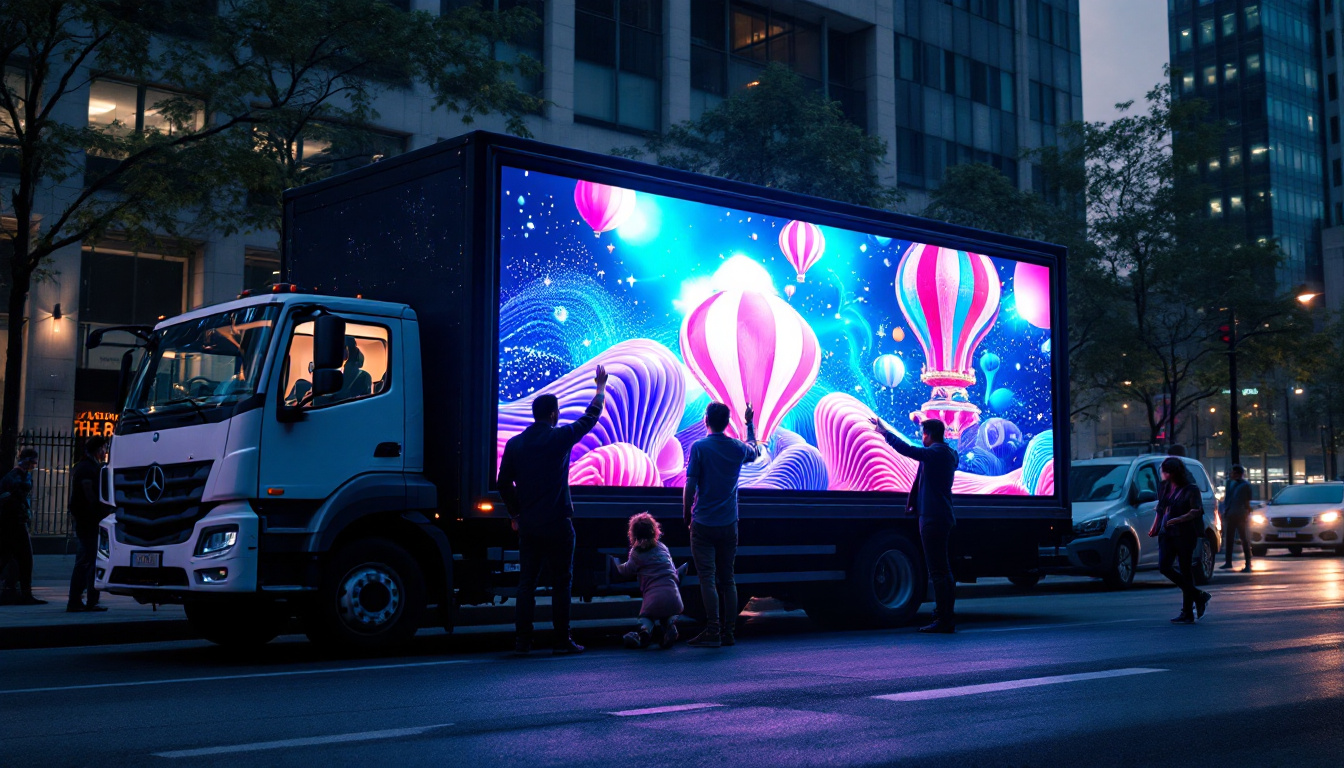
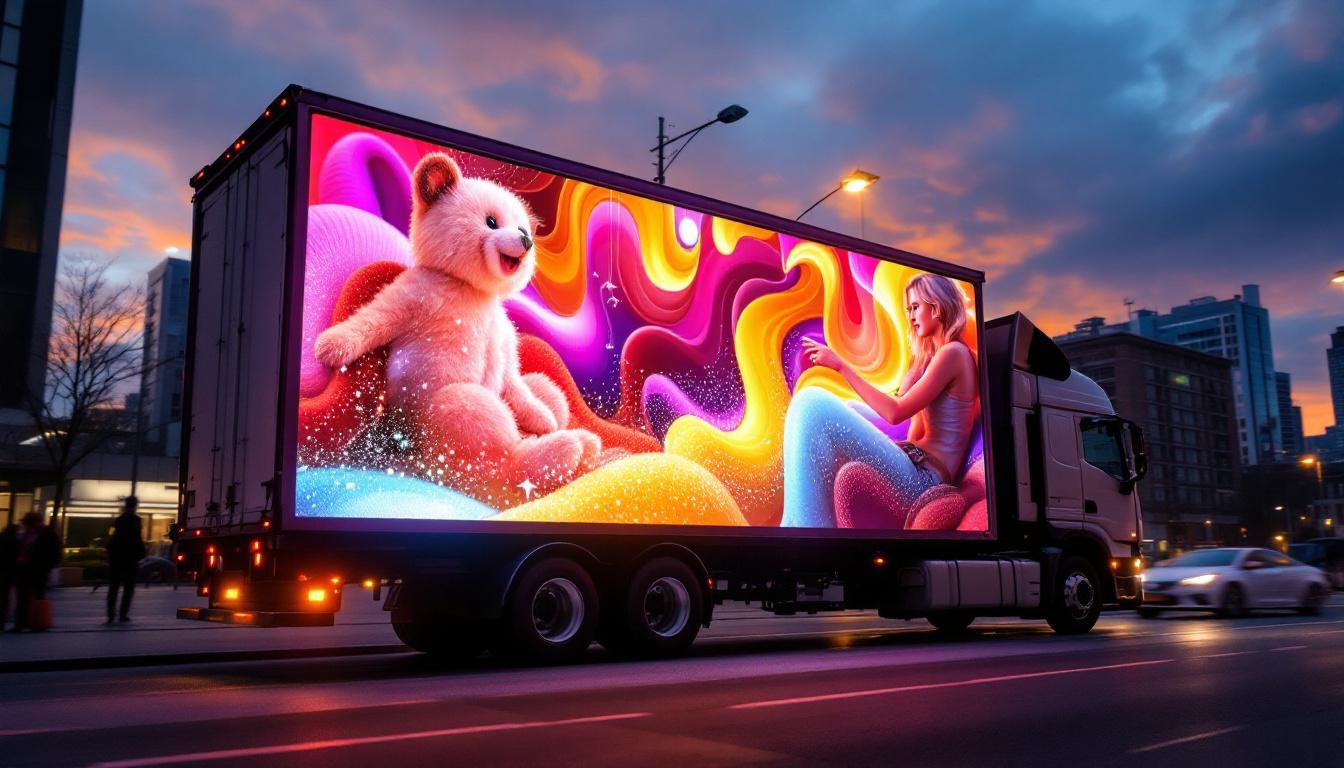
Ready to elevate your visual communication and create an unforgettable experience? LumenMatrix is at the forefront of LED display innovation, offering a wide array of solutions tailored to your needs. From Indoor and Outdoor LED Wall Displays to specialized options like Vehicle, Sports, and Floor LED Displays, we have the technology to bring your vision to life. Our mission is to revolutionize your message with clarity and impact. Check out LumenMatrix LED Display Solutions today and transform your space into a captivating visual journey.