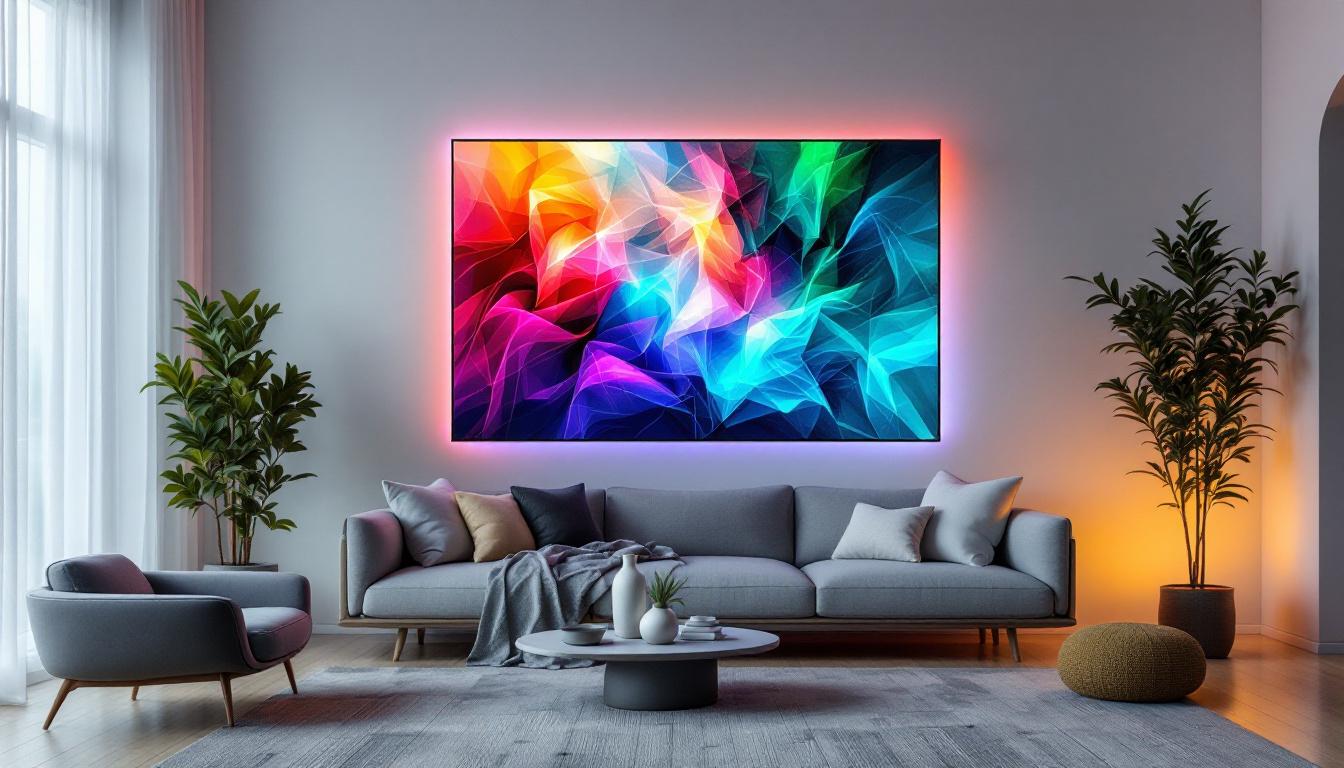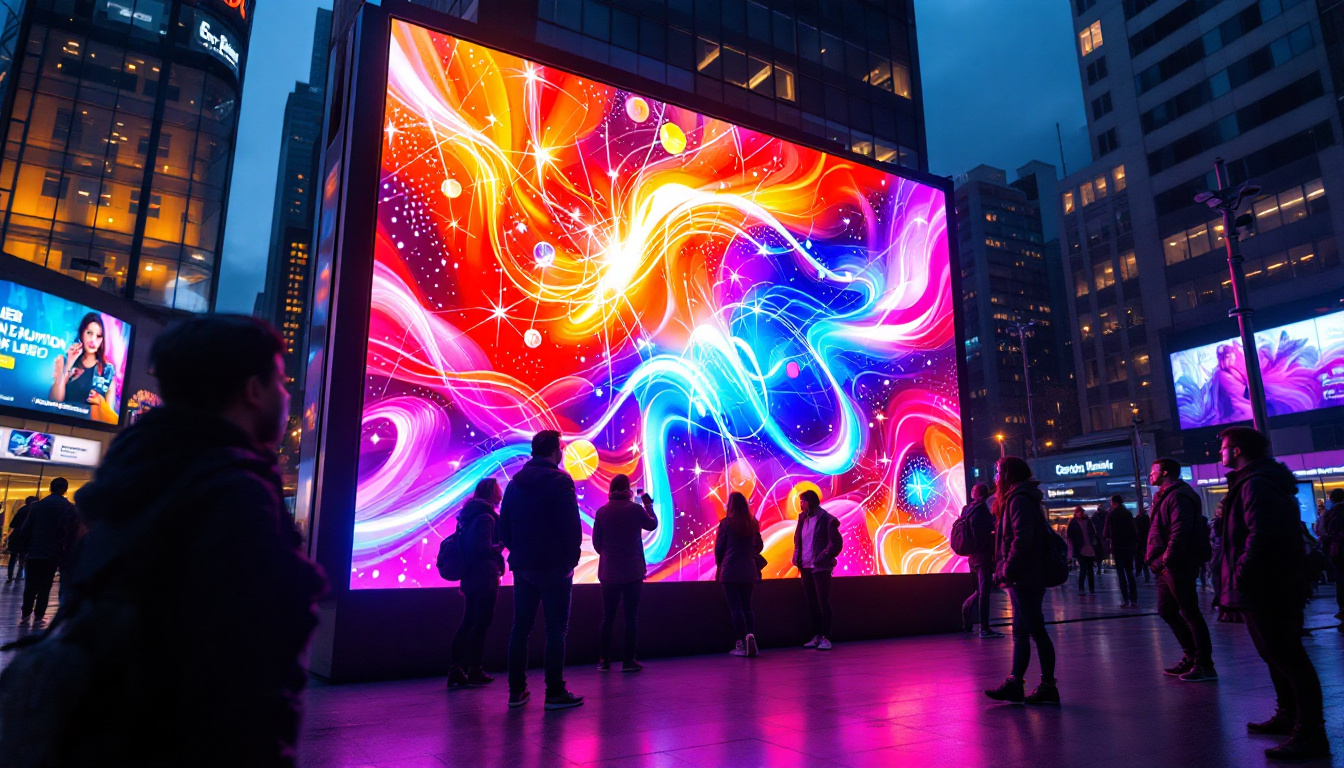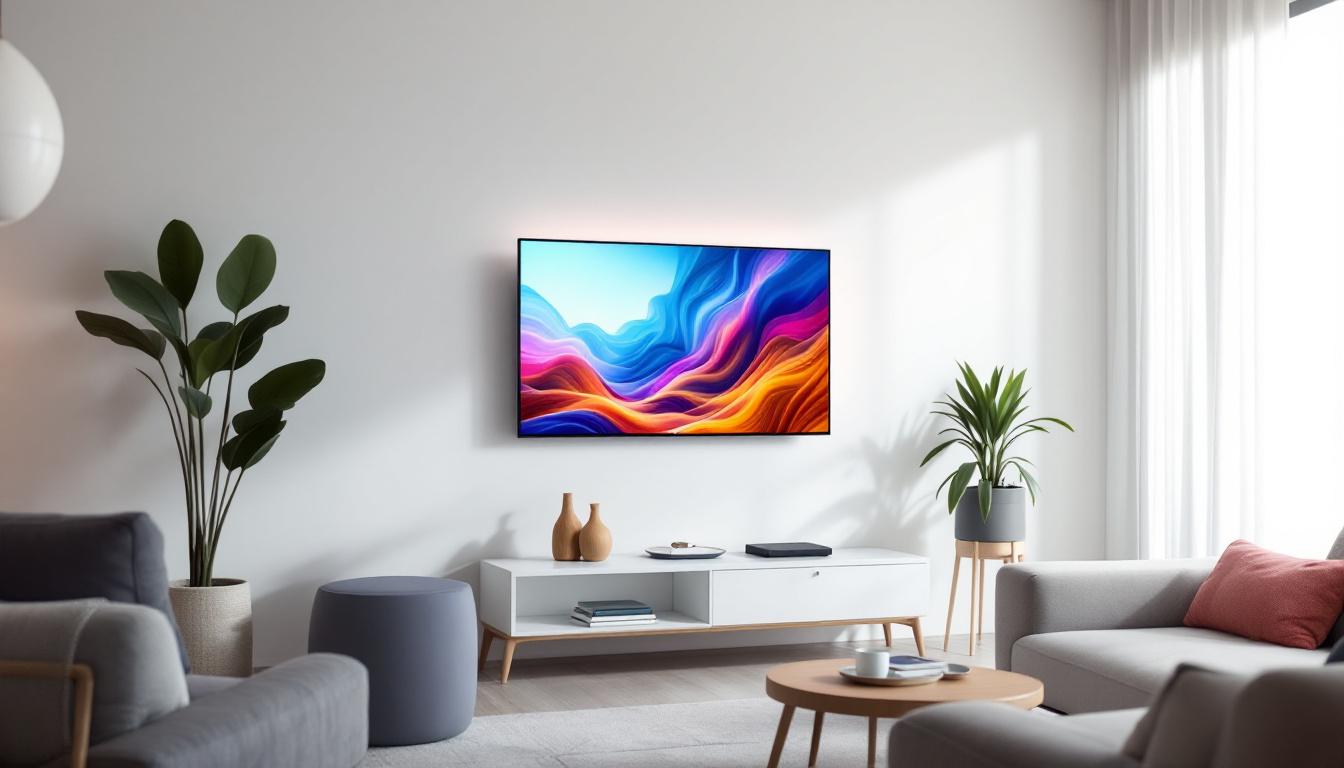
In the rapidly evolving world of audiovisual technology, the integration of LED displays within in-wall AV boxes has become a game-changer for both residential and commercial installations. These systems offer sleek, space-saving solutions that enhance visual experiences while maintaining a clean and modern aesthetic. This article delves into the fundamentals of in-wall AV boxes featuring LED displays, exploring their technology, benefits, applications, and considerations for installation.
Understanding In-Wall AV Boxes
What Is an In-Wall AV Box?
An in-wall AV box is a recessed enclosure designed to house audiovisual components such as media players, amplifiers, receivers, and display interfaces within a wall cavity. This setup minimizes clutter by concealing cables and devices, creating a streamlined look that is especially desirable in modern interior design. The box typically includes mounting brackets, cable management features, and ventilation to ensure proper function and safety of the equipment.
In recent years, in-wall AV boxes have evolved beyond simple enclosures to incorporate advanced display technologies, most notably LED displays, which provide dynamic visual feedback and enhanced user interaction. These innovations have made in-wall AV boxes not just functional components of a home theater system, but integral parts of the overall design aesthetic, blending seamlessly with the surrounding architecture.
Additionally, the installation of in-wall AV boxes can significantly improve the acoustics of a room. By placing speakers and other audio components within the walls, sound waves can be managed more effectively, reducing unwanted echoes and enhancing the overall listening experience. This is particularly beneficial in larger spaces where sound dispersion is critical for achieving high-quality audio performance.
The Role of LED Displays in AV Boxes
LED (Light Emitting Diode) displays integrated into in-wall AV boxes serve multiple purposes. They can function as status indicators, control panels, or even as primary display surfaces for information and media content. Unlike traditional LCDs, LED displays offer superior brightness, contrast, and energy efficiency, making them ideal for environments with varying lighting conditions.
Moreover, LED technology allows for customizable display sizes and shapes, enabling manufacturers to design AV boxes that fit specific aesthetic and functional requirements. This flexibility has led to increased adoption in smart home systems, conference rooms, and digital signage applications. For instance, in a smart home setup, an LED display can provide real-time feedback on system status, energy usage, and even security alerts, all while maintaining a sleek and modern appearance.
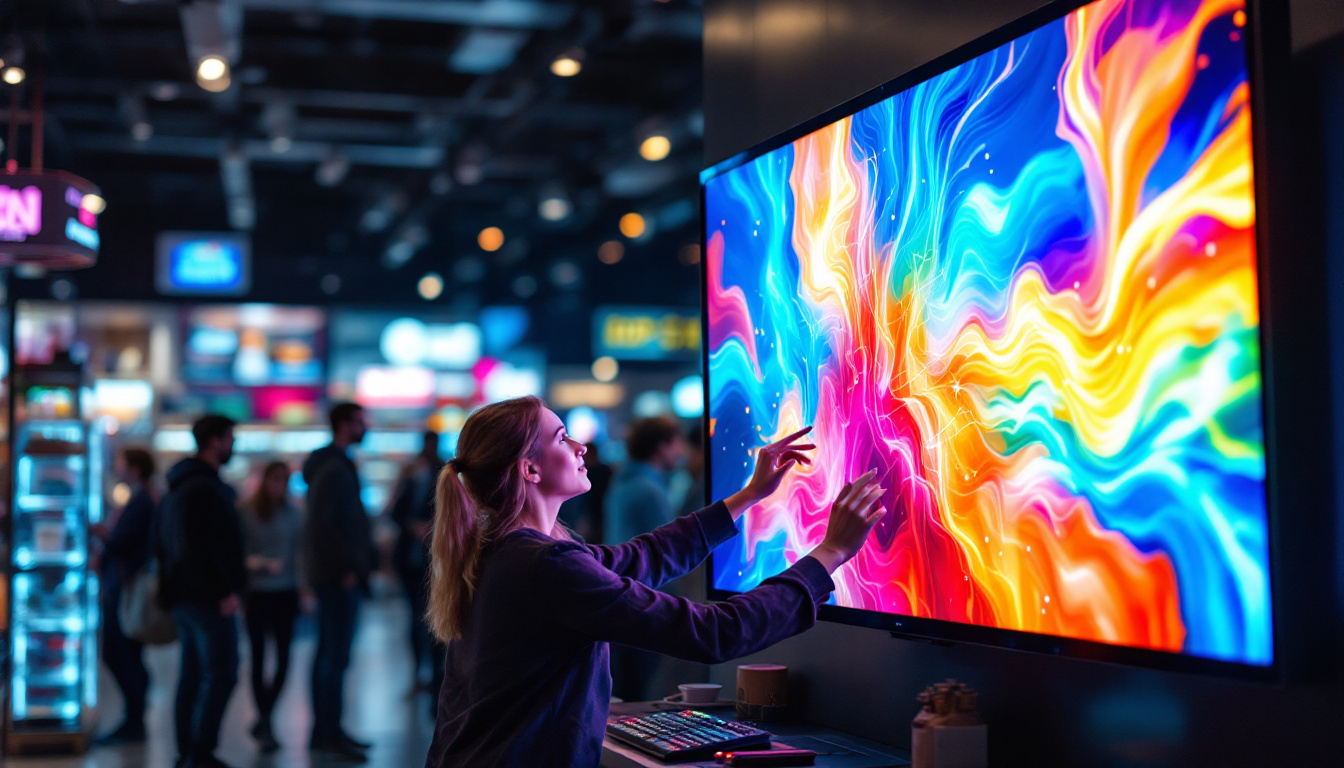
Furthermore, the integration of touch-sensitive LED displays has revolutionized user interaction with AV systems. Users can easily control their devices with intuitive gestures, making the experience more engaging and user-friendly. This is particularly advantageous in commercial settings, such as meeting rooms, where quick access to presentation tools and media playback can significantly enhance productivity and collaboration among participants.
Technical Aspects of LED Displays in In-Wall AV Boxes
Types of LED Displays Used
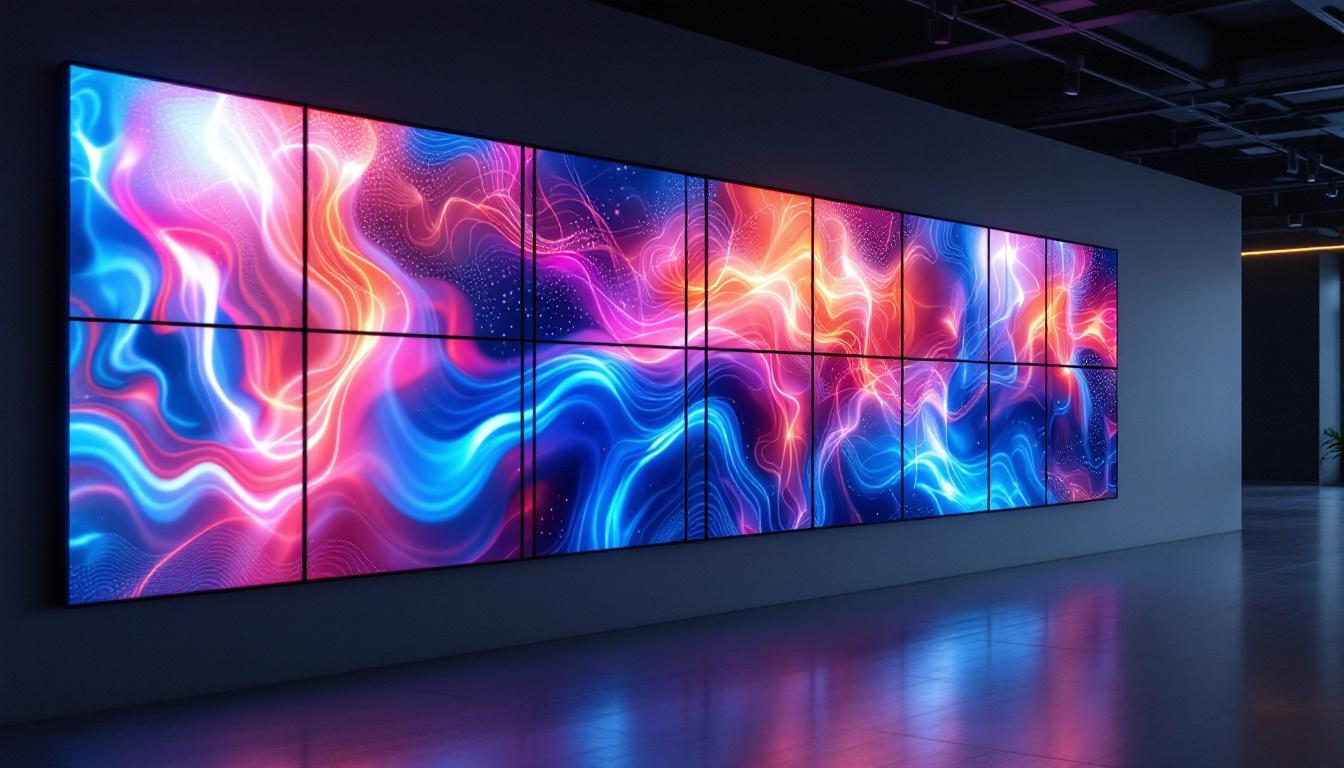
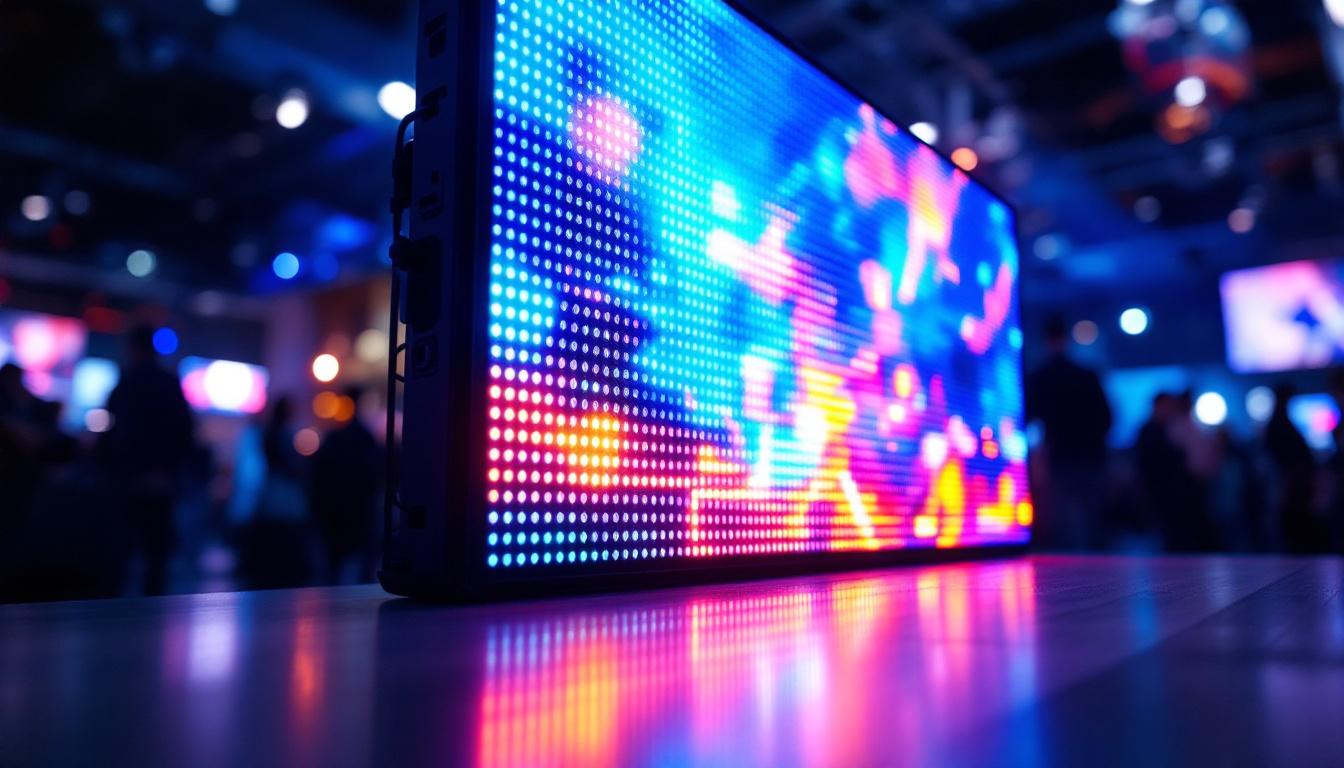
There are primarily two types of LED displays commonly integrated into in-wall AV boxes: segment LEDs and full-matrix LED panels. Segment LEDs are often used for simple numeric or alphanumeric readouts, such as volume levels or input source indicators. Full-matrix LED panels, on the other hand, can display complex graphics, animations, and video content.
Recent advancements have also introduced mini-LED and micro-LED technologies, which offer higher pixel densities and improved color accuracy. These innovations enable sharper images and more detailed visuals within compact form factors, ideal for in-wall installations where space is limited.
Brightness and Viewing Angles
One of the key advantages of LED displays is their high brightness levels, often exceeding 1000 nits, which ensures visibility even in brightly lit rooms. This is particularly important for in-wall AV boxes installed in living rooms or commercial spaces with large windows or strong ambient lighting.
Additionally, LED displays typically feature wide viewing angles, sometimes up to 160 degrees or more, allowing users to clearly see the display from different positions within the room. This characteristic enhances usability in multi-user environments such as conference rooms or home theaters.
Power Consumption and Heat Management
LED displays are known for their energy efficiency compared to other display technologies. However, when integrated into enclosed in-wall boxes, managing heat dissipation becomes critical to maintain performance and longevity. Manufacturers often incorporate ventilation slots, heat sinks, or active cooling mechanisms within the AV box design to address this issue.
Proper heat management not only protects the LED display but also safeguards other sensitive electronic components housed within the box, ensuring reliable operation over time.
Benefits of Using LED Displays in In-Wall AV Boxes
Enhanced Aesthetics and Space Efficiency
By embedding LED displays directly into the wall, these AV boxes eliminate the need for bulky external monitors or control panels. This integration contributes to a minimalist design ethos, where technology is seamlessly incorporated into the living or working environment without disrupting the décor.
Space efficiency is particularly valuable in compact rooms or areas where wall space is at a premium. In-wall AV boxes with LED displays free up surface areas and reduce cable clutter, enhancing both functionality and visual appeal.
Improved User Interaction and Control
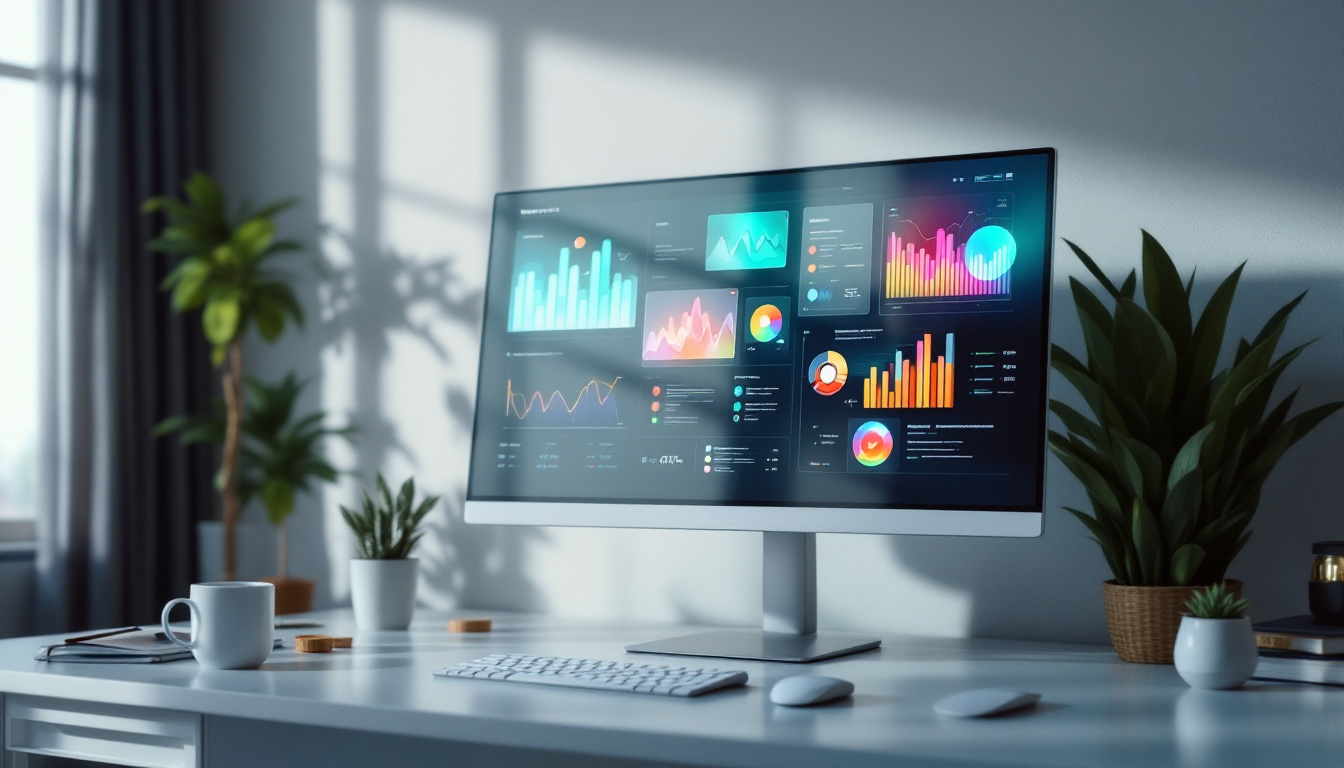
LED displays can be programmed to show real-time information such as device status, input selection, or volume levels, providing users with immediate feedback. Some systems also incorporate touch-sensitive LED panels, enabling intuitive control over AV functions without the need for separate remote controls or mobile apps.
This direct interaction streamlines operation, especially in environments like boardrooms or home automation setups where quick adjustments are frequently necessary.
Durability and Longevity
LED technology is renowned for its durability and long lifespan, often rated for tens of thousands of hours of operation. This reliability translates into lower maintenance costs and fewer replacements over the life of the installation.
In-wall AV boxes protect the LED display from physical damage, dust, and environmental factors, further extending the system’s operational life and ensuring consistent performance.
Applications of In-Wall AV Boxes with LED Displays
Residential Smart Homes
In smart home environments, in-wall AV boxes with integrated LED displays enable centralized control of entertainment systems, lighting, climate, and security. Homeowners can monitor system status and make adjustments via the embedded display, enhancing convenience and user experience.
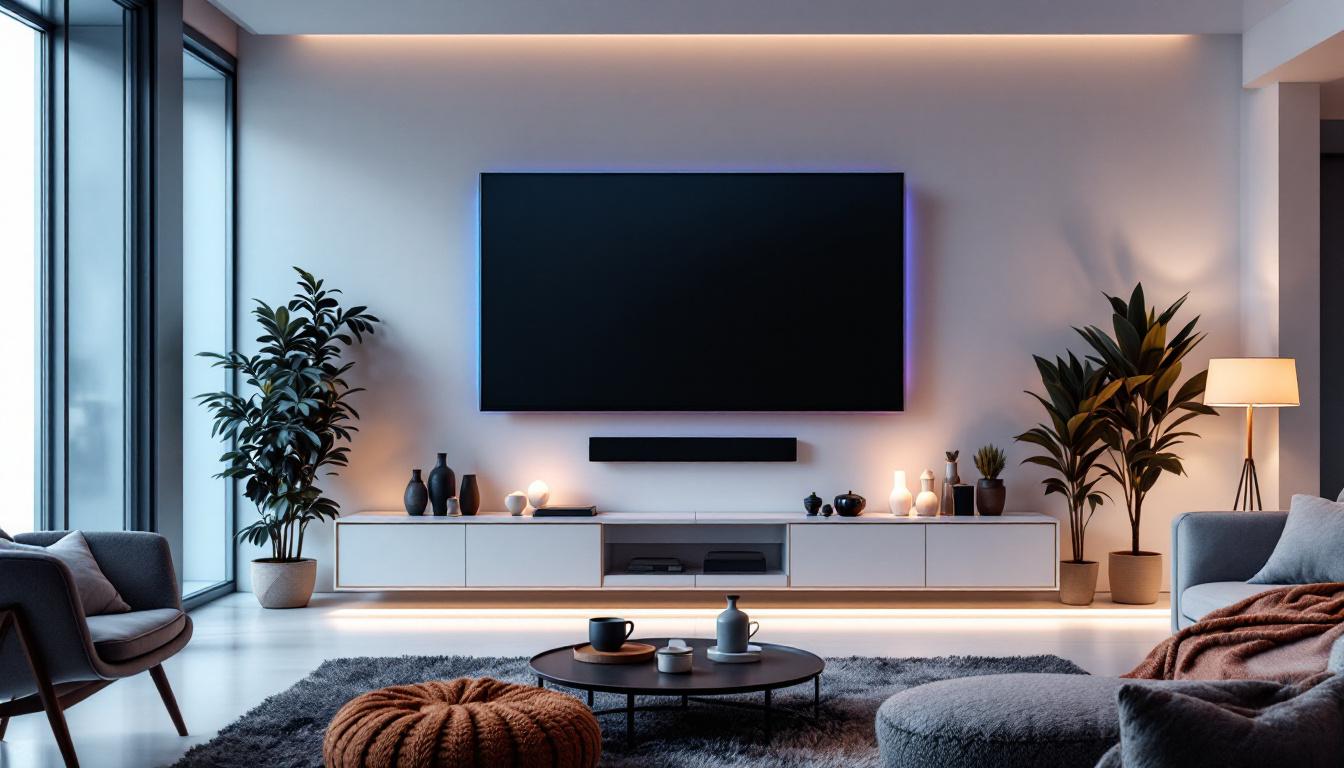
For example, a living room wall might feature an AV box displaying the current media source and volume level, allowing family members to quickly see and control their entertainment without searching for remotes or devices.
Corporate and Educational Settings
Conference rooms and lecture halls benefit from the clean installation and interactive capabilities of in-wall AV boxes. LED displays provide clear status updates on connected devices, such as projectors or video conferencing systems, and can be used to display meeting schedules or notifications.
Additionally, touch-enabled LED panels simplify switching between inputs or adjusting settings, reducing technical difficulties and improving meeting efficiency.
Retail and Public Spaces
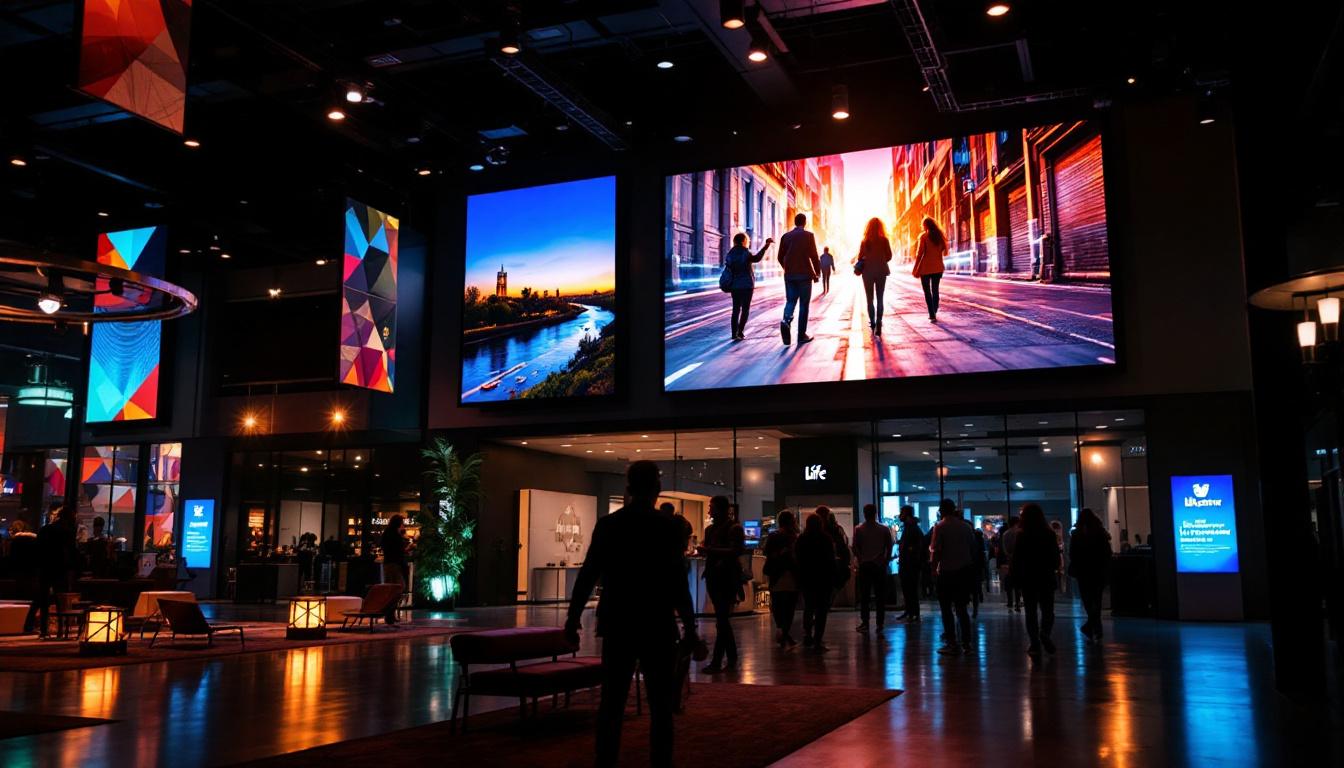
In retail environments, in-wall AV boxes with LED displays serve as dynamic signage or information kiosks. Their discreet installation preserves the store’s aesthetic while delivering vibrant, attention-grabbing content such as promotions, directions, or product information.
Similarly, in public spaces like airports or museums, these systems provide real-time updates and interactive maps, enhancing visitor engagement and wayfinding.
Installation and Maintenance Considerations
Planning and Wall Preparation
Successful integration of LED displays into in-wall AV boxes requires careful planning during the construction or renovation phase. The wall cavity must be appropriately sized to accommodate the box and allow for ventilation and cable routing.
Electrical wiring and network connections should be installed in advance, with consideration given to future upgrades or expansions. Consulting with AV professionals ensures that the installation meets technical requirements and complies with safety standards.
Compatibility and Integration
When selecting an in-wall AV box with an LED display, it is important to verify compatibility with existing AV equipment and control systems. Many modern AV boxes support integration with popular smart home platforms and control protocols such as HDMI-CEC, RS-232, or IP control.
Ensuring seamless communication between devices enhances the overall system functionality and user experience.
Maintenance and Troubleshooting
While LED displays are generally low-maintenance, periodic inspection of ventilation and cable connections is advisable to prevent overheating and signal issues. In-wall installations may require access panels or removable covers to facilitate servicing without damaging the wall.
Manufacturers often provide diagnostic tools and firmware updates to address potential software-related problems, helping to maintain optimal performance.
Future Trends in In-Wall AV Boxes and LED Displays
Advancements in Display Technology
Emerging technologies such as micro-LED and transparent LED displays promise to revolutionize in-wall AV solutions by offering even higher resolution, thinner profiles, and innovative form factors. These advancements will enable more immersive and interactive experiences in both residential and commercial settings.
Integration with IoT and AI
The convergence of in-wall AV boxes with Internet of Things (IoT) devices and artificial intelligence (AI) is set to enhance automation and personalization. LED displays may soon provide contextual information, predictive controls, and voice-activated interfaces, creating smarter and more responsive environments.
Sustainability and Energy Efficiency
As environmental concerns grow, manufacturers are focusing on eco-friendly materials and energy-saving designs. Future in-wall AV boxes with LED displays will likely incorporate recyclable components and advanced power management to reduce their carbon footprint.
Conclusion
In-wall AV boxes featuring LED displays represent a sophisticated fusion of technology and design, offering significant advantages in aesthetics, functionality, and user engagement. Their versatility makes them suitable for a wide range of applications, from smart homes to corporate environments and public spaces.
Understanding the technical aspects, benefits, and installation considerations is essential for making informed decisions when integrating these systems. As display and control technologies continue to advance, in-wall AV boxes with LED displays will play an increasingly vital role in shaping the future of audiovisual experiences.
Discover LumenMatrix’s Innovative LED Solutions
Ready to elevate your space with the latest in LED display technology? LumenMatrix is at the forefront of creating immersive environments with our comprehensive range of LED display solutions. From Indoor and Outdoor LED Wall Displays to specialized options like Vehicle, Sports, and Floor LED Displays, we have the perfect fit for your unique needs. Embrace the future of visual communication with our Custom, All-in-One, and Transparent LED Displays. Experience the LumenMatrix difference and check out LumenMatrix LED Display Solutions today to transform your audiovisual experience.